 EN
EN

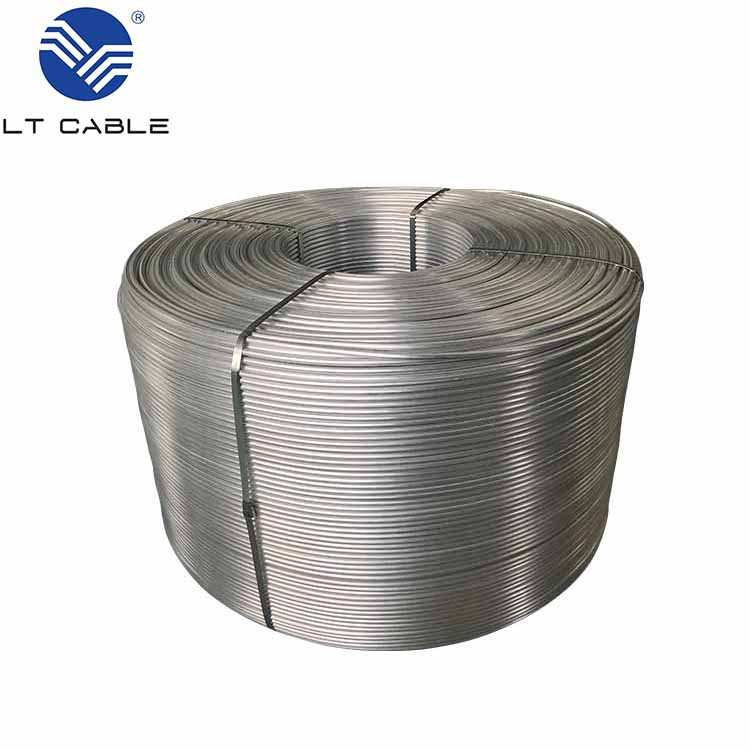
Fundamentos del alambre de aleación de aluminio-magnesio: composición, normas y efectos del temple
El contenido de magnesio como diferenciador principal en el alambre de aleación de aluminio-magnesio de la serie 5xxx
El magnesio constituye la mayor parte de lo que se incorpora al alambre de aleación de aluminio-magnesio de la serie 5xxx, y es precisamente lo que otorga a estos materiales su resistencia mecánica. Cuando los fabricantes incrementan el contenido de magnesio entre aproximadamente un 3 % y un 6 %, obtienen una mayor resistencia a la tracción mediante un fenómeno denominado endurecimiento por solución sólida. Sin embargo, si superan el 6 %, comienzan a aparecer problemas, especialmente un mayor riesgo de agrietamiento por corrosión bajo tensión. Para industrias en las que el fallo no es una opción, como la aeroespacial o la marina, lograr una composición exacta resulta absolutamente crítica. Las organizaciones normativas también han reconocido esta importancia, razón por la cual existen especificaciones como ASTM B209 e ISO 209 para garantizar prácticas adecuadas de fabricación en todos los ámbitos.
Intervalos comparativos de composición: 5056 (5,0–6,0 % Mg), 5154 (3,1–3,9 % Mg), 5083 (4,0–4,9 % Mg)
Variaciones sutiles, pero decisivas, en el contenido de magnesio definen la especialización funcional entre las calidades más comunes:
| Aleación | Contenido de Mg | Principales Fortalezas | Casos de Uso Óptimos |
|---|---|---|---|
| 5056 | 5.0–6.0% | Máxima resistencia y resistencia a la fisuración | Tornillería aeroespacial, alambre para soldadura MIG |
| 5154 | 3.1–3.9% | Formabilidad equilibrada y precisión en la soldadura | Componentes automotrices, conjuntos de cables flexibles |
| 5083 | 4.0–4.9% | Excelente resistencia a la corrosión y retención de la resistencia tras la soldadura | Elementos de fijación marinos, piezas estructurales en entornos agresivos |
Los tres cumplen con la norma ISO 209 para garantizar un comportamiento metalúrgico consistente durante el estirado del alambre y la fabricación.
Cómo los elementos traza (Mn, Cr, Fe) y los tratamientos térmicos (-O, -H32, -H34) regulan la capacidad de estirado y la integridad superficial
Los elementos traza ajustan finamente la procesabilidad y el rendimiento en servicio:
- Manganeso (Mn) mejora la trabajabilidad en caliente y suprime la fisuración en caliente durante el estirado multipaso.
- Cromo (Cr) estabiliza la estructura de grano, especialmente en condiciones corrosivas o a temperaturas elevadas.
- Hierro (Fe) debe limitarse a ≤0,4 % para evitar fases intermetálicas frágiles que afectan la ductilidad y el acabado superficial.
La selección del temple determina la respuesta mecánica final:
- -O (Recocido) proporciona la máxima ductilidad (hasta un 25 % de alargamiento), ideal para conformado en frío complejo.
- -H32 ofrece un equilibrio práctico: resistencia a la tracción de 270 MPa con un endurecimiento por deformación moderado, adecuado para aplicaciones generales de alambre.
- -H34 , logrado mediante un endurecimiento por deformación controlado, prioriza la integridad superficial y la estabilidad dimensional para alambres de alto acabado o estirados con precisión.
Comparación del rendimiento mecánico: resistencia a la tracción, alargamiento y comportamiento de endurecimiento por deformación
Valores de referencia de resistencia a la tracción según grado: 5056-H32 (310 MPa), 5154-H32 (290 MPa), 5083-H112 (315 MPa)
La relación entre la resistencia a la tracción y lo que un material puede soportar es bastante directa, aunque varía considerablemente según el grado de aleación y el proceso de temple utilizados. Por ejemplo, la aleación 5083-H112 alcanza una resistencia a la tracción de aproximadamente 315 MPa, lo que la convierte en una opción preferida para la construcción de estructuras que deben resistir esfuerzos importantes. Luego está la aleación 5056-H32, con 310 MPa, muy cercana en rendimiento; esta se emplea bien para fabricar pernos de resistencia media y alambres de aporte para soldadura MIG que aún necesitan una flexibilidad adecuada. Por último, tenemos la aleación 5154-H32, con una resistencia a la tracción de unos 290 MPa. Dado que esta aleación contiene menos magnesio, no es tan resistente, pero presenta mejor conformabilidad, por lo que los ingenieros suelen seleccionarla cuando se requieren piezas que deben ser conformadas más que simplemente ser extremadamente resistentes.
| Grado y temple de la aleación | Resistencia a la tracción (MPa) | Contexto principal de aplicación |
|---|---|---|
| 5056-H32 | 310 | Elementos de fijación sometidos a esfuerzos medios, alambre de aporte para soldadura MIG |
| 5154-H32 | 290 | Conjuntos flexibles de cables, componentes de muelles estirados |
| 5083-H112 | 315 | Componentes estructurales sometidos a cargas elevadas, estructuras marinas |
Estos valores reflejan ensayos normalizados según ASTM E8/E8M y están validados en lotes de producción que cumplen con las especificaciones ASTM B209.
Compromisos en la elongación y endurecimiento por deformación dependiente del temple durante el estirado de alambre en múltiples pasadas
Cuando los materiales aumentan su resistencia a la tracción, tienden a volverse menos elásticos, lo que genera problemas en procesos como el embutido profundo o al trabajar con dobleces de radio reducido. Tomemos, por ejemplo, las operaciones de estirado en múltiples pasos. Los materiales templados en estado H32 comienzan a endurecerse progresivamente a medida que pasan por cada etapa, incrementando gradualmente su resistencia, pero también creando riesgos de formación de microgrietas en la superficie si cada paso reduce el espesor del material en más del 15 al 20 % aproximadamente. El temple H34, sin embargo, presenta un comportamiento distinto. Este tipo de material resiste el endurecimiento excesivo y demasiado rápido, siendo aproximadamente un 20 % más resistente que el H32 en este aspecto; por lo tanto, los fabricantes pueden someterlo a varias etapas de deformación antes de necesitar recocerlo nuevamente. Debido a esta propiedad, el H34 resulta especialmente útil para la fabricación de hilos muy finos que deben conservar una alta calidad superficial. Estos hilos se emplean en aplicaciones sensibles, como la fabricación de componentes electrónicos y dispositivos médicos, donde tanto las dimensiones como el acabado superficial son factores críticos.
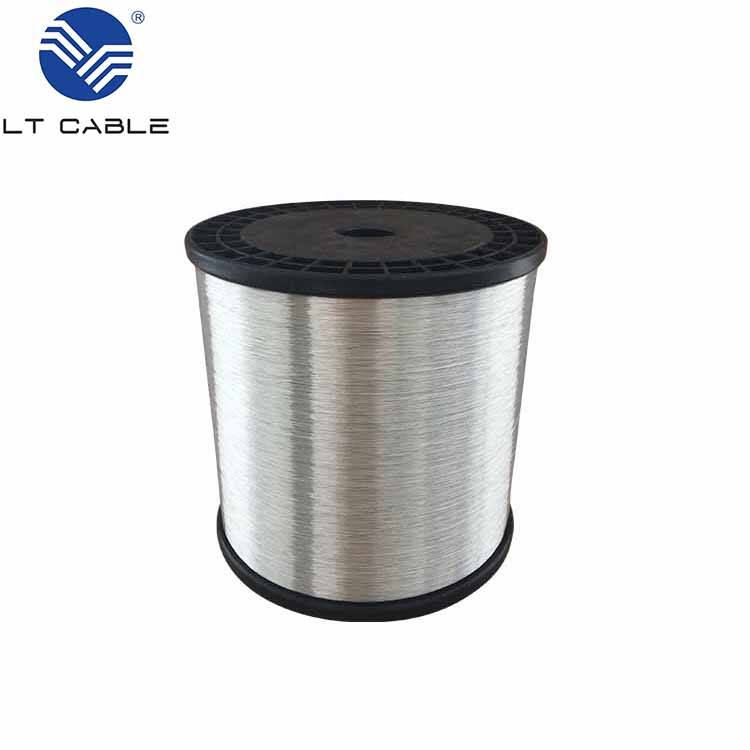
Adecuación para soldadura e integridad posterior a la soldadura: por qué la elección del grado determina el rendimiento del alambre para soldadura MIG/TIG
dominio del alambre de aleación de aluminio-magnesio 5056 en aplicaciones aeroespaciales de soldadura MIG: bajo riesgo de grietas por calor y alta estabilidad del arco
Cuando se trata de soldar componentes de aluminio aeroespacial, como tuberías de combustible, conductos y soportes de estructura de fuselaje, la mayoría de los profesionales recurren al alambre de aporte MIG 5056 porque resiste muy bien los problemas de grietas por calor. El contenido de magnesio oscila entre el 5,0 y el 6,0 %, lo que contribuye a crear soldaduras resistentes sin que aparezcan esas molestas grietas en el eje central, especialmente cuando el enfriamiento tras la soldadura es rápido. Otra ventaja importante es el bajo nivel de silicio presente en este material, lo que evita la formación de estructuras eutécticas frágiles Al-Si que podrían comprometer la calidad de la soldadura. Además, su comportamiento de fusión permanece bastante constante durante todo el proceso, por lo que el arco de soldadura se mantiene predecible y se genera muy poca salpicadura. Todas estas características hacen que el alambre 5056 cumpla las normas AMS 4170 y AWS A5.10, requisitos indispensables para trabajos aeronáuticos serios donde la seguridad no puede estar en absoluto comprometida.
Retención de resistencia tras la soldadura según grados: soldabilidad equilibrada del 5083 frente a la menor reblandecimiento de la zona afectada térmicamente del 5154
La forma en que los metales mantienen sus propiedades tras la soldadura depende realmente de si conservan su resistencia durante todos los ciclos de calentamiento y enfriamiento. Tomemos, por ejemplo, la aleación de aluminio 5083: mantiene aproximadamente del 90 al casi 95 % de su resistencia a la tracción original tras una soldadura MIG o TIG, siempre que los soldadores controlen adecuadamente la entrada de calor. Esto la convierte en un material preferido para uniones estructurales críticas, especialmente en embarcaciones y otras aplicaciones estructurales donde la fiabilidad es lo más importante. Además, como el rango de fusión del 5083 es más amplio, los soldadores obtienen mayor flexibilidad al ajustar los parámetros durante el proceso. Por otro lado, la aleación 5154 presenta una menor reblandecimiento en la zona afectada térmicamente debido a su menor contenido de magnesio. Sin embargo, esta aleación plantea desafíos propios: su rango de solidificación es bastante estrecho, por lo que los soldadores deben extremar la precaución con parámetros como los niveles de voltaje, la velocidad de desplazamiento de la pistola y las temperaturas entre pasadas. De lo contrario, existe un riesgo real de obtener una fusión deficiente o porosidad en la soldadura. Debido a estas tolerancias tan ajustadas, muchos fabricantes automotrices prefieren utilizar sistemas de soldadura automatizados al trabajar con la aleación 5154, para garantizar una calidad constante en toda la producción.
Resistencia a la corrosión en entornos exigentes: rendimiento en ambientes marinos, offshore y con exposición química
el alambre de aleación de aluminio-magnesio 5083 destaca en entornos marinos ricos en cloruros debido a su excelente resistencia a la picadura
La aleación 5083 realmente destaca en entornos cargados de iones cloruro, como plataformas de perforación marítima, cascos de embarcaciones y plantas desaladoras. Esto se debe a la forma en que el magnesio y el manganeso actúan conjuntamente en este material. Cuando su contenido de magnesio oscila entre el 4 % y casi el 5 %, se forma una capa protectora de óxido que se repara continuamente. Al mismo tiempo, el manganeso contribuye a reforzar los límites de grano y evita la formación de picaduras localizadas. Las pruebas realizadas según la norma ASTM G48 demuestran que la aleación 5083 presenta una resistencia a la picadura significativamente superior a la de alternativas como las aleaciones 5056 o 5154, especialmente a temperaturas elevadas. Otro punto a favor es que no reacciona negativamente al estar en contacto con acero inoxidable o aleaciones de cobre-níquel, comúnmente utilizadas en aplicaciones marinas. En entornos de procesamiento químico, la aleación 5083 puede soportar breves contactos con versiones diluidas de ácido sulfúrico, ácido fosfórico e incluso algunas sustancias cáusticas. Supera a la mayoría de los demás materiales de la serie 5xxx en estas condiciones. Sin embargo, nadie recomienda dejarla expuesta durante largos períodos a ácidos concentrados ni a disolventes clorados, ya que ello excede los límites de tolerancia para los que fue diseñada dicha aleación.
Tabla de contenidos
-
Fundamentos del alambre de aleación de aluminio-magnesio: composición, normas y efectos del temple
- El contenido de magnesio como diferenciador principal en el alambre de aleación de aluminio-magnesio de la serie 5xxx
- Intervalos comparativos de composición: 5056 (5,0–6,0 % Mg), 5154 (3,1–3,9 % Mg), 5083 (4,0–4,9 % Mg)
- Cómo los elementos traza (Mn, Cr, Fe) y los tratamientos térmicos (-O, -H32, -H34) regulan la capacidad de estirado y la integridad superficial
- Comparación del rendimiento mecánico: resistencia a la tracción, alargamiento y comportamiento de endurecimiento por deformación
-
Adecuación para soldadura e integridad posterior a la soldadura: por qué la elección del grado determina el rendimiento del alambre para soldadura MIG/TIG
- dominio del alambre de aleación de aluminio-magnesio 5056 en aplicaciones aeroespaciales de soldadura MIG: bajo riesgo de grietas por calor y alta estabilidad del arco
- Retención de resistencia tras la soldadura según grados: soldabilidad equilibrada del 5083 frente a la menor reblandecimiento de la zona afectada térmicamente del 5154
- Resistencia a la corrosión en entornos exigentes: rendimiento en ambientes marinos, offshore y con exposición química


