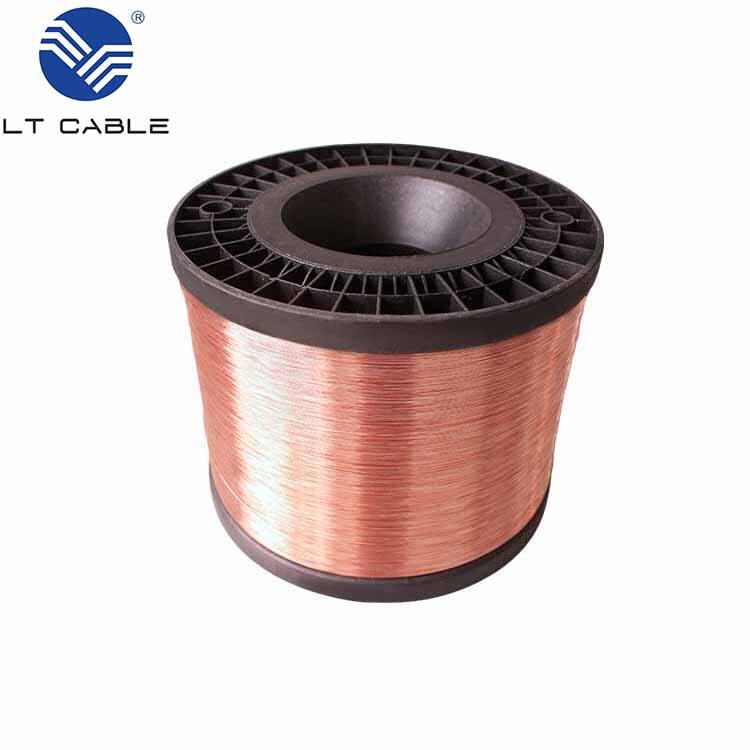
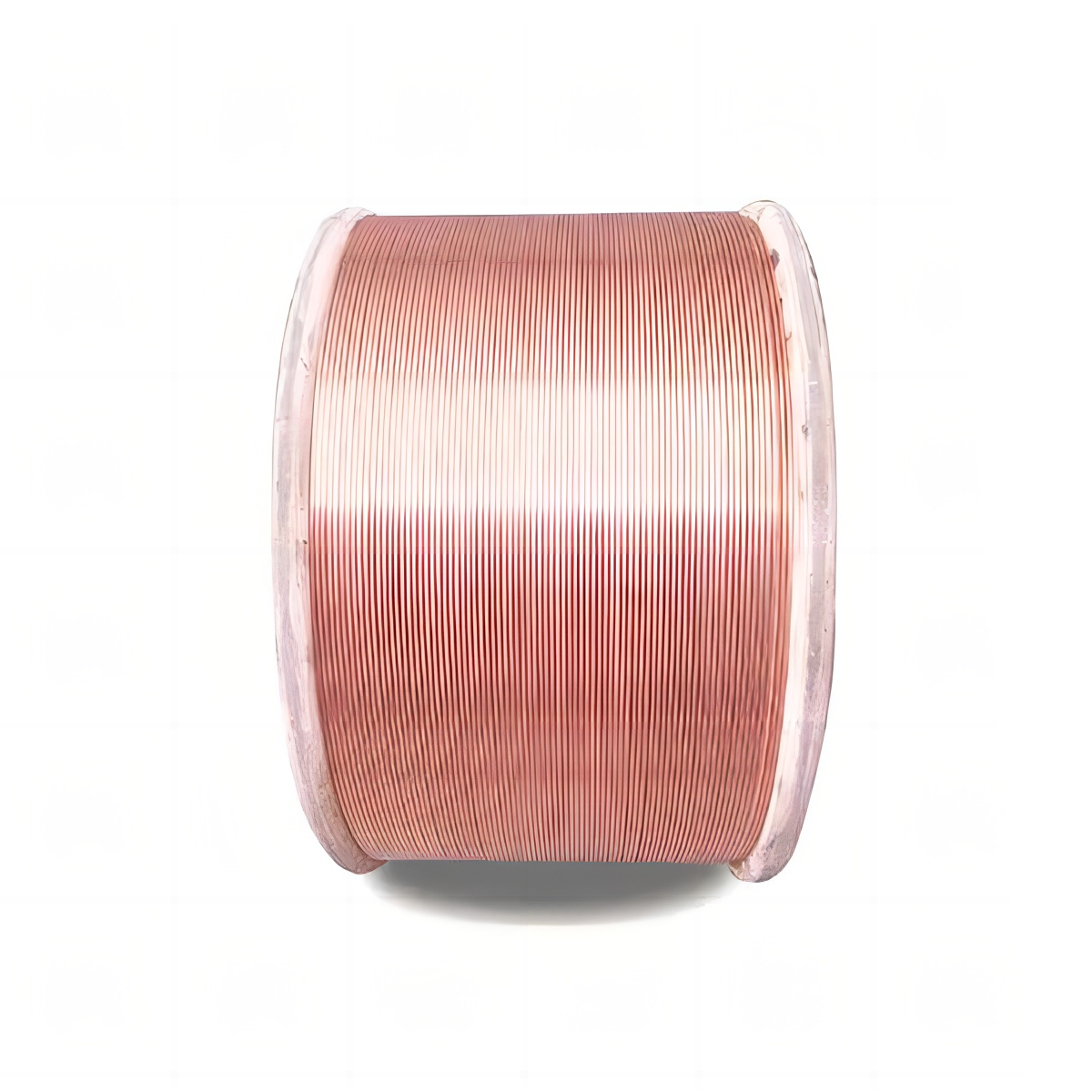
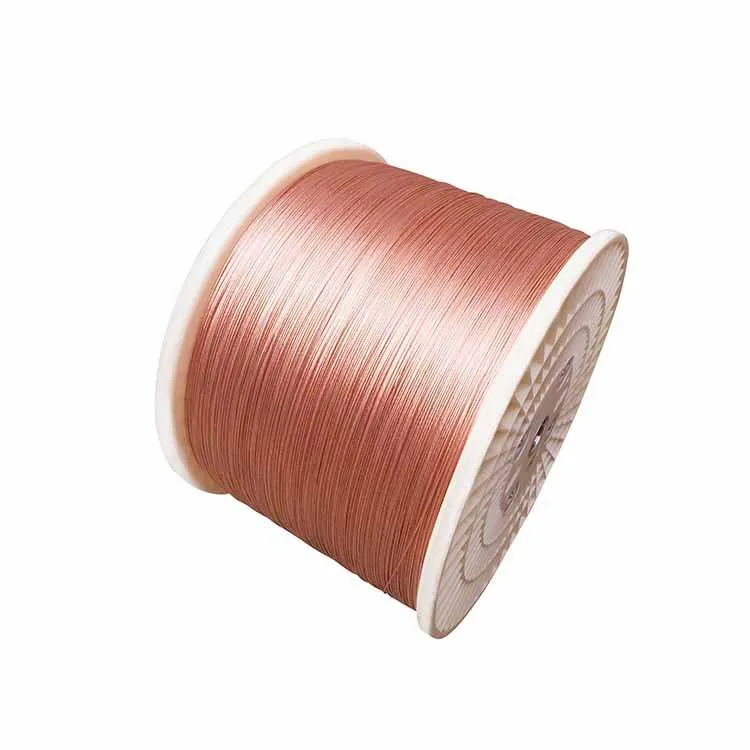
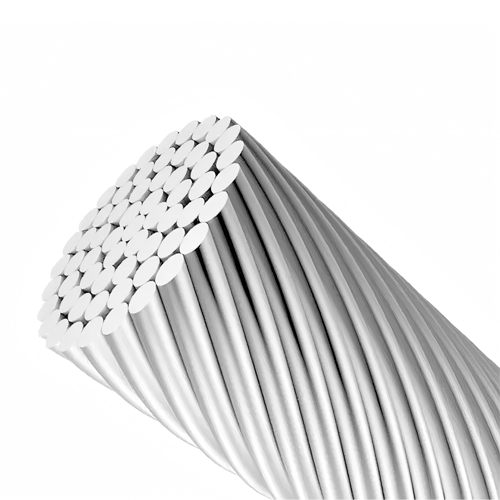
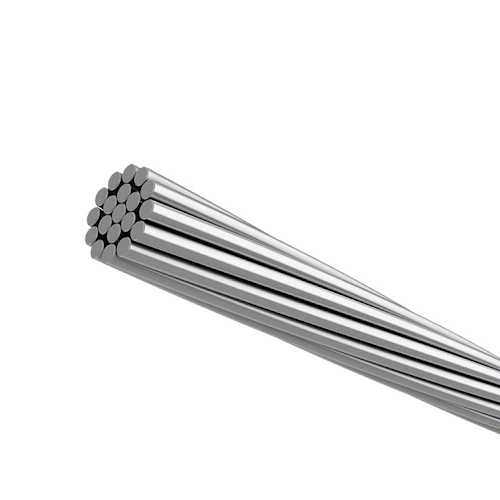
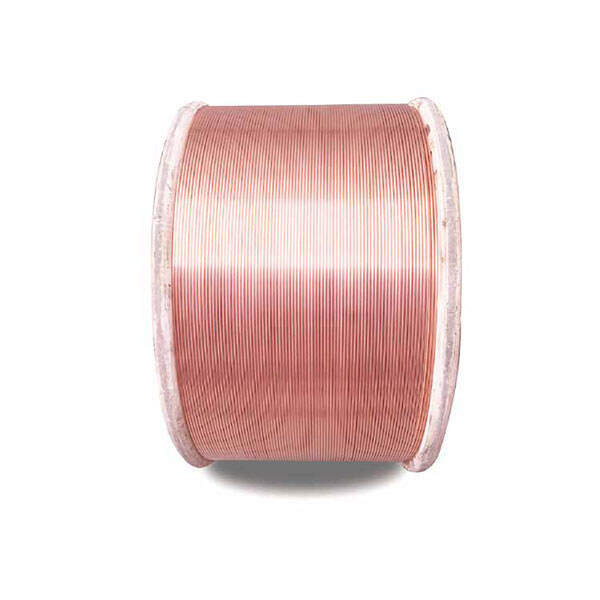
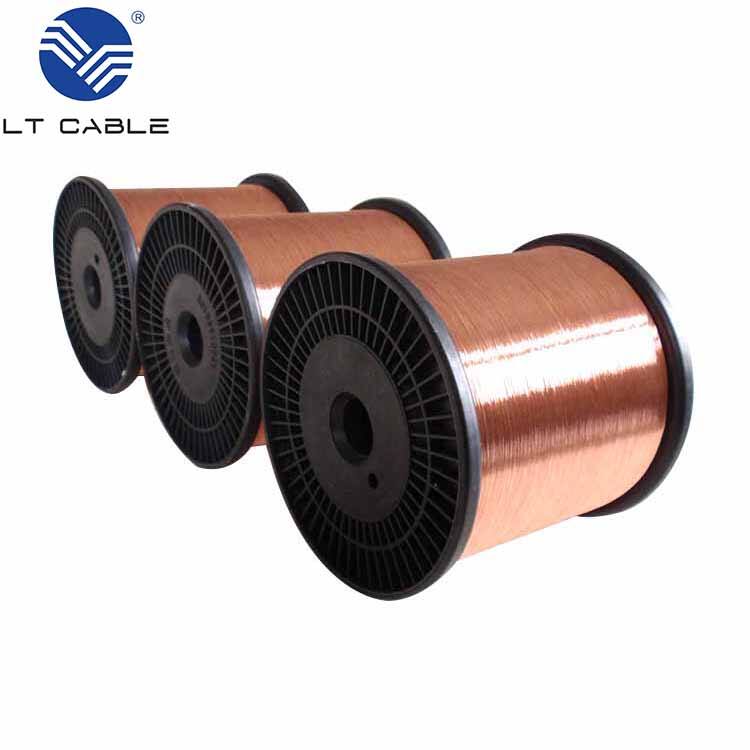
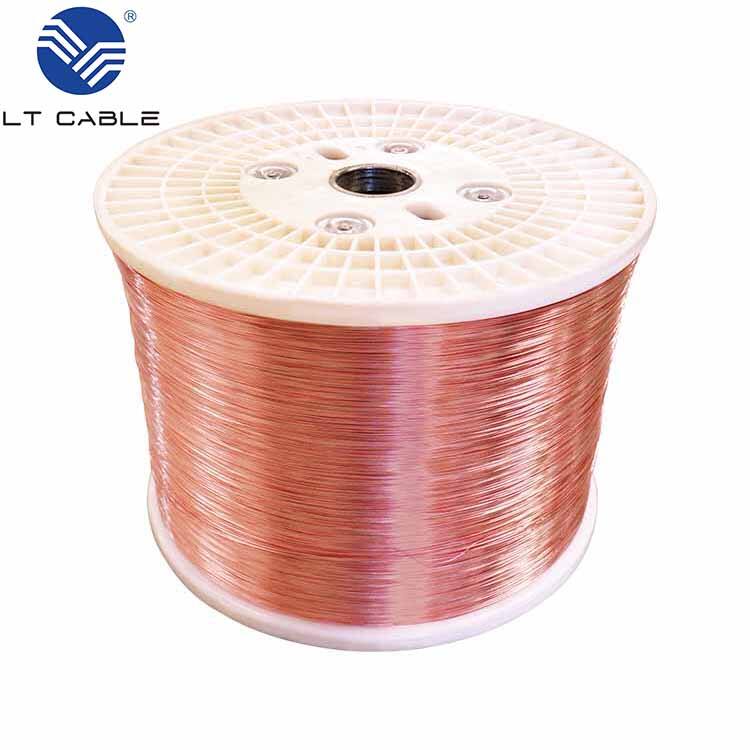
High Tensile Strength CCAW: Lightweight + 30% Less Energy Loss

Get a Free Quote

Our representative will contact you soon.
Name
Email
Mobile
Country/Region
Choose the product you want
Message
0/1000
High Tensile Strength CCAW: Unmatched Durability and Performance

High Tensile Strength CCAW: Unmatched Durability and Performance

High tensile strength Copper-Clad Aluminum Wire (CCAW) is engineered for superior performance in demanding applications. This innovative material combines the lightweight properties of aluminum with the conductivity of copper, resulting in a product that not only reduces energy loss but also enhances overall efficiency. Our CCAW is produced in fully automated production lines, ensuring consistent quality and precision in every strand. The high tensile strength of our CCAW allows for greater flexibility in design and installation, making it ideal for a variety of applications, from electrical wiring to telecommunications. With our commitment to quality and customer satisfaction, we provide tailored solutions that meet the specific needs of our clients, ensuring they receive the highest value from our products.
Get A Quote

Real-World Applications of High Tensile Strength CCAW

Telecommunications Efficiency Improvement

In a recent project with a leading telecommunications company, our high tensile strength CCAW was utilized to replace traditional copper wiring in their network infrastructure. The result was a 30% reduction in energy loss during transmission, significantly enhancing the overall efficiency of their operations. The lightweight nature of the CCAW also allowed for easier installation, reducing labor costs and downtime during the upgrade process. This case highlights the effectiveness of our CCAW in improving performance and reducing operational costs in telecommunications.

Automotive Industry Innovation

A major automotive manufacturer incorporated our high tensile strength CCAW into their electric vehicle production. By using our wire, they achieved a notable reduction in vehicle weight, contributing to improved fuel efficiency and performance. The durability of CCAW ensured that the wiring could withstand the rigors of automotive applications, providing a reliable solution for their electric systems. This partnership showcases how our CCAW is revolutionizing the automotive industry by enhancing vehicle performance while maintaining safety standards.

Renewable Energy Solutions

Our high tensile strength CCAW was selected for a solar energy project aimed at maximizing energy output. The wire’s excellent conductivity allowed for efficient energy transfer from solar panels to inverters, resulting in a 25% increase in energy capture. Additionally, the wire’s resilience to environmental factors ensured long-term reliability and performance in outdoor settings. This case demonstrates the suitability of our CCAW for renewable energy applications, supporting the global shift towards sustainable energy solutions.

Related products

High tensile strength Copper-Clad Aluminum Wire (CCAW) offers the greatest possible combination of advantages in wire engineering. For the wire to be manufactured to the appropriate standards, all stages of production, from the selection of raw materials to the testing of the finished wire, are carried out according to rules and regulations. Consistency and precision are guaranteed with fully automated operational production lines, and our team of highly qualified specialists supervises the production process to ensure that we are committed to the highest production standards. Due to the high tensile strength of the CCAW, the wire size can be reduced without sacrificing performance. Because of this, CCAW High tensile strength is the most appropriate wire for use in the telecommunications, automotive, and renewable energy industries. To provide our customers with reliable, peace of mind, CCAW High tensile strength products are manufactured in compliance with all international standards. We also take great pride in developing unique, specialized products that sustain our longstanding, exceptional reputation in the wire manufacturing industry.

Frequently Asked Questions about High Tensile Strength CCAW

What are the benefits of using high tensile strength CCAW?

High tensile strength CCAW offers numerous advantages, including reduced weight, improved conductivity, and enhanced durability. This makes it suitable for various applications, from telecommunications to automotive and renewable energy. The combination of copper's conductivity and aluminum's lightweight properties results in a wire that is efficient and cost-effective.
While traditional copper wire offers excellent conductivity, high tensile strength CCAW provides a lighter alternative with comparable performance. This results in lower energy loss, easier installation, and reduced overall costs, making it an attractive option for many industries.

Related article

CCA Wire for Automotive Harness: Pros, Cons, and Standards

09

Feb

CCA Wire for Automotive Harness: Pros, Cons, and Standards

Why Automotive OEMs Are Adopting CCA Wire: Weight, Cost, and EV-Driven Demand

EV Architecture Pressures: How Lightweighting and System Cost Targets Accelerate CCA Wire Adoption

The electric vehicle industry has two big challenges on its plate right now - making cars lighter to boost battery range while keeping component costs down. Copper clad aluminum (CCA) wire helps tackle both issues at once. It cuts weight by around 40% compared to regular copper wire, yet still manages about 70% of copper's conductivity according to research from Canada's National Research Council last year. Why does this matter? Because EVs need roughly 1.5 to 2 times more wiring than traditional gasoline powered vehicles, particularly when it comes to those high voltage battery packs and fast charging infrastructure. The good news is aluminum costs less upfront, which means manufacturers can save money overall. These savings aren't just pocket change either; they free up resources for developing better battery chemistries and integrating advanced driver assistance systems. There's one catch though: thermal expansion properties differ between materials. Engineers have to pay close attention to how CCA behaves under heat changes, which is why proper termination techniques following SAE J1654 standards are so important in production environments.

Real-World Deployment Trends: Tier-1 Supplier Integration in High-Voltage Battery Harnesses (2022–2024)

More Tier 1 suppliers are turning to CCA wire for their high voltage battery harnesses on those 400V plus platforms. The reason? Localized weight reductions really boost pack level efficiency. Looking at validation data from about nine major electric vehicle platforms across North America and Europe between 2022 and 2024, we see most of the action happening in three main spots. First there's those inter cell busbar connections which account for roughly 58% of what's going on. Then comes the BMS sensor arrays and finally the DC/DC converter trunk cabling. All these setups meet ISO 6722-2 and LV 214 standards too, including those tough accelerated aging tests that prove they can last around 15 years. Sure, the crimp tools need some adjustments because of how CCA expands when heated, but manufacturers still find themselves saving approximately 18% per harness unit when switching from pure copper options.

Engineering Trade-offs of CCA Wire: Conductivity, Durability, and Termination Reliability

Electrical and Mechanical Performance vs. Pure Copper: Data on DC Resistance, Flex Life, and Thermal Cycling Stability

CCA conductors have about 55 to 60 percent more DC resistance compared to copper wires of the same gauge size. This makes them more prone to voltage drops in circuits carrying large currents such as those found in battery main feeds or BMS power rails. When it comes to mechanical properties, aluminum just isn't as flexible as copper. Standardized bend tests reveal that CCA wiring usually breaks down after around 500 flex cycles maximum, whereas copper can handle over 1,000 cycles before failing under similar conditions. Temperature fluctuations pose another problem too. The repeated heating and cooling experienced in automotive environments ranging from minus 40 degrees Celsius up to 125 degrees creates stress at the interface between copper and aluminum layers. According to testing standards like SAE USCAR-21, this kind of thermal cycling can boost electrical resistance by roughly 15 to 20 percent after just 200 cycles, which significantly impacts signal quality especially in areas subject to constant vibration.

Crimp and Solder Interface Challenges: Insights from SAE USCAR-21 and ISO/IEC 60352-2 Validation Testing

Getting termination integrity right remains a major challenge in CCA manufacturing. Tests according to SAE USCAR-21 standards have shown that aluminum tends to experience cold flow issues when subjected to crimp pressure. This problem leads to around 40% more pull-out failures if the compression force or die geometry isn't just right. The solder connections also struggle with oxidation at where copper meets aluminum. Looking at ISO/IEC 60352-2 humidity tests, we see mechanical strength drops by as much as 30% compared to regular copper solder joints. Top automotive manufacturers try to get around these problems by using nickel plated terminals and special inert gas soldering techniques. Still, nothing beats copper when it comes to lasting performance over time. Because of this, detailed micro section analysis and rigorous thermal shock testing are absolute musts for any component going into high vibration environments.

Standards Landscape for CCA Wire in Automotive Harnesses: Compliance, Gaps, and OEM Policies

Key Standards Alignment: UL 1072, ISO 6722-2, and VW 80300 Requirements for CCA Wire Qualification

For automotive grade CCA wire, meeting all sorts of overlapping standards is pretty much essential if we want safe, durable wiring that actually works properly. Take UL 1072 for instance. This one deals specifically with how well medium voltage cables resist fires. The test here requires CCA conductors to survive flame propagation tests at around 1500 volts. Then there's ISO 6722-2 which focuses on mechanical performance. We're talking about at least 5000 flex cycles before failure plus good abrasion resistance even when exposed to under hood temperatures reaching 150 degrees Celsius. Volkswagen throws another curveball with their VW 80300 standard. They demand exceptional corrosion resistance from high voltage battery harnesses, requiring them to withstand salt spray exposure for over 720 hours straight. All told, these various standards help confirm whether CCA can really work in electric vehicles where every gram counts. But manufacturers need to keep an eye on conductivity losses too. After all, most applications still require performance within 15% of what pure copper delivers as a baseline.

The OEM Divide: Why Some Automakers Restrict CCA Wire Despite IEC 60228 Class 5 Acceptance

While the IEC 60228 Class 5 standard does allow for conductors with higher resistance such as CCA, most original equipment manufacturers have drawn clear lines about where these materials can be used. Typically, they limit CCA to circuits that draw less than 20 amps and completely ban it from any system where safety is a concern. The reason behind this restriction? There are still reliability issues. Testing shows that aluminum connections tend to develop about 30 percent more contact resistance over time when subjected to temperature changes. And when it comes to vibrations, CCA crimp connections break down almost three times quicker than copper ones according to SAE USCAR-21 standards in those vehicle harnesses mounted on suspensions. These test results highlight some serious holes in current standards, especially regarding how these materials hold up against corrosion over years of service and under heavy loads. As a result, car makers base their decisions more on what actually happens in real world conditions rather than just ticking boxes on compliance paperwork.

View More
To maintain enameled wire and extend its service life, follow these steps: clean regularly, avoid overheating...

To maintain enameled wire and extend its service life, follow these steps: clean regularly, avoid overheating...

Understanding Enameled Wire Types and Their Maintenance Needs

Differences Between Enameled Copper Wire and Copper Clad Aluminum

The conductivity of enameled copper wires stands out compared to other options, which is why they work so well in transformer and inductor applications where performance matters most. Their ability to conduct electricity efficiently helps keep systems running at peak levels without wasting power. When looking at alternatives though, copper clad aluminum offers some distinct benefits. It weighs less than pure copper and generally costs less too, making it attractive for budget conscious installations or situations where every ounce counts. Many manufacturers turn to copper clad aluminum for basic wiring jobs when expenses need to stay under control. So while both materials have their place, engineers typically choose enameled copper when maximum efficiency is required, whereas copper clad aluminum finds its niche in applications where saving money and cutting down on weight takes priority over absolute electrical performance.

Why Stranded Wire Requires Special Handling Compared to Solid Wire

Stranded wire is basically just several small wires twisted together, giving it that bendy quality needed when things move around a lot. But there's a catch with these multi-strand setups because they tend to break or wear out faster if not handled right. Those tiny individual strands work great for places with vibrations or constant motion, but stripping them bare or connecting terminals without care can ruin everything. Good technique matters here folks, otherwise all that flexibility turns into frustration later on down the line. Solid wires don't give this hassle since they're stiff and straightforward to work with. Stranded ones though? They need extra attention to keep working properly over time, especially in installations where bending comes part and parcel with daily operations.

Temperature Tolerance Variations in Enamel Coatings

The temperature resistance of enamel coatings varies quite a bit between different wire types, which makes a real difference in how they perform under heat stress. Take common options like polyurethane, polyester, or polyamide-imide coatings each has its own thermal limits that matter a lot when working in hot environments. Knowing what those limits are helps pick the right material for the job so devices last longer without wires failing unexpectedly. Research shows that once wires start operating past their temperature ratings, failure rates jump noticeably, which underscores why matching enamel type to application conditions matters so much. Since heat buildup remains a problem across countless electrical systems, getting the enamel choice right from the start often means the difference between reliable operation and costly repairs down the road.

Essential Tools for Enameled Wire Maintenance

Selecting the Right Abrasives for Enamel Removal

Getting the right abrasives matters a lot when removing enamel because various methods and grit levels really affect results. Most folks reach for sandpaper or grinding brushes, each with different roughness levels suitable for particular jobs. The finer grit stuff works best on detailed work where mistakes could ruin what's underneath the coating. Picking abrasives means thinking about what kind of wire we're dealing with and what exactly needs done. Too aggressive and we risk stripping away too much; too gentle and progress grinds to a halt. Take thin gauge wires for example they often call for super fine abrasives just to get the job done without wrecking their performance characteristics. Thicker wires handle rougher materials better since there's more material to spare during the process.

Importance of Temperature-Controlled Soldering Irons

A good temperature controlled soldering iron makes all the difference when working with enameled wire. Without proper temperature management, the heat can easily melt away that protective enamel layer, leaving the wire vulnerable to damage over time. Keeping things at just the right temp really matters because different wires react differently during soldering processes. Some folks swear by the Hakko FX-888D model since it lets them tweak temperatures down to the exact degree needed for whatever job they're tackling. Getting the combination right between the soldering iron model and actual temperature settings isn't just about making connections stick better. It actually extends how long those wires will last before needing replacement, saving money in the long run while ensuring reliable electrical connections every time.

Using Flux: Types and Application Methods

Flux is really important when working with enameled wire during soldering because it helps create stronger electrical connections and stops oxidation from happening. There are different kinds of flux out there, like rosin based stuff or water soluble options, each suited for particular jobs based on what needs to be achieved. For serious work where performance matters most, rosin based flux tends to work best. Water soluble varieties clean up much easier after soldering though, which makes them popular for certain applications. Getting the application right makes all the difference in getting good results without wasting materials. The trick is to apply just enough flux and watch how the solder flows across the surface. When done properly, this ensures good conductivity while keeping pesky residue buildup at bay. Most experienced technicians will tell you that going overboard with flux only creates more problems down the line.

Step-by-Step Guide to Soldering Enameled Wire

Proper Enamel Stripping Techniques Without Damaging Conductors

When stripping enamel off enameled wire without harming the actual conductor underneath, there are certain methods that work best while others should be avoided at all costs. Heat works pretty well for getting rid of that enamel coating, or sometimes people use special chemicals to dissolve it away. Either way, what matters most is making sure the wire stays conductive enough for good soldering later on. Don't go overboard with scraping though because that tends to damage the wire itself. Most pros stick to applying controlled amounts of heat or rely on those specialty chemicals recommended by manufacturers. These approaches protect the wire during the process and ultimately lead to better solder joints down the road when working on electronic projects.

Tinning Process for Optimal Electrical Contact

Tinning makes all the difference when it comes to getting good electrical contacts from enameled wires. The process basically coats the wire with a thin layer of solder, creating that smooth surface needed for proper conductivity while cutting down on resistance. How well this works depends heavily on the technique used. Some folks swear by heat strippable enamel because it just works better for certain applications than others. Industry data backs this up too many poorly tinned connections end up failing much more often than those done right. For anyone working with these wires, taking time to get the tinning right isn't just recommended its absolutely necessary if we want our electrical connections to hold up over time.

Creating Durable Connections: Heat Management Strategies

Controlling heat when soldering makes all the difference between good connections and damaged enamel coatings. Techs often rely on heat sinks or tweak their timing techniques to get better results from solder joints. Keep an eye on temps at all times really matters because too much heat will melt away those protective enamel layers over time. Most experienced焊工 know this stuff firsthand after seeing what happens when things get too hot. Proper temperature control isn't just theory it works in real world situations across different industries, making sure soldered components last longer and perform reliably day after day.

Preventive Maintenance and Damage Inspection

Identifying Early Signs of Enamel Degradation

Spotting early warning signs like discoloration, flaking, or cracks in enamel coatings matters a lot when it comes to keeping wires performing properly. When these issues appear, they usually mean the wire isn't conducting electricity as well as it should be. Checking regularly helps catch problems before they turn into big headaches that stop everything from working right. Research into how long wires last shows that sticking to regular checkups makes all the difference for keeping things running smoothly. Most professionals suggest planning out when inspections happen depending on how hard the equipment works and what kind of environment it sits in. Some facilities find monthly checks work best while others might need weekly looks if conditions get really tough on their wiring systems.

Testing Continuity in Stranded vs Solid Wire Configurations

When checking if wires are continuous in electrical systems, technicians typically grab a multimeter to see if current flows properly through the circuit. However, what works for one type of wire doesn't always work for another. Stranded wire, made up of many thin strands twisted together, needs special attention during testing because it bends easily and has gaps between strands that can fool standard tests. Solid wire is much simpler since it's just one thick conductor without those complications. Field reports show plenty of problems caused by people not adjusting their testing method based on wire type. We've seen installations fail repeatedly simply because someone used the wrong technique on stranded conductors. That's why experienced electricians develop specific routines for each wire configuration they encounter. Getting this right isn't just about following procedures it literally means the difference between safe operation and potential hazards down the line.

Moisture Protection and Corrosion Prevention

Keeping enameled wire safe from moisture and corrosion should be a top priority if we want to maintain its quality and how well it works over time. The best way to do this? Apply proper sealants and store the wire where humidity isn't an issue. Good materials matter too, especially when dealing with harsh weather conditions that just wear down wiring systems faster than normal. We've seen plenty of instances in the field where wires exposed to damp environments started showing signs of damage much sooner than expected. This real world evidence shows why taking basic precautions makes all the difference in protecting our investments against those pesky environmental factors that nobody wants to deal with.

Troubleshooting Common Enameled Wire Issues

Repairing Partial Discharge Damage in High-Voltage Applications

Partial discharge damage remains a major concern for anyone working with high voltage systems. The problem usually starts when there are tiny voids, cracks, or impurities hidden inside the insulation material. What happens next? Those little discharges start eating away at the enameled wire over time, which eventually leads to insulation breakdown and system failure if left unchecked. When it comes to fixing this kind of damage, technicians typically resort to patching and recoating procedures. Let's break down how it works in practice: locate the affected section first, give it a thorough cleaning, and then apply either specialized enamel or insulating varnish to bring back the wire's structural integrity. Field engineers who have dealt with hundreds of these repairs will tell you that following these steps makes all the difference. Most report success rates well above 80% in extending wire life expectancy while keeping electrical systems running reliably under stress conditions.

Addressing Insulation Resistance Failures

When insulation resistance fails in enameled wires, it usually happens because of things like overheating, mechanical stress, or exposure to corrosive substances over time. The results can be pretty serious too – think reduced performance across the board or even total system failure. For anyone dealing with these problems regularly, having a good troubleshooting strategy matters a lot. Most technicians swear by regular testing routines using specialized equipment like insulation resistance meters to get to the bottom of what's going wrong. Looking at actual field reports shows that following this methodical process cuts down on unexpected problems while making operations safer overall. This kind of proactive maintenance just makes sense for keeping electrical infrastructure running smoothly year after year.

Salvaging Overheated Windings: When to Recoat vs Replace

The choice between recoating or replacing overheated windings needs some serious thinking. Recoating works best for minor issues where only the surface enamel shows signs of wear without much degradation. But if the damage goes deeper and starts messing with the core structure itself, then replacement becomes unavoidable. Thermal damage levels and budget constraints are two big factors that influence what gets done. Industry pros suggest checking winding condition against established standards while also looking at how different options affect future performance costs. Most maintenance teams find it pays off to invest time upfront assessing these variables rather than rushing into quick fixes that might cause bigger problems down the road.

Best Practices for Long-Term Storage

Environmental Controls for Bulk Wire Spools

Getting the environmental conditions right matters a lot when storing bulk wire spools for any length of time. The main things to watch are keeping temperatures steady, not letting humidity get too high, and making sure there's no direct light hitting the spools. When stored properly, enameled wire stays in good condition longer and keeps performing as expected. Research shows that if temperatures swing around too much, it actually changes both how the wire feels and what happens chemically inside, which could mess up how reliable it is later on. For best results, aim to keep temps somewhere between about 22°C and 30°C, and don't let humidity creep above 60%. Also worth noting that sunlight or even regular office lighting can slowly break down the insulation coating on those wires, leading to failures before their time. Companies that take care to control these factors tend to find their wire stock lasts much longer without issues, saving money and headaches down the road.

Anti-Oxidation Treatments for Copper Conductors

Anti oxidation treatments offer a smart way to make copper conductors last longer before they need replacing. People often use things like tinning, plating, or apply antioxidant oils and greases to cut down on oxidation issues. When we talk about tinning specifically, it means putting a thin coat of tin onto the copper surface. This creates a shield against both oxygen and moisture getting at the metal underneath. Experience shows this works really well at stopping corrosion while keeping the electrical properties intact. Most folks apply these coatings through simple methods like dipping components into solution or using electroplating techniques to get an even coverage across all surfaces. Maintenance matters too though. Checking regularly and touching up those protective layers when needed keeps everything working properly over time. Research from various long term tests indicates that copper wires treated with these anti oxidation approaches tend to stay functional much longer than untreated ones, meaning fewer replacements and lower costs overall for most industrial applications.

Proper Coiling Methods to Prevent Mechanical Stress

Getting the coiling right for enameled wires matters a lot if we want to avoid mechanical stress that could mess up how they perform. Most folks in the field will tell you to steer clear of tight coils and keep things even when winding them up. This helps stop the wire from getting bent out of shape or stretched too far, both of which can crack that protective enamel layer and lead to all sorts of problems down the line. We've seen plenty of cases where bad coiling practices, like those awkward reverse bends or pulling too hard, actually break the wire and make it less flexible over time. The trick is to use proper spools and guides that help maintain just the right angle while winding. This simple step cuts down on most of the common issues. Industry pros consistently point out that sticking to standard coiling procedures does more than just protect the wire itself it extends how long it lasts and makes whole systems run better. For companies investing in enameled wire products, getting this right means saving money in the long run and keeping operations running smoothly without unexpected breakdowns.

Advanced Techniques for Specialty Applications

Maintaining Enamel Integrity in High-Frequency Transformers

Keeping enamel intact on high frequency transformers matters a lot because these components face special problems from their operating environment. When those fast moving signals interact with the enamel coating, things start breaking down over time unless we handle it right. That means picking good materials upfront and sticking to proper maintenance routines. What happens physically isn't simple at all electrodynamic forces get involved that put real strain on the enamel layer, messing with its ability to insulate properly. Research published in the Journal of Applied Physics back in 2022 found that when enamel isn't applied consistently across transformer surfaces, efficiency drops off significantly. Industry experts recommend going for tougher enamel options or investing in better application techniques to avoid these issues. Newer studies keep pointing toward specialized enamel formulas designed specifically for harsh environments. These advancements help maintain performance standards while extending how long transformers last before needing replacement.

UV Resistance Considerations for Outdoor Installations

When installing equipment outdoors, UV resistance matters a lot for how well things perform over time. Sunlight breaks down enamel on wires pretty quickly, which leads to insulation problems and higher repair bills down the road. Picking the right materials and coatings makes all the difference here. According to findings published in the Solar Energy Journal, special coatings mixed with UV protection ingredients really extend product lifespan, helping systems hold up against tough weather conditions. We've seen this work in practice too. Solar farms across the country report their equipment lasts much longer when they use these UV resistant materials. Same goes for telecom towers standing in direct sunlight day after day. Companies save money on replacements and spend less time fixing broken components. For anyone working with outdoor electrical installations, investing in quality UV protected wiring isn't just smart it's practically essential if we want our infrastructure to last through those brutal summer months without constant headaches and unexpected costs.

Handling Litz Wire and Multi-Strand Configurations

Litz wire is known for cutting down on skin effect issues and works much better than regular wire in radio frequency applications, which gives it some serious benefits in certain situations. Basically made up of lots of tiny insulated strands twisted together, this special wire cuts energy loss and spreads out the electrical current more evenly across all those strands. When working with Litz wire during soldering jobs, technicians should really focus on keeping those twists tight and consistent throughout the whole length while being careful not to damage any individual strands when stripping insulation off. Most seasoned electricians will tell anyone who asks that following proper handling protocols matters a lot because messing up even just one part can ruin what makes Litz so good at what it does. We see Litz wire performing exceptionally well in things like high frequency transformers used in power supplies and induction heating units found in industrial kitchens. The difference in performance between Litz and standard copper wire becomes pretty obvious after running tests side by side. Real world experience shows that getting the installation right from start to finish makes all the difference in how reliable these systems actually are over time.

View More
CCA Wire Cost Benefits for High-Frequency Data Cables in 5G Rollouts

11

Aug

CCA Wire Cost Benefits for High-Frequency Data Cables in 5G Rollouts

Understanding CCA Wire: Composition and Electrical Characteristics

What Is Copper Clad Aluminum (CCA) Wire?

Copper Clad Aluminum or CCA wire has an aluminum center wrapped in a thin copper coating, giving manufacturers a good mix of affordability and decent conductivity. The aluminum inside cuts down on material expenses significantly when compared to all copper alternatives, and the outer copper layer helps protect against rust while still working well with regular copper connectors that most systems already use. We're seeing more telecom companies turn to CCA these days, especially for those budget conscious 5G installations at network edges. But there's a catch worth noting too many engineers find out the hard way about how CCA performs under high frequency conditions. Some testing and real world trials are definitely needed before deploying this type of wiring where signal integrity matters most.

Electrical and Physical Properties: CCA vs Pure Copper Conductors

While pure copper delivers 100% IACS conductivity, CCA achieves approximately 63% due to aluminum's higher resistivity. Key differences include:

  • Weight: CCA is 50–60% lighter than pure copper, simplifying installation in aerial and rooftop deployments
  • Thermal Performance: Aluminum's lower melting point (660°C vs. copper's 1,085°C) limits sustained power handling
  • Durability: ASTM B-566 bend-cycle testing shows CCA has 25–30% higher fatigue rates than pure copper

For 5G networks requiring lightweight, flexible cabling, CCA's trade-offs often align with infrastructure budget constraints.

DC Resistance and Signal Integrity Implications in High-Frequency Applications

CCA has 55–60% higher DC resistance than pure copper (IEC 60228), a gap that worsens at high frequencies due to:

  • Skin Effect: At frequencies above 1 GHz, current flows primarily within the copper layer (0.006–0.008 mm depth), partially mitigating but not eliminating aluminum's resistivity impact
  • Insertion Loss: CCA cables exhibit 2.1–3.5 dB/100m higher attenuation than copper at 3 GHz (TIA-568-C.2)
  • Impedance Stability: Aluminum oxidation in humid environments can cause impedance variations (±3–5Ω), increasing return loss

These factors necessitate conservative channel-length planning in 5G backhaul and small-cell networks using CCA.

High-Frequency Performance Challenges of CCA in 5G Data Cables

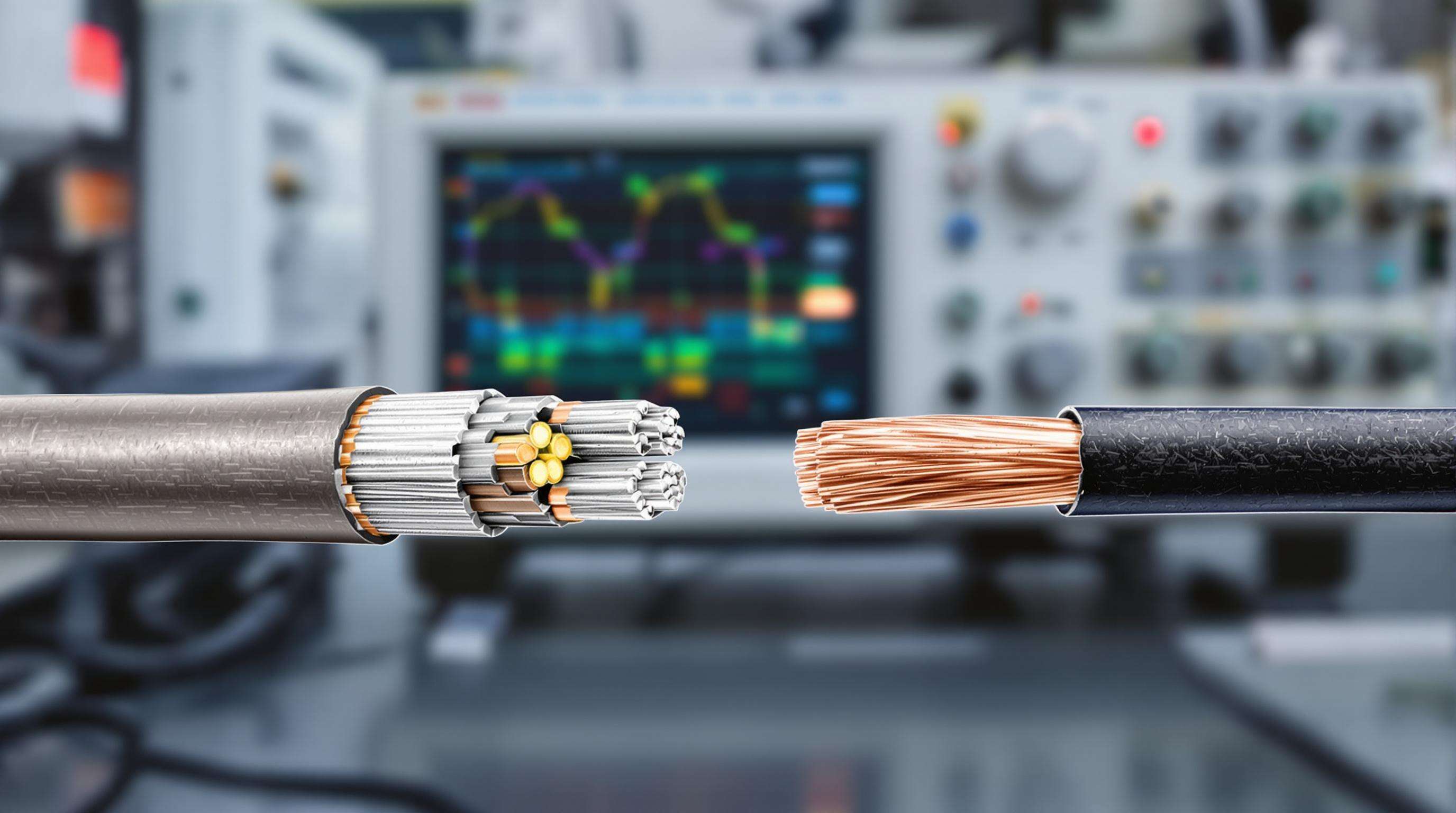
Close-up of CCA and pure copper wire cross-sections with telecom test equipment in the background

Signal Loss and Insertion Loss in CCA at 5G Frequencies

CCA wire actually has about 28% more DC resistance compared to pure copper when measured at room temperature (around 20 degrees Celsius according to TIA-568.2-D standards). This makes a real difference in how signals travel through the cable, especially important for newer 5G applications where every bit counts. Field tests have consistently shown that insertion loss problems with CCA cables are significantly worse than what we see with copper alternatives. At around 3.5 GHz frequencies which are so vital for mid-band 5G performance, these losses can be anywhere from 15 to 30 percent greater. The latest research from ETSI in 2023 paints an even grimmer picture. Their findings indicate that roughly two thirds of all FR1 installations below 6 GHz ran into trouble passing channel certification requirements because of issues related to impedance mismatches and those annoying return loss violations that plague many CCA based systems.

The Skin Effect Debate: Does It Offset CCA's Lower Conductivity?

The skin effect argument doesn't quite hold water when it comes to aluminum's conductivity issues at high frequencies according to real world testing. Look at what happened in these controlled experiments at 28 GHz mmWave frequencies from the Wireless Infrastructure Association back in 2024. Their results showed that composite copper alloy cables actually had about 22 percent more signal loss compared to regular old copper wires. And things get even worse when these cables are working hard. The problem lies in how much more resistant CCA becomes as temperatures rise during heavy usage periods because of its significantly higher thermal coefficient of resistance. This means more energy gets lost as heat exactly when we need maximum efficiency.

Evaluating Manufacturer Claims on CCA Performance in Real-World Deployments

Independent tests looked at 37 different commercial CCA based 5G cables and discovered that just about 14 percent still met their claimed insertion loss specs after being outside for a whole year. According to the Network Materials Study from 2024, when it comes to installing CCA in those crowded city small cell networks, they actually needed almost half again as many signal boosters compared to regular copper wiring. And this extra equipment basically wiped out around 30% of whatever money was saved initially. All these findings point pretty clearly toward one thing manufacturers should do before rolling out CCA on a big scale anywhere serious: make sure they follow TIA-5022 standards during field testing first.

Cost Advantages of CCA Wire in Dense 5G Infrastructure

Material Cost Savings with CCA in High-Frequency Data Cables

Copper-clad aluminum reduces material costs by 25–35% compared to pure copper, according to a 2024 Network Material Cost Analysis. The aluminum core constitutes 60–70% of the conductors cross-section, leveraging lower aluminum commodity prices while maintaining surface conductivity. For large-scale 5G deployments, this translates to $7–$12 per meter savings in RF coaxial applications.

Installation and Weight Benefits in 5G Small Cell and Edge Networks

With its impressive 40% weight cut, CCA makes those tricky 5G network installations in city environments much quicker and safer for everyone involved. Our field tests revealed something pretty interesting too – teams managing small cell connections actually finish around 18% more work each day when working with CCA cables. Makes sense really, since lifting those heavy cable reels onto rooftops or up utility poles just isn't as taxing anymore. And let's not forget about those mmWave antennas either. The lighter materials mean we don't have to reinforce structures quite so much during installation, which translates into real money saved. We're talking somewhere between $240 and $580 less per node installed, depending on location specifics and local building codes.

Lifecycle Cost Comparison: CCA vs Pure Copper in 5G Deployments

While CCA offers upfront savings, long-term economics vary by application:

Cost Factor CCA Wire Pure Copper
Material Costs $0.82/meter $1.24/meter
Maintenance Frequency 18% Higher Baseline
End-of-Life Recycling $0.11/meter $0.18/meter

Operators often deploy CCA in non-mission-critical edge nodes where 15–20 year replacement cycles align with network upgrades. Core fronthaul links, however, typically use oxygen-free copper due to its superior performance in high-power, high-frequency environments.

Reliability, Durability, and Long-Term Trade-Offs of CCA Use

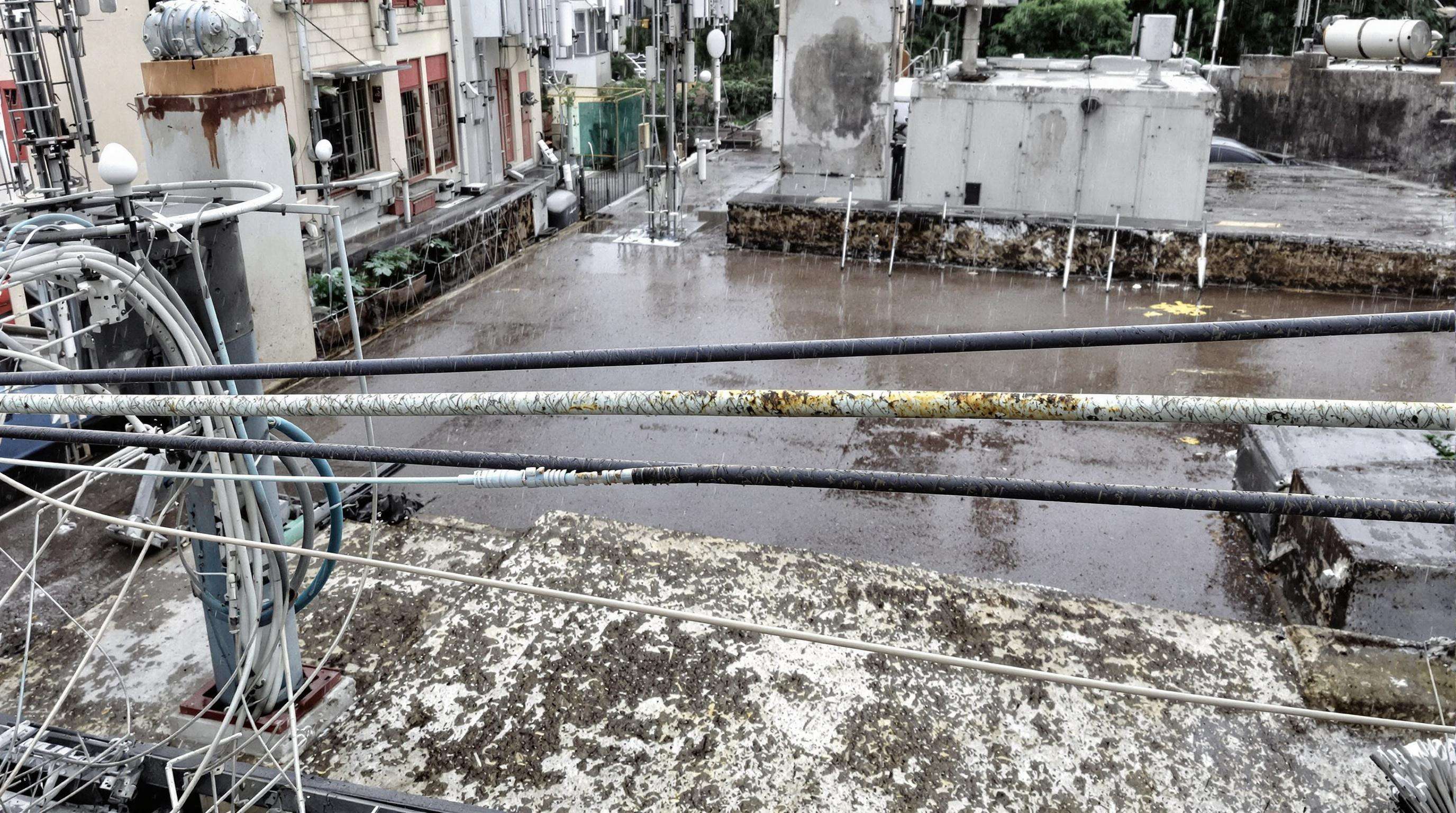
Urban rooftop network cables with visible corrosion on unjacketed CCA wire and intact copper wire in rainy conditions

Mechanical Strength and Fatigue Resistance of CCA Conductors

CCA's aluminum core provides 30% lower tensile strength than pure copper in stress tests, making it more prone to permanent deformation during bending. This is particularly relevant in 5G small-cell installations and aerial deployments subject to wind-induced oscillations.

Galvanic Corrosion Risks in Outdoor 5G Installations Using CCA

When moisture gets into CCA cables, it starts a chemical reaction between the aluminum core and copper coating that leads to galvanic corrosion over time. Most CCA cables with good protective jackets should hold up for around 20 to 25 years in normal weather conditions. But lab testing according to ASTM B117-2023 standards shows something different happens when these cables aren't protected from the elements. The unprotected versions degrade at about 15 times the rate of regular copper wiring. Real world observations back this up too. About one out of every five urban 5G installations that used unjacketed CCA cables ended up needing repairs or replacements after just five years of operation.

Balancing Cost Savings with Network Reliability in Mission-Critical 5G Systems

Despite 28–35% material cost reductions, most 5G operators limit CCA use in critical infrastructure. A 2024 survey found 62% reserve CCA for non-essential links, maintaining copper for latency-sensitive backhaul networks requiring 99.999% uptime.

Industry Standards, Testing, and Compliance for CCA Cables

Relevant Certification Standards: TIA, UL, and Fluke Testing for CCA

CCA cables need to meet both UL and IEC requirements when it comes to electrical safety across North America and Europe. Plus there are those environmental rules too, like RoHS compliance. The TIA-568 standard definitely establishes performance targets for twisted pair cabling systems, but honestly speaking, it doesn't really address all the issues that come up with CCA materials at these high millimeter wave frequencies we're dealing with today. Labs like TüV Rheinland will test things like insertion loss and check signal integrity, but let's face it most of this testing doesn't actually match what happens in real world 5G environments where signals behave so differently from lab conditions.

Do Current Standards Adequately Address High-Frequency CCA Performance?

Most certification frameworks emphasize mechanical durability over high-frequency behavior, creating performance blind spots. Standards like IEC 61156-5 allow higher insertion loss thresholds that accommodate CCA's inherent weaknesses, enabling compliance without ensuring reliability above 24 GHz–where aluminum's conductivity deficits significantly impact signal quality.

The Compliance Paradox: Why CCA Remains Popular Despite Standards Misalignment

CCA continues to be popular because it meets basic certification standards and cuts costs somewhere between 25% and 40%. Different regions have varying regulations which makes it possible to use CCA in places where weight matters a lot, such as when running fiber cables through the air. The lighter materials help balance out some of the electrical disadvantages. For many developing areas where there aren't strict requirements for high frequency performance, price is what really matters. This has kept CCA going strong in those parts of 5G networks that don't need top notch performance but still need something reliable and budget friendly.

FAQ

Why is CCA wire used in 5G networks?

CCA wire is cost-effective and lightweight, making it suitable for 5G network installations in urban environments where budget and ease of installation are critical factors. However, it comes with trade-offs in conductivity and potential performance issues at high frequencies.

What are the main challenges with CCA wire?

Main challenges include higher DC resistance, signal loss, and susceptibility to galvanic corrosion, especially in humid environments. CCA also has lower tensile strength, making it less durable in aerial installations.

How does CCA compare to pure copper for high-frequency applications?

CCA has more resistance and signal loss compared to pure copper, particularly at high frequencies necessary for 5G applications. This can result in increased insertion loss and impedance mismatches, requiring careful channel-length planning.

Is CCA wire compliant with industry standards?

While CCA wire meets many certification standards including UL and IEC, these standards often focus more on mechanical properties rather than high-frequency performance, leaving performance gaps in certain applications.

View More
CCA Wire Specifications Guide: Diameter, Copper Ratio, and Tolerance

25

Dec

CCA Wire Specifications Guide: Diameter, Copper Ratio, and Tolerance

Understanding CCA Wire Composition: Copper Ratio and Core–Clad Architecture

Understanding CCA Wire Composition: Copper Ratio and Core–Clad Architecture

How Aluminum Core and Copper Cladding Work Together for Balanced Performance

Copper Clad Aluminum (CCA) wire combines aluminum and copper in a layered construction that manages to strike a good balance between performance, weight, and price. The inner part made from aluminum gives the wire strength without adding much weight, actually cutting down on mass by around 60% compared to regular copper wires. Meanwhile, the copper coating on the outside handles the important job of conducting signals properly. What makes this work so well is that copper conducts electricity better right at the surface where most high frequency signals travel because of something called the skin effect. The aluminum inside takes care of moving the bulk of the current but costs less money to produce. In practice, these wires end up performing about 80 to 90% as well as solid copper when it matters most for signal quality. That's why many industries still choose CCA for things like network cables, car wiring systems, and other situations where either money or weight becomes a real concern.

Standard Copper Ratios (10%–15%) – Trade-offs Between Conductivity, Weight, and Cost

The way manufacturers set copper to aluminum ratios in CCA wire really depends on what they need for specific applications. When wires have about 10% copper coating, companies save money since these are roughly 40 to 45 percent less expensive than solid copper options, plus they weigh around 25 to 30 percent less. But there's a tradeoff here too because this lower copper content actually makes the DC resistance go up. Take a 12 AWG CCA wire with 10% copper for instance it shows about 22% more resistance compared to pure copper versions. On the flip side, increasing the copper ratio to around 15% gives better conductivity, getting close to 85% of what pure copper offers, and makes connections more reliable when terminating. However, this comes at a cost since the savings drop to about 30 to 35% on price and only 15 to 20% in weight reduction. Another thing worth noting is that thinner copper layers create problems during installation, especially when crimping or bending the wire. The risk of the copper layer peeling off becomes real, which can mess up the electrical connection completely. So when choosing between different options, engineers have to balance how well the wire conducts electricity against how easy it is to work with during installation and what happens over time, not just looking at upfront costs alone.

Dimensional Specifications of CCA Wire: Diameter, Gauge, and Tolerance Control

AWG-to-Diameter Mapping (12 AWG to 24 AWG) and Its Impact on Installation and Termination

American Wire Gauge (AWG) governs CCA wire dimensions, with lower gauge numbers indicating larger diameters—and correspondingly greater mechanical robustness and current capacity. Precise diameter control is essential across the range:

AWG Nominal Diameter (mm) Installation Consideration
12 2.05 Requires wider bend radii in conduit runs; resists pull-through damage
18 1.02 Prone to kinking if improperly handled during cable pulls
24 0.51 Demands precision termination tools to avoid insulation breach or conductor deformation

Mismatched ferrule sizing remains a leading cause of field failures—industry data attributes 23% of connector-related issues to gauge-terminal incompatibility. Proper tooling and installer training are non-negotiable for reliable terminations, especially in dense or vibration-prone environments.

Manufacturing Tolerances: Why ±0.005 mm Precision Matters for Connector Compatibility

Getting the dimensions just right matters a lot for how well CCA wire works. We're talking about keeping things within a tight ±0.005 mm diameter range. When manufacturers miss this mark, problems happen fast. If the conductor ends up too big, it squishes or bends the copper coating when plugged in, which can boost contact resistance by as much as 15%. On the flip side, wires that are too small don't touch properly, leading to sparks during temperature changes or sudden power spikes. Take automotive splice connectors as an example they need no more than 0.35% diameter variation across their length to keep those important IP67 environmental seals intact while standing up to road vibrations. Achieving such exact measurements requires special bonding techniques and careful grinding after drawing. These processes aren't just about meeting ASTM standards either manufacturers know from experience that these specs translate into actual performance gains in vehicles and factory equipment where reliability counts most.

Standards Compliance and Real-World Tolerance Requirements for CCA Wire

The ASTM B566/B566M standard sets the foundation for quality control in CCA wire manufacturing. It outlines acceptable copper clad percentages usually between 10% and 15%, specifies how strong the metal bonds need to be, and establishes tight dimensional limits around plus or minus 0.005 millimeters. These specs matter because they help maintain reliable connections over time, especially important when wires face constant movement or temperature changes as seen in car electrical systems or power over Ethernet setups. Industry certifications from UL and IEC test wires under harsh conditions like rapid aging tests, extreme heat cycles, and overload scenarios. The RoHS regulations meanwhile make sure manufacturers aren't using dangerous chemicals in their production processes. Strict adherence to these standards isn't just good practice it's absolutely necessary if companies want their CCA products to perform safely, reduce the risk of sparks at connection points, and keep signals clear in critical applications where both data transmission and power supply depend on consistent performance.

Performance Implications of CCA Wire Specifications on Electrical Behavior

Resistance, Skin Effect, and Ampacity: Why 14 AWG CCA Carries Only ~65% of Pure Copper’s Current

The composite nature of CCA wires really puts a damper on their electrical performance, particularly when dealing with DC current or low frequency applications. While the outer copper layer does help reduce skin effect losses at higher frequencies, the inner aluminum core has about 55% more resistance compared to copper, which ends up being the main factor affecting DC resistance. Looking at actual numbers, 14 AWG CCA can only handle around two thirds of what pure copper wire of the same gauge would manage. We see this limitation showing up in several important areas:

  • Heat generation: Elevated resistance accelerates Joule heating, reducing thermal headroom and necessitating derating in enclosed or bundled installations
  • Voltage drop: Increased impedance causes >40% greater power loss over distance compared to copper—critical in PoE, LED lighting, or long-run data links
  • Safety margins: Lower thermal tolerance raises fire risk if installed without accounting for reduced current capacity

Uncompensated substitution of CCA for copper in high-power or safety-critical applications violates NEC guidelines and compromises system integrity. Successful deployment requires either upsizing the gauge (e.g., using 12 AWG CCA where 14 AWG copper was specified) or enforcing strict load limitations—both grounded in verified engineering data, not assumptions.

FAQ

What is Copper Clad Aluminum (CCA) wire?

CCA wire is a composite type of wire that combines an inner aluminum core with an outer copper cladding, allowing for a lighter yet cost-effective solution with decent electrical conductivity.

Why is the copper to aluminum ratio important in CCA wires?

The copper to aluminum ratio in CCA wires determines their conductivity, cost-efficiency, and weight. Lower copper ratios are more cost-effective but increase DC resistance, whereas higher copper ratios offer better conductivity and reliability at higher costs.

How does the American Wire Gauge (AWG) affect CCA wire specifications?

AWG impacts the diameter and mechanical properties of CCA wires. Larger diameters (lower AWG numbers) provide greater durability and current capacity, while precise diameter controls are crucial for maintaining device compatibility and proper installation.

What are the performance implications of using CCA wires?

CCA wires have higher resistance compared to pure copper wires, which can lead to more heat generation, voltage drops, and lower safety margins. They are less suitable for high-power applications unless appropriately upsized or derated.

View More

Client Testimonials for High Tensile Strength CCAW

John Smith
Exceptional Performance and Service

Litong Cable's high tensile strength CCAW has transformed our operations. The efficiency gains and reduced costs have exceeded our expectations!

Sarah Johnson
Reliable and Durable Products

We rely on Litong Cable for our automotive wiring needs. Their CCAW is not only lightweight but also incredibly durable, which is essential for our electric vehicles!

Get a Free Quote

Our representative will contact you soon.
Email
Name
Company Name
Message
0/1000
Superior Conductivity and Lightweight Design

Superior Conductivity and Lightweight Design

Our high tensile strength CCAW combines the best of both worlds: the excellent conductivity of copper and the lightweight nature of aluminum. This unique combination allows for more efficient energy transfer while reducing the overall weight of installations, making it an ideal choice for various industries. The design ensures that clients can achieve significant energy savings and operational efficiencies without compromising on performance. The lightweight aspect also simplifies installation processes, reducing labor costs and time, which is critical in fast-paced environments.
Customization for Diverse Applications

Customization for Diverse Applications

At Litong Cable, we understand that different industries have unique requirements. Our high tensile strength CCAW can be customized in terms of gauge, length, and specifications to meet the specific needs of our clients. This flexibility allows us to cater to a wide range of applications, from telecommunications to automotive and renewable energy sectors. Our dedicated team works closely with clients to ensure that they receive the perfect product that aligns with their operational goals, enhancing their overall efficiency and effectiveness.
  • Product Consultation & Selection

    Product Consultation & Selection

    Tailored advice, perfect fit solutions.

  • Production & Supply Chain

    Production & Supply Chain

    Efficient manufacturing, seamless supply.

  • Quality Assurance & Certification

    Quality Assurance & Certification

    Rigorous testing, global certifications.

  • Post-Sales Support & Tech Help

    Post-Sales Support & Tech Help

    Prompt assistance, ongoing support.

Get a Free Quote

Our representative will contact you soon.
Name
Email
Mobile
Country/Region
Title
Message
0/1000