 EN
EN

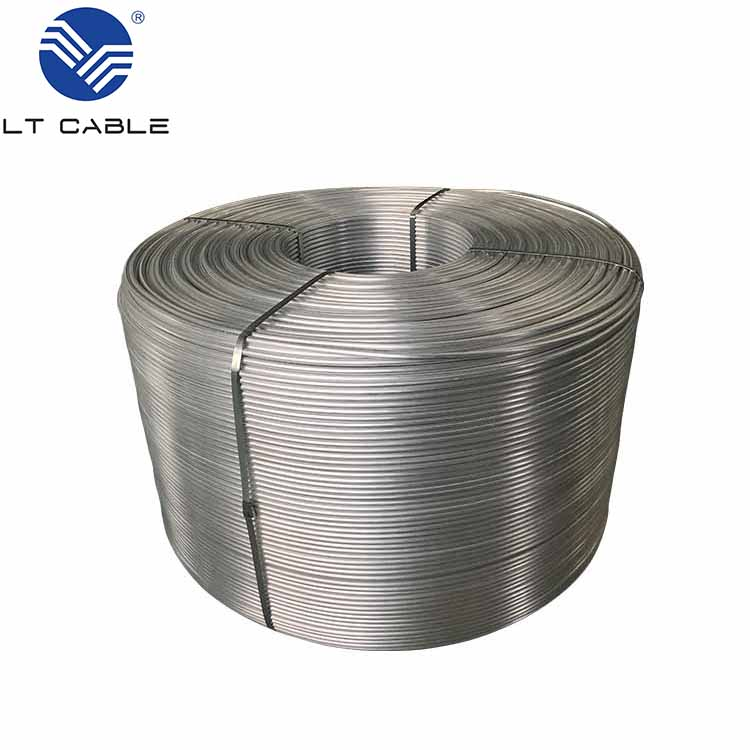
Why Aluminum-Magnesium Alloy Wire Delivers Superior Marine Corrosion Resistance
The self-healing Al₂O₃ passive layer in chloride-rich seawater
When aluminum-magnesium alloy wire meets seawater, it creates a protective layer of aluminum oxide (Al2O3). What makes this material special is how quickly it heals itself after getting damaged. Within milliseconds, the surface oxidizes again, stopping chlorides from penetrating and starting those annoying pits we see in other metals. Out at sea, this constant healing keeps corrosion rates well under control, usually staying below 0.1 mm per year. That's way better than regular carbon steel which tends to lose over 1 mm annually. The magnesium in the alloy actually helps strengthen this protective coating by making fewer defects in the film structure. This creates a kind of shield against the harsh ions in saltwater that would otherwise eat away at most materials. Real world testing shows these wires can last more than 15 years in tidal areas without much thinning or structural issues developing.
Optimal Mg content (3–5 wt%) in 5xxx-series aluminum magnesium alloy wire: balancing oxide stability and mechanical integrity
Marine grade aluminum magnesium alloy wire shows best corrosion resistance when magnesium content sits between 3% and 5%. When magnesium drops below 3%, there aren't enough Mg2Al3 precipitates forming to keep the protective oxide layer stable, making the material more prone to crevice corrosion problems. On the other end of the spectrum, concentrations over 5% lead to beta phase precipitation which creates galvanic couples and speeds up intergranular attacks. The sweet spot delivers tensile strengths well over 300 MPa while keeping critical pitting temperatures above 30 degrees Celsius, something absolutely necessary for equipment used in tropical marine environments. With this specific composition, 5xxx series wires can survive thousands of hours in salt spray testing with barely noticeable weight loss. They beat copper alloys by about three times in terms of how long they last in splash zones where constant exposure occurs.
Key Corrosion Mechanisms Affecting Aluminum Magnesium Alloy Wire at Sea
Pitting and crevice corrosion: chloride-driven breakdown and localized acidification
Chloride ions from seawater really get into those tiny cracks and flaws in the protective oxide layer of alloys, starting what we call pitting corrosion. Inside these pits, hydrolysis reactions create very acidic conditions, sometimes dropping below pH 3 levels, which speeds up how fast the metal breaks down. Crevice corrosion tends to happen in areas where there's not enough oxygen, like underneath barnacles or around pipe fittings. In these spots, the imbalance between different parts of the electrochemical process concentrates both chlorides and acids, eating away at the alloy structure pretty quickly. Some measurements show it can dissolve metal at about 0.8 mm per year in places where tides regularly wash over structures. All these corrosion processes feed on themselves once they start, leading to weak spots that eventually threaten the whole structure's strength. Keeping surfaces clean regularly and making sure seawater doesn't sit still for long periods helps prevent these problems from getting started in the first place.
Galvanic corrosion risks with dissimilar metals—and proven mitigation for aluminum magnesium alloy wire installations
Aluminum magnesium alloy wire acts as a sacrificial anode when it comes into contact with nobler metals such as stainless steel underwater environments. This causes accelerated corrosion rates between 5 to 10 times faster due to electron transfer processes. To combat this issue, isolation techniques work best. Applying non conductive polymer sleeves or specialized coatings creates a barrier that stops direct metal contact which would otherwise initiate corrosion reactions. Good engineering practices also focus on minimizing galvanic coupling. Using fasteners compatible with aluminum instead of dissimilar materials helps reduce those harmful potential differences across connections. For many marine applications, installing zinc anodes provides effective cathodic protection by redirecting corrosive currents away from vital parts of structures. Real world testing indicates these protective measures can significantly prolong equipment lifespan, sometimes extending mooring system service life beyond 15 years. However successful implementation depends heavily on proper spacing during installation and incorporating adequate dielectric barriers throughout the structure to maintain long term marine durability.
Real-World Validation: Long-Term Performance of Aluminum Magnesium Alloy Wire in Offshore Applications
12-year field data from subsea mooring systems using 5083 aluminum magnesium alloy wire
Field tests at various offshore mooring sites have shown just how tough 5083 aluminum magnesium alloy wire really is when exposed to harsh marine conditions. Systems submerged continuously in seawater for 12 straight years only suffered minimal corrosion damage, losing less than 0.2% of their material each year while still holding onto more than 95% of their original tensile strength. What makes this alloy stand out? Its magnesium content sits right around 4.5 weight percent, which turns out to be pretty important for fighting off those pesky chloride-induced pits we see so often in saltwater environments. Looking closely at the metal through metallurgical analysis shows that protective oxide layers remained intact on about 98% of all tested surfaces. For anyone dealing with critical underwater infrastructure, these results point clearly to aluminum magnesium alloy wire being far superior to traditional materials when it comes to surviving prolonged exposure to saltwater.
Performance highlights after 12-year deployment:
- Corrosion resistance: Surface degradation limited to <2.5% total area
- Mechanical integrity: Yield strength retention 95% of initial values
- Failure prevention: Zero wire fractures in load-bearing applications
- Cost efficiency: 40% lower maintenance costs versus alternative alloys
The extended service life directly results from the alloy’s self-repairing oxide layer, which effectively neutralizes micro-pits before they propagate. This real-world evidence confirms aluminum magnesium alloy wire delivers decades of reliable performance in subsea installations.
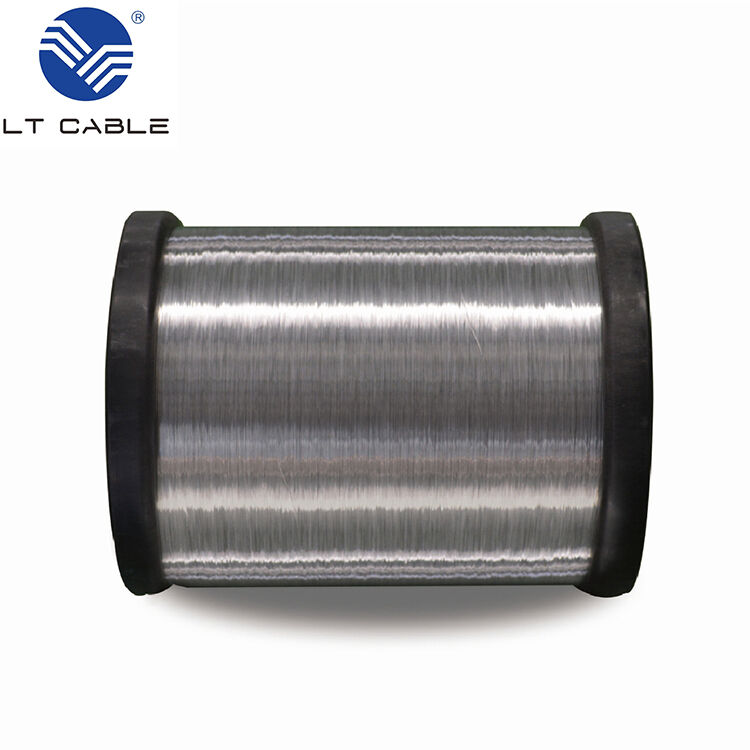
Next-Generation Enhancements for Aluminum Magnesium Alloy Wire Service Life
Hybrid surface treatments: anodizing plus hydrophobic sealants extend time-to-first-pit by 3.7×
Surface engineering techniques can dramatically increase how long aluminum magnesium alloy wires last when used in saltwater environments. The process starts with anodizing which forms those tiny holes in the surface where aluminum oxide (Al2O3) sticks to the actual metal underneath. When we apply certain water-repelling coatings on top of this, they fill those little gaps completely, creating what engineers call a dual-phase barrier that keeps harmful chloride ions from getting through. What happens next is pretty important: this combination stops the formation of acids right at spots where there might be defects in the material - and those acids are exactly what causes those pesky pits to form. Lab tests have shown that this method makes pits appear about 3 times later than regular single layer treatments do, so failures happen much slower over time. Plus, the sealed surface doesn't let bacteria stick to it as easily, cutting down on problems caused by microbial growth. Offshore platforms really benefit from all this because they need their wiring systems to hold up against constant exposure to seawater. These wires stay strong under stress too, which matters a lot for structures subjected to wave action day after day.
Frequently Asked Questions
What is the main advantage of using aluminum-magnesium alloy wire in marine environments?
The primary advantage of using aluminum-magnesium alloy wire in marine environments is its superior corrosion resistance. The alloy forms a self-healing aluminum oxide layer that effectively protects against harsh saltwater conditions, prolonging the wire's lifespan and maintaining its structural integrity over time.
How does the magnesium content in the alloy affect its performance?
The magnesium content in the alloy plays a crucial role in its performance. An optimal magnesium content between 3-5% ensures the stability of the protective oxide layer and enhances the wire's mechanical properties. This balance prevents issues like crevice corrosion and intergranular attacks.
How can galvanic corrosion be mitigated when using aluminum-magnesium alloy wire?
Galvanic corrosion can be mitigated by using isolation techniques to prevent direct metal contact. Applying non-conductive polymer sleeves or coatings and using compatible fasteners are effective strategies. Additionally, installing zinc anodes can provide cathodic protection and reduce corrosive currents.
Table of Contents
- Why Aluminum-Magnesium Alloy Wire Delivers Superior Marine Corrosion Resistance
- Key Corrosion Mechanisms Affecting Aluminum Magnesium Alloy Wire at Sea
- Real-World Validation: Long-Term Performance of Aluminum Magnesium Alloy Wire in Offshore Applications
- Next-Generation Enhancements for Aluminum Magnesium Alloy Wire Service Life
- Frequently Asked Questions


