 EN
EN

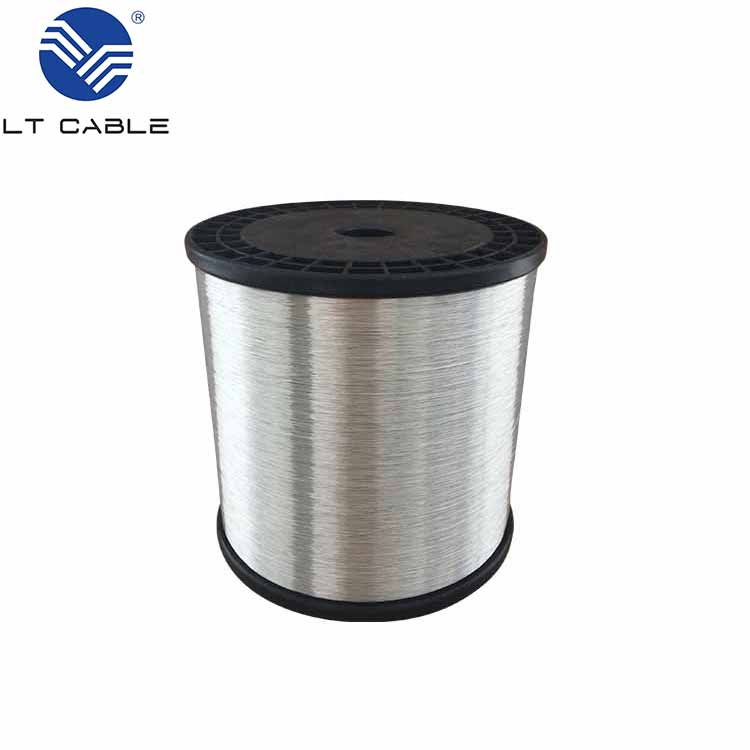
Tensile Strength Testing: Quantifying Mechanical Performance of Aluminum Magnesium Alloy Wire
Yield strength and ultimate tensile strength in conductor-grade aluminum magnesium alloy wire
The yield strength range from 185 to 469 MPa indicates when materials start showing permanent deformation under stress. Ultimate tensile strength numbers between 250 and 572 MPa tell us what kind of force these materials can handle before breaking apart completely. Magnesium plays a big role here since most alloys contain around 0.5 to 1.2 weight percent of it. When there's more magnesium in the mix, the material gets stronger overall. But getting those benefits requires careful heat treatment during manufacturing otherwise we risk creating brittle spots between grain boundaries. For conductors used in cables, manufacturers aim for about 10 to 12% elongation rate so wires remain flexible enough to twist together during installation while still maintaining good electrical properties throughout their service life.
ASTM B961 and IEC 61089 compliance for tensile testing of aluminum magnesium alloy wire
The ASTM B961 standard along with IEC 61089 sets out what's needed to get trustworthy tensile test results. According to ASTM B961, we need to control how fast the material stretches during testing, keeping strain rates between 0.015 and 0.5 mm per mm per minute. This helps avoid making materials look stronger than they actually are. On the other hand, IEC 61089 focuses on how far apart the testing jaws should be separated, which makes sure our results can be reproduced reliably within about plus or minus 3%. Both these standards insist on using properly calibrated extensometers, grips that won't slip even when holding at least 90% of the breaking load, and testing conditions maintained around room temperature, specifically 23 degrees Celsius give or take 2 degrees. If these guidelines aren't followed carefully, especially when dealing with alloys containing higher magnesium content, tests might show lower ductility readings by as much as 20%. Recent research published in Materials & Design in 2023 backs this up, highlighting why following these procedures matters so much in real world applications.
Twist Testing: Evaluating Ductility and Surface Integrity of Aluminum Magnesium Alloy Wire
Twist cycles to failure as a predictor of drawing process quality and microstructural homogeneity
When we twist test wires, basically what happens is they're put under rotational stress until they break apart. The number of full twists before breaking tells us quite a bit about how uniform the material's structure is and whether the surface holds up well. According to research published in the International Journal of Molecular Sciences back in 2023, wires that can handle over 20 complete twists tend to have around 92 percent fewer surface problems once they're actually being used out there in real world conditions. Adding magnesium at levels between 0.5 and 0.8 weight percent seems to boost performance too, because it helps those tiny cracks move through the metal better. But here's the catch: this only works if the drawing process and heat treatment steps are really carefully managed throughout production. Most manufacturers rely on analyzing how wires fail during these twist tests to spot early signs of microscopic cracking and adjust their heating schedules accordingly during tempering operations.
Bend Testing: Assessing Formability and Strain Localization Resistance in Aluminum Magnesium Alloy Wire
Minimum bend radius thresholds and their relationship to Mg content and temper condition
The minimum bend radius refers to how tightly a wire can be bent before it cracks, and this actually tells us quite a bit about how formable the material is and how well it resists stress concentrations. The relationship between bend radius and magnesium content works kind of backward: when alloys contain more than 5% magnesium, they generally need bend radii that are 20 to 30 percent bigger just to prevent those nasty deformations at grain boundaries or inclusion points. What temper state the wire is in matters too. Annealed wires (what we call O-temper) can handle really tight bends sometimes as small as twice their own diameter, but solution treated versions like T4 or T6 usually need three to four times the diameter instead. There's definitely a pattern here worth noting for designers. Stronger materials made either through higher magnesium content or harder tempers simply don't bend as easily without problems. Engineers validate these principles using standard wrap tests, and sticking to specified bend radius limits becomes absolutely vital in applications where things move around constantly, like automotive wiring harnesses subjected to vibrations over time. Field failures caused by early cracking remain one of the biggest headaches in such environments.
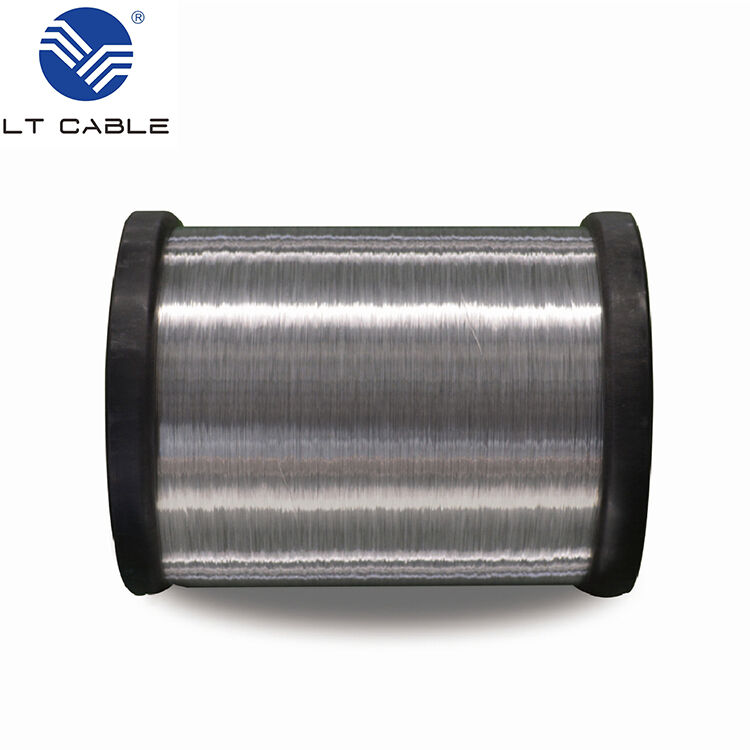
Integrated Test Interpretation: How Tensile, Twist, and Bend Data Jointly Ensure Field Reliability of Aluminum Magnesium Alloy Wire
Testing materials through tension, twisting, and bending gives us a more complete picture than any one test alone can provide. Tensile strength measurements around 250 to 310 MPa tell us about the basic strength of conductor grade alloys. Twist testing needs at least 20 cycles to check if there are hidden flaws or inconsistencies in the material's structure. The minimum bend radius should be less than eight times the wire diameter to ensure it handles stress properly during installation. Problems often show up when these tests don't align. For instance, wires that pass tensile tests but fail twist checks usually have tiny oxide particles inside that lead to cracks down the road. On the flip side, good bend results combined with poor elongation below 10% means the material might break down over time from constant vibrations. When manufacturers get all three tests within IEC 61089 standards, power companies see dramatic improvements with over 90% fewer failures in their systems. This isn't just theory either - field data from transmission lines over several years backs this up consistently.
Table of Contents
- Tensile Strength Testing: Quantifying Mechanical Performance of Aluminum Magnesium Alloy Wire
- Twist Testing: Evaluating Ductility and Surface Integrity of Aluminum Magnesium Alloy Wire
- Bend Testing: Assessing Formability and Strain Localization Resistance in Aluminum Magnesium Alloy Wire
- Integrated Test Interpretation: How Tensile, Twist, and Bend Data Jointly Ensure Field Reliability of Aluminum Magnesium Alloy Wire


