 EN
EN

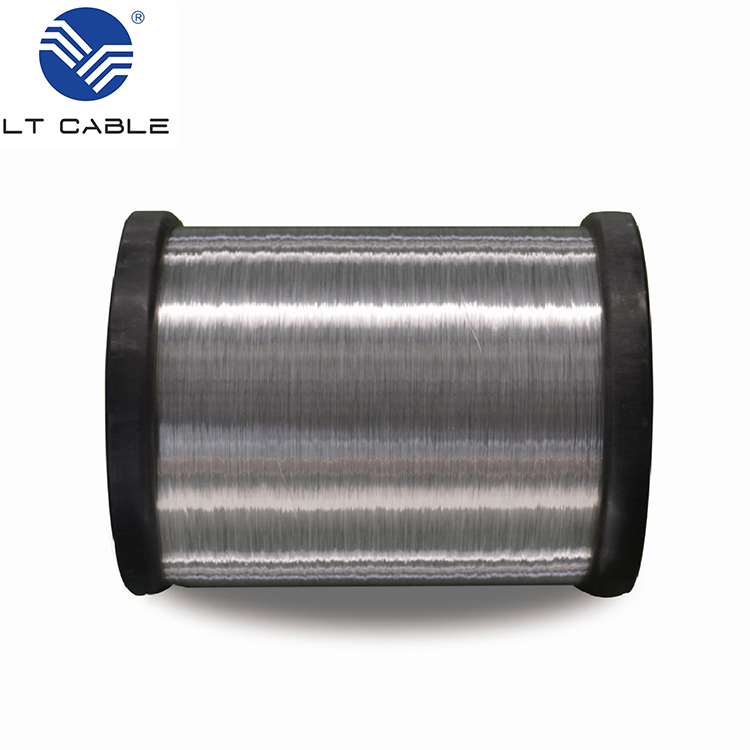
The Core Trade-Off: How Magnesium Enhances Strength but Limits Electrical Conductivity
Solid-Solution Strengthening Mechanism: Mg Atoms Impede Dislocation Motion and Electron Flow
When magnesium atoms get incorporated into aluminum's face centered cubic lattice structure, they create these localized areas of strain that actually make the aluminum magnesium alloy wire stronger through what's called solid solution hardening. Basically, these tiny distortions in the crystal structure get in the way of dislocations moving around, which is how most materials deform when stressed. This means higher stress levels are needed before the material starts to slip and deform plastically. At the same time, all this lattice strain messes with the path of conducting electrons, making it harder for electricity to flow through the material. According to Nordheim's rule, we can calculate this effect based on how different the atomic sizes are between magnesium (which has an atomic radius of about 160 picometers) and aluminum at 143 picometers. The bigger the size difference, the more resistance there will be. So engineers have to balance things carefully because each small improvement in strength comes at the cost of reduced conductivity. For overhead conductors specifically, going beyond 1.5% magnesium content usually cuts conductivity by more than 15 percent while giving around 30 to 40 percent better tensile strength. That's why getting the composition just right matters so much in practical applications.
Quantifying the Trade-Off: AA5005 (0.8% Mg) vs. AA5182 (4.5% Mg) in %IACS and UTS
Standardized alloy comparisons illustrate the inverse relationship between magnesium content, conductivity, and strength:
| Alloy | Mg Content | Conductivity (%IACS) | Ultimate Tensile Strength (MPa) |
|---|---|---|---|
| AA5005 | 0.8% | 52 | 150 |
| AA5182 | 4.5% | 30 | 300 |
AA5182 offers about twice the tensile strength compared to AA5005, but this comes with a significant downside: conductivity drops by around 42%. Why? Because electrons get scattered more intensely at dislocation sites and where magnesium causes lattice distortions. Transmission line engineers face this dilemma all the time. The stronger material can handle heavier mechanical stresses from things like ice buildup or strong winds, which is great for structural integrity. However, when these lines operate at maximum capacity, they experience resistive losses that go over 10%, which adds up over time. That's why we typically see specifications calling for magnesium content somewhere between 0.5% and 1.5% in most power grid applications. This range seems to strike the best compromise between keeping good conductivity while still maintaining enough mechanical strength for real world conditions.
Microstructural Drivers of Performance Limits in Aluminum Magnesium Alloy Wire
Grain Boundary Segregation and Dislocation Pinning: Dual Impact on Ductility and Resistivity
When materials solidify, magnesium tends to gather at the edges between grains - something we've seen through both EDS mapping techniques and TEM analysis. What happens next is interesting: this magnesium buildup actually makes those grain boundaries stronger because it holds back dislocations, which in turn boosts yield strength. But there's a trade off here too. The material becomes significantly less ductile, around 40% less compared to pure aluminum, since the grains can't slide past each other as easily anymore. Another effect worth noting is that these magnesium rich boundaries become major spots where electrons get scattered. According to recent studies from Acta Materialia, every 1% rise in magnesium content along these grain boundaries leads to about a 2.3% jump in electrical resistance measured against standard copper conductivity levels.
Thermal Instability of β-AlâMgâ Precipitates During Service Cycling
When subjected to thermal cycling between 50 and 150 degrees Celsius, those metastable beta Al3Mg2 precipitates tend to grow larger and sometimes dissolve again, which leads to tiny voids forming at the grain boundaries. This kind of material breakdown actually weakens the overall strength of the metal and makes cracks spread faster during fatigue testing. Research published in Metals last year showed this effect can increase crack propagation rates by around 25% specifically in alloys with higher magnesium content. The conductivity issues are just as concerning. After going through about 500 temperature cycles, these aluminum magnesium wires consistently show a 3% drop in electrical conductivity according to industry standards. Looking closer, this happens because defects multiply within the material structure and electrons find it harder to move through the disrupted pathways.
Practical Optimization Strategies for Industrial Production
Industrial production of aluminum magnesium alloy wire requires tight process control to mitigate inherent trade-offs without sacrificing manufacturability or end-use performance.
Mg/Si Ratio Control to Minimize Harmful Intermetallics While Preserving Strength
Keeping the magnesium to silicon ratio somewhere around 1.0 to 1.3 creates those tiny, uniform beta prime precipitates that boost strength while keeping the metal from becoming too brittle. When this ratio gets thrown off, we start seeing bigger, fragile Mg2Si particles form instead. This happens especially if there's more than 0.2% extra silicon beyond what's needed chemically. These larger particles become points where stress builds up, leading to cracks during drawing processes. On the other side of things, too much magnesium actually interferes with electrical conductivity, bringing it down below 52% IACS standards. Manufacturers rely on inline spectrometers and temperature monitoring systems to check these ratios constantly. This quality control helps maintain tensile strengths above 310 MPa from batch to batch, which is critical for meeting specifications in structural applications.
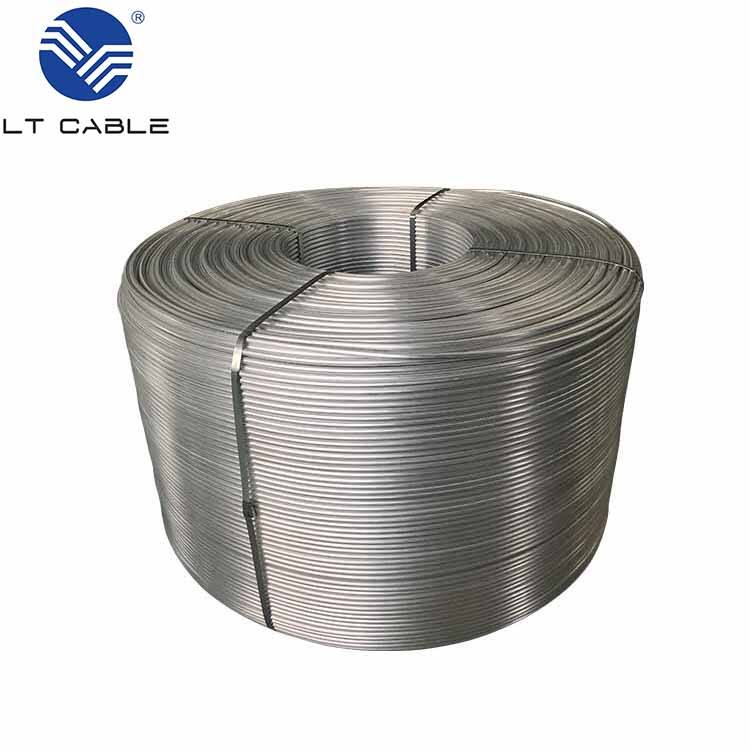
Annealing Protocols (250â300°C, 1â2 h) to Recover Conductivity Without Significant Strength Loss
Annealing processes effectively counteract the hardening that happens when wires go through multiple passes in drawing operations. According to industry experience, keeping materials around 280 degrees Celsius for roughly ninety minutes works best to break down those tangled crystal structures and restart grain formation. This treatment typically brings back about 3 to 5 percent improvement in electrical conductivity while still maintaining over 94 percent of the original tensile strength after processing. Fast cooling rates above fifty degrees per minute are really important because they stop unwanted beta aluminum magnesium compounds from forming at grain boundaries, which we know causes resistance problems down the line. Following this method helps manufacturers meet ASTM B800 standards for overhead conductors, though there's always a delicate dance between getting enough recovery from drawing stresses and making sure the final product stays strong enough for actual field conditions.
Real-World Viability: Where Aluminum Magnesium Alloy Wire Fits in Modern Grid Infrastructure
Aluminum magnesium alloy wire combines strength, good conductivity, and stands up well to harsh environments, which makes it really useful for modernizing power grids. The material's strength compared to its weight is especially beneficial for 5G small cell installations. Lighter wires mean less strain on towers during installation and faster deployment times without compromising signal quality across long distances. What sets this alloy apart is how resistant it is to corrosion from things like salt air or industrial pollutants. This matters a lot in areas near coasts or factories where regular aluminum would start showing wear and tear much sooner than expected.
When it comes to overhead power lines, this particular alloy holds up better against thermal sag than regular aluminum does. Because it expands less when heated and has stronger structural properties, engineers can install longer sections between supports in tough mountain areas or hard-to-reach locations. This means lower installation expenses and less land needed for the power lines themselves. Many older electrical grids are being upgraded using this material since it lasts longer mechanically. Instead of tearing everything down and starting fresh, utilities can gradually increase their system capacity. This matters a lot in places where temperatures swing wildly from as cold as minus 40 degrees Celsius all the way up to scorching 80 degrees. Real world testing there indicates significantly fewer problems caused by excessive heat compared to traditional aluminum steel composite conductor setups.
The compact ampacity of urban infrastructure makes all the difference when space is tight. Aluminum magnesium alloys can handle much higher current densities inside those crowded duct banks, so cities can expand their electrical capacity without tearing up streets for new trenches. Wind farms and solar installations have started using this material too because it stands up well to rough conditions while moving electricity efficiently across moderate distances, which actually cuts down on overall costs for these green energy projects. Power companies tell stories about how their systems kept running even during brutal weather events like ice storms or wildfires that caused sudden temperature changes. These real world tests prove why aluminum magnesium remains such an important building block for creating grids that can withstand whatever nature throws at them and still keep communities powered up into the future.
Table of Contents
- The Core Trade-Off: How Magnesium Enhances Strength but Limits Electrical Conductivity
- Microstructural Drivers of Performance Limits in Aluminum Magnesium Alloy Wire
- Practical Optimization Strategies for Industrial Production
- Real-World Viability: Where Aluminum Magnesium Alloy Wire Fits in Modern Grid Infrastructure


