 EN
EN

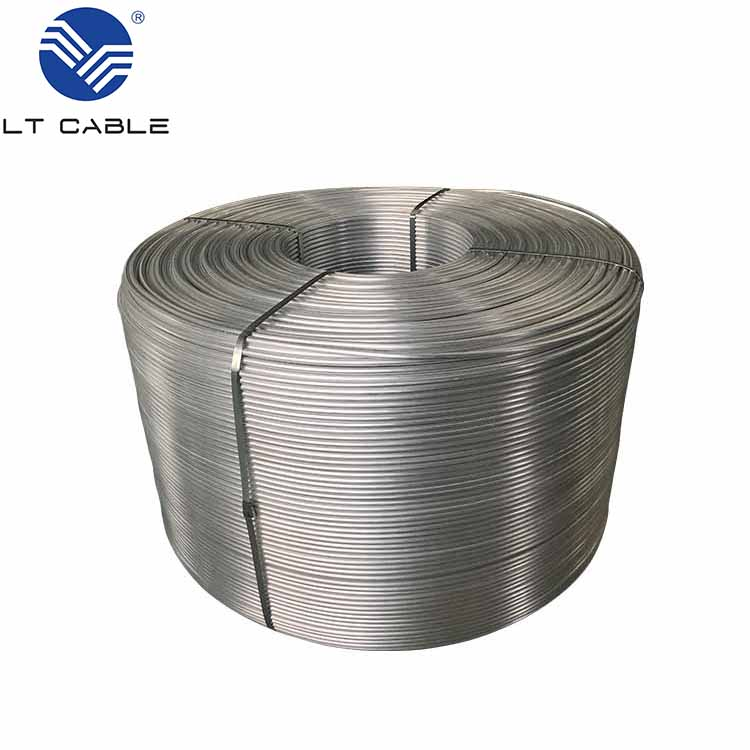
Mechanical and Corrosion Properties of Aluminum-Magnesium Alloy Wire
Tensile strength, ductility, and density across common grades (5052, 5083, 5182)
Aluminum magnesium alloy wires, especially those in the 5052, 5083, and 5182 grades, give us pretty good mechanical properties along with their light weight. When we look at the numbers, most of these alloys have tensile strengths between about 210 and 290 MPa, and they can stretch more than 12% before breaking. This makes them work well for forming processes like bending, drawing, and even complex braiding operations. Weighing in at around 2.68 grams per cubic centimeter, these materials are roughly 15% lighter than steel and way lighter than copper by over 30%. That kind of weight savings matters a lot in aerospace applications where every gram counts and in modern cars too. Of all the options, grade 5083 really shines with its 270 MPa tensile strength and 16% elongation. This particular alloy holds up exceptionally well when subjected to dynamic forces, which is why it gets used so much in places where vibrations are constant stressors, like airplane frames or electric vehicle battery mounting systems.
Critical Applications of Aluminum-Magnesium Alloy Wire in Aerospace and Defense
Lightweight wiring harnesses, structural braiding, and UAV airframe reinforcement
Aerospace and defense industries have turned to aluminum-magnesium alloy wire as a game changer for weight reduction without compromising reliability. When used in aircraft wiring harnesses, this material cuts down on weight by about half compared to traditional copper options, yet still maintains enough conductivity (around 35% IACS) for those secondary power lines and signal circuits throughout planes. This makes a big difference in fuel efficiency and how far aircraft can fly before needing refueling. The natural oxide layer forms a protective barrier that keeps things running smoothly even inside tightly controlled cabin environments or when deployed at sea where moisture is always present. Structural braiding applications benefit too, with stronger versions of this alloy reinforcing composite airframes particularly around stress points like wing roots and control surfaces. These parts handle repeated stress cycles much better while adding almost nothing extra to the overall weight. Unmanned aerial vehicle makers especially appreciate this material because it bends easily during manufacturing and stands up well against vibrations from intense flight maneuvers. Best of all, it works great in complicated shapes without requiring special heat treatments that might compromise its resistance to rust, which matters a lot for drones operating near saltwater areas or over oceans for extended periods. All these advantages mean fewer maintenance stops and longer operational times for military equipment across different combat situations.
Aluminum-Magnesium Alloy Wire in Automotive and Electronics Systems
Aluminum-magnesium alloy wire is rapidly gaining traction in automotive and electronics systems where weight, durability, and electromagnetic performance intersect.
EV battery interconnects and busbar wire: optimizing conductivity (~35% IACS) and cold-formability
For electric vehicle batteries, this particular metal alloy has emerged as a game changer when it comes to interconnects and busbar wiring. At around 35% IACS conductivity, it works well enough for those high current but low voltage needs, all while cutting down on weight by roughly half compared to traditional copper options. What makes this material stand out is how easily it can be shaped cold, which means manufacturers don't need to go through the extra step of annealing before stamping, bending, or crimping parts. This property helps protect sensitive battery cells during assembly processes. The lighter electrical framework that results from using this alloy lets engineers pack more energy into smaller spaces, something crucial for modern EV designs. Plus, these materials hold up against pretty intense vibrations typical in cars, surviving forces above 15G without issue. With EV manufacturing expanding so rapidly worldwide, companies looking to stay ahead are increasingly turning to this innovative alloy solution to boost both driving range and overall vehicle design flexibility.
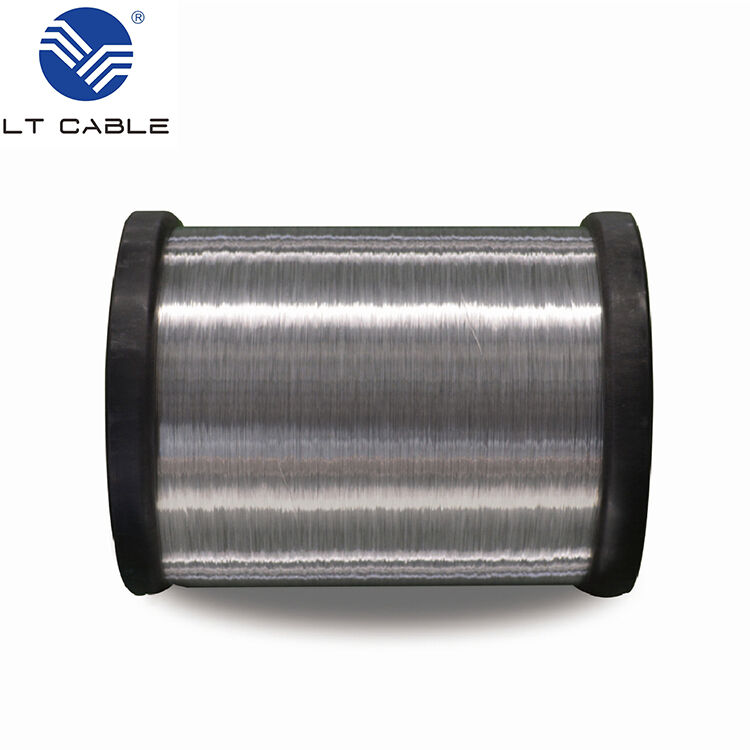
EMI shielding braid and FPC reinforcement for ADAS and infotainment modules
Braided aluminum-magnesium alloy wire serves two important purposes in ADAS systems and car infotainment units. First, it offers strong protection against electromagnetic interference, which is essential for keeping sensitive components working properly. Second, this material strengthens flexible printed circuits, making them last longer even when bent repeatedly. The natural oxide layer that forms on the surface blocks about 40 to 50 decibels of interference between 100 megahertz and 1 gigahertz frequencies. That matters because it keeps radar sensors, cameras, and vehicle-to-everything communications clear from signal noise. At the same time, with a tensile strength ranging from 250 to 300 megapascals, these wires help prevent circuit failures caused by repeated bending during both installation and throughout the vehicle's lifespan. As automotive manufacturers cram over 150 different electronic control units into tighter spaces than ever before, finding materials that combine good shielding properties with mechanical durability becomes increasingly important for maintaining reliable performance in today's connected cars.
Why Aluminum-Magnesium Alloy Wire Outperforms Alternatives
Aluminum-magnesium alloy wire stands out compared to copper, pure aluminum, and steel options because it balances strength, durability against harsh environments, and long term cost benefits. The material weighs about 2.68 grams per cubic centimeter which means around 30 percent less weight than steel and roughly half what copper would be. This lighter weight translates into real savings on fuel and energy when used in transportation systems. The magnesium content also helps create better protection against rust and decay, especially in places where there's lots of moisture or salt in the air. Tests show this alloy degrades about 50 percent slower than regular aluminum when exposed to similar conditions according to those ASTM and ISO standards. Although its electrical conductivity is only about 35 percent of what copper offers, most power distribution and shielding needs can still be met with this alloy at much lower material and manufacturing expenses. Plus, manufacturers can recycle this stuff completely without losing any of its original qualities, something that fits well with current environmental regulations from car makers and the broader circular economy initiatives promoted by both the Aluminum Association and European Union policies.


