 EN
EN

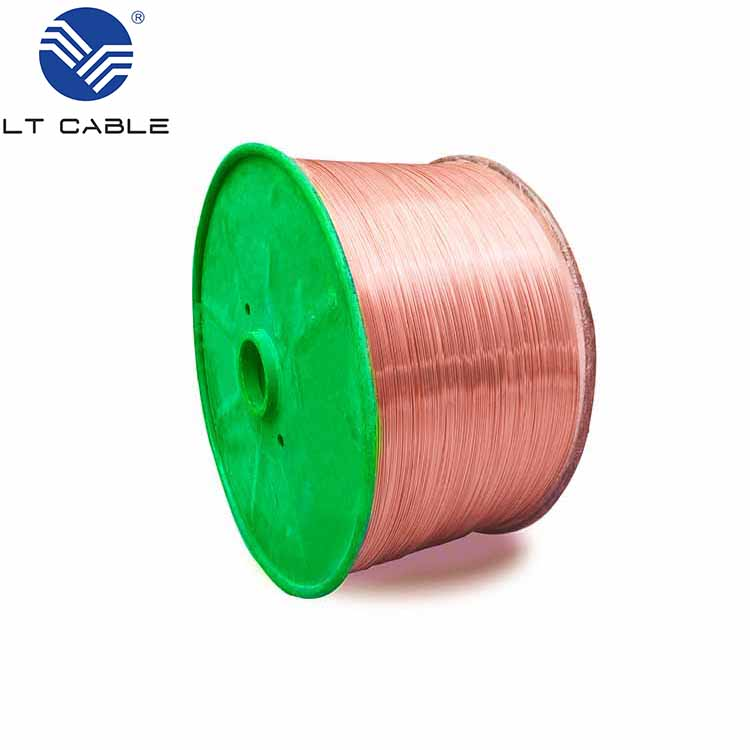
Understanding CCA Wire and Its Importance
Copper Clad Aluminum (CCA) wire has emerged as a popular choice in various electrical applications, offering a balance of performance, cost-effectiveness, and versatility. As a bimetallic conductor, it consists of an aluminum core with a concentric copper cladding, combining the beneficial properties of both metals. The aluminum core contributes to lightweight and cost savings, while the copper cladding enhances conductivity and corrosion resistance. For buyers, understanding the resistivity and overall performance of CCA wire is crucial to ensure it meets the specific requirements of their applications. Whether used in telecommunications, automotive wiring, or power distribution, the performance of CCA wire directly impacts the efficiency and reliability of the end product.
Key Factors Affecting CCA Wire Resistivity
Resistivity is a fundamental property of any conductor, including CCA wire, and it plays a significant role in determining its electrical performance. Several key factors influence the resistivity of CCA wire, and buyers should be aware of these when evaluating potential suppliers. One of the primary factors is the copper content. Typically, CCA wire is available with copper content ranging from 10% to 15% by cross-sectional area. Higher copper content generally results in lower resistivity and better conductivity. For example, CCA wire with 15% copper content has a conductivity of approximately 64.4% IACS (International Annealed Copper Standard), compared to 62.9% IACS for 10% copper content.
Another important factor is the manufacturing process. The quality of the metallurgical bond between the aluminum core and copper cladding directly affects the wire's resistivity. A strong, uniform bond ensures efficient current transfer between the two metals, minimizing resistance. Additionally, the purity of the copper and aluminum used in the wire can impact resistivity. Higher purity metals typically offer better conductivity and lower resistivity. Finally, the operating temperature can also affect the resistivity of CCA wire, as resistance generally increases with temperature. Buyers should consider the expected operating temperature range of their application when selecting CCA wire.
Performance Parameters to Evaluate
When assessing CCA wire, buyers should consider several performance parameters beyond resistivity to ensure it meets their specific needs. One critical parameter is tensile strength, which measures the wire's ability to withstand pulling forces without breaking. CCA wire typically has a tensile strength ranging from 100 to 150 MPa, depending on the manufacturing process and copper content. Higher tensile strength is particularly important in applications where the wire may be subjected to mechanical stress during installation or operation.
Another important parameter is elongation, which measures the wire's ability to stretch before breaking. A higher elongation percentage indicates greater flexibility and resistance to fatigue, making the wire more suitable for applications that require bending or flexing. CCA wire generally has an elongation percentage of 8% or higher for annealed wires and 1% or higher for hard-drawn wires.
Corrosion resistance is also a key consideration, especially for applications in harsh environments. The copper cladding on CCA wire provides excellent corrosion resistance, but the aluminum core can be susceptible to corrosion if exposed. Buyers should ensure that the wire is properly insulated and protected from moisture and other corrosive elements.
How to Choose the Right CCA Wire Supplier
Selecting a reliable and reputable CCA wire supplier is essential to ensure the quality and performance of the product. Buyers should consider several factors when evaluating potential suppliers, including their manufacturing capabilities, quality control processes, and industry certifications. A supplier with advanced manufacturing facilities and strict quality control measures is more likely to produce high-quality CCA wire that meets the required specifications.
Industry certifications, such as ISO 9001, can also provide assurance of the supplier's commitment to quality. Buyers should verify that the supplier's CCA wire meets relevant industry standards, such as ASTM B566 for copper-clad aluminum wire. Additionally, buyers should consider the supplier's experience and reputation in the industry. A supplier with a proven track record of delivering high-quality products and excellent customer service is more likely to provide a reliable and satisfactory experience.
Finally, buyers should consider the supplier's pricing and delivery capabilities. While cost is an important factor, it should not be the sole determining factor. Buyers should balance cost with quality and delivery time to ensure they get the best value for their money. A supplier that can offer competitive pricing, fast delivery, and flexible payment terms is more likely to be a good partner for long-term business relationships.


