 EN
EN

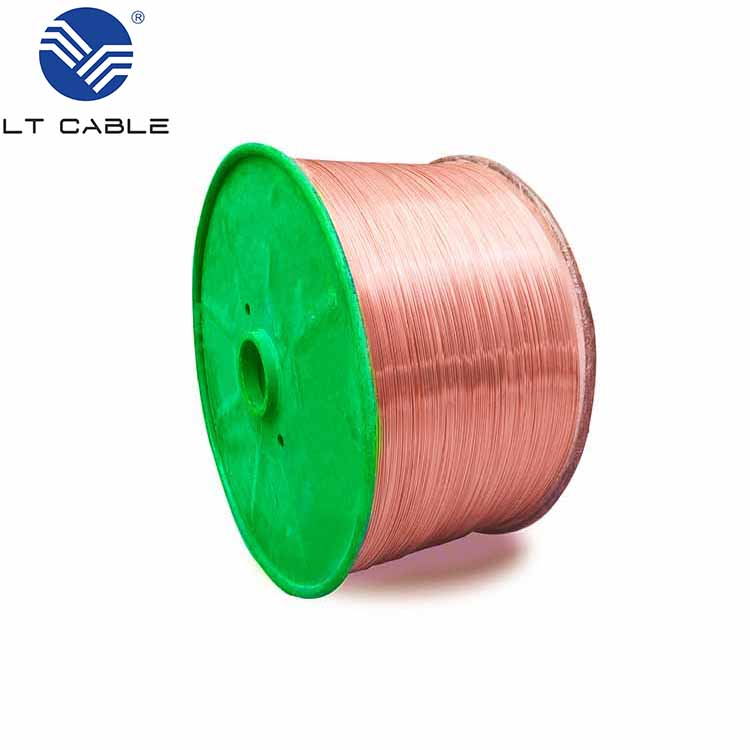
What Makes CCAM Wire Unique: Composition, Structure, and Key Quality Metrics
CCAM vs. CCA: Why Aluminum-Magnesium Core and Copper Cladding Matter for Conductivity and Corrosion Resistance
What makes CCAM wire stand out is its special bimetallic construction. At the heart of it sits an aluminum-magnesium core with around 0.5 to 1.5 percent magnesium mixed in, all fused together with high purity copper on the outside. Adding magnesium actually increases the tensile strength compared to regular aluminum by about
15 to 20 percent, plus it helps prevent those annoying corrosion issues where the core meets the copper layer. When paired with oxygen free copper cladding, this design gives us roughly 63% conductivity according to the International Annealed Copper Standard, which beats standard CCA wires that only hit about 40%. Another big plus is how the copper works double duty here. Not only does it carry electricity efficiently, but tests show it also protects against corrosion much better than plain aluminum would. Independent salt spray tests have confirmed that CCAM wires last about three times longer before showing signs of rust or degradation because copper naturally sits higher in the galvanic series than aluminum does.
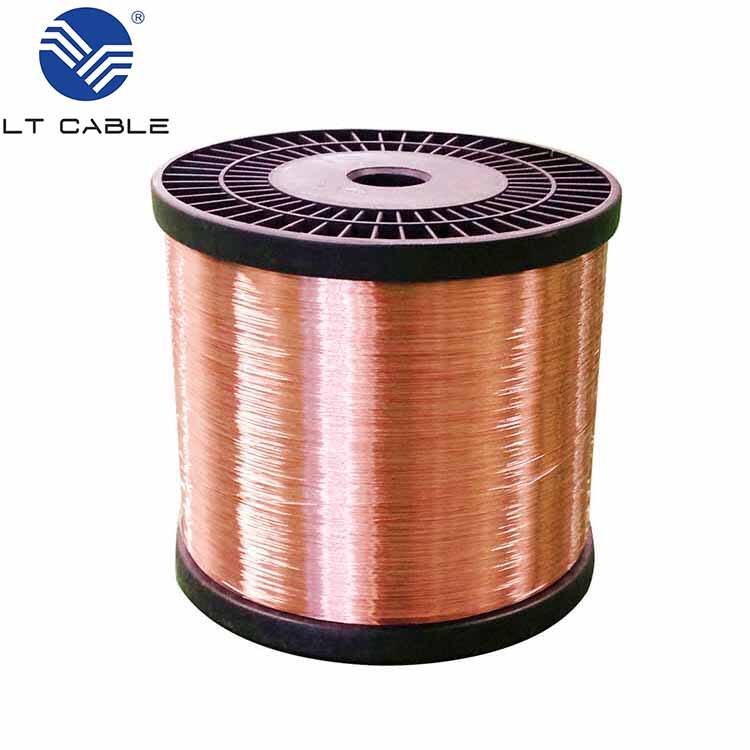
Critical Physical Parameters: Copper Layer Thickness (±0.005 mm), Clad Ratio, and Bond Integrity Tolerances
Three interdependent physical parameters govern CCAM’s long-term reliability:
- Copper Thickness: Minimum 0.05 mm, with a strict ±0.005 mm tolerance. Layers below specification risk localized heating and premature failure under sustained load.
- Clad Ratio: Copper-to-core volume ratio must be ≥1:10. Lower ratios disproportionately reduce current-carrying capacity and thermal dissipation.
- Bond Integrity: Peel resistance must exceed 1.5 N/mm, validated via standardized bend testing. Inadequate diffusion bonding invites interfacial corrosion and delamination—especially in humid or chemically aggressive environments.
Metallurgical studies show that exceeding any of these tolerances reduces service life by up to 30% in high-humidity conditions, underscoring their collective role in field durability.
On-Site Physical Verification Methods for CCAM Wire Copper Layer
Non-Destructive Scratch and Bend Tests to Assess Adhesion and Peel Resistance
When checking field conditions, there are typically two quick ways to assess things without damaging equipment. The first method involves using a properly calibrated tungsten carbide tool to do a scratch test across the wire's surface at right angles. If the copper shows up evenly without any flakes coming off or lifting areas, then the bond between layers is good. But when we see peeling happening, that usually means the connection between materials isn't strong enough. For the second check, technicians should refer to ASTM B566 standards. Wrap sample pieces around mandrels making sure to bend them between ninety degrees and one hundred eighty degrees. After going through ten or more bending cycles, look closely at what happens. Good samples will maintain at least ninety five percent of their original coating structure without developing tiny cracks or showing where different layers have separated. These simple tests help spot potential problems with layer separation before they become serious issues, all while keeping most of the working wire intact for continued use.
Cross-Sectional Metallography: Step-by-Step Preparation and Interpretation for CCAM Wire
To get accurate results, start by preparing cross sections mounted in epoxy resin. Then go through the grinding process step by step, working from 240 grit up to 1200 grit silicon carbide paper. When it comes time for etching, mix Keller's reagent properly - that means combining 2 milliliters of hydrofluoric acid with 3 ml hydrochloric acid, 5 ml nitric acid, and finally topping off with around 190 ml distilled water. This will make the copper-aluminum-magnesium interface stand out clearly under inspection. For measuring copper thickness, digital microscopes work best when checking at least five different spots evenly distributed around the circumference. The measurements should stay within plus or minus 0.005 mm range for acceptable quality. What matters most though is looking at how the grain structures behave along the bonding area. If there are sharp breaks between materials, that usually means diffusion wasn't sufficient during the cladding process. But when grains appear mixed together or show signs of diffusion, this indicates good metallurgical bonding which is crucial for preventing corrosion issues down the road.
Laboratory-Based Alloy Verification: Confirming Copper Purity and Magnesium-Aluminum Ratios
XRF and EDX for Rapid Copper Layer Thickness and Elemental Mapping
XRF and EDX are two techniques that allow quick checks without damaging materials when looking at important surface characteristics of CCAM components. With XRF, we can measure how thick the copper layers are down to about 0.005 mm accuracy within just half a minute. That makes it possible to monitor production as it happens on the factory floor. EDX adds another dimension to this process through detailed chemical maps showing what elements are present where. It spots problems like surface oxidation, unwanted nickel presence, or areas where different metals have mixed unevenly. These issues might affect how well electricity flows or whether parts will stick properly during soldering. According to research published last year in the Journal of Materials Engineering, something as small as a 0.01 mm difference in copper thickness actually raises electrical resistance by around 8%. Because of these benefits, most CCAM producers who hold certification status (over 85%) rely on this combination method rather than traditional destructive testing methods. As a result, they manage to reduce waste material by approximately 20% compared to older approaches.
ICP-OES for Quantitative Analysis of Cu, Al, Mg, and Trace Impurities
ICP-OES provides accurate measurement of material composition after samples undergo acid digestion. When placed in an extremely hot plasma around 8,000 degrees Celsius, the sample atoms emit light whose spectrum reveals exactly what elements are present at concentrations within about half a percent error margin. For copper products needing high purity above 99.9%, this technique checks if the aluminum to magnesium ratio falls between three to one and five to one as required. It also spots tiny amounts of unwanted materials like iron, silicon, and chromium down to parts per million levels. Research published last year in Materials Characterization shows even minute contaminant levels around 0.1 ppm can lead to problems such as pitting corrosion or weak bonds at interfaces. That's why many industries rely heavily on ICP-OES testing to meet strict standards across sectors ranging from aircraft manufacturing to telecommunications equipment and medical devices made from specialty alloys.


