 EN
EN

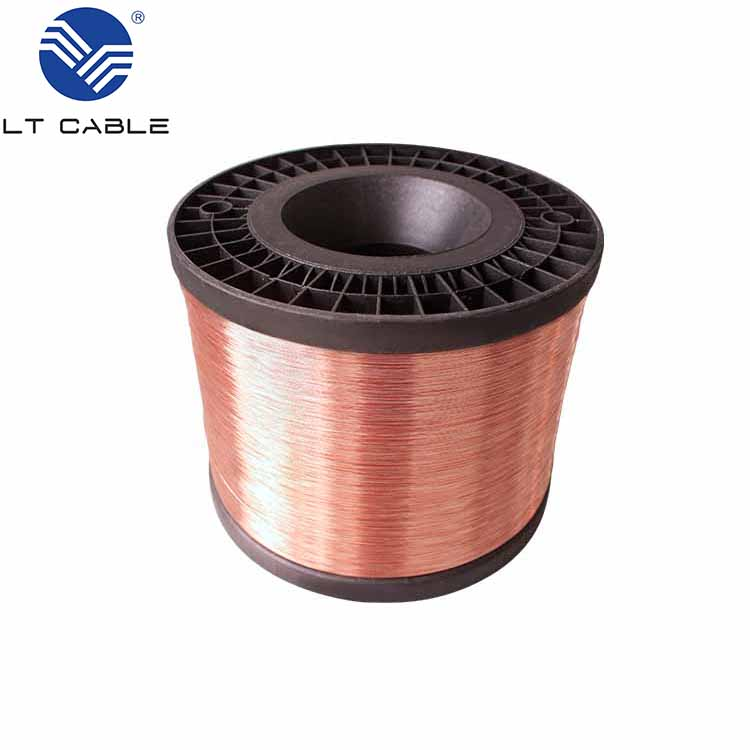
Copper Ratio: How Cladding Thickness Drives Performance, Tiering, and CCAM Wire Cost
Conductivity, Durability, and Market Positioning Across 10%–25% Copper Ratios
The performance of Copper Clad Aluminum Magnesium (CCAM) wire really depends on how thick the copper layer is over the aluminum core. Thicker cladding means more copper in relation to aluminum. Most industry specs show that wires with around 10 to 15 percent copper can carry about 65 percent of what pure copper does, which works fine for things where money matters more than top performance, like basic electrical wiring in buildings. When manufacturers go for 20 to 25 percent copper content, they get closer to 80 percent of pure copper's conductivity plus much better protection against rust and chemical damage. This makes all the difference in places like chemical plants or coastal areas where regular copper would corrode quickly. The extra copper also makes these wires stronger, cutting down on breakage risks by about 15 to 20 percent. That's why we see different markets forming naturally - construction companies stick with the cheaper 10-15% options for general work, while factories running expensive machinery always opt for those higher end 20%+ grades where reliability counts most.
| Copper Ratio | Conductivity (vs. Pure Copper) | Tensile Strength Gain | Primary Use Cases |
|---|---|---|---|
| 10%-15% | ~65% | Baseline | Residential wiring, IoT |
| 20%-25% | ~80% | 15%-20% higher | Industrial plants, robotics |
Cost vs. ROI Analysis: When Does Higher Copper Ratio Justify Premium Pricing?
Getting the right copper ratio involves looking at return on investment properly, not just what something costs initially. Take for instance the 25% copper CCAM wire which actually costs about 30% more than the 10% version. But wait, there's a catch. The higher quality stuff lasts so much longer that replacements happen 40% less often in places where things vibrate constantly, think manufacturing plants for example. When it comes down to saving energy, those wires with 20% plus copper content really shine. They cut down on power loss annually by around 12%, meaning companies get their money back somewhere between 3 to 5 years later. Now if we're talking about applications where nothing moves around much, like when setting up structured data cables, going above 15% copper doesn't usually make sense financially speaking. Most engineers find themselves weighing three main things when making these calls: how harsh the environment is (think moisture levels, wear and tear), how long the system needs to last, and what kind of electrical demands are expected over time.
Alloy Grade Selection: C110, C162, and HPC-80EF Impact on CCAM Wire Value and Price
Electrical Conductivity vs. Mechanical Strength Trade-offs by Alloy
The choice of alloy plays a big role in determining what CCAM wires can actually do - finding that sweet spot between clear signal transmission, how strong they are structurally, and what makes sense economically for the whole system. Take C110 for instance, which is basically 99.9% pure copper on the outside. It gives maximum conductivity at 100% IACS ratings, so it works really well at high frequencies because of how the skin effect behaves. But here's the catch: it doesn't hold up too well under tension. Then there's C162, an alloy made with cadmium and copper. While it sacrifices around 10% conductivity bringing it down to about 90% IACS level, tests from Jingda Wire show that this version gains roughly 15 to maybe even 20% better mechanical strength. So when picking between these options, engineers need to think about where each material will work best based on these different characteristics.
| Property | C110 Alloy | C162 Alloy |
|---|---|---|
| Conductivity | 100% IACS | ~90% IACS |
| Tensile Strength | Moderate | 15-20% Higher |
| Primary Use Case | High-frequency AC | Structural stress |
Data centers routinely select C110 for signal integrity, while seismic zones and mobile equipment manufacturers adopt C162—justifying its 8–12% cost premium with measurable reductions in field failures.
HPC-80EF Premium: Corrosion Resistance Benefits vs. Real-World Cost Justification
The nickel chromium alloy coating on HPC-80EF offers exceptional protection against corrosion, which is really important since oxidation causes about 34 percent of all CCAM wire failures according to recent industry reports from 2023. While this material does cost around 18 to 25 percent more than standard C110 options, the real savings come over time in tough conditions. Salt air environments see maintenance expenses drop by roughly 40%, there's no need to spend extra money on upgraded conduits in places with lots of moisture, and the wires are simply not worth stealing because they don't fetch as good a price at scrap yards compared to pure copper. The return on investment becomes clear mainly after installation lasts past fifteen years, or whenever harsh environmental factors could actually shut down operations. If someone needs something for just a few years or for indoor use, sticking with C110 or maybe even C162 would probably be smarter financially.
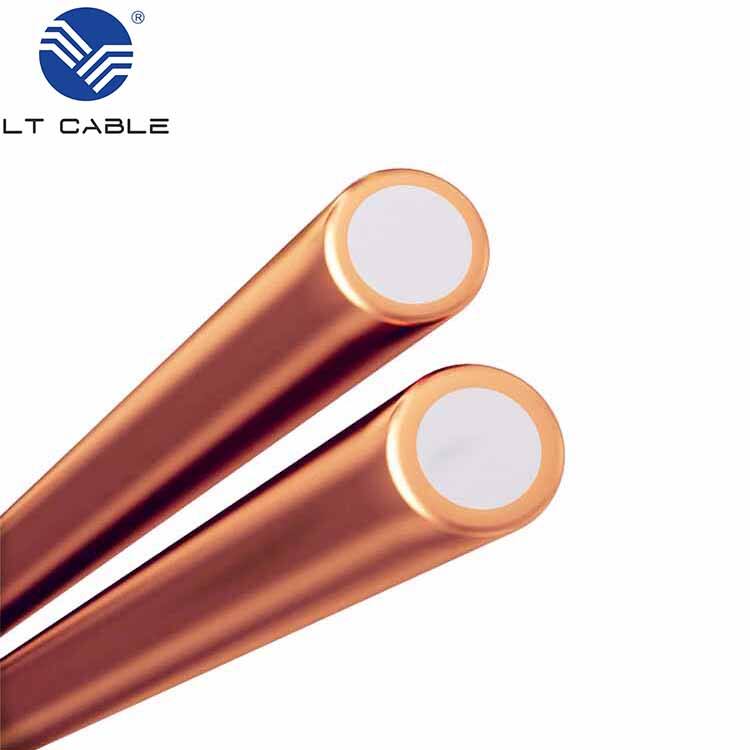
Spool Type Logistics: How Reel, Coil, and Drum Packaging Affect Total Cost of Ownership for CCAM Wire
Choosing between reels, coils, or drums when purchasing materials goes way beyond just how things get packaged. The selection actually affects what companies pay over time for everything from shipping costs to where they store stuff and how efficiently workers can deploy the material on site. Reels work great for tight spaces since they stack neatly and don't take up much room, making them ideal for smaller job sites. However, trying to pull large quantities manually can be slow going unless there's some kind of mechanical help available. Coils pack tightly together during transportation which saves space, but come with their own headaches. When unwinding stiff gauge copper clad aluminum magnet wire (CCAM), tangled messes happen all too often, leading to wasted product and frustrated crews. Drums provide excellent protection for heavier gauge wires or speciality grades, but these storage solutions eat up about twice as much warehouse space compared to other options. That means higher rent expenses plus extra labor costs just to move them around.
- Material waste, such as kinked or damaged coils requiring rework,
- Labor efficiency, where drums often demand forklifts versus reels’ manual deployment,
- Storage overhead, driven by footprint, stacking capability, and inventory turnover.
According to a recent 2023 industry study on logistics benchmarks, companies that switched to engineered reels saw their total costs drop by around 18% over five years at facilities with heavy usage. This basically proves that choosing the right spools isn't just a minor detail but actually makes a real difference in return on investment. When dealing specifically with CCAM wire, matching the spool type to what's needed for protecting against corrosion becomes essential. Facilities in damp areas often need those sealed reels to keep things dry during storage. At the same time, making sure the spool fits within space limitations at each location helps maintain control over expenses while still keeping operations reliable day after day.


