 EN
EN

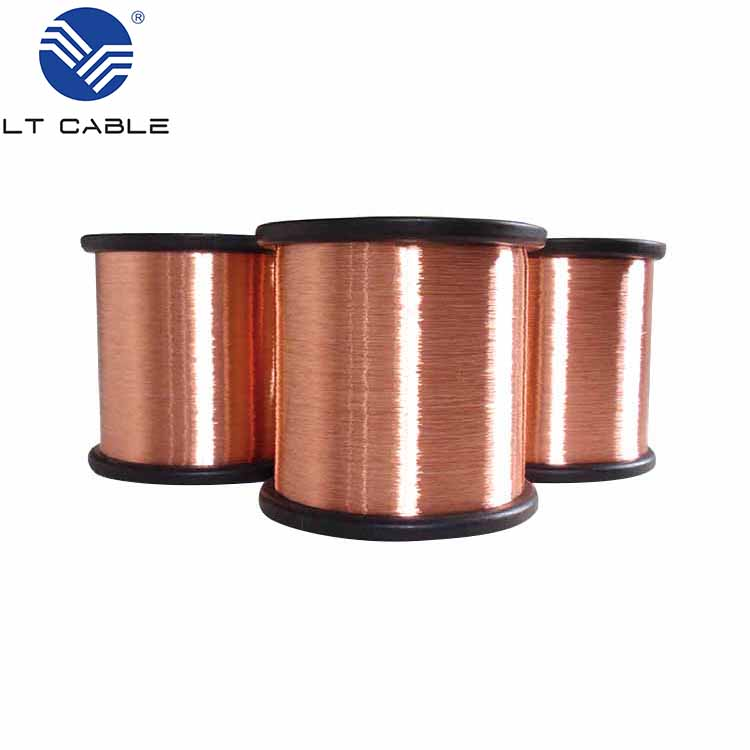
Electrical Performance: Why CCAM Wire Delivers Superior Conductivity and POE Reliability
Copper Cladding Thickness and DC Resistance: How CCAM Outperforms CCA in Real-World Data and Power Delivery
CCAM wire features a copper cladding typically 10–15% thicker than standard CCA, directly countering aluminum’s 55–60% higher resistivity. This yields a measurable advantage in DC resistance: CCAM maintains values below 9.38 Ω/100m, compared to CCA’s average of 14.5 Ω/100m—translating to 17–23% less energy loss during data transmission.
In backbone cabling, CCAM delivers 42% less voltage drop over 100-meter runs at 10Gbps, preserving signal integrity and reducing packet loss. Thermal imaging confirms CCAM operates 11–14°C cooler under identical loads—a critical safety margin that mitigates fire risk from CCA’s heat buildup during sustained power delivery.
Voltage Drop, Signal Integrity, and Thermal Derating in IEEE 802.3bt POE Applications
For IEEE 802.3bt (PoE++, up to 90W), CCAM’s uniform copper matrix ensures voltage stability within the ±7% tolerance mandated by PoE++ standards—unlike CCA, which commonly exceeds 12% drop at full load. This consistency is essential for powering high-demand endpoints reliably.
| Performance Factor | CCAM Wire | CCA Wire |
|---|---|---|
| Voltage Consistency | ±3% fluctuation | 7–12% fluctuation |
| Thermal Rise at 90W | 18°C | 34°C |
| POE Device Failure Rate | <1% (TIA-4966 compliant) | 8–12% |
The thermal derating of CCA is around 44% higher which causes these security cameras and access points to throttle power too soon. On the other hand, CCAM comes with an oxygen barrier coating that stops oxidation from increasing resistance. This means no need to worry about that 15 to 20% drop in performance that happens with regular CCA after just two years of operation. When installing PoE++ systems for good, especially in places where constant operation matters and safety cannot be compromised, there really isn't another option that matches CCAM. It has been tested in the field and meets all necessary codes, making it the best choice for long term reliability.
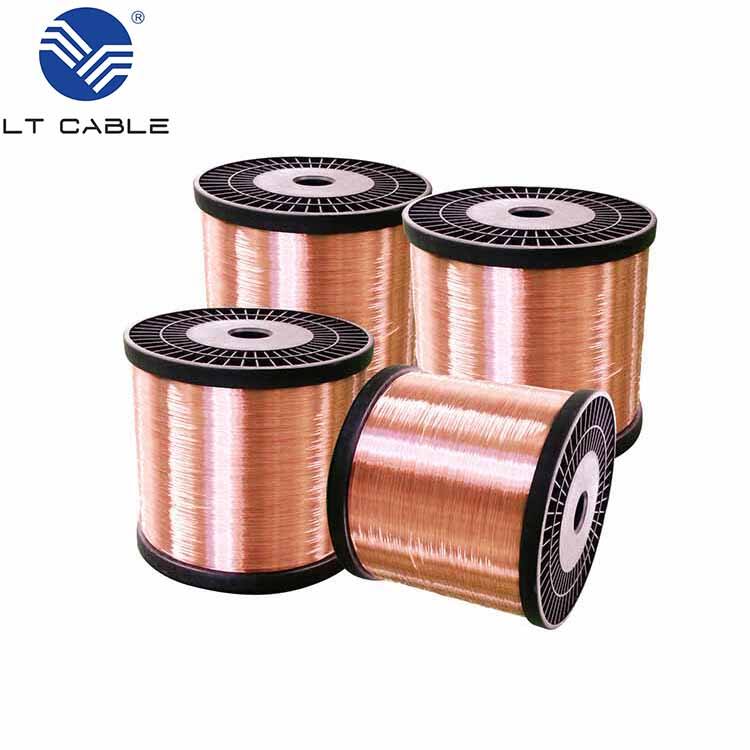
Safety and Code Compliance: NEC, UL, and TIA Requirements for CCAM Wire Deployment
NEC Restrictions on Aluminum-Based Conductors—and Where CCAM Wire Meets Plenum, Riser, and General-Purpose Wiring Standards
According to the National Electrical Code, pure aluminum conductors aren't allowed in branch circuits below 100 amps because they tend to oxidize and pose serious fire risks over time. That's where CCAM wire comes into play. With its continuous copper cladding, this type of wiring creates a much more durable connection that resists corrosion better than traditional options. The copper layer stays intact even after years of use, so connections don't degrade like they often do with standard aluminum wiring. Because of these properties, CCAM meets all the necessary NEC standards for different cable applications. It works well for plenum spaces covered under Articles 800 and 725, riser installations mentioned in Article 770, and regular general purpose cables specified in Article 400 of the code. This compliance makes it a versatile solution for electricians working on various projects while still maintaining safety standards.
CCAM wire rated for plenum spaces satisfies both NFPA 262 and UL 910 standards when it comes to producing minimal smoke and limiting how fast flames can spread. The riser version goes even further beyond UL 1666 requirements by completely stopping any flame propagation. When looking at everyday applications, this cable has successfully passed the UL 83 VW-1 flame test which is pretty impressive stuff. What makes CCAM really stand out though is its ability to prevent galvanic corrosion at connection points. This means installers can work with regular brass or tin-plated connectors without worrying about those pesky NEC derating rules typically required for aluminum wiring. Plus, CCAM carries both UL 44 and UL 13 certifications, and works well within the guidelines set forth by TIA-568-C.3 for proper structured cabling systems.
| Application | NEC Article | CCAM Wire Compliance |
|---|---|---|
| Plenum Spaces | 800/725 | Passes NFPA 262/UL 910 smoke test |
| Riser Runs | 770 | Exceeds UL 1666 flame spread |
| General Wiring | 400 | Meets UL 83 VW-1 requirements |
This comprehensive compliance makes CCAM a drop-in, code-validated alternative—overcoming aluminum’s legacy limitations without requiring system redesign or retrofitting.
Application-Specific Suitability: Matching CCAM Wire to Demanding Use Cases
Automotive Harnesses and Industrial Environments: Leveraging CCAM Wire’s Weight Savings, Vibration Resistance, and Oxidation Stability
When it comes to automotive wiring harnesses, CCAM cuts down on weight by almost half compared to regular solid copper wire. This makes a real difference for electric vehicles since lighter components mean better range and overall efficiency. The special mix of magnesium and aluminum at CCAM's core actually holds up against engine vibrations about 40 percent longer than standard CCA wires when tested according to ASTM B956 standards. For factories and plants dealing with damp conditions, CCAM keeps conducting electricity reliably even after years of exposure to moisture. Standard CCA tends to form these annoying resistive oxide layers within just 18 months in such environments. Looking at field tests done in 2023, there was a massive 65% drop in failures caused by vibrations in conveyor belt systems that switched to CCAM wiring. That kind of performance makes CCAM particularly well suited for robotic arms, computer controlled machines, and those critical connections between EV batteries where both strength over time and consistent operation matter most.
LED Lighting and Low-Voltage DC Circuits: When CCA May Suffice—And Why CCAM Wire Is the Safer Long-Term Choice
CCA can handle basic 12 to 24 volt DC lighting needs, but it starts to break down pretty quickly over time. According to an IEEE study from 2022, voltage drops actually go up around 23 percent after just two years of use. This leads to those annoying flickers in LED brightness and puts extra strain on the drivers long before they should need replacing. CCAM on the other hand comes with at least 10 percent copper cladding compared to only 5 to 7 percent in regular CCA wire. This makes all the difference when looking at how well power stays consistent throughout those 50 thousand hour lifespans. What's even better is that CCAM stands up much better to heat cycles too. At temperatures hitting 85 degrees Celsius, CCAM outperforms UL 83 standards while standard CCA simply gives up the ghost. Yes, CCAM does cost about 30 percent more upfront, but look at what happens over ten years in commercial lighting projects. Replacement costs drop by nearly two thirds, which means businesses save money in the long run despite paying more initially. That kind of return speaks volumes about both performance quality and overall value proposition.


