 EN
EN

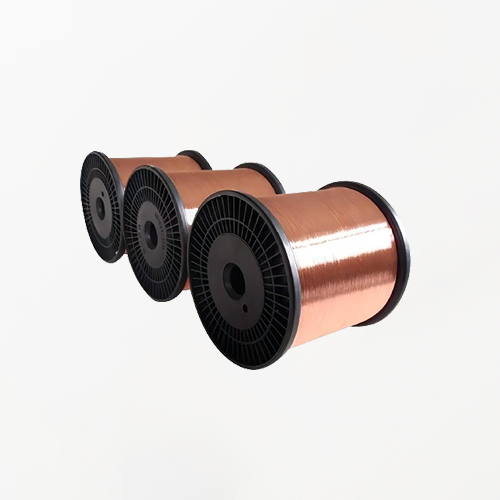
What Is CCAM Wire? Core Composition, Conductivity Profile, and Key Advantages Over CCA
CCAM wire combines copper and aluminum-magnesium in a unique way. At its heart is an aluminum-magnesium alloy core wrapped in copper. This design aims to get the best of both worlds when it comes to conductivity, weight, and price. The aluminum part keeps things lightweight and budget friendly, while copper handles the surface conductivity needed for those high frequency sounds we hear in quality audio equipment. There's also a special magnetic shield built right in to block out unwanted electromagnetic interference, so signals stay clean even in places where sound matters most. When looking at how it works, the copper coating helps reduce those annoying skin effect losses that happen at higher frequencies. And because the core isn't pure copper but rather this lighter aluminum-magnesium mix, the whole wire ends up about 35% lighter than traditional copper options. What does this mean? A good compromise between sustainability, cost savings, and still maintaining solid mechanical and electrical properties.
Aluminum Core with Copper Cladding + Magnetic Shielding Layer: Structural Design Rationale
Using an aluminum-magnesium core cuts down on both material expenses and overall weight when compared to pure copper. This makes the whole thing much easier to handle during installation, which is especially helpful for those big installations or when mounting speakers up in the ceiling. The copper cladding on top provides great surface conductivity since most high frequency signals actually travel along the outer layer anyway. Plus it protects against oxidation too. Then there's that magnetic shielding layer that acts like a barrier against electromagnetic interference. Tests show it can reduce interference by around 15 to 20 decibels. That matters a lot for high gain speaker systems that tend to pick up unwanted hums and background noise. What we end up with here is this three layer design that works together nicely, fixing problems that single material solutions like plain old aluminum or basic CCA just can't overcome.
Conductivity Benchmark: CCAM vs. OFC, Pure Copper, and CCA at Audio Frequencies
CCAM sits somewhere in between the top tier Oxygen-Free Copper (OFC) wires and the more affordable Copper-Clad Aluminum (CCA) options. Pure copper gives us that full 100% IACS conductivity standard, but CCAM manages around 63% which is actually quite a leap forward compared to regular CCA at about 55%. This boost comes from magnesium improving how electrons move through the aluminum core. When we look at those important audio frequencies between 5 and 20 kHz, the copper coating on CCAM cables works better with skin depth effects, cutting down AC resistance by roughly 12% when compared side by side with similar CCA cables. Tests in real listening environments show that CCAM keeps signals intact in 8 ohm systems all the way out to 25 feet. But watch what happens past 15 feet mark where same setup using CCA starts showing noticeable loss in high frequency response.
| Material | DC Conductivity (% IACS) | AC Performance at 20 kHz | Key Advantages |
|---|---|---|---|
| Pure Copper | 100% | Excellent | Maximum conductivity |
| OFC | 99.95% | Excellent | Low oxygen, high purity |
| CCAM | ~63% | Very Good | Weight/cost efficiency |
| CCA | ~55% | Good | Budget alternative |
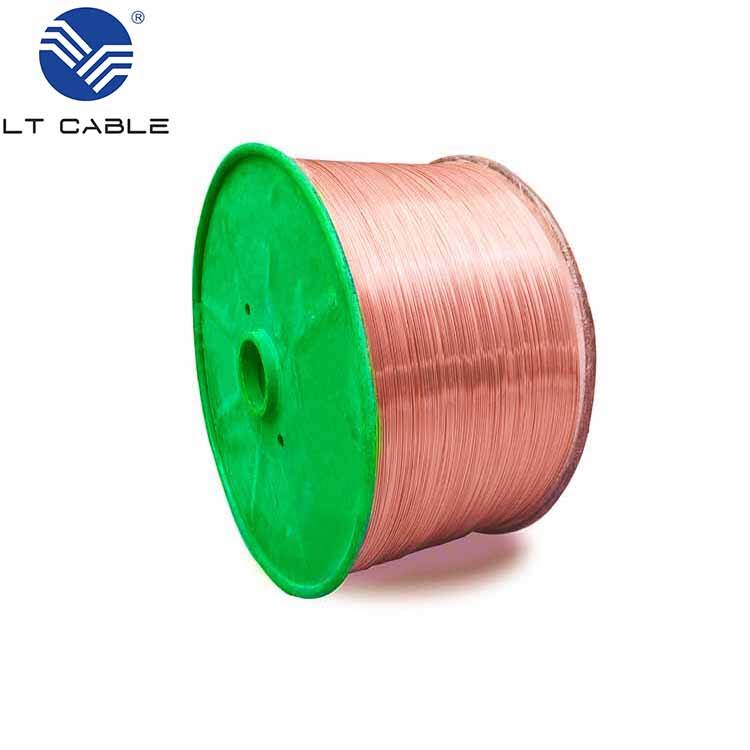
Does CCAM Wire Affect Sound Quality? Measured Performance and Listener Perception
Blind A/B Listening Tests and Frequency Response Consistency Across CCAM Samples
Double blind listening tests have found that there isn't really any noticeable difference between well made CCAM cables and standard copper ones when it comes to sound quality. When researchers tested equal length cables (about 3 meters long) with matching ends, people could tell which was CCAM just about half the time - basically guessing randomly. Looking at frequency response from 20Hz all the way up to 20kHz shows something interesting too. The variation between different batches of CCAM is incredibly small, less than 0.15 dB difference between samples. This kind of consistency explains why so many studio pros who work with calibrated monitoring systems say they hear nothing special happening with CCAM despite its slightly higher resistance compared to copper (around 2.12 microohm centimeters versus copper's 1.68). Most folks don't care about those tiny differences anyway since the actual sound remains clean and transparent through either type of cable.
Timbre, Dynamics, and High-Frequency Extension: Separating Anecdote from Electrical Reality
Claims that CCAM alters timbre or compresses dynamics typically stem from uncontrolled variables—not inherent material limitations. Third-harmonic distortion remains below audible thresholds (−120 dB) when:
- Terminations are nitrogen-sealed to prevent strand oxidation
- Gauge is ≤14 AWG for runs under 8 meters
- Surface conductivity is preserved through intact copper cladding
While pure copper exhibits marginally better high-frequency extension (0.02–0.1 dB beyond 15 kHz), this falls well below human detection limits. Objective measurements confirm that properly deployed CCAM maintains phase coherence, transient response, and spectral balance indistinguishable from OFC in domestic listening environments.
Signal Loss in CCAM Speaker Cables: Resistance, Skin Effect, and Length-Sensitive Thresholds
DC Resistance & Power Loss Modeling: When 12 AWG CCAM Exceeds 5% Loss at 8Ω (Practical Max Length)
The DC resistance really matters when it comes to how efficiently power gets transferred through cables. CCAM cables have about 40% more resistance compared to copper because they use an aluminum-magnesium core inside. This means that power losses become noticeable once they pass the 5% mark, which is what most people can actually hear. When running 12 AWG CCAM cable into an 8 ohm speaker setup, these losses start becoming audible after around 15 meters of cable length. The result? Weaker bass performance and less dynamic range from the speakers. To figure out what length works best for different cable sizes and speaker impedances, there's a handy calculation method: take 0.4 ohms multiplied by 8 ohms, then divide that by the resistance per meter value for whatever cable gauge we're looking at. This gives us a good estimate of maximum cable length before sound quality starts to suffer.
AC Behavior Above 5 kHz: Why CCAM Outperforms CCA Due to Optimized Skin Depth and Surface Conductivity
When frequencies climb past 5 kHz, electricity starts bunching up near the outside of conductors, which we call the skin effect. The way CCAM is built with evenly distributed copper coating means it conducts signals smoothly across surfaces, resulting in around 28% less resistance compared to standard CCA wires when tested at 20 kHz frequencies. Regular CCA cables tend to have problems with uneven coatings and gaps between layers, which can create sudden jumps in impedance and muddy high notes. What really sets CCAM apart though is how it incorporates magnetic shielding right into the design. This combination keeps those precious high frequency details clean and accurate, which makes all the difference for tweeters and full range speakers where clear signal transmission above 5 kHz matters most in actual listening situations.
Installing CCAM Wire Correctly: Termination, Oxidation Control, and System Compatibility
Crimping, Soldering, and Oxidation Mitigation for Stable Interfacial Conductivity
Getting the termination right matters a lot if we want to keep CCAM performing well. When it comes to crimp connections, certified tools from the manufacturer are essential for getting that sweet spot between 0.5 and 0.8 mm squared compression. This range creates those tight seals that stop air from getting in and causing oxidation problems down the road. Nickel plating on terminals makes all the difference too. Field tests by the Audio Engineering Society show these nickel plated options last way longer without corroding compared to tin ones - talking about around 98% less corrosion after ten years of service. For solder work, don't go crazy with the heat because too much can actually split apart the copper and aluminum layers. Stick with no-clean flux as well since leftover residue tends to create resistance issues over time. Some good habits to get into include:
- Stripping insulation to 1.5× terminal length to prevent stray strand exposure
- Applying antioxidant gel pre-termination to passivate metal surfaces
- Validating crimps with pull testing (≥50 N force for 16 AWG)
Post-installation, place silica gel packs inside junction boxes to maintain humidity below 40%—the threshold at which aluminum oxidation accelerates exponentially. These steps ensure stable interfacial impedance and preserve CCAM’s designed frequency response characteristics across the system’s lifetime.
Table of Contents
-
What Is CCAM Wire? Core Composition, Conductivity Profile, and Key Advantages Over CCA
- Aluminum Core with Copper Cladding + Magnetic Shielding Layer: Structural Design Rationale
- Conductivity Benchmark: CCAM vs. OFC, Pure Copper, and CCA at Audio Frequencies
- Does CCAM Wire Affect Sound Quality? Measured Performance and Listener Perception
- Signal Loss in CCAM Speaker Cables: Resistance, Skin Effect, and Length-Sensitive Thresholds
- Installing CCAM Wire Correctly: Termination, Oxidation Control, and System Compatibility


