 EN


In cable manufacturing, a solder joint often reveals problems that started long before the solder pot. For a tcca bare wire program, surface condition affects whether flux can do its job, whether solder wets evenly, and whether operators can repeat the process from reel to reel. This article uses tcca bare wire to mean tin-coated copper-clad aluminum alloy wire in a cable-production context; terminology should still be aligned with the buyer’s drawing and specification.
From the production-user perspective, the practical question is not whether a tcca bare wire looks bright at receipt. It is whether its surface remains suitable through pay-off, cutting, stripping, joining, tinning, and inspection. A clean-looking reel can still carry drawing lubricant, fingerprints, dust, moisture residue, or early oxidation. Each can change the wetting behavior seen at the soldering station.
Why surface condition changes soldering results
Soldering depends on contact between heated solder and a surface that flux can activate. On tcca bare wire, an oxide film or processing residue may interrupt that contact. The visible outcome can be slow wetting, patchy coverage, dewetting, or a joint that varies from one operator or shift to another. These symptoms do not automatically identify one root cause, but they are good reasons to review the wire surface and the full process window together.
A tcca bare wire is not evaluated in isolation. Storage time, packaging, ambient humidity, reel handling, flux chemistry, dwell time, solder temperature, and the preparation of mating parts all influence the result. In other words, surface cleanliness is an input to a controlled process, not a substitute for process validation.
Where contamination can enter the tcca bare wire process
The first risk point is upstream processing. Residual lubricants or cleaning-media carryover can remain after drawing or handling. If a tcca bare wire passes through multiple stations, residues may accumulate without producing an obvious visual defect. Wire-to-guide contact can also transfer debris, especially when cleaning intervals are not defined.
The second risk point is storage and internal logistics. A tcca bare wire left exposed after packaging is opened can collect airborne dust or be touched during set-up. Condensation or unsuitable storage conditions can change the surface before the wire reaches soldering. Keep reels covered when idle, identify opened material, and use an agreed first-in, first-out method when the product specification supports it.
The third risk point is work preparation. Cut ends, stripped zones, fixtures, and operator gloves can introduce contamination immediately before joining. That is why a tinned tcca wire process should not rely on a single cleaning action performed only at incoming inspection. The control plan should identify what happens to the surface at every handoff.
What clean tcca bare wire supports at the solder station
When tcca bare wire reaches the station in a controlled condition, flux has a more consistent surface to act on. This can make wetting behavior easier to observe and process variation easier to diagnose. It does not mean that every joint will pass automatically; solder alloy, flux selection, heat input, joint design, and operator method still require confirmation.
The useful operational goal is repeatable coverage rather than a vague claim of “good soldering.” For tinned tcca wire assemblies, define the inspection area, expected coverage, acceptable defects, and test method before production. Industry solderability methods such as IPC J-STD-002 show why preparation, controlled conditions, and visible coverage matter. The applicable revision and acceptance criteria must be confirmed against the actual customer specification rather than copied from a generic reference.
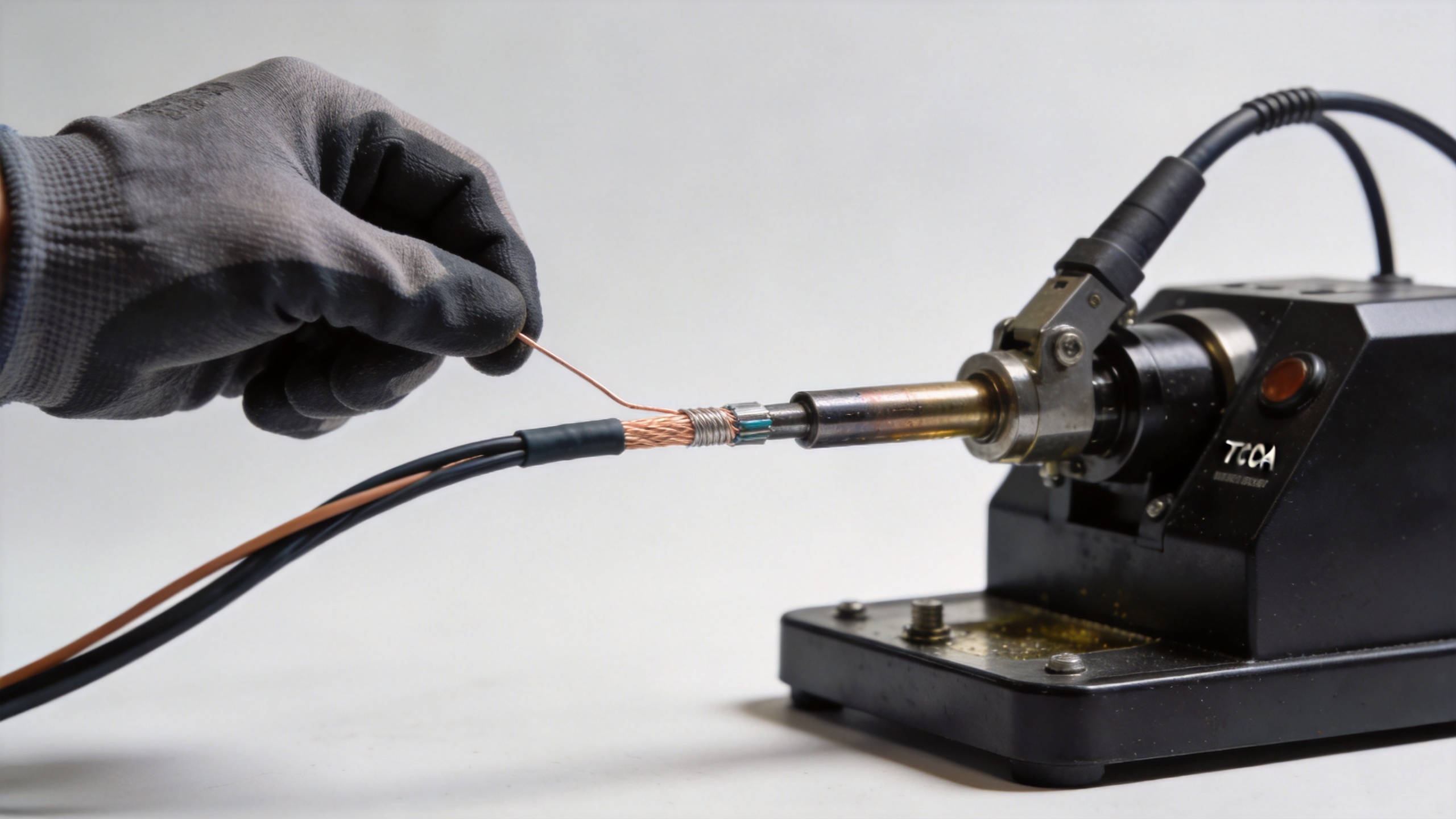
A practical cleanliness control plan
Start with an incoming check for each tcca bare wire lot. Confirm reel identification, packaging condition, surface appearance, and any agreed documentation. If the application is sensitive, retain samples under the defined plan so that later soldering questions can be traced back to the material lot.
- Define the critical surface. State which section of tcca bare wire will be soldered, tinned, or otherwise joined.
- Control handling. Specify clean contact points, covered storage, reel protection, and when gloves or clean tools are required.
- Confirm pre-solder preparation. Record the approved cleaning method, flux, dwell time, and any drying or staging requirement. Do not add chemical cleaning steps without reviewing compatibility and safety requirements.
- Use a reference sample. Compare the first approved tcca bare wire joint of a shift or changeover with the required appearance and coverage criteria.
- Record exceptions. Link poor wetting observations to lot, storage exposure, operator station, flux condition, and solder-pot checks so the team can separate material questions from process questions.
How to investigate uneven wetting
If a tcca bare wire joint shows incomplete or uneven solder coverage, avoid assuming the wire alone is responsible. Review the evidence in sequence: inspect the wire surface, compare a retained sample, verify flux condition and application, check temperature and dwell controls, and examine the mating surface. A sample test can help determine whether the issue follows a material lot or remains at one station.
This sequence is especially useful when changing from bare feed wire to tinned tcca wire or when a customer requires a different joining method. More precisely, the question is not simply whether the conductor is “solderable”; it is whether the agreed tcca bare wire, preparation method, and joining conditions work together under the documented process window.
Questions to put in the specification and RFQ
- Which tcca bare wire surface will be joined, and at what production stage?
- What storage, packaging, and maximum exposure conditions apply after a reel is opened?
- Which flux, solder alloy, temperature range, and dwell conditions will be used?
- What visual coverage or joint criteria will be inspected, and which test method applies?
- Is a lot-specific sample or process trial required before routine production?
These questions turn a broad material request into a verifiable plan. They also help cable manufacturers compare results without treating a surface observation as a universal material conclusion.
Make cleanliness a traceable manufacturing input
For tcca bare wire, surface cleanliness belongs in the same conversation as wire identification, process settings, and inspection records. A documented control plan helps teams identify whether a wetting issue began with material handling, surface preparation, fluxing, or soldering conditions. That clarity is valuable when engineering, quality, and production need to make a joint decision.
LT CABLE serves wire and cable material discussions for telecom and coaxial applications. For a tcca bare wire inquiry, provide the intended cable use, joining operation, dimensions, and verification expectations. The resulting review can define the surface and solderability questions that matter for the actual manufacturing process.


