
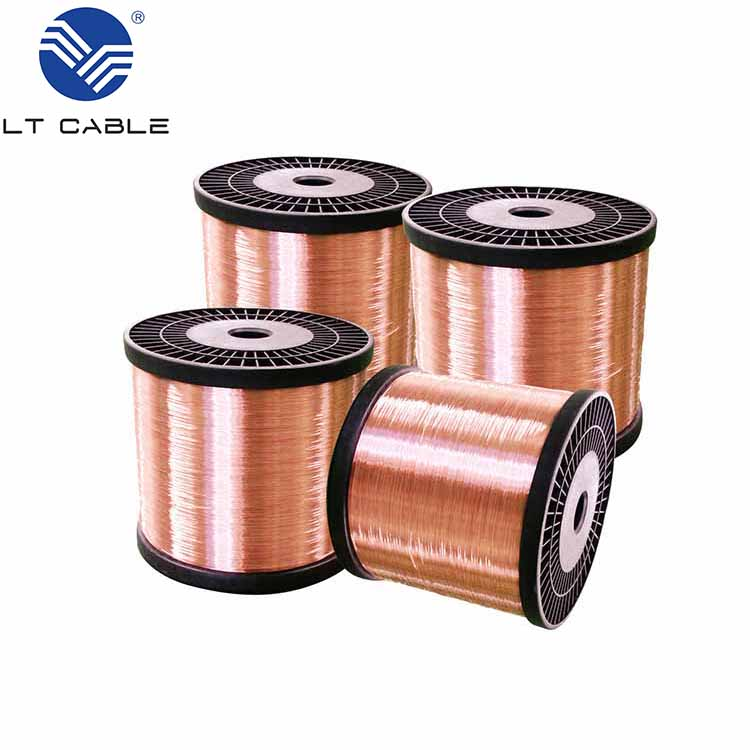
Copper Ratio: The Dominant Cost and Performance Factor in TCCA WireHow copper cladding percentage (10%, 15%, 20%) scales raw material cost and DC resistanceThe proportion of copper cladding on the aluminum core is the single most influential variable...
VIEW MORE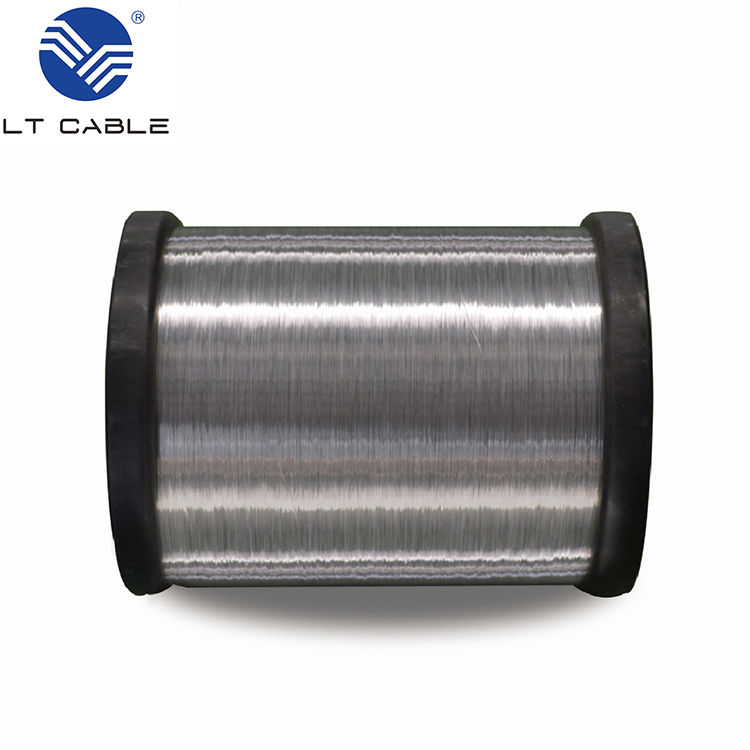
Understanding TCCAM: Definition and Core TechnologyTCCAM (Time-Correlated Content Addressable Memory) is a specialized hardware-accelerated memory architecture that performs parallel, time-aware search operations. Unlike conventional memory—which ret...
VIEW MORE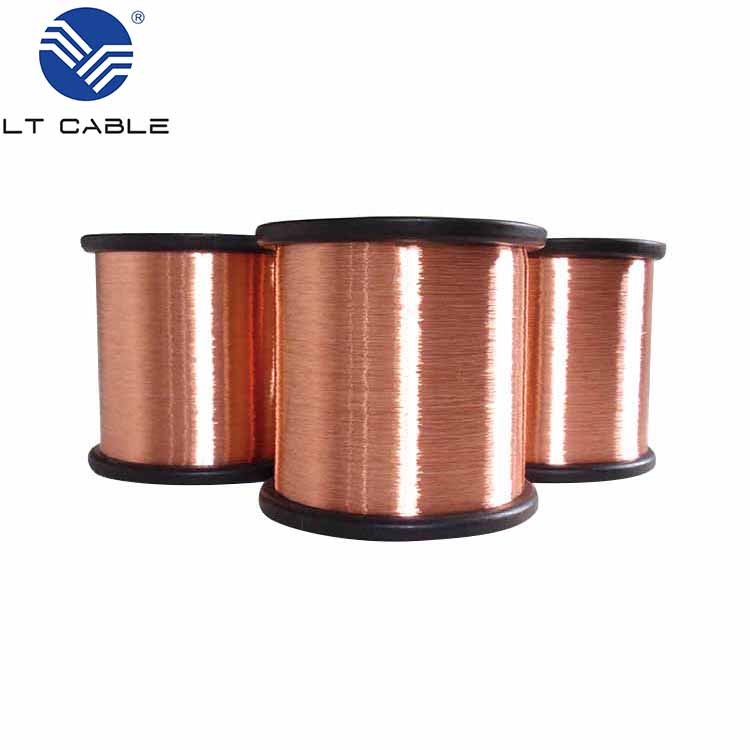
Why TCCA Wire Is Preferred for High-Performance EMI/RFI ShieldingCost, Weight, and Performance Balance: How TCCA Outperforms Pure Copper and Aluminum in Real-World HarnessesTinned copper-clad aluminum (TCCA) wire directly addresses the economic and p...
VIEW MORE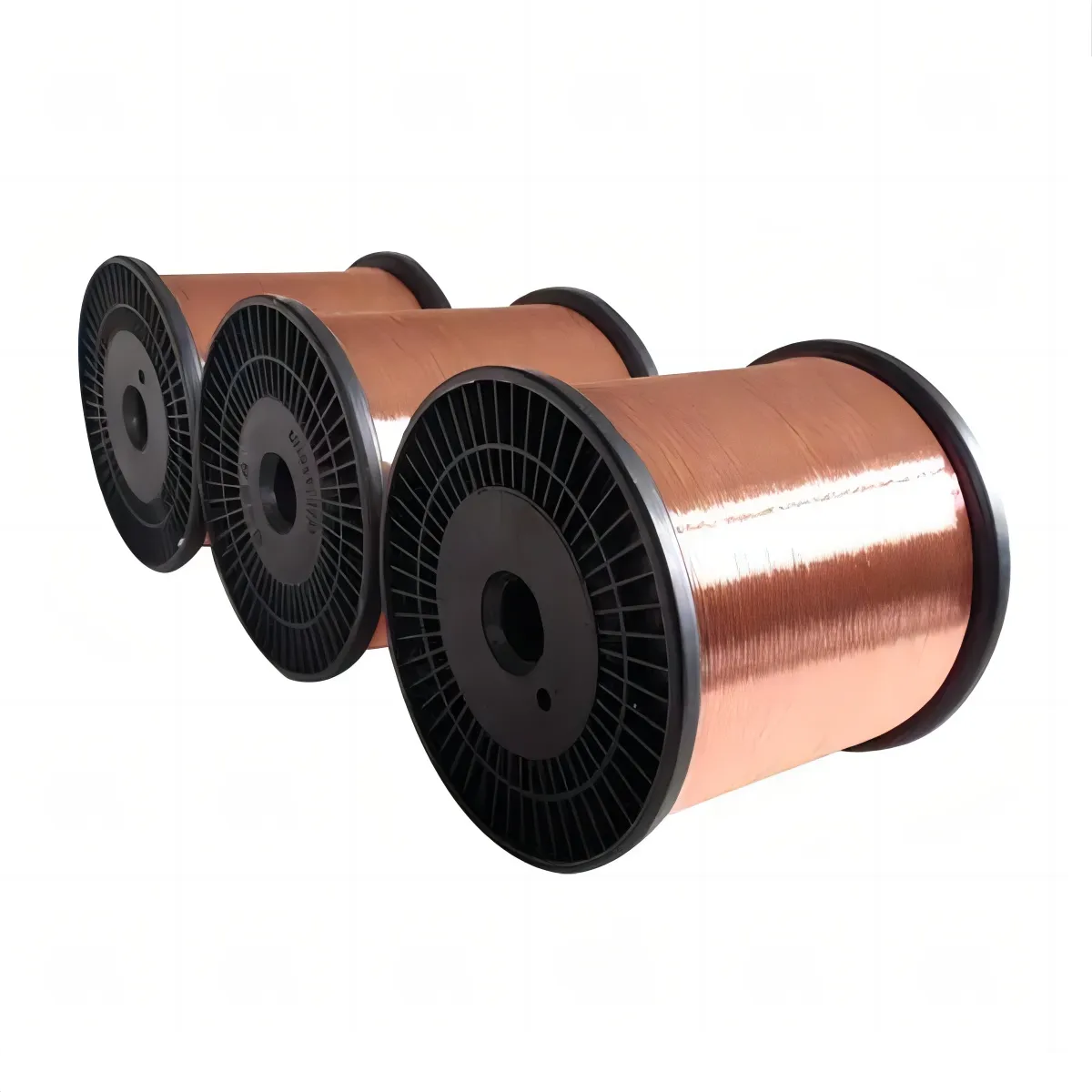
Why TCCAM Wire Is Optimal for High-Performance Braided ShieldingMaterial synergy: Copper-clad aluminum-magnesium core delivers conductivity, strength, and weight savingsThe copper-clad aluminum-magnesium (CCAM) core of TCCAM wire uniquely balances el...
VIEW MORE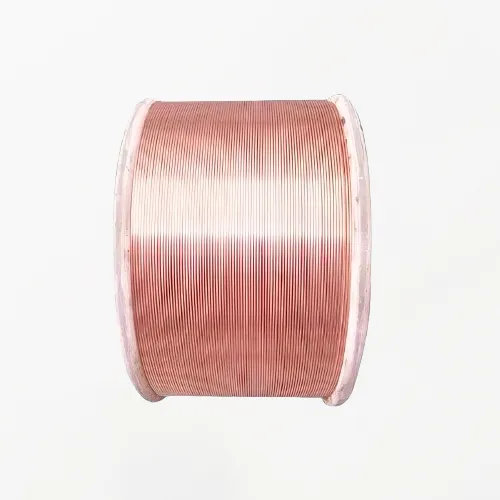
Corrosion Resistance and Total Cost of Ownership Advantages of TCCAMElectrochemical Stability of Tin Coating Against Salt Spray and HumidityThe tin coating on TCCAM (tinned copper-clad aluminum) wire forms a stable, adherent passive layer that resist...
VIEW MORE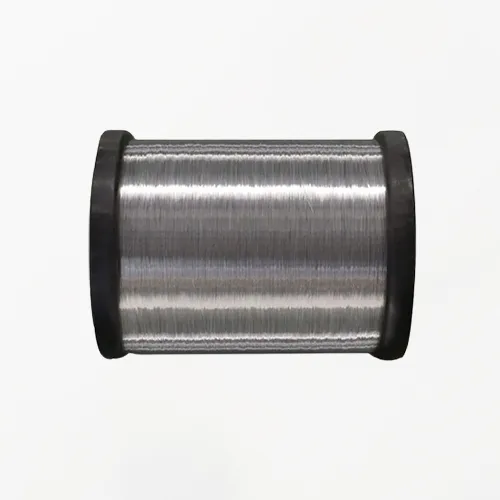
CCAM Alloy Fundamentals: Balancing Conductivity, Strength, and ProcessabilityComposition and IACS Performance of CCAM vs. ETP, OFHC, and CDA 110CCAM (Copper Clad Aluminum Magnesium) wire is a composite conductor comprising a high-purity aluminum core...
VIEW MORE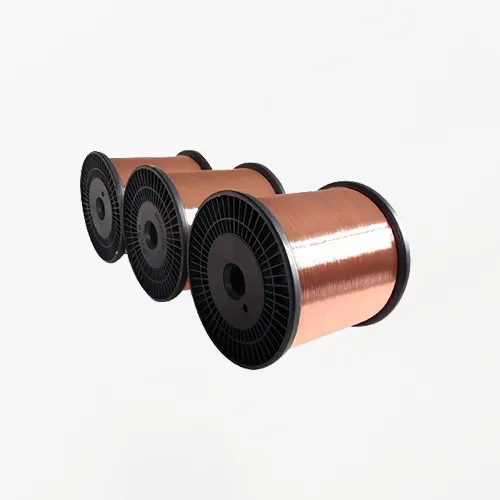
Tin Coating Percentage in TCCA Wire: Balancing Conductivity, Solderability, and ReliabilityStandard tin % ranges for TCCA wire and their impact on electrical performance vs. solder joint integrityTin coating percentages in TCCA (tin-coated copper-cla...
VIEW MORE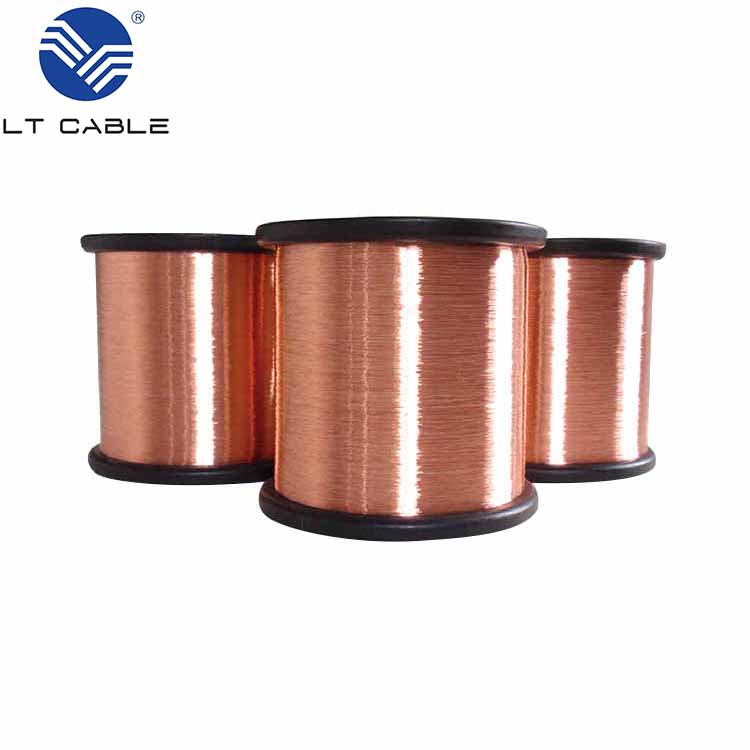
Why TCCA Wire Is Prone to Oxidation in TransitTin plating limitations: How micro-pores and galvanic coupling with aluminum substrate accelerate corrosionTCCA wire uses a tin coating over copper-clad aluminum to improve solderability and corrosion res...
VIEW MORE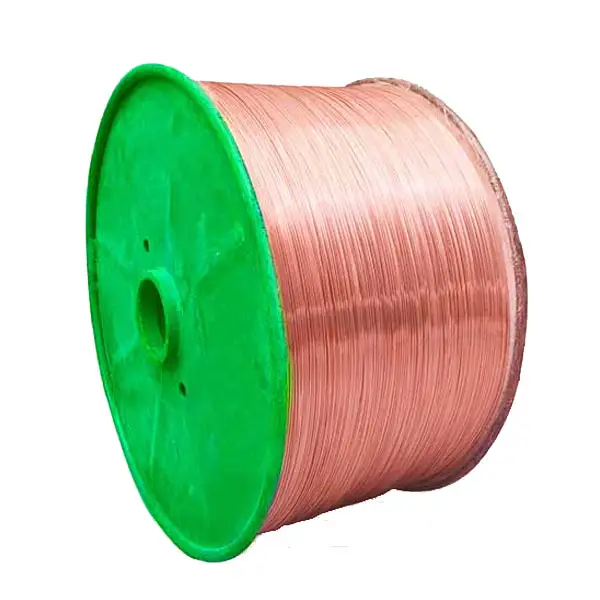
Why Tin Coating Thickness Matters for TCCA Wire PerformanceTin coating thickness directly dictates the reliability and lifespan of TCCA wire in demanding applications. A coating below 0.5 µm fails to provide adequate barrier protection, leaving the c...
VIEW MORE
Why TCCA Wire Presents Unique Solderability ChallengesThe Bimetallic Interface: How Aluminum Core and Tin Coating Create Wetting BarriersThe core challenge with Tinned Copper-Clad Aluminum (TCCA) wire lies in its fundamental structure: a highly react...
VIEW MORE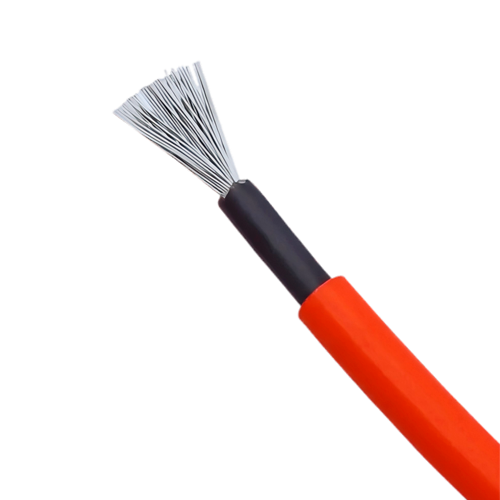
What Is CCS Wire? Composition, Manufacturing, and Core PropertiesSteel Core + Copper Cladding: Defining the Hybrid StructureCCS (Copper Clad Steel) wire is a bimetallic composite featuring a high-strength steel core—typically low- or high-carbon stee...
VIEW MORE
Electrical Performance: Why TCCAM Delivers Superior Conductivity and Lower Voltage DropIACS Benchmark Comparison: TCCAM at ~100% vs Tinned CCA at ~40–45%Conductivity forms the foundation of any wire’s performance—and the International Annealed Copper...
VIEW MORE EN
EN