Dec 25,2025
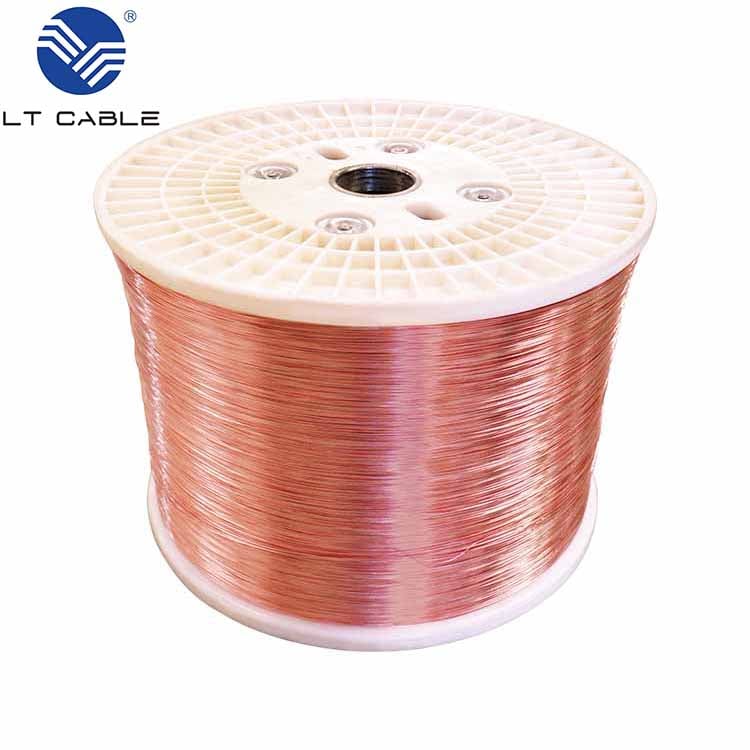
Copper Clad Aluminum or CCA wire basically has an aluminum center covered with a thin copper coating that makes up around 10 to 15 percent of the overall cross section. The idea behind this combination is simple really it tries to get the best of both worlds lightweight and affordable aluminum plus the good conductivity properties of copper on the surface. But there's a catch. If the bond between these metals isn't strong enough, tiny gaps can form at the interface. These gaps tend to oxidize over time and can boost electrical resistance by as much as 55% compared to regular copper wires. When looking at actual performance numbers, CCA typically reaches about 60 to 70% of what's called the International Annealed Copper Standard for conductivity because aluminum just doesn't conduct electricity as well as copper does throughout its entire volume. Because of this lower conductivity, engineers need to use thicker wires when working with CCA to handle the same amount of current as copper would. This requirement pretty much cancels out most of the weight and material cost benefits that made CCA attractive in the first place.
The increased resistance of CCA leads to more significant Joule heating when carrying electrical loads. When ambient temperatures reach around 30 degrees Celsius, the National Electrical Code requires reducing the current capacity of these conductors by approximately 15 to 20 percent compared to similar copper wires. This adjustment helps prevent insulation and connection points from overheating beyond safe limits. For regular branch circuits, this means about a quarter to third less continuous load capacity available for actual use. If systems run consistently above 70% of their maximum rating, the aluminum tends to soften through a process called annealing. This weakening affects the conductor's core strength and can damage connections at terminations. The problem gets worse in tight spaces where heat simply cannot escape properly. As these materials degrade over months and years, they create dangerous hot spots throughout installations, which ultimately threatens both safety standards and reliable performance in electrical systems.
CCA wire just doesn't work well with today's Power over Ethernet (PoE) systems, especially those following the IEEE 802.3bt standards for Classes 5 and 6 that can deliver up to 90 watts. The problem comes down to resistance levels that are about 55 to 60 percent higher than what we need. This creates serious voltage drops along regular cable lengths, making it impossible to maintain the stable 48-57 volts DC needed at devices on the other end. What happens next is pretty bad too. The extra resistance generates heat, which makes things worse because hotter cables resist even more, creating this vicious cycle where temperatures keep climbing dangerously high. These issues run afoul of NEC Article 800 safety rules as well as the IEEE specifications. Equipment might stop working altogether, important data could get corrupted, or worst case scenario, components suffer permanent damage when they don't receive enough power.
Cable runs longer than 50 meters often push CCA past the NEC's 3% voltage drop limit for branch circuits. This creates problems like inefficient equipment operation, early failures in sensitive electronics, and all sorts of performance issues. At current levels above 10 amps, CCA needs serious ampacity reductions according to NEC 310.15(B)(1). Why? Because aluminum just doesn't handle heat as well as copper does. Its melting point is around 660 degrees Celsius compared to copper's much higher 1085 degrees. Trying to fix this by oversizing the conductors basically cancels out any cost savings from using CCA in the first place. Real world data tells another story too. Installations with CCA tend to have about 40% more thermal stress incidents compared to regular copper wiring. And when these stress events happen inside tight conduit spaces, they create a real fire hazard that nobody wants.
When the aluminum core inside CCA wire gets exposed at connection points, it starts oxidizing pretty quickly. This creates a layer of aluminum oxide that has high resistance and can raise localized temperatures by around 30%. What happens next is even worse for reliability issues. When those terminal screws apply constant pressure over time, the aluminum actually flows out cold from the contact areas, making connections gradually loosen. This violates code requirements like NEC 110.14(A) that specify secure, low resistance joints for permanent installations. The heat generated through this process leads to arc faults and breaks down insulation materials, something we see frequently mentioned in NFPA 921 investigations about fire causes. For circuits handling more than 20 amps, problems with CCA wires show up about five times quicker compared to regular copper wiring. And here's what makes it dangerous - these failures often develop silently, giving no obvious signs during normal inspections until serious damage occurs.
Key failure mechanisms include:
Proper mitigation requires antioxidant compounds and torque-controlled terminals specifically listed for aluminum conductorsâmeasures rarely applied in practice with CCA wire.
CCA wire can be used responsibly in low-power, low-current applications where thermal and voltage-drop constraints are minimal. These include:
CCA wiring shouldn't go into circuits that power outlets, lights, or any standard electrical loads around the building. The National Electrical Code, specifically Article 310, bans its use in 15 to 20 amp circuits because there have been real issues with things getting too hot, voltage fluctuations, and connections failing over time. When it comes to situations where CCA is allowed, engineers need to check that the voltage doesn't drop more than 3% along the line. They also have to make sure all connections meet the standards laid out in NEC 110.14(A). These specs are pretty tough to hit without special equipment and proper installation techniques most contractors aren't familiar with.
Third-party certification is essentialânot optionalâfor any CCA conductor. Always verify active listing against recognized standards:
| Standard | Scope | Critical Test |
|---|---|---|
| UL 44 | Thermoset-insulated wire | Flame resistance, dielectric strength |
| UL 83 | Thermoplastic-insulated wire | Deformation resistance at 121°C |
| CSA C22.2 No. 77 | Thermoplastic-insulated conductors | Cold bend, tensile strength |
Listing in the UL Online Certifications Directory confirms independent validationâunlike unverified manufacturer labels. Non-listed CCA fails ASTM B566 adhesion testing seven times more frequently than certified product, directly increasing oxidation risk at terminations. Before specifying or installing, confirm the exact certification number matches an active, published listing.

Tailored advice, perfect fit solutions.

Efficient manufacturing, seamless supply.

Rigorous testing, global certifications.

Prompt assistance, ongoing support.
 EN
EN