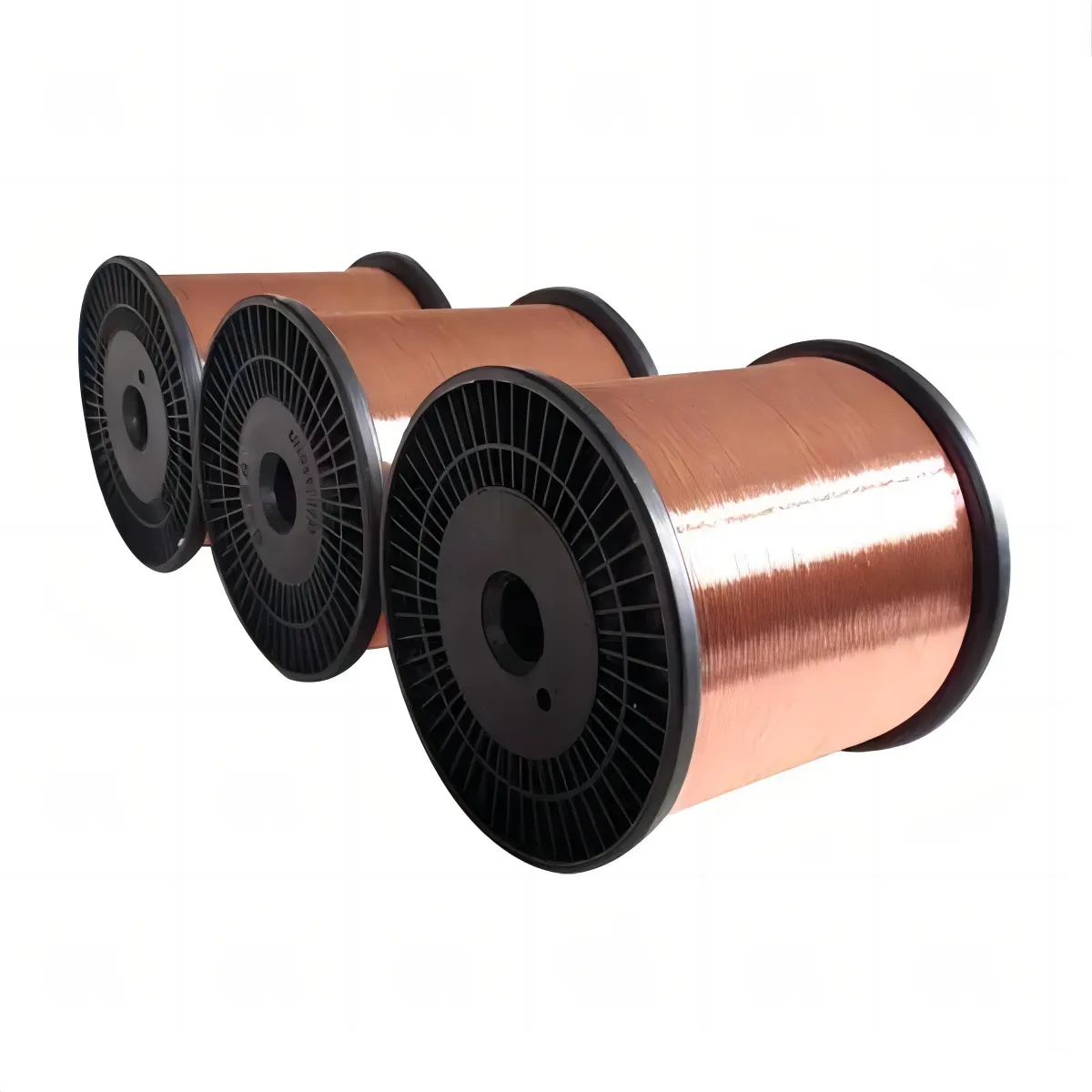
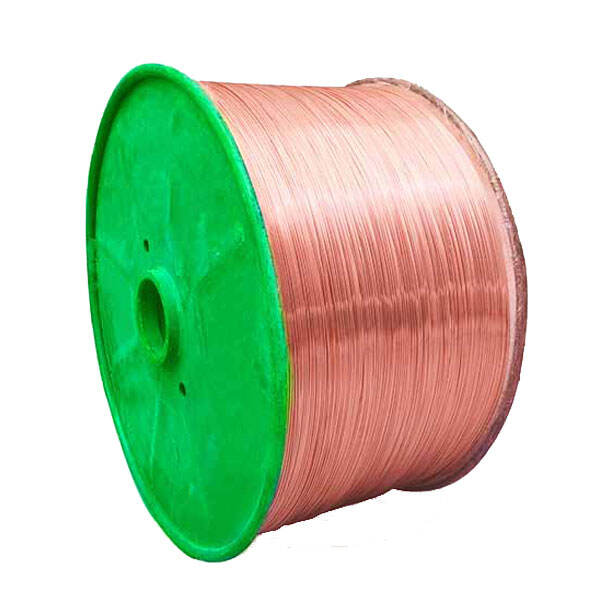
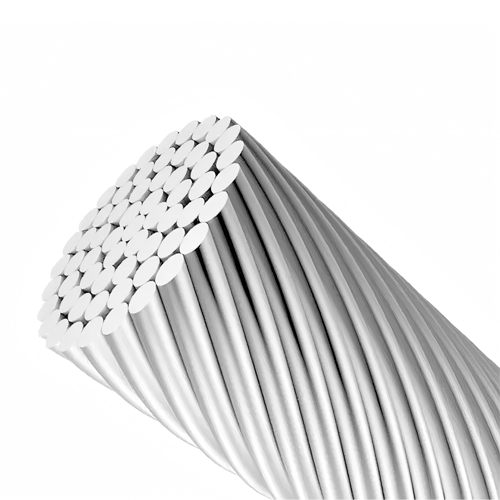
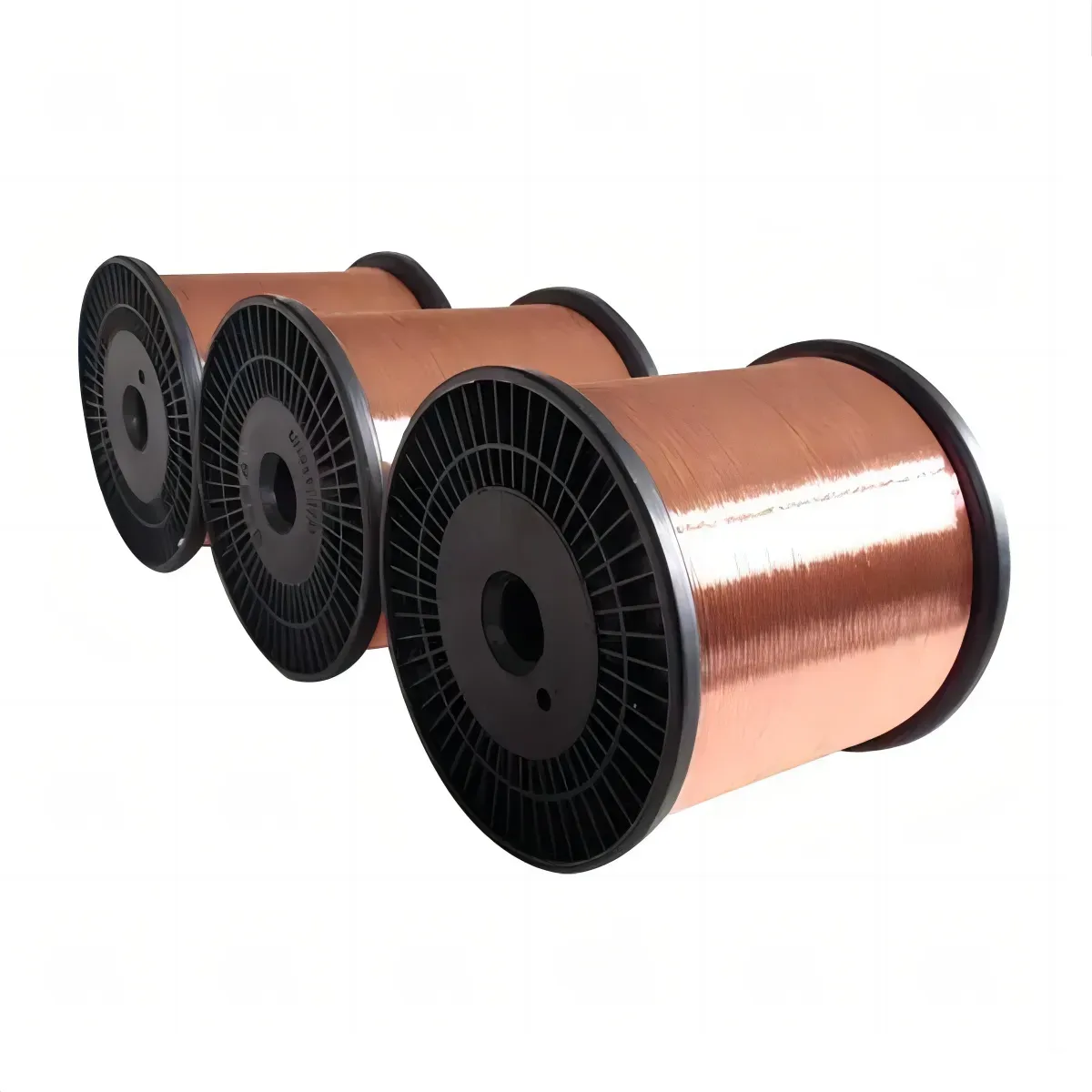
CCA Braided Shielded Wire: EMI Protection & Lightweight Performance

Get a Free Quote

Our representative will contact you soon.
Name
Email
Mobile
Country/Region
Choose the product you want
Message
0/1000
CCA Braided Shielded Wire: The Ultimate Solution for High-Performance Applications

CCA Braided Shielded Wire: The Ultimate Solution for High-Performance Applications

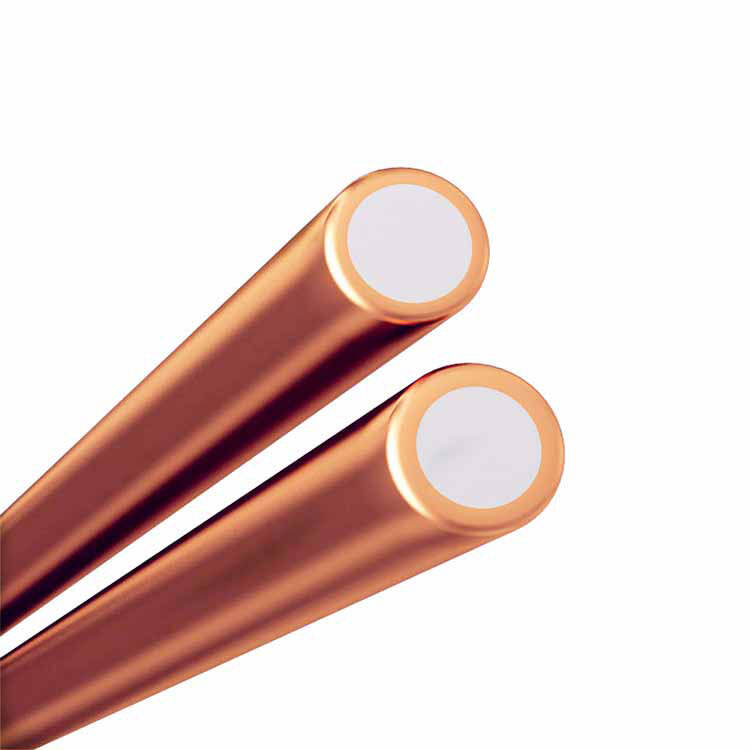
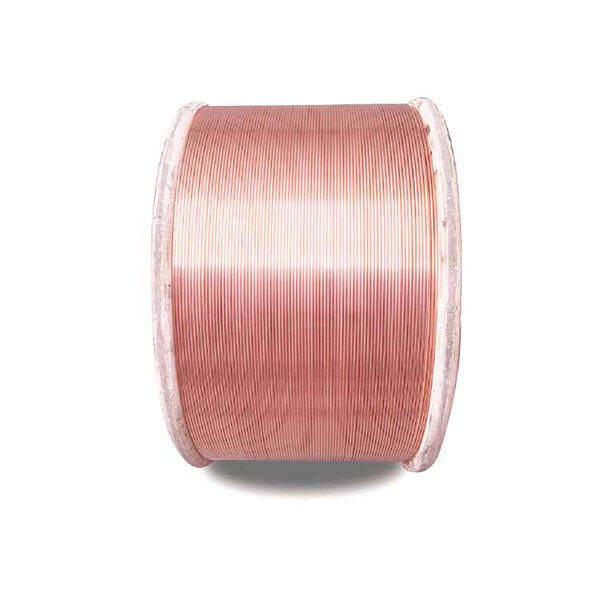
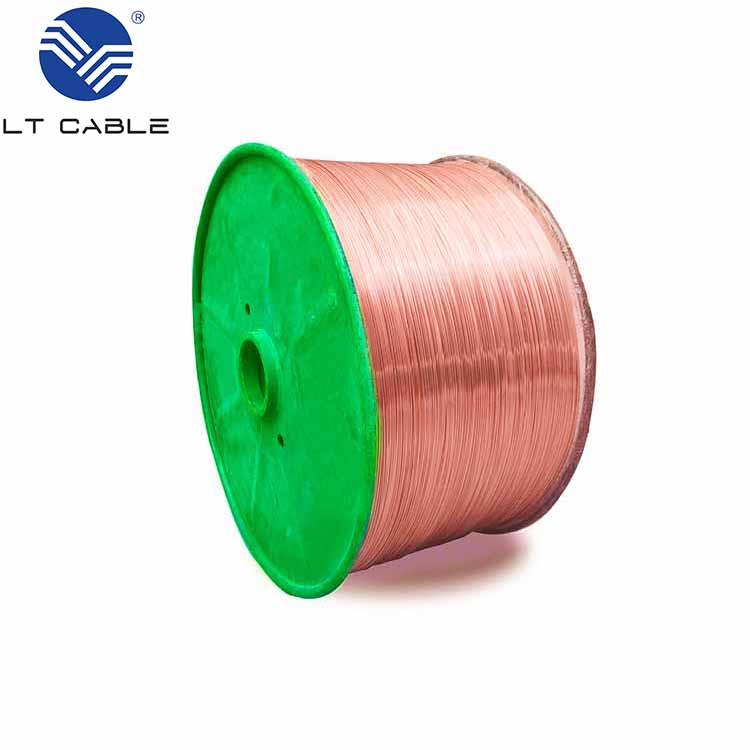
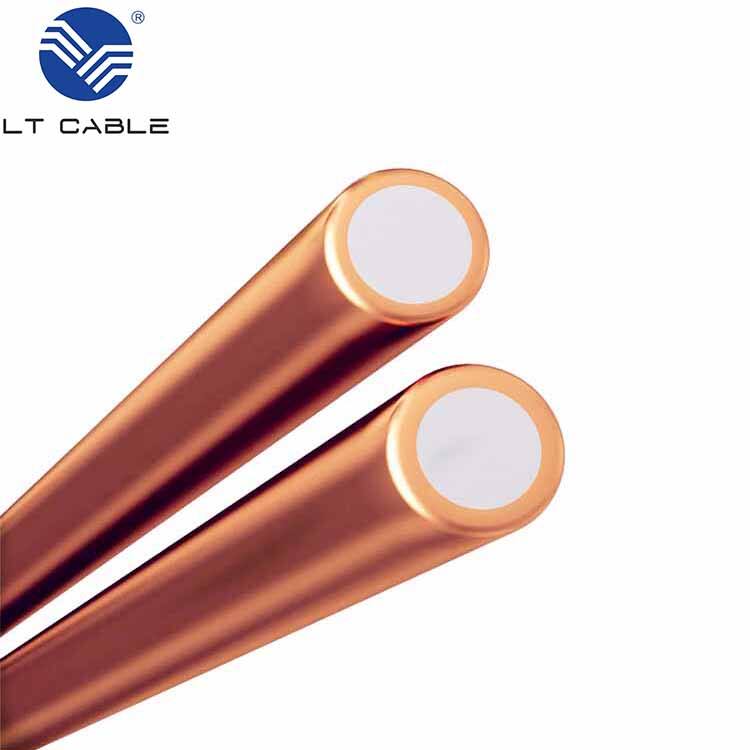
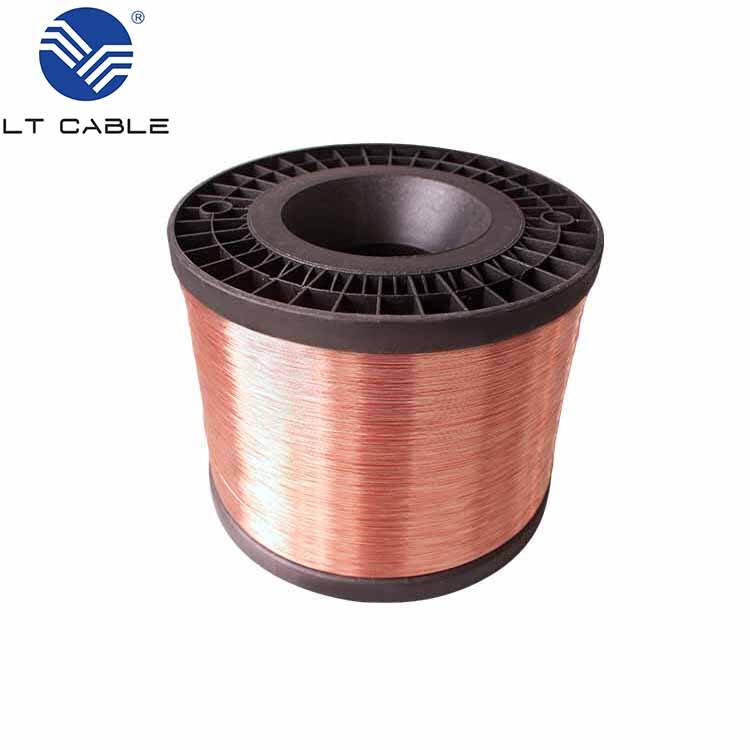
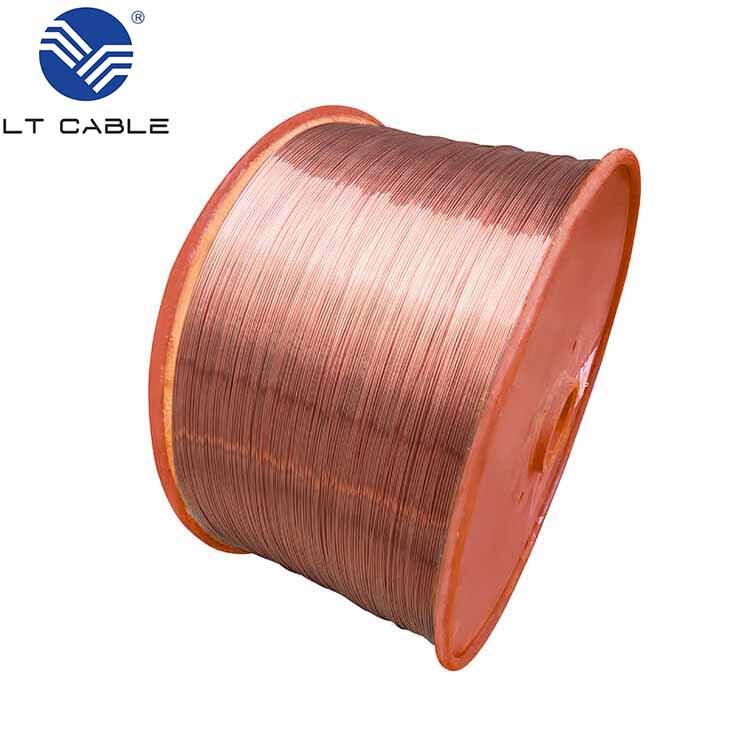
CCA Braided Shielded Wire offers exceptional performance, durability, and reliability for various applications. Our wire is designed with a unique combination of copper-clad aluminum (CCA) and braided shielding, ensuring excellent conductivity while maintaining lightweight properties. The braided shield provides superior protection against electromagnetic interference (EMI) and radio frequency interference (RFI), making it ideal for sensitive electronic devices. Additionally, our fully automated production lines guarantee consistent quality and precision, ensuring that each wire meets rigorous industry standards. With our commitment to customer value creation, we offer customized solutions tailored to meet specific client requirements, ensuring maximum satisfaction and performance.
Get A Quote

Case Studies

Enhancing Signal Integrity in Telecommunications

A leading telecommunications company faced challenges with signal integrity in their data transmission systems. They turned to Litong Cable for our CCA Braided Shielded Wire. Our solution provided them with a lightweight yet highly conductive wire that reduced signal loss and improved overall performance. By integrating our wire into their systems, they experienced a significant increase in data transmission speeds and reliability, leading to enhanced customer satisfaction and reduced operational costs.

Improving Audio Quality in Professional Sound Systems

A renowned audio equipment manufacturer sought to enhance the audio quality of their high-end sound systems. They implemented our CCA Braided Shielded Wire, which effectively minimized interference and ensured clear sound transmission. The result was a noticeable improvement in audio clarity and fidelity, earning them rave reviews from industry professionals and consumers alike. Our wire's unique properties allowed them to maintain a lightweight design without compromising on performance.

Robust Solutions for Industrial Automation

An industrial automation company required a reliable wiring solution for their automated machinery. They chose our CCA Braided Shielded Wire for its durability and resistance to harsh environments. The wire's braided shielding protected against external interference, ensuring consistent performance in critical applications. As a result, the company reported fewer downtimes and increased operational efficiency, solidifying their position as a leader in the automation industry.

Related products

Litong Cable takes great pride in making CCA Braided Shielded Wire. Litong Cable is one of the few manufacturers of this unique product. Litong Cable spends countless hours controlling the production process from the acquisition of raw materials to the final stages of wire drawing and annealing. This wire is produced to be one of the finest shields to cables in the industry. The copper-clad aluminum alloy (CCA) metal composition enables this wire to be one of the best shields to cables in terms of electrical conductivity and weight. That makes this wire perfect for telecommunication fields, audio fields, and industrial automation. The braided shielding will protect the wire from all external impacts. The wire is also perfect for outdoor, indoor, and extreme environments. Litong Cable also prides itself in customer satisfaction. When placing an order with Litong Cable you will be provided great options to customize your order. This will give you the best experience for your needs. Overall, Litong Cable is famous for the quality of its products, great wire shield quality, and overall customer service.

Frequently Asked Questions About CCA Braided Shielded Wire

What are the main benefits of using CCA Braided Shielded Wire?

CCA Braided Shielded Wire offers several benefits, including excellent conductivity, lightweight properties, and superior protection against electromagnetic interference (EMI) and radio frequency interference (RFI). These features make it ideal for various applications where performance and reliability are crucial.
Our production process involves rigorous quality control at every stage, from raw material selection to final wire testing. We utilize fully automated production lines designed by our management team, ensuring consistent quality and precision throughout the manufacturing process.

Related article

Shielded Cables: The Backbone of Reliable Communications

22

Mar

Shielded Cables: The Backbone of Reliable Communications

Understanding Shielded Cables in Communication Networks

What Makes Shielded Cables Essential for Data Transmission?

Shielded cables are really important for keeping data safe during transmission since they block out external electromagnetic interference, or EMI as it's commonly called. We see this protection working well in places such as data centers and industrial areas where clear signals matter a lot. Take EMI for example it messes with signals and can cause problems like lost or corrupted data. Shielded cables help fix these issues by stopping those unwanted signals from getting through. Plus, these cables let data travel longer distances without losing strength, which makes them reliable across different situations. Industry studies show that switching from regular cables to shielded ones cuts down errors by around 80 percent, especially noticeable in spots with lots of EMI like manufacturing plants and hospitals.

Key Components: Enameled Wire and Conductive Materials

Enameled wire plays a big role in shielded cables because it offers excellent insulation and stands up well against corrosion issues. When installed properly, these wires help keep cables working reliably for years on end while shielding the inner conductors from outside damage and unwanted interference. Shielded cables often incorporate different metals too, with copper and aluminum being popular choices among manufacturers looking to boost conductivity and preserve signal integrity throughout their systems. Take copper for instance it has really high conductivity which means less resistance when transmitting signals, so data moves through the network much faster without losing strength along the way. Most professionals in the field will tell anyone who asks that using good quality materials during cable manufacturing isn't optional if companies want top notch performance out of their infrastructure since poor material selection directly affects how well those cables handle electromagnetic interference problems in real world conditions.

Stranded vs. Solid Wire in Cable Construction

When building cables, deciding between stranded and solid wire really comes down to what the job actually needs. Stranded wires bend better and hold up against wear and tear, so they work great when cables get moved around a lot or exposed to vibrations, think about car parts or factory equipment that moves constantly. Solid wire isn't as flexible but stands up to abuse much longer, which is why electricians usually go for this type when running power through walls or ceilings where things stay put. For sending signals through cables, stranded versions are harder to snap because they flex without breaking, though they do carry some extra resistance compared to their solid counterparts. Most people pick whichever fits their setup best, going with stranded if the cable will see action and sticking with solid for those permanent installations where stability matters most.

Electromagnetic Interference (EMI) and Signal Integrity

How EMI Disrupts Communication Network Performance

Electromagnetic interference, or EMI for short, really messes with how well communication networks work because it gets in the way of signals traveling through them. Most of the time this interference comes from other electrical devices sitting close by, and when it happens, important data either gets lost completely or becomes corrupted somehow. Take factories with lots of big machines running all day long, or places packed full of electronics - these spots tend to have constant problems with their signals getting disrupted, which makes everything run slower and less reliably. Looking at actual numbers shows something interesting too. Networks dealing with serious EMI issues lose way more data packets than they should, sometimes cutting down overall efficiency by around 30%. We've seen this happen in hospitals where doctors struggle to maintain reliable wireless connections because medical equipment creates so much EMI. That's why many tech professionals now recommend using shielded cables and other protective measures to keep networks functioning properly despite all the electromagnetic noise floating around.

The Role of Shielding in Preserving Signal Quality

Good shielding is essential for keeping signals clean since it blocks out unwanted electromagnetic interference. When cables get wrapped in conductive stuff like aluminum foil or copper braid, they create barriers against those pesky EM waves that mess with data transmission. Some studies indicate that certain methods work better than others. For instance, layering different materials together or mixing foil with braided shields tends to keep signal loss minimal even when dealing with those tricky high frequency transmissions. The field has seen some interesting developments lately too. Manufacturers are coming up with new conductive compounds and creative ways to build shields into cable structures. This progress should lead to stronger protection options down the road, especially important as our communication networks grow more complicated and operate under tougher conditions day after day.

Stranded Copper Wire Resistance Per Foot: Impact on EMI Protection

How much resistance there is in each foot of stranded copper wire really affects how well it blocks electromagnetic interference. Wires with lower resistance generally work better at stopping EMI, so picking the right gauge matters a lot. Take a look at what happens when we go down in wire gauge sizes. The resistance goes down too, which means better shielding against those pesky electromagnetic signals. According to some actual field tests from engineers working on this stuff daily, getting the wire size right for whatever environment it'll be used in makes all the difference for proper EMI protection. Anyone looking at installing wiring where strong EMI shielding is needed should definitely pay attention to these resistance numbers. Getting this part wrong could lead to problems later on with equipment malfunctioning or needing replacement sooner than expected.

Foil Shielding: Lightweight Protection for High-Frequency EMI

Foil shielding works really well at blocking out those pesky high frequency electromagnetic interferences (EMI) thanks to a thin metal layer wrapped around the cable. Usually made from copper or aluminum, this foil creates a complete barrier along the whole length of the cable. That's why we see it so much in areas plagued by high frequency signals. What sets foil apart from other shielding methods is how light it is. Installation becomes way simpler compared to bulkier options like braided shields. Sure, foil isn't as tough as some alternatives, but when weight matters most, like in tight spaces or long runs, it wins hands down. We find foil shielding all over the place actually. Data centers rely on it heavily because they can't afford signal disruptions. Same goes for telecom infrastructure where even small amounts of interference could cause major problems for communications networks.

Braided Shielding: Durability and Flexibility in Industrial Settings

Braided shielding consists of copper wires woven together into a mesh pattern, which gives it good strength while still being flexible enough for tough industrial conditions. Compared to foil shielding, this braided version covers around 70% to maybe even 95% of the surface area, though how well it works really depends on how tightly those wires are woven together. Industrial settings love this kind of shielding because it can take a beating without breaking down or losing function when subjected to harsh factory floor conditions. What makes braided shielding stand out is its flexibility factor too. Cables with this shielding can bend and move around all day long without affecting their performance. That's why we see so much of it in manufacturing plants where cables get moved around constantly and face plenty of mechanical stress over time.

Spiral Shielding Applications in Dynamic Communication Systems

Spiral shielding works really well in situations where cables get moved around a lot or bent frequently. The way the conductive material wraps around in spirals lets these cables stay flexible but still blocks out electromagnetic interference pretty effectively. That's why many engineers prefer them when dealing with equipment that moves constantly, think industrial robots or automated assembly lines for instance. Looking at recent developments, manufacturers keep finding ways to improve how these shields work better over time. With modern tech needing reliable connections even under tough conditions, we're seeing more companies switch to spiral shielding solutions across different sectors from manufacturing floors to medical devices.

Choosing the Right Shielded Cable for Communication Systems

Environmental Factors: EMI Sources and Cable Routing

Knowing where electromagnetic interference (EMI) comes from and how it travels matters a lot when picking out shielded cables for communication systems. Industrial equipment, old fashioned fluorescent lights, and nearby radio transmitters all create EMI that messes with signal quality. Getting the cable paths right helps reduce this problem. A good rule of thumb? Keep signal cables away from power lines and don't run them parallel. Also maintain some distance between sensitive signal lines and those pesky EMI sources. This becomes especially important in factories and plants where strong signals are needed. Real world experience tells us that cables kept at proper distances from EMI sources work better and maintain cleaner signals over time. Many engineers have seen this firsthand in their installations.

Balancing Conductivity and Flexibility: Bare Stranded Copper Wire Considerations

When selecting bare stranded copper wire, engineers need to weigh conductivity against flexibility based on what the job requires. The copper composition gives this type of wire outstanding electrical properties, which explains why it works so well in demanding applications like power transmission lines. But don't overlook the flexibility factor either. This characteristic makes installation easier in areas where components move around regularly, such as factory automation systems or vehicle wiring harnesses. Industry experience shows that stranded configurations retain their conductive qualities over longer runs while still bending around tight corners in cramped machinery compartments. Getting the mix right between these two attributes means better results down the road, whether the priority is maintaining signal strength through extended cable runs or accommodating frequent movements in mechanical assemblies.

Interpreting Stranded Wire Size Charts for Optimal Performance

Getting stranded wire size charts right makes all the difference when it comes to getting good cable performance. These charts basically tell us about wire sizes and how they impact things like impedance and what kind of electrical load they can handle. When picking the right size, we're looking at minimizing resistance along each foot of cable while keeping signals strong throughout the system. Otherwise, problems like cables getting too hot or losing signal strength become real headaches. A lot of folks miss important factors like temperature changes in the environment where the cables will be installed, or forget to check exactly what kind of load demands their particular setup has. Taking time to really understand these charts helps prevent those costly errors down the road, so communication systems run smoothly without unexpected issues popping up later on.

کردن: فهمیدن و استفاده از نمودارهای اندازه سیم فلزی برای عملکرد بهینه امری ضروری است که به کاهش مقاومت و بهبود انتقال سیگنال کمک می‌کند.

View More
What should you note when using twisted wire for high - frequency applications?

26

May

What should you note when using twisted wire for high - frequency applications?

Understanding Twisted Wire in High-Frequency Applications

How Twisted Pair Geometry Reduces EMI

The design of twisted wire pairs aims at cutting down on electromagnetic interference or EMI, something that really becomes a problem when dealing with signals at higher frequencies. When these wires get twisted together, they actually help cancel out those pesky voltages coming from outside sources, giving us a much better and more dependable signal quality. This method plays a big role in fighting against crosstalk issues, which happen when signals interfere with each other across neighboring wires. Research shows that using this twisted pair arrangement can cut down crosstalk problems by around 95 percent, making communications work much better overall for most applications.

The Role of Enameled Wire in Signal Integrity

In high frequency applications, enameled wire helps keep signals clean thanks to those great insulation properties we all know and love. The enamel layer does double duty by cutting down on short circuits while protecting against things like moisture and temperature swings that would otherwise mess with performance. According to several industry studies from the last few years, switching to enameled options actually makes twisted wire setups last longer before they start failing. For anyone working with equipment that needs reliable operation day after day, this kind of durability matters a lot. Twisted wires wrapped in proper enamel coatings tend to handle those tough high frequency demands much better than standard alternatives, though there are always exceptions depending on specific application requirements.

Key Factors Affecting High-Frequency Performance

Wire Geometry and Twist Rate Optimization

Getting the right wire shape and twist just right makes all the difference when it comes to cutting down on impedance issues in those high frequency setups. When engineers tweak the actual shape of the wires and play around with how tightly they're twisted together, the whole system sends signals much better. Think about places where there's tons of electromagnetic noise floating around everywhere - getting that twist rate spot on really helps cut through the clutter and keeps things running smoothly. Most manufacturers follow established guidelines for wire shapes these days because we've learned what works best over time. These specs aren't just random numbers; they actually match up with what today's communication systems need to function properly without constant headaches from poor signal quality.

Material Choices: CCA Wire vs Pure Copper

The decision between Copper Clad Aluminum (CCA) wire versus straight copper makes a real difference when it comes to how well electricity flows through them and what they cost. CCA wires are much lighter than regular copper ones, which works great for situations where weight matters a lot, like in some electronic devices or installations. But there's a trade off here too. These hybrid wires don't perform quite as good as pure copper does, particularly when dealing with those fast signal frequencies we see in modern electronics. Most engineers still go with pure copper though because research keeps pointing out that copper conducts electricity better and lasts longer without issues, especially important stuff like power transmission lines or anything needing stable operation day after day.

Stranded Wire vs Solid Wire for Flexibility

Stranded wire tends to be the go to choice when flexibility matters most because it bends easily and moves around without breaking. We see this kind of wire working well in places where things need to move around a lot during installation or operation. Solid wire tells a different story though. While it conducts electricity much better across long runs, it just doesn't bend as nicely which makes it problematic in cramped areas or anywhere movement is required. When looking at what works best for any given project, stranded options generally win out when versatility counts, especially in commercial installations where managing limited space becomes a real challenge for electricians and engineers alike.

Challenges in High-Frequency Circuit Design

Managing Skin Effect with Stranded Configurations

The skin effect happens when electrical current tends to stick mainly to the outer layer of conductors rather than flowing throughout. This becomes a problem especially at higher frequencies because it messes with signal quality over time. Engineers often turn to stranded wire setups as a solution. Stranded wires create several paths for electricity to travel through, cutting down on those pesky resistive losses caused by the skin effect. When working on high frequency stuff, most professionals will tell you they spend quite a bit of time looking closely at what frequency ranges are involved before tackling skin effect issues head on. Knowing exactly what kind of circuit we're dealing with helps designers come up with smarter ways to route current, which ultimately means cleaner signals across the board.

Impedance Matching with Copper Clad Aluminum Wire

Getting the right impedance match matters a lot for reducing unwanted reflections and cutting down on signal loss in those high frequency circuits we work with all the time, particularly when dealing with copper clad aluminum (CCA) wire. When everything lines up properly in terms of impedance between different parts of the circuit, signals actually get transmitted better without getting messed up along the way. The benefits are pretty clear too - circuits run smoother overall while maintaining stronger, clearer signals throughout their operation. Real world testing has shown again and again that when someone takes the time to focus specifically on matching impedances with CCA wiring, they tend to see much better results no matter what application they're working on. Engineers need to remember this stuff though because picking materials like CCA isn't just about cost savings anymore. Understanding how these materials interact with our circuit designs makes all the difference in achieving top notch performance at high frequencies.

Best Practices for Implementation

Proper Shielding Techniques for Twisted Pairs

Good shielding methods matter a lot when working with twisted wire pairs because they stop electromagnetic interference (EMI) from messing up the signals running through them. Most people find that using either foil or braided shields works best since these materials block outside noise pretty well without making the wires too stiff to handle. Studies have shown that when engineers get shielding right, twisted pairs perform much better at higher frequencies. This means cleaner data transmission and less annoying cross talk between different signals. Companies implementing proper shielding see real benefits beyond just clearer signals too. The components last longer overall, which makes sense economically speaking. Tech industries relying heavily on stable connections especially appreciate this protection against all sorts of environmental disruptions that can plague sensitive equipment over time.

Testing Protocols for High-Frequency Environments

Testing protocols need to be thorough if we want reliable high frequency circuits working properly in different conditions. When companies set up standard testing procedures, they catch problems before they become major headaches. This not only keeps things compliant with what the industry requires but also makes electronics last longer without breaking down. Most engineers will tell anyone who asks that continuous testing matters a lot, particularly for those super fast data transfer systems where even small glitches matter. Circuit designers should check their protocols regularly and update them as tech evolves. Otherwise, their creations might fall behind in industries moving at lightning speed like telecom networks and information technology departments.

View More
Aluminum alloy wire faces challenges and opportunities with stricter environmental regulations. How does it stack up?

26

May

Aluminum alloy wire faces challenges and opportunities with stricter environmental regulations. How does it stack up?

Production Processes and Environmental Footprint of Aluminum Alloy Wire

Bauxite Mining and Ecological Disruption

The aluminum production chain starts with bauxite mining, which basically means digging out bauxite ore from underground deposits. Most of this happens in warm climates around the world. Big operations take place in places like Guinea, Brazil, Jamaica, Australia, and parts of India where conditions are right for finding good quality bauxite. But there's no getting around it - this kind of mining leaves a serious mark on nature. Forests get cleared away, topsoil washes down hillsides into rivers, and chemicals often end up contaminating nearby water sources. Around 90 percent of all bauxite mined worldwide comes from these very same regions, making them hotspots for environmental problems. Some mining firms have started taking steps to fix things though. They plant trees back in deforested areas, build better drainage systems, and sometimes work with local communities to monitor water quality and protect remaining wildlife habitats.

Energy Consumption in Aluminum Smelting

Making aluminum from bauxite requires a lot of energy, mostly coming from fossil fuels like coal that pump out tons of greenhouse gases. Take China for example - they're the biggest producer and around 93% of their aluminum smelting runs on coal plants. That accounts for about 3% of all global greenhouse gas emissions worldwide. But things are starting to change. Some places have begun switching to cleaner energy options. Canada comes to mind where they harness hydroelectric power for much of their smelting work. These changes have cut down emissions quite a bit already. The industry isn't stopping there either. Companies are working on new tech like the inert anode process. Basically, this innovation tries to cut back both energy needs and pollution by turning those harmful emissions into just plain old oxygen rather than carbon dioxide. It's an interesting approach that could make a real difference if adopted widely enough.

Emissions and Waste Management Challenges

Aluminum manufacturing releases several harmful substances into the atmosphere, notably carbon dioxide along with dangerous perfluorocarbons, while also creating major headaches when it comes to handling all the waste produced. The industrial waste generated needs special processing before being disposed of properly, otherwise it could seriously damage surrounding environments. Right now many companies struggle with massive amounts of leftover material, since traditional landfills aren't always available and dumping sites might harm nearby wildlife habitats. Some promising developments are happening though. New methods are being tested that actually recycle more aluminum scraps instead of just throwing them away, which cuts down on pollution levels significantly. These improvements help manufacturers meet today's green regulations better, but there's still plenty of work left to do if we want to cut back on those nasty emissions tied specifically to making aluminum wire products.

Aluminum Alloy Wire vs. Traditional Conductors: Environmental Trade-offs

Carbon Footprint Comparison: Aluminum vs. Copper

Looking at the carbon footprint differences between aluminum and copper production shows why aluminum stands out environmentally. Aluminum tends to create less pollution during mining and processing than copper does. Environmental research puts aluminum emissions around 14 metric tons of CO2 for every ton made, while copper production often hits over 20 metric tons of CO2 for similar output. That makes a big difference in green credentials. Transportation matters too since aluminum is lighter than copper, so shipping it produces fewer emissions overall. Plus, aluminum alloy wires actually work better for transmitting electricity with less environmental impact. Many companies now prefer these wires for overhead power lines instead of traditional copper options because they maintain good conductivity while cutting down on emissions throughout their entire life cycle.

Role of CCA and Enameled Wires in Reducing Impact

Copper clad aluminum (CCA) and enameled wires offer greener options compared to standard conductors, which helps cut down on environmental damage. The CCA variety brings together copper's good conductivity with aluminum's light weight, cutting both material expenses and those emissions that come from manufacturing and shipping processes. For enameled wires, they get a protective coating that fights off corrosion while making them perform better overall. This means they last longer in electrical systems and don't need replacing so often, which cuts waste significantly. Industry reports show that more companies are turning to these materials because they save money and produce fewer emissions. Researchers keep working on new wire technologies too, though nobody knows exactly what breakthroughs might happen next. What is clear though is that the industry seems committed to finding ways to be more environmentally responsible while still keeping costs under control.

Applications Influencing Environmental Outcomes

Lightweight Automotive Solutions and Fuel Efficiency

Aluminum alloy wire is really important for making cars lighter these days. When car designers use this material instead of heavier alternatives, they manage to cut down on overall vehicle weight which means better gas mileage. Car companies have noticed something interesting: if they can shave off about 10% of a car's total weight, fuel efficiency goes up anywhere from 6% to 8%. That makes cars perform better and also helps reduce their carbon footprint throughout the whole life of the vehicle. More people want cars that don't guzzle gas, so automakers keep switching to aluminum wherever possible, especially when building electric vehicles where every pound saved matters. We're seeing this happen all around the world as industries try to be greener, cutting down on harmful emissions while getting the most out of whatever energy sources they do use.

Renewable Energy Systems and Aluminum Wiring Demands

Renewable energy systems are turning to aluminum alloy wires more and more these days, especially in things like solar panel arrays and massive wind turbine setups across the country. What makes aluminum so valuable here? Well, it conducts electricity pretty well, doesn't weigh much at all, and actually costs less than other materials when looking at the big picture. The green energy market itself looks set to boom in coming years, some estimates suggest it might double in size by 2030, which means we'll need plenty of good quality aluminum wiring going forward. Lighter materials mean cheaper shipping expenses and easier installation work on site, plus they still transmit power effectively over long distances. Researchers are already working hard to make these wires even better, tweaking formulas and testing new coatings that could last longer under harsh weather conditions. All this development matters because as countries push harder toward clean energy goals, having reliable infrastructure becomes absolutely critical for meeting those targets without breaking the bank.

Innovations Mitigating Ecological Impact

Recycling and Circular Economy Practices

For aluminum producers, recycling has become essential to sustainable operations, cutting down both energy use and environmental harm. According to numbers from the Aluminum Association, making recycled aluminum takes around 95% less energy compared to creating brand new aluminum from raw materials. What's more, when companies recycle aluminum wire alloys, they're actually supporting circular economy efforts that keep materials in circulation longer instead of letting them end up in landfills. Big names in the industry like Norsk Hydro ASA are already working on clever ways to improve their recycling processes. These methods help cut down on waste while shrinking carbon emissions at the same time. Beyond just being good for the planet, these green practices make sense financially too, especially as governments worldwide continue tightening rules about how industries handle their environmental impact.

Low-Carbon Production Technologies (e.g., Inert Anode)

New tech developments, especially those involving inert anodes, mark real progress in cutting down emissions when making aluminum. Traditional carbon anodes release a lot of greenhouse gases, so switching to inert ones cuts back on this carbon problem quite a bit. Research out of MIT suggests that using these inert anodes might slash emissions around 20 percent give or take. Of course there are money issues and technical roadblocks to overcome first. Still, these innovations point toward greener ways to produce aluminum wires. Take Alcoa for example they've started rolling out these cleaner technologies commercially already. Their experience shows that even though upfront costs can be steep, the environmental gains plus potential savings over time make it worth considering for manufacturers looking to reduce their impact on the planet without breaking the bank completely.

Future Challenges and Regulatory Landscape

Global Policies Shaping Sustainable Production

The way global governments regulate things has really changed how aluminum producers handle their environmental impact. We're seeing all sorts of rules now, from setting limits on emissions to pushing for better resource management across the board. What this means for the actual industry is pretty big stuff. Companies making aluminum alloy wires have had to completely rethink their processes just to meet these new standards. Take Europe as an example where some countries have pushed hard on carbon regulations lately. Producers there are investing heavily in things like electric smelting furnaces and recycling systems that cut down waste significantly compared to older methods.

New rules around resource management are popping up everywhere, pushing aluminum makers to get creative while meeting worldwide green standards. For manufacturers trying to stay compliant, putting sustainability at the heart of operations isn't just good practice anymore. Those companies that actually implement eco-friendly methods go beyond checking boxes for regulators they tend to stand out from competitors too. Look at how some firms have slashed waste and energy costs by redesigning their processes. When companies stay proactive about these changes, they build stronger defenses against market shifts and maintain profits even as regulations continue changing fast.

Market Growth vs. Environmental Responsibility

Aluminum markets have been growing steadily lately, with forecasts showing around 3.4% annual growth through 2032. But all this expansion comes with some serious environmental concerns about sustainability. Finding ways to grow economically while still protecting our environment matters a lot if the industry wants to stay viable in the long run. The rising need for aluminum alloy wire makes sense too since it's light weight and conducts electricity well. Still, folks in the business really need to think harder about how to keep expanding without hurting the planet further along the way.

Most industry insiders stress how important it is for businesses to match their expansion plans with real environmental responsibility. When companies start thinking about green issues right from the get-go in their operations, they find ways to make money while still protecting the planet. Some promising spots for new ideas are things like smarter manufacturing methods and better recycling systems specifically for aluminum alloy wires. These kinds of improvements tackle pollution problems head on while making products work better and last longer too. As demand grows for greener materials, manufacturers who invest in these changes now will position themselves well in markets where customers increasingly care about what happens behind the scenes in production facilities.

View More
What Is CCA Wire? Composition, Benefits, and Common Uses

25

Dec

What Is CCA Wire? Composition, Benefits, and Common Uses

CCA Wire Composition: Aluminum Core with Copper Cladding

example

Copper-Clad Aluminum Structure and the 10% Copper Volume Ratio

CCA wire has an aluminum core wrapped in a continuous copper coating, and copper makes up around 10% of the whole thing. The way these materials work together gives us something special. Aluminum is much lighter than copper, so CCA wires can be about 40% lighter than regular copper ones. At the same time, we get all the good stuff from copper too. Copper has great surface conductivity at 100% IACS which helps signals travel efficiently through the wire. Now here's where it gets interesting. While aluminum itself isn't as conductive as copper (only about 61% IACS), the copper layer is really thin, usually between 0.1 and 0.3 mm thick. This thin copper covering creates a path with very little resistance exactly where the high frequency currents need it most because of what's called the skin effect.

Electroplating vs. Rolling Bonding: Manufacturing Methods Compared

CCA wire is produced primarily through two metallurgical processes:

  • Electroplating, which deposits copper onto aluminum via electric current in a copper-ion bath, yields uniform cladding ideal for complex or fine-gauge geometries;
  • Rolling bonding, which applies high pressure and heat to fuse copper foil to aluminum cores, produces stronger, more durable interfacial bonds—up to 20% higher bond strength than electroplated variants, according to peer-reviewed metallurgical studies.

Rolling-bonded CCA is preferred for demanding applications like automotive harnesses and aerospace wiring, where mechanical integrity under vibration or thermal cycling is critical.

Skin Effect Physics: Why CCA Performs Well in High-Frequency Applications

The skin effect basically describes how AC currents tend to bunch up near the surface of conductors, which is why CCA performs so well in RF and broadband applications. When we look at signals above 50 kHz, most of the actual current (over 85%) stays within just 0.2 mm from the outside of the wire. Since this outer layer is made of pure copper, CCA wires can deliver electrical characteristics almost exactly like regular solid copper cables used in coaxial systems, CATV installations, and short distance data transmission lines. But here's where it gets interesting for manufacturers: these cables still offer around 40% savings on materials costs compared to traditional copper solutions, plus they're much lighter too. That makes them particularly attractive for applications where weight matters but performance cannot be compromised.

Why Choose CCA Wire? Cost, Weight, and Performance Advantages

CCA wire delivers a strategic balance of economic and functional benefits across three critical dimensions:

  • Cost Efficiency: By substituting 90% aluminum for copper, CCA reduces raw material costs by roughly 40% versus solid copper equivalents—making it especially valuable for large-scale infrastructure projects like telecommunications backbone cabling and residential low-voltage deployments.
  • Weight Reduction: With aluminum’s density just 30% that of copper, CCA wire weighs up to 40% less. This simplifies handling, lowers shipping and installation labor costs, and meets stringent mass requirements in automotive, aerospace, and portable electronics applications.
  • Optimized Performance: Thanks to the skin effect, the copper cladding carries virtually all high-frequency current in RF and broadband applications. As a result, CCA matches solid copper’s signal integrity in coaxial and short-run Ethernet systems—without sacrificing the cost and weight advantages of aluminum.

Top Industry Applications of CCA Wire

Telecommunications & CATV: Dominant Use in Coaxial and Drop Cables

CCA wire has become pretty much standard stuff for coaxial cables and drop lines across today's CATV systems, broadband networks, and even 5G infrastructure setups. The main reason? Those aluminum cores inside cut down on overall cable weight somewhere around 40% which makes installing them overhead much easier and takes pressure off utility poles. Copper cladding does something pretty cool too - it helps maintain good high frequency transmission because of how signals tend to stick to the outer layers (that's called the skin effect if we get technical). Plus, these cables work great with all the old F-connectors and amplifier gear already out there. Most residential drop cables running from street poles to houses use CCA wiring nowadays since it offers decent value for money while still holding up over time and delivering clear signals. Just need to make sure folks follow those industry guidelines about signal loss limits when putting them in place though.

Residential and Low-Voltage Systems: Speaker, Alarm, and Short-Run Ethernet Wiring

CCA works well in homes and other low voltage situations where circuits don't need maximum power. Most people see it in speaker wires since they don't require great conductivity, plus security systems that run on minimal electricity. When running Ethernet cables shorter than 50 meters, CCA can handle regular internet speeds found in Cat5e or Cat6 cables throughout most households and small offices. But watch out for Power over Ethernet setups because CCA just doesn't cut it there. The increased resistance causes bigger voltage drops and overheating problems. Another plus point? The outer layer resists corrosion better than pure copper, so these cables last longer in damp areas such as basements or underfloor spaces. Electricians should know that according to NEC regulations, CCA isn't allowed for main electrical wiring. They need to stick with proper materials for standard 120/240 volt circuits since aluminum expands differently when heated, which creates issues with connections over time.

Critical Limitations and Safety Considerations for CCA Wire

NEC Restrictions and Fire Safety Risks in Branch-Circuit Installations

According to the National Electrical Code (NEC), CCA wire is not allowed for branch circuit wiring which includes things like residential outlets, lighting systems, and appliance circuits because there are documented fire hazards associated with it. The problem comes down to aluminum having much higher electrical resistance compared to copper about 55 to 60 percent more actually. This causes significant heat buildup when electricity flows through especially at connection points. When we look at aluminum's properties, it melts at a lower temperature than copper and expands differently too. These characteristics lead to problems like loose connections over time, sparking, and damaged insulation. Because of all these issues, CCA wires fail to meet the UL/TIA fire safety requirements needed for wiring inside walls. Things get even worse in Power over Ethernet setups where continuous current flow adds extra strain on the system. Before anyone goes ahead with CCA installation, they should double check what their local building codes say and specifically review NEC Article 310.10(H) regarding conductor materials.

FAQ: CCA Wire

What is CCA wire?

CCA wire is a type of electrical wire featuring an aluminum core coated with a copper layer, combining benefits such as lighter weight and cost efficiency.

Why is CCA wire not used in branch-circuit installations?

The National Electrical Code restricts CCA wire for branch-circuit installations due to safety risks like fire hazards and loose connections associated with its higher electrical resistance.

Can CCA wire be used in high-frequency applications?

Yes, due to the skin effect, CCA wire efficiently handles high-frequency currents, making it suitable for RF and broadband applications.

What are the main applications of CCA wire?

CCA wire is mainly used in telecommunications, CATV systems, residential speaker and alarm wiring, and short-run Ethernet applications.

View More

What Our Clients Say About CCA Braided Shielded Wire

John Smith
Exceptional Performance in Telecommunications

We have been using Litong Cable's CCA Braided Shielded Wire for over a year, and it has significantly improved our data transmission quality. The lightweight design is a game-changer for our installations!

Sarah Johnson
Outstanding Audio Quality Improvement

Switching to Litong's CCA Braided Shielded Wire has transformed our audio systems. The clarity and fidelity are unmatched, and our customers couldn't be happier!

Get a Free Quote

Our representative will contact you soon.
Email
Name
Company Name
Message
0/1000
 Superior Conductivity and Lightweight Design

Superior Conductivity and Lightweight Design

CCA Braided Shielded Wire combines the best of both worlds: exceptional conductivity and lightweight properties. The copper-clad aluminum construction ensures that the wire maintains high performance while being significantly lighter than traditional copper wires. This advantage allows for easier handling and installation, particularly in applications where weight is a critical factor. The superior conductivity ensures minimal signal loss, making it an ideal choice for telecommunications and audio applications where clarity and reliability are paramount.
 Robust Protection Against Interference

Robust Protection Against Interference

One of the standout features of CCA Braided Shielded Wire is its braided shielding, which offers robust protection against electromagnetic interference (EMI) and radio frequency interference (RFI). This shielding is essential for applications where signal integrity is crucial, such as in telecommunications and sensitive electronic devices. By minimizing external interference, our wire ensures that data transmission remains clear and reliable, which is vital for maintaining high performance in modern communication systems.
  • Product Consultation & Selection

    Product Consultation & Selection

    Tailored advice, perfect fit solutions.

  • Production & Supply Chain

    Production & Supply Chain

    Efficient manufacturing, seamless supply.

  • Quality Assurance & Certification

    Quality Assurance & Certification

    Rigorous testing, global certifications.

  • Post-Sales Support & Tech Help

    Post-Sales Support & Tech Help

    Prompt assistance, ongoing support.

Get a Free Quote

Our representative will contact you soon.
Name
Email
Mobile
Country/Region
Title
Message
0/1000