 EN
EN

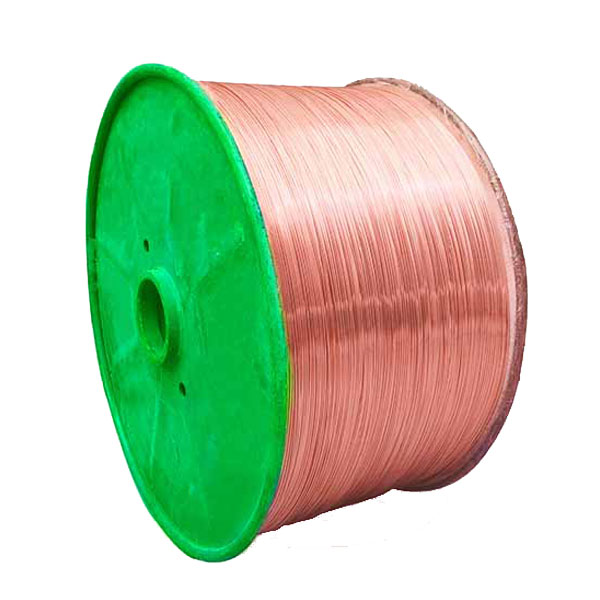
Mechanical Strength and Installation Performance of CCS Wire
Tensile Strength and Bend Fatigue Resistance Compared to Pure Copper
Copper clad steel (CCS) wire stands out for its mechanical strength in tough installation scenarios because of how it combines copper and steel. Pure copper definitely conducts electricity well, but when it comes to strength, regular copper has a tensile strength range of around 210 to 250 MPa. Compare that to CCS wire which ranges from 550 to 700 MPa according to tests published in Material Science Review last year. What does this mean practically? The stronger CCS resists stretching about 40% better when loaded and breaks much less often during those tricky tight radius pulls. Another big plus is the steel core inside CCS wire gives it amazing resistance to bending wear and tear. Tests show CCS can handle roughly triple the number of bends before breaking compared to pure copper under standard ASTM B470 testing. For electricians working on complex installations, this means they can run CCS through tighter corners without worrying about damaging the conductor, especially important in places where there's constant vibration like inside industrial cable tray systems.
Why CCS Wire Excels in Aerial, Buried, and Repeated-Bend Installations
Three common installation scenarios highlight CCS wire's mechanical advantages:
- Aerial deployments: Its ~70% lower weight versus solid copper enables longer unsupported spans and reduces structural loading on poles and towers
- Buried applications: The steel core resists deformation and maintains tensile integrity across diverse soil pH levels, moisture contents, and backfill conditions
- Dynamic flexing: CCS wire sustains over 500 repeated conduit bends without measurable conductor fatigue or loss of roundness
The reason for this improved performance lies in how copper and steel work together. Copper handles the conductivity needs at the surface level and fights off corrosion pretty well, whereas steel takes care of the structural integrity and keeps things stable dimensionally. Looking at real world data from various utility projects, we find that CCS aerial installations need about 30 percent fewer support points than traditional methods. Buried tracer wires made with CCS also show much better results, with failure rates dropping by roughly 92% over five year periods when compared against pure copper according to research published in the Utility Infrastructure Journal back in 2023. Another benefit worth mentioning is that CCS doesn't retain much deformation even after being bent multiple times, which means it maintains its shape consistently in places like access hatches where regular maintenance happens frequently.
Electrical Conductivity: When CCS Wire Delivers Efficient RF and DC Performance
IACS Ratings, Skin Effect, and Why CCS Outperforms Copper at High Frequencies
Pure copper is defined as 100% International Annealed Copper Standard (IACS), whereas standard CCS wire typically achieves 30–40% IACS due to the resistive steel core. In low-frequency DC applications, this lower bulk conductivity increases resistive losses by approximately 15–20%, making CCS less efficient for long-distance power transmission.
At frequencies above 5 MHz, something interesting happens called the skin effect, which basically keeps most of the electrical current flowing along the outside of whatever conductor we're talking about. Now here's where CCS gets really good at what it does. Since this material has copper cladding that's usually around 99.9 percent pure, radio frequency signals pretty much stick to that outer copper layer instead of going through the whole conductor. What this means in practice is that when looking at signal loss or attenuation, CCS performs just as well as regular solid copper when dealing with these higher frequency signals. Some recent testing on how different materials handle signal loss shows that CCS can cut down on RF losses by about 25 percent compared to copper wires of the same diameter, especially important stuff like 5G networks and broadcast systems according to last year's RF Materials Report. Given all this, it's no surprise that many engineers prefer CCS for their projects where weight matters but performance still needs to be top notch, particularly in situations where budget constraints are tight but frequency requirements are high.
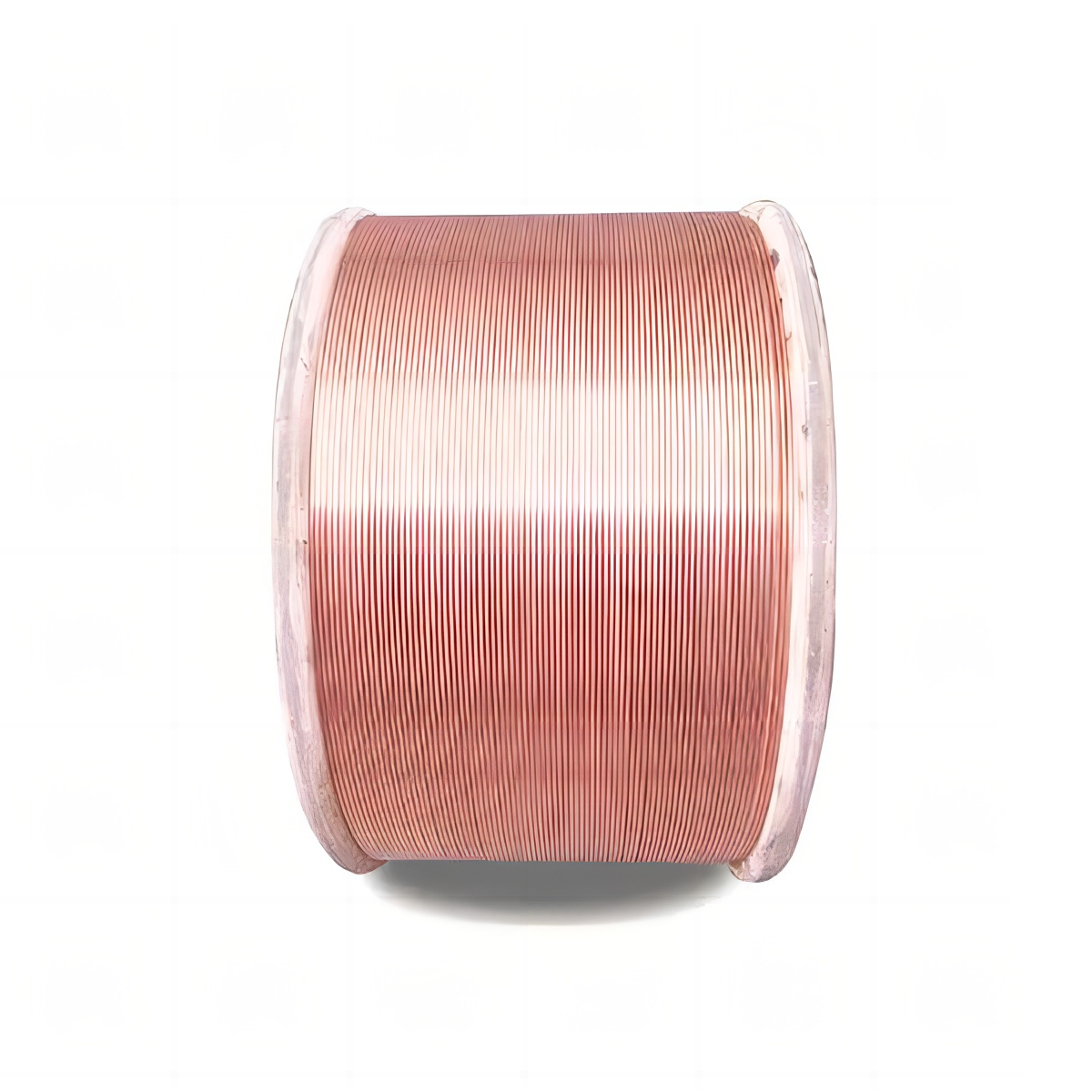
Key Applications Where CCS Wire Is the Industry Standard
Coaxial Cables and Antenna Systems: Leveraging CCS for RF Efficiency and Cost Control
CCS wire has become pretty much standard across the board when it comes to making coaxial cables for RF stuff these days. We see it used everywhere from those little 5G cell sites popping up all over town, right down to big broadcast antenna systems and even in how broadband gets distributed throughout neighborhoods. What makes this stuff work so well? The skin effect basically gives us almost copper-like performance at radio frequencies, which is impressive considering it weighs about 40% less than traditional options and costs roughly 30% less in materials too. According to what folks in the industry have measured, coax made with CCS keeps around 70% of what solid copper would offer in terms of direct current conductivity, yet manages to maintain over 98% of copper's signal quality for RF signals once we get past 100 MHz frequency range. All these factors together make CCS really attractive for building out infrastructure that needs to be both light on the wallet and light physically speaking. Especially helpful when dealing with situations where running cables through the air between buildings matters, towers need to stay within certain load limits, or installers just want something they can put up quickly without breaking a sweat.
Tracer Wire and Utility Locating: Corrosion Resistance, Detectability, and Long-Term Reliability
When it comes to finding utilities below ground, CCS wire does two important things at once. The copper coating on the outside works great with those standard locator tools that find pipes and cables. Meanwhile, the steel inside gives it much better durability against rust and wear than regular copper would stand up to in harsh soil conditions. Some people get confused about this because they think there's aluminum involved like with CCA wires, but that's not the case for CCS. Steel is what's actually inside, which means stronger pull strength and better grounding properties when used as a tracer. Real world tests from cities and utility companies indicate that CCS wire stays findable around 98% of the time even after sitting buried for 15 years straight. Pure copper only manages about 74% visibility under similar conditions. What really sets CCS apart though is how well it handles all sorts of problems over time including chemical reactions between metals, electrical currents running through it accidentally, and just plain old physical abuse. That's why so many professionals consider it the gold standard for marking locations of gas lines, water mains, and telephone cables where being able to locate something later matters a lot.


