 EN
EN

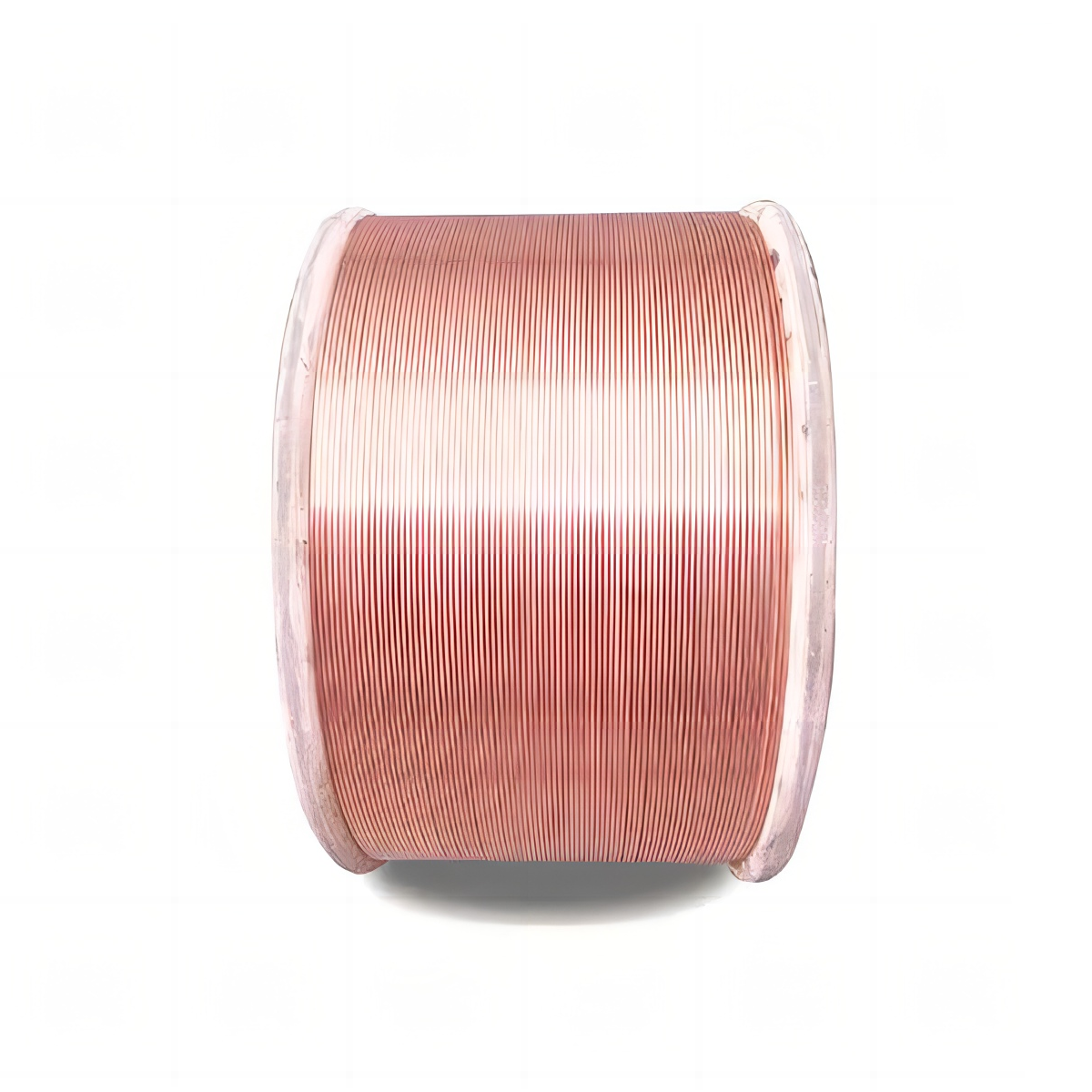
Confirm Aluminum Magnesium Alloy Wire Composition & Standards Compliance
Before placing an order, every buyer must verify that the aluminum magnesium alloy wire meets the exact composition requirements for the intended application. Standards such as ASTM B209 and ISO 209 define permissible magnesium content ranges and alloy classifications—critical for avoiding mechanical mismatches or compliance rejections downstream.
Verify Mg content and alloy series (5056, 5154, 5083) against ASTM B209 and ISO 209
Magnesium is the primary strengthening element in these alloys, and each series has a tightly controlled compositional window:
- 5056: 4.5–5.1% Mg
- 5154: 3.1–3.9% Mg
- 5083: 4.0–4.9% Mg
The supplier must provide mill test certificate (MTC) data confirming compliance with ASTM B209 and ISO 209. Spectrometric analysis on the MTC offers immediate, authoritative verification—no secondary testing needed if the certificate is complete and traceable.
Validate trace element limits (Mn, Cr, Fe) per AMS 4170 or AWS A5.10 for critical applications
For aerospace welding wire, marine electrical systems, or other high-reliability uses, trace elements significantly influence corrosion resistance, weld integrity, and conductivity. AMS 4170 and AWS A5.10 set stricter limits than general-purpose standards—for example, Mn ≤ 0.5% in 5056 and Fe ≤ 0.4% across most Al-Mg grades. Request an MTC that explicitly reports measured values and their allowable tolerances under the relevant specification. This step is non-negotiable: trace element overages are often undetectable without lab analysis but can cause field failures months after installation.
Evaluate Mechanical and Electrical Properties for Your Application
Mechanical and electrical performance must align precisely with your functional requirements—not just nominal alloy grade. Relying solely on product literature or generic datasheets introduces unacceptable risk. Always require certified, batch-specific test results before acceptance.
Request tensile strength, elongation, and yield strength with test method citations (e.g., ASTM E8)
Ask your supplier for certified tensile strength, yield strength, and elongation values—measured per ASTM E8 (or ISO 6892) and reported on the MTC. For context:
- 5056-O: Tensile 290–370 MPa, Elongation 10–20%, Yield 200–260 MPa
- 5083-H32: Tensile 340–420 MPa, Elongation 6–12%, Yield 270–330 MPa
These differences directly impact formability, fatigue life, and joint reliability. Cross-check reported values against your application’s stress, bending radius, and thermal cycling demands—especially where cold working or post-welding deformation occurs.
Confirm %IACS conductivity and hardness correlations—especially for temper-dependent performance trade-offs
Electrical conductivity in Al-Mg alloys typically ranges from 25% to 35% IACS, depending heavily on temper and processing history. Hardness and conductivity exhibit a strong inverse relationship:
- -O temper: ~35% IACS, 30–40 HRB — optimal for drawing and low-resistance conductors
- -H14 / -H32 / -H34 tempers: 27–30% IACS, 45–65 HRB — higher strength, reduced current-carrying capacity
Because conductivity degrades with strain hardening, suppliers must report both %IACS and hardness from the same coil. Inconsistent readings signal process variability—potentially compromising electrical safety or mechanical consistency in finished parts.
Validate Temper Designation, Heat Treatment, and Formability
Temper designation is not a marketing label—it reflects a defined metallurgical condition with measurable effects on springback, drawability, and dimensional stability. Selecting the wrong temper can invalidate tooling design, increase scrap rates, or trigger premature fatigue failure.
Match -O, -H14, -H32, -H34 tempers to required drawability, springback, and end-use mechanical behavior
- -O (annealed): Maximum ductility, minimal springback. Ideal for deep-drawn enclosures or fine-wire applications requiring tight diameter control.
- -H14 (half-hard): Balanced strength and bendability. Suitable for moderate forming operations like coiling or bracket fabrication.
- -H32 / -H34 (strain-hardened & stabilized): Higher tensile strength and fatigue resistance—but increased springback and reduced elongation. Best for structural components or pre-stressed assemblies where dimensional relaxation must be minimized after forming.
Always pair temper selection with documented mechanical data (e.g., ASTM E8 tensile/elongation) and confirm heat treatment history—particularly for -H3x tempers, which require precise stabilization to prevent property drift during storage or use.
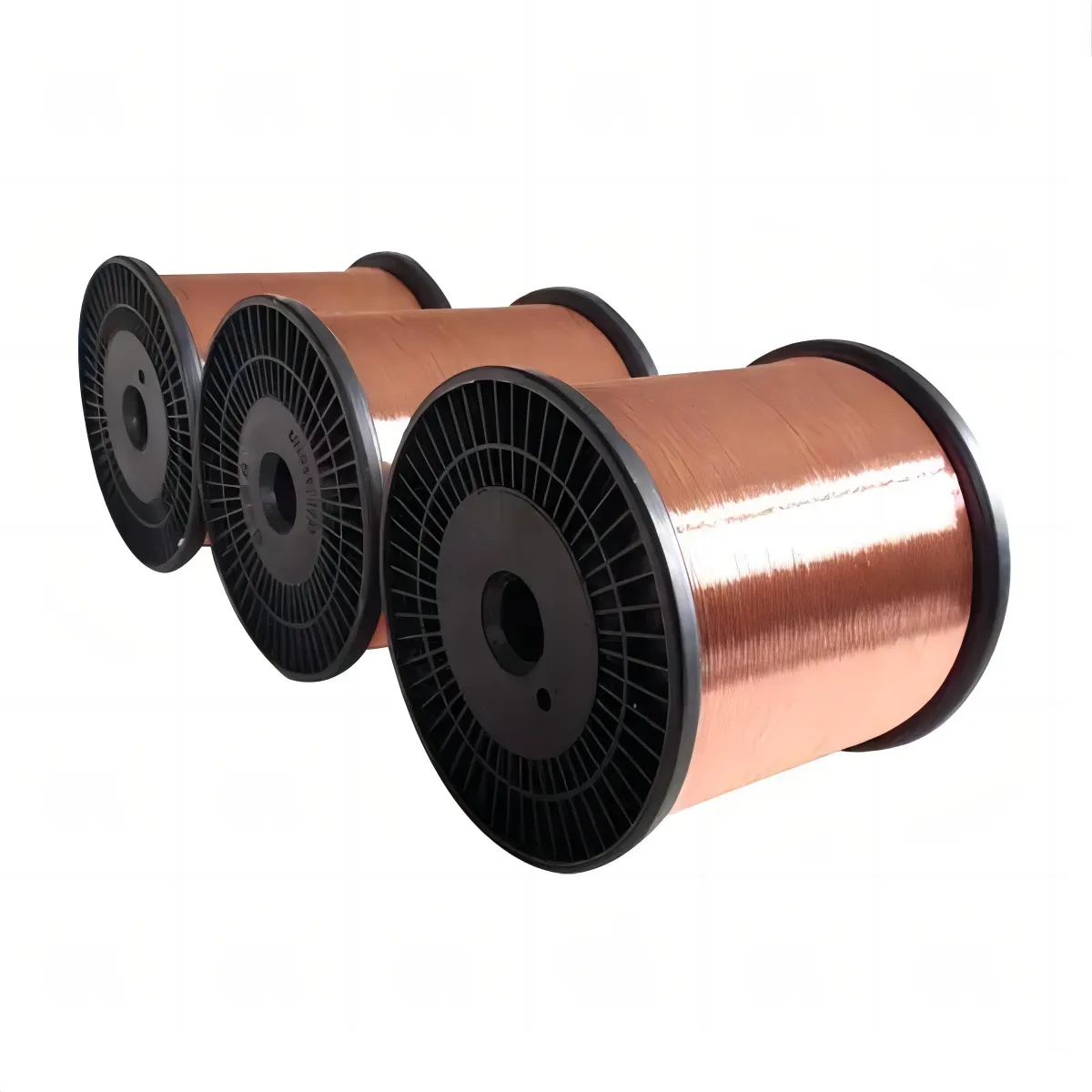
Require Full Traceability, Certifications, and Regulatory Documentation
Traceability is the backbone of quality assurance—not a bureaucratic afterthought. Without it, you cannot verify conformance, investigate root causes, or meet audit requirements.
Request a full mill test certificate (MTC) that documents actual chemistry, mechanical test results, heat number, batch ID, and production date. The MTC must reference compliance with ASTM B236 (for aluminum rods and wire) and IEC 60889 (for hard-drawn conductors), as these govern dimensional tolerances, surface quality, and mechanical consistency. RoHS compliance and UL 1581 certification are mandatory for wires used in electrical equipment or building infrastructure—verify they’re current, supplier-issued, and tied to the specific shipment. Leading manufacturers support digital traceability, linking every coil to real-time inspection logs and certification archives. Insisting on this level of documentation upfront eliminates ambiguity, accelerates internal approvals, and protects your supply chain from costly non-conforming material.


