 EN
EN

What Is CCAM Wire? Composition, Purpose, and Core Advantages
Defining CCAM: Copper-Clad Aluminum-Magnesium Alloy Structure
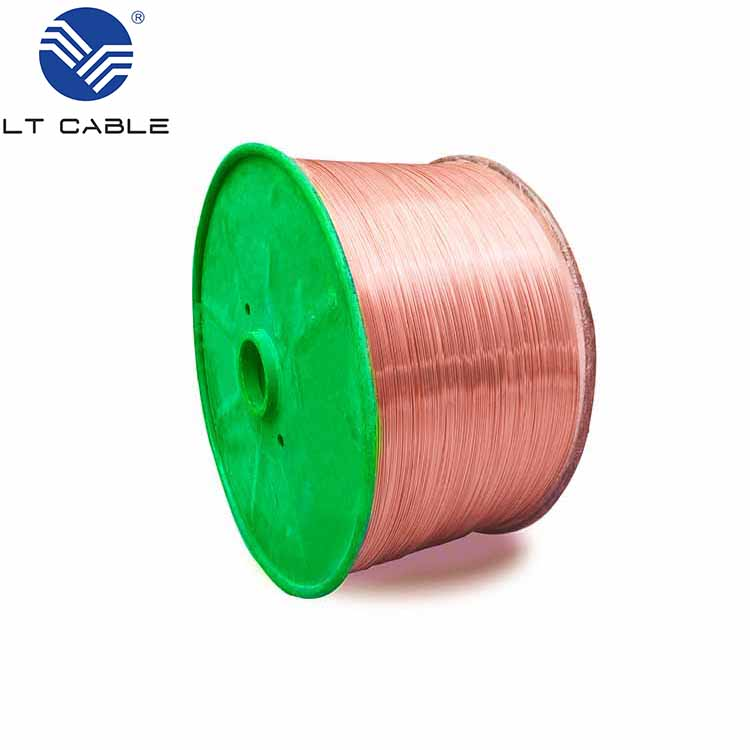
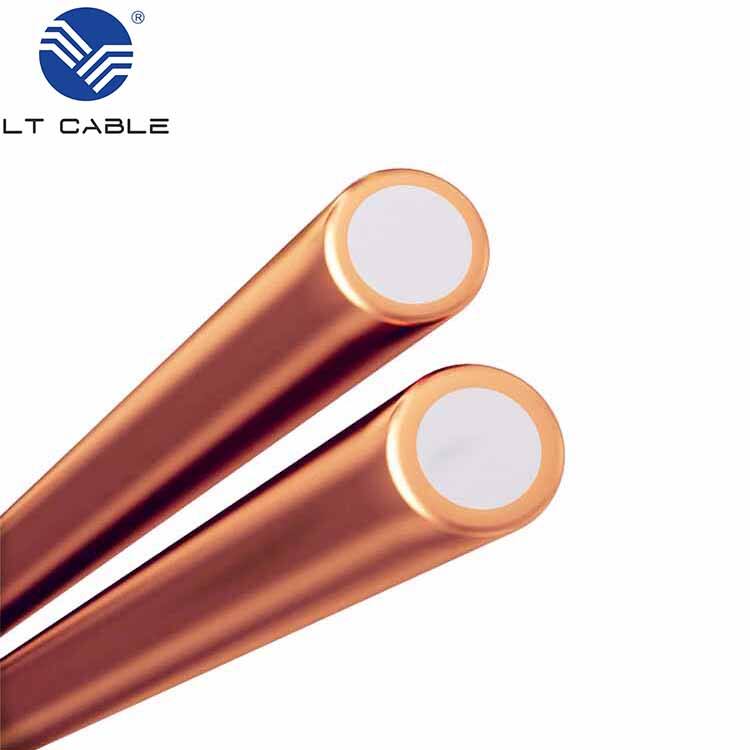
CCAM wire combines copper and aluminum-magnesium in a special construction where a magnesium-aluminum alloy forms the core covered by a layer of high purity copper plating. What makes this combination work so well is that it brings together the great electrical properties of copper, which measures around 101% IACS conductivity, with the lighter weight characteristics of aluminum-magnesium alloys. Compared to regular copper conductors, this hybrid approach cuts down on weight somewhere between 15 to 20 percent. The copper coating plays a crucial role in maintaining strong signal transmission for coaxial cables, whereas the magnesium enriched core addresses some major issues found in standard materials. Traditional copper tends to be expensive and heavy, while plain aluminum just isn't tough enough mechanically. The manufacturing technique involves cold drawing that bonds the different metal layers together at a molecular level, yet still keeps the overall material flexible enough for practical applications.
Why Magnesium Alloy? Strength-to-Weight Ratio and Thermal Stability Explained
Adding magnesium to aluminum alloys creates some pretty impressive results. The tensile strength jumps all the way to around 380 MPa, yet the material stays light at just 1.8 grams per cubic centimeter. What this means is we get conductors that are both thinner and lighter without losing any strength or toughness. Magnesium really helps with heat management too. When temperatures hit about 80 degrees Celsius, the expansion rate drops by roughly 40% compared to regular aluminum. This makes a big difference because it stops those annoying impedance changes when things get hot and then cool down again. Another benefit comes from how magnesium refines the grain structure. This actually prevents tiny cracks from forming after lots of bending back and forth, which extends how long these materials last in actual field conditions. All these properties explain why magnesium alloys have become so important for keeping signals clean and reliable even in tough operating situations where standard materials would fail.
Mechanical and Environmental Performance of CCAM Wire in Real-World Coaxial Deployments
Superior Tensile Strength and Flex Life vs. Cu and Al-Cu Wires
The magnesium alloy core in CCAM wire gives it around 30% better strength compared to weight than regular aluminum-copper conductors. This means it stands up much better to the stresses of installation and everyday use. When installed, the wire's tensile strength keeps it from stretching out or breaking when pulled tight. Plus, it can bend and flex more than 5,000 times without showing signs of wear, making it great for overhead lines in areas with strong winds. Regular copper tends to get all bent out of shape after repeated bending, but CCAM stays strong even in places where cables move constantly, like on rotating spools or in factories with lots of machinery vibrations. All these qualities mean longer lasting installations and fewer times technicians need to climb poles or crawl through equipment rooms to fix problems in broadband network setups.
Corrosion Resistance in Humid, Saline, and Industrial CATV Environments
Magnesium alloys create their own protective oxide layer over time, which gives them better environmental resistance compared to regular copper clad aluminum as shown in those accelerated aging tests. When exposed to salt spray for about 1,000 hours, CCAM shows almost no signs of corrosion with less than half a percent mass loss. That makes it ideal for CATV systems installed along coastlines where salt air is constantly attacking materials. These alloys can stand up against sulfur dioxide pollution, acid rain, and all sorts of industrial contaminants that typically eat away at traditional conductor materials causing signal problems. Another big plus is how stable they remain when connected to different types of metal in those F connectors. Because of this stability, CCAM maintains good electrical performance even when humidity gets really high, above 85% relative humidity actually. And best of all, there's no need for extra protective coatings that would otherwise be required with other materials.
CCAM Wire as Inner Conductor: Signal Integrity, Manufacturing, and Installation Benefits
High-Frequency Performance: Impedance Stability and Skin Effect Management (5–10 GHz)
CCAM wire delivers strong signal performance in high frequency coax systems thanks to tight control over impedance levels (about ±1% at 7 GHz) and good management of skin effects. The uniform magnesium alloy center helps reduce current bunching problems at radio frequencies, giving roughly 97.5% of what pure copper would offer in terms of surface conductivity. Signals stay stable all the way up to 10 GHz with insertion losses below 0.15 dB per meter, which is really important for things like 5G backhaul connections and DOCSIS 4.0 installations where even small changes in impedance can cause data packets to drop. When we look at thermal properties, tests show this material conducts heat at 138 W/mK, meaning it gets rid of excess warmth about 23% quicker than standard aluminum options when systems are running at maximum capacity.
Drop-in Compatibility with Existing Coaxial Cable Production Lines and F-Connector Standards
CCAM wire works really well with current manufacturing processes because the diameter range of 0.25 to 0.75 mm fits right into standard extrusion tooling. No need to change any equipment or spend money on new tools. The wire has good tensile strength at least 285 MPa which means it doesn't stretch when being made into cables. Plus, the dimensions stay stable within plus or minus 0.01 mm throughout production. Field technicians will appreciate that CCAM complies with all the F-connector crimp requirements specified in IEC 61169-24 standards. Testing shows these connections can withstand over 45 Newtons of force before coming loose. According to recent structured cabling audits, this compatibility cuts down on installation mistakes by around 18%. And the cold weld characteristics allow for watertight connections even without those fancy specialized termination tools that cost extra money.
Total Cost of Ownership: How CCAM Wire Reduces Installation, Support, and Lifecycle Costs
Using CCAM wire cuts down on the overall cost when running coaxial cable systems over time. The magnesium alloy at its core makes these wires last longer and stand up better against rust and wear, which means fewer repairs needed, lower costs for fixing problems, and less frequent replacement in tough conditions. According to what we see across the industry, most money spent on these systems actually goes toward ongoing expenses rather than just buying materials upfront. Maintenance work alone takes up around 70 to 80 percent of total spending, plus there are hidden costs from weaker signals causing extra power drain and having to replace components sooner than expected. CCAM tackles all these issues effectively using three main approaches:
- Fewer field failures due to superior tensile strength, cutting technician dispatch costs
- Extended service life from corrosion resistance, delaying capital reinvestment
- Lighter weight simplifying handling, labor, and hardware requirements
Proactive use of durable materials like CCAM has been shown to reduce TCO by 30–40% over a system’s lifetime—shifting infrastructure spending from reactive support toward strategic, future-ready upgrades.
Table of Contents
- What Is CCAM Wire? Composition, Purpose, and Core Advantages
- Mechanical and Environmental Performance of CCAM Wire in Real-World Coaxial Deployments
- CCAM Wire as Inner Conductor: Signal Integrity, Manufacturing, and Installation Benefits
- Total Cost of Ownership: How CCAM Wire Reduces Installation, Support, and Lifecycle Costs


