 EN
EN

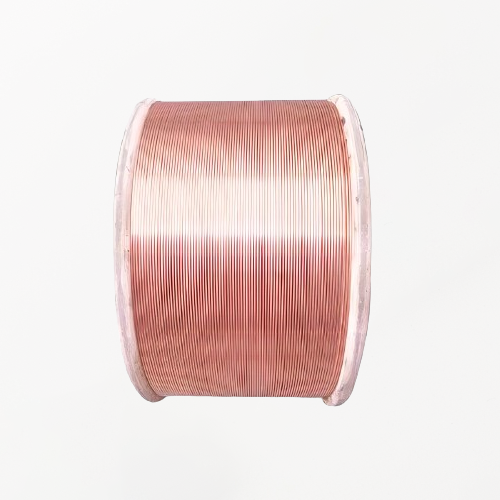
What Is CCAM Wire? Technical Definition and Regulatory Significance
CCAM Wire Explained: Composition, Standards (e.g., ASTM B3, IEC 60228), and Key Use Cases
CCAM wire refers to copper wire that's been cold drawn, cold rolled, annealed, and medium-hard tempered. This type of copper is engineered specifically for tough electrical and mechanical jobs where performance matters. The process begins with ETP copper which has at least 99.9% purity. Through controlled cold working processes and heat treatment, manufacturers create a material with around 30 to 40 ksi tensile strength while maintaining about 98% conductivity relative to standard IACS benchmarks. Several industry standards guide production quality: ASTM B3 covers tolerances for softer or annealed wires, IEC 60228 establishes conductor classifications for insulated cable applications, and ASTM B49 sets specifications for resistance variations no more than plus or minus 5%. These standards ensure consistency across different manufacturing batches and applications.
CCAM stands out because it resists fatigue better than most materials, which is why engineers prefer it for parts exposed to constant vibrations. Think about things like car wiring harnesses or those complex connectors used in airplanes where tiny cracks from repeated stress can really mess up system reliability. According to recent industry reports from 2023, around 78% of manufacturers working on industrial equipment have started using CCAM as standard material for motor windings. Why? Because tests show it lasts about 30% longer through cycles of stress compared to regular hot rolled options. We also see CCAM showing up in places where performance just cannot fail. Medical scanners need this material for consistent signals during scans. Deep sea communication repeaters rely on CCAM's ability to withstand saltwater corrosion over decades. And then there are nuclear plants where nothing short of absolute radiation stability will do for their control systems.
Why CCAM Wire Requires Specialized Classification – Distinction from Generic Copper Wire
The standard ways we classify copper wire just don't work for CCAM materials since they have these special properties that depend on how they're processed. This creates problems with regulations that often lead to delays at customs checkpoints. Regular copper wire is straightforward, but CCAM's medium hard temper requires very specific HTS codes. Why? Well, the way it's cold rolled changes how electricity flows through it. Each batch goes through different annealing cycles which affects how flexible or brittle it gets. And those super tight diameter specs (within 0.0005 inches according to ASTM B3 standards) really matter when different systems need to work together properly. Getting this right isn't just about paperwork it actually impacts whether equipment functions as intended across various applications.
Take copper wire as an example. Basic copper might technically fall under HTS code 7409.00, but when CCAM applies their special thermo-mechanical process, it actually fits better in Chapter 74's worked copper category, usually listed under codes like 7408.19. The difference matters quite a bit. After going through 100,000 stress tests, CCAM copper keeps over 95% of its conductivity, whereas regular hot drawn copper drops down to around 75%. For importers, checking those metal specs is really important because it saves them from having to deal with extra testing by the FDA or CPSC regarding lead levels and RoHS standards something that doesn't apply to regular copper that hasn't been annealed. If companies skip this step, they could face serious fines from the EPA, sometimes upwards of fifty thousand dollars per shipment according to the Toxic Substances Control Act.
Correct HS Code Assignment for CCAM Wire Imports
Step-by-Step HS Code Determination: Analyzing Diameter, Temper, Coating, and Tensile Strength
Accurate HS classification for CCAM wire hinges on four technical attributes:
- Diameter: Wires ≈6 mm typically fall under different subheadings than those 6 mm.
- Temper designation: Annealed, hard-drawn, or medium-hard tempers directly influence tariff treatment.
- Coating type: Metallic platings such as tin or nickel shift classification into distinct HTS categories.
- Tensile strength: Certified test data is essential–high-strength CCAM variants face unique tariff rules.
The Harmonized Tariff Schedule works by assigning those 10-digit product codes we all know and love. The first six numbers line up with international standards, while the last four tell us exactly what duties apply in the US market. Getting this wrong can cost companies a fortune though. According to recent trade compliance reports from 2023, businesses facing classification errors typically pay around $740k in penalties each time it happens. That kind of money adds up fast, so most smart importers work with licensed customs brokers to double check everything before shipping anything across borders. Better safe than sorry when dealing with customs authorities after all.
Common HTS Subheadings for CCAM Wire (e.g., 7408.11–7408.99) and Tariff Implications
Most CCAM wire imports are classified under Chapter 74’s copper wire provisions, primarily within these HTS subheadings:
| Subheading | Wire Specifications | Typical Duty Rate |
|---|---|---|
| 7408.11 | Refined copper, 6 mm diameter | 0–2.5% MFN |
| 7408.19 | Refined copper, ≈6 mm diameter | 1.5–3.5% MFN |
| 7408.21 | Alloyed copper, 6 mm diameter | 2.0–4.0% MFN |
| 7408.29 | Alloyed copper, ≈6 mm diameter | 2.5–5.0% MFN |
Tariff rates depend on where goods come from. Products coming under USMCA agreements or other free trade deals might actually have zero percent tariffs if proper documentation is provided through those certificates of origin. The subheading 7408.99 covers special types of CCAM materials that have unique coatings or specific temper treatments applied during manufacturing. These usually face steeper import taxes ranging somewhere between three to seven percent. Getting this classification wrong can lead to serious problems down the line. Customs officials will likely audit shipments incorrectly categorized here, and penalties could end up being over twice what they should be based on the difference in duty rates between categories.
Mandatory Documentation for CCAM Wire Import Compliance
Core Commercial & Logistics Documents: Bill of Lading, Commercial Invoice, Packing List, and Certificate of Origin
Four foundational documents are required to ensure legitimacy and regulatory alignment:
- Bill of Lading: Confirms carrier receipt and specifies cargo details (weight, packaging, destination).
- Commercial Invoice: States transaction value, buyer/seller information, and verified HS code.
- Packing List: Details spool counts, protective materials, and physical configuration per container.
- Certificate of Origin: Verifies manufacturing country to determine FTA eligibility and tariff applicability.
Incomplete submissions cause customs holds–23% of industrial material imports faced delays in 2023 due to documentation gaps (Trade Compliance Journal).
U.S. Customs-Specific Requirements: CBP Form 7501, Entry Summary, Customs Bond, and FDA/CPSC Considerations (if applicable)
U.S. Customs and Border Protection mandates additional filings:
- CBP Form 7501 (Entry Summary): Finalizes tariff classification and declares duties owed post-clearance.
- Continuous Customs Bond: Guarantees payment of duties, taxes, or fines; minimum coverage is $50,000.
- FDA/CPSC Filings: Required only if CCAM wire interfaces with food, pharmaceuticals (FDA), or consumer products (CPSC).
Importers must retain all records for five years. Non-compliance penalties average $10,000 per violation (CBP Audit Directive 2023).


