 EN


Choosing electroplated copper clad aluminum wire for a high frequency cable is not a matter of comparing a material name with pure copper. The useful question is whether the conductor construction, the cable geometry, the process window, and the required electrical checks fit the intended frequency band. As a conductor-material selection adviser would frame it, start with the electrical and manufacturing conditions, then confirm the evidence needed for the finished cable.
That order matters because high-frequency current does not use a round conductor in the same way as DC current. As frequency rises, more current tends to travel near the surface. In a copper-clad construction, the copper layer can therefore be relevant to the electrical behavior, but it is only one part of the result. Insulation, conductor diameter, concentricity, shielding, impedance target, connectors, and test method also affect the cable.
Start with the finished high frequency cable requirement
Before requesting electroplated copper clad aluminum wire, define what the cable must do. Ask the cable designer or end user for the operating frequency range, cable type, characteristic-impedance target if applicable, attenuation limit, conductor size, stranded or solid construction, insulation system, shield construction, installation environment, and termination process. A wire can be suitable on a material data sheet yet still be a poor fit if the cable construction has not been checked as a system.
Understand what electroplating changes—and what it does not
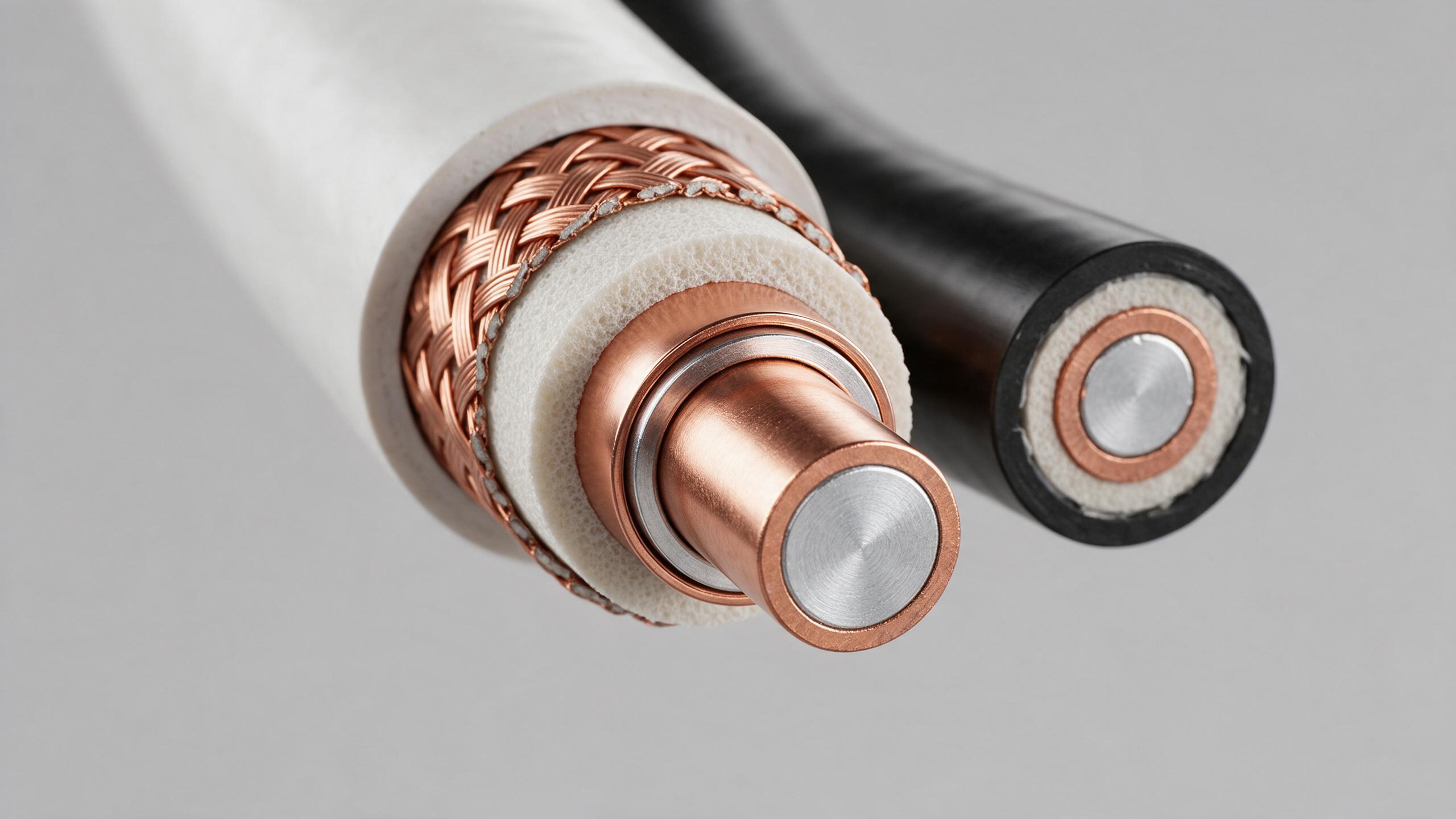
Electroplated copper clad aluminum wire combines an aluminum core with a copper surface deposited through an electroplating route. When AC frequency increases, surface-current behavior makes the quality and continuity of the copper layer a meaningful discussion point. This does not mean the outer copper layer alone determines loss or impedance. The relevant depth of current distribution changes with frequency, and the finished cable introduces further variables.
A practical correction is useful here: rather than treating one reported copper proportion as a complete answer, consider it together with wire diameter, frequency range, cable geometry, and the test method. That combined view makes a technical comparison more meaningful.
Compare the selection factors in a consistent order
| Selection factor | Why it matters for a high frequency cable | What to confirm |
|---|---|---|
| Frequency range and loss target | Surface-current effects and cable loss must be evaluated at the intended operating band. | Frequency points, test length, reference method, and acceptable attenuation or insertion-loss result. |
| Copper-layer construction | The surface layer is relevant where current is concentrated near the conductor exterior. | Supplier specification, uniformity-control method, adhesion evidence, and any agreed inspection method. |
| Conductor diameter and tolerance | Dimensional variation can affect cable geometry and process stability. | Nominal size, tolerance, ovality criteria, and sampling plan. |
| Electrical properties | Material-level values alone do not establish finished-cable performance. | Applicable conductivity or resistance test, conditions, and whether it is measured before or after processing. |
| Mechanical and process fit | Payoff, stranding, extrusion, and termination can expose handling issues. | Elongation or tensile requirements where applicable, spool format, joints, winding condition, and trial plan. |
| Specification basis | A common reference reduces ambiguity between buyer and supplier. | Applicable customer specification and, where relevant, a current revision of ASTM B566 for bare round copper-clad aluminum wire. |
Evaluate copper layer through application conditions
The right question is not “what copper layer is sufficient?” There is no universal value that responsibly answers every high frequency cable design. A lower-frequency signal cable, a coaxial construction, and a cable with a different impedance or attenuation requirement may prioritize different details. Ask for a proposed construction and have the supplier state the measurement basis behind each value.
For electroplated copper clad aluminum wire, useful technical discussion points include copper-layer continuity around the circumference, consistency from spool to spool, bond integrity after planned bending or processing, and whether the specified diameter remains stable after the cable operation. If the cable will be plated, insulated, stranded, or shielded afterward, identify which party verifies the property at each stage.
This is where an application-first approach helps. Initially, it is easy to focus on the material name; later, it becomes clear that confirming the actual cable construction narrows the decision much more effectively.
Do not use conductivity alone as the approval decision
Conductivity and DC resistance can help screen incoming material, but they are not a complete approval test for a high frequency cable. At high frequency, cable loss is affected by conductor surface behavior and by the dielectric, dimensions, shield, and assembly. A purchase specification should therefore say which material-level test is required and which finished-cable test is the release criterion.
A sensible sequence is to check incoming electroplated copper clad aluminum wire against its agreed wire specification, run a controlled cable trial, and then test the finished construction at the relevant frequency points. This keeps material claims and cable claims distinct. It also gives both parties a record if a later change in insulation, braid coverage, or connector changes the result.
Review manufacturing compatibility before ordering volume
Material selection is also a process decision. Discuss the payoff direction, spool dimensions, winding tension, permitted joints, storage condition, and incoming-inspection plan before a production order. For a fine conductor, these details can affect line stability and the ability to hold cable dimensions. If the proposed electroplated copper clad aluminum wire is new to the line, begin with a representative trial rather than assuming that an aluminum-core conductor will behave exactly like the current copper wire.
Include termination and stripping in the trial if they are part of the application. The aim is not to declare one conductor universally preferable; it is to see whether the candidate wire works within the existing equipment and process window.
Build an RFQ that creates comparable supplier responses
An RFQ for electroplated copper clad aluminum wire becomes more useful when it asks for comparable, checkable details. Provide the intended high frequency cable application and request:
- Wire construction and the stated copper-layer or copper-content basis.
- Nominal diameter, tolerance, roundness criteria, and available spool sizes.
- Applicable electrical, dimensional, and adhesion test methods with sampling conditions.
- Relevant material specification or customer drawing revision.
- Data for a sample lot and the process conditions expected during cable manufacture.
- Any limits on bending, stripping, stranding, or termination that should be evaluated in the trial.
- A plan for finished-cable electrical verification at the frequency range that matters to the application.
Use a staged approval plan
For a new electroplated copper clad aluminum wire source, a staged approval plan reduces confusion:
- Desk review: Compare the proposed wire specification with the cable drawing and the operating requirements.
- Incoming sample check: Inspect diameter, surface condition, packaging, and the agreed material-level records.
- Process trial: Run the intended cabling, insulation, shielding, and termination operations under documented conditions.
- Finished-cable test: Verify the agreed electrical and mechanical requirements at the relevant frequency range.
- Release decision: Record any approved construction, test method, lot traceability, and change-control requirements.
This sequence prevents a common mistake: approving a conductor only because its nominal composition appears suitable. The finished high frequency cable is the item that has to meet the end-use requirement.
Final selection checklist
Select electroplated copper clad aluminum wire when the candidate construction can be connected to an explicit cable requirement and a verification plan. Before release, confirm:
- The target frequency range and the finished-cable electrical acceptance criteria are documented.
- The wire diameter, copper-layer construction, surface condition, and quality controls are defined.
- The applicable material specification and its revision are agreed rather than assumed.
- The conductor has been evaluated through the intended cable and termination process.
- The finished high frequency cable has been tested by the method and frequency points relevant to its use.
- Lot traceability and change notification are included in the supply agreement.
With this framework, the decision moves from a general material comparison to a controlled technical evaluation. That gives engineering, purchasing, and production a shared basis for deciding whether the wire fits the cable they actually need to build.


