 EN


When a cable project compares copper clad aluminum wire with a pure copper conductor, the useful question is not which material wins in the abstract. It is which construction meets the required electrical behavior, mass limit, processing route, compliance obligations, and validation plan. A cca conductor combines an aluminum core with a copper layer; it should not be treated as either solid copper or bare aluminum.
From a cable-procurement viewpoint, start with the cable’s function and the agreed test method. A lower material price can be meaningful, but it is only one part of project cost. Conductor geometry, termination design, production trials, documentation, and the consequence of a failed qualification can alter the comparison.
Begin with a common comparison basis
Use the same length, required electrical result, operating environment, cable construction, and acceptance criteria for both options. Comparing equal diameters alone can be misleading. The conductivity of commercially pure annealed copper is the IACS reference point. A retrieved industry comparison places aluminum at about 61% of copper’s conductivity and about 30% of its weight. Those figures explain why a copper clad aluminum wire decision often involves dimensions and weight, not price alone.
The copper layer in copper clad aluminum wire changes the construction’s behavior from that of a pure aluminum conductor, but its actual result depends on copper fraction, diameter, temper, frequency range, cable design, and the relevant test conditions. Ask for the specification and verification method for the delivered construction rather than applying a generic CCA percentage to every project.
Where the cost case for copper clad aluminum wire can be relevant
A copper clad aluminum wire option may deserve evaluation when conductor mass, handling, or material exposure is a central project constraint and the application can accept the resulting electrical design. In large coaxial cable contexts, the retrieved comparison source identifies CCA as a construction that can combine a copper surface with aluminum weight savings. That is an application example, not a blanket recommendation.
The purchase comparison should include more than the quoted conductor price. For copper clad aluminum wire, include the required finished dimensions, yield, scrap behavior, tooling changes, joining or termination requirements, incoming inspection, sample cost, and any additional qualification work. A lower line-item price can be offset if the design requires more revisions or if the project has tight electrical margins.
Where pure copper can carry a different value
Pure copper begins with higher electrical conductivity than aluminum-based constructions. That may simplify the design where a compact conductor, lower resistance, established terminations, or a specified conductor material is required. In these cases, pure copper may reduce design uncertainty. It is still important to compare the finished cable requirement rather than assume that a material label alone settles the result.
For a copper clad aluminum wire comparison, specify what must be held constant: DC resistance, impedance or attenuation where relevant, current-carrying requirement, conductor size, bend behavior, connector arrangement, and environmental exposure. A cca conductor can be appropriate only when its documented construction and test results satisfy those project requirements.
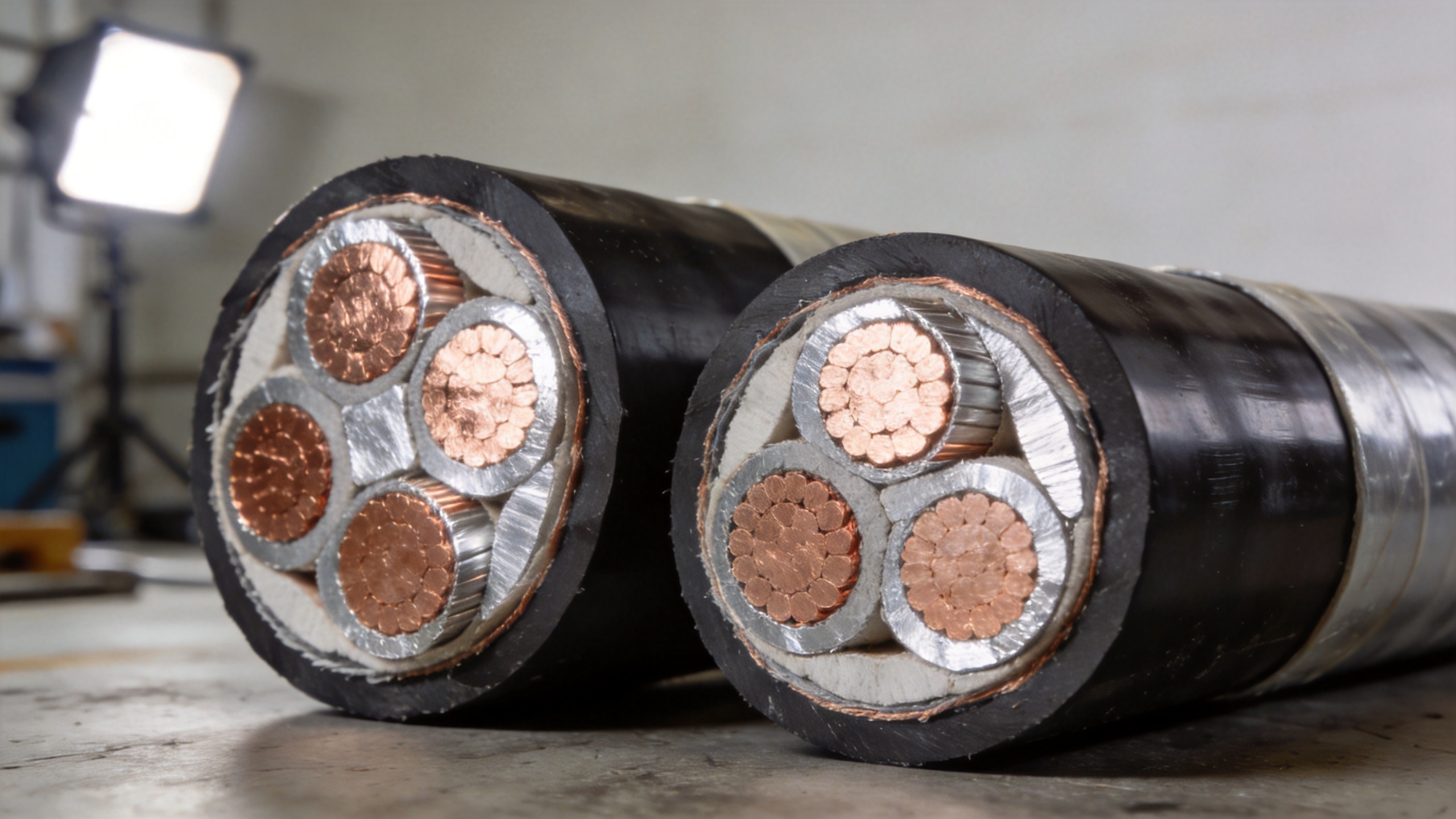
Performance questions that change the answer
| Decision dimension | Questions for copper clad aluminum wire | Why it affects cost |
|---|---|---|
| Electrical target | Which resistance, attenuation, impedance, or frequency criteria apply? | May change the required geometry and validation scope. |
| Mass and handling | Does lower conductor mass help installation, transport, or product design? | Can affect logistics and assembly decisions. |
| Processing | Are drawing, stranding, insulation, and termination conditions compatible with the specified construction? | Trial work and yield can change total project cost. |
| Connection points | Which connector, joining, plating, and contact requirements must be met? | Connection changes may add qualification effort. |
| Verification | What samples, records, and acceptance tests are needed before release? | Defines the cost of reducing technical uncertainty. |
This matrix keeps the discussion practical: copper clad aluminum wire is not selected merely because it is lighter, and pure copper is not selected merely because it has higher conductivity. The finished cable’s duty, constraints, and documented evidence decide whether either direction is commercially sensible.
Do not confuse price with total project cost
For a copper clad aluminum wire project, total cost can include material purchase, conductor sizing, process compatibility, inspection, rework exposure, documentation, and the time needed to resolve unclear requirements. The same is true for pure copper. If a project requires repeated exceptions, special handling, or unclear acceptance criteria, a small material-price difference may not represent the real decision.
A useful RFQ separates confirmed requirements from open items. State the end use, cable type, required conductor dimensions, copper-clad construction details, target electrical properties, applicable standard or customer specification, test method, sample quantity, and approval route. This gives suppliers and internal reviewers the same basis for evaluating copper clad aluminum wire.
A practical choice sequence
- Define the function. Record whether the cable is for power, signal, coaxial, telecom, or another use and identify the electrical limit that matters.
- Set the common basis. Compare finished-cable requirements, not only equal wire diameters or raw-material labels.
- Check the construction. For copper clad aluminum wire, confirm copper coverage, dimensions, temper, and the properties to be tested.
- Map the process. Review drawing, stranding, insulation, termination, and contact conditions with the production team.
- Plan verification. Agree on samples, test records, and decision checkpoints before production release.
- Calculate total cost. Include material, conversion, validation, and change-management costs for each viable option.
Conclusion: select the conductor against the project requirement
Copper clad aluminum wire can be a purposeful design option where its construction, mass profile, electrical requirements, and validation plan align with the cable project. Pure copper can be the more direct route where conductivity, compactness, established connector arrangements, or a stated specification leaves little room for substitution. Neither conclusion should be treated as universal.
For a cca conductor evaluation, prepare a written comparison sheet before requesting a quote: application, target dimensions, electrical limits, processing conditions, termination details, samples, and test evidence. That discipline makes the cost-performance trade-off visible and gives every reviewer a traceable basis for the next decision.


