Aug 04,2025
Copper clad aluminum or CCA wire has an aluminum center covered in copper, which makes it about 42% lighter than regular copper wires. The way these wires are built cuts down on materials needed for electrical work by around 18 to 22 percent without sacrificing how well they conduct electricity. A recent market study from 2025 shows that making CCA wire creates roughly 30% less carbon pollution compared to standard copper production methods. This is mainly because aluminum requires much less energy when being processed. For instance, it takes only 9.2 kilowatt hours per kilogram to smelt aluminum versus 16.8 for copper. Plus, since almost 95% of CCA can be recycled, this material really fits into circular economy goals especially important for our growing renewable energy networks.
Today's manufacturers are putting around 62% recycled aluminum into their CCA wires through closed loop smelting methods that follow ISO 14001 guidelines. This approach makes a big difference. Cold welding technology has basically done away with the need for those energy hungry annealing steps, cutting down overall energy consumption during production by roughly 37%. When it comes to carbon footprint, these improvements lead to about 820 kg less CO2 equivalent per ton produced across both direct and indirect emissions scopes. For companies concerned about sustainability, they also apply RoHS compliant coatings throughout the process, which keeps things green from start to finish. And despite all these eco friendly changes, the final product still hits those important IEC 60228 standards for electrical conductivity that everyone relies on.
CCA wire really shines when used in those blockchain-based material tracking systems. The carbon benefits get a big boost because suppliers can track and verify emissions throughout their networks. This kind of transparency helps meet requirements for green building certifications like LEED v4.1. We've seen some real results too - buildings using CCA show around 28 percent less embodied carbon compared to others in commercial solar installations. Companies are forming partnerships with aluminum smelters that produce at lower carbon levels. These connections help businesses hit their Scope 3 emission targets, especially important in areas where power grids are getting upgraded to cleaner sources.
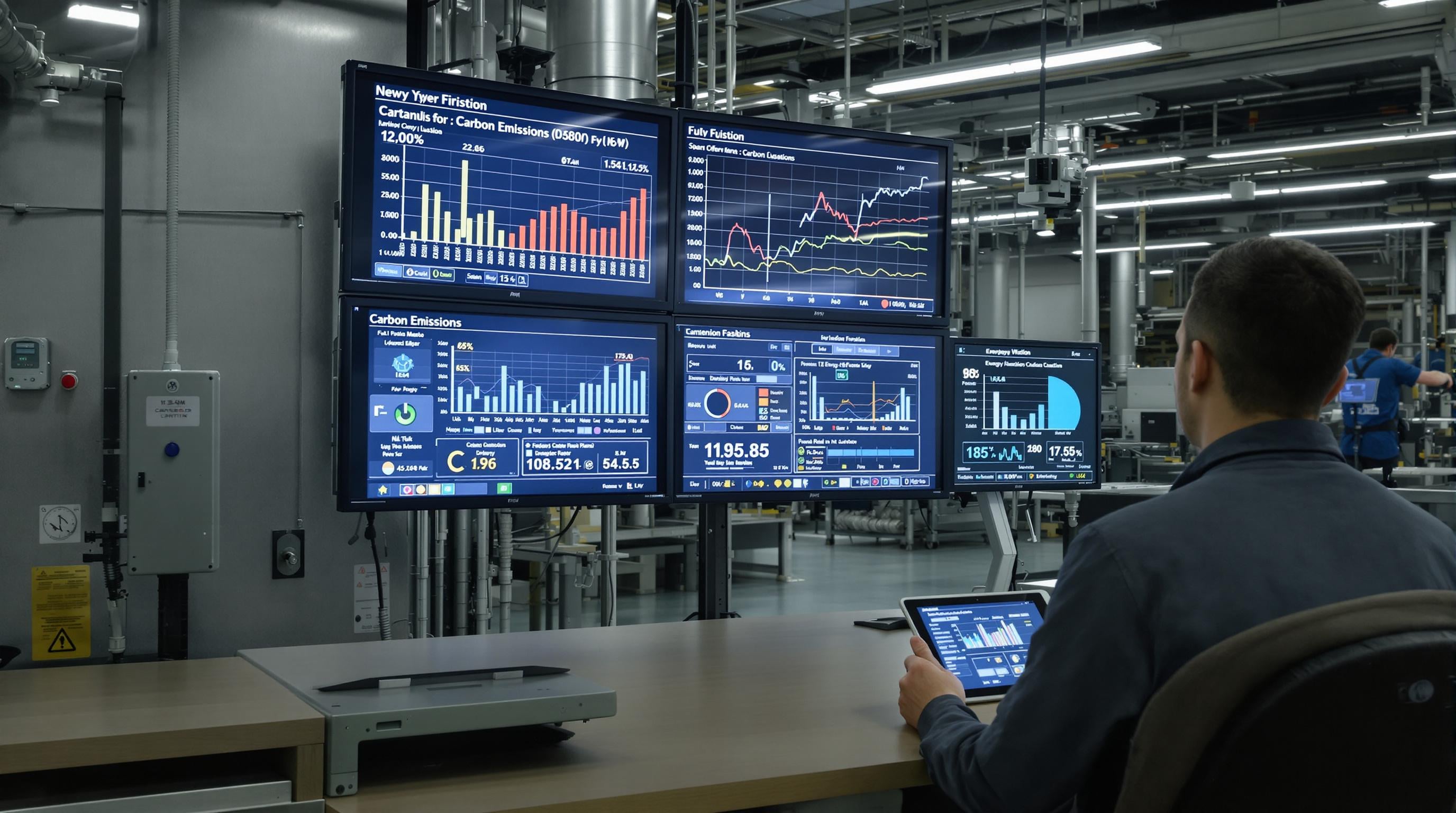
In today's CCA wire manufacturing plants, smart energy meters connected to the internet gather precise emissions information every 15 minutes. The monitoring systems keep track of how much electricity gets used, measure fuel consumption rates, and watch for emission levels throughout production. When something goes wrong, like when furnaces run too hot or coating processes move too slowly, plant managers get alerts right away. This allows them to fix problems quickly before they become bigger issues, cutting down on both material waste and overall energy costs across operations.
When manufacturers run digital twin simulations for wire drawing and cladding operations, they can experiment with process enhancements without stopping actual production lines. Some early tests showed around a 19 percent cut in carbon emissions during the trial phases. Pairing this tech with blockchain creates secure records that track where materials come from, what percentage is recycled, and even how much CO2 was emitted during transport. This gives companies further down the line real assurance when making sustainability claims, especially important given how tangled modern supply chains have become. The combination addresses both operational efficiency and transparency concerns at once.
Third party auditors check production numbers against those ISO 14040/44 life cycle assessment standards to make sure claimed carbon cuts are legitimate. According to research published in 2024 by materials scientists, factories that implement continuous monitoring combined with regular outside checks hit around 92% accuracy when it comes to their emissions reports. That's actually 34 percentage points better than what companies report on their own without oversight. The system works well for staying compliant with rules such as the European Union's Carbon Border Adjustment Mechanism (CBAM), but still leaves enough room for day to day operations adjustments without getting bogged down by bureaucracy.
The upstream part of the process actually makes up between 60 to 80 percent of all emissions when producing low carbon CCA wires. That means tackling Scope 3 emissions really matters if we want to hit our climate targets. Research from HEC Paris back in 2023 looked at how manufacturers engage their suppliers. Some companies are putting money into helping suppliers switch to cleaner energy sources while others set strict rules about cutting down emissions throughout their supply chains. This two pronged approach has made a difference in getting copper and aluminum, materials that alone account for around 65% of the overall carbon impact of CCA wires. Top wire makers these days look for partners who run on renewables first. They also use digital tools to keep tabs on whether their green initiatives are actually working as they happen.
Proactive collaboration with raw material suppliers enables measurable upstream emissions reductions:
Verified data from the Department of Energy shows manufacturers using certified low-carbon suppliers achieve:
| Metric | Conventional Suppliers | Certified Suppliers | Reduction |
|---|---|---|---|
| Scope 3 Emissions (tCO₂e) | 8,400 | 5,208 | 38% |
| Renewable Energy Adoption | 22% | 89% | 4x increase |
This demonstrates the impact of structured supplier engagement on emissions performance in CCA wire value chains.
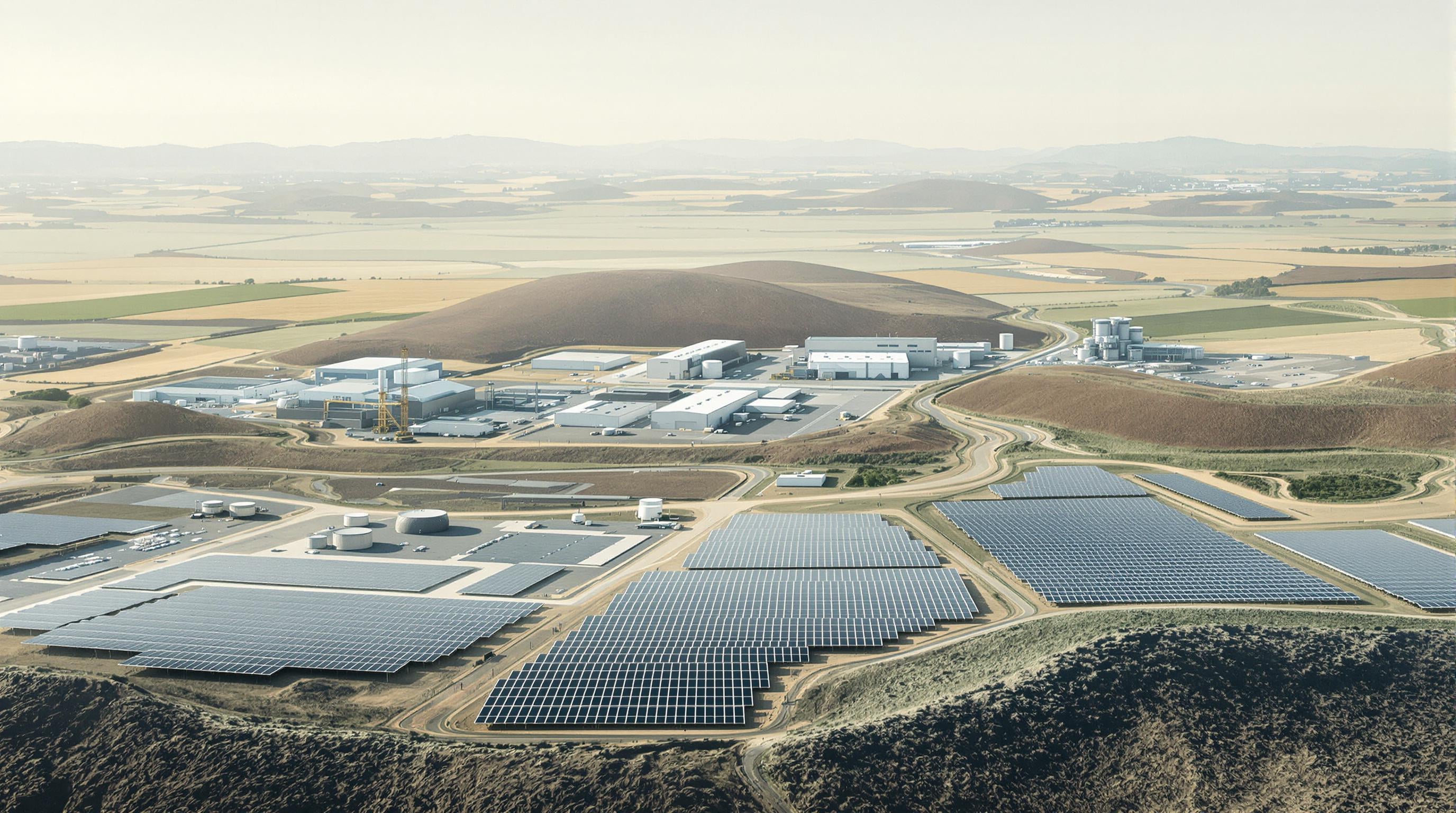
The Life Cycle Assessment, or LCA for short, looks at how environmentally friendly low carbon CCA wire really is throughout its entire journey from mining raw materials all the way through to recycling at the end of its life. This approach fits well with what many companies are trying to achieve these days regarding sustainable practices within their renewable energy projects. Recent research published in 2024 showed something pretty interesting about this topic too. When planners incorporate LCA methods during the design phase of solar farms, they can cut down on CO2 equivalent emissions significantly. The numbers suggest around a 28% reduction just by switching from regular materials to those classified as low carbon CCA wire. That's quite a difference considering how much solar power expansion is happening worldwide right now.
In renewable energy projects, lifecycle assessment (LCA) helps identify where most emissions occur during CCA wire manufacturing, which keeps things aligned with those ISO 14040 guidelines everyone in the industry talks about. When companies look closely at how much power goes into refining aluminum and applying copper coatings, they can tweak their methods to cut down on carbon embedded in the materials themselves. Recent studies from 2024 showed something interesting about large solar farms: switching to low-carbon CCA wires actually brings down emissions from production start to finish by around 19 percent when compared with regular copper wiring options. That kind of reduction makes a real difference for projects aiming to meet sustainability targets without breaking the bank.
Full-carbon accounting tracks emissions across six key stages:
| Stage | Key Metric (kg CO₂e/ton) | Improvement via CCA Wire |
|---|---|---|
| Ore extraction | 420 | 12% reduction |
| Smelting | 1,850 | 9% reduction |
| Wire production | 320 | 15% reduction |
| Installation | 110 | Neutral |
| Operational lifetime | 0 | N/A |
| Recycling | -90 (credit) | 95% recoverability |
A 2022 review of 18 photovoltaic installations found that low-carbon CCA wire generates 32% lower lifecycle emissions than pure copper in solar applications. The advantage grows when transportation is considered—CCA's 48% lighter weight reduces logistics emissions by 22%. At end-of-life, CCA requires 37% less energy for material recovery, further enhancing its environmental profile.
CCA wire stands for copper clad aluminum wire. It has an aluminum core that is coated with copper, offering a lighter alternative to traditional copper wire.
CCA wire production generates approximately 30% less carbon pollution than conventional copper wire production due to reduced energy required for processing aluminum compared to copper.
CCA wire's integration with blockchain-based material tracking systems enhances transparency, allowing suppliers to track and verify emissions and comply with green certification standards.
Manufacturers use real-time monitoring, digital twin simulations, and blockchain technology to accurately track and verify emissions, ensuring sustainable production processes.
Scope 3 emissions are indirect emissions occurring in a company's supply chain, covering areas like raw material acquisition and transportation, which account for a major part of emissions.

Tailored advice, perfect fit solutions.

Efficient manufacturing, seamless supply.

Rigorous testing, global certifications.

Prompt assistance, ongoing support.
 EN
EN