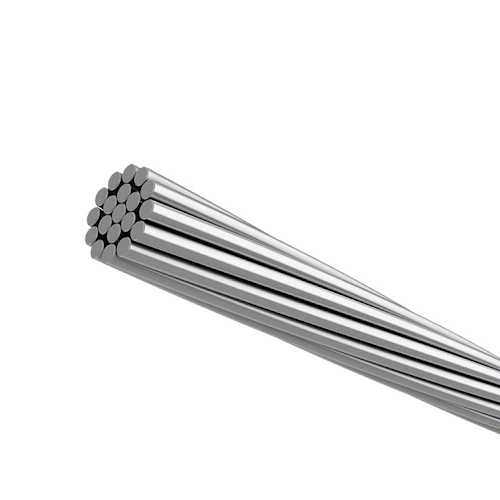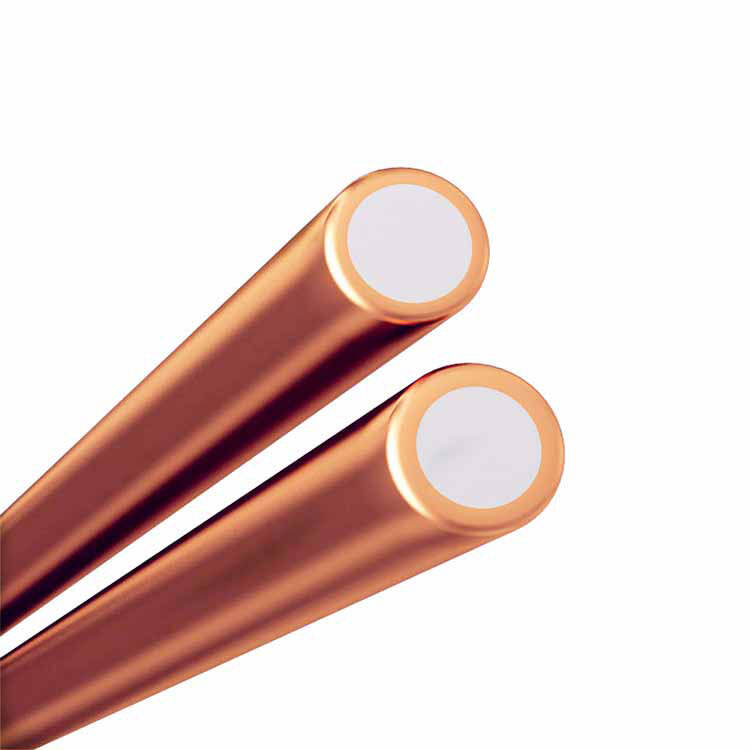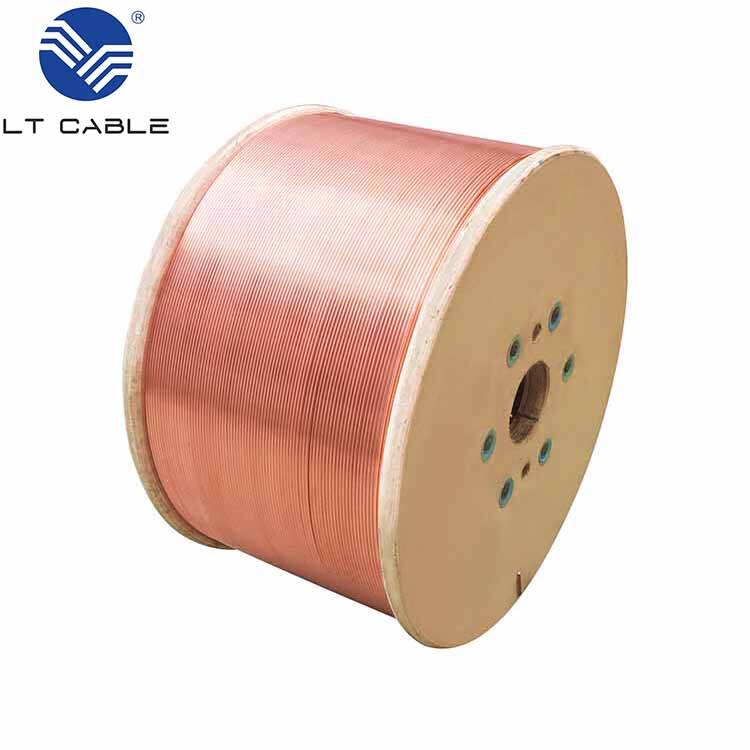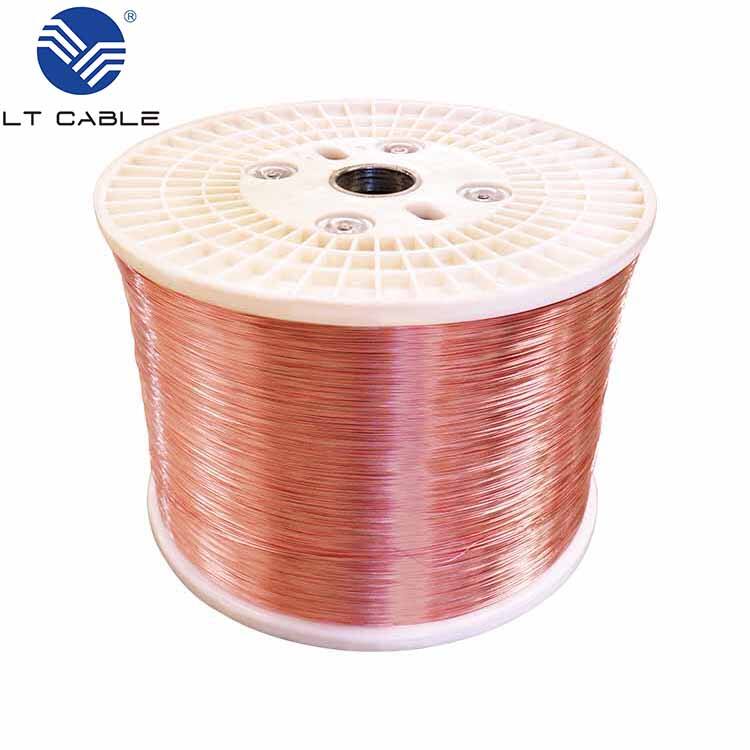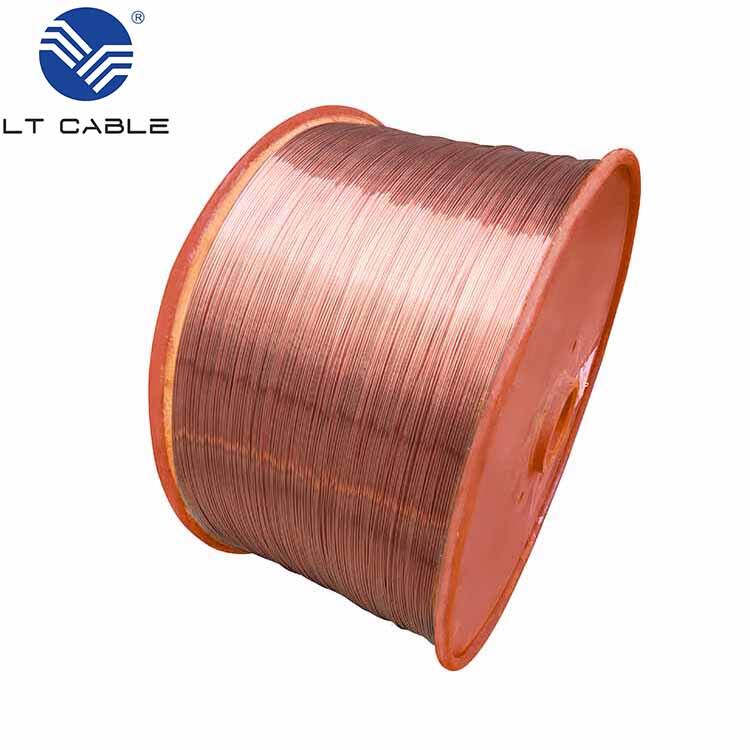
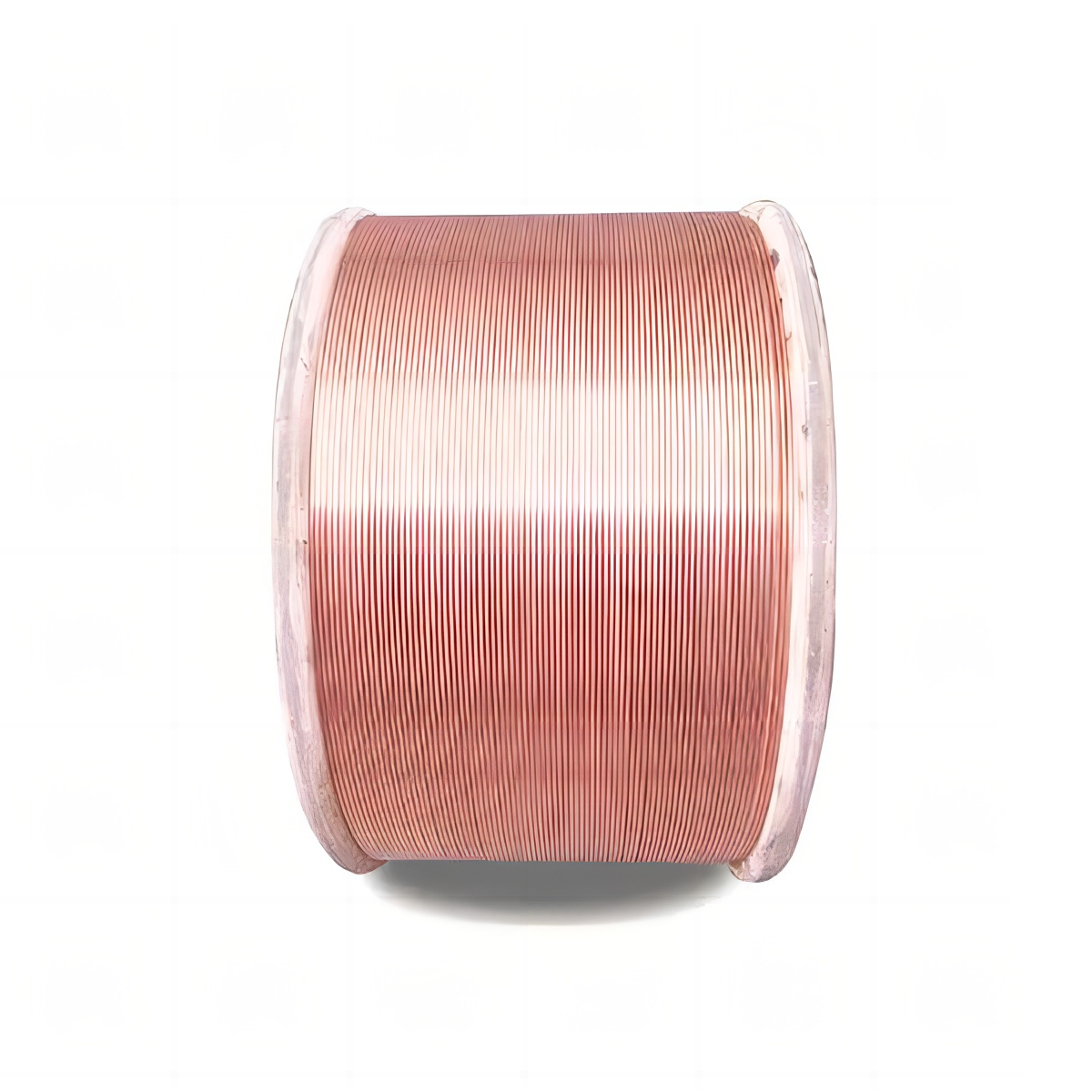
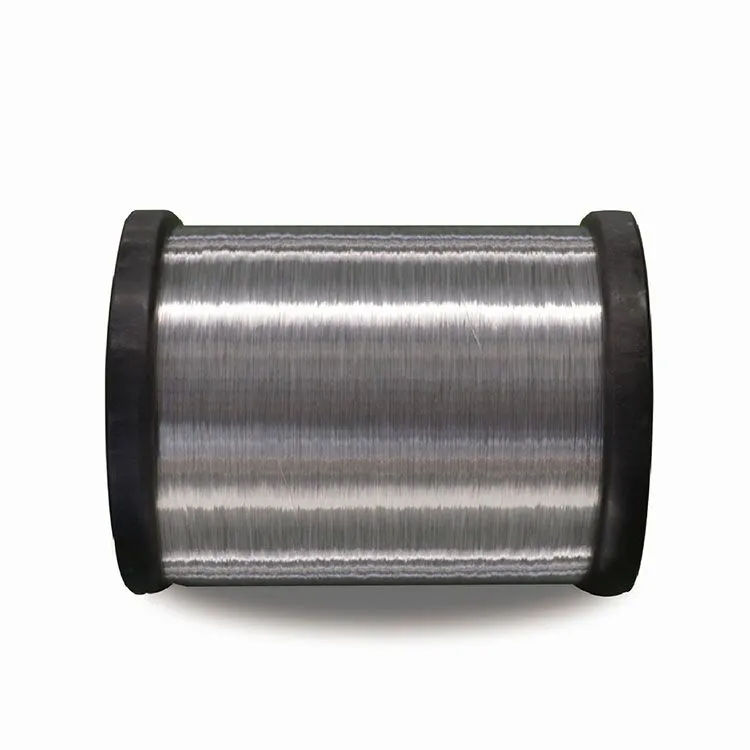
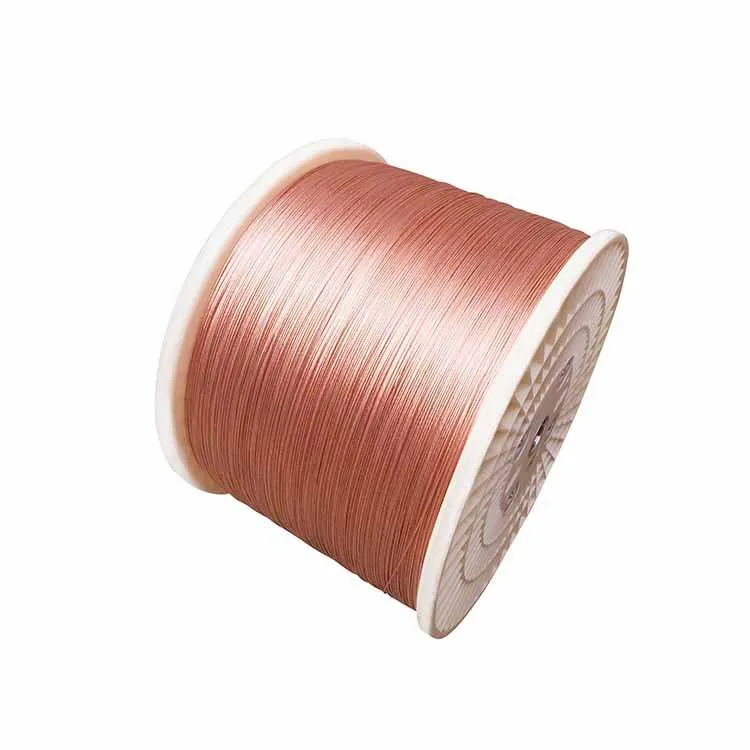
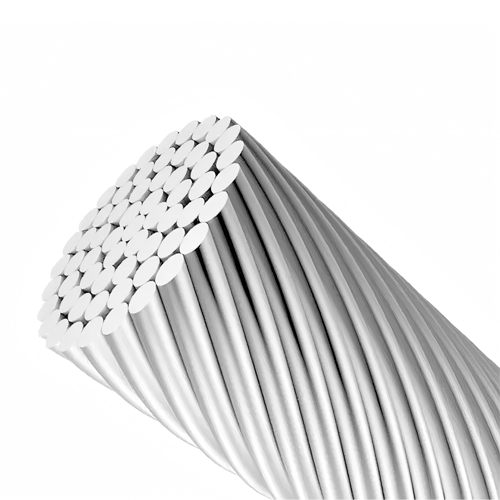
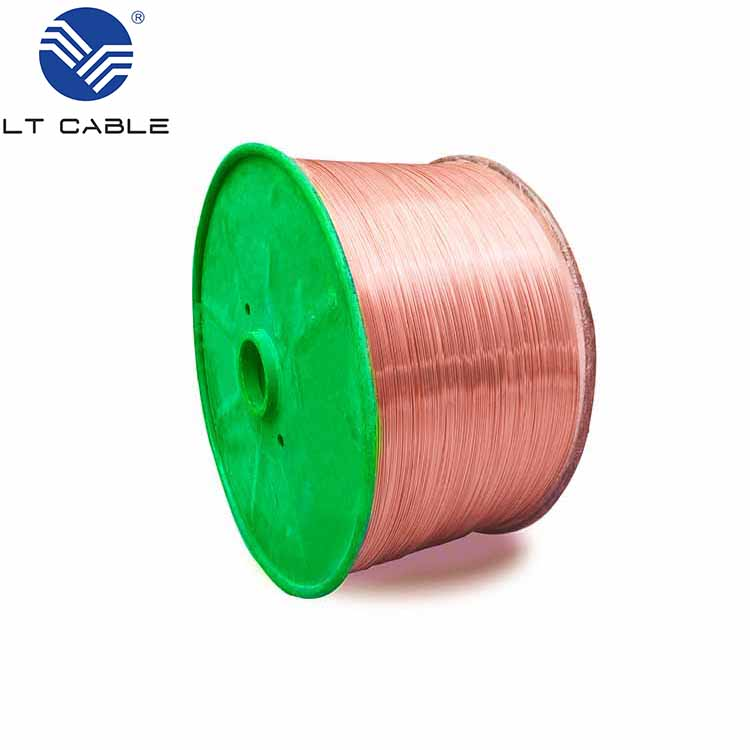
CCAM Solid Wire: Superior Conductivity & Custom Solutions

Get a Free Quote

Our representative will contact you soon.
Name
Email
Mobile
Country/Region
Choose the product you want
Message
0/1000
Exceptional Quality and Reliability of Ccam Solid Wire

Exceptional Quality and Reliability of Ccam Solid Wire

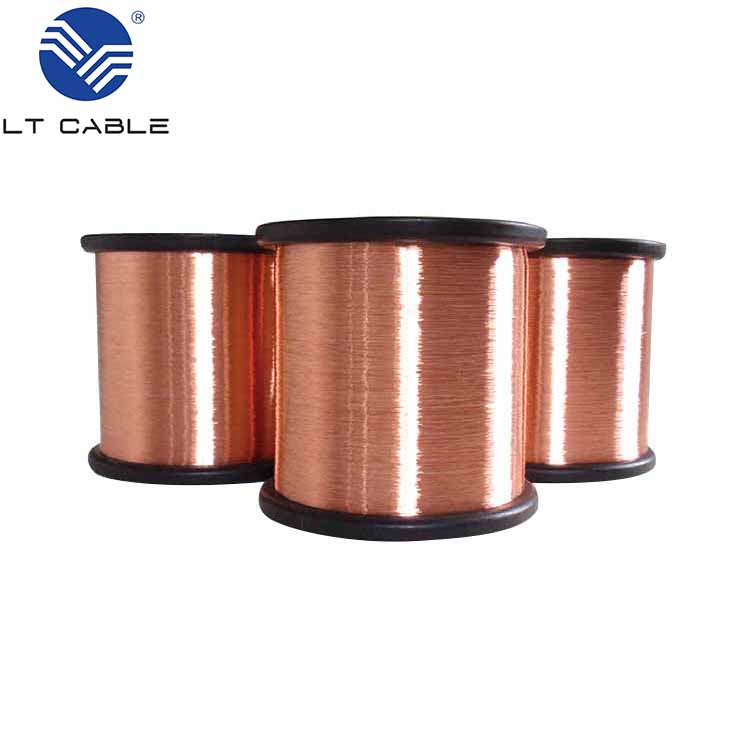
At Litong Cable, we understand that the quality of Ccam solid wire is paramount for our clients' success. Our commitment to excellence begins with our fully automated production lines, ensuring precision in every phase from raw material selection to the final product. The Ccam solid wire we manufacture offers superior conductivity, durability, and resistance to corrosion. This makes it ideal for a wide range of applications, including telecommunications, automotive, and industrial sectors. With a focus on customer value creation, our Ccam solid wire is customizable to meet your specific needs, ensuring you receive a product that not only meets but exceeds your expectations.
Get A Quote

Case Studies

Successful Implementation of Ccam Solid Wire in Telecommunications

A leading telecommunications company approached us to enhance their network infrastructure. They required high-quality Ccam solid wire to ensure optimal signal transmission and durability. Our team worked closely with them to customize the wire specifications, resulting in a significant reduction in signal loss and an increase in overall network reliability. The client reported a 30% improvement in performance metrics, showcasing the effectiveness of our Ccam solid wire in real-world applications.

Enhancing Automotive Manufacturing with Ccam Solid Wire

An automotive manufacturer sought to improve the electrical systems in their new vehicle models. They needed a reliable supplier of Ccam solid wire that could withstand harsh conditions while maintaining performance. By utilizing our advanced production techniques, we provided them with a tailored solution that not only met their stringent quality standards but also contributed to a 15% reduction in production costs. Our Ccam solid wire proved essential in enhancing the reliability of their automotive components.

Ccam Solid Wire for Industrial Applications

An industrial equipment manufacturer required Ccam solid wire for their machinery, focusing on durability and efficiency. We collaborated with them to develop a wire that could endure extreme operational conditions. Our Ccam solid wire exceeded their expectations, leading to a 25% increase in machinery lifespan and reduced maintenance costs. This case highlights the versatility and strength of our products in demanding industrial environments.

Related products

Litong Cable focuses on producing high-quality Ccam solid wire for different industries. We take pride in our advanced manufacturing processes which guarantee that our wires meet international standards. From selection of high-end wire, our advanced drawing and annealing processes which enhance wire properties to final packaging, we control every stage in production. Our Ccam solid wire is superior to competitors in electrical applications and conductivity. We strive to give our customers tailored experience to meet individual requirements. Our management team is committed to quality and reliability.

Frequently Asked Questions About Ccam Solid Wire

What is Ccam solid wire used for?

Ccam solid wire is widely used in telecommunications, automotive, and industrial applications due to its excellent conductivity and durability. It is ideal for electrical connections that require reliability and long-term performance.
Our manufacturing process involves fully automated production lines, where every step—from raw material selection to final product inspection—is precisely controlled. This ensures that our Ccam solid wire meets the highest quality standards.

Related article

CCA Wire Resistivity & Performance: What Buyers Should Check

15

Jan

CCA Wire Resistivity & Performance: What Buyers Should Check

Understanding CCA Wire and Its Importance

Copper Clad Aluminum (CCA) wire has emerged as a popular choice in various electrical applications, offering a balance of performance, cost-effectiveness, and versatility. As a bimetallic conductor, it consists of an aluminum core with a concentric copper cladding, combining the beneficial properties of both metals. The aluminum core contributes to lightweight and cost savings, while the copper cladding enhances conductivity and corrosion resistance. For buyers, understanding the resistivity and overall performance of CCA wire is crucial to ensure it meets the specific requirements of their applications. Whether used in telecommunications, automotive wiring, or power distribution, the performance of CCA wire directly impacts the efficiency and reliability of the end product.

Key Factors Affecting CCA Wire Resistivity

Resistivity is a fundamental property of any conductor, including CCA wire, and it plays a significant role in determining its electrical performance. Several key factors influence the resistivity of CCA wire, and buyers should be aware of these when evaluating potential suppliers. One of the primary factors is the copper content. Typically, CCA wire is available with copper content ranging from 10% to 15% by cross-sectional area. Higher copper content generally results in lower resistivity and better conductivity. For example, CCA wire with 15% copper content has a conductivity of approximately 64.4% IACS (International Annealed Copper Standard), compared to 62.9% IACS for 10% copper content.
Another important factor is the manufacturing process. The quality of the metallurgical bond between the aluminum core and copper cladding directly affects the wire's resistivity. A strong, uniform bond ensures efficient current transfer between the two metals, minimizing resistance. Additionally, the purity of the copper and aluminum used in the wire can impact resistivity. Higher purity metals typically offer better conductivity and lower resistivity. Finally, the operating temperature can also affect the resistivity of CCA wire, as resistance generally increases with temperature. Buyers should consider the expected operating temperature range of their application when selecting CCA wire.

Performance Parameters to Evaluate

When assessing CCA wire, buyers should consider several performance parameters beyond resistivity to ensure it meets their specific needs. One critical parameter is tensile strength, which measures the wire's ability to withstand pulling forces without breaking. CCA wire typically has a tensile strength ranging from 100 to 150 MPa, depending on the manufacturing process and copper content. Higher tensile strength is particularly important in applications where the wire may be subjected to mechanical stress during installation or operation.
Another important parameter is elongation, which measures the wire's ability to stretch before breaking. A higher elongation percentage indicates greater flexibility and resistance to fatigue, making the wire more suitable for applications that require bending or flexing. CCA wire generally has an elongation percentage of 8% or higher for annealed wires and 1% or higher for hard-drawn wires.
Corrosion resistance is also a key consideration, especially for applications in harsh environments. The copper cladding on CCA wire provides excellent corrosion resistance, but the aluminum core can be susceptible to corrosion if exposed. Buyers should ensure that the wire is properly insulated and protected from moisture and other corrosive elements.

How to Choose the Right CCA Wire Supplier

Selecting a reliable and reputable CCA wire supplier is essential to ensure the quality and performance of the product. Buyers should consider several factors when evaluating potential suppliers, including their manufacturing capabilities, quality control processes, and industry certifications. A supplier with advanced manufacturing facilities and strict quality control measures is more likely to produce high-quality CCA wire that meets the required specifications.
Industry certifications, such as ISO 9001, can also provide assurance of the supplier's commitment to quality. Buyers should verify that the supplier's CCA wire meets relevant industry standards, such as ASTM B566 for copper-clad aluminum wire. Additionally, buyers should consider the supplier's experience and reputation in the industry. A supplier with a proven track record of delivering high-quality products and excellent customer service is more likely to provide a reliable and satisfactory experience.
Finally, buyers should consider the supplier's pricing and delivery capabilities. While cost is an important factor, it should not be the sole determining factor. Buyers should balance cost with quality and delivery time to ensure they get the best value for their money. A supplier that can offer competitive pricing, fast delivery, and flexible payment terms is more likely to be a good partner for long-term business relationships.
View More
CCAM Wire Explained: What Is Copper Clad Aluminum Magnesium wire?

15

Jan

CCAM Wire Explained: What Is Copper Clad Aluminum Magnesium wire?

Introduction to CCAM Wire

In the ever-evolving world of electrical engineering and cable manufacturing, the demand for high-performance, cost-effective conductors is paramount. Among the innovative solutions that have emerged to meet this demand is Copper Clad Aluminum Magnesium wire, commonly known as CCAM wire. This advanced bimetallic conductor has gained significant traction in various industries, offering a compelling balance of electrical performance, mechanical strength, and economic efficiency. As a leading manufacturer in the wire and cable industry, Litong Cable recognizes the transformative potential of CCAM wire and is committed to providing its customers with cutting-edge solutions that push the boundaries of what's possible.

What is Copper Clad Aluminum Magnesium (CCAM) Wire?

CCAM wire is a sophisticated composite conductor that integrates the best properties of three distinct metals into a single, high-performance wire. At its core, it consists of a robust aluminum-magnesium alloy, which provides exceptional mechanical strength and light weight. This core is then concentrically clad with a layer of high-purity copper (typically 99.9% pure), which delivers excellent electrical conductivity. The bonding between the aluminum-magnesium core and the copper cladding is achieved through a advanced metallurgical process, ensuring a seamless and durable interface that can withstand the rigors of manufacturing and application. This unique construction results in a wire that offers the optimal combination of conductivity, strength, and lightness, making it an ideal choice for a wide range of demanding applications.

Key Properties and Advantages of CCAM Wire

CCAM wire boasts a remarkable set of properties that make it superior to traditional conductors like pure copper or standard aluminum wire. One of its most significant advantages is its high tensile strength, which typically ranges from 180 to 250 MPa. This enhanced strength, a direct result of the aluminum-magnesium core, makes CCAM wire much more resistant to breakage during installation and operation, particularly in applications where the wire is subjected to mechanical stress or vibration. Additionally, CCAM wire offers excellent electrical conductivity, with a conductivity rating of approximately 35-55% IACS (International Annealed Copper Standard), depending on the copper content. While slightly lower than pure copper, this conductivity is more than sufficient for most high-frequency signal transmission and power distribution applications, especially when considering the other benefits it provides.
Another key advantage of CCAM wire is its light weight. With a density of around 2.85 to 3.63 g/cm³, it is significantly lighter than pure copper wire (which has a density of 8.96 g/cm³). This reduced weight offers numerous benefits, including lower transportation costs, easier handling and installation, and reduced structural load in applications such as aerospace and automotive wiring. Furthermore, CCAM wire exhibits good corrosion resistance, thanks to the protective copper cladding and the inherent properties of the aluminum-magnesium alloy core. This makes it suitable for use in harsh environments where exposure to moisture, chemicals, or other corrosive agents is a concern.

Applications of CCAM Wire

The unique combination of properties offered by CCAM wire makes it suitable for a diverse range of applications across multiple industries. One of its primary uses is in the manufacturing of high-frequency signal transmission cables, such as coaxial cables for cable television (CATV) systems, 50Ω RF cables, and leaky cables. In these applications, the excellent conductivity of the copper cladding ensures efficient signal transmission with minimal loss, while the high tensile strength of the aluminum-magnesium core ensures the cable can withstand the stresses of installation and use. CCAM wire is also widely used in data cables, including LAN cables (Cat5e, Cat6), telephone cables, and USB cables, where its light weight and good conductivity contribute to reliable data transfer.
In the power transmission sector, CCAM wire is used in the production of power cables, control cables, and automotive cables. Its light weight and high strength make it an ideal choice for use in vehicles, where reducing weight is critical for improving fuel efficiency. CCAM wire is also used in building wiring, where its corrosion resistance and ease of installation make it a practical alternative to traditional copper wire. Additionally, it finds applications in special electromagnetic wires, such as voice coils for headphones and speakers, and windings for motors and transformers.

CCAM Wire vs. Other Conductor Types

When compared to other commonly used conductor types, CCAM wire offers a number of distinct advantages. Compared to pure copper wire, CCAM wire is significantly lighter and less expensive, while still providing good electrical conductivity. This makes it a cost-effective alternative for applications where weight and cost are important considerations. While pure copper wire has a higher conductivity, the difference is often negligible for many applications, and the other benefits of CCAM wire more than compensate for this slight reduction in performance.
Compared to standard aluminum wire, CCAM wire offers superior conductivity and corrosion resistance. Aluminum wire is prone to oxidation, which can lead to increased resistance and potential connection problems over time. The copper cladding on CCAM wire provides a barrier against oxidation, ensuring long-term performance and reliability. Additionally, the aluminum-magnesium core of CCAM wire offers higher tensile strength than standard aluminum wire, making it more durable and less likely to break during installation or use.

Conclusion

In conclusion, Copper Clad Aluminum Magnesium (CCAM) wire is a versatile and high-performance conductor that offers a unique combination of electrical, mechanical, and economic benefits. Its innovative construction, which combines a strong aluminum-magnesium core with a conductive copper cladding, makes it an ideal choice for a wide range of applications, from high-frequency signal transmission to power distribution. As a leading manufacturer in the wire and cable industry, Litong Cable is dedicated to producing high-quality CCAM wire that meets the evolving needs of its customers. Whether you're looking for a cost-effective alternative to pure copper wire or a lightweight, high-strength conductor for demanding applications, CCAM wire is an excellent choice that delivers exceptional performance and value.
View More
China Aluminum Alloy Wire Suppliers for Large-Scale Projects

26

Jan

China Aluminum Alloy Wire Suppliers for Large-Scale Projects

Understanding Aluminum Alloy Wire

Aluminum alloy wire comes in many forms and finds its way into all sorts of applications because of how well it performs under different conditions. Manufacturers assign specific numbers to these alloys, with the 1350 and 6000 series being among the most common ones on the market today. The 1350 series works great for things like power lines since it conducts electricity so efficiently. Meanwhile, engineers often turn to the 6000 series when they need something strong enough for structural components but still lightweight enough for everyday use. We see these materials showing up everywhere from airplane parts to car frames and even reinforcing bars in buildings across the country.

Aluminum alloy wire has become increasingly popular compared to old standby materials such as copper because of several key features. The main selling point? Aluminum conducts electricity pretty well for how light it actually is. We're talking about roughly half the weight of copper for similar performance levels. That makes a big difference when shipping large volumes across long distances and definitely helps electricians work faster during installations. These wires stand up to stress too, with good tensile strength that holds up over time. Plus they resist rust and corrosion better than many alternatives, so they last longer in places like coastal regions or industrial settings where moisture is always present. Real world tests show aluminum performs surprisingly close to copper in terms of conductivity while offering much greater flexibility for complex wiring layouts. From power grids to telecommunications infrastructure, aluminum alloys are now finding their way into all sorts of new projects where weight savings matter most.

Applications of Aluminum Alloy Wire

More and more electricians and engineers are turning to aluminum alloy wire for their projects, especially when working on power grids and distribution networks. The main reason? These wires weigh less than copper while still conducting electricity pretty well, which means big savings on energy bills and less strain on supporting structures. Take a look at what's happening across the country right now many power companies have started installing aluminum alloy cables for new transmission lines, particularly where voltages aren't too high. Makes sense really, since this material offers real advantages both from a practical standpoint and economically speaking in large scale electrical infrastructure.

Aluminum alloy wire has become really important in construction work these days. What makes this material stand out is how strong it is compared to other options, plus it doesn't corrode easily when exposed to weather conditions. Many builders find it works great for structural reinforcement and setting up electrical systems that last longer. Codes in different areas have started pushing for more aluminum usage because of these benefits. Contractors now tend to go with aluminum wiring on most jobs since it helps them comply with safety regulations without breaking the bank on materials costs. Some companies report savings of around 15% just by switching from copper to aluminum in certain parts of their builds.

The automotive and aerospace sectors have started adopting aluminum alloy wire because it helps cut down on weight while improving fuel economy. Big names such as Ford and Boeing now use aluminum not just for wiring but also in various body components to boost their products' performance and green credentials. Take cars for instance aluminum makes vehicles lighter overall which means they burn less gas something consumers care about these days given all the talk around climate change. We're seeing this move toward aluminum alloys show how flexible the material really is when applied across different tough industries where performance matters most.

Major Aluminum Alloy Wire Suppliers in China

The aluminum alloy wire market sees some big names coming out of China these days, with companies like South Wire and Jiangsu Zhongtian Technology standing out among global competitors. Both firms have built strong positions in this space through their wide selection of aluminum alloy products tailored for different industrial applications. South Wire stands apart because they offer everything from solid to stranded wires that work well in both electrical systems and building projects. Over at Jiangsu Zhongtian Technology, they've really focused on making enameled wires that play a vital role in all sorts of electrical setups and equipment parts. Their specialization here gives them an edge in certain markets where those particular types of wires are needed most.

Looking at different wire suppliers involves considering multiple aspects beyond just the bottom line. Price differences exist across various wire types in the market. Stranded wires generally cost more than enameled ones because they take longer to manufacture and serve different purposes altogether. How much a supplier charges often depends on how efficiently they run their operations and whether they can handle big orders without breaking a sweat. Take South Wire for example versus Jiangsu Zhongtian Technology. Both companies stand out when buyers want options other than standard offerings. South Wire might focus more on specialized industrial applications while Jiangsu offers everything from basic solid conductors right through to those fancy coated varieties needed for electronics work. Their reach extends well beyond domestic borders too, which matters a lot for businesses needing consistent supply chains regardless of where they operate.

Benefits of Sourcing from Chinese Suppliers

Getting aluminum alloy wire from Chinese suppliers tends to save money because labor there is generally cheaper and they produce on a massive scale. The manufacturing base in China has grown quite a bit over recent years, with lots of workers available and some pretty decent tech setups across different provinces. Industry reports suggest prices from China are usually around 15 to maybe even 20 percent lower compared to what we see elsewhere globally. This price gap comes mainly from their ability to manufacture in bulk and streamline operations through various efficiency measures implemented across factories nationwide.

Most Chinese manufacturers stick to strict quality control protocols, often following international standards like ISO 9001 throughout their production processes. These certifications basically mean that factories are producing goods that meet certain minimum requirements when it comes to quality and safety across the globe. Beyond just getting certified, many actual factory floors have extra layers of testing built into daily operations. Some even run random sample tests on batches before shipping them out. For anyone looking to buy aluminum alloy wire from China, this means there's generally good reason to trust what they're getting. The products tend to hold up well under normal conditions while still keeping costs competitive compared to other regions.

Challenges in Sourcing Aluminum Alloy Wire

Bringing in aluminum alloy wire comes with its share of regulatory hurdles, mainly around tariffs and import rules. These issues really affect how much companies pay for their materials and whether they can get them when needed. Take tariffs for example - what one country charges versus another can bump up costs by as much as 15%, which makes it tough to stay competitive in pricing. And then there's the whole mess of different import requirements across borders. Sometimes shipments get held up at customs because paperwork isn't right, or because inspectors have questions. This creates all sorts of problems for supply chain managers trying to keep production lines running smoothly without unexpected delays throwing off their carefully planned inventories.

One big headache for businesses comes down to how reliable their suppliers actually are. Keeping things running smoothly gets complicated when some vendors just cant consistently hit quality marks or stick to shipping deadlines. Weve all seen it happen too many times really. Sometimes there are problems finding enough raw materials, other times factories run behind schedule for no good reason. A guy who works in procurement told me about his company last year dealing with one vendor who kept sending substandard aluminum wire batches. The whole operation basically ground to a halt while they sorted out alternatives. That kind of mess costs money and time nobody wants to spend. Which is why smart companies dont just pick any supplier they find online these days. They take extra steps upfront to check credentials and keep tabs on performance throughout the relationship.

Future Trends in Aluminum Alloy Wire Supply

New developments in making aluminum alloy wires are changing how the industry operates today. Manufacturers have been tweaking the chemical makeup of these alloys lately, which is actually making their wires work better overall. Conductivity has gone up while the wires last longer before breaking down. Take aluminum-magnesium-silicon blends for example. Companies working on these materials report they can produce wires that last much longer under stress tests compared to traditional options. We've seen several patent filings recently along with university studies backing up these claims. The real world impact? Industries like automotive manufacturing and power transmission need these improvements badly. With energy costs rising and equipment failures getting expensive, companies simply cannot afford to stick with old technologies anymore.

Aluminum alloy wire markets are looking at some serious growth over the coming years, mainly because industries such as solar power installations and EV manufacturing need more of them. Experts in the field see a big jump in how much companies will be using these special wires since they're light weight yet still conduct electricity really well, which makes them perfect for building all sorts of new tech gadgets and systems. Market numbers suggest we can expect annual growth rates above 10% for quite some time, showing just how important these materials have become not only for infrastructure projects but also for keeping up with our ever-evolving technology landscape.

View More
What should you note when using twisted wire for high - frequency applications?

26

May

What should you note when using twisted wire for high - frequency applications?

Understanding Twisted Wire in High-Frequency Applications

How Twisted Pair Geometry Reduces EMI

The design of twisted wire pairs aims at cutting down on electromagnetic interference or EMI, something that really becomes a problem when dealing with signals at higher frequencies. When these wires get twisted together, they actually help cancel out those pesky voltages coming from outside sources, giving us a much better and more dependable signal quality. This method plays a big role in fighting against crosstalk issues, which happen when signals interfere with each other across neighboring wires. Research shows that using this twisted pair arrangement can cut down crosstalk problems by around 95 percent, making communications work much better overall for most applications.

The Role of Enameled Wire in Signal Integrity

In high frequency applications, enameled wire helps keep signals clean thanks to those great insulation properties we all know and love. The enamel layer does double duty by cutting down on short circuits while protecting against things like moisture and temperature swings that would otherwise mess with performance. According to several industry studies from the last few years, switching to enameled options actually makes twisted wire setups last longer before they start failing. For anyone working with equipment that needs reliable operation day after day, this kind of durability matters a lot. Twisted wires wrapped in proper enamel coatings tend to handle those tough high frequency demands much better than standard alternatives, though there are always exceptions depending on specific application requirements.

Key Factors Affecting High-Frequency Performance

Wire Geometry and Twist Rate Optimization

Getting the right wire shape and twist just right makes all the difference when it comes to cutting down on impedance issues in those high frequency setups. When engineers tweak the actual shape of the wires and play around with how tightly they're twisted together, the whole system sends signals much better. Think about places where there's tons of electromagnetic noise floating around everywhere - getting that twist rate spot on really helps cut through the clutter and keeps things running smoothly. Most manufacturers follow established guidelines for wire shapes these days because we've learned what works best over time. These specs aren't just random numbers; they actually match up with what today's communication systems need to function properly without constant headaches from poor signal quality.

Material Choices: CCA Wire vs Pure Copper

The decision between Copper Clad Aluminum (CCA) wire versus straight copper makes a real difference when it comes to how well electricity flows through them and what they cost. CCA wires are much lighter than regular copper ones, which works great for situations where weight matters a lot, like in some electronic devices or installations. But there's a trade off here too. These hybrid wires don't perform quite as good as pure copper does, particularly when dealing with those fast signal frequencies we see in modern electronics. Most engineers still go with pure copper though because research keeps pointing out that copper conducts electricity better and lasts longer without issues, especially important stuff like power transmission lines or anything needing stable operation day after day.

Stranded Wire vs Solid Wire for Flexibility

Stranded wire tends to be the go to choice when flexibility matters most because it bends easily and moves around without breaking. We see this kind of wire working well in places where things need to move around a lot during installation or operation. Solid wire tells a different story though. While it conducts electricity much better across long runs, it just doesn't bend as nicely which makes it problematic in cramped areas or anywhere movement is required. When looking at what works best for any given project, stranded options generally win out when versatility counts, especially in commercial installations where managing limited space becomes a real challenge for electricians and engineers alike.

Challenges in High-Frequency Circuit Design

Managing Skin Effect with Stranded Configurations

The skin effect happens when electrical current tends to stick mainly to the outer layer of conductors rather than flowing throughout. This becomes a problem especially at higher frequencies because it messes with signal quality over time. Engineers often turn to stranded wire setups as a solution. Stranded wires create several paths for electricity to travel through, cutting down on those pesky resistive losses caused by the skin effect. When working on high frequency stuff, most professionals will tell you they spend quite a bit of time looking closely at what frequency ranges are involved before tackling skin effect issues head on. Knowing exactly what kind of circuit we're dealing with helps designers come up with smarter ways to route current, which ultimately means cleaner signals across the board.

Impedance Matching with Copper Clad Aluminum Wire

Getting the right impedance match matters a lot for reducing unwanted reflections and cutting down on signal loss in those high frequency circuits we work with all the time, particularly when dealing with copper clad aluminum (CCA) wire. When everything lines up properly in terms of impedance between different parts of the circuit, signals actually get transmitted better without getting messed up along the way. The benefits are pretty clear too - circuits run smoother overall while maintaining stronger, clearer signals throughout their operation. Real world testing has shown again and again that when someone takes the time to focus specifically on matching impedances with CCA wiring, they tend to see much better results no matter what application they're working on. Engineers need to remember this stuff though because picking materials like CCA isn't just about cost savings anymore. Understanding how these materials interact with our circuit designs makes all the difference in achieving top notch performance at high frequencies.

Best Practices for Implementation

Proper Shielding Techniques for Twisted Pairs

Good shielding methods matter a lot when working with twisted wire pairs because they stop electromagnetic interference (EMI) from messing up the signals running through them. Most people find that using either foil or braided shields works best since these materials block outside noise pretty well without making the wires too stiff to handle. Studies have shown that when engineers get shielding right, twisted pairs perform much better at higher frequencies. This means cleaner data transmission and less annoying cross talk between different signals. Companies implementing proper shielding see real benefits beyond just clearer signals too. The components last longer overall, which makes sense economically speaking. Tech industries relying heavily on stable connections especially appreciate this protection against all sorts of environmental disruptions that can plague sensitive equipment over time.

Testing Protocols for High-Frequency Environments

Testing protocols need to be thorough if we want reliable high frequency circuits working properly in different conditions. When companies set up standard testing procedures, they catch problems before they become major headaches. This not only keeps things compliant with what the industry requires but also makes electronics last longer without breaking down. Most engineers will tell anyone who asks that continuous testing matters a lot, particularly for those super fast data transfer systems where even small glitches matter. Circuit designers should check their protocols regularly and update them as tech evolves. Otherwise, their creations might fall behind in industries moving at lightning speed like telecom networks and information technology departments.

View More

Client Testimonials on Ccam Solid Wire

John Smith
Exceptional Performance and Quality

We have been using Litong Cable's Ccam solid wire in our telecommunications projects, and the results have been outstanding. The quality is unmatched, and the customer service is top-notch!

Sarah Johnson
Reliable Supplier for Automotive Needs

Litong Cable provided us with customized Ccam solid wire that significantly improved our production efficiency. Their attention to detail and commitment to quality are commendable!

Get a Free Quote

Our representative will contact you soon.
Email
Name
Company Name
Message
0/1000
Superior Conductivity for Optimal Performance

Superior Conductivity for Optimal Performance

Our Ccam solid wire is engineered to provide exceptional electrical conductivity, making it the ideal choice for applications where performance is critical. This wire minimizes energy loss, ensuring that your systems operate efficiently. The advanced materials used in our production process enhance conductivity, allowing for faster signal transmission and improved overall performance. Clients in telecommunications and industrial sectors have reported significant improvements in their operations after switching to our Ccam solid wire, showcasing its effectiveness in real-world applications.
Customization Options to Meet Diverse Needs

Customization Options to Meet Diverse Needs

At Litong Cable, we understand that every client has unique requirements. Our Ccam solid wire can be customized in terms of gauge, length, and coating to suit various applications. This flexibility allows us to cater to diverse industries, from automotive to telecommunications. Our dedicated team collaborates with clients to ensure that the specifications align perfectly with their operational needs, resulting in a product that not only meets but exceeds expectations. This commitment to customization sets us apart in the market, as we strive to deliver tailored solutions that drive customer satisfaction.
  • Product Consultation & Selection

    Product Consultation & Selection

    Tailored advice, perfect fit solutions.

  • Production & Supply Chain

    Production & Supply Chain

    Efficient manufacturing, seamless supply.

  • Quality Assurance & Certification

    Quality Assurance & Certification

    Rigorous testing, global certifications.

  • Post-Sales Support & Tech Help

    Post-Sales Support & Tech Help

    Prompt assistance, ongoing support.

Get a Free Quote

Our representative will contact you soon.
Name
Email
Mobile
Country/Region
Title
Message
0/1000