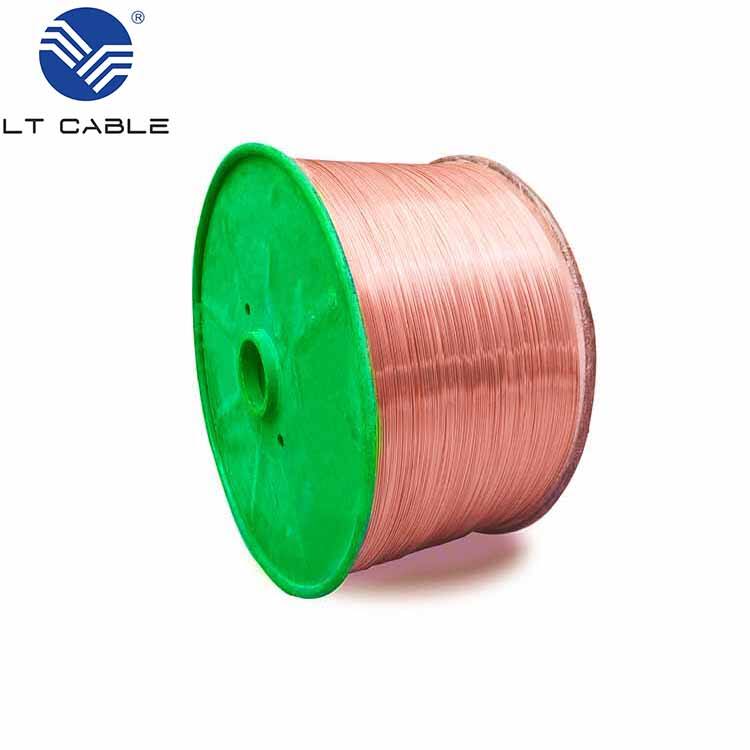
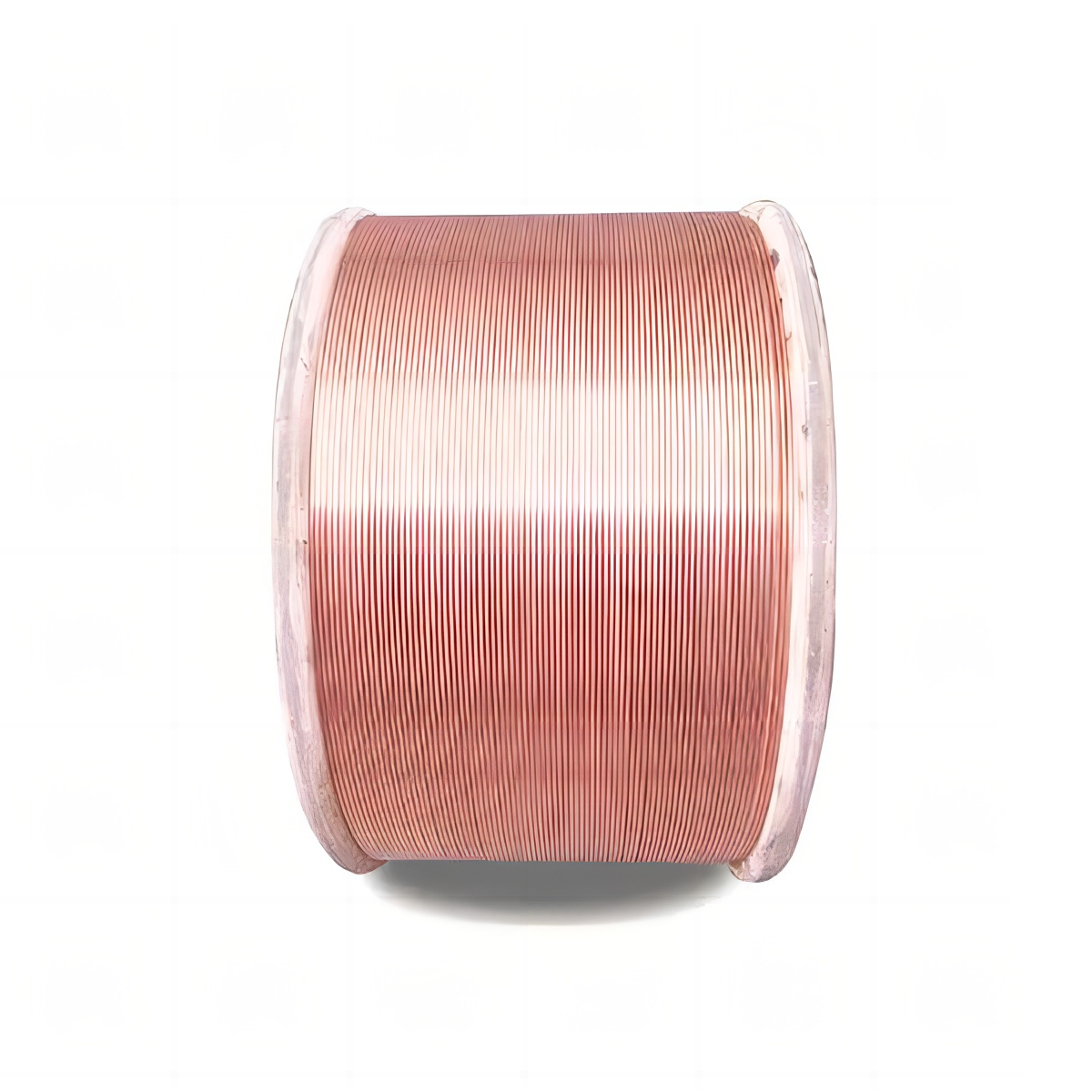
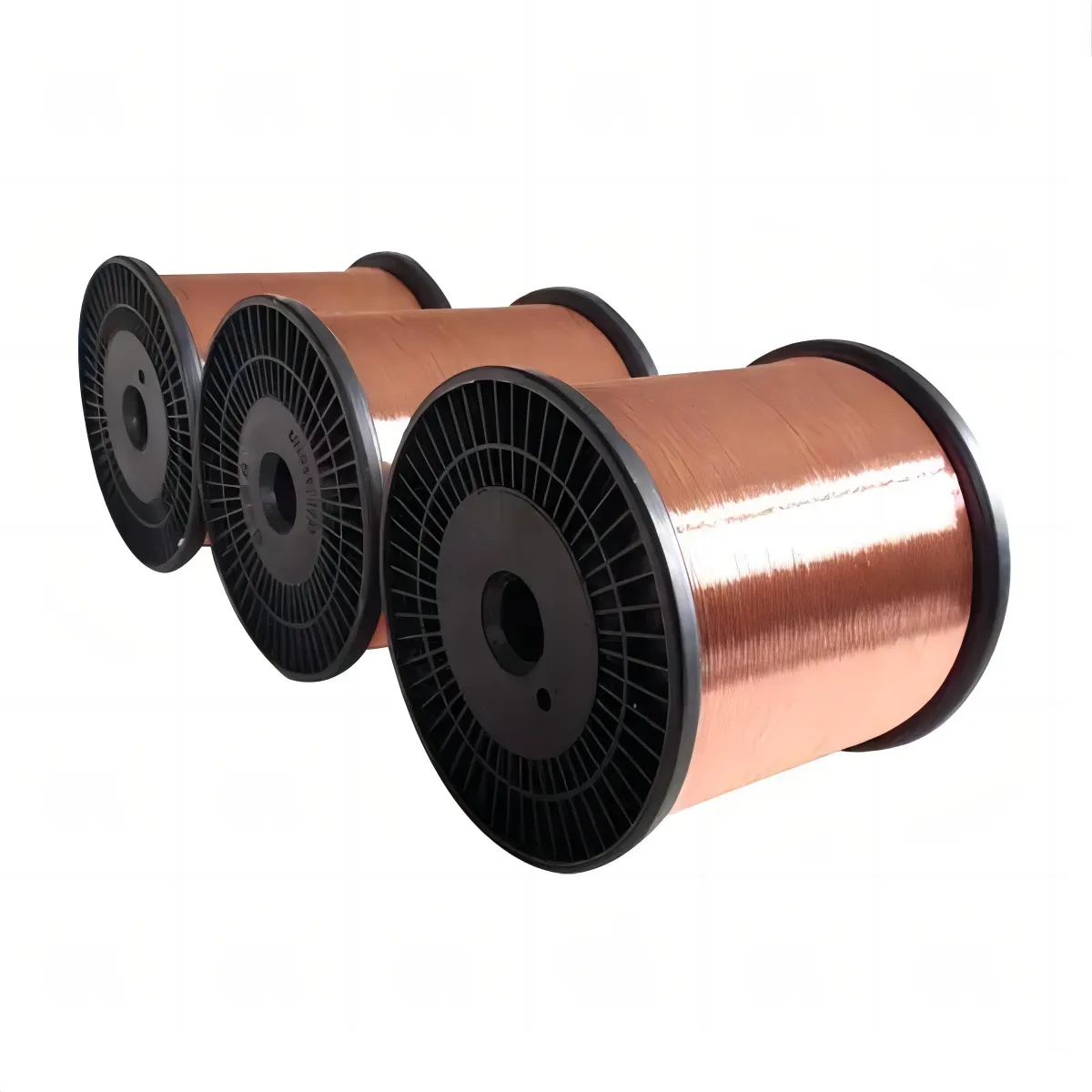
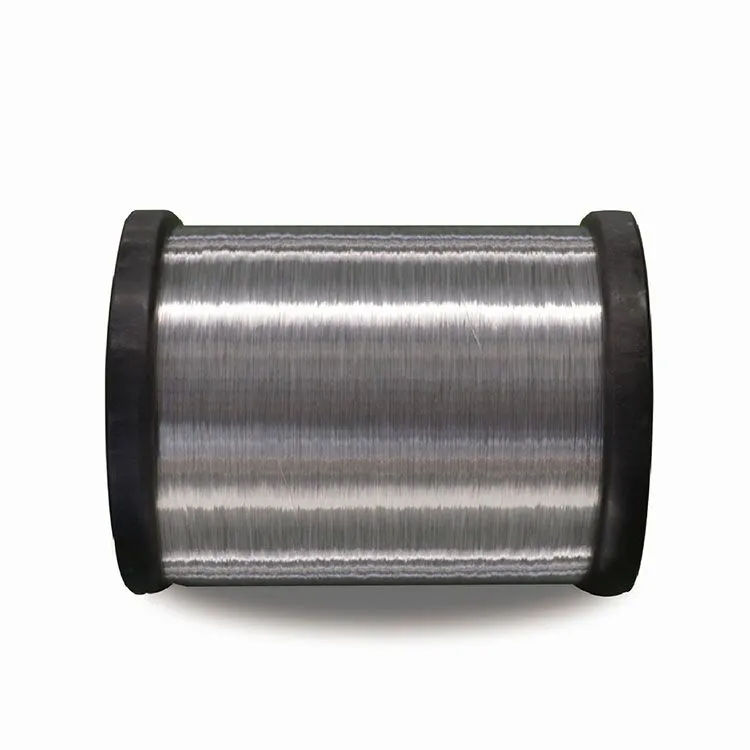
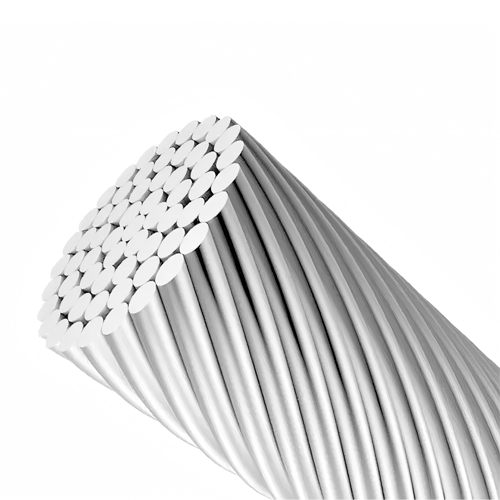
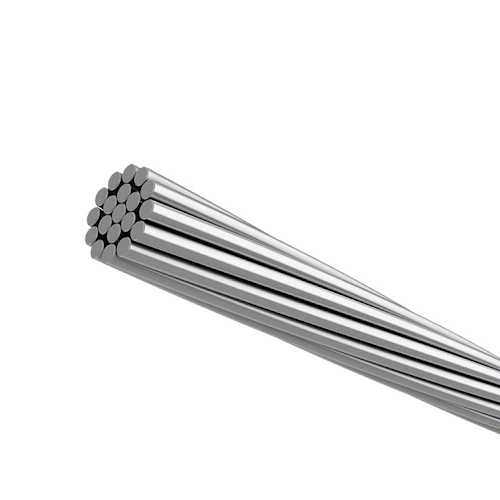
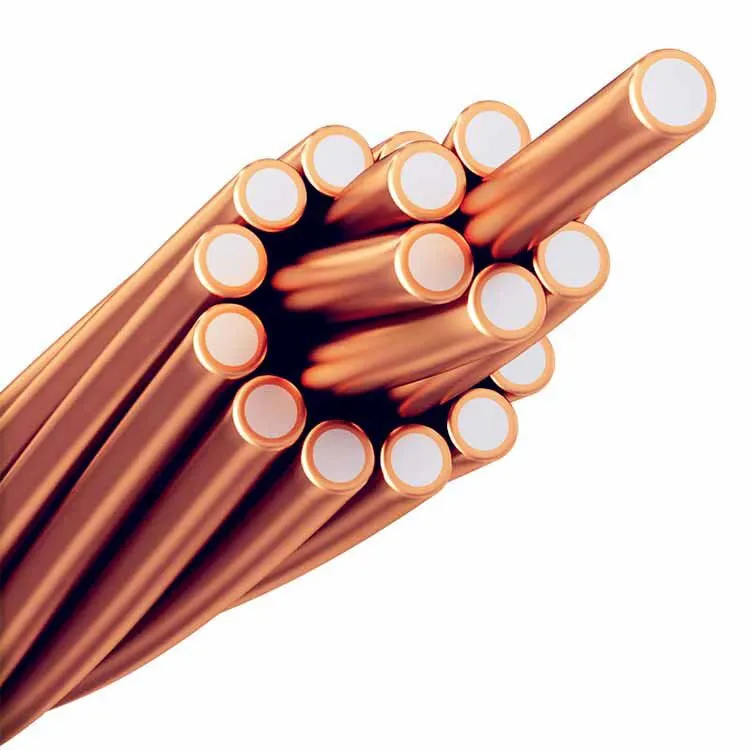
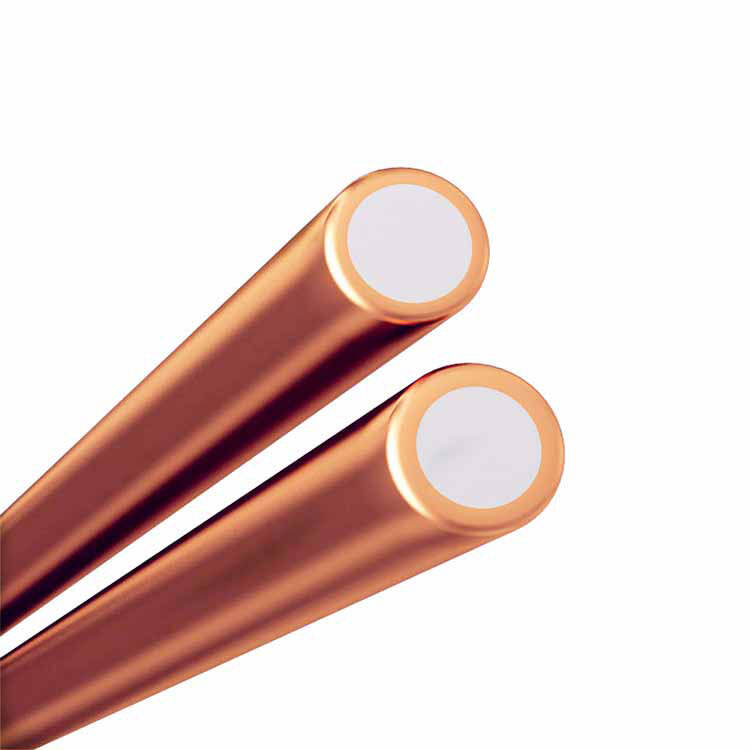
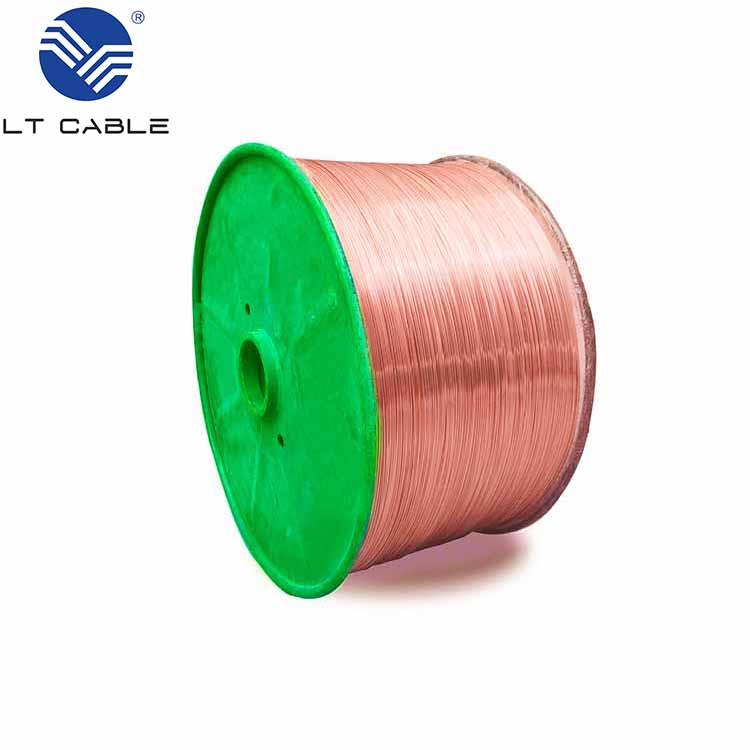
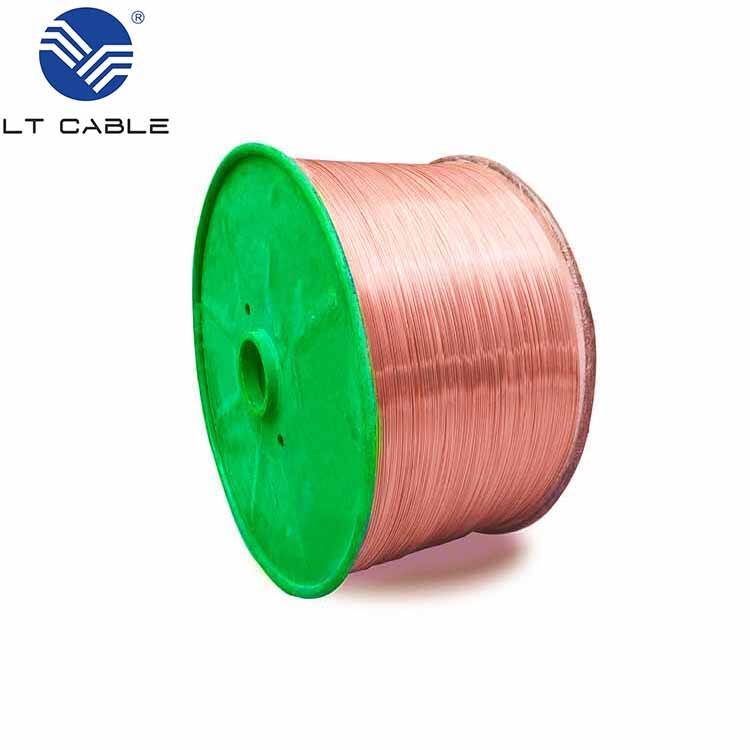
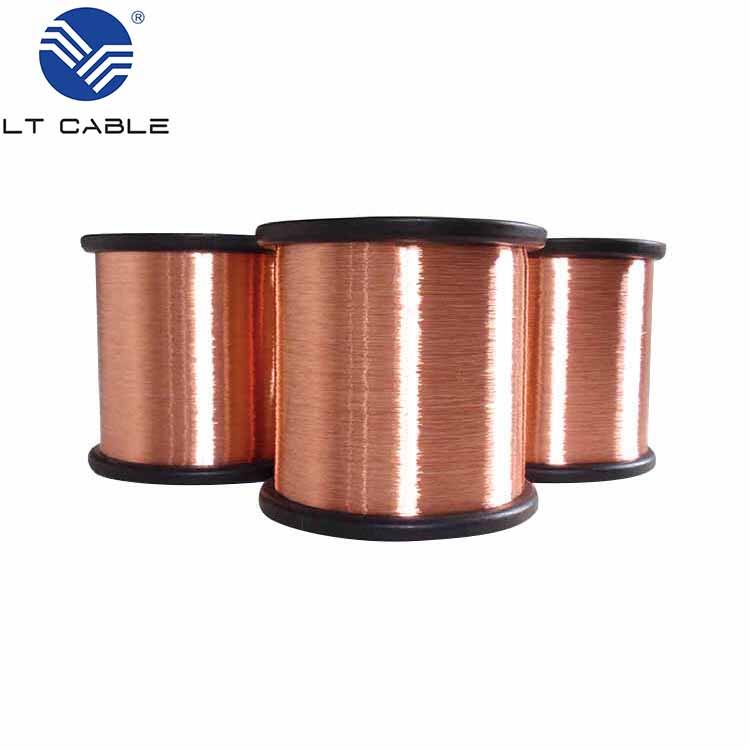
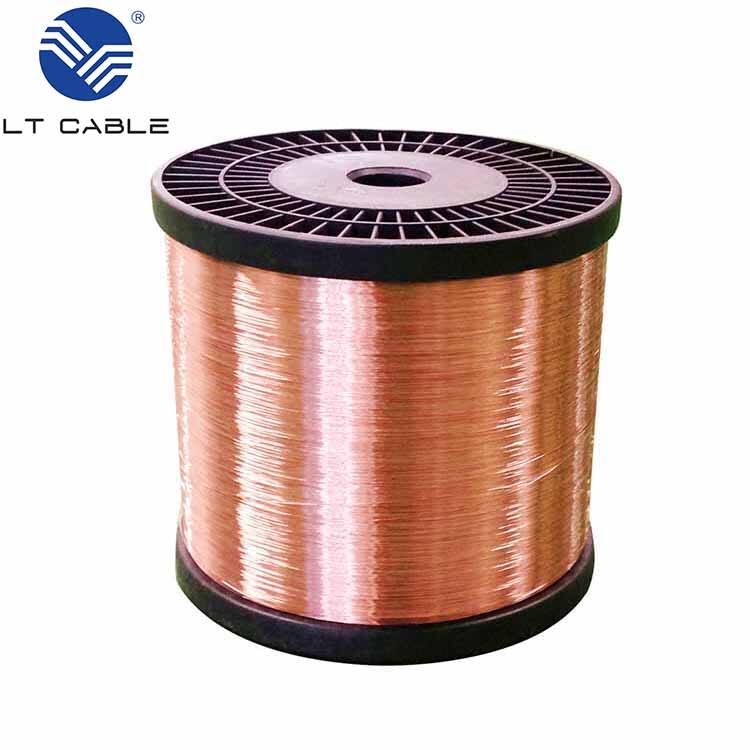
CCAM Twisted Cable: Superior Signal Integrity & Durability

Get a Free Quote

Our representative will contact you soon.
Name
Email
Mobile
Country/Region
Choose the product you want
Message
0/1000
 Elevate Your Connectivity with CCAM Twisted Cable

Elevate Your Connectivity with CCAM Twisted Cable

Our CCAM Twisted Cable offers unparalleled performance and reliability, ensuring optimal signal integrity for a variety of applications. With our fully automated production lines, we maintain strict quality control from raw material selection to the final product. This meticulous process guarantees that our cables provide superior electrical properties and enhanced durability, making them ideal for both residential and commercial use. The twisted design minimizes interference, allowing for a clearer and more stable connection, while our commitment to customization means we can tailor solutions to meet your specific needs. Choose CCAM Twisted Cable for a dependable and high-quality solution that enhances your connectivity.
Get A Quote

Case Studies

Transforming Communication Infrastructure with CCAM Twisted Cable

In a recent project, a telecommunications company sought to upgrade its infrastructure to improve data transmission speeds and reduce signal loss. By implementing our CCAM Twisted Cable, they achieved a remarkable 30% increase in data transfer rates compared to their previous setup. The twisted design effectively mitigated electromagnetic interference, resulting in clearer signals and reduced downtime. Our dedicated team worked closely with the client to ensure seamless integration, demonstrating the versatility and reliability of our product in real-world applications.

Enhancing Audio Quality in Professional Environments

A renowned audio production studio faced challenges with signal clarity and interference during recordings. After switching to our CCAM Twisted Cable, they reported a significant improvement in audio quality, with clearer sound reproduction and reduced background noise. The studio’s engineers appreciated the cable's robust construction and flexibility, allowing for easy installation and routing throughout their complex setup. This case highlights how our twisted cables can elevate audio performance in demanding environments.

Reliable Solutions for Industrial Automation

An industrial automation company required a robust cabling solution for their machinery that demanded consistent performance in harsh environments. By utilizing our CCAM Twisted Cable, they ensured uninterrupted connectivity, even in high-vibration settings. The cable's durable outer sheath protected against abrasions and environmental factors, while the twisted pair design minimized crosstalk and enhanced data integrity. This successful implementation underscores our commitment to providing tailored solutions that meet the rigorous demands of industrial applications.

Related products

The CCAM Twisted Cable from Litong Cable is built to last with top-of-the-line reliability and performance, and is made with the finest raw materials all the way from the beginning of the production process to the end. Wire are drawn, then put through an annealing process to improve conductivity and flexibility. Production lines are stretegically automated to guarantee perfection and uniformity for each cable produced. With the finest production process, we are also able to offer the greatest flexibility when serving individual consumers. Twisted cables are great at reducing textheless electromagnetic interference and improve the stabilization of both the quality and the transmission of the signals at Litong Cable. CCAM Twisted Cable is top of the line and a great example of Litong Cable's unwavering dedication to perfection.

Frequently Asked Questions about CCAM Twisted Cable

What are the key benefits of using CCAM Twisted Cable?

CCAM Twisted Cable offers numerous advantages, including superior signal integrity, reduced interference, and enhanced durability. The twisted design minimizes crosstalk and electromagnetic interference, making it ideal for high-performance applications in telecommunications, audio, and industrial settings. Additionally, our commitment to quality ensures reliable performance over time.
Yes, we offer a variety of customization options for our CCAM Twisted Cable. Our team works closely with clients to understand their unique requirements and develop tailored solutions that meet their specific needs, whether it's length, gauge, or additional protective features.

Related article

CCA Wire for Automotive Harness: Pros, Cons, and Standards

09

Feb

CCA Wire for Automotive Harness: Pros, Cons, and Standards

Why Automotive OEMs Are Adopting CCA Wire: Weight, Cost, and EV-Driven Demand

EV Architecture Pressures: How Lightweighting and System Cost Targets Accelerate CCA Wire Adoption

The electric vehicle industry has two big challenges on its plate right now - making cars lighter to boost battery range while keeping component costs down. Copper clad aluminum (CCA) wire helps tackle both issues at once. It cuts weight by around 40% compared to regular copper wire, yet still manages about 70% of copper's conductivity according to research from Canada's National Research Council last year. Why does this matter? Because EVs need roughly 1.5 to 2 times more wiring than traditional gasoline powered vehicles, particularly when it comes to those high voltage battery packs and fast charging infrastructure. The good news is aluminum costs less upfront, which means manufacturers can save money overall. These savings aren't just pocket change either; they free up resources for developing better battery chemistries and integrating advanced driver assistance systems. There's one catch though: thermal expansion properties differ between materials. Engineers have to pay close attention to how CCA behaves under heat changes, which is why proper termination techniques following SAE J1654 standards are so important in production environments.

Real-World Deployment Trends: Tier-1 Supplier Integration in High-Voltage Battery Harnesses (2022–2024)

More Tier 1 suppliers are turning to CCA wire for their high voltage battery harnesses on those 400V plus platforms. The reason? Localized weight reductions really boost pack level efficiency. Looking at validation data from about nine major electric vehicle platforms across North America and Europe between 2022 and 2024, we see most of the action happening in three main spots. First there's those inter cell busbar connections which account for roughly 58% of what's going on. Then comes the BMS sensor arrays and finally the DC/DC converter trunk cabling. All these setups meet ISO 6722-2 and LV 214 standards too, including those tough accelerated aging tests that prove they can last around 15 years. Sure, the crimp tools need some adjustments because of how CCA expands when heated, but manufacturers still find themselves saving approximately 18% per harness unit when switching from pure copper options.

Engineering Trade-offs of CCA Wire: Conductivity, Durability, and Termination Reliability

Electrical and Mechanical Performance vs. Pure Copper: Data on DC Resistance, Flex Life, and Thermal Cycling Stability

CCA conductors have about 55 to 60 percent more DC resistance compared to copper wires of the same gauge size. This makes them more prone to voltage drops in circuits carrying large currents such as those found in battery main feeds or BMS power rails. When it comes to mechanical properties, aluminum just isn't as flexible as copper. Standardized bend tests reveal that CCA wiring usually breaks down after around 500 flex cycles maximum, whereas copper can handle over 1,000 cycles before failing under similar conditions. Temperature fluctuations pose another problem too. The repeated heating and cooling experienced in automotive environments ranging from minus 40 degrees Celsius up to 125 degrees creates stress at the interface between copper and aluminum layers. According to testing standards like SAE USCAR-21, this kind of thermal cycling can boost electrical resistance by roughly 15 to 20 percent after just 200 cycles, which significantly impacts signal quality especially in areas subject to constant vibration.

Crimp and Solder Interface Challenges: Insights from SAE USCAR-21 and ISO/IEC 60352-2 Validation Testing

Getting termination integrity right remains a major challenge in CCA manufacturing. Tests according to SAE USCAR-21 standards have shown that aluminum tends to experience cold flow issues when subjected to crimp pressure. This problem leads to around 40% more pull-out failures if the compression force or die geometry isn't just right. The solder connections also struggle with oxidation at where copper meets aluminum. Looking at ISO/IEC 60352-2 humidity tests, we see mechanical strength drops by as much as 30% compared to regular copper solder joints. Top automotive manufacturers try to get around these problems by using nickel plated terminals and special inert gas soldering techniques. Still, nothing beats copper when it comes to lasting performance over time. Because of this, detailed micro section analysis and rigorous thermal shock testing are absolute musts for any component going into high vibration environments.

Standards Landscape for CCA Wire in Automotive Harnesses: Compliance, Gaps, and OEM Policies

Key Standards Alignment: UL 1072, ISO 6722-2, and VW 80300 Requirements for CCA Wire Qualification

For automotive grade CCA wire, meeting all sorts of overlapping standards is pretty much essential if we want safe, durable wiring that actually works properly. Take UL 1072 for instance. This one deals specifically with how well medium voltage cables resist fires. The test here requires CCA conductors to survive flame propagation tests at around 1500 volts. Then there's ISO 6722-2 which focuses on mechanical performance. We're talking about at least 5000 flex cycles before failure plus good abrasion resistance even when exposed to under hood temperatures reaching 150 degrees Celsius. Volkswagen throws another curveball with their VW 80300 standard. They demand exceptional corrosion resistance from high voltage battery harnesses, requiring them to withstand salt spray exposure for over 720 hours straight. All told, these various standards help confirm whether CCA can really work in electric vehicles where every gram counts. But manufacturers need to keep an eye on conductivity losses too. After all, most applications still require performance within 15% of what pure copper delivers as a baseline.

The OEM Divide: Why Some Automakers Restrict CCA Wire Despite IEC 60228 Class 5 Acceptance

While the IEC 60228 Class 5 standard does allow for conductors with higher resistance such as CCA, most original equipment manufacturers have drawn clear lines about where these materials can be used. Typically, they limit CCA to circuits that draw less than 20 amps and completely ban it from any system where safety is a concern. The reason behind this restriction? There are still reliability issues. Testing shows that aluminum connections tend to develop about 30 percent more contact resistance over time when subjected to temperature changes. And when it comes to vibrations, CCA crimp connections break down almost three times quicker than copper ones according to SAE USCAR-21 standards in those vehicle harnesses mounted on suspensions. These test results highlight some serious holes in current standards, especially regarding how these materials hold up against corrosion over years of service and under heavy loads. As a result, car makers base their decisions more on what actually happens in real world conditions rather than just ticking boxes on compliance paperwork.

View More
Having trouble choosing flexible cable for flexibility? Consider these points

27

Apr

Having trouble choosing flexible cable for flexibility? Consider these points

Conductor Type: Stranded vs. Solid Wire in Flexible Cables

Key Differences Between Solid Wire and Stranded Wire

Picking between solid and stranded wire for flexible cables depends on what the job actually needs. Solid wire has just one thick conductor inside, so it conducts electricity better but isn't really suited for places where things move around much since it gets bent easily. Stranded wire works differently though - made up of lots of tiny wires twisted together, this gives it way more flexibility. That makes all the difference when dealing with equipment that moves constantly back and forth. The stranded type holds up much better through repeated bending cycles without snapping apart. Meanwhile, solid wire still wins out in situations where distance matters less but electrical resistance needs to stay low, especially if the installation won't be touched once set up. And let's face it, those little strands make installation a whole lot simpler too, particularly when working with tricky corners or cramped areas where maneuvering regular wire would drive anyone crazy.

Why Flexible Stranded Wire Dominates High-Mobility Applications

When it comes to applications needing lots of movement, flexible stranded wire tends to be what most engineers reach for. The way these wires are built actually reduces strain when they bend, something really important in places like robot arms or car manufacturing lines where cables get moved around all day long. Stranded wire stands up better to pulling forces and repeated bending compared to regular solid wire, so it keeps working properly even after being flexed thousands of times. According to industry data, somewhere around 70% of today's robots rely on this type of wiring because it lasts longer and means fewer repairs down the road. That explains why so many manufacturers keep coming back to flexible stranded solutions whenever their equipment needs to move freely without breaking down.

Enameled Wire: A Specialized Conductor for Unique Demands

Enameled wire represents a special category of conductor material primarily found in niche applications across various industries. These wires are built specifically for those tight motor windings where space matters most. What sets them apart is their ultra-thin insulation coating which lets multiple conductors pack together closely without shorting out. The material stands up well against heat exposure too, so they work great in environments where temperatures run hot. According to recent industry reports, there's been growing interest in these wires for electronic components lately, especially as manufacturers push toward smaller form factors without losing any power efficiency. Electrical engineers working on tough design problems tend to gravitate toward enameled wire solutions because they can create complicated circuits that still perform reliably under stress conditions.

Bend Radius and Flexibility Requirements

Calculating Minimum Bend Radius Using Stranded Wire Size Charts

Knowing how to figure out the minimum bend radius when working with stranded wire matters a lot if we want to avoid damage both during installation and later on when it's actually running. Wire size charts come in handy here, giving concrete numbers based on what gauge wire we're dealing with so everything stays within standard requirements. These charts are pretty important really, they tell us exactly what bend radius works best for each wire size, which stops things from getting stressed mechanically and keeps things performing well over time. Some research points to the fact that getting the bend radius wrong often causes big drops in performance, so taking the time to do these calculations right and following the rules makes all the difference in the long run.

How Conductor Configuration Affects Cable Flexibility

How conductors are set up makes all the difference when it comes to how flexible and useful a cable will be across different jobs. Solid versus stranded wires affect performance in completely different ways depending on what they're used for. Take robotics work for instance - most engineers go with multiple strands because they bend better without breaking down. But if something needs to stay put like wiring behind walls or equipment frames, solid core wires make more sense since they hold shape better. Looking deeper into this stuff shows why some designs last longer than others. When manufacturers arrange conductors so there's less rubbing between them inside the insulation, cables just tend to survive longer in service. These small design choices actually matter a lot in practice, keeping operations running smoothly while cutting down on replacement costs from premature failures caused by constant flexing.

Case Study: Bend Radius in Robotics vs. Automotive Applications

Looking at what bend radius means for robotics versus automotive work shows just how different their needs really are when it comes to flexibility. For robots, getting away with smaller bends matters a lot, particularly where space is limited and components need to fit into tight spots without breaking down. On the flip side, cars generally need those bigger, smoother curves because they move differently through their environments. Studies show following these bend radius rules isn't just some minor technical thing either it actually makes a big difference in how long cables last before needing replacement across both fields. The bottom line? Custom made cables tailored specifically for each industry's unique demands tend to perform much better over time than one size fits all approaches.

Electrical Performance Specifications

Voltage Ratings: Matching Cable Capacity to System Needs

Getting the right voltage rating on cables matters a lot for keeping systems running properly and protecting people who work around them. When the cable matches what the system needs, it stops things from getting too hot and cuts down on those annoying electrical problems that nobody wants. According to what we see in the field, most cable issues actually come from using the wrong voltage rating. That's why following the standard guidelines isn't just good practice but necessary. Companies that take time to install cables rated specifically for their voltage requirements tend to spend less money fixing stuff later on and generally have fewer headaches maintaining their equipment over time.

Conductor Gauge Selection Using Stranded Wire Standards

Picking the right conductor size really matters when it comes to how much current a wire can handle and how efficient the whole system will be. Stranded wire specs give important info about making sure everything fits together properly in different situations, so connectors actually connect and equipment works without problems. Going by standards such as AWG makes life easier because it finds that sweet spot between getting things done efficiently and keeping everyone safe, which means selecting the exact gauge needed for whatever job the electricity has to do. Taking this kind of careful approach pays off in better performance while protecting gear from getting worn out over time.

Multi-Conductor Configurations for Complex Systems

When dealing with complex systems, multi conductor setups really make a difference in how things work by combining several wires into one single cable. This kind of setup makes the whole wiring process much easier on technicians and cuts down installation time considerably, all while still meeting those tough performance standards most industries require. Looking at actual field reports from various sectors shows that these bundled wire arrangements tend to boost system reliability quite a bit and also help cut down on electromagnetic interference problems that can plague other setups. From an engineering standpoint, what we see here is basically a solid way to handle complicated systems without constant breakdowns, which means better connections across the board and fewer headaches for maintenance crews trying to keep everything running smoothly day after day.

Environmental Durability Factors

Weather Resistance: UV-Stable Jackets for Outdoor Use

Cables left outside need proper protection from the sun's rays. Choosing jackets that resist UV damage makes all the difference in how long they last before breaking down. Prolonged sunlight actually weakens cable materials over time, which means shorter lifespans and worse performance unless something is done about it. According to some research in the field, cables with good UV resistance tend to last around 30% longer when installed outdoors, showing just how critical weatherproofing really is for keeping things working right. Getting this right helps protect outdoor wiring setups from wearing out too quickly, saving money and hassle down the road.

Chemical and Abrasion Resistance in Industrial Settings

Cables used in industrial settings face constant threats from aggressive chemicals and mechanical wear, which means they need strong protection. For better longevity, manufacturers turn to materials designed specifically to stand up against these hazards. Specialized plastics like certain types of PVC and those TPUs we all know about work really well in this regard. Some studies have shown that when industries invest in cables rated correctly for their environment, they cut down on failure rates by around half in areas with heavy chemical contact. From what I've seen on factory floors across different sectors, it's absolutely critical to pick cables that handle both chemical attacks and physical stress if we want them to keep performing reliably under tough conditions day after day.

Temperature Tolerance Ranges for Different Materials

When picking out cable materials, temperature tolerance should be a top consideration if we want reliable performance in different environments. Silicone and rubber stand out because they handle temperature changes really well compared to regular PVC which tends to break down when things get too hot or cold. Some tests show that these better quality cables work properly even when temperatures swing between minus 50 degrees Celsius all the way up to 200 degrees. For anyone working in situations where heat resistance matters, going with cables built for those harsh conditions makes sense. This choice helps keep systems running smoothly without unexpected failures down the road.

Shielding and Jacket Material Options

Braided vs. Foil Shielding: Flexibility Tradeoffs

Getting familiar with how braided versus foil shielding works makes a real difference when trying to get the most out of flexible cables. Braided options tend to flex really well, so they work great in situations where cables need to move around a lot or bend frequently. The downside? They take up more space than their foil counterparts. Foil shielding takes up far less room, making it perfect for tight spots where saving even a few millimeters matters. But there's always something given up in return – foil just doesn't handle repeated bending as gracefully as braided does. When picking between these two options, engineers typically look at what the actual job requires. If space is limited but movement isn't too intense, foil might win out. For applications involving constant motion though, going with braided usually pays off despite the extra bulk.

PVC vs. TPU Jackets: Balancing Flexibility and Protection

Choosing between PVC and TPU cable jackets really comes down to what matters most for any given situation. The flexibility factor versus how much protection from the elements is actually needed plays a big role here. PVC jackets tend to hold up pretty well across many different scenarios, which is why they're still so widely used today. But when looking at TPU options, these materials beat out PVC hands down when it comes to resisting scratches and handling temperature changes. Some real world testing showed that TPU cables experienced about 40 percent fewer wear problems compared to their PVC counterparts in tough industrial settings. If cables need to survive rough treatment or extreme weather conditions over time, going with TPU makes sense despite the higher initial cost.

Hybrid Designs: Combining Materials for Optimal Performance

Manufacturers are turning more often to hybrid designs that mix different materials because they need to handle all sorts of real world conditions. Many companies combine TPU which protects against wear and tear with PVC that keeps costs down, trying to get better durability without breaking the bank. According to some studies in the field, these mixed material approaches actually boost how well cables perform while cutting back on what it costs to make them. The combination works pretty well for most applications too. Companies get their performance requirements met and still save money compared to using just one expensive material throughout. For anyone dealing with cable design problems, this kind of material blending has become almost standard practice now.

Application-Specific Movement Demands

Continuous Flex vs. Occasional Bending: Cable Construction Differences

Knowing when to pick continuous flex cables versus ones meant for occasional bending makes all the difference in getting the job done right. Continuous flex cables are built specifically to take the punishment of repeated motion, so they work great in situations where there's constant back and forth movement happening. These cables usually have special construction with lots of tiny wires twisted together instead of solid conductors, which lets them bend thousands of times without breaking down. The occasional bending cables aren't made to handle that kind of wear and tear though. They're better suited for static installations or places where movement happens rarely. Getting this wrong can lead to headaches later on. We've seen shops waste money replacing cables every few months because they used the wrong type. Taking time to match cable specs with actual usage conditions pays off big time in both reduced downtime and lower long term costs.

Torsion-Resistant Designs for Rotating Machinery

When working with rotating machinery, torsion resistant cables really matter. The main reason? They handle those twisting forces that otherwise cause internal damage and electrical problems down the line. What makes these cables special is their built in protection against wear and tear, so they keep performing well even when things get rough during operation. Looking at actual performance data shows something interesting too these specialized cables tend to last much longer than regular cables do. That's why many industrial settings opt for them despite higher upfront costs since they save money over time through reduced replacements and maintenance headaches.

Energy Chain Compatibility and Dynamic Load Considerations

For automated production lines, getting the right cables to work with energy chains makes all the difference when it comes to moving machine parts efficiently. These special cables need to handle constant motion and changing loads without breaking down or losing their shape over time. Manufacturers have been making real progress lately with better materials too. Think about things like enhanced enamel coatings on wires and more pliable stranded conductors that bend easier without cracking. All these improvements mean energy chains function better day after day, even under tough industrial conditions where downtime costs money. Factories relying on continuous operation really benefit from these upgrades.

View More
What should you note when using twisted wire for high - frequency applications?

26

May

What should you note when using twisted wire for high - frequency applications?

Understanding Twisted Wire in High-Frequency Applications

How Twisted Pair Geometry Reduces EMI

The design of twisted wire pairs aims at cutting down on electromagnetic interference or EMI, something that really becomes a problem when dealing with signals at higher frequencies. When these wires get twisted together, they actually help cancel out those pesky voltages coming from outside sources, giving us a much better and more dependable signal quality. This method plays a big role in fighting against crosstalk issues, which happen when signals interfere with each other across neighboring wires. Research shows that using this twisted pair arrangement can cut down crosstalk problems by around 95 percent, making communications work much better overall for most applications.

The Role of Enameled Wire in Signal Integrity

In high frequency applications, enameled wire helps keep signals clean thanks to those great insulation properties we all know and love. The enamel layer does double duty by cutting down on short circuits while protecting against things like moisture and temperature swings that would otherwise mess with performance. According to several industry studies from the last few years, switching to enameled options actually makes twisted wire setups last longer before they start failing. For anyone working with equipment that needs reliable operation day after day, this kind of durability matters a lot. Twisted wires wrapped in proper enamel coatings tend to handle those tough high frequency demands much better than standard alternatives, though there are always exceptions depending on specific application requirements.

Key Factors Affecting High-Frequency Performance

Wire Geometry and Twist Rate Optimization

Getting the right wire shape and twist just right makes all the difference when it comes to cutting down on impedance issues in those high frequency setups. When engineers tweak the actual shape of the wires and play around with how tightly they're twisted together, the whole system sends signals much better. Think about places where there's tons of electromagnetic noise floating around everywhere - getting that twist rate spot on really helps cut through the clutter and keeps things running smoothly. Most manufacturers follow established guidelines for wire shapes these days because we've learned what works best over time. These specs aren't just random numbers; they actually match up with what today's communication systems need to function properly without constant headaches from poor signal quality.

Material Choices: CCA Wire vs Pure Copper

The decision between Copper Clad Aluminum (CCA) wire versus straight copper makes a real difference when it comes to how well electricity flows through them and what they cost. CCA wires are much lighter than regular copper ones, which works great for situations where weight matters a lot, like in some electronic devices or installations. But there's a trade off here too. These hybrid wires don't perform quite as good as pure copper does, particularly when dealing with those fast signal frequencies we see in modern electronics. Most engineers still go with pure copper though because research keeps pointing out that copper conducts electricity better and lasts longer without issues, especially important stuff like power transmission lines or anything needing stable operation day after day.

Stranded Wire vs Solid Wire for Flexibility

Stranded wire tends to be the go to choice when flexibility matters most because it bends easily and moves around without breaking. We see this kind of wire working well in places where things need to move around a lot during installation or operation. Solid wire tells a different story though. While it conducts electricity much better across long runs, it just doesn't bend as nicely which makes it problematic in cramped areas or anywhere movement is required. When looking at what works best for any given project, stranded options generally win out when versatility counts, especially in commercial installations where managing limited space becomes a real challenge for electricians and engineers alike.

Challenges in High-Frequency Circuit Design

Managing Skin Effect with Stranded Configurations

The skin effect happens when electrical current tends to stick mainly to the outer layer of conductors rather than flowing throughout. This becomes a problem especially at higher frequencies because it messes with signal quality over time. Engineers often turn to stranded wire setups as a solution. Stranded wires create several paths for electricity to travel through, cutting down on those pesky resistive losses caused by the skin effect. When working on high frequency stuff, most professionals will tell you they spend quite a bit of time looking closely at what frequency ranges are involved before tackling skin effect issues head on. Knowing exactly what kind of circuit we're dealing with helps designers come up with smarter ways to route current, which ultimately means cleaner signals across the board.

Impedance Matching with Copper Clad Aluminum Wire

Getting the right impedance match matters a lot for reducing unwanted reflections and cutting down on signal loss in those high frequency circuits we work with all the time, particularly when dealing with copper clad aluminum (CCA) wire. When everything lines up properly in terms of impedance between different parts of the circuit, signals actually get transmitted better without getting messed up along the way. The benefits are pretty clear too - circuits run smoother overall while maintaining stronger, clearer signals throughout their operation. Real world testing has shown again and again that when someone takes the time to focus specifically on matching impedances with CCA wiring, they tend to see much better results no matter what application they're working on. Engineers need to remember this stuff though because picking materials like CCA isn't just about cost savings anymore. Understanding how these materials interact with our circuit designs makes all the difference in achieving top notch performance at high frequencies.

Best Practices for Implementation

Proper Shielding Techniques for Twisted Pairs

Good shielding methods matter a lot when working with twisted wire pairs because they stop electromagnetic interference (EMI) from messing up the signals running through them. Most people find that using either foil or braided shields works best since these materials block outside noise pretty well without making the wires too stiff to handle. Studies have shown that when engineers get shielding right, twisted pairs perform much better at higher frequencies. This means cleaner data transmission and less annoying cross talk between different signals. Companies implementing proper shielding see real benefits beyond just clearer signals too. The components last longer overall, which makes sense economically speaking. Tech industries relying heavily on stable connections especially appreciate this protection against all sorts of environmental disruptions that can plague sensitive equipment over time.

Testing Protocols for High-Frequency Environments

Testing protocols need to be thorough if we want reliable high frequency circuits working properly in different conditions. When companies set up standard testing procedures, they catch problems before they become major headaches. This not only keeps things compliant with what the industry requires but also makes electronics last longer without breaking down. Most engineers will tell anyone who asks that continuous testing matters a lot, particularly for those super fast data transfer systems where even small glitches matter. Circuit designers should check their protocols regularly and update them as tech evolves. Otherwise, their creations might fall behind in industries moving at lightning speed like telecom networks and information technology departments.

View More
What Is CCA Wire? Composition, Benefits, and Common Uses

25

Dec

What Is CCA Wire? Composition, Benefits, and Common Uses

CCA Wire Composition: Aluminum Core with Copper Cladding

example

Copper-Clad Aluminum Structure and the 10% Copper Volume Ratio

CCA wire has an aluminum core wrapped in a continuous copper coating, and copper makes up around 10% of the whole thing. The way these materials work together gives us something special. Aluminum is much lighter than copper, so CCA wires can be about 40% lighter than regular copper ones. At the same time, we get all the good stuff from copper too. Copper has great surface conductivity at 100% IACS which helps signals travel efficiently through the wire. Now here's where it gets interesting. While aluminum itself isn't as conductive as copper (only about 61% IACS), the copper layer is really thin, usually between 0.1 and 0.3 mm thick. This thin copper covering creates a path with very little resistance exactly where the high frequency currents need it most because of what's called the skin effect.

Electroplating vs. Rolling Bonding: Manufacturing Methods Compared

CCA wire is produced primarily through two metallurgical processes:

  • Electroplating, which deposits copper onto aluminum via electric current in a copper-ion bath, yields uniform cladding ideal for complex or fine-gauge geometries;
  • Rolling bonding, which applies high pressure and heat to fuse copper foil to aluminum cores, produces stronger, more durable interfacial bonds—up to 20% higher bond strength than electroplated variants, according to peer-reviewed metallurgical studies.

Rolling-bonded CCA is preferred for demanding applications like automotive harnesses and aerospace wiring, where mechanical integrity under vibration or thermal cycling is critical.

Skin Effect Physics: Why CCA Performs Well in High-Frequency Applications

The skin effect basically describes how AC currents tend to bunch up near the surface of conductors, which is why CCA performs so well in RF and broadband applications. When we look at signals above 50 kHz, most of the actual current (over 85%) stays within just 0.2 mm from the outside of the wire. Since this outer layer is made of pure copper, CCA wires can deliver electrical characteristics almost exactly like regular solid copper cables used in coaxial systems, CATV installations, and short distance data transmission lines. But here's where it gets interesting for manufacturers: these cables still offer around 40% savings on materials costs compared to traditional copper solutions, plus they're much lighter too. That makes them particularly attractive for applications where weight matters but performance cannot be compromised.

Why Choose CCA Wire? Cost, Weight, and Performance Advantages

CCA wire delivers a strategic balance of economic and functional benefits across three critical dimensions:

  • Cost Efficiency: By substituting 90% aluminum for copper, CCA reduces raw material costs by roughly 40% versus solid copper equivalents—making it especially valuable for large-scale infrastructure projects like telecommunications backbone cabling and residential low-voltage deployments.
  • Weight Reduction: With aluminum’s density just 30% that of copper, CCA wire weighs up to 40% less. This simplifies handling, lowers shipping and installation labor costs, and meets stringent mass requirements in automotive, aerospace, and portable electronics applications.
  • Optimized Performance: Thanks to the skin effect, the copper cladding carries virtually all high-frequency current in RF and broadband applications. As a result, CCA matches solid copper’s signal integrity in coaxial and short-run Ethernet systems—without sacrificing the cost and weight advantages of aluminum.

Top Industry Applications of CCA Wire

Telecommunications & CATV: Dominant Use in Coaxial and Drop Cables

CCA wire has become pretty much standard stuff for coaxial cables and drop lines across today's CATV systems, broadband networks, and even 5G infrastructure setups. The main reason? Those aluminum cores inside cut down on overall cable weight somewhere around 40% which makes installing them overhead much easier and takes pressure off utility poles. Copper cladding does something pretty cool too - it helps maintain good high frequency transmission because of how signals tend to stick to the outer layers (that's called the skin effect if we get technical). Plus, these cables work great with all the old F-connectors and amplifier gear already out there. Most residential drop cables running from street poles to houses use CCA wiring nowadays since it offers decent value for money while still holding up over time and delivering clear signals. Just need to make sure folks follow those industry guidelines about signal loss limits when putting them in place though.

Residential and Low-Voltage Systems: Speaker, Alarm, and Short-Run Ethernet Wiring

CCA works well in homes and other low voltage situations where circuits don't need maximum power. Most people see it in speaker wires since they don't require great conductivity, plus security systems that run on minimal electricity. When running Ethernet cables shorter than 50 meters, CCA can handle regular internet speeds found in Cat5e or Cat6 cables throughout most households and small offices. But watch out for Power over Ethernet setups because CCA just doesn't cut it there. The increased resistance causes bigger voltage drops and overheating problems. Another plus point? The outer layer resists corrosion better than pure copper, so these cables last longer in damp areas such as basements or underfloor spaces. Electricians should know that according to NEC regulations, CCA isn't allowed for main electrical wiring. They need to stick with proper materials for standard 120/240 volt circuits since aluminum expands differently when heated, which creates issues with connections over time.

Critical Limitations and Safety Considerations for CCA Wire

NEC Restrictions and Fire Safety Risks in Branch-Circuit Installations

According to the National Electrical Code (NEC), CCA wire is not allowed for branch circuit wiring which includes things like residential outlets, lighting systems, and appliance circuits because there are documented fire hazards associated with it. The problem comes down to aluminum having much higher electrical resistance compared to copper about 55 to 60 percent more actually. This causes significant heat buildup when electricity flows through especially at connection points. When we look at aluminum's properties, it melts at a lower temperature than copper and expands differently too. These characteristics lead to problems like loose connections over time, sparking, and damaged insulation. Because of all these issues, CCA wires fail to meet the UL/TIA fire safety requirements needed for wiring inside walls. Things get even worse in Power over Ethernet setups where continuous current flow adds extra strain on the system. Before anyone goes ahead with CCA installation, they should double check what their local building codes say and specifically review NEC Article 310.10(H) regarding conductor materials.

FAQ: CCA Wire

What is CCA wire?

CCA wire is a type of electrical wire featuring an aluminum core coated with a copper layer, combining benefits such as lighter weight and cost efficiency.

Why is CCA wire not used in branch-circuit installations?

The National Electrical Code restricts CCA wire for branch-circuit installations due to safety risks like fire hazards and loose connections associated with its higher electrical resistance.

Can CCA wire be used in high-frequency applications?

Yes, due to the skin effect, CCA wire efficiently handles high-frequency currents, making it suitable for RF and broadband applications.

What are the main applications of CCA wire?

CCA wire is mainly used in telecommunications, CATV systems, residential speaker and alarm wiring, and short-run Ethernet applications.

View More

Client Testimonials on CCAM Twisted Cable

John Smith
Exceptional Performance for Our Telecom Needs

We switched to Litong's CCAM Twisted Cable for our telecom infrastructure, and the difference is remarkable. The signal clarity is unmatched, and our data transfer rates have significantly improved. Highly recommend!

Sarah Johnson
Game Changer for Our Audio Studio

The CCAM Twisted Cable transformed our audio recordings. We've noticed a drastic reduction in interference, and the sound quality is phenomenal. Litong Cable has set a new standard for us!

Get a Free Quote

Our representative will contact you soon.
Email
Name
Company Name
Message
0/1000
Superior Signal Integrity

Superior Signal Integrity

The twisted design of our CCAM Twisted Cable significantly reduces crosstalk and electromagnetic interference. This ensures a stable and clear signal, making it an optimal choice for high-performance applications. Whether in telecommunications or audio production, our cables deliver consistent performance, allowing users to rely on their connectivity without interruptions. The engineering behind the twisting process is designed to enhance the cable's electrical properties, ensuring that even in challenging environments, the integrity of the signal is maintained.
Robust and Durable Construction

Robust and Durable Construction

Our CCAM Twisted Cable is built to withstand harsh conditions. With a durable outer sheath, the cable is resistant to abrasions and environmental factors, making it suitable for industrial applications. The robust construction not only protects the internal wiring but also enhances the cable's lifespan, ensuring long-term reliability. This durability is essential for industries where equipment is subjected to vibrations and physical stress, providing peace of mind to our clients that their investment is secure.
  • Product Consultation & Selection

    Product Consultation & Selection

    Tailored advice, perfect fit solutions.

  • Production & Supply Chain

    Production & Supply Chain

    Efficient manufacturing, seamless supply.

  • Quality Assurance & Certification

    Quality Assurance & Certification

    Rigorous testing, global certifications.

  • Post-Sales Support & Tech Help

    Post-Sales Support & Tech Help

    Prompt assistance, ongoing support.

Get a Free Quote

Our representative will contact you soon.
Name
Email
Mobile
Country/Region
Title
Message
0/1000