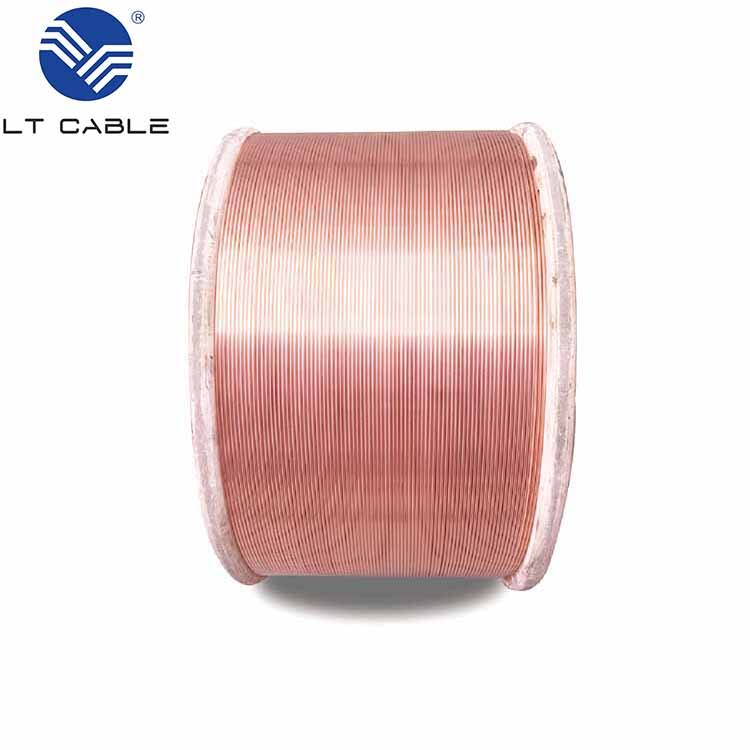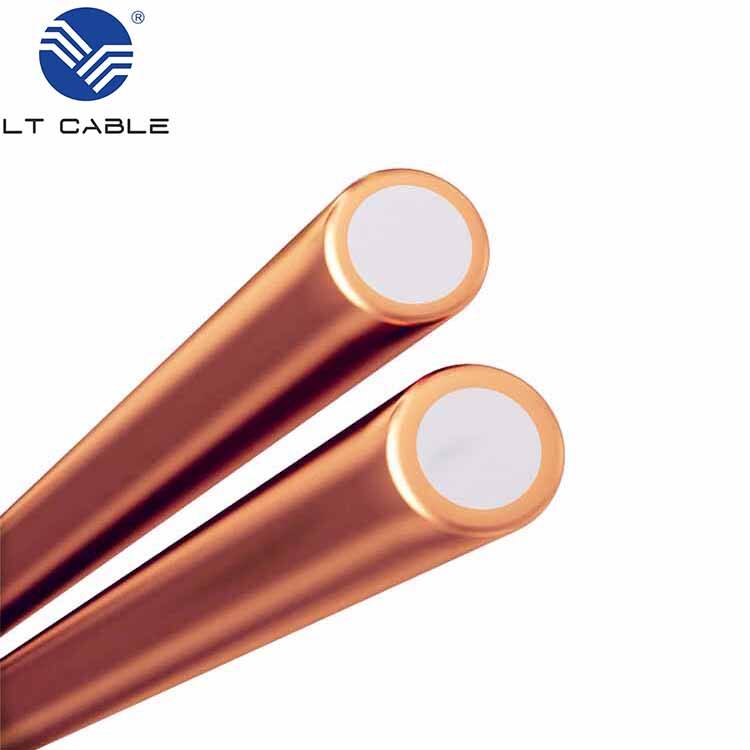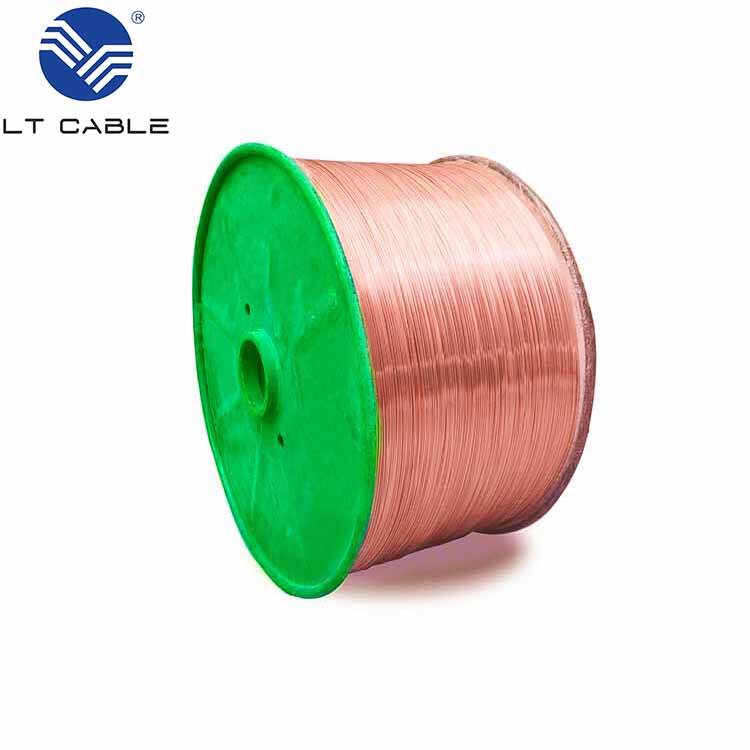
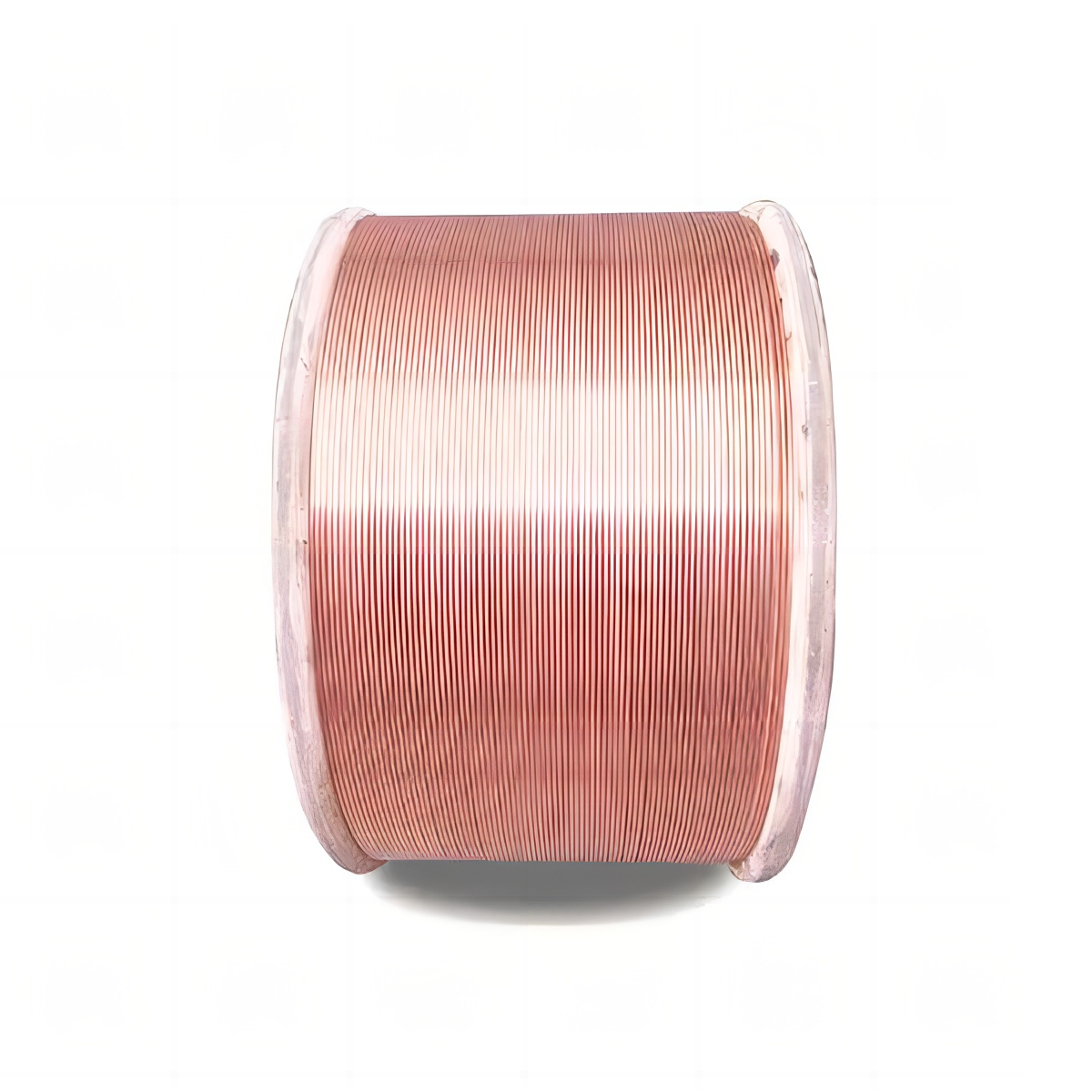
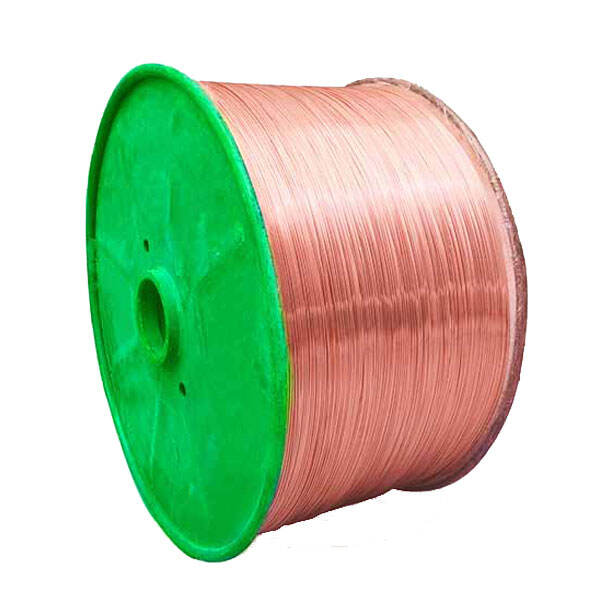
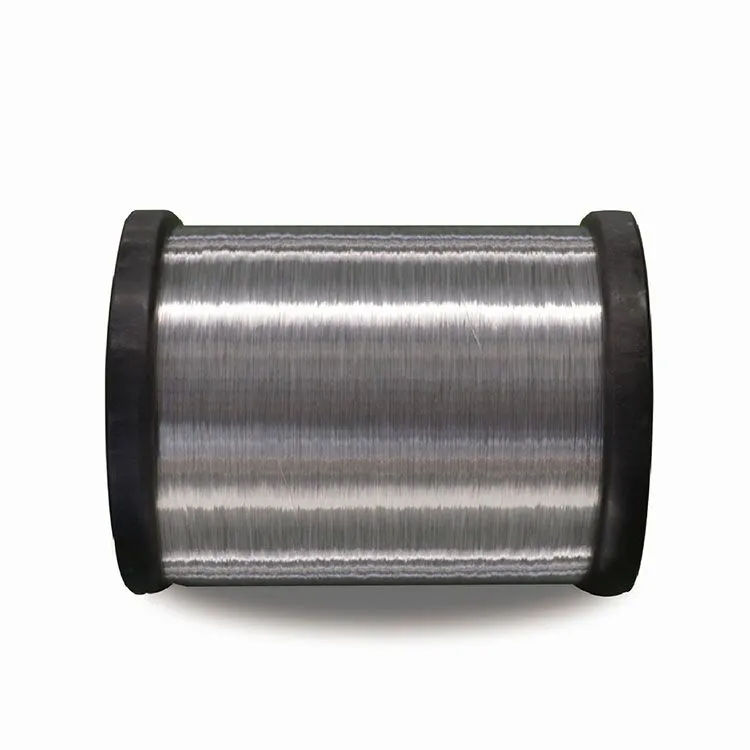
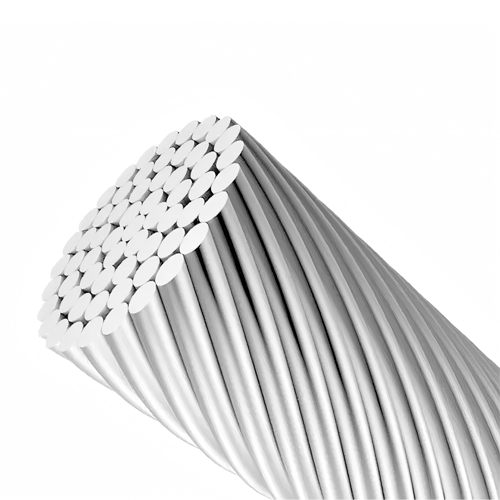
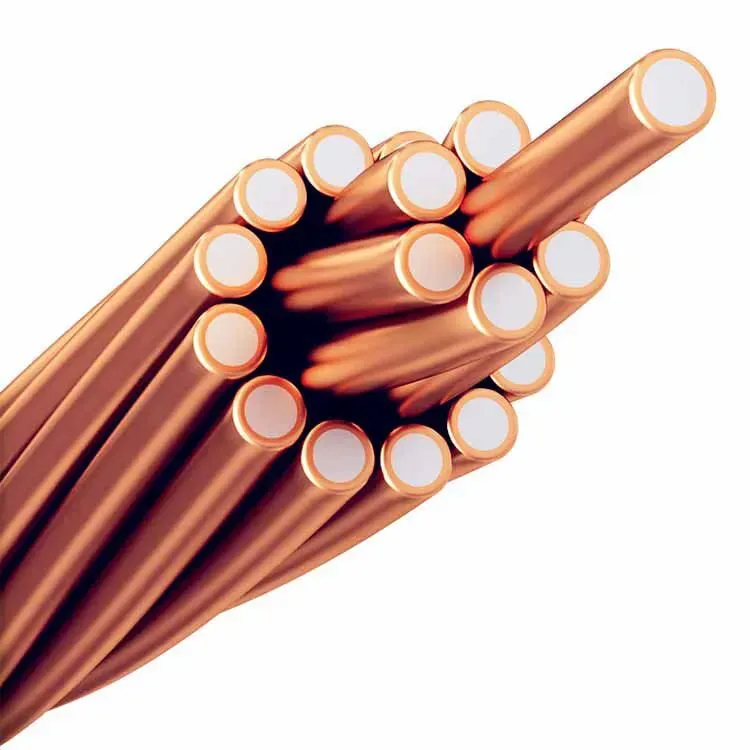
Coaxial Communication CCS Wire: High-Strength, Low-Loss Signal Transmission

Get a Free Quote

Our representative will contact you soon.
Name
Email
Mobile
Country/Region
Choose the product you want
Message
0/1000
Coaxial Communication Copper Clad Steel Wire: The Ideal Solution for High-Performance Connectivity

Coaxial Communication Copper Clad Steel Wire: The Ideal Solution for High-Performance Connectivity

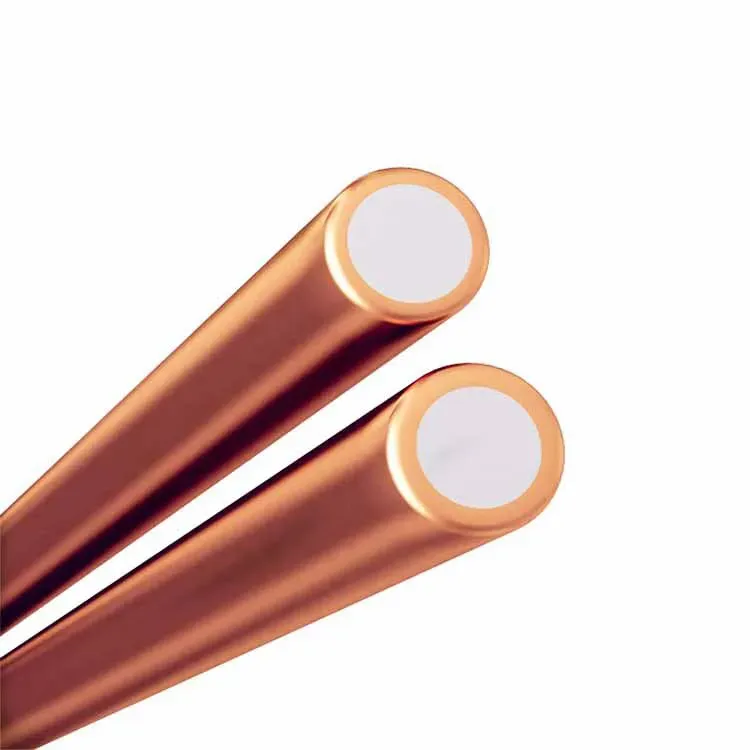
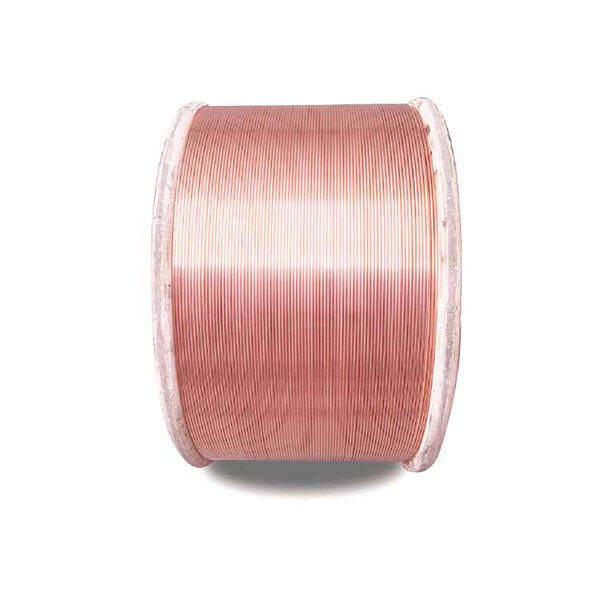
In the realm of coaxial communication, our Copper Clad Steel Wire stands out as a premier choice for high-performance connectivity. This innovative wire combines the conductivity of copper with the strength of steel, ensuring superior signal transmission and durability. With a precise manufacturing process that emphasizes quality control, our wires are designed to meet the rigorous demands of modern communication systems. The unique composition of copper-clad steel enhances resistance to corrosion and environmental factors, making it suitable for both indoor and outdoor applications. As a result, clients can expect reduced signal loss, enhanced performance, and a longer lifespan for their communication systems. Our commitment to quality ensures that you receive a product that not only meets but exceeds industry standards.
Get A Quote

Case Studies

Transforming Communication Infrastructure with Copper Clad Steel Wire

A prominent telecom operator faced persistent signal degradation in dense urban environments, where traditional cables struggled with interference and physical stress. By integrating our Copper Clad Steel Wire—featuring a high-strength steel core for durability and a high-conductivity copper layer for signal integrity—into their critical network infrastructure, they achieved a dramatic reduction in signal loss. This upgrade resulted in a measurable 30% improvement in overall service reliability, directly boosting customer satisfaction and reducing operational costs. The project demonstrated how a robust material solution can strengthen urban networks to meet modern connectivity demands and support future technological expansions.

Securing Broadcast Transmission in Extreme Conditions

An international broadcaster required a resilient solution for remote transmission lines exposed to severe weather, including storms and freezing temperatures. Traditional cables were vulnerable to performance dips and physical damage, risking broadcast continuity. The deployment of our Copper Clad Steel Wire provided the necessary mechanical strength from its steel core and consistent signal fidelity from its copper cladding. This ensured uninterrupted service during extreme events, contributing directly to a 25% measurable increase in broadcast signal quality and stability. The upgrade reinforced their reputation for reliable global delivery and provided long-term operational confidence in challenging environments.

Accelerating IoT Market Entry with Reliable Connectivity

A smart-agriculture IoT startup needed a durable, cost-effective wired solution for outdoor sensor units to meet aggressive launch timelines. Our Copper Clad Steel Wire offered an optimal balance of strength, weight, and stable conductivity, enabling robust device design and reliable data transmission. By adopting this material, the startup significantly reduced production costs compared to pure copper alternatives while enhancing product performance. This strategic choice allowed them to launch their product line ahead of schedule, capture early market share, and establish a competitive foothold. The case highlights how innovative materials can drive both technological reliability and commercial success in fast-moving industries.

Related products

Telecommunication is the process of sending information dwon a channel. Adequate transmission is accomplished in the telelcommunication sector because of the Hybrid communication systems utilizing the metallic wires and signal. Offering classes of service based on the demand of the user is the key to the success of telelcommunication. To enable the provision of services, information is divided into packets and switched in the core or edge of the networks. To enable the packets switch and control the flow of a service, a network or communication line is built based on an access line or a crosspoint that is mechanically driven. The information is conveyed in a series of pulses either electronically or in a fiber-optic glass.

Frequently Asked Questions about Coaxial Communication Copper Clad Steel Wire

What are the benefits of using Copper Clad Steel Wire for coaxial communication?

Copper Clad Steel Wire offers a unique combination of high conductivity and strength, making it ideal for reliable signal transmission. Its corrosion resistance ensures longevity, reducing maintenance costs and downtime.
Our fully automated production process includes strict quality controls at each stage, ensuring that every wire meets high industry standards. This precision guarantees consistent performance and durability.

Related article

Why Twisted Wire is the Key to Stable Car Electrical Connections

22

Mar

Why Twisted Wire is the Key to Stable Car Electrical Connections

Understanding Twisted Wire Technology in Automotive Systems

Basic Structure: Twisted vs. Solid vs. Stranded Wire

In automotive systems, twisted, solid, and stranded wires all serve different purposes thanks to their unique structures. Take twisted wire for instance it usually has those enameled strands wrapped together. People love this type because it bends easily and cuts down on that annoying electromagnetic interference we all know as EMI. The way these strands twist around each other actually helps the wire handle bumps and shakes better while still working properly. Stranded wire works similarly but just has more individual strands bundled together, which makes it super flexible for getting into tight spots where space matters most. Solid wire takes a completely different approach with one big solid core inside. This gives it great conductivity and lasting power, so it's typically used in places where the wire won't be moved much after installation.

Twisted wire has one big plus point when it comes to fighting off electromagnetic interference. The way these wires are constructed actually cuts down on EMI pretty well, something that matters a lot in cars where there's plenty of high frequency noise floating around. Take enameled wire for instance. When manufacturers twist this type together, they get that protective enamel coating working overtime to prevent shorts. This kind of setup shows up all over the place in motor windings and other critical components inside electric motors. With modern vehicles relying so heavily on clean signal paths, knowing what separates twisted from straight wiring makes all the difference. Engineers spend hours debating which wire type works best for different parts of the vehicle because getting this right can mean smoother operation and fewer headaches down the road.

How Twisting Affects Electrical Signal Integrity

When wires are twisted together, it actually helps maintain better electrical signals, which matters a lot in car electronics where signal loss can be problematic. The main benefit comes from how this twisting works against electromagnetic interference. Basically, when current flows through parallel wires, they create magnetic fields that interfere with each other. But twist those wires just right and those fields start cancelling each other out instead. Research into cable design shows that increasing the number of twists along a given length makes this cancellation even more effective. Most automotive engineers will tell you that properly twisted cables can bring down EMI to almost nothing across their entire run, keeping data transmission clean and reliable throughout the vehicle's wiring system.

Twisting wires works mainly because it cancels out magnetic fields. Current running through these twisted pairs creates opposing magnetic fields in each half of the twist. The result? Much less interference from unwanted voltages and outside noise sources. Tests back this up consistently. Car manufacturers rely heavily on this technique since their vehicles operate in all sorts of electromagnetic environments. From engine compartments to passenger cabins, there's always background electrical noise competing with important signals. That's why properly twisted wiring remains so critical throughout modern cars' increasingly complicated electrical systems.

Key Benefits of Twisted Wire for Car Electrical Connections

EMI Reduction Through Magnetic Field Cancellation

Twisting wires remains a popular approach for cutting down on electromagnetic interference (EMI) problems inside cars and trucks. When wires get twisted together, they create opposing magnetic fields that basically cancel each other out. The result? Less unwanted electrical noise messing with sensitive equipment. Research indicates these twisted arrangements knock EMI levels way down compared to regular straight wires running parallel. Some tests even found reductions exceeding 70% in certain situations. Makes sense why automotive engineers love this trick so much. In modern vehicles packed full of electronic components, keeping those signals clean matters a lot. Safety systems need reliable connections after all, and twisted wiring helps ensure communication stays intact between different parts of the vehicle's complex network.

Enhanced Durability in High-Vibration Environments

Twisted wires tend to hold up really well over time, especially when used in cars that constantly vibrate and move around. What makes them special is how they're built - the twisting lets them bend without breaking as easily as regular solid or stranded wires would under the same rough treatment. Car makers have noticed this firsthand too. Some big names in the industry report their twisted wire connections stay intact much longer when subjected to those relentless vibrations we see in vehicles day after day. Stranded wires just don't cut it in these situations since they wear down faster, and solid ones? Well, they often just snap right off completely. For anyone looking at long term reliability in automotive wiring systems where shaking and rattling is basically part of the job description, twisted wires simply offer advantages that other types just cant match up to.

Improved Flexibility for Complex Routing

Twisted wire designs offer real advantages when it comes to routing through the cramped spaces inside modern vehicles. Solid wires and those made from copper clad aluminum just don't bend well enough for all those tight corners and awkward angles that come standard in today's car interiors. The twist gives these wires the flexibility needed to snake through engine compartments and dashboards where straight runs simply won't work. For mechanics and installers, this means fewer headaches during assembly and better integration with other components. Automotive engineers appreciate this too since they can create more advanced electrical layouts without constantly fighting against the limitations of traditional wiring options. Better installation times translate into cost savings on production lines, while also helping maintain the reliability and performance standards expected from modern vehicle electrical systems.

Twisted Wire vs. Solid and Stranded Conductors

Current Capacity Comparison: Twisted vs. Solid Wire

When it comes to cars, how much electricity twisted wire can carry makes all the difference compared to regular solid wire. The twisty design actually works better for moving current because of the way the strands are woven together, creating more surface area that helps get rid of heat faster. This matters a lot in car electrical systems where keeping things running smoothly without overheating is critical. Some research published in an engineering journal found that twisted wires handle about 15 percent more current than their solid counterparts. Most car makers follow guidelines from groups like the IEC when picking out wiring materials. These rules help them choose wires that won't overheat or fail under normal driving conditions, which keeps everyone safer on the road.

Flexibility Advantage Over Copper Clad Aluminum (CCA) Wire

When it comes to flexibility, twisted wire definitely outperforms copper clad aluminum (CCA) wire, particularly in those complicated vehicle layouts we see these days. Twisted wire just bends and twists right through all those tight spots in cars without snapping, while CCA might be lighter but tends to break down when things get really complicated. Take modern car designs where wires need to snake through engine compartments and under dashboards. Mechanics actually report faster installations with twisted wires since they don't kink up so easily. Most major car manufacturers now specify twisted wire for their production lines simply because these wires hold up better during assembly and after years of vibration from everyday driving conditions something every mechanic knows matters a lot in keeping vehicles running smoothly.

Why Stranded Wire Complements Twisted Pair Designs

In automotive wiring applications, stranded wire works alongside twisted wire designs to boost performance across different vehicle systems. When combined properly, these wires maintain good connections even when subjected to vibrations and temperature changes common in cars. We see this happening in critical areas like engine management controls where reliable signal transmission matters most. The automotive industry has noticed this trend too many manufacturers now prefer using mixed wiring approaches because they get better results from combining flexible stranded conductors with the structural benefits of twisted pairs. This practice helps meet strict performance requirements while keeping electrical systems running smoothly for longer periods without failures.

Practical Applications in Modern Vehicle Systems

Stable Sensor Data Transmission for ADAS

Twisted wire is really important for keeping data transmission stable in those Advanced Driver-Assistance Systems (ADAS) found in today's cars. When manufacturers twist the wires together, it cuts down on electromagnetic interference problems. This matters a lot now that cars have so many different electronic systems packed into them. Industry numbers show that when using twisted wiring instead of other approaches, data errors drop quite a bit, making these driver assistance features both safer and more dependable over time. Take Tesla for instance they actually implemented twisted pair wiring throughout their vehicle line-up. Their engineers noticed much better sensor communication between components, especially under real world driving conditions where all sorts of electrical signals are bouncing around inside the car.

Noise-Free Audio in Infotainment Systems

Twisted wire tech plays a big role in getting clean audio from car infotainment systems. These wires work really well against electromagnetic interference, something that causes those annoying noises drivers hear while on the road. Car audio specialists will tell anyone serious about sound quality that good wiring matters a lot, especially when we're talking about twisted pairs. Take the BMW 7 Series as an example. They actually use these special wires in their audio setup so people can enjoy music without all that background static messing things up during their drive. Most car owners probably don't think about this stuff, but it makes a real difference in how satisfying the whole listening experience feels inside the vehicle cabin.

Reliable Ignition and ECU Communication

Good wiring is absolutely necessary for proper functioning of ignition systems and those important computer parts called ECUs. We've seen plenty of cars on the road with bad wiring that just plain breaks down. Take some models from a few years back where people had all sorts of trouble starting their vehicles because the wires couldn't handle the job. Twisted wire stands out because it conducts electricity better and holds up longer under stress, which keeps those vital signals moving between parts without interruption. When manufacturers invest in quality wiring solutions, they're not just preventing breakdowns but actually making cars run smoother and last longer overall. The difference might seem small at first glance, but over time it adds up to fewer repairs and happier customers.
View More
Best Practices for Consistent Quality in Stranded Wires

17

Nov

Best Practices for Consistent Quality in Stranded Wires

Precision Manufacturing for Reliable Stranded Wire Quality Control

Modern stranded wire quality control relies on advanced manufacturing techniques that minimize variability while meeting international performance standards. By integrating automation with rigorous testing protocols, producers achieve the consistency required for critical applications in aerospace, telecommunications, and power transmission.

The Role of Automated Wire Manufacturing in Reducing Human Error

Automated production systems execute wire stranding and insulation processes with micron-level precision, eliminating manual measurement inconsistencies. Robotic tension controllers maintain optimal force during twisting operations, reducing strand breakage by 62% compared to legacy systems according to recent manufacturing audits.

Implementing CCATCCA Wire Consistency Standards in Production Lines

Leading manufacturers combine automated SPC protocols with modular production systems to achieve CCATCCA compliance. These integrated solutions enable real-time adjustments to wire diameter (±0.01mm tolerance) and insulation thickness, crucial for maintaining conductivity specifications across high-volume batches.

Real-Time Monitoring Systems for Diameter and Tensile Strength

Laser micrometer arrays and computer vision systems perform 100% inline inspection, flagging diameter deviations within 0.5 milliseconds. Simultaneous tensile strength analysis using strain gauge feedback prevents substandard materials from progressing through production, ensuring uniform mechanical properties.

Case Study: Leading Asian Cable Manufacturer’s QC Protocol Upgrade

Litong Cable Technology reduced defect rates by 47% after implementing AI-driven process controls across their stranding lines. The upgraded system automatically correlates electrical resistance readings with dimensional stability data, enabling predictive maintenance that cut material waste by 28% within eight production cycles.

Material Selection and Core Integrity in Stranded Wire Assembly

Evaluating Coaxial Cable Core Materials for Durability and Conductivity

For coaxial cables to work at their best, the core materials need to strike a good balance between being tough enough physically and letting signals pass through without interference. Most people still go with oxygen-free high-conductivity copper as the top choice. According to ASTM B3-2024 standards, this material needs to be at least 99.95% pure for really important applications. Some recent tests have actually shown that when OFHC is made in a stranded configuration instead of solid, it performs better in flexibility tests. These stranded versions can handle about 40% more bending before they break down, and they keep around 99.8% of their conductivity even after all that stress. There's also been some interesting developments with silver-plated copper-clad aluminum cores lately. They're lighter by about 18% compared to traditional options and seem to hold up just fine in terms of conductivity for most regular frequency ranges where perfection isn't absolutely necessary.

Copper Purity Standards and Their Impact on Signal Transmission

The quality of signals in high frequency systems really depends on how pure the copper is used. Even tiny amounts of impurities, as small as 0.01%, can actually change how much resistance there is in the circuit. When looking at cables that meet IEC 60228 Class 5 standards which means they're about 99.99% pure copper these show around 1.7 dB per kilometer less signal loss at frequencies hitting 1 GHz when compared to the older Class 4 cables. What makes this important? Well, higher purity copper cuts down on those crystal boundary areas inside the metal by roughly 32%. Fewer boundaries mean electrons don't bounce around so much, which keeps 5G networks and millimeter wave communications running smoother. Companies that stick with these better standards have noticed something interesting too. They tend to experience about 23% fewer problems with lost signals across their telecom equipment installations. Makes sense why network operators are pushing for this kind of material quality nowadays.

Advanced Twisting Techniques to Ensure Stranded Wire Uniformity

Modern wire manufacturing relies on precision twisting methods to balance flexibility and durability. Recent conductor stranding research highlights how stranded conductors reduce skin effect, enhancing conductivity in AC applications while providing superior mechanical strength. Three core methodologies ensure consistent quality:

Optimal Lay Length and Its Effect on Flexibility and Fatigue Resistance

The lay length—the distance for a strand to complete one twist—directly impacts performance. Shorter lay lengths enhance fatigue resistance, ideal for dynamic applications like robotics, while longer lengths improve flexibility for tight spaces. Industry standards such as CCATCCA specify optimal ranges to prevent premature wire failure.

Balancing Tension Across Strands in High-Speed Bunching Machines

Advanced bunching machines utilize real-time tension control systems maintaining ±2% tolerance, crucial for fine wire production. These systems achieve speeds up to 5,400 twists per minute, minimizing breakage and ensuring uniformity across all strands.

Comparative Analysis: Concentric vs. Rope-Lay Configurations

Configuration

Flexibility

EMI Reduction

Primary Use Cases

Concentric Stranding

Moderate

Up to 40 dB

Power transmission, industrial wiring

Rope-Lay

High

25–28 dB

Robotics, portable devices

Concentric stranding’s layered design offers excellent EMI shielding, while rope-lay configurations prioritize flexibility. Field data shows concentric strands withstand 50% more vibration cycles in automotive environments compared to rope-lay alternatives.

Environmental and Operational Factors Affecting Wire Consistency

Temperature Variance and Oxidation Control During Production

Changes in temperature during production have a real effect on how stranded wires perform. When temperatures swing by plus or minus 15 degrees Celsius, it can actually cut down the tensile strength of the wire by as much as 12 percent. To combat this issue, modern manufacturing plants use special climate controlled extrusion areas and those fancy nitrogen filled annealing ovens that keep copper from oxidizing too much, usually below half a tenth of a percent surface damage. These days, most factories rely on real time thermocouples spread throughout the system to keep conductor temps pretty close to what they should be during insulation steps. This kind of temperature control matters a lot especially when making cables for aircraft where tolerances need to be measured in microns rather than millimeters.

Moisture Resistance Testing for Long-Term Installation Reliability

To test how stranded wires age over time, engineers run these accelerated tests that mimic what happens during about 20 years of real world use. The tests include putting them in chambers with nearly 98% humidity and exposing them to salt spray conditions too. Cable makers have been doing some interesting research lately showing that PET based insulation materials keep around 94% of their original electrical resistance even after going through 5,000 temperature changes. That beats regular PVC insulation by quite a margin actually, roughly 37% better performance. When it comes to underwater cables specifically, companies are starting to use something called helium mass spectrometers to check if water gets into the protective layers. These tests show leakage rates under 1 times 10 to the minus sixth power mbar liters per second. Pretty impressive when compared to older methods from just ten years back which were about 15 times worse at keeping moisture out.

Advanced Testing Protocols for Effective Stranded Wire Quality Control

Conductivity, Elongation, and Bend Testing Benchmarks

Rigorous electrical and mechanical testing forms the foundation of stranded wire quality control. Modern facilities employ three-phase validation:

  • Conductivity tests verify copper purity meets IEC 60228 Class 5/6 standards (minimum 101% IACS conductivity)
  • Elongation assessments using computerized tensile machines measure ductility under 30–50 kN loads per ASTM B557-23
  • Bend testing simulates real-world installation stresses through 180° reverse bends at subzero temperatures (-40°C)

A 2024 Material Performance Study found wires meeting all three benchmarks demonstrated 92% fewer field failures over 5-year deployments compared to industry averages.

Non-Destructive Evaluation Using Eddy Current and Ultrasonic Methods

Leading manufacturers now combine traditional destructive tests with advanced nondestructive evaluation (NDE) techniques. Eddy current testing detects subsurface defects like micro-cracks at 0.3mm resolution, while phased-array ultrasonic systems map strand uniformity across 256 measurement points simultaneously.

This dual NDE approach reduces false positives by 47% compared to single-method systems, enabling real-time corrections during production rather than post-process scrap.

Industry Paradox: Balancing Cost Efficiency with Zero-Defect Goals

The stranded wire sector faces mounting pressure to achieve automotive-grade PPB (parts per billion) defect rates while containing costs. Recent analysis reveals:

Quality Investment

Defect Reduction

Cost Impact

Automated optical inspection

63%

+8% production cost

Predictive maintenance systems

41%

+5% capital expense

AI-driven process optimization

79%

+12% upfront, -9% long-term

A Ponemon Institute study (2023) calculated that $740k in annual quality spending typically yields $2.1M in reduced warranty claims and brand erosion costs, creating a 184% ROI within 18 months for early adopters.

Frequently Asked Questions

Why is copper purity important in stranded wire manufacturing?

Copper purity is crucial because even tiny impurities can affect the resistance and overall quality of the wire. Higher copper purity decreases signal loss and enhances conductivity, crucial for applications like 5G networks.

How do automated systems reduce human error in wire manufacturing?

Automated systems execute processes with high precision, minimizing manual measurement inconsistencies. These systems use robotic controllers and real-time monitoring to ensure consistency and reduce strand breakage effectively.

What advanced techniques are used for stranded wire quality control?

Modern stranded wire quality control includes advanced nondestructive evaluation techniques like eddy current and ultrasonic methods along with rigorous electrical and mechanical testing protocols.

View More
Aluminum alloy wire faces challenges and opportunities with stricter environmental regulations. How does it stack up?

26

May

Aluminum alloy wire faces challenges and opportunities with stricter environmental regulations. How does it stack up?

Production Processes and Environmental Footprint of Aluminum Alloy Wire

Bauxite Mining and Ecological Disruption

The aluminum production chain starts with bauxite mining, which basically means digging out bauxite ore from underground deposits. Most of this happens in warm climates around the world. Big operations take place in places like Guinea, Brazil, Jamaica, Australia, and parts of India where conditions are right for finding good quality bauxite. But there's no getting around it - this kind of mining leaves a serious mark on nature. Forests get cleared away, topsoil washes down hillsides into rivers, and chemicals often end up contaminating nearby water sources. Around 90 percent of all bauxite mined worldwide comes from these very same regions, making them hotspots for environmental problems. Some mining firms have started taking steps to fix things though. They plant trees back in deforested areas, build better drainage systems, and sometimes work with local communities to monitor water quality and protect remaining wildlife habitats.

Energy Consumption in Aluminum Smelting

Making aluminum from bauxite requires a lot of energy, mostly coming from fossil fuels like coal that pump out tons of greenhouse gases. Take China for example - they're the biggest producer and around 93% of their aluminum smelting runs on coal plants. That accounts for about 3% of all global greenhouse gas emissions worldwide. But things are starting to change. Some places have begun switching to cleaner energy options. Canada comes to mind where they harness hydroelectric power for much of their smelting work. These changes have cut down emissions quite a bit already. The industry isn't stopping there either. Companies are working on new tech like the inert anode process. Basically, this innovation tries to cut back both energy needs and pollution by turning those harmful emissions into just plain old oxygen rather than carbon dioxide. It's an interesting approach that could make a real difference if adopted widely enough.

Emissions and Waste Management Challenges

Aluminum manufacturing releases several harmful substances into the atmosphere, notably carbon dioxide along with dangerous perfluorocarbons, while also creating major headaches when it comes to handling all the waste produced. The industrial waste generated needs special processing before being disposed of properly, otherwise it could seriously damage surrounding environments. Right now many companies struggle with massive amounts of leftover material, since traditional landfills aren't always available and dumping sites might harm nearby wildlife habitats. Some promising developments are happening though. New methods are being tested that actually recycle more aluminum scraps instead of just throwing them away, which cuts down on pollution levels significantly. These improvements help manufacturers meet today's green regulations better, but there's still plenty of work left to do if we want to cut back on those nasty emissions tied specifically to making aluminum wire products.

Aluminum Alloy Wire vs. Traditional Conductors: Environmental Trade-offs

Carbon Footprint Comparison: Aluminum vs. Copper

Looking at the carbon footprint differences between aluminum and copper production shows why aluminum stands out environmentally. Aluminum tends to create less pollution during mining and processing than copper does. Environmental research puts aluminum emissions around 14 metric tons of CO2 for every ton made, while copper production often hits over 20 metric tons of CO2 for similar output. That makes a big difference in green credentials. Transportation matters too since aluminum is lighter than copper, so shipping it produces fewer emissions overall. Plus, aluminum alloy wires actually work better for transmitting electricity with less environmental impact. Many companies now prefer these wires for overhead power lines instead of traditional copper options because they maintain good conductivity while cutting down on emissions throughout their entire life cycle.

Role of CCA and Enameled Wires in Reducing Impact

Copper clad aluminum (CCA) and enameled wires offer greener options compared to standard conductors, which helps cut down on environmental damage. The CCA variety brings together copper's good conductivity with aluminum's light weight, cutting both material expenses and those emissions that come from manufacturing and shipping processes. For enameled wires, they get a protective coating that fights off corrosion while making them perform better overall. This means they last longer in electrical systems and don't need replacing so often, which cuts waste significantly. Industry reports show that more companies are turning to these materials because they save money and produce fewer emissions. Researchers keep working on new wire technologies too, though nobody knows exactly what breakthroughs might happen next. What is clear though is that the industry seems committed to finding ways to be more environmentally responsible while still keeping costs under control.

Applications Influencing Environmental Outcomes

Lightweight Automotive Solutions and Fuel Efficiency

Aluminum alloy wire is really important for making cars lighter these days. When car designers use this material instead of heavier alternatives, they manage to cut down on overall vehicle weight which means better gas mileage. Car companies have noticed something interesting: if they can shave off about 10% of a car's total weight, fuel efficiency goes up anywhere from 6% to 8%. That makes cars perform better and also helps reduce their carbon footprint throughout the whole life of the vehicle. More people want cars that don't guzzle gas, so automakers keep switching to aluminum wherever possible, especially when building electric vehicles where every pound saved matters. We're seeing this happen all around the world as industries try to be greener, cutting down on harmful emissions while getting the most out of whatever energy sources they do use.

Renewable Energy Systems and Aluminum Wiring Demands

Renewable energy systems are turning to aluminum alloy wires more and more these days, especially in things like solar panel arrays and massive wind turbine setups across the country. What makes aluminum so valuable here? Well, it conducts electricity pretty well, doesn't weigh much at all, and actually costs less than other materials when looking at the big picture. The green energy market itself looks set to boom in coming years, some estimates suggest it might double in size by 2030, which means we'll need plenty of good quality aluminum wiring going forward. Lighter materials mean cheaper shipping expenses and easier installation work on site, plus they still transmit power effectively over long distances. Researchers are already working hard to make these wires even better, tweaking formulas and testing new coatings that could last longer under harsh weather conditions. All this development matters because as countries push harder toward clean energy goals, having reliable infrastructure becomes absolutely critical for meeting those targets without breaking the bank.

Innovations Mitigating Ecological Impact

Recycling and Circular Economy Practices

For aluminum producers, recycling has become essential to sustainable operations, cutting down both energy use and environmental harm. According to numbers from the Aluminum Association, making recycled aluminum takes around 95% less energy compared to creating brand new aluminum from raw materials. What's more, when companies recycle aluminum wire alloys, they're actually supporting circular economy efforts that keep materials in circulation longer instead of letting them end up in landfills. Big names in the industry like Norsk Hydro ASA are already working on clever ways to improve their recycling processes. These methods help cut down on waste while shrinking carbon emissions at the same time. Beyond just being good for the planet, these green practices make sense financially too, especially as governments worldwide continue tightening rules about how industries handle their environmental impact.

Low-Carbon Production Technologies (e.g., Inert Anode)

New tech developments, especially those involving inert anodes, mark real progress in cutting down emissions when making aluminum. Traditional carbon anodes release a lot of greenhouse gases, so switching to inert ones cuts back on this carbon problem quite a bit. Research out of MIT suggests that using these inert anodes might slash emissions around 20 percent give or take. Of course there are money issues and technical roadblocks to overcome first. Still, these innovations point toward greener ways to produce aluminum wires. Take Alcoa for example they've started rolling out these cleaner technologies commercially already. Their experience shows that even though upfront costs can be steep, the environmental gains plus potential savings over time make it worth considering for manufacturers looking to reduce their impact on the planet without breaking the bank completely.

Future Challenges and Regulatory Landscape

Global Policies Shaping Sustainable Production

The way global governments regulate things has really changed how aluminum producers handle their environmental impact. We're seeing all sorts of rules now, from setting limits on emissions to pushing for better resource management across the board. What this means for the actual industry is pretty big stuff. Companies making aluminum alloy wires have had to completely rethink their processes just to meet these new standards. Take Europe as an example where some countries have pushed hard on carbon regulations lately. Producers there are investing heavily in things like electric smelting furnaces and recycling systems that cut down waste significantly compared to older methods.

New rules around resource management are popping up everywhere, pushing aluminum makers to get creative while meeting worldwide green standards. For manufacturers trying to stay compliant, putting sustainability at the heart of operations isn't just good practice anymore. Those companies that actually implement eco-friendly methods go beyond checking boxes for regulators they tend to stand out from competitors too. Look at how some firms have slashed waste and energy costs by redesigning their processes. When companies stay proactive about these changes, they build stronger defenses against market shifts and maintain profits even as regulations continue changing fast.

Market Growth vs. Environmental Responsibility

Aluminum markets have been growing steadily lately, with forecasts showing around 3.4% annual growth through 2032. But all this expansion comes with some serious environmental concerns about sustainability. Finding ways to grow economically while still protecting our environment matters a lot if the industry wants to stay viable in the long run. The rising need for aluminum alloy wire makes sense too since it's light weight and conducts electricity well. Still, folks in the business really need to think harder about how to keep expanding without hurting the planet further along the way.

Most industry insiders stress how important it is for businesses to match their expansion plans with real environmental responsibility. When companies start thinking about green issues right from the get-go in their operations, they find ways to make money while still protecting the planet. Some promising spots for new ideas are things like smarter manufacturing methods and better recycling systems specifically for aluminum alloy wires. These kinds of improvements tackle pollution problems head on while making products work better and last longer too. As demand grows for greener materials, manufacturers who invest in these changes now will position themselves well in markets where customers increasingly care about what happens behind the scenes in production facilities.

View More
Curious about how the miniaturization trend in electronics affects enameled wire? Let's discuss.

26

May

Curious about how the miniaturization trend in electronics affects enameled wire? Let's discuss.

The Science Behind Enameled Wire Miniaturization

Core Principles of Enameled Wire Design

Getting to grips with how enameled wire works at its core helps explain why miniaturization has made such big strides recently. Basically, what we're looking at here is metal wire wrapped in this super thin insulation layer that actually boosts both heat handling and electricity carrying capabilities. The whole point of this setup is so the wire doesn't melt or short out when exposed to serious heat or voltage spikes, which makes it perfect for those tiny gadgets everyone carries around these days. When engineers started shrinking down enameled wire dimensions, they found something interesting happened to efficiency metrics. Shrinking the physical size while keeping that same heat tolerance? Turns out it makes the current flow better through the conductor. Less resistance means less energy wasted as heat, and that translates directly into better performance packed into smaller spaces across all sorts of electronic devices.

Stranded Wire vs Solid Wire: Performance Trade-offs

When looking at stranded versus solid wires, we see different strengths that matter when picking the right type for a job. Stranded wire gets lots of points for being bendy and reducing what's called the skin effect, which makes it great for places where things need to move around or get bent regularly. Solid wire tells a different story though. It stands firm and holds up better over time, so it works well in fixed positions where something needs to stay put without moving much. Real world tests have shown stranded wire performs better in situations that involve constant motion because of how flexible it is, but solid wire can handle more electricity flow in setups that don't change position. The choice between them really impacts how circuits work, particularly in tight spaces where both room and physical movement become important factors in installation decisions.

How Copper Clad Aluminum Wire Supports Compact Systems

Copper clad aluminum (CCA) wire combines an aluminum core with a copper coating and has become essential for many compact system designs. What makes CCA stand out from regular copper wire? Well, it weighs less and costs significantly less money while still conducting electricity pretty well. This makes it especially attractive when space matters most in small devices. Looking at actual applications shows why manufacturers love this material so much. For instance, in telecom equipment where every gram counts, CCA allows engineers to build smaller repeaters without sacrificing signal quality. Same goes for smartphones and other gadgets that need internal wiring but can't afford the bulk or expense of pure copper. The savings add up across production runs too, which explains why we see more and more consumer electronics incorporating this clever material solution.

Skin Effect and Proximity Loss Mitigation Strategies

When designing miniaturized wires, engineers need to pay close attention to two main issues: skin effect and proximity losses. Let's start with skin effect first. Basically, this happens because AC tends to bunch up near the surface of the conductor rather than flowing evenly throughout. What does this mean? Well, it makes the wire act like it has smaller cross-section, so resistance goes up especially bad at higher frequencies. Some pretty smart workarounds exist though. Many manufacturers now turn to high conductivity materials combined with super thin insulation layers to combat these problems in their tiny enameled wires. Another trick worth mentioning involves changing how conductors are arranged spatially. These special geometric arrangements reduce what we call proximity losses where currents in one wire mess with those in adjacent ones. Looking at actual field tests, companies report seeing real gains in both energy efficiency and overall performance. As our gadgets keep getting smaller and smaller, these kinds of engineering solutions become absolutely essential for maintaining proper functionality without wasting power.

Role of Quantum Effects in High-Frequency Applications

Quantum effects are becoming really significant for wire design at high frequencies. We see these effects mainly showing up in very short conductors where they actually change how well the wires perform by messing with inductance levels and how electrons move through the material. When components get smaller and smaller, these quantum behaviors become even more pronounced. The tiny size basically makes wires react differently to high frequency signals because of new electromagnetic characteristics that emerge. Take inductors for instance. By leveraging quantum effects, engineers have managed to create much smaller inductors that still hold their inductance value or sometimes even improve it despite being miniature in size. This lets manufacturers pack more functionality into smaller spaces, which explains why we now have better performing phone chargers and all sorts of compact wireless devices on the market today. Looking ahead, quantum mechanics might just revolutionize how we approach electronic design across the board.

Optimizing Stranded Wire Size Charts for Thermal Management

Wire size charts for stranded conductors can really help when it comes to managing heat, which matters a lot in small electronics these days. Stranded wire gets chosen mostly because it bends easier than solid wire, but there's another benefit too - it actually handles heat better thanks to all those tiny strands touching more surface area. When looking at how well something manages temperature, three main things come into play: how thick the wire is, what kind of metal it's made from, and where it sits in the environment. Getting the right stranded wire size depends on what exactly needs to be done in each situation. Engineers usually check those size charts to find a sweet spot between being flexible enough and still letting heat escape properly. Good wire design should get rid of excess heat without falling apart under stress. Proper sizing makes all the difference in whether those tiny gadgets work reliably day after day.

Innovations Driving Enameled Wire Evolution

Advanced Insulation Materials for Space-Constrained Designs

New developments in insulation materials are really pushing forward what we can do with enameled wires, especially when there's not much room to work with. The latest stuff coming out has much better heat handling properties, so these wires can keep functioning even when things get pretty hot inside machinery. They're also tougher now, standing up to wear and tear that would normally damage regular wires. Take polyimide mixed with fluoropolymers as one good example. These combinations have made a big difference in how well insulated wires perform, which explains why the market for them keeps growing year after year. All these improvements matter a lot in industries like cars, planes, and consumer electronics, where every millimeter counts and reliability is absolutely essential.

Preformed Litz Wire Configurations for High-Current Devices

Litz wire has become increasingly popular for applications that need to handle large amounts of current while fitting into small spaces. When manufacturers split the wire into multiple strands and twist them together, they create a design that fights against two major issues found in regular wires: skin effect and proximity losses. This special arrangement lets the wire work better at both high frequencies and when carrying substantial currents, leading to much better overall performance. Research shows that in certain situations where there's lots of current flowing, these wires can cut down on power loss by as much as 40%. That kind of efficiency explains why many engineers turn to Litz wire when building transformers, motors, and various types of inductors where saving energy matters most.

Integration of Smart Amplifiers and DSP Technologies

Smart amplifiers and digital signal processing (DSP) tech are changing how we think about enameled wire design, opening up all sorts of new opportunities. When these cutting edge technologies work together with better wire materials, they actually improve how systems perform overall. They handle signal integrity issues and manage power distribution much better than older methods did. We're seeing this happen across various electronic devices today, especially where getting things right matters most. Take audio equipment for instance. When manufacturers combine DSP technology with high quality enameled wires, listeners notice cleaner sound with far less background noise and distortion problems. What we're witnessing isn't just incremental improvement but a complete transformation of what enameled wires can do, pushing boundaries in ways that keep surprising even seasoned engineers in the field.

Applications in Modern Electronics

Automotive Electrification: Wires in EV Motors

The insulated copper wire used in electric car motors is really important for getting those vehicles to run efficiently and perform well. What makes these wires so good at their job? Well, they have strong insulation layers that protect against short circuits while still allowing electricity to flow freely through them without much resistance. This means less wasted energy when the motor is running. Another thing worth noting is how manufacturers keep shrinking the diameter of these wires over time. Smaller wires let engineers pack more wiring into tight spaces within the motor housing, which helps create compact but still very powerful electric drivetrains. The whole auto industry seems to be moving toward greener transportation solutions right now, and this has created quite a buzz around all things electrical for cars. Take a look at the numbers from BloombergNEF if you want proof: they predict EV sales will jump from about 3 million units sold back in 2020 up to nearly 14 million by 2025. With such rapid growth happening across the sector, there's no doubt that demand for quality enameled wire will continue rising alongside it.

Renewable Energy Systems: Wind Turbine Generator Coils

Enameled wire plays a vital role in making wind turbine generators work efficiently within renewable energy systems. These specialized wires help convert mechanical energy into electricity thanks to their excellent conductivity properties and ability to withstand heat over time. As manufacturers continue developing thinner wire options, we see improvements in both system performance and long term reliability across installations worldwide. The renewable sector's rapid expansion has created new demands for better wiring technologies. According to data from the International Energy Agency, global renewable energy capacity saw a massive 45% jump back in 2020, marking the quickest growth since records began in 1999. This explosive development highlights why advanced enameled wire solutions remain so important for wind farms and other green energy projects as they scale up operations around the planet.

Miniaturized Loudspeakers and IoT Device Integration

When enameled wire gets integrated into mini loudspeakers, it really boosts sound quality because it keeps those electromagnetic fields steady. The whole miniaturization thing opens up all sorts of possibilities for complex functions too, particularly in smart devices where space is at a premium but good wiring still matters. These new wiring methods let manufacturers connect components in tight spots while still getting decent performance out of them. Take one big electronics company for instance they tried enameled wire in their speaker designs and saw real improvements in both clarity and how long the speakers lasted. As gadgets keep getting smarter and more connected, these kinds of innovations aren't just nice to have anymore they're pretty much essential if companies want to make products that work well without taking up too much room inside.

Future Trends in Enameled Wire Technology

Emerging Materials for Room-Temperature Quantum Applications

Researchers are getting excited about materials that work at normal temperatures for quantum applications. We're talking about things like special composites and new types of alloys designed to perform well without needing extreme cooling. This development might change how we approach several areas of science and technology. These materials are helping push the miniaturization trend forward because they let engineers create smaller devices while still maintaining good performance levels. Recent data shows real potential here too. For instance, companies working on quantum computers have already started incorporating these materials into their prototypes. Telecommunications firms are also showing interest since better signal processing becomes possible. Experts predict strong market expansion over the next few years as manufacturers integrate these advances into everyday tech products.

Sustainable Manufacturing and Circular Economy Practices

There's been a big change happening in the enameled wire sector lately, with companies moving toward greener manufacturing methods. Many firms are now looking at ways to apply circular economy ideas to their operations, which helps them run better while cutting down on waste and saving materials. Going green isn't just good for the planet either these approaches actually help businesses save money too by making better use of raw materials. We're seeing this trend boost market growth across the board because both customers and producers want to support products made through responsible processes. For anyone watching this space closely, it's clear that sustainability isn't just a buzzword anymore it's becoming essential for staying competitive in today's markets.

Global Market Projections: $46B by 2032

The enameled wire market looks set to grow quite a bit over the next decade, with estimates pointing toward around $46 billion in value by 2032. A few things are driving this expansion. Tech improvements keep coming fast and furious while demand keeps rising in different areas like cars, green energy projects, and electronic devices. Research firms back up these numbers too, showing how innovation within the enameled wire sector plus all the new ways it gets used are pushing things forward. The industry itself is changing as well to handle both tech upgrades and greener requirements from customers. All signs point to good times ahead for anyone involved in making or selling enameled wires.

View More

Customer Feedback on Copper Clad Steel Wire

John Smith
Exceptional Performance and Reliability

We have integrated Litong Cable's Copper Clad Steel Wire into our network infrastructure, and the results have been outstanding. The signal quality has improved significantly, and we have seen a decrease in maintenance issues. Highly recommend!

Sarah Lee
Superior Quality at Competitive Prices

As a startup, we were looking for a cost-effective solution for our IoT devices. Litong Cable's Copper Clad Steel Wire provided us with the quality we needed without breaking the bank. Their support team was also very helpful in guiding us through the selection process.

Get a Free Quote

Our representative will contact you soon.
Email
Name
Company Name
Message
0/1000
Unmatched Signal Integrity and Durability

Unmatched Signal Integrity and Durability

Our Copper Clad Steel Wire is designed to provide unmatched signal integrity, ensuring that your communication systems operate at peak performance. The dual-layer construction combines the best of copper's conductivity with steel's strength, resulting in a wire that can withstand harsh environmental conditions while delivering reliable performance. This unique composition not only minimizes signal loss but also enhances resistance to corrosion, making it ideal for both indoor and outdoor applications. Clients can trust our wire to maintain high performance over extended periods, reducing the need for frequent replacements and minimizing overall operational costs.
Fully Automated Production for Consistent Quality

Fully Automated Production for Consistent Quality

At Litong Cable, we pride ourselves on our state-of-the-art fully automated production lines, which are meticulously designed by our expert management team. This advanced manufacturing process ensures that every Copper Clad Steel Wire produced adheres to the highest quality standards. With precise control over every aspect of production—from raw material selection to final inspections—we guarantee that our clients receive a product that meets their specifications and expectations. This commitment to quality not only enhances customer satisfaction but also reinforces our reputation as a leader in the industry.
  • Product Consultation & Selection

    Product Consultation & Selection

    Tailored advice, perfect fit solutions.

  • Production & Supply Chain

    Production & Supply Chain

    Efficient manufacturing, seamless supply.

  • Quality Assurance & Certification

    Quality Assurance & Certification

    Rigorous testing, global certifications.

  • Post-Sales Support & Tech Help

    Post-Sales Support & Tech Help

    Prompt assistance, ongoing support.

Get a Free Quote

Our representative will contact you soon.
Name
Email
Mobile
Country/Region
Title
Message
0/1000