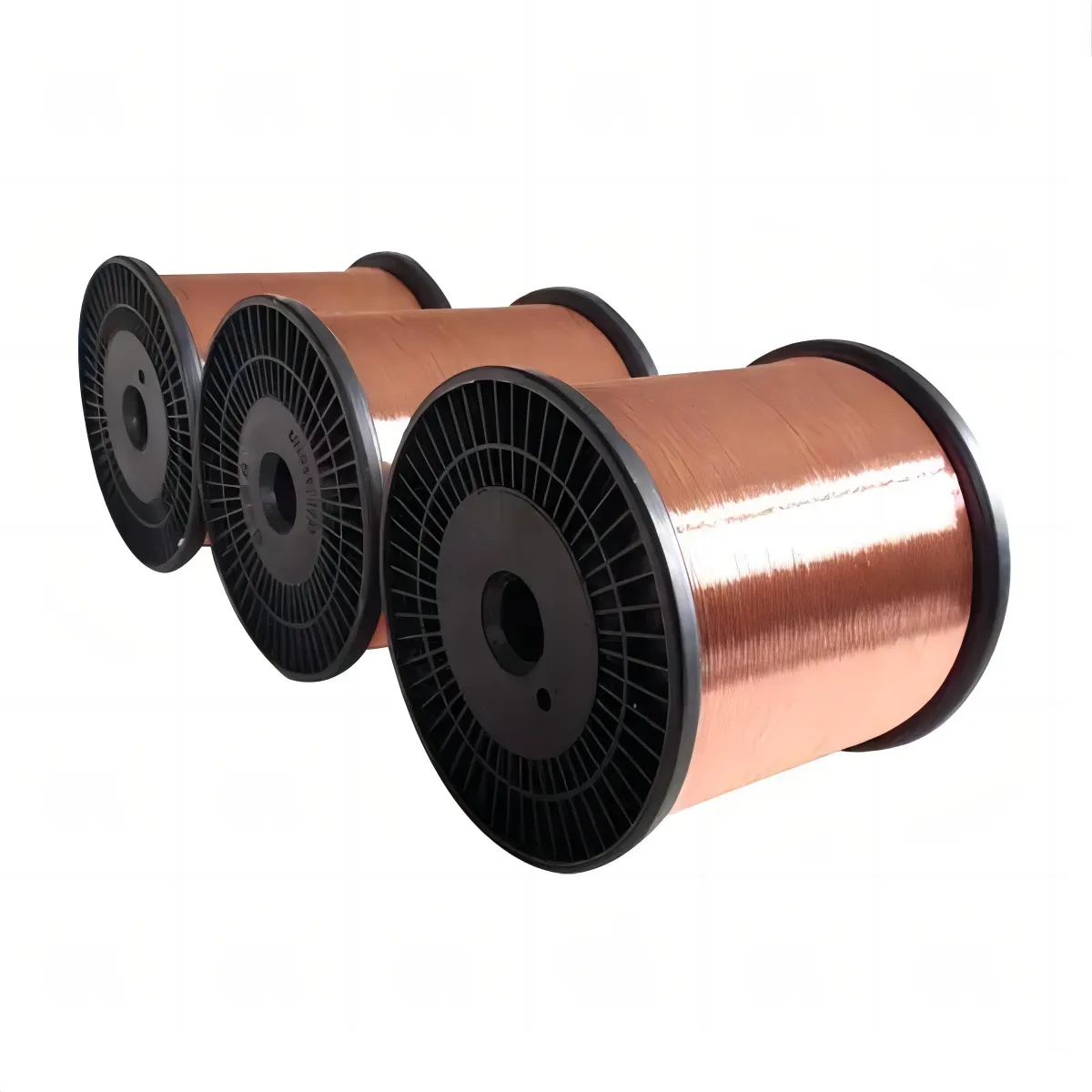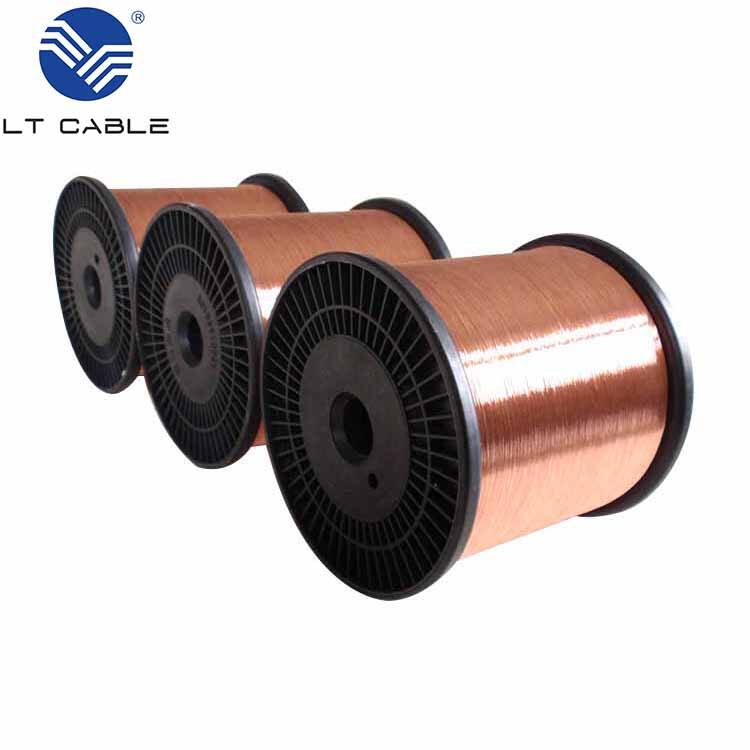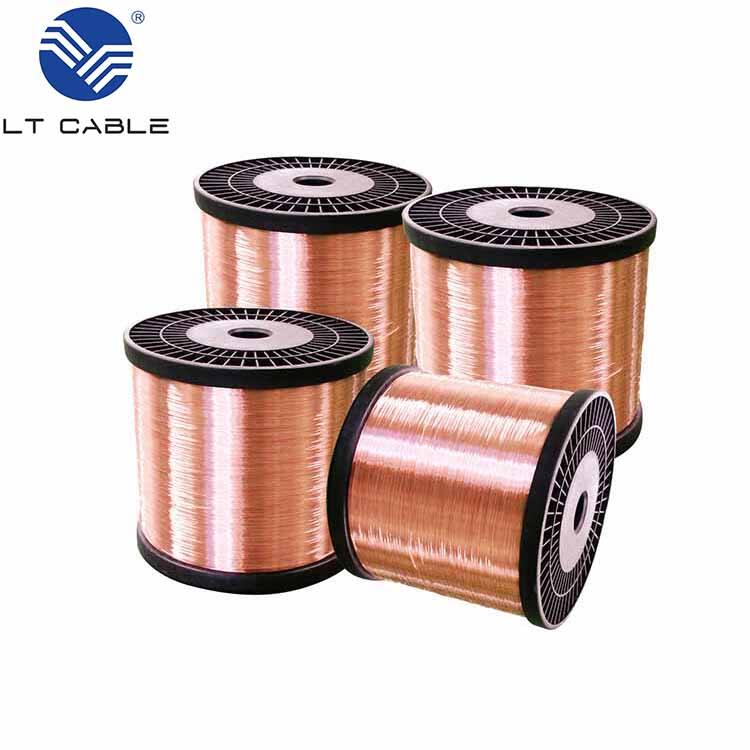
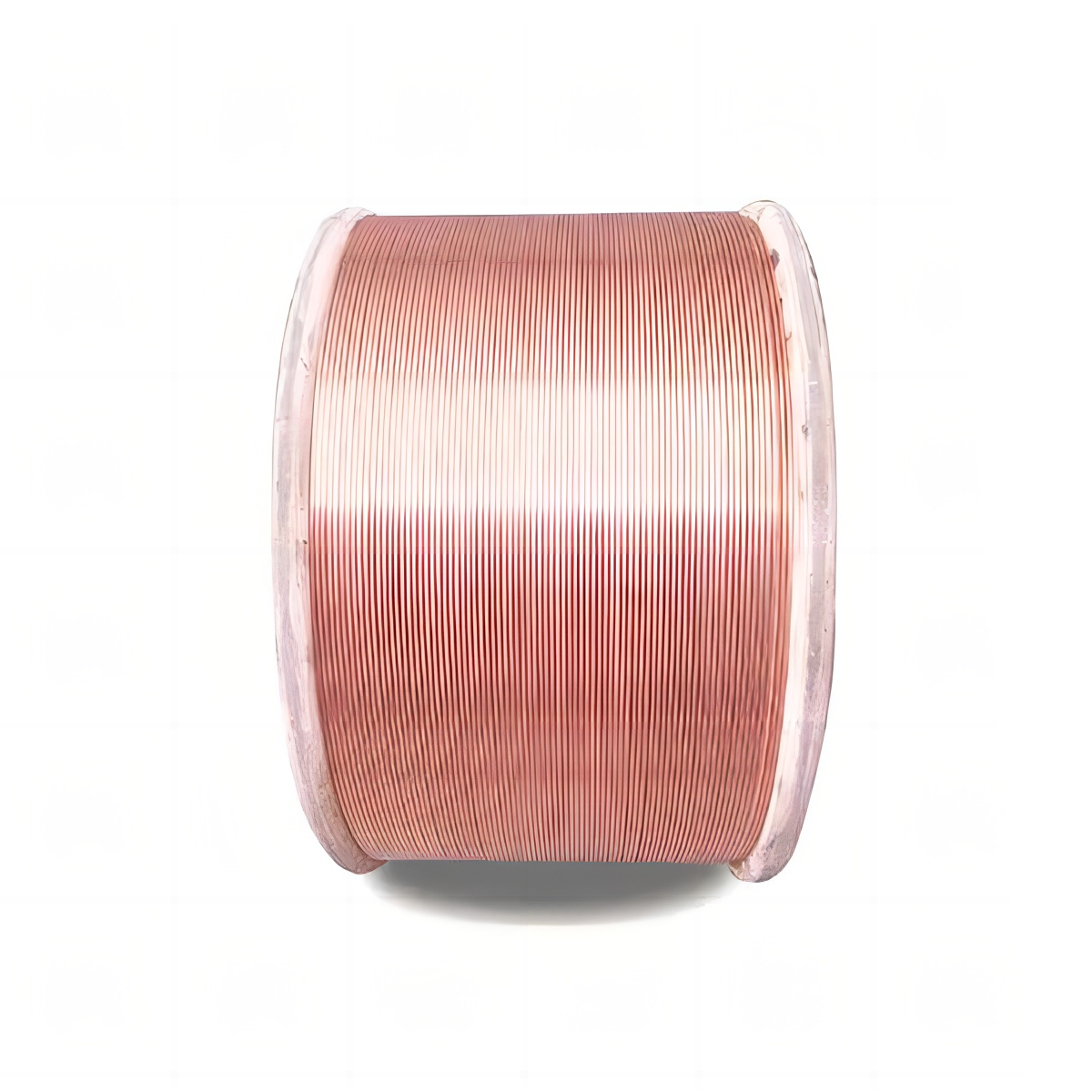
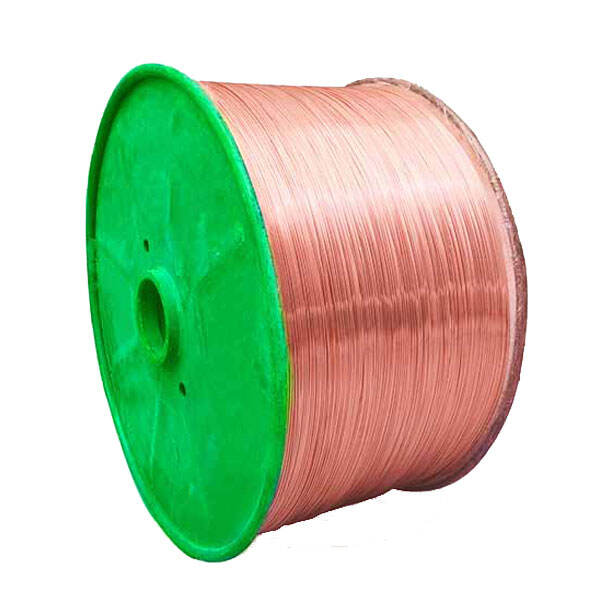
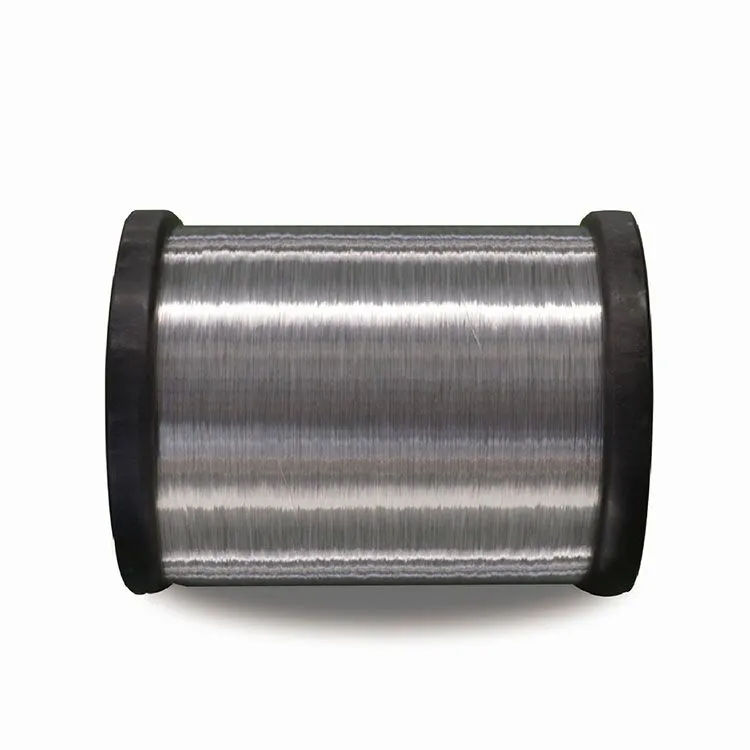
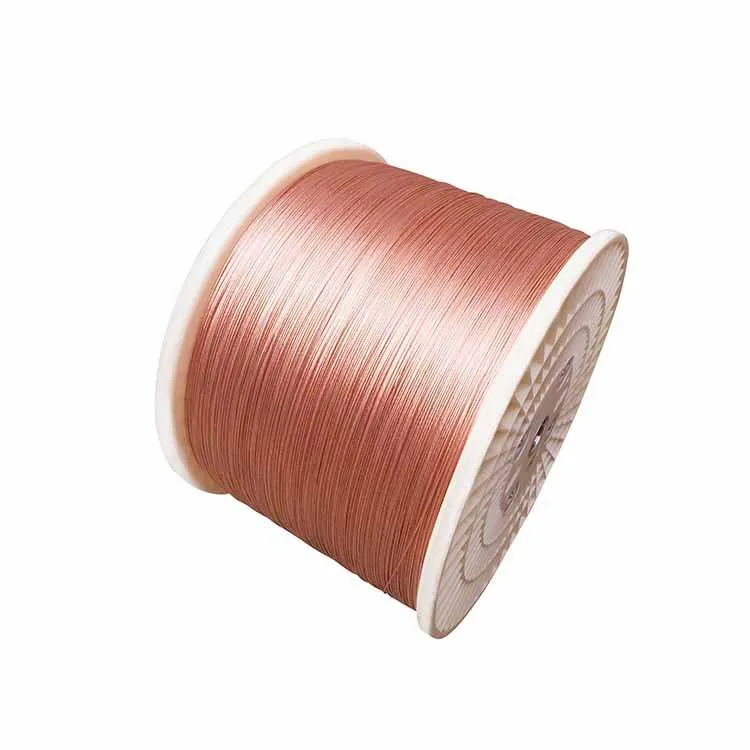
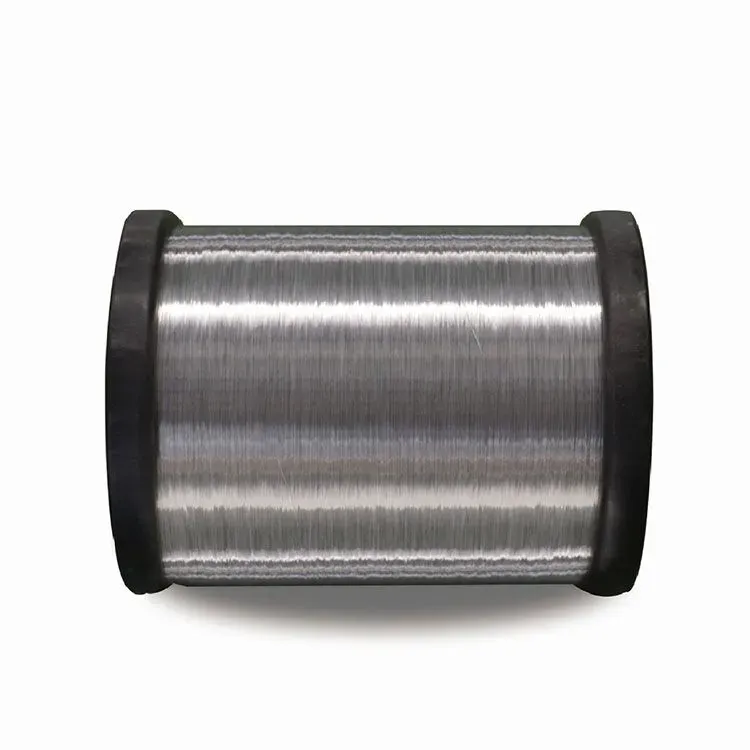
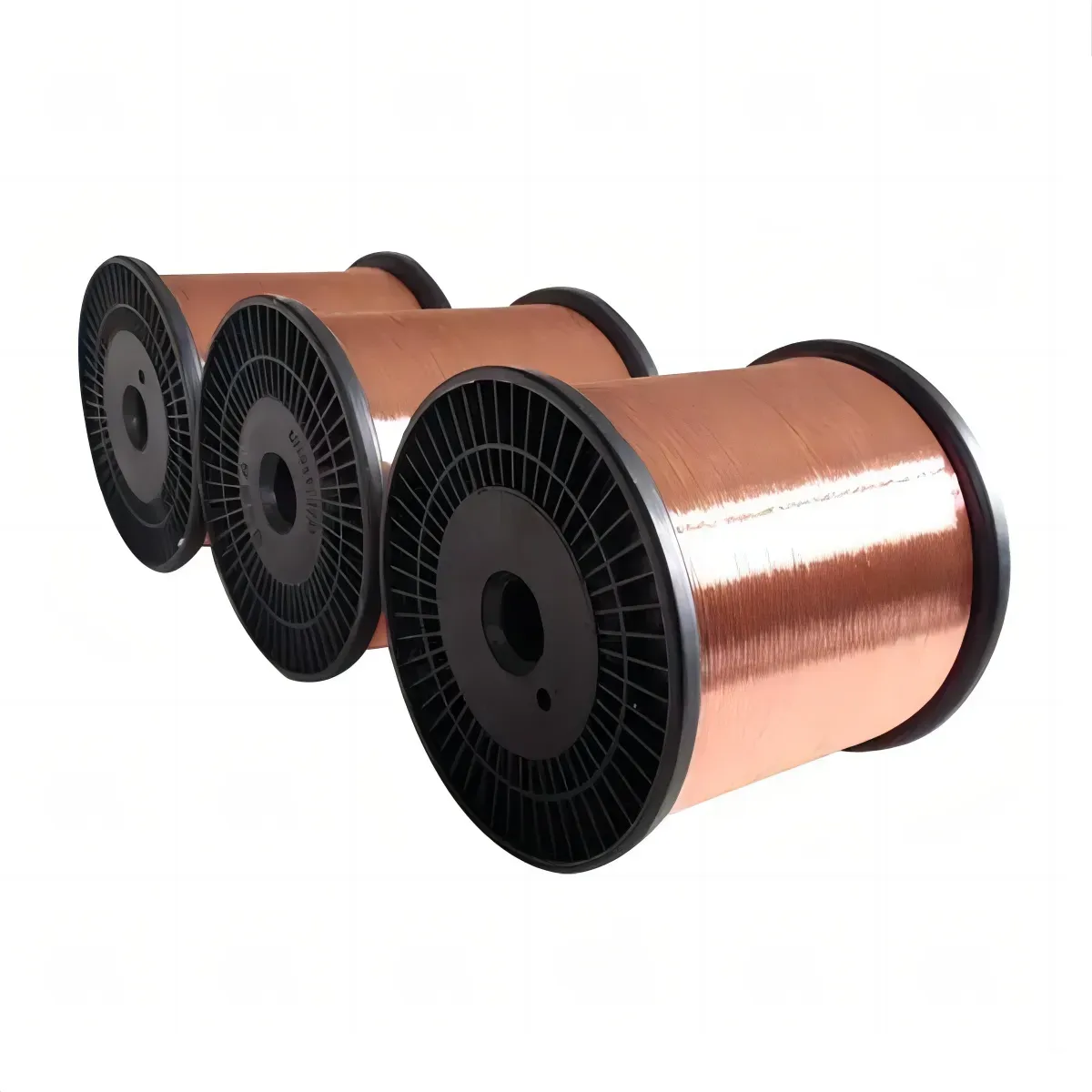
Copper Clad Copper Wire: Superior Conductivity & Lightweight Performance

Get a Free Quote

Our representative will contact you soon.
Name
Email
Mobile
Country/Region
Choose the product you want
Message
0/1000
Unmatched Quality and Performance of Copper Clad Copper Wire

Unmatched Quality and Performance of Copper Clad Copper Wire

Copper clad copper wire is engineered to offer superior electrical conductivity while maintaining a lightweight profile. This innovative product combines the excellent conductivity of copper with a durable insulation layer, making it ideal for various applications in the electronics and telecommunications industries. Our automated production lines ensure that every strand of wire is manufactured with precision, resulting in consistent quality and performance. The unique bonding process used in our copper clad wires enhances their resistance to oxidation and corrosion, extending their lifespan and reliability in demanding environments. With Litong Cable, you can trust that our copper clad copper wire will meet your high standards for quality and performance.
Get A Quote

Case Studies

Transforming Connectivity Solutions with Copper Clad Copper Wire

In a recent project, a leading telecommunications company faced challenges with signal loss in their existing wiring solutions. They turned to Litong Cable for our copper clad copper wire, which provided an ideal solution. Our wire's superior conductivity allowed for improved signal transmission, reducing loss by 30%. As a result, the client reported increased customer satisfaction and a significant reduction in service calls related to connectivity issues. This case showcases how our products can elevate performance in critical applications.

Enhancing Industrial Applications with Reliable Copper Clad Copper Wire

An automotive manufacturer required a robust wiring solution for their production line that could withstand high temperatures and mechanical stress. By utilizing our copper clad copper wire, they achieved a 25% increase in operational efficiency. The wire's excellent thermal properties and durability ensured minimal downtime, allowing for continuous production. This exemplifies how our copper clad wire meets the rigorous demands of industrial environments, proving its value in enhancing productivity.

Revolutionizing Consumer Electronics with Advanced Copper Clad Copper Wire

A prominent consumer electronics brand sought to improve the audio quality of their new headphones. They implemented our copper clad copper wire in their design, which resulted in a 40% enhancement in sound clarity and performance. The lightweight nature of our wire also contributed to a more comfortable user experience. This project underscores how our innovative solutions can significantly impact product development in the competitive consumer electronics market.

Related products

We offer a wide range of commercial copper clad copper wire which combines good protection with copper. At Litong Cable, we have taken pride in our completely automated systems, designed and managed by our own highly qualified specialists. From the selection of premium quality raw materials, through the drawing and annealing of wires, all are processed with the greatest care. Our copper clad copper wires are highly versatile and can be used in multiple fields, including, telecommunications, automotive, consumer electronics, etc. The special characteristics of the wire help it to withstand harsh and demanding conditions with utmost reliability and durability. We are sensitive to the individual needs of our clients worldwide and provide bespoke solutions to them. Testament to this enduring focus and drive are the considerable improvements and innovations in our products, including the commercial copper clad copper wire, which show our commitment to customer value, making Litong Cable a leading provider.

Frequently Asked Questions about Copper Clad Copper Wire

What is copper clad copper wire and how is it made?

Copper clad copper wire is a type of wire that combines a core of copper with an outer layer of copper cladding. This manufacturing process enhances the wire's conductivity and durability, making it suitable for various applications.
We implement rigorous quality control measures throughout our production process, from raw material selection to final inspection, ensuring that our copper clad copper wire meets the highest industry standards.

Related article

Wondering how photovoltaic wire is engineered to shine in solar energy systems? Let's dig deeper.

22

Feb

Wondering how photovoltaic wire is engineered to shine in solar energy systems? Let's dig deeper.

Understanding Photovoltaic Wire

PV wire has been developed specifically for transmitting electricity from solar panels while keeping energy losses to a minimum. Standard electrical cables just aren't cut out for what PV wires need to do. These special cables can take on tough outdoor environments without breaking down. They resist things like sunlight damage, water intrusion, and temperature extremes that would ruin regular wiring over time. For anyone running a solar setup, this kind of cable isn't optional it's absolutely necessary if the system is going to work properly day after day. The right PV cables improve safety margins too because they're constructed to manage those big power surges that happen when multiple panels generate electricity at once. Most installers will tell you that investing in quality PV wiring pays off handsomely in the long run since these cables keep working reliably through heat waves, cold snaps, and everything else Mother Nature throws at them.

Engineering of Photovoltaic Wire for Solar Energy Systems

The performance and reliability of solar energy systems really depend on photovoltaic (PV) wiring. Most PV cables come in either copper or aluminum varieties, though copper generally gets the nod because it has less resistance and conducts electricity better than aluminum does. For top tier solar setups where every bit of power matters, copper remains the go to material since it cuts down on those annoying energy losses. But lately we've seen more solar installers opting for copper clad aluminum wire (CCA wire) instead. The CCA stuff gives decent conductivity at a fraction of the price, which explains why so many budget minded solar projects have started using it. This shift toward more affordable wiring options reflects what's happening across the industry as companies look for ways to cut costs without sacrificing too much performance when building out renewable energy infrastructure.

The insulation on PV wires matters a lot because it decides how well they can handle what Mother Nature throws at them. There are several options out there including PVC, PVDF, and XLPE, each offering varying degrees of protection against the elements. Take XLPE for example this stuff really stands up to heat and lasts longer than most alternatives. That's why many installers prefer it when working on projects across different climate zones or in tough conditions where wires face temperature swings day after day plus constant sun exposure. With the growth of solar power installations worldwide, picking the correct wire material paired with suitable insulation isn't just important anymore it's absolutely necessary if we want our panels to keep generating electricity safely for years to come without unexpected failures down the road.

Key Features of Photovoltaic Wire

PV wire stands out because it lasts so long, making it ideal for outdoor installations where replacement would be a hassle. Manufacturers put these cables through all sorts of stress tests they need to handle everything from scorching heatwaves to freezing winters, plus resist damage from chemicals and physical wear. This kind of toughness matters a lot when setting up solar panels since nobody wants their system failing after just a few years. The upfront cost might seem high, but most installers know that good quality wiring saves money down the road by avoiding premature replacements and maintenance headaches.

Following industry standards like UL 4703 matters a lot when talking about PV wire quality. These standards aren't just there for show either they actually guarantee those impressive voltage ratings we see, sometimes going above 600 volts. That kind of rating makes all the difference for keeping solar systems safe while they run at their best. When manufacturers stick to these tough requirements, they're basically putting up roadblocks against dangerous electrical problems that could happen otherwise. Plus, this attention to detail helps make sure solar panels work efficiently from day one. As more people turn to clean energy solutions, proper wiring becomes even more important in making sure everything runs smoothly without unexpected issues down the line.

Types of Photovoltaic Wire Explained

What makes photovoltaic wire so special? Well, it can handle much higher temperatures than regular wire and won't break down when exposed to UV rays from the sun. This matters a lot because normal wires would degrade after sitting outside for years. That's why PV wire works so well in outdoor installations where solar panels need to operate reliably day after day. Standard electrical wiring just isn't built for this kind of punishment. The manufacturers design PV wire specifically to stay intact even when baking in direct sunlight or dealing with extreme heat fluctuations common in many climates around the world.

Stranded wire stands out for its flexibility, which really matters when working in tight spots where stiff wires just won't fit. Installers appreciate this quality because it saves time and frustration during complex installations. Enameled wires take things further by adding those extra insulation layers that help prevent corrosion problems, especially important in damp locations like near water sources or underground conduits. When someone knows about these different options, they can pick what works best for their particular solar project setup while still meeting all the necessary code requirements from local authorities overseeing electrical work.

Being aware of these wire types and their applications is crucial for specialized solar installations. By aligning choices with specific requirements and adhering to industry guidelines, installers can optimize safety and performance in solar energy systems. Quality selection is essential to handle diverse installation conditions effectively.

Selecting the Right Photovoltaic Wire

Choosing the correct photovoltaic or PV wire makes all the difference when it comes to getting good results from solar panels without compromising safety. There are several things worth considering before making a purchase decision including where exactly the system will be installed, what kind of electrical load needs carrying through those wires, plus how well everything works together within the broader setup. Keep in mind that different situations call for different types of wiring materials too. For example outdoor installations require special grade PV cables built specifically to resist damage from sunlight exposure over time plus survive harsh weather extremes something standard household wiring simply isn't made for. Taking care of these details upfront pays off big time down the road by keeping things running smoothly and avoiding expensive breakdowns later on.

Looking at a stranded wire size chart helps pick the correct gauge when dealing with the amperage needs of solar panels. The right wire thickness matters because it needs to carry all that electricity safely without getting too hot, which protects both performance and lifespan of the whole system. Stranded wires bend easier than solid ones, so they work better in tight spots or awkward corners where solar equipment gets installed. Many installers find this extra flexibility makes a big difference during complicated roof mount jobs or when running cables through existing structures.

The solar industry keeps changing fast, so it makes sense to track what's happening with materials and wiring tech if we want better performance from our panels and longer lasting installations. New wires on the market now come with better insulation and stuff that conducts electricity more efficiently, which can really boost how well whole systems work together. Staying updated isn't just about having the latest gear either; it means installations stay relevant for years down the road instead of becoming obsolete when standards change or new tech comes along. Most installers know this already, but many still miss out on some pretty good improvements simply because they haven't checked what's available recently.

PV Wire Usage in Solar Installations

PV wire plays a vital role across all sorts of solar projects, whether someone has just a few panels on their roof or massive solar fields stretching for miles. What makes this wiring so good at handling everything from backyard installations to industrial parks? Well, it's built specifically to handle whatever Mother Nature throws at it. These wires can take extreme heat, cold snaps, and even lightning storms without breaking down. Plus they work safely with the high voltages needed for proper operation. When connecting panels to inverters and then feeding electricity into the main power grid, reliable PV wiring keeps things running smoothly day after day. Without quality connections throughout the system, we'd see drops in performance that nobody wants when relying on solar power for daily needs.

Installing photovoltaic wiring requires following local building regulations and electrical standards to keep things safe and legal. Make sure all those connections are properly sealed because water getting inside is a real problem that causes short circuits down the road. Don't forget about strain relief either. Without it, wires get damaged from constant movement and vibration, which eventually breaks down the whole system. Taking these steps doesn't just prolong equipment life either. Systems perform better when everything stays intact and functioning as intended without unexpected failures.

Getting the installation right means putting in good quality junction boxes and making sure everything is properly insulated. These things work together to make solar systems last longer and perform better over time. The junction boxes keep those important connection points safe from rain, dust, and other stuff that gets in there. Quality insulation does double duty too it stops electricity from leaking out and helps prevent fires. When installers take these precautions seriously, the whole system tends to stick around for years without needing constant fixes. This matters because nobody wants their solar panels going offline when they need power most. And let's face it, proper installation isn't just about avoiding problems down the road it actually makes a real difference in how much clean energy gets produced day after day.
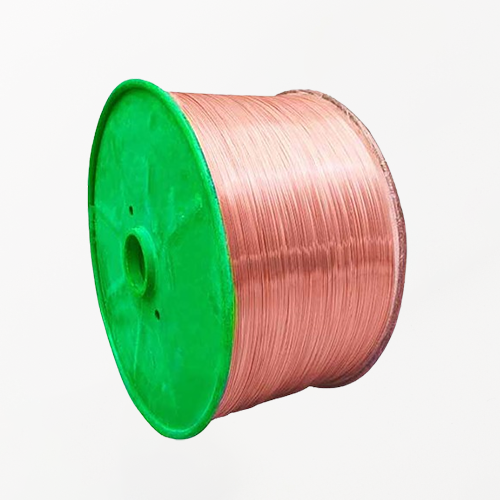
View More
Shielded Cables: The Backbone of Reliable Communications

22

Mar

Shielded Cables: The Backbone of Reliable Communications

Understanding Shielded Cables in Communication Networks

What Makes Shielded Cables Essential for Data Transmission?

Shielded cables are really important for keeping data safe during transmission since they block out external electromagnetic interference, or EMI as it's commonly called. We see this protection working well in places such as data centers and industrial areas where clear signals matter a lot. Take EMI for example it messes with signals and can cause problems like lost or corrupted data. Shielded cables help fix these issues by stopping those unwanted signals from getting through. Plus, these cables let data travel longer distances without losing strength, which makes them reliable across different situations. Industry studies show that switching from regular cables to shielded ones cuts down errors by around 80 percent, especially noticeable in spots with lots of EMI like manufacturing plants and hospitals.

Key Components: Enameled Wire and Conductive Materials

Enameled wire plays a big role in shielded cables because it offers excellent insulation and stands up well against corrosion issues. When installed properly, these wires help keep cables working reliably for years on end while shielding the inner conductors from outside damage and unwanted interference. Shielded cables often incorporate different metals too, with copper and aluminum being popular choices among manufacturers looking to boost conductivity and preserve signal integrity throughout their systems. Take copper for instance it has really high conductivity which means less resistance when transmitting signals, so data moves through the network much faster without losing strength along the way. Most professionals in the field will tell anyone who asks that using good quality materials during cable manufacturing isn't optional if companies want top notch performance out of their infrastructure since poor material selection directly affects how well those cables handle electromagnetic interference problems in real world conditions.

Stranded vs. Solid Wire in Cable Construction

When building cables, deciding between stranded and solid wire really comes down to what the job actually needs. Stranded wires bend better and hold up against wear and tear, so they work great when cables get moved around a lot or exposed to vibrations, think about car parts or factory equipment that moves constantly. Solid wire isn't as flexible but stands up to abuse much longer, which is why electricians usually go for this type when running power through walls or ceilings where things stay put. For sending signals through cables, stranded versions are harder to snap because they flex without breaking, though they do carry some extra resistance compared to their solid counterparts. Most people pick whichever fits their setup best, going with stranded if the cable will see action and sticking with solid for those permanent installations where stability matters most.

Electromagnetic Interference (EMI) and Signal Integrity

How EMI Disrupts Communication Network Performance

Electromagnetic interference, or EMI for short, really messes with how well communication networks work because it gets in the way of signals traveling through them. Most of the time this interference comes from other electrical devices sitting close by, and when it happens, important data either gets lost completely or becomes corrupted somehow. Take factories with lots of big machines running all day long, or places packed full of electronics - these spots tend to have constant problems with their signals getting disrupted, which makes everything run slower and less reliably. Looking at actual numbers shows something interesting too. Networks dealing with serious EMI issues lose way more data packets than they should, sometimes cutting down overall efficiency by around 30%. We've seen this happen in hospitals where doctors struggle to maintain reliable wireless connections because medical equipment creates so much EMI. That's why many tech professionals now recommend using shielded cables and other protective measures to keep networks functioning properly despite all the electromagnetic noise floating around.

The Role of Shielding in Preserving Signal Quality

Good shielding is essential for keeping signals clean since it blocks out unwanted electromagnetic interference. When cables get wrapped in conductive stuff like aluminum foil or copper braid, they create barriers against those pesky EM waves that mess with data transmission. Some studies indicate that certain methods work better than others. For instance, layering different materials together or mixing foil with braided shields tends to keep signal loss minimal even when dealing with those tricky high frequency transmissions. The field has seen some interesting developments lately too. Manufacturers are coming up with new conductive compounds and creative ways to build shields into cable structures. This progress should lead to stronger protection options down the road, especially important as our communication networks grow more complicated and operate under tougher conditions day after day.

Stranded Copper Wire Resistance Per Foot: Impact on EMI Protection

How much resistance there is in each foot of stranded copper wire really affects how well it blocks electromagnetic interference. Wires with lower resistance generally work better at stopping EMI, so picking the right gauge matters a lot. Take a look at what happens when we go down in wire gauge sizes. The resistance goes down too, which means better shielding against those pesky electromagnetic signals. According to some actual field tests from engineers working on this stuff daily, getting the wire size right for whatever environment it'll be used in makes all the difference for proper EMI protection. Anyone looking at installing wiring where strong EMI shielding is needed should definitely pay attention to these resistance numbers. Getting this part wrong could lead to problems later on with equipment malfunctioning or needing replacement sooner than expected.

Foil Shielding: Lightweight Protection for High-Frequency EMI

Foil shielding works really well at blocking out those pesky high frequency electromagnetic interferences (EMI) thanks to a thin metal layer wrapped around the cable. Usually made from copper or aluminum, this foil creates a complete barrier along the whole length of the cable. That's why we see it so much in areas plagued by high frequency signals. What sets foil apart from other shielding methods is how light it is. Installation becomes way simpler compared to bulkier options like braided shields. Sure, foil isn't as tough as some alternatives, but when weight matters most, like in tight spaces or long runs, it wins hands down. We find foil shielding all over the place actually. Data centers rely on it heavily because they can't afford signal disruptions. Same goes for telecom infrastructure where even small amounts of interference could cause major problems for communications networks.

Braided Shielding: Durability and Flexibility in Industrial Settings

Braided shielding consists of copper wires woven together into a mesh pattern, which gives it good strength while still being flexible enough for tough industrial conditions. Compared to foil shielding, this braided version covers around 70% to maybe even 95% of the surface area, though how well it works really depends on how tightly those wires are woven together. Industrial settings love this kind of shielding because it can take a beating without breaking down or losing function when subjected to harsh factory floor conditions. What makes braided shielding stand out is its flexibility factor too. Cables with this shielding can bend and move around all day long without affecting their performance. That's why we see so much of it in manufacturing plants where cables get moved around constantly and face plenty of mechanical stress over time.

Spiral Shielding Applications in Dynamic Communication Systems

Spiral shielding works really well in situations where cables get moved around a lot or bent frequently. The way the conductive material wraps around in spirals lets these cables stay flexible but still blocks out electromagnetic interference pretty effectively. That's why many engineers prefer them when dealing with equipment that moves constantly, think industrial robots or automated assembly lines for instance. Looking at recent developments, manufacturers keep finding ways to improve how these shields work better over time. With modern tech needing reliable connections even under tough conditions, we're seeing more companies switch to spiral shielding solutions across different sectors from manufacturing floors to medical devices.

Choosing the Right Shielded Cable for Communication Systems

Environmental Factors: EMI Sources and Cable Routing

Knowing where electromagnetic interference (EMI) comes from and how it travels matters a lot when picking out shielded cables for communication systems. Industrial equipment, old fashioned fluorescent lights, and nearby radio transmitters all create EMI that messes with signal quality. Getting the cable paths right helps reduce this problem. A good rule of thumb? Keep signal cables away from power lines and don't run them parallel. Also maintain some distance between sensitive signal lines and those pesky EMI sources. This becomes especially important in factories and plants where strong signals are needed. Real world experience tells us that cables kept at proper distances from EMI sources work better and maintain cleaner signals over time. Many engineers have seen this firsthand in their installations.

Balancing Conductivity and Flexibility: Bare Stranded Copper Wire Considerations

When selecting bare stranded copper wire, engineers need to weigh conductivity against flexibility based on what the job requires. The copper composition gives this type of wire outstanding electrical properties, which explains why it works so well in demanding applications like power transmission lines. But don't overlook the flexibility factor either. This characteristic makes installation easier in areas where components move around regularly, such as factory automation systems or vehicle wiring harnesses. Industry experience shows that stranded configurations retain their conductive qualities over longer runs while still bending around tight corners in cramped machinery compartments. Getting the mix right between these two attributes means better results down the road, whether the priority is maintaining signal strength through extended cable runs or accommodating frequent movements in mechanical assemblies.

Interpreting Stranded Wire Size Charts for Optimal Performance

Getting stranded wire size charts right makes all the difference when it comes to getting good cable performance. These charts basically tell us about wire sizes and how they impact things like impedance and what kind of electrical load they can handle. When picking the right size, we're looking at minimizing resistance along each foot of cable while keeping signals strong throughout the system. Otherwise, problems like cables getting too hot or losing signal strength become real headaches. A lot of folks miss important factors like temperature changes in the environment where the cables will be installed, or forget to check exactly what kind of load demands their particular setup has. Taking time to really understand these charts helps prevent those costly errors down the road, so communication systems run smoothly without unexpected issues popping up later on.

کردن: فهمیدن و استفاده از نمودارهای اندازه سیم فلزی برای عملکرد بهینه امری ضروری است که به کاهش مقاومت و بهبود انتقال سیگنال کمک می‌کند.

View More
Let's explore the innovations in the manufacturing process of a wire product.

14

Jul

Let's explore the innovations in the manufacturing process of a wire product.

Smart Automation in Wire Manufacturing

AI-Driven Production Optimization

Artificial intelligence is changing how wires get made on factory floors these days. With AI systems watching over production lines, factories spot problems long before they actually stop things from running smoothly. Some plants report their operations getting about 20% better once they brought in smart monitoring tools. Less time wasted means fewer missed delivery dates and products that stick closer to quality specs. Take XYZ Manufacturing for example they cut down scrap materials by almost half after installing predictive maintenance software last year. When manufacturers start using machine learning models, they gain better control over day-to-day decisions. Resources go exactly where needed at exactly the right moment, which makes everyone in the plant work together more efficiently than ever before.

IoT-Enabled Quality Monitoring Systems

Bringing IoT devices into wire manufacturing changed how we monitor production completely, giving us live updates on all sorts of wire quality measurements. When teams get immediate access to these numbers, they can jump in right away if something goes wrong, which cuts down defects and makes customers happier overall. The stats back this up too many factories report seeing fewer faulty wires making it out the door since implementing these smart monitoring systems. Data analysis tools help manufacturers spot patterns over time, so they know when adjustments need to happen before problems even start. Looking at actual usage data instead of just guesswork keeps quality standards from slipping, and most importantly, keeps what comes off the line matching what customers actually want.

Enhanced Enameled Wire for High-Temperature Applications

Recent improvements in enameled wire tech have really opened doors for applications in hot environments, representing a big leap forward for the wire manufacturing sector. Auto makers and aerospace companies are turning to these upgraded materials because they hold up better when things get super hot and stay durable even when pushed to extremes. Take this for example: modern enameled wires can handle heat well above 200 degrees Celsius, which makes them perfect for placement near engines or inside sensitive electronics. These wires last longer than older versions too, so there's less need to replace them all the time, cutting down on those annoying maintenance expenses. Plus, when used in various electronic parts, they keep performing reliably no matter what temperature swings come along, helping make sure high tech equipment runs smoothly without unexpected breakdowns.

Copper Clad Aluminum Wire: Efficiency Advancements

Copper clad aluminum (CCA) wire stands out as a cheaper option compared to regular copper wire, especially when weight matters and budget constraints are tight. What makes CCA special is that it takes advantage of copper's good conductivity while keeping the lightness of aluminum. This combination cuts down on material expenses and also saves energy during operation. More companies are switching to CCA these days, and studies show around 25% better energy efficiency than standard copper wiring, though results can vary depending on installation conditions. Another plus point for CCA is its ability to resist corrosion much longer than pure copper, which means equipment lasts longer before needing repairs or replacement. As a result, many industrial sectors are finding ways to incorporate this material into their electrical systems, helping them cut costs while still meeting sustainability goals.

You can explore more about Copper Clad Aluminum Wire by visiting the product page.

Solid Wire vs Stranded Wire Performance Analysis

Looking at solid wire versus stranded wire shows some pretty different characteristics that affect where each gets used. Solid wire conducts electricity better because it's just one continuous piece, but this comes at a price - it doesn't bend well and breaks easily when moved around too much. That makes it a poor fit for places where things get shaken up or need frequent adjustments. Stranded wire tells a different story altogether. Made from lots of tiny wires all twisted together, it bends nicely and holds up under stress much better. This is why we see so many automotive manufacturers going for stranded options in engine compartments and other areas subject to constant vibration. When engineers pick between these two types, they usually consider three main factors: how strong the material needs to be, whether it must flex regularly, and what fits within budget constraints. Getting this right matters a lot since choosing the wrong type can lead to failures down the road.

Sustainable Manufacturing Techniques

Energy-Efficient Wire Drawing Processes

Energy efficient wire drawing processes make a big difference when it comes to cutting down power usage across manufacturing facilities. Tech improvements over recent years aim at getting the most out of every watt while still keeping product quality intact. Take a look at what some manufacturers are doing these days - many have swapped out old motors for high efficiency models and installed smart control systems that automatically adjust settings based on demand. The results speak for themselves according to factory managers we spoke with last month during an industry conference. One plant manager mentioned they cut their monthly electricity bill by nearly 30% after upgrading their equipment just six months ago.

The impact of going green in wire manufacturing goes beyond just checking boxes. When manufacturers adopt energy saving methods, they meet regulatory requirements while building better sustainability credentials. The real win comes from reduced operating costs too many businesses overlook this benefit completely. For instance, lower electricity bills alone can make a noticeable difference in monthly expenses. So it works out well for everyone involved nature stays protected and companies actually save money in the long run rather than just spending more on eco initiatives.

Recycled Material Integration

More and more wire producers are turning to recycled materials these days, which brings real environmental advantages to the table. Big names in the business have started looking seriously at ways to incorporate old copper and aluminum into their manufacturing processes. The bottom line? Factories cut down on carbon emissions when they reuse metal instead of mining new stuff, plus they save money too. Some rough estimates floating around the industry point to about a 30 percent drop in production expenses when companies switch to recycled inputs. Makes sense really since recycling avoids all those energy intensive steps involved in extracting raw materials from scratch.

Using recycled materials for wire production comes with its share of headaches, especially when it comes to keeping product quality consistent across batches. Many manufacturers have started implementing better sorting methods and cleaner processing systems to get rid of impurities that can ruin the final product. The extra work pays off in multiple ways. First, it maintains the standards customers expect. Second, it shows that recycled content can actually be reliable enough for serious industrial applications. Some plants now mix recycled metals with virgin material at specific ratios to strike the right balance between sustainability goals and performance requirements.

Design and Standardization Trends

Stranded Wire Size Chart Modernization

The latest changes to stranded wire size charts actually mirror what's happening in today's tech world and industrial applications. Manufacturers need these updates because they help them keep up with what different industries demand now, which makes all those electrical systems safer and works better together. Having standard measurements matters a lot when it comes to keeping things consistent and dependable across multiple sectors. Take the automotive industry for example, or companies working in renewable energy sources like solar panels and wind turbines. These businesses absolutely depend on up to date standards just to make sure everything runs safely and efficiently without any hiccups. Many firms operating in these areas report good results from the new sizing information, saying it gives them more freedom to develop new products while still sticking to important safety regulations that protect workers and equipment alike.

3D-Printed Tooling for Custom Wire Forms

The advent of 3D printing has changed how manufacturers approach tooling and fixtures in wire production. Instead of relying on traditional methods, factories can now create custom tools right when they need them. These specialized tools fit exactly what's required for each job, which cuts down waiting periods and saves money on unnecessary expenses. Real world examples show that companies switching to 3D printed components often finish projects faster than before. Looking ahead, there's plenty of room for growth in this area. Wire manufacturers are already experimenting with new shapes and configurations that were impossible with older techniques. While still developing, 3D printing technology holds real promise for transforming not just individual parts but entire manufacturing processes across the industry.

View More
The potential future innovations of a wire product are both exciting and full of possibilities.

14

Jul

The potential future innovations of a wire product are both exciting and full of possibilities.

Emerging Materials in Wire Manufacturing

Copper Clad Aluminum (CCA) Wire Advancements

Copper Clad Aluminum or CCA wire is gaining popularity because it's light weight and conducts electricity pretty well, which makes it a go to option across many different fields. Manufacturers have been improving how they make these wires lately, so now they last longer and work better even when put through tough conditions that would break regular wires. A lot of people working in the field are starting to recommend CCA wire more often, especially for things like electrical systems and electronic devices since the improvements really show there. Looking at market numbers, we see construction companies and car makers using more CCA wire than before. The construction business alone saw around 20 percent more CCA wire being used last year compared to previous years, mainly because builders need materials that aren't heavy but still get the job done efficiently. Most industry analysts believe this shift toward CCA will keep picking up speed as countries around the world invest in building new roads, bridges and other infrastructure projects.

Enameled Wire Applications in Modern Electronics

Enameled wires play a really important part in today's electronics, especially when it comes to things like motors and transformers because they offer great insulation. We've seen some pretty big improvements lately in how well these wires handle heat and perform overall, which makes them perfect for demanding applications. Take electric vehicles for instance - many manufacturers now rely on enameled wires in their motor designs since the wires can stand up to higher temperatures without breaking down over time. Looking at the bigger picture, companies using enameled wire in their products tend to save energy in the long run while also getting better performance from their devices. This trend is showing up across various industries, with engineers increasingly choosing materials that not only work better but also help cut down on power usage and waste generation during product lifecycles.

Stranded vs Solid Wire: Breakthroughs in Flexibility

When it comes to choosing between stranded and solid wire, mechanical flexibility and what works best for different applications matters a lot. Stranded wires get their reputation from being flexible, but recent tech advances have made them perform even better in tight spots. Installers find these wires much easier to work with when dealing with cramped or complicated spaces. Most electricians will tell anyone who asks that stranded wires beat solid ones in situations where there's regular movement or bending required. On the flip side, solid wires remain popular because they hold their shape well and stay stable over time, especially in installations that don't need much movement at all. According to recent market analysis, companies switching to stranded options report up to 30% improvement in installation speed for projects involving frequent adjustments. For factory managers and plant engineers trying to decide which wire type suits their operations, looking at actual usage conditions makes all the difference in picking the right solution.

Smart and Connected Wire Technologies

IoT-Enabled Wiring Systems for Industrial Automation

Wiring systems connected to the Internet of Things are changing how factories operate, mainly because they let managers keep tabs on everything happening in real time. The sensors built right into these wires help get things done faster and with better accuracy across the board. Take manufacturing facilities for instance, where smart wires cut down on equipment breakdowns, speed up work processes, and generally make day-to-day running smoother. One big car maker saw their production numbers jump by around 30% once they started using this tech throughout their assembly lines. And it's not just one company either. Many businesses that have made the switch to IoT wiring report noticeable improvements. Industry data shows some firms actually improved their overall performance metrics by as much as 40% after rolling out these new systems. Makes sense when you think about it really, since having constant visibility into operations just opens up so many opportunities for optimization.

High-Speed Data Transfer Cables for 5G Infrastructure

The rollout of 5G networks simply wouldn't work without those high speed data transfer cables running behind the scenes. These special cables handle massive amounts of information at lightning fast speeds, cutting down lag time while keeping up with all the extra bandwidth needed for next generation connectivity. Manufacturers have been making big strides lately too, developing new materials and better construction methods that actually make these cables faster and more dependable than ever before. Cities across the country are already seeing results from installing this tech in their fiber optic networks, proving just how essential these components really are. Most folks in the telecom business agree we'll keep needing more of these cables as 5G expands everywhere. Market research suggests the cable industry could see something like 35% growth each year going forward, which makes sense when looking at how quickly businesses and consumers are jumping on board with 5G services.

Self-Monitoring Wire Harnesses with Embedded Sensors

The latest self monitoring wire harness tech is changing the game when it comes to predictive maintenance work. These systems have tiny sensors built right into them that pick up on things like wear patterns, stress points, and other warning signs before they become big problems. What makes this so valuable is that the sensors keep checking the wiring condition all the time, which means technicians get alerts way ahead of any actual breakdown happening. One factory reported cutting their maintenance budget down by around 25% after switching to these smart harnesses. For industries where equipment downtime simply isn't an option, these monitoring systems have become absolutely essential. Companies are seeing real money savings because they catch small issues before they escalate into expensive repairs. The ability to spot trouble spots early definitely gives manufacturers a competitive edge in keeping their machinery running smoothly for longer periods.

Sustainability in Wire Production

Recyclable Halogen-Free Cable Compounds

The wire manufacturing sector has long struggled with environmental issues because many traditional materials contain dangerous halogens. Things are changing though, as more companies turn to recyclable, halogen-free cable compounds across the industry. These new materials keep up with performance expectations while cutting down on environmental impact. Research shows that businesses switching to these cables see real benefits beyond just going green. They actually reduce harmful emissions and get better fire protection too. Take flame retardants in particular - these materials make buildings and factories much safer places to work. The market for these eco options is exploding fast. Recent industry reports suggest around 30% of all cable production in Europe and North America now uses sustainable alternatives, and this number keeps climbing every year.

Energy-Efficient Manufacturing of Enameled Wires

Manufacturing enameled wires in an energy efficient manner makes a big difference both for the environment and bottom line costs. The process generally focuses on streamlining operations so less power gets used while getting more done with available resources. Take companies at the forefront of this movement they're investing in things like induction heating systems and smart quality checks that automatically flag issues during production runs. What these technological upgrades actually do is cut down on how much electricity goes into making each batch of wire, which means fewer greenhouse gases released and money saved on utility bills too. Real world data from factories implementing these methods shows around 15 to 20 percent less energy consumed overall. That kind of savings isn't just good for profits it's becoming essential as regulators tighten emission standards and customers demand greener products from manufacturers across the wire industry.

Circular Economy Models for Stranded Wire Recycling

Circular economy principles are now playing a major role in making wire production more sustainable, particularly when dealing with stranded wire. The basic idea revolves around keeping materials in circulation instead of letting them become waste, which cuts down on both trash and environmental harm. New methods have emerged recently that allow recyclers to pull valuable components out of old stranded wires, making the whole process much greener than traditional approaches. We're seeing more collaboration happening between wire makers and recycling plants too, as they work together to keep materials flowing through the system. From a business standpoint, going circular makes good sense financially while also helping the planet. Companies that switch to this model typically save money on raw materials and send far less stuff to landfills. Industry data shows some firms cutting their production waste by around 40%, though results can vary depending on the specifics of each operation. These numbers are encouraging enough for many wire producers to consider making similar changes.

Advances in Manufacturing Processes

AI-Driven Quality Control for CCA Wire Production

The introduction of AI tech is changing how quality control works for Copper Clad Aluminum (CCA) wires. Factories using AI see fewer defects and much better consistency in what they produce. These smart systems actually learn from data to spot problems during wire making, cutting down on wasted materials and speeding things up overall. Many businesses who switched to AI talk about better products coming off the line plus quicker turnaround times. A big name manufacturer told us their story where after putting AI into operation, defects dropped around 30% and production got noticeably faster too. All these improvements show just how important AI has become for updating traditional methods in CCA wire manufacturing today.

3D Printing Applications in Custom Wire Harness Design

3D printing plays a big role in creating custom wire harnesses that fit exactly what different applications need. The tech lets manufacturers prototype quickly and produce at lower costs, which works really well when only small batches are needed. Companies can cut down on waiting time thanks to 3D printing, so they respond faster to what customers want with made-to-order solutions. Take the automotive and aerospace sectors for instance they've started using this tech extensively, resulting in all sorts of new designs and much better customization options. Market reports suggest we'll see a lot more growth in how 3D printing gets used for wire harnesses going forward, showing that businesses across many fields are getting serious about adopting these kinds of advanced manufacturing methods to get more flexible and efficient designs.

Robotic Automation in Stranded Wire Assembly Lines

Stranded wire assembly lines are seeing major changes thanks to robotic automation, which brings better precision and speeds things up considerably. Companies save money on labor while cranking out products at much higher rates than before, giving them an advantage over competitors who haven't made the switch yet. Take XYZ Manufacturing for instance they installed robots last year that cut down on manual tasks during assembly, resulting in production cycles that run about 30% faster now with almost no mistakes slipping through. Industry reports point to rising numbers across the board when it comes to automation adoption rates in recent years. What we're witnessing isn't just another tech fad but rather a fundamental shift toward smarter manufacturing practices where quality control remains top priority even as output levels climb steadily month after month.

View More

Customer Reviews on Copper Clad Copper Wire

John Smith
Exceptional Performance and Reliability

Litong Cable's copper clad copper wire has transformed our manufacturing process. The quality is unmatched, and we have seen a significant reduction in defects. Highly recommended!

Sarah Johnson
A Game Changer for Our Products

The copper clad copper wire from Litong has greatly enhanced the performance of our audio products. The clarity is impressive, and our customers love the improvements!

Get a Free Quote

Our representative will contact you soon.
Email
Name
Company Name
Message
0/1000
Superior Conductivity for Enhanced Performance

Superior Conductivity for Enhanced Performance

Our copper clad copper wire boasts exceptional electrical conductivity, which is vital for applications where signal integrity is crucial. The unique manufacturing process ensures that the copper core is optimally bonded with the cladding, resulting in minimal resistance and superior performance. This makes our wire ideal for telecommunications and other high-performance applications, where every milliwatt of energy counts. Clients have reported measurable improvements in efficiency and reliability when switching to our copper clad copper wire, leading to increased customer satisfaction and loyalty.
Lightweight and Durable Design

Lightweight and Durable Design

The lightweight nature of copper clad copper wire is a significant advantage in various applications, particularly in consumer electronics and automotive industries. This feature allows for easier handling and installation, reducing labor costs and time. Additionally, the durable cladding provides protection against environmental factors, such as moisture and corrosion, ensuring a longer lifespan for the wire. This durability translates to lower maintenance costs and fewer replacements, offering significant long-term savings for our clients.
  • Product Consultation & Selection

    Product Consultation & Selection

    Tailored advice, perfect fit solutions.

  • Production & Supply Chain

    Production & Supply Chain

    Efficient manufacturing, seamless supply.

  • Quality Assurance & Certification

    Quality Assurance & Certification

    Rigorous testing, global certifications.

  • Post-Sales Support & Tech Help

    Post-Sales Support & Tech Help

    Prompt assistance, ongoing support.

Get a Free Quote

Our representative will contact you soon.
Name
Email
Mobile
Country/Region
Title
Message
0/1000