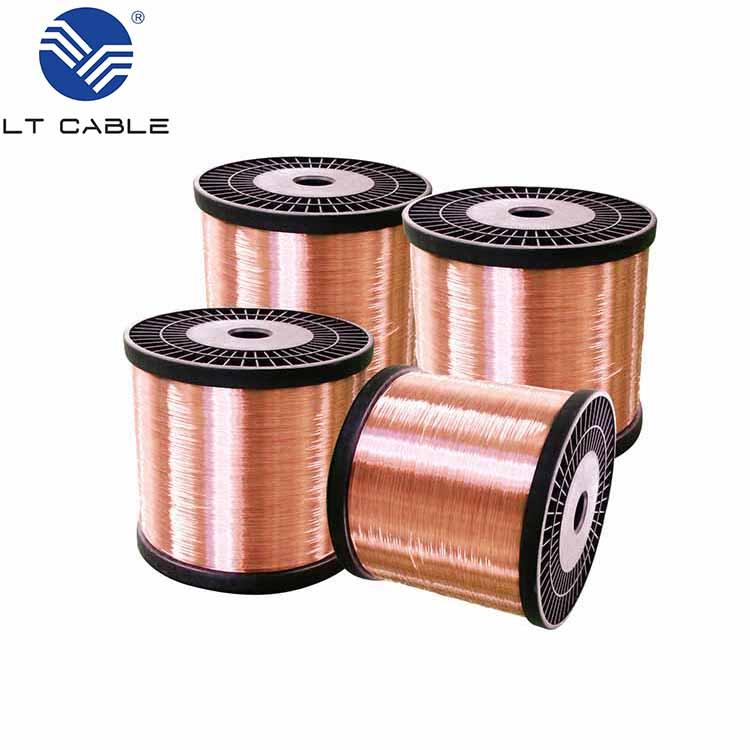
Custom Copper Clad Steel Wire | High-Strength & Conductive

Get a Free Quote

Our representative will contact you soon.
Name
Email
Mobile
Country/Region
Choose the product you want
Message
0/1000
The Unmatched Benefits of Custom Copper Clad Steel Wire

The Unmatched Benefits of Custom Copper Clad Steel Wire

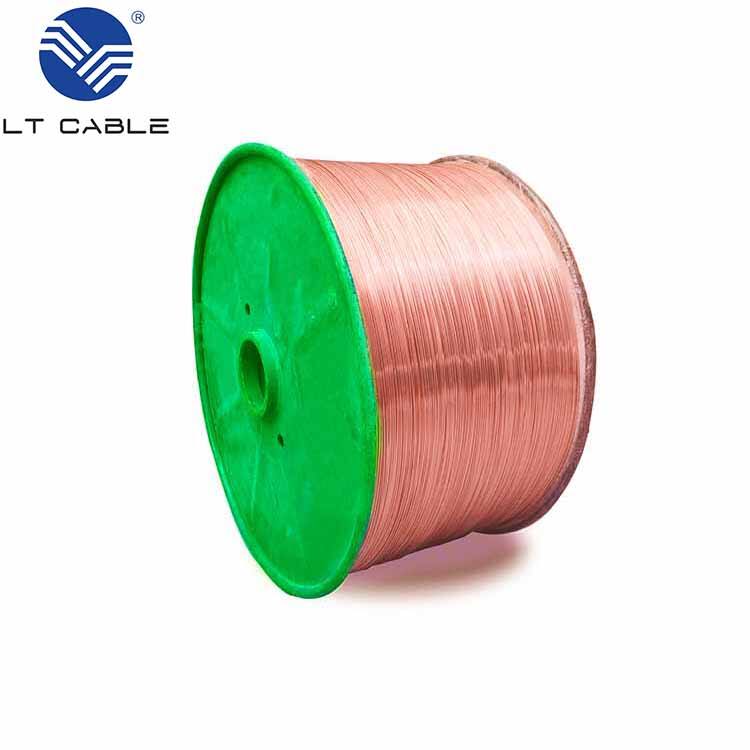
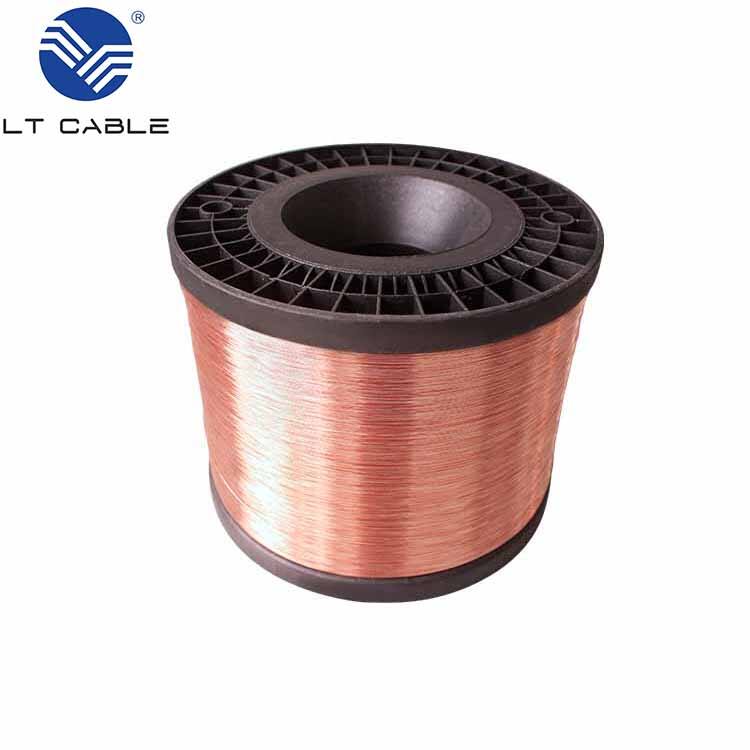
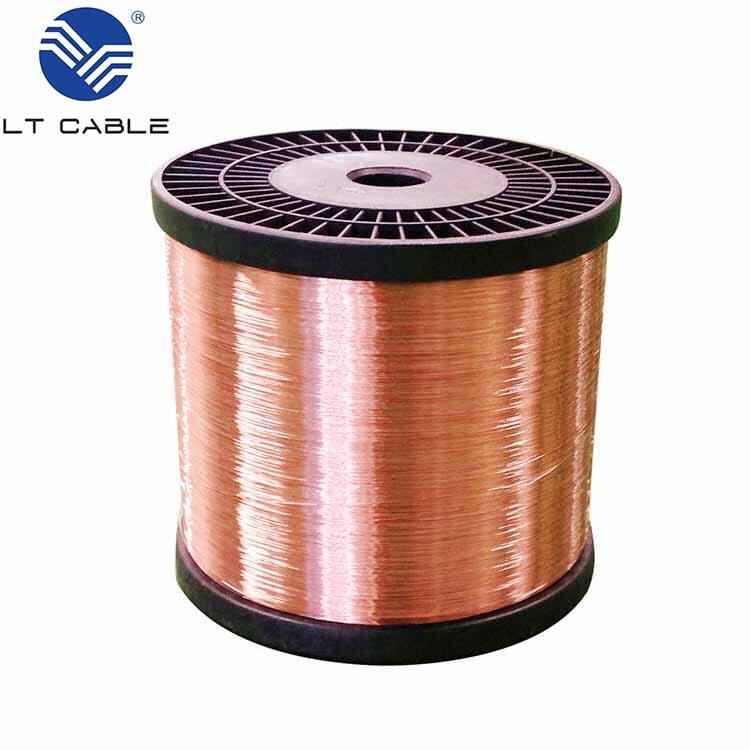
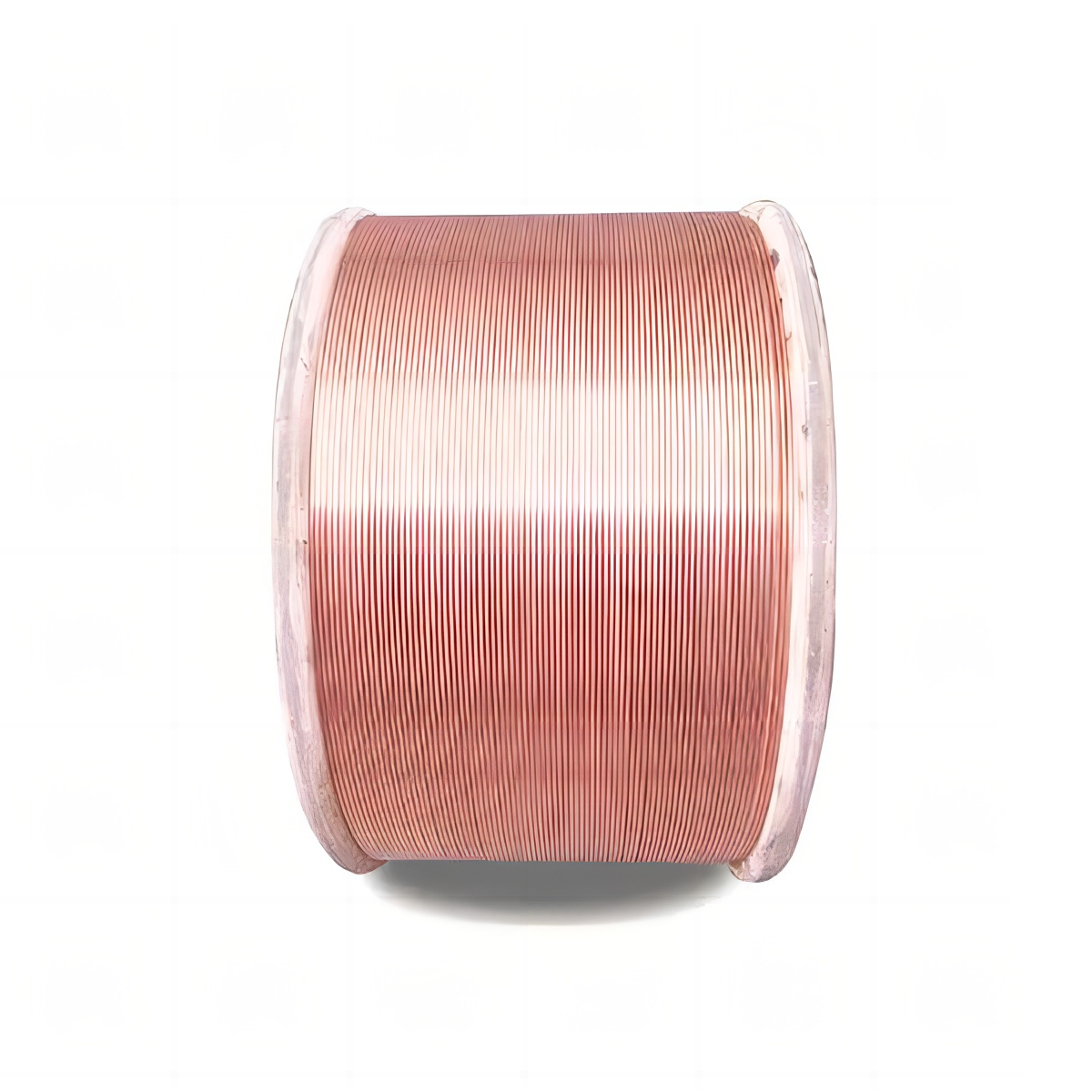
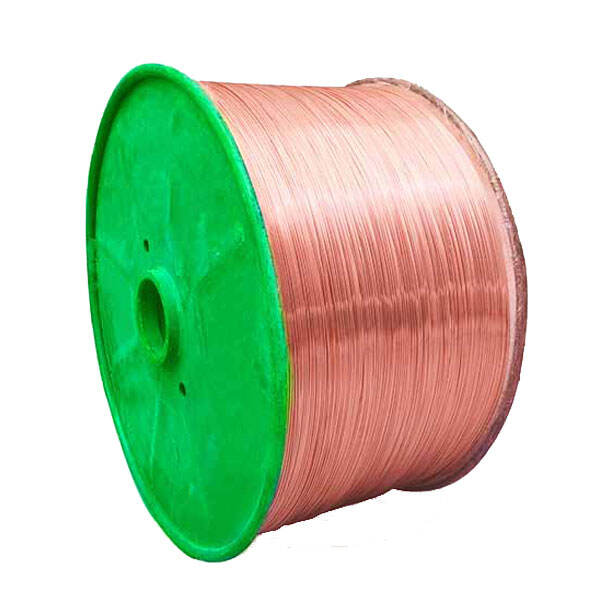
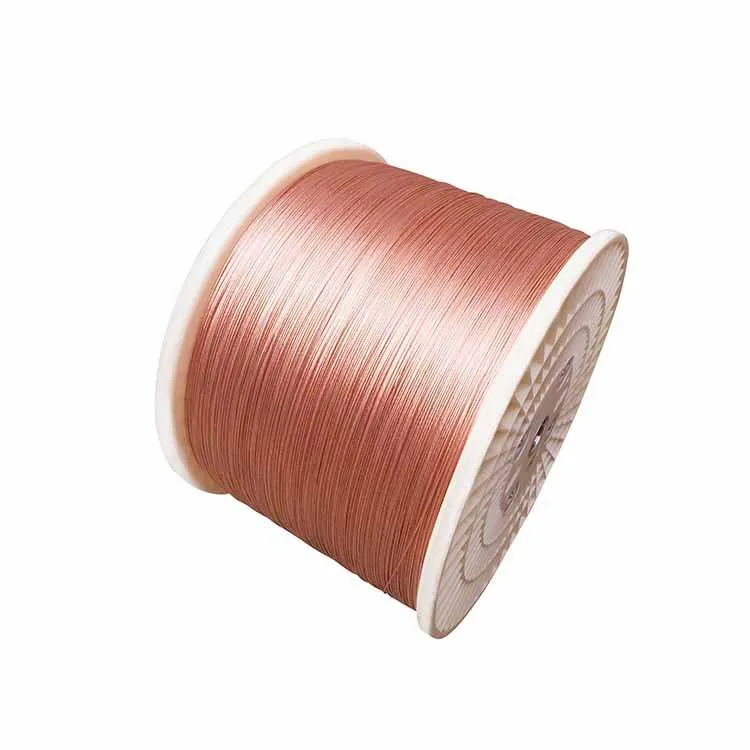
Our custom copper clad steel wire combines the best of both worlds: the conductivity of copper and the strength of steel. This unique product is designed for various applications in industries such as telecommunications, automotive, and construction. With our advanced production techniques, we ensure high-quality standards that meet international specifications. Our fully automated production lines guarantee precision and consistency in every batch. The wire's excellent corrosion resistance and thermal conductivity make it ideal for outdoor and high-temperature environments. Furthermore, our commitment to customer value creation means we offer tailored solutions to meet specific project requirements, enhancing your operational efficiency and reducing costs. Choose Litong Cable for reliable, high-performance custom copper clad steel wire that stands the test of time.
Get A Quote

Real-World Applications of Custom Copper Clad Steel Wire

Telecommunications Infrastructure Enhancement

In a recent project, a major telecommunications provider faced issues with signal loss due to inadequate wiring. By switching to our custom copper clad steel wire, they experienced a 30% improvement in signal strength. The wire's durability and resistance to environmental factors ensured longevity, significantly reducing maintenance costs. Our tailored solution not only solved their immediate problem but also enhanced their overall network performance, proving the value of investing in high-quality wiring solutions.

Automotive Industry Innovation

An automotive manufacturer sought a lightweight yet strong wiring solution for their electric vehicles. Our custom copper clad steel wire provided the perfect balance of conductivity and weight, leading to a 15% increase in energy efficiency. This innovation allowed them to meet stringent industry standards while enhancing vehicle performance. Our ability to customize the wire specifications to fit their unique requirements demonstrated our commitment to supporting cutting-edge automotive technologies.

Construction Project Success

A large-scale construction project required wiring that could withstand extreme weather conditions. By utilizing our custom copper clad steel wire, the contractor achieved a remarkable reduction in installation time and costs. The wire's strength and flexibility made it easy to work with while ensuring reliability in harsh environments. This case exemplifies how our products can contribute to the successful completion of demanding projects, reinforcing our reputation as a trusted supplier.

Related products

We at Litong Cable take pride in creating custom-made copper clad steel wire for our clients’ needs. Our meticulous production processes guarantee the most reliable wire. We keep the most controlled procedures with our raw materials, drawings, and final annealing under the supervision of our skilled management team. Automation on our production lines offers dependability and operational enhancement for our products. The wires we offer stand out on the market with the combination of copper and steel which gives them remarkable strength and conductivity. Because of this, our wires are excellent for a variety of services in the construction, automotive, and telecommunication industries. Because we understand that every task is different, we provide a range of customization options. Our innovative approach allows is to be on the cutting edge of our field, and customers’ unique needs guarantee to us that we consistently provide unparalleled products. With us at Litong Cable you don’t just buy a product, you invest in a great partnership.

Frequently Asked Questions about Custom Copper Clad Steel Wire

What is custom copper clad steel wire?

Custom copper clad steel wire is a specialized wire that combines the conductivity of copper with the strength of steel, making it ideal for various applications. It offers excellent performance in terms of electrical conductivity, durability, and resistance to corrosion.
We adhere to strict quality control measures throughout our production process, from raw material selection to final testing. Our fully automated production lines are designed to maintain consistency and precision, ensuring that every product meets international quality standards.

Related article

Copper-Clad Aluminum Wire: Why CCA Is Popular in Cable Industry

22

Jan

Copper-Clad Aluminum Wire: Why CCA Is Popular in Cable Industry

What Is Copper-Clad Aluminum Wire? Structure, Manufacturing, and Key Specifications

Metallurgical Design: Aluminum Core with Electroplated or Rolled Copper Cladding

Copper clad aluminum wire, or CCA for short, basically has an aluminum core wrapped in copper through processes like electroplating or cold rolling. What makes this combo so interesting is that it takes advantage of aluminum being way lighter than regular copper wires—about 60% less heavy actually—while still getting the good conductivity properties from copper plus better protection against oxidation. When making these wires, manufacturers start with high quality aluminum rods that get treated on the surface first before applying the copper coating, which helps everything stick together properly at a molecular level. How thick the copper layer is matters a lot too. Usually around 10 to maybe 15% of the total cross section area, this thin copper shell affects how well the wire conducts electricity, resists corrosion over time, and holds up mechanically when bent or stretched. The real benefit comes from preventing those pesky oxides from forming where connections meet, something pure aluminum struggles with badly. This means signals stay clean even during high speed data transfers without degradation issues.

Cladding Thickness Standards (e.g., 10%–15% by volume) and Impact on Ampacity and Flex Life

Industry standards—including ASTM B566—specify cladding volumes between 10% and 15% to optimize cost, performance, and reliability. Thinner cladding (10%) lowers material costs but limits high-frequency efficiency due to skin effect constraints; thicker cladding (15%) improves ampacity by 8–12% and flex life by up to 30%, as confirmed by IEC 60228 comparative testing.

Cladding Thickness Ampacity Retention Flex Life (Cycles) High-Frequency Efficiency
10% by volume 85–90% 5,000–7,000 92% IACS
15% by volume 92–95% 7,000–9,000 97% IACS

When copper layers get thicker, they actually help cut down on galvanic corrosion problems at connection points, which is really important stuff if we're talking about installations in damp areas or near the coast where salt air hangs around. But there's a catch here. Once we go past that 15% mark, the whole point of using CCA starts to fade away because it loses its edge in terms of being lighter and cheaper compared to regular old solid copper. The right choice depends entirely on what exactly needs to be done. For things that stay put like buildings or permanent installations, going with around 10% copper coating works just fine most of the time. On the flip side, when dealing with moving parts such as robots or machinery that gets shifted around regularly, folks tend to bump up to 15% cladding since it stands up better to repeated stress and wear over long periods.

Why Copper-Clad Aluminum Wire Delivers Optimal Value: Cost, Weight, and Conductivity Trade-Offs

30–40% Lower Material Cost vs. Pure Copper—Validated by 2023 ICPC Benchmark Data

According to the latest ICPC Benchmark numbers from 2023, CCA cuts down on conductor material expenses by around 30 to 40 percent when compared to regular solid copper wiring. Why? Well, aluminum just costs less at the market level, and manufacturers have really tight control over how much copper gets used in the cladding process. We're talking about only 10 to 15% copper content in these conductors overall. These cost savings make a big difference for expanding infrastructure projects while still keeping those safety standards intact. The impact is especially noticeable in high volume scenarios such as running the main cables through massive data centers or setting up extensive telecom network distributions across cities.

40% Weight Reduction Enables Efficient Aerial Deployment and Reduces Structural Load in Long-Run Installations

CCA weighs about 40 percent less than copper wire of the same gauge, which makes installation much easier overall. When used for aerial applications, this lighter weight means less strain on utility poles and transmission towers something that adds up to thousands of kilograms saved across long distances. Real world testing has shown workers can save around 25% of their time because they're able to work with longer sections of cable using regular equipment instead of specialized tools. The fact that these cables are lighter during transport helps cut down on shipping expenses too. This opens up possibilities where weight matters a lot, like when installing cables on suspension bridges, inside old buildings that need preservation, or even in temporary structures for events and exhibitions.

92–97% IACS Conductivity: Leveraging Skin Effect for High-Frequency Performance in Data Cables

CCA cables hit around 92 to 97 percent IACS conductivity because they take advantage of something called the skin effect. Basically, when frequencies go above 1 MHz, electricity tends to stick to the outer layers of conductors rather than flowing through the whole thing. We see this in action across several applications like CAT6A Ethernet at 550 MHz speeds, 5G network backhauls, and connections between data centers. The copper coating carries most of the signal while the aluminum inside just gives structural strength. Tests have shown that these cables maintain less than 0.2 dB difference in signal loss over distances up to 100 meters, which is basically the same performance as regular solid copper wires. For companies dealing with massive data transfers where budget constraints matter or installation weight becomes an issue, CCA offers a smart compromise without sacrificing much on quality.

Copper-Clad Aluminum Wire in High-Growth Cable Applications

CAT6/6A Ethernet and FTTH Drop Cables: Where CCA Dominates Due to Bandwidth Efficiency and Bend Radius

CCA has become the go to conductor material for most CAT6/6A Ethernet cables and FTTH drop applications these days. Weighing in at about 40% less than alternatives, it really helps when running cables both outdoors on poles and indoors where space matters. The conductivity levels sit between 92% and 97% IACS which means these cables can handle all the way up to 550 MHz bandwidth without issues. What's particularly useful is how flexible CCA naturally is. Installers can bend these cables pretty tightly, down to four times their actual diameter, without worrying about losing signal quality. This comes in handy when working around tight corners in existing buildings or squeezing through narrow wall spaces. And let's not forget the money aspect either. According to ICPC data from 2023, there are roughly 35% savings on materials costs alone. All these factors together explain why so many professionals are turning to CCA as their standard solution for dense network installations that need to last into the future.

Professional Audio and RF Coaxial Cables: Optimizing Skin Effect Without Premium Copper Costs

In professional audio and RF coaxial cables, CCA delivers broadcast-grade performance by aligning conductor design with electromagnetic physics. With 10–15% copper cladding by volume, it provides surface conductivity identical to solid copper above 1 MHz—ensuring fidelity in microphones, studio monitors, cellular repeaters, and satellite feeds. Critical RF parameters remain uncompromised:

Performance Metric CCA Performance Cost Advantage
Signal Attenuation ∼0.5 dB/m @ 2 GHz 30–40% lower
Velocity of Propagation 85%+ Equivalent to solid copper
Flex Cycle Endurance 5,000+ cycles 25% lighter than copper

By placing copper precisely where electrons travel, CCA eliminates the need for premium-priced solid copper conductors—without sacrificing performance in live sound, wireless infrastructure, or high-reliability RF systems.

Critical Considerations: Limitations and Best Practices for Copper-Clad Aluminum Wire Use

CCA definitely has some good economic advantages and makes sense logistically, but engineers need to think carefully before implementing it. The conductivity of CCA sits around 60 to 70 percent compared to solid copper, so voltage drops and heat buildup become real issues when working with power applications beyond basic 10G Ethernet or dealing with high current circuits. Because aluminum expands more than copper (about 1.3 times as much), proper installation means using torque controlled connectors and checking connections regularly in areas where temperature changes happen often. Otherwise those connections can loosen over time. Copper and aluminum don't play nice together either. Corrosion problems at their interface are well documented, which is why electrical codes now require applying antioxidant compounds wherever they connect. This helps stop the chemical reactions that degrade connections. When installations face humidity or corrosive environments, going with industrial grade insulation like cross linked polyethylene rated for at least 90 degrees Celsius becomes absolutely necessary. Bending cables too sharply beyond eight times their diameter creates tiny fractures in the outer layer, something best avoided altogether. For critical systems such as emergency power supplies or main data center links, many installers opt for a mixed strategy these days. They run CCA through distribution paths but switch back to solid copper for final connections, balancing cost savings with system reliability. And let's not forget recycling considerations. While CCA can technically be recycled through special separation methods, proper end of life handling still needs certified e waste facilities to manage materials responsibly according to environmental regulations.
View More
Wondering how photovoltaic wire is engineered to shine in solar energy systems? Let's dig deeper.

22

Feb

Wondering how photovoltaic wire is engineered to shine in solar energy systems? Let's dig deeper.

Understanding Photovoltaic Wire

PV wire has been developed specifically for transmitting electricity from solar panels while keeping energy losses to a minimum. Standard electrical cables just aren't cut out for what PV wires need to do. These special cables can take on tough outdoor environments without breaking down. They resist things like sunlight damage, water intrusion, and temperature extremes that would ruin regular wiring over time. For anyone running a solar setup, this kind of cable isn't optional it's absolutely necessary if the system is going to work properly day after day. The right PV cables improve safety margins too because they're constructed to manage those big power surges that happen when multiple panels generate electricity at once. Most installers will tell you that investing in quality PV wiring pays off handsomely in the long run since these cables keep working reliably through heat waves, cold snaps, and everything else Mother Nature throws at them.

Engineering of Photovoltaic Wire for Solar Energy Systems

The performance and reliability of solar energy systems really depend on photovoltaic (PV) wiring. Most PV cables come in either copper or aluminum varieties, though copper generally gets the nod because it has less resistance and conducts electricity better than aluminum does. For top tier solar setups where every bit of power matters, copper remains the go to material since it cuts down on those annoying energy losses. But lately we've seen more solar installers opting for copper clad aluminum wire (CCA wire) instead. The CCA stuff gives decent conductivity at a fraction of the price, which explains why so many budget minded solar projects have started using it. This shift toward more affordable wiring options reflects what's happening across the industry as companies look for ways to cut costs without sacrificing too much performance when building out renewable energy infrastructure.

The insulation on PV wires matters a lot because it decides how well they can handle what Mother Nature throws at them. There are several options out there including PVC, PVDF, and XLPE, each offering varying degrees of protection against the elements. Take XLPE for example this stuff really stands up to heat and lasts longer than most alternatives. That's why many installers prefer it when working on projects across different climate zones or in tough conditions where wires face temperature swings day after day plus constant sun exposure. With the growth of solar power installations worldwide, picking the correct wire material paired with suitable insulation isn't just important anymore it's absolutely necessary if we want our panels to keep generating electricity safely for years to come without unexpected failures down the road.

Key Features of Photovoltaic Wire

PV wire stands out because it lasts so long, making it ideal for outdoor installations where replacement would be a hassle. Manufacturers put these cables through all sorts of stress tests they need to handle everything from scorching heatwaves to freezing winters, plus resist damage from chemicals and physical wear. This kind of toughness matters a lot when setting up solar panels since nobody wants their system failing after just a few years. The upfront cost might seem high, but most installers know that good quality wiring saves money down the road by avoiding premature replacements and maintenance headaches.

Following industry standards like UL 4703 matters a lot when talking about PV wire quality. These standards aren't just there for show either they actually guarantee those impressive voltage ratings we see, sometimes going above 600 volts. That kind of rating makes all the difference for keeping solar systems safe while they run at their best. When manufacturers stick to these tough requirements, they're basically putting up roadblocks against dangerous electrical problems that could happen otherwise. Plus, this attention to detail helps make sure solar panels work efficiently from day one. As more people turn to clean energy solutions, proper wiring becomes even more important in making sure everything runs smoothly without unexpected issues down the line.

Types of Photovoltaic Wire Explained

What makes photovoltaic wire so special? Well, it can handle much higher temperatures than regular wire and won't break down when exposed to UV rays from the sun. This matters a lot because normal wires would degrade after sitting outside for years. That's why PV wire works so well in outdoor installations where solar panels need to operate reliably day after day. Standard electrical wiring just isn't built for this kind of punishment. The manufacturers design PV wire specifically to stay intact even when baking in direct sunlight or dealing with extreme heat fluctuations common in many climates around the world.

Stranded wire stands out for its flexibility, which really matters when working in tight spots where stiff wires just won't fit. Installers appreciate this quality because it saves time and frustration during complex installations. Enameled wires take things further by adding those extra insulation layers that help prevent corrosion problems, especially important in damp locations like near water sources or underground conduits. When someone knows about these different options, they can pick what works best for their particular solar project setup while still meeting all the necessary code requirements from local authorities overseeing electrical work.

Being aware of these wire types and their applications is crucial for specialized solar installations. By aligning choices with specific requirements and adhering to industry guidelines, installers can optimize safety and performance in solar energy systems. Quality selection is essential to handle diverse installation conditions effectively.

Selecting the Right Photovoltaic Wire

Choosing the correct photovoltaic or PV wire makes all the difference when it comes to getting good results from solar panels without compromising safety. There are several things worth considering before making a purchase decision including where exactly the system will be installed, what kind of electrical load needs carrying through those wires, plus how well everything works together within the broader setup. Keep in mind that different situations call for different types of wiring materials too. For example outdoor installations require special grade PV cables built specifically to resist damage from sunlight exposure over time plus survive harsh weather extremes something standard household wiring simply isn't made for. Taking care of these details upfront pays off big time down the road by keeping things running smoothly and avoiding expensive breakdowns later on.

Looking at a stranded wire size chart helps pick the correct gauge when dealing with the amperage needs of solar panels. The right wire thickness matters because it needs to carry all that electricity safely without getting too hot, which protects both performance and lifespan of the whole system. Stranded wires bend easier than solid ones, so they work better in tight spots or awkward corners where solar equipment gets installed. Many installers find this extra flexibility makes a big difference during complicated roof mount jobs or when running cables through existing structures.

The solar industry keeps changing fast, so it makes sense to track what's happening with materials and wiring tech if we want better performance from our panels and longer lasting installations. New wires on the market now come with better insulation and stuff that conducts electricity more efficiently, which can really boost how well whole systems work together. Staying updated isn't just about having the latest gear either; it means installations stay relevant for years down the road instead of becoming obsolete when standards change or new tech comes along. Most installers know this already, but many still miss out on some pretty good improvements simply because they haven't checked what's available recently.

PV Wire Usage in Solar Installations

PV wire plays a vital role across all sorts of solar projects, whether someone has just a few panels on their roof or massive solar fields stretching for miles. What makes this wiring so good at handling everything from backyard installations to industrial parks? Well, it's built specifically to handle whatever Mother Nature throws at it. These wires can take extreme heat, cold snaps, and even lightning storms without breaking down. Plus they work safely with the high voltages needed for proper operation. When connecting panels to inverters and then feeding electricity into the main power grid, reliable PV wiring keeps things running smoothly day after day. Without quality connections throughout the system, we'd see drops in performance that nobody wants when relying on solar power for daily needs.

Installing photovoltaic wiring requires following local building regulations and electrical standards to keep things safe and legal. Make sure all those connections are properly sealed because water getting inside is a real problem that causes short circuits down the road. Don't forget about strain relief either. Without it, wires get damaged from constant movement and vibration, which eventually breaks down the whole system. Taking these steps doesn't just prolong equipment life either. Systems perform better when everything stays intact and functioning as intended without unexpected failures.

Getting the installation right means putting in good quality junction boxes and making sure everything is properly insulated. These things work together to make solar systems last longer and perform better over time. The junction boxes keep those important connection points safe from rain, dust, and other stuff that gets in there. Quality insulation does double duty too it stops electricity from leaking out and helps prevent fires. When installers take these precautions seriously, the whole system tends to stick around for years without needing constant fixes. This matters because nobody wants their solar panels going offline when they need power most. And let's face it, proper installation isn't just about avoiding problems down the road it actually makes a real difference in how much clean energy gets produced day after day.

View More
Best Practices for Consistent Quality in Stranded Wires

17

Nov

Best Practices for Consistent Quality in Stranded Wires

Precision Manufacturing for Reliable Stranded Wire Quality Control

Modern stranded wire quality control relies on advanced manufacturing techniques that minimize variability while meeting international performance standards. By integrating automation with rigorous testing protocols, producers achieve the consistency required for critical applications in aerospace, telecommunications, and power transmission.

The Role of Automated Wire Manufacturing in Reducing Human Error

Automated production systems execute wire stranding and insulation processes with micron-level precision, eliminating manual measurement inconsistencies. Robotic tension controllers maintain optimal force during twisting operations, reducing strand breakage by 62% compared to legacy systems according to recent manufacturing audits.

Implementing CCATCCA Wire Consistency Standards in Production Lines

Leading manufacturers combine automated SPC protocols with modular production systems to achieve CCATCCA compliance. These integrated solutions enable real-time adjustments to wire diameter (±0.01mm tolerance) and insulation thickness, crucial for maintaining conductivity specifications across high-volume batches.

Real-Time Monitoring Systems for Diameter and Tensile Strength

Laser micrometer arrays and computer vision systems perform 100% inline inspection, flagging diameter deviations within 0.5 milliseconds. Simultaneous tensile strength analysis using strain gauge feedback prevents substandard materials from progressing through production, ensuring uniform mechanical properties.

Case Study: Leading Asian Cable Manufacturer’s QC Protocol Upgrade

Litong Cable Technology reduced defect rates by 47% after implementing AI-driven process controls across their stranding lines. The upgraded system automatically correlates electrical resistance readings with dimensional stability data, enabling predictive maintenance that cut material waste by 28% within eight production cycles.

Material Selection and Core Integrity in Stranded Wire Assembly

Evaluating Coaxial Cable Core Materials for Durability and Conductivity

For coaxial cables to work at their best, the core materials need to strike a good balance between being tough enough physically and letting signals pass through without interference. Most people still go with oxygen-free high-conductivity copper as the top choice. According to ASTM B3-2024 standards, this material needs to be at least 99.95% pure for really important applications. Some recent tests have actually shown that when OFHC is made in a stranded configuration instead of solid, it performs better in flexibility tests. These stranded versions can handle about 40% more bending before they break down, and they keep around 99.8% of their conductivity even after all that stress. There's also been some interesting developments with silver-plated copper-clad aluminum cores lately. They're lighter by about 18% compared to traditional options and seem to hold up just fine in terms of conductivity for most regular frequency ranges where perfection isn't absolutely necessary.

Copper Purity Standards and Their Impact on Signal Transmission

The quality of signals in high frequency systems really depends on how pure the copper is used. Even tiny amounts of impurities, as small as 0.01%, can actually change how much resistance there is in the circuit. When looking at cables that meet IEC 60228 Class 5 standards which means they're about 99.99% pure copper these show around 1.7 dB per kilometer less signal loss at frequencies hitting 1 GHz when compared to the older Class 4 cables. What makes this important? Well, higher purity copper cuts down on those crystal boundary areas inside the metal by roughly 32%. Fewer boundaries mean electrons don't bounce around so much, which keeps 5G networks and millimeter wave communications running smoother. Companies that stick with these better standards have noticed something interesting too. They tend to experience about 23% fewer problems with lost signals across their telecom equipment installations. Makes sense why network operators are pushing for this kind of material quality nowadays.

Advanced Twisting Techniques to Ensure Stranded Wire Uniformity

Modern wire manufacturing relies on precision twisting methods to balance flexibility and durability. Recent conductor stranding research highlights how stranded conductors reduce skin effect, enhancing conductivity in AC applications while providing superior mechanical strength. Three core methodologies ensure consistent quality:

Optimal Lay Length and Its Effect on Flexibility and Fatigue Resistance

The lay length—the distance for a strand to complete one twist—directly impacts performance. Shorter lay lengths enhance fatigue resistance, ideal for dynamic applications like robotics, while longer lengths improve flexibility for tight spaces. Industry standards such as CCATCCA specify optimal ranges to prevent premature wire failure.

Balancing Tension Across Strands in High-Speed Bunching Machines

Advanced bunching machines utilize real-time tension control systems maintaining ±2% tolerance, crucial for fine wire production. These systems achieve speeds up to 5,400 twists per minute, minimizing breakage and ensuring uniformity across all strands.

Comparative Analysis: Concentric vs. Rope-Lay Configurations

Configuration

Flexibility

EMI Reduction

Primary Use Cases

Concentric Stranding

Moderate

Up to 40 dB

Power transmission, industrial wiring

Rope-Lay

High

25–28 dB

Robotics, portable devices

Concentric stranding’s layered design offers excellent EMI shielding, while rope-lay configurations prioritize flexibility. Field data shows concentric strands withstand 50% more vibration cycles in automotive environments compared to rope-lay alternatives.

Environmental and Operational Factors Affecting Wire Consistency

Temperature Variance and Oxidation Control During Production

Changes in temperature during production have a real effect on how stranded wires perform. When temperatures swing by plus or minus 15 degrees Celsius, it can actually cut down the tensile strength of the wire by as much as 12 percent. To combat this issue, modern manufacturing plants use special climate controlled extrusion areas and those fancy nitrogen filled annealing ovens that keep copper from oxidizing too much, usually below half a tenth of a percent surface damage. These days, most factories rely on real time thermocouples spread throughout the system to keep conductor temps pretty close to what they should be during insulation steps. This kind of temperature control matters a lot especially when making cables for aircraft where tolerances need to be measured in microns rather than millimeters.

Moisture Resistance Testing for Long-Term Installation Reliability

To test how stranded wires age over time, engineers run these accelerated tests that mimic what happens during about 20 years of real world use. The tests include putting them in chambers with nearly 98% humidity and exposing them to salt spray conditions too. Cable makers have been doing some interesting research lately showing that PET based insulation materials keep around 94% of their original electrical resistance even after going through 5,000 temperature changes. That beats regular PVC insulation by quite a margin actually, roughly 37% better performance. When it comes to underwater cables specifically, companies are starting to use something called helium mass spectrometers to check if water gets into the protective layers. These tests show leakage rates under 1 times 10 to the minus sixth power mbar liters per second. Pretty impressive when compared to older methods from just ten years back which were about 15 times worse at keeping moisture out.

Advanced Testing Protocols for Effective Stranded Wire Quality Control

Conductivity, Elongation, and Bend Testing Benchmarks

Rigorous electrical and mechanical testing forms the foundation of stranded wire quality control. Modern facilities employ three-phase validation:

  • Conductivity tests verify copper purity meets IEC 60228 Class 5/6 standards (minimum 101% IACS conductivity)
  • Elongation assessments using computerized tensile machines measure ductility under 30–50 kN loads per ASTM B557-23
  • Bend testing simulates real-world installation stresses through 180° reverse bends at subzero temperatures (-40°C)

A 2024 Material Performance Study found wires meeting all three benchmarks demonstrated 92% fewer field failures over 5-year deployments compared to industry averages.

Non-Destructive Evaluation Using Eddy Current and Ultrasonic Methods

Leading manufacturers now combine traditional destructive tests with advanced nondestructive evaluation (NDE) techniques. Eddy current testing detects subsurface defects like micro-cracks at 0.3mm resolution, while phased-array ultrasonic systems map strand uniformity across 256 measurement points simultaneously.

This dual NDE approach reduces false positives by 47% compared to single-method systems, enabling real-time corrections during production rather than post-process scrap.

Industry Paradox: Balancing Cost Efficiency with Zero-Defect Goals

The stranded wire sector faces mounting pressure to achieve automotive-grade PPB (parts per billion) defect rates while containing costs. Recent analysis reveals:

Quality Investment

Defect Reduction

Cost Impact

Automated optical inspection

63%

+8% production cost

Predictive maintenance systems

41%

+5% capital expense

AI-driven process optimization

79%

+12% upfront, -9% long-term

A Ponemon Institute study (2023) calculated that $740k in annual quality spending typically yields $2.1M in reduced warranty claims and brand erosion costs, creating a 184% ROI within 18 months for early adopters.

Frequently Asked Questions

Why is copper purity important in stranded wire manufacturing?

Copper purity is crucial because even tiny impurities can affect the resistance and overall quality of the wire. Higher copper purity decreases signal loss and enhances conductivity, crucial for applications like 5G networks.

How do automated systems reduce human error in wire manufacturing?

Automated systems execute processes with high precision, minimizing manual measurement inconsistencies. These systems use robotic controllers and real-time monitoring to ensure consistency and reduce strand breakage effectively.

What advanced techniques are used for stranded wire quality control?

Modern stranded wire quality control includes advanced nondestructive evaluation techniques like eddy current and ultrasonic methods along with rigorous electrical and mechanical testing protocols.

View More
Struggling with cable management? A specific product can be your savior. Here's how.

14

Jul

Struggling with cable management? A specific product can be your savior. Here's how.

The Critical Role of Cable Management in Modern Workspaces

Safety Hazards: Reducing Trips and Electrical Risks

When cables aren't managed properly around offices and factories, it creates real safety problems on the job site. We've all seen those messy cords strewn across floors near desks or equipment areas, waiting to trip someone up and possibly cause injury. The National Safety Council actually reports that tripping over cables accounts for quite a few workplace accidents each year, which makes good cable organization essential for any business concerned about employee well being. There's another angle too: when cables get damaged from being dragged around or not routed correctly, they can malfunction electrically and in worst case scenarios might even start fires. Groups such as OSHA definitely stress how important it is to keep cables neatly arranged and make sure nothing gets overloaded, because preventing these issues isn't just about compliance but also about protecting people who work there day after day.

Productivity Impacts of Cable Clutter

All those tangled cables around the office really do hurt productivity, pulling workers away from what they need to be doing. Research points out that when desks and work areas get too messy, people just don't work as well or feel good about their jobs because their minds keep drifting off track. Take a look at companies that clean up their spaces - some reports suggest staff there actually get things done 20% faster according to various productivity consultants. Getting control of all those cords isn't just about looks either. When everything's neat and tidy under desks or behind monitors, folks stay focused longer without constantly tripping over wires or hunting for the right plug. It makes such a difference when someone doesn't have to pause every five minutes to untangle something before continuing with their actual work.

Aesthetic Value and Professional Appearance

When cables are properly managed, workspaces look better and come across as more professional overall. Companies spending time to organize all those wires tend to project a tidier image that really matters when clients walk through the door. Take RGB Networks for instance they completely changed how their office looked after getting serious about cable organization, which boosted their reputation in the industry too. These days, most design trends push for clean spaces without unnecessary visual distractions, making good cable management even more important than before. Beyond just looking nice, having everything organized shows attention to detail that customers notice and appreciate, especially during meetings or presentations where first impressions count.

Essential Cable Management Solutions for Every Setup

Cable Trays and Raceways for Structured Routing

Cable trays and raceways make managing power and data cables much easier by keeping things organized and reducing all that messy congestion. When installed properly, these systems let cables run neatly through spaces while cutting down on dangerous tangles and knots. Most people find them pretty simple to install too, which means getting to cables for repairs or upgrades doesn't take forever. Plus, they follow standard safety regulations so there's no guesswork involved. Offices, server rooms, and educational institutions especially benefit from these systems since they often deal with hundreds of cables at once. Beyond just looking better, proper cable management actually creates safer working conditions and gives any space a far more professional appearance overall.

Reusable Clips and Velcro Ties for Flexible Organization

Clips that can be reused and those sticky Velcro straps make life so much easier when dealing with all those wires in places where things keep changing around. Most people find these pretty straightforward to handle since they just snap on and off as needed for different arrangements. The price point is another big plus, which means offices don't have to spend a fortune while individuals can still get decent options without breaking the bank. Since there's no need for drilling holes or installing anything permanently, rearranging everything becomes quick work whenever new gear gets added or old stuff gets moved out. Anyone who has ever struggled with tangled cords knows what a difference these little gadgets can make in keeping work areas looking neat instead of resembling an electronics graveyard.

Sleeves and Concealment Boxes for Visual Cleanliness

Cable sleeves and those little box things really make workspaces look cleaner than they otherwise would. Most stores carry them in all sorts of colors and materials these days, from plastic to fabric covers that actually match office decor sometimes. When we bundle wires together and tuck away those ugly power strips, the whole room just feels less chaotic. Cleaner spaces tend to impress visitors when they walk in, plus nobody wants to trip over loose cords anyway. A few bucks spent on cable management goes a long way toward making an office feel organized and put together.

Understanding Wire Types: Stranded vs Solid for Different Applications

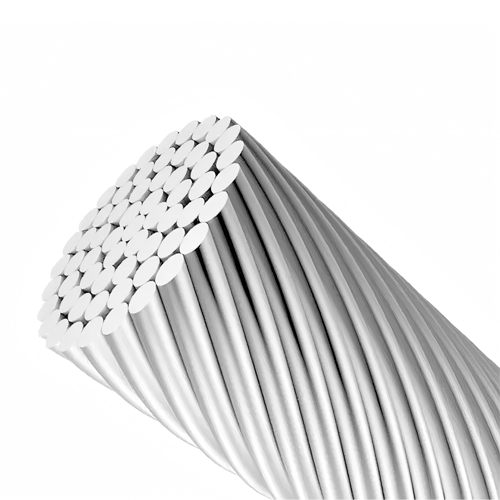
Knowing the difference between stranded and solid wire makes all the difference when picking out the right kind for different jobs. Stranded wire basically consists of several thin wires twisted together, which gives it more flexibility. That's why it works so well for things that move around or need to bend often, like cables in machinery or appliances. Solid wire on the other hand has just one thick strand running through it, making it much stronger but less flexible. These types are better for permanent setups where movement isn't required. Getting this wrong can cause problems down the road, from broken connections to wasted energy. Take cars for example they rely heavily on stranded wire throughout their electrical systems. Meanwhile most building wiring uses solid conductors because they stay put once installed. The bottom line is matching wire type to application keeps everything working smoothly across countless environments.

Implementing Effective Cable Routing Strategies

Planning Optimal Cable Pathways

Good cable routing starts with careful planning of where cables should go to get the best performance without causing interference problems. First things first, someone needs to look at how the space is laid out, figure out where all the cables are coming from and going to, then map out paths that keep everything organized. Safety groups like the National Electrical Code have rules about how to install and route cables properly. Following these guidelines helps put cables in places that reduce dangers and makes them easier to reach when something needs fixing or upgrading down the road. The right placement saves headaches later on when technicians need access to those wires.

Segregation Techniques for Power and Data Cables

Keeping power cables separate from data cables matters a lot for avoiding electromagnetic interference problems that can mess with system performance. Electrical codes actually specify certain minimum distances between these different types of wiring to cut down on unwanted cross talk between them. The separation becomes really important in places like data centers or big office buildings where so many cables are crammed together in tight spaces. When wires get too close, signals start interfering with each other and network speeds drop off noticeably. We've seen this happen plenty of times during installations where someone didn't follow proper cable management practices from the beginning.

Future-Proofing with Modular Systems

Workspaces can stay ahead of the curve when equipped with modular cable management solutions designed for changing tech demands. The real advantage comes from how these systems let businesses adjust their setup quickly without tearing out cables or rewiring everything from scratch. Take Google's offices as an example they've been using this approach for years now. Tech companies and internet service providers especially benefit since their needs shift constantly as new equipment gets rolled out. What matters most is avoiding those costly shutdowns during upgrades while keeping operations running smoothly day after day. And over time, this kind of forward thinking pays off big time both in terms of money saved on maintenance and staying competitive in fast moving markets.

Copper Clad Aluminum vs Traditional Copper Solutions

Copper clad aluminum (CCA) wire serves as an affordable option compared to standard copper when managing cables, especially where certain performance needs matter most. Regular copper still beats out CCA in terms of conducting electricity and lasting longer overall. But there are plenty of situations where CCA works just fine, cutting down on what something costs while still getting the job done properly. The right choice between these materials really depends on what exactly needs to be accomplished. For instance, CCA tends to shine in applications that need something lightweight and bendable rather than super strong conductors. Many electricians find it particularly useful for running wires through tight spaces or when budget constraints are tight but basic connectivity remains essential.

Copper Wiring

Understanding the nuances of these wire types ensures effective utilization in suitable circumstances, augmenting overall workspace efficiency and wire management success.

Home Office Cable Management Challenges and Solutions

Space-Saving Techniques for Compact Setups

When dealing with cables in small home office spaces, getting creative with storage is essential if we want things to stay organized but still work properly. Start off by putting those cable trays and raceways under the desk area so all those wires don't just hang around everywhere creating mess. Management boxes come in handy too since they let us hide those bulky power strips yet still reach them when needed. Looking at furniture options makes sense as well. Desks that already have those built in channels or cabinets for wires save tons of room. And dont forget about those little helpers like cable clips and sleeves which really make a difference in grouping everything together neatly. A tidy setup means better workflow and less frustration trying to find what connector goes where.

Under-Desk Management for Standing Workstations

Getting those cables organized underneath a standing desk takes some thinking ahead if we want to avoid messy knots and keep things stable. Most folks find that mounting cable trays or mesh baskets below their desks works pretty well since the cables stay put when adjusting desk heights. For smaller bundles, adhesive clips stick just about anywhere, while Velcro straps are great for grouping together several wires at once. When shopping around, look for specialized under-desk solutions made specifically for adjustable workstations. These products usually offer better flexibility as the desk moves up and down throughout the day, though sometimes they need a little tweaking to fit exactly right.

Concealing Adapters and Power Strips

Hiding those power strips and adapters makes a big difference in how nice a workspace looks while keeping things safe too. Cable management boxes work great for tucking away power strips so they don't take up space on desks. Just stick them somewhere out of sight with clips or adhesive mounts so nobody bumps into them and knocks everything over. Run cables through plastic channels or metal conduits that match whatever surface they're going across. Some folks swear by color coded Velcro straps or labeled tags to know which cord goes where when reaching for their phone charger or laptop adapter. Makes life easier in the long run. And remember to check those cords every now and then for fraying or damage. A small tear can lead to bigger problems down the road if ignored.

Safety and Maintenance Protocols for Long-Term Efficiency

Preventing Overheating in Enameled Wiring

Keeping enameled wiring from getting too hot matters a lot for electrical safety and preventing dangerous situations. These wires get their name because they're coated with enamel that acts as insulation, which works great when handled properly. But if things go wrong, the wires can overheat and potentially start electrical fires. Checking these wires on a regular basis makes sense since they show signs of wear or damage over time. A good rule of thumb? Don't overload circuits because too much current flowing through them raises temperature fast. Also worth mentioning is making sure there's enough space around the wires so heat can escape naturally. Looking at what actually happens in practice shows most electrical fires come down to overheating issues, which just goes to show why taking care of this stuff before problems happen really pays off in the long run.

Routine Inspection Best Practices

Checking cable management systems regularly isn't just good practice—it's absolutely necessary if we want to keep things safe and running smoothly long term. When someone takes a look at those cables now and then, they might spot small problems early on, like wires that are starting to fray or connections that have come loose somehow. Most experts suggest doing quick monthly looks around plus getting professionals in twice a year for proper assessments. What should these inspections focus on? Look out for any kind of wear and tear, rust spots, or actual physical damage to the cables themselves. Setting up a proper schedule for these checks makes all the difference in keeping cables in good shape. Not only does this cut down on potential hazards, but it also means the whole system lasts much longer without constant replacements.

Handling Wear in Stranded vs Solid Cables

When dealing with wear on different cable types, it really helps to know what makes stranded and solid cables tick. Stranded wires are super flexible which means they don't snap easily under stress, though they do have their weaknesses like getting untwisted or frayed over time. Solid cables tell a different story altogether. They're tougher on breaks but just can't handle as much current flow compared to their stranded counterparts. For checking how worn out cables get, look closely at any signs of damage to the outer layer or weird bends in the structure. Early detection matters a lot when deciding whether to replace something. Going with quality cables upfront saves headaches down the road. Fixing problems usually involves either splicing together broken sections or redoing the ends properly so connections stay strong and last longer. Keep an eye on things regularly too because catching small issues before they become big ones keeps everything running smoothly without unexpected downtime.

Future Trends in Cable Management Technology

IoT-Enabled Smart Cable Systems

Smart cables connected to the Internet of Things are changing how people handle their electrical systems in real ways. Compared to old school methods, these new tech solutions bring better monitoring options and let companies catch problems before they happen through predictive maintenance. Take for example when these systems constantly watch how cables perform day to day. They spot issues early on which makes everything safer and runs smoother in the long run. As more businesses adopt this technology, we're seeing changes everywhere from manufacturing floors to residential buildings where homeowners want smarter control over their power usage. What stands out most is that these improvements don't just save money; they actually push forward what's possible in different sectors of industry right now.

Eco-Friendly Materials for Sustainable Solutions

Cable management companies are seeing a big move toward greener materials these days because people care more about what happens to the environment after they throw things away. We're talking about stuff like cables made from plant-based plastics or old plastic bottles turned into new products through recycling processes. What's pushing this change? Simple really most customers now want their office supplies to match their values when it comes to sustainability. The good news is that switching to these environmentally friendly alternatives actually cuts down on landfill waste while saving energy during production too. Looking at recent market research, sales of sustainable cable products have jumped by around 35% last year alone, showing this isn't just a passing fad but something here to stay for manufacturers who want to keep up with changing customer expectations.

Innovations in CCA Wire Implementation

Copper clad aluminum wire, or CCA for short, has been getting some pretty interesting upgrades lately that are expanding where we can actually use it. The main improvements revolve around better conductivity and how well it stands up against rust and wear, which makes this stuff a real budget friendly option compared to regular copper wiring. What's really cool is that these upgrades don't sacrifice quality at all, so engineers can spec it out for demanding jobs without worrying about reliability issues. From a financial standpoint, switching to CCA saves money because aluminum is cheaper than copper, plus the whole thing weighs less. This matters a lot in sectors like telecommunications and automotive manufacturing where both wallet impact and performance count heavily in decision making processes.

Modular Track Systems for Industrial Applications

Modular track systems have become quite popular across various industrial settings because they offer both flexibility and scalability. What makes these systems stand out is how straightforward it becomes to make changes or expand them when needed something that matters a lot for businesses dealing with fast paced growth and shifting demands. When companies implement modular tracks, they typically see better organization throughout their facilities, find maintenance tasks much simpler, and save money since installation takes less time overall. Looking ahead, most experts believe manufacturers will keep working on making these modular solutions even more scalable so they can handle increasingly complicated situations in different types of factories and warehouses. This ongoing development helps ensure industries stay efficient while adapting quickly to whatever challenges come next.

View More

Client Testimonials on Custom Copper Clad Steel Wire

John Smith
Exceptional Quality and Service

Working with Litong Cable has been a game changer for our projects. Their custom copper clad steel wire exceeded our expectations in terms of quality and performance. The team was responsive and attentive to our needs, making the entire process seamless.

Maria Garcia
Reliable Partner for Our Wiring Needs

We have been sourcing custom copper clad steel wire from Litong Cable for several years. Their products are consistently high-quality, and their customer service is outstanding. They understand our requirements and deliver on time, every time.

Get a Free Quote

Our representative will contact you soon.
Email
Name
Company Name
Message
0/1000
 Superior Conductivity and Strength Combined

Superior Conductivity and Strength Combined

Our custom copper clad steel wire uniquely combines the excellent electrical conductivity of copper with the remarkable tensile strength of steel. This dual advantage allows for reduced wire size without compromising performance, making it an ideal solution for industries that require lightweight yet robust wiring solutions. By utilizing advanced manufacturing techniques, we can produce wires that not only meet but exceed industry standards. This ensures that our clients benefit from enhanced operational efficiency, reduced energy loss, and improved performance in their applications. The versatility of our wires enables them to be used in various environments, including extreme temperatures and harsh weather conditions, providing reliability and longevity in every application.
Tailored Solutions for Every Project

Tailored Solutions for Every Project

At Litong Cable, we pride ourselves on our ability to provide customized solutions that cater to the specific needs of our clients. Whether you require a particular gauge, length, or coating for your custom copper clad steel wire, our experienced team is ready to collaborate with you to develop the perfect solution. This commitment to customization enables us to support a wide range of industries, from telecommunications to automotive, ensuring that our products align with the unique requirements of each project. Our focus on customer satisfaction and value creation drives us to continuously innovate, allowing us to stay ahe
  • Product Consultation & Selection

    Product Consultation & Selection

    Tailored advice, perfect fit solutions.

  • Production & Supply Chain

    Production & Supply Chain

    Efficient manufacturing, seamless supply.

  • Quality Assurance & Certification

    Quality Assurance & Certification

    Rigorous testing, global certifications.

  • Post-Sales Support & Tech Help

    Post-Sales Support & Tech Help

    Prompt assistance, ongoing support.

Get a Free Quote

Our representative will contact you soon.
Name
Email
Mobile
Country/Region
Title
Message
0/1000