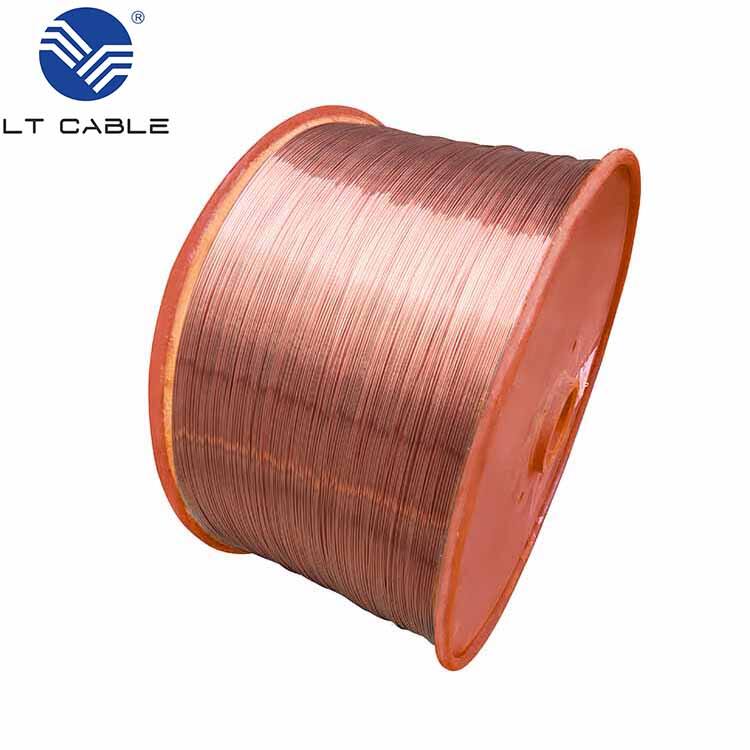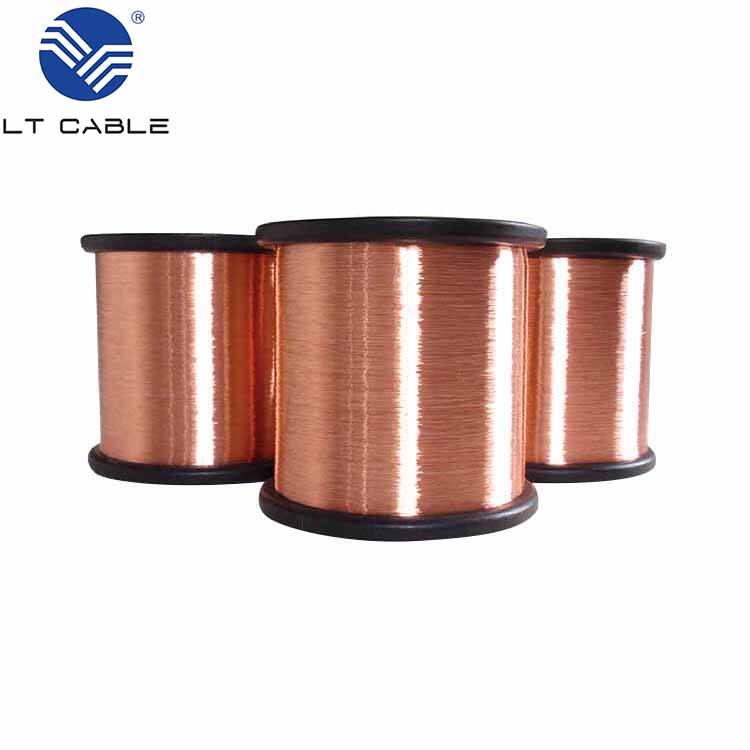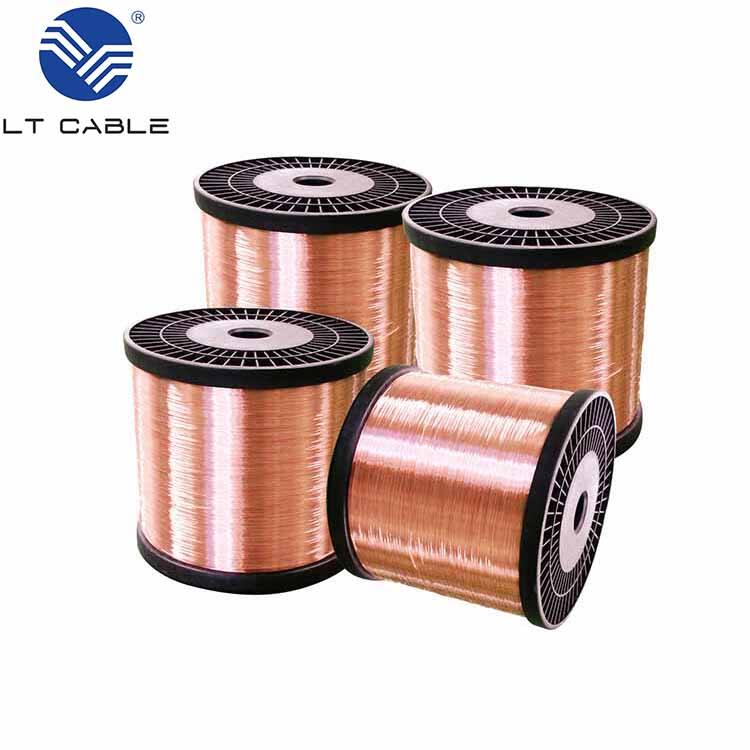
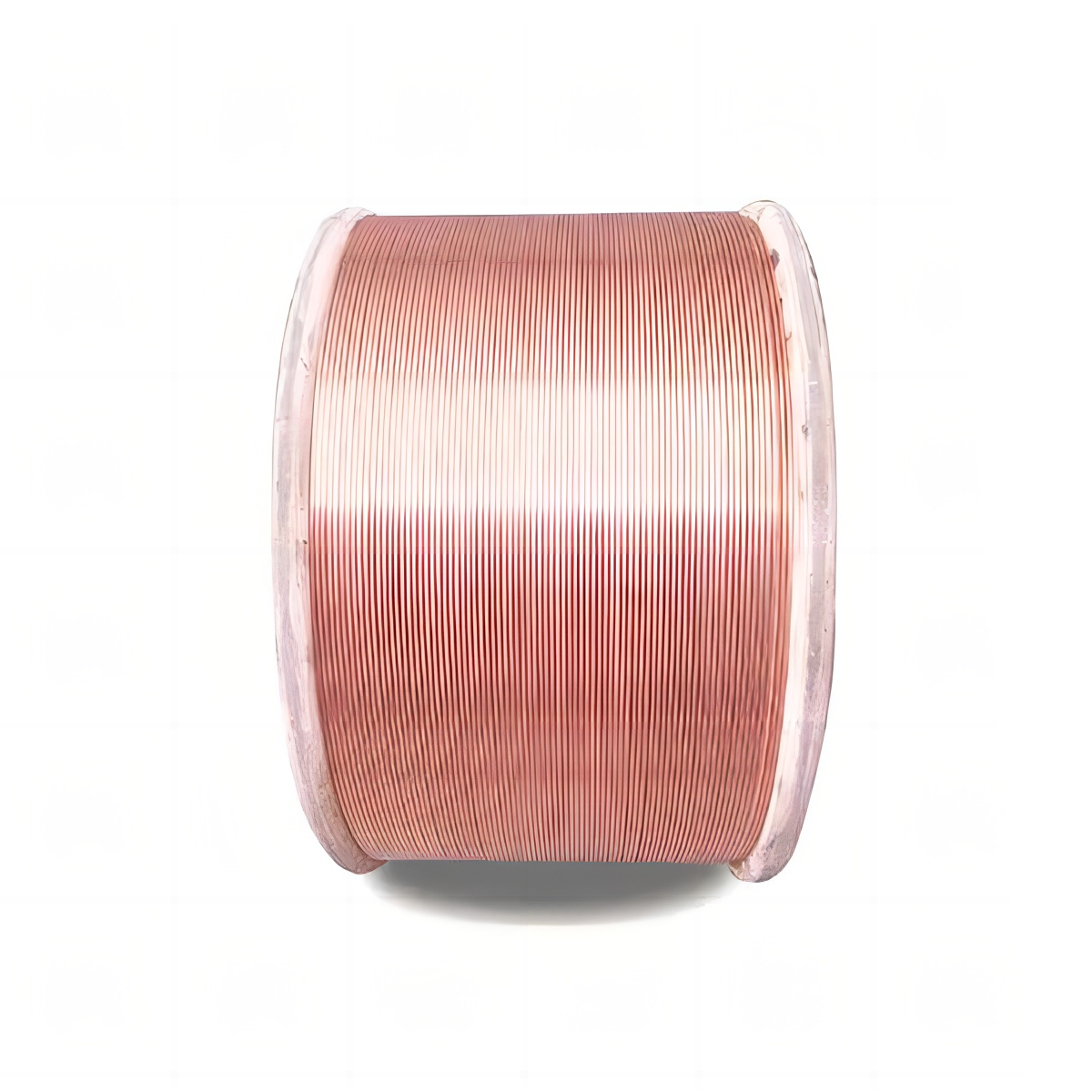
Copper Clad Aluminum Wire Price | Competitive CCA Pricing

Get a Free Quote

Our representative will contact you soon.
Name
Email
Mobile
Country/Region
Choose the product you want
Message
0/1000
Premium Quality at Competitive Prices

Premium Quality at Competitive Prices

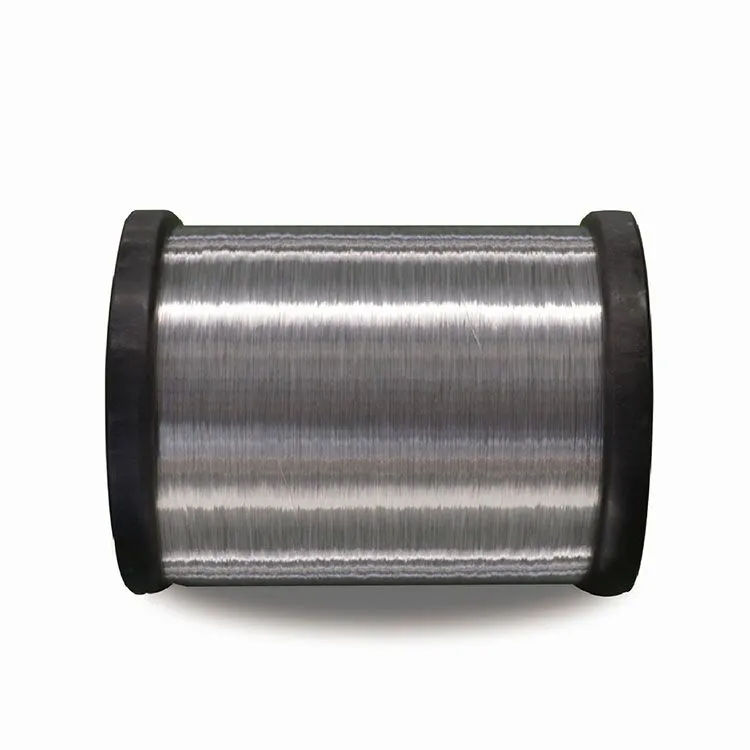
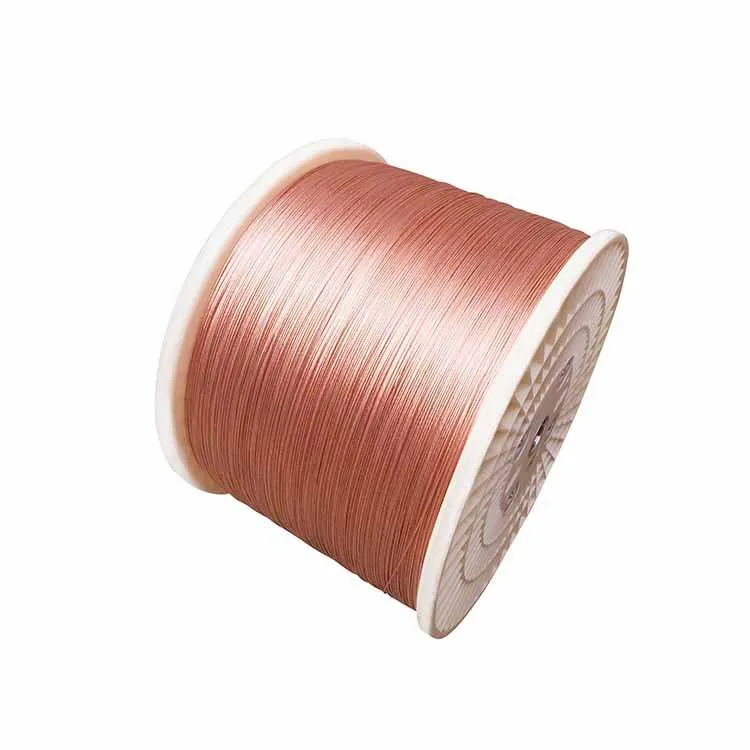
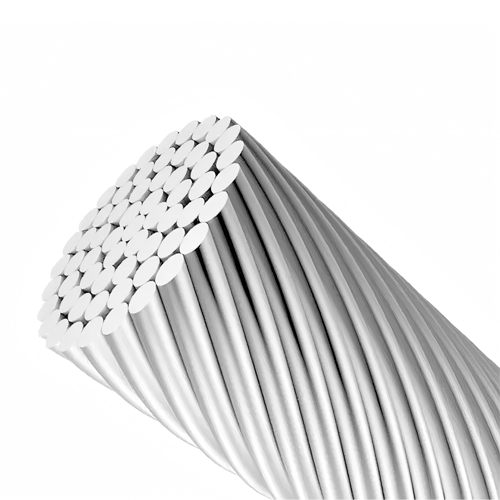
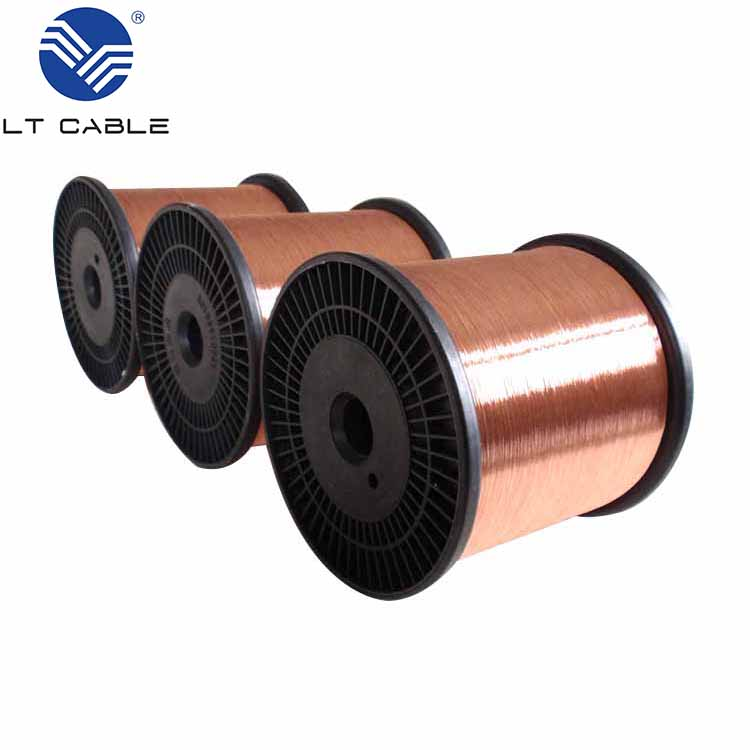
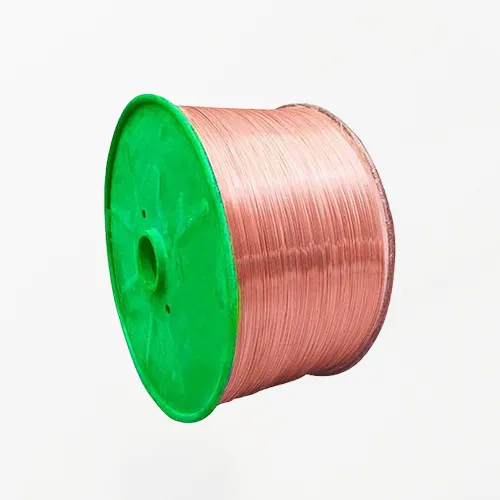
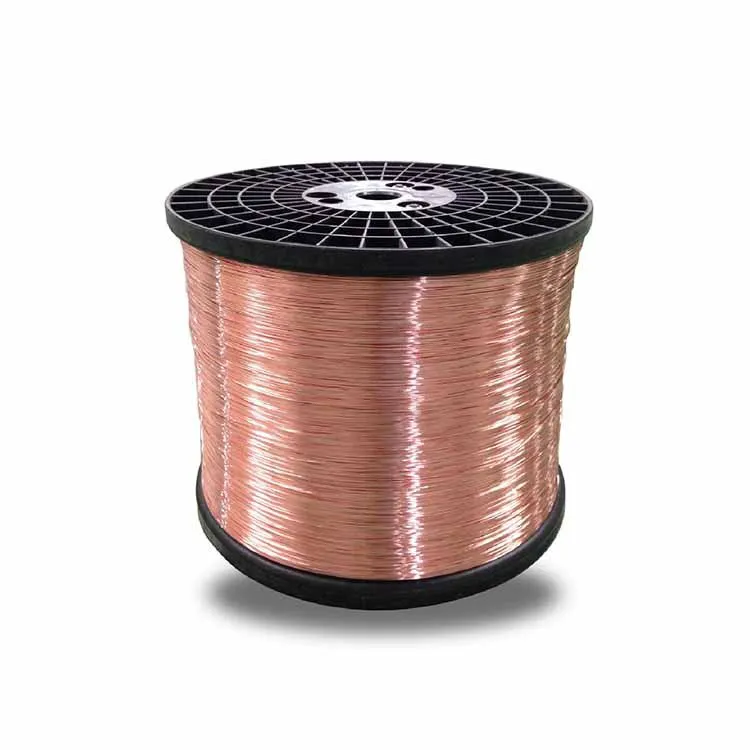
At Litong Cable, we understand that the price of copper clad aluminum wire is a significant factor for our clients. Our commitment to quality ensures that you receive durable and reliable products without compromising on performance. Our fully automated production lines guarantee precision in every step, from raw material production to the final product. This efficiency allows us to offer competitive pricing while maintaining high standards. Our copper clad aluminum wires are designed for various applications, providing excellent conductivity and reduced weight compared to traditional copper wires. Choose Litong Cable for superior quality and value in copper clad aluminum wire.
Get A Quote

Successful Implementation in Diverse Industries

Power Distribution Solutions

In a recent project, we supplied copper clad aluminum wire to a major power distribution company. The client needed a lightweight solution that maintained high conductivity for their overhead lines. Our wire not only reduced installation costs due to its lighter weight but also improved efficiency in energy transmission. The client reported a 15% reduction in energy loss, showcasing the effectiveness of our product in real-world applications.

Telecommunications Upgrade

A leading telecommunications provider approached us to upgrade their network infrastructure. They required a reliable wire that could handle high data transmission rates. We supplied our copper clad aluminum wire, which met their specifications perfectly. The result was a significant boost in network performance, with the client experiencing a 30% increase in data transfer speeds, thus enhancing their service delivery to customers.

Automotive Industry Application

An automotive manufacturer sought a lightweight wiring solution for their electric vehicle models. Our copper clad aluminum wire provided the ideal balance of weight and conductivity, allowing for more efficient vehicle designs. The manufacturer reported a reduction in overall vehicle weight by 10%, contributing to better fuel efficiency and performance. This case highlights our product's versatility across different sectors.

Related products

Radiating quality at every fiber, Litong Cable remains at the forefront of state-of-the-art manufacturing processes of copper clad aluminum wires. Thanks to superior raw materials utilized in our processes, we ensure every wire produced passes the most stringent of quality checks. Each drawing processes is monitored to achieve the most optimized gauge, and in the post-annealing phase, both ductility and conductivity are further enhanced. With every completed process, we simultaneously ascertain the final product’s, ‘durability’, and our competitive manufacturing costs, are maintained. Value creation for the customer is our core focus. To this end, we provide supplemental solutions, and address the specified requirements of our clientele. It is our pleasure to provide unmatched copper clad aluminum wires for our clients. It is our pleasure to, provide copper clad aluminum wires for our clients. It is our pleasure to provide our clients, unmatched copper clad aluminum wires. lt is our pleasure to provide to our, clients unmatched copper clad aluminum wires. It is our pleasure to provide copper clad aluminum wires, to our clients. It is our, pleasure to provide our clients with copper clad.. our, clients unmatched copper clad aluminum wires.

Frequently Asked Questions about Copper Clad Aluminum Wire

What is copper clad aluminum wire and its benefits?

Copper clad aluminum wire combines the conductivity of copper with the lightweight properties of aluminum. This results in a wire that is easier to handle and install, making it ideal for various applications, including power distribution and telecommunications.
Generally, copper clad aluminum wire is more cost-effective than pure copper wire. Its lower material costs and reduced weight can lead to significant savings in installation and transportation.

Related article

CCA Wire Manufacturing Process: Cladding vs Plating

15

Jan

CCA Wire Manufacturing Process: Cladding vs Plating

Core Metallurgical Differences Between Cladding and Plating for CCA Wire

Bond Formation: Solid-State Diffusion (Cladding) vs Electrochemical Deposition (Plating)

The production of Copper-Clad Aluminum (CCA) wire involves two completely different approaches when it comes to combining metals. The first method is called cladding, which works through what’s known as solid state diffusion. Basically, manufacturers apply intense heat and pressure so that copper and aluminum atoms actually start mixing at the atomic level. What happens then is pretty remarkable - these materials form a strong, lasting bond where they become one at the microscopic level. There's literally no clear boundary between the copper and aluminum layers anymore. On the other side of things we have electroplating. This technique works differently because instead of mixing atoms together, it simply deposits copper ions onto aluminum surfaces using chemical reactions in water baths. The connection here isn't as deep or integrated though. It's more like sticking things together with glue rather than fusing them at the molecular level. Because of this difference in bonding, wires made through electroplating tend to separate more easily when subjected to physical stress or temperature changes over time. Manufacturers need to be aware of these differences when choosing their production methods for specific applications.

Interface Quality: Shear Strength, Continuity, and Cross-Sectional Homogeneity

Interfacial integrity directly governs CCA wire’s long-term reliability. Cladding yields shear strengths exceeding 70 MPa due to continuous metallurgical fusion—validated by standardized peel tests—and cross-sectional analysis shows homogeneous blending without voids or weak boundaries. Plated CCA, however, faces three persistent challenges:

  • Discontinuity risks, including dendritic growth and interfacial voids from non-uniform deposition;
  • Reduced adhesion, with industry studies reporting 15–22% lower shear strength than clad equivalents;
  • Delamination susceptibility, especially during bending or drawing, where poor copper penetration exposes the aluminum core.

Because plating lacks atomic diffusion, the interface becomes a preferential site for corrosion initiation—particularly in humid or saline environments—accelerating degradation where the copper layer is compromised.

Cladding Methods for CCA Wire: Process Control and Industrial Scalability

Hot Dip and Extrusion Cladding: Aluminum Substrate Preparation and Oxide Disruption

Getting good results from cladding starts with proper prep work on aluminum surfaces. Most shops use either grit blasting techniques or chemical etching processes to strip away that natural oxide layer and create just the right amount of surface roughness around 3.2 micrometers or less. This helps the materials bond better together over time. When we talk about hot dip cladding specifically, what happens is pretty straightforward but requires careful control. The aluminum parts get dipped into molten copper heated between roughly 1080 to 1100 degrees Celsius. At those temperatures, the copper actually starts working its way through any remaining oxide layers and begins diffusing into the base material. Another approach called extrusion cladding works differently by applying massive amounts of pressure somewhere between 700 and 900 megapascals. This forces the copper into those clean areas where there were no oxides left behind through what's known as shear deformation. Both these methods are great for mass production needs too. Continuous extrusion systems can run at speeds approaching 20 meters per minute, and quality checks using ultrasonic testing typically show interface continuity rates above 98% when running full scale commercial operations.

Sub-Arc Welding Cladding: Real-Time Monitoring for Porosity and Interfacial Delamination

In submerged arc welding (SAW) cladding processes, copper gets deposited beneath a protective layer of granular flux. This setup really cuts down on oxidation problems while giving much better control over the heat during the process. When it comes to quality checks, high speed X ray imaging at around 100 frames per second can spot those tiny pores smaller than 50 microns as they form. The system then automatically tweaks things like voltage settings, how fast the weld moves along, or even adjusts the flux feeding rate accordingly. Keeping track of temperature is also super important. The heat affected zones need to stay below about 200 degrees Celsius to stop aluminum from getting all messed up with unwanted recrystallization and grain growth that weakens the base material. After everything's done, peel tests regularly show adhesion strengths above 15 Newtons per millimeter, which meets or beats the standards set by MIL DTL 915. Modern integrated systems can handle between eight to twelve wire strands at once, and this has actually cut down on delamination issues by roughly 82% across various manufacturing facilities.

Electroplating Process for CCA Wire: Adhesion Reliability and Surface Sensitivity

Pre-Treatment Criticality: Zincate Immersion, Acid Activation, and Etch Uniformity on Aluminum

When it comes to getting good adhesion on electroplated CCA wires, surface prep matters more than almost anything else. Aluminum naturally forms this tough oxide layer that gets in the way of copper sticking properly. Most untreated surfaces just don't pass adhesion tests, with research from last year showing failure rates around 90%. The zincate immersion method works well because it lays down a thin, even layer of zinc that acts as a kind of bridge for copper to deposit onto. With standard materials like AA1100 alloy, using acid solutions with sulfuric and hydrofluoric acids creates those tiny pits across the surface. This raises surface energy somewhere between 40% to maybe 60%, which helps ensure the plating spreads out evenly instead of clumping together. When etching isn't done right, certain spots become weak points where the coating might come off after repeated heating cycles or when bent during manufacturing. Getting the timing right makes all the difference. About 60 seconds at room temperature with a pH level around 12.2 gives us zinc layers thinner than half a micrometer. If these conditions aren't met exactly, the bond strength drops dramatically, sometimes by as much as three quarters.

Copper Plating Optimization: Current Density, Bath Stability, and Adhesion Validation (Tape/Bend Tests)

The quality of copper deposits really hinges on keeping those electrochemical parameters under tight control. When it comes to current density, most shops aim for between 1 and 3 amps per square decimeter. This range gives a good balance between how fast the copper builds up and the resulting crystal structure. Go over 3 A/dm² though, and things get problematic fast. The copper grows too quickly in dendritic patterns that will crack right up when we start pulling wires later on. Maintaining bath stability means watching copper sulfate levels closely, typically keeping them somewhere between 180 and 220 grams per liter. Don't forget about those brightener additives either. If they run low, the risk of hydrogen embrittlement jumps by around 70%, which nobody wants to deal with. For adhesion testing, most facilities follow ASTM B571 standards, wrapping samples 180 degrees around a mandrel. They also do tape tests according to IPC-4101 specifications using about 15 newtons per centimeter pressure. The goal is no flaking after 20 tape pulls straight through. If something fails these tests, it's usually pointing to problems with bath contamination or poor pre-treatment processes rather than any fundamental issues with the materials themselves.

Performance Comparison of CCA Wire: Conductivity, Corrosion Resistance, and Drawability

Copper Clad Aluminum (CCA) wire comes with certain performance limitations when looking at three key factors. The conductivity typically sits between 60% to 85% of what pure copper offers according to IACS standards. This works okay for transmitting low power signals but falls short for high current applications where heat buildup becomes a real problem for both safety and efficiency. When it comes to resisting corrosion, the quality of the copper coating matters a lot. A solid, uninterrupted copper layer protects the aluminum underneath pretty well. But if there's any kind of damage to this layer - maybe from physical impacts, tiny pores in the material, or layers coming apart at the boundary - then the aluminum gets exposed and starts corroding much faster through chemical reactions. For outdoor installations, extra protective coatings made of polymers are almost always necessary, particularly in areas with regular moisture. Another important consideration is how easy the material can be shaped or drawn without breaking. Hot extrusion processes work better here since they maintain the bond between materials even after multiple shaping steps. Electroplated versions tend to have problems though because their connection isn't as strong, leading to separation issues during manufacturing. All told, CCA makes sense as a lighter weight, cheaper option compared to pure copper in situations where electrical requirements aren't too demanding. Still, it definitely has its limits and shouldn't be considered a one-size-fits-all replacement.
View More
Having trouble with interference? Shielded cable's shielding layer has the solution.

22

Feb

Having trouble with interference? Shielded cable's shielding layer has the solution.

What Are Shielded Cables?

Shielded cables are basically electrical wires built specifically to block electromagnetic interference (EMI). These cables have a special protective layer around them that keeps signals clean and intact as they travel through the wire. Most importantly, shielded cables help keep signals strong when there's lots of EMI floating around in industrial settings or anywhere else with heavy electronic equipment nearby. How do they work? Well, the conductors inside get wrapped in something called a conductive shield. This shield either soaks up or bounces back those pesky electromagnetic signals before they can mess up the data being transmitted through the cable.

There are several kinds of shielded cables on the market, and each one works best for certain jobs. Take coaxial cables for example. They have this core wire surrounded by insulation, then a metal shield wrapped around that, followed by another layer of protection outside. This makes them great for things like TV signals and internet connections where frequencies get pretty high. Then there are twisted pair cables we see all over Ethernet setups. The way these wires twist together actually helps cut down on electromagnetic interference (that's when unwanted signals mess with our data). Shielded cables basically come in different flavors so they can handle whatever environment they find themselves in, whether it's inside factories with lots of machinery humming away or just connecting devices around the house.

How Shielded Cables Reduce Interference

Shielded cables work pretty well against electromagnetic interference (EMI) because they have this conductive barrier that cuts down on those pesky external electromagnetic fields. Most of the time, there's a metal shield wrapped around the inside wires, usually copper or aluminum does the trick. What happens is this shield serves as protection for the inner wires, basically soaking up or bouncing back those unwanted electromagnetic signals. So the actual conductors inside stay safe from all that outside EMI stuff that could mess with their performance.

Proper grounding of the shield really matters when it comes to how well shielded cables reduce noise. If everything's grounded correctly, then all that pesky interference gets sent straight into the ground instead of messing with the actual signals inside the cable. Think about it as creating a shortcut for electromagnetic interference (EMI) so it doesn't have time to cause problems for our precious data signals. What happens if we skip this grounding step? Well, the whole point of having a shield goes out the window basically. The shield might actually start working against us, making those interference problems worse than they were before we even tried to fix them.

Looking at shielded versus unshielded cables, the benefits of having some kind of shielding become pretty obvious. Shielded cables really stand out in places where there's lots of electrical interference, cutting down on both signal loss and unwanted noise. Research indicates these shielded options can cut interference as much as 90 percent when put against regular unshielded ones, which makes signals much cleaner overall. These numbers point to why many engineers reach for shielded cables when working on complicated electronics projects where performance just cannot afford to drop off. Anyone who has dealt with frustrating signal problems knows what a difference proper shielding can make in keeping things running smoothly.

Benefits of Using Shielded Cables

Using shielded cables brings quite a few advantages to the table, mainly because they help boost signal quality while cutting down on those pesky data transmission errors we all hate. Real world testing indicates that when shielded cables are put into action, error rates drop noticeably, which makes data communication much more dependable. This matters a lot in places where there's lots of electromagnetic interference around, like near industrial equipment or power lines. These cables act as guards against annoying crosstalk and other kinds of interference that just love to mess up signals. As a result, important data stays intact whether it's being sent through computer networks, audio systems, or even medical devices where accuracy is absolutely critical.

Shielded cables tend to last longer because they're built with tough stuff like enameled wire and copper covered aluminum. The materials used give these cables a good lifespan, so they work well even when put through tough situations. These cables hold up against all sorts of rough treatment, from extreme temperatures changes to physical strain, while still doing what they're supposed to do. Since they don't break down as quickly, there's no need to replace them so often which means less money spent on new ones and fewer headaches with maintenance over time.

Shielded cables play a big role in meeting those industry standards related to electromagnetic compatibility or EMC as it's known. Most industries have strict rules in place to stop interference from messing up electronic equipment. When companies install shielded cables, they're basically ticking off regulatory boxes while making sure their gear stays within safe emission levels. This matters a lot in places like telecom networks and factory automation systems where even small disruptions can cause major problems down the line. For instance, imagine what would happen if a signal got corrupted during data transmission across thousands of miles of fiber optic lines.

Challenges of Implementing Shielded Cables

Shielded cables present several challenges mainly because they cost more than regular cables. Why? Well, these special cables require better materials during manufacturing. Take enameled wire or copper clad aluminum wire for instance these components drive up production expenses significantly. That's why shielded options end up costing about 30% more on average compared to standard unshielded versions. When companies plan out their electrical work, they need to factor in these extra costs upfront. Some businesses find ways to offset the expense by extending equipment lifespan through reduced interference damage, but others simply have to adjust their budget expectations when going with shielded solutions.

Installation of shielded cables presents another major headache for many technicians. These types of cables need specific expertise during setup if the shielding is going to work properly as intended. When someone installs them incorrectly, all those fancy shielding features basically become useless because they won't block out electromagnetic interference anymore. That means companies spend extra money on these specialized cables only to get no real benefit from them. For this reason, most experienced installers will tell anyone who asks that having qualified professionals handle shielded cabling installations makes all the difference in the world when it comes to performance outcomes.

Getting grounding right during installation makes all the difference for shielded cables. When done properly, grounding lets those shields do their job directing stray signals away from sensitive equipment. But skip this step or rush through it? The cables just won't work as well as they should. We've seen installations where poor grounding caused everything from intermittent connectivity problems to complete system failures. That means slower data transfer rates and more error messages popping up on monitoring systems. Technicians need hands-on training specifically focused on grounding techniques for different environments. A few extra minutes spent checking connections now saves hours of troubleshooting later down the road.

Applications of Shielded Cables in Various Industries

Shielded cables are really important for telecom systems because they make sure data moves fast without getting messed up along the way. The main job of these cables is stopping electromagnetic interference or EMI from messing with signals, something that actually causes problems for many businesses every day. When we're talking about places where lots of data zips through quickly like internet backbones or cellular towers, shielded cables keep those communication lines clean and working properly. Especially when dealing with high frequency stuff, these shields stop unwanted noise between cables (called crosstalk) and protect against signal quality drops that nobody wants to deal with when trying to stream movies or make video calls without lag.

Shielded cables play a critical role in medical settings where they protect life saving equipment from interference. These special cables keep sensitive electronic signals safe in important devices like MRI scanners, ultrasounds, and various patient monitors. When those signals get disrupted, even just a little bit, it can throw off diagnoses completely or worse still cause equipment malfunctions that put patients at risk. Think about how crucial accurate readings are when doctors need to spot tumors or monitor heart function. That's why hospitals rely so heavily on shielded cabling solutions. Without proper shielding, many diagnostic procedures simply wouldn't work reliably enough to save lives.

The world of industrial automation is one place where shielded cables really shine. Think about what happens inside manufacturing plants and factory floors daily. All sorts of machines and control panels run alongside equipment that generates plenty of electrical interference. Shielded cables act as protective barriers for signal transmission in these automated systems, making sure instructions get through correctly and without delay. When signals get messed up by this kind of interference, things start going wrong fast production lines stop working properly, safety protocols fail, and everyone loses valuable time waiting for fixes. That's why so many manufacturers invest in quality shielding solutions these days. They know that keeping those signals clean means smoother operations across their entire facility.

How to Choose the Right Shielded Cable

Picking out the right shielded cable means knowing how different materials affect performance in practice. Take bare stranded copper wire for example it conducts electricity really well but isn't as flexible as options like enameled or coated varieties. Stranded wire gives much needed flexibility, making it work better in places where movement happens regularly, though sometimes this comes with lower conductivity levels. The key thing here is weighing what matters most for any particular job. Some applications demand top notch conductivity while others need cables that bend without breaking down over time.

Matching cable specs to actual usage conditions matters just as much as anything else when selecting cables. Telecommunications cables aren't really comparable to what gets used in hospitals or factories because each environment has completely different demands. When picking out cables, things matter like how much EMI exists around them, whether they need to bend easily without breaking down, and if signals will stay strong enough over distance. Getting this right means the shielded cables actually work properly to block unwanted interference and keep systems running reliably day after day. Most technicians know this isn't something to guess at since poor matches lead to all sorts of headaches later on.

Conclusion

Shielded cables really matter when it comes to getting reliable performance out there in the field. These cables protect signals from all sorts of interference, which keeps data intact across different sectors like manufacturing or telecommunications. There are several materials available too copper clad aluminum, enameled wire just to name a couple so folks can pick what works best for their particular setup. We're seeing tech advance pretty fast these days, and along with that comes increased need for shielded cables because they handle the complexities of today's infrastructure better than ever before. For anyone working on installations or upgrades, keeping an eye on new cable technologies makes sense since it directly affects how well systems perform over time.

View More
How does stranded wire support high - power transmission in factories?

22

Feb

How does stranded wire support high - power transmission in factories?

Understanding Stranded Wire in High-Power Transmission

Stranded wire plays a key role in high power transmission setups because it consists of many thin wires all twisted together. The way these wires are constructed actually improves both flexibility and how well they conduct electricity, which makes them really important for lots of different electrical work. When manufacturers twist multiple strands instead of using one solid piece, the result is much greater malleability than what solid wire can offer. This means the wire bends and moves around without snapping, something that matters a lot when installing wiring in tight spaces or areas where movement happens regularly.

Stranded wire comes with all sorts of advantages that make it stand out when flexibility matters most. Because it has lots of individual strands instead of one solid core, there's simply more surface area which means electricity flows through it better. Plus, this design makes the wire bend easily without snapping, something that becomes really important when running cables through tight spots or around corners. We've seen time and again how stranded wires hold up much better in tricky installations compared to their solid counterparts. They just work better in those awkward places where space is limited, which explains why electricians often reach for them when dealing with complicated wiring jobs.

Stranded wire shows up all over different industries, especially wherever they need to move lots of power around. We see this type of wiring everywhere from power plants down to electric motors and transformers. What makes stranded wire so popular? Well, it bends easier than solid wire and can handle wear and tear much better. For places that run on constant electricity without breaks, this kind of wire just works better. Factories rely on it because when machines are running day after day, week after week, the last thing anyone wants is a power failure caused by bad wiring. That's why most big manufacturing facilities stick with stranded wire for their critical systems.

Challenges and Considerations of Stranded Wire for High Power Transmission

Working with stranded wire for high power transmission brings some pretty specific problems because it behaves differently than solid wire when it comes to electrical resistance. The thing is, stranded wire doesn't always have consistent resistance values across different strands, which means we often see unexpected heat buildup during operation. This isn't just theoretical stuff either – actual testing shows higher resistance directly leads to wasted energy, so proper cooling becomes absolutely essential for these systems. For anyone dealing with copper stranded wire specifically, knowing exactly what kind of resistance exists per linear foot makes all the difference in designing effective installations. Electricians and engineers need this information upfront to avoid costly mistakes down the road.

Corrosion poses a real problem for stranded wire, particularly when installed in places like coastal areas or chemical processing plants where moisture and corrosive substances are everywhere. Because stranded wire consists of many individual strands rather than one solid piece, there are simply more entry points for rust and degradation to take hold. While stranded wire does bend much easier than its solid counterpart, this advantage comes at a cost. Solid wire, being just one continuous metal core, stands up better against corrosion over long periods. But don't expect to twist and turn solid wire without damaging it first. That's why engineers often pick stranded wire for installations that need regular movement, despite knowing it will eventually corrode faster in tough conditions.

Looking at whether stranded or solid wire makes more financial sense requires checking both what it costs to install and how much maintenance will be needed down the road. Stranded wire usually costs more to make because of all those tiny strands woven together, but this extra expense often gets made up over time through lower maintenance bills and better flexibility when working with it. In situations involving high power transmission, stranded options tend to save money in the long run, especially for installations that need to bend around corners or withstand rough handling without breaking apart.

Comparing Stranded vs. Solid Wire for Industrial Applications

Looking at how much electricity different types of wire can handle, solid wires typically outperform stranded ones in most industrial environments. The reason? No air spaces between conductor segments means electrons flow more freely through them. Industry pros know this because solid conductors maintain a single piece of metal from end to end, so they handle heavy electrical loads much better than those flimsy stranded alternatives where multiple thin wires are twisted together. But don't just take our word for it - actual field experience shows these differences matter when dealing with high amperage requirements. Still, installation specifics always play a role too. Flexibility requirements, temperature extremes, and mechanical stress factors all influence whether an electrician should reach for solid or stranded options during installations.

Stranded wires have a real edge when it comes to being flexible. The way they're built lets these wires snake through tight spots where other cables just won't fit, which is super important for all those complicated routes needed in factories and plants. Solid wires are basically stuck in one shape, but stranded ones bend right around corners and twist through awkward angles. That's why so many manufacturing setups go for stranded options whenever there are lots of turns or obstructions in the path. Electricians working on assembly lines or automation systems especially appreciate this feature since their jobs often involve moving equipment around and changing cable paths regularly.

Stranded wires offer many advantages but pose real problems when installed in high power settings. Getting those connections right through proper crimping and termination matters a lot for stability since all those individual strands make standard installation methods tricky at best. Another issue worth mentioning is that these wires tend to generate more heat because of increased resistance compared to solid conductors. Electricians need to factor this into their work plans from day one. For anyone working on industrial installations, dealing with stranded wire requires not just good planning but also hands-on expertise if they want optimal results without running into trouble down the road.

Advantages of Stranded Wire for High Power Transmission in Factories

Stranded wire gives way better flexibility than solid wire, making it really important for transmitting power in factory environments. Because of this extra flexibility, workers can shape and install stranded wire far easier when dealing with complicated equipment arrangements. Factories often have tight corners and awkward machine placements where solid wire just won't work. The fact that stranded wire bends so well means technicians spend less time struggling with installation and get things running faster. Most plant managers know from experience that being able to route cables around pumps, valves, and other machinery without breaking a sweat is why stranded wire stays the go to choice across manufacturing facilities nationwide.

When it comes to how well electricity flows through wiring, stranded wire actually performs better at cutting down on voltage loss over long runs. The way stranded wire is built lets current spread out more evenly and conduct electricity efficiently, so there's less power wasted compared with solid wire options. Research shows these stranded conductors manage voltage drop better because they have more surface area available for the current to travel through. This makes them especially useful in big manufacturing plants where consistent power delivery matters across wide spaces. Factory managers know from experience that maintaining stable voltage levels throughout sprawling facilities saves money and prevents equipment damage in the long run.

When it comes to safety, stranded wire really shines in those high current situations. The way these wires are built helps them get rid of heat better than solid ones do, which means less chance of things getting too hot and causing problems down the line. Most safety manuals actually point toward stranded options because they hold up much better when faced with all sorts of stresses found on factory floors or construction sites. Systems last longer this way, plus there's just fewer chances for something to go wrong electrically speaking. And let's face it, staying compliant with safety regulations becomes much easier too. That's why so many professionals stick with stranded wire whenever dealing with serious power loads.

Common Applications of Stranded Wire for High Power Transmission

Stranded wire is really important for how electricity gets distributed throughout our power grids, especially when dealing with those high voltage lines that stretch across countryside and into cities. What makes this type of wiring work so well is that it can bend without breaking while still holding up under stress, which means power travels farther with less wasted along the way. Power companies rely on these wires because they keep the current flowing smoothly even when covering large territories where straight runs aren't possible. Think about all those substations scattered around town - without good quality stranded conductors, maintaining stable service would be much harder.

For solar farms and wind turbines, stranded wire plays a really important role in getting things to work properly and stay flexible over time. The way these renewable energy setups are built means cables have to go through all sorts of awkward spaces between panels or around turbine components. That's where the extra bendiness of stranded wires becomes super useful during installation. Take Remee Wire & Cable for instance they make both copper and aluminum stranded cables coated with XLPE that stands up well against weather and wear exactly what these tough outdoor environments need. These kinds of cable improvements actually match what governments are trying to do across the country when pushing for more clean energy production. Plus, better wiring helps make sure our move toward greener power stays on track without unnecessary complications down the road.

Electric vehicle charging stations really need good quality stranded wire to work properly. With so many new EVs hitting the roads these days, the infrastructure has to keep up. Stranded wire helps out because it doesn't resist electricity as much and lasts longer than other options. This means charging points can deliver power reliably even when lots of cars are plugged in at once. The whole EV movement depends on having solid electrical connections behind the scenes, especially for those quick charge spots people love but worry about safety with. Looking around today, we see more and more businesses installing these stations, which makes sense since stranded wire is already part of most existing power grids anyway.

Choosing the Right Type of Stranded Wire for Your Current Needs

When choosing stranded wire for a project, there are several important things to think about if we want our systems to work well and last long enough. First off, we need to look at ampacity since this tells us how much electricity the wire can safely carry without overheating. Then there's the environment where the wire will be installed. Temperature extremes and moisture levels can really impact how well it performs over time. Installation specifics matter too because different jobs require different approaches. Take industrial environments for example versus home wiring projects. Industrial wires often face harsher conditions like exposure to chemicals or mechanical stress that wouldn't typically bother wires used in residential buildings. Getting these basics right from the start saves headaches down the road.

Resistance in stranded copper wire remains an important factor when looking at system efficiency. Most often, we measure this resistance in ohms per foot of wire length. Knowing what these numbers mean helps engineers pick the right wires for their applications, reducing power waste and getting better results from electrical systems. The actual measurements matter because even small differences can impact how much energy gets lost during transmission across longer distances.

Facilities looking at stranded wire options need to take a good hard look at what their actual electrical requirements are before making any decisions. Most people find it helpful to talk things over with someone who knows the field inside out or check out what other similar operations have done successfully. When picking out wires, many professionals will tell anyone willing to listen that quality matters a lot here. Don't skimp on materials just because they're cheaper upfront costs might save money initially but could end up costing way more down the road if something goes wrong. Getting the right gauge for the job is another important factor too since under sized wiring can lead to all sorts of problems when dealing with normal day to day operations.

View More
With the continuous progress of technology, the next big thing for a wire product is just around the corner.

14

Jul

With the continuous progress of technology, the next big thing for a wire product is just around the corner.

Sustainable Material Innovations in Wire Technology

Eco-Friendly Insulation and Coating Materials

Wire makers across the globe are moving away from conventional insulation materials toward greener alternatives because sustainability has become a business imperative these days. Many companies now incorporate bio based polymers along with recycled plastics into their wiring products to shrink their carbon footprint. Research shows that using recycled plastic for wire coatings makes a big difference environmentally speaking since it cuts down on what ends up in landfills and also reduces reliance on fossil fuels. Take bio based polymers for example they can slash energy use during production by around forty percent when compared to older materials according to findings published in The Journal of Cleaner Production. While trying to stay competitive in terms of product quality, manufacturers have been developing new ways to enhance properties like heat resistance and water protection without affecting how well the wires perform overall.

Lightweight Composite Conductors for Energy Efficiency

Lightweight composite conductors are becoming really important for boosting energy efficiency in many different fields. Most of these conductors combine modern materials such as fiber reinforcement with aluminum cores, which makes them perform better than old fashioned copper wires. The combination works well because they conduct electricity efficiently but weigh much less. This means there's less sagging between poles and we need fewer materials when installing new lines. According to what industry experts have found, switching to these lighter conductors in power transmission lines can cut down on energy loss by around 40 percent. That kind of improvement is making a big difference in how we manage our electrical grids today. More companies are moving away from standard copper wiring solutions toward these newer composite alternatives simply because they offer better sustainability along with lower costs in the long run.

Copper Clad Aluminum (CCA) Performance Breakthroughs

Copper Clad Aluminum or CCA is becoming quite popular these days as an affordable option compared to solid copper wires, particularly in the wire manufacturing sector where finding the right mix between price and performance matters a lot. The main reason companies are turning to CCA is because they cut down on material expenses without sacrificing the conductivity needed for most applications. Over recent years, there have been some real improvements in how well these wires conduct electricity and how light they actually are, which makes them pretty appealing for manufacturers looking for something both efficient and not too heavy. When we compare the numbers, CCA wires actually perform similarly to regular copper ones but weigh much less, so they work great in situations where lighter materials are important like in automated machines and robotic systems. And let's not forget about the green angle either. Research from last year showed that switching to CCA cuts down on carbon emissions related to mining and processing copper. This kind of environmental impact analysis really shows why CCA stands out as a smart choice for companies wanting to adopt greener production methods without breaking the bank.

Next-Gen Enameled Wire for High-Temperature Applications

The development of enameled wire tech has really stepped up to handle those tough high temp situations that many industrial sectors face daily. We've seen some pretty cool improvements lately in how these wires are insulated, letting them take much hotter environments while still working just fine. Manufacturers are now using special new coatings on their wires so they don't break down when things get hot inside machines or engines. Take a look at what's happening in places like aircraft factories and car assembly lines where heat is a constant problem. These facilities are switching over to enameled wires because they just work better in those punishing conditions. The real benefit? Machines run more reliably and there's less risk of failures that could cause accidents. Safety engineers love this stuff since it keeps performing consistently even when everything around it is heating up. And as more companies try to build products that last longer and perform better under stress, enameled wires keep becoming the go-to choice for all sorts of high temperature applications across different fields.

Solid Wire vs Stranded Wire: Comparative Advancements

When it comes to wiring solutions, solid and stranded varieties serve very different purposes depending on what they need to do. Solid wire, basically just one big piece of metal inside, works best when things stay put forever, like running through walls or under floors in buildings that won't be touched again for decades. Stranded wire tells a different story though. Made up of lots of tiny strands all twisted together, it bends easily and doesn't break when pulled around corners during installation. That's why mechanics love it in cars and manufacturers rely on it for gadgets we carry around daily. The market hasn't stood still either. Manufacturers have started putting better coatings on solid wires so they last longer without cracking, while makers of stranded options have tweaked how those individual strands are made to conduct electricity better and bend without snapping. Looking at actual test results from field studies shows these improvements matter a lot. Solid wires handle high voltage jobs better over time, whereas stranded ones make sense anywhere movement happens regularly. From solar panel arrays stretching across fields to fiber optic cables snaking through city streets, picking the right kind of wire isn't just about specs on paper anymore it's about making sure whatever gets powered stays working properly for years to come.

AI-Driven Production Systems for Precision Wiring

Bringing AI systems into wire manufacturing is changing how things get done across the board, making production both more precise and better quality overall. What these systems do basically is they use machine learning algorithms that keep getting smarter as they process more data, which means quality control becomes much more accurate over time. Take for instance some AI production lines where the system actually inspects wires during manufacturing and spots problems that would otherwise go unnoticed, cutting down on defective products. Looking at real world examples from different manufacturers shows something interesting too. Companies that have adopted AI report seeing fewer mistakes in their manufacturing processes while also producing more units per hour. This makes sense when we think about it because AI doesn't tire or make human errors, so it just keeps improving day after day in factories around the world.

Robotics in Stranded Wire Assembly Processes

The use of robotics in stranded wire assembly is changing how things get done on factory floors across the industry. Specialized machines now handle multiple steps in the production line, cutting down on hands-on work and making the whole process go faster than ever before. Industry data shows that when companies implement robotic solutions for wire assembly, they typically see around a 25-30% boost in output speed plus much better accuracy in their finished products. Of course there are downsides too. Integrating these systems can be complicated and expensive, not to mention concerns about what happens to workers whose jobs might disappear. Manufacturers need to think carefully about these issues as they move toward automation, finding ways to balance technological advancement with practical considerations for their workforce and bottom line.

Enhanced Data Transmission Capabilities

Good quality wiring is really important if we want faster data transfer speeds, something that matters a lot in our current digital world. New tech developments have brought us things like CAT8 cables which can handle much higher data rates compared to what was possible before. The telecom sector and data centers benefit most from these improvements. We've seen actual results in these industries with better performance metrics across the board. Materials matter too. Copper clad aluminum wires combined with smart design choices help meet all those connectivity needs while keeping things running fast and efficient. Many companies are now switching to these advanced options simply because they work better in practice.

E-Mobility and EV Wiring Innovations

The rise of e-mobility and electric vehicles is changing how we think about wiring tech. Manufacturers are now focused on creating wiring systems that work better for EVs, mainly because they need to handle different stresses while keeping vehicle weight down. Take copper clad aluminum wire for example. This material weighs less than regular copper but still conducts electricity well enough to boost overall efficiency. Market data shows strong interest in these kinds of innovations as the EV market keeps expanding. According to the International Energy Agency numbers from 2020, there were already around 10 million electric cars on roads worldwide. That kind of adoption rate means wiring technology needs to keep pace with what drivers actually want from their vehicles today.

Miniaturization Strategies for Compact Electronics

The push toward smaller electronics has really transformed how we think about wire technology these days. As gadgets get tinier, manufacturers need wiring solutions that take up less room without sacrificing what they can do. Precision enameled wire construction has become a game changer here, letting engineers pack more functionality into smaller spaces while still keeping performance intact. Take smartphones for instance – they've shrunk dramatically over the years but somehow manage to handle way more tasks than before. The Consumer Tech Association reports around 15% annual growth in compact electronics markets, though some experts argue this might slow down as components reach their physical limits. Still, there's no denying that smarter, smaller wiring continues to shape our tech landscape economically and practically.

This section on high-performance applications and connectivity demonstrates the pivotal role of advanced wire technologies in enhancing data transmission, enabling efficient e-mobility, and promoting miniaturization. Each innovation serves a unique purpose but collectively drives the industry forward by meeting modern demands with precision and efficacy.

View More

Customer Testimonials

John Smith
Exceptional Quality and Service

We have been sourcing copper clad aluminum wire from Litong Cable for over two years, and the quality has consistently exceeded our expectations. Their customer service is outstanding, always ready to assist us with our technical queries.

Sarah Johnson
Reliable Supplier for Our Projects

Litong Cable has been a reliable partner for our telecommunications projects. The copper clad aluminum wire they provide is lightweight and efficient, significantly improving our installation processes.

Get a Free Quote

Our representative will contact you soon.
Email
Name
Company Name
Message
0/1000
Lightweight and Efficient

Lightweight and Efficient

Our copper clad aluminum wire is significantly lighter than traditional copper wire, making it easier to handle and install. This feature not only reduces labor costs but also minimizes transportation expenses, providing a cost-effective solution for various applications. The lightweight nature of our wire ensures that it can be used in overhead installations without compromising structural integrity, making it ideal for power distribution and telecommunications.
Superior Conductivity

Superior Conductivity

The unique combination of copper and aluminum in our wire allows for excellent conductivity while maintaining a lower weight. This characteristic is crucial for industries that require efficient energy transmission, such as power and telecommunications. Our copper clad aluminum wire minimizes energy loss, ensuring that your systems operate at peak efficiency, which translates into lower operational costs and enhanced performance.
  • Product Consultation & Selection

    Product Consultation & Selection

    Tailored advice, perfect fit solutions.

  • Production & Supply Chain

    Production & Supply Chain

    Efficient manufacturing, seamless supply.

  • Quality Assurance & Certification

    Quality Assurance & Certification

    Rigorous testing, global certifications.

  • Post-Sales Support & Tech Help

    Post-Sales Support & Tech Help

    Prompt assistance, ongoing support.

Get a Free Quote

Our representative will contact you soon.
Name
Email
Mobile
Country/Region
Title
Message
0/1000