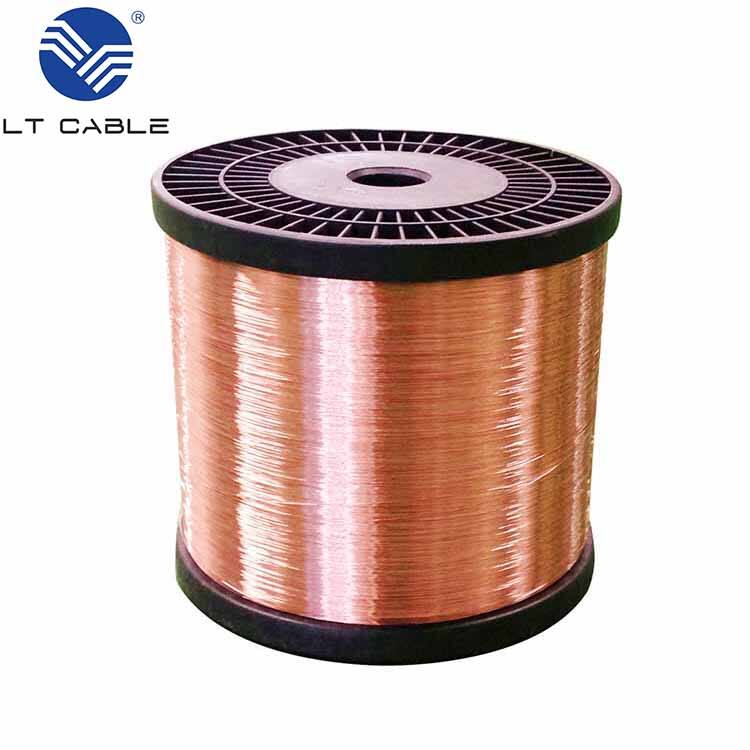
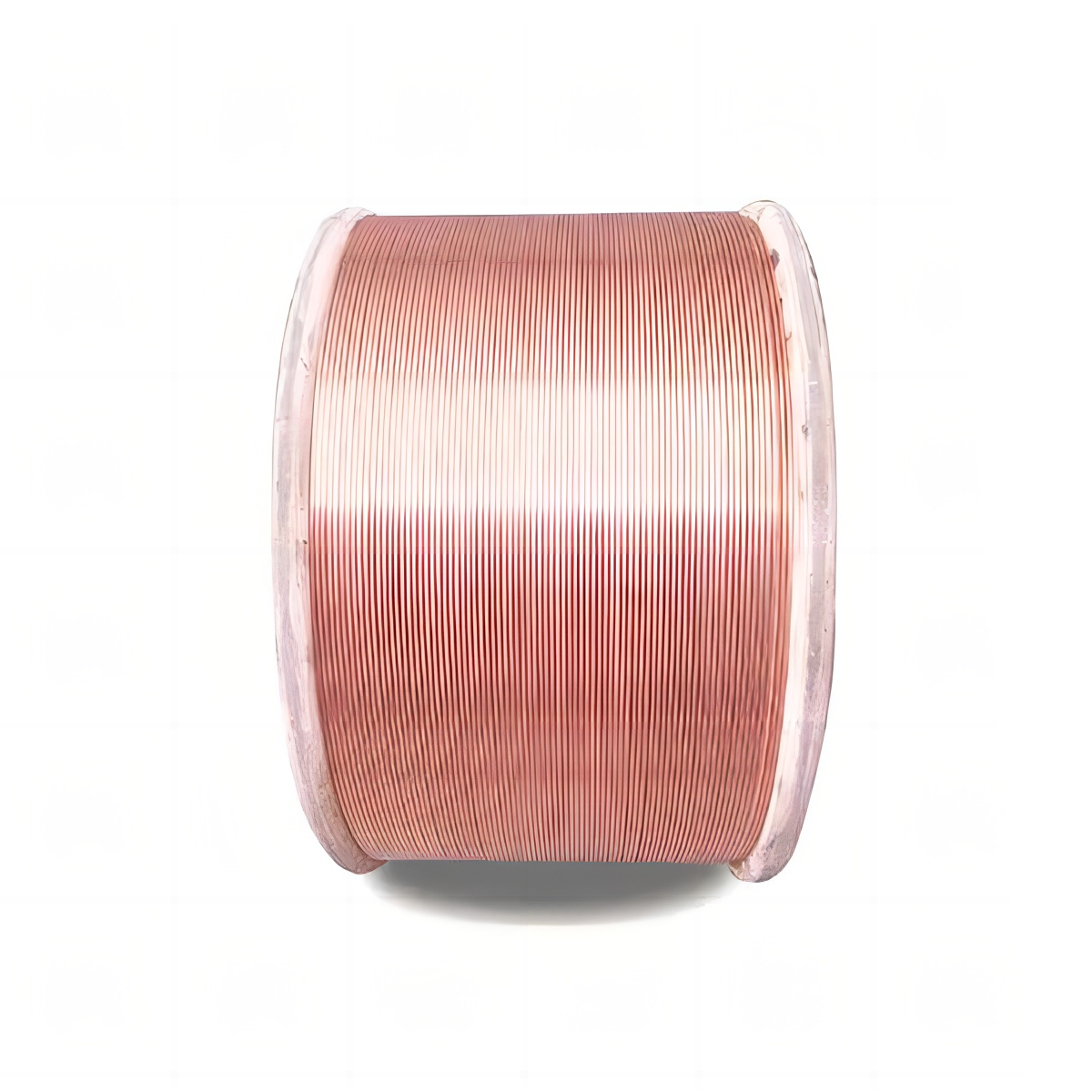
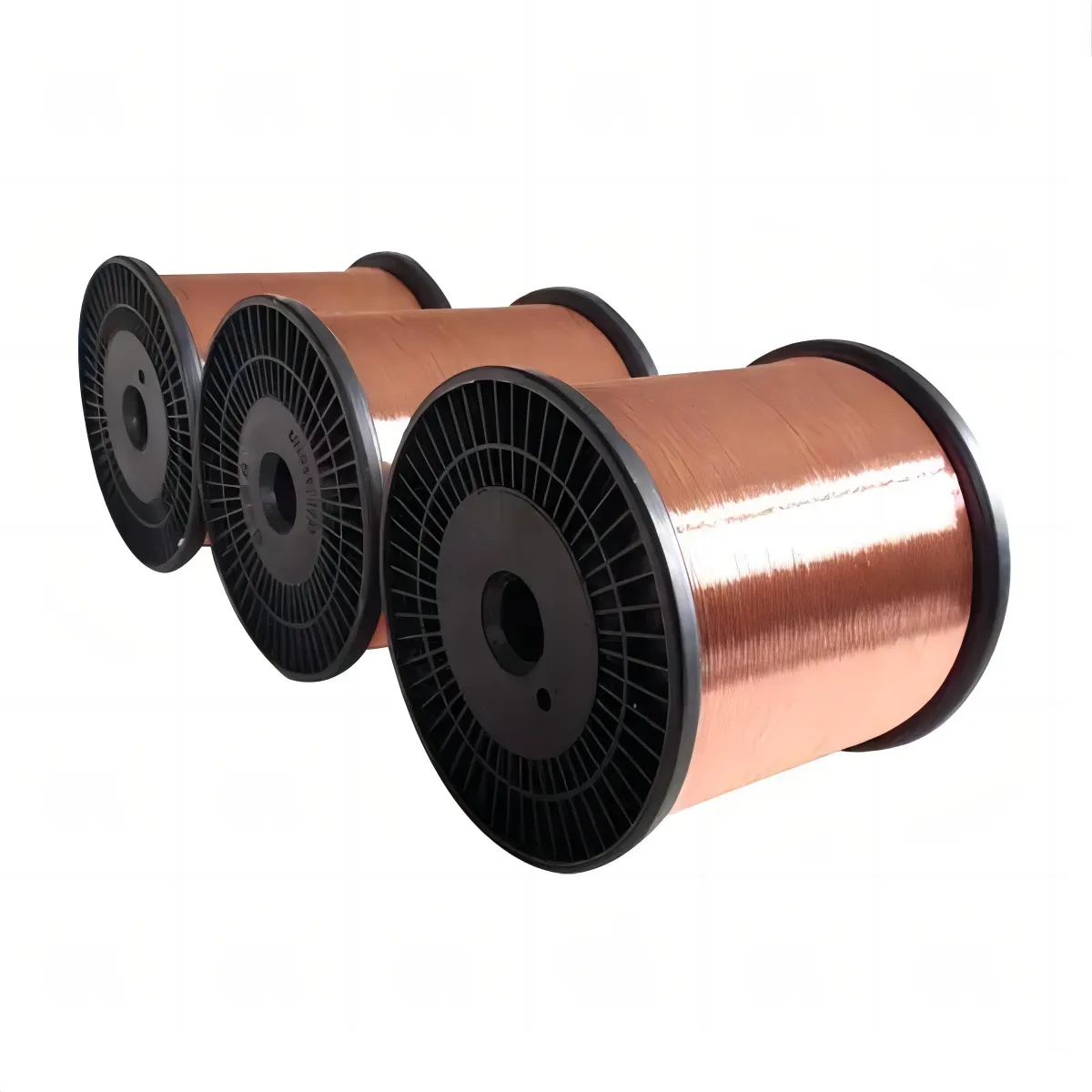
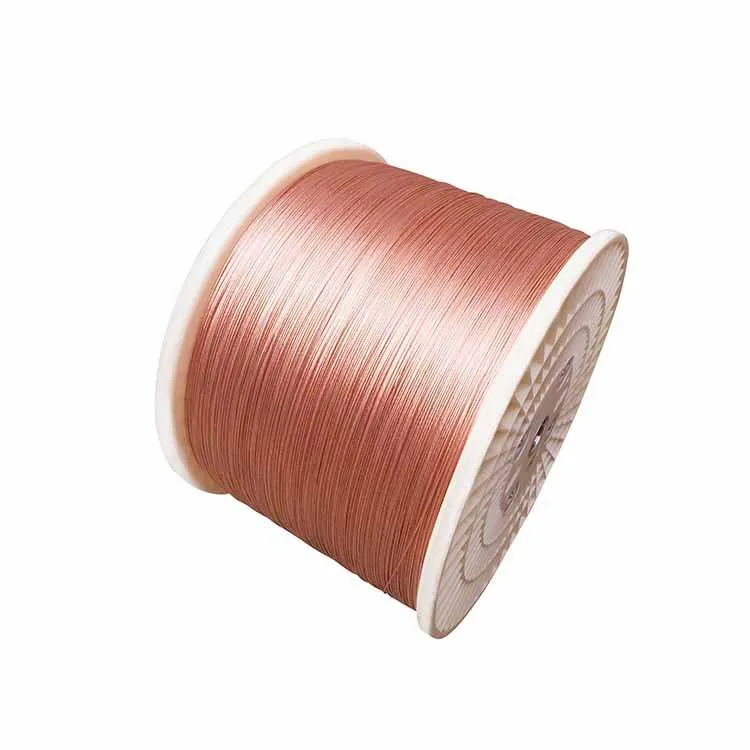
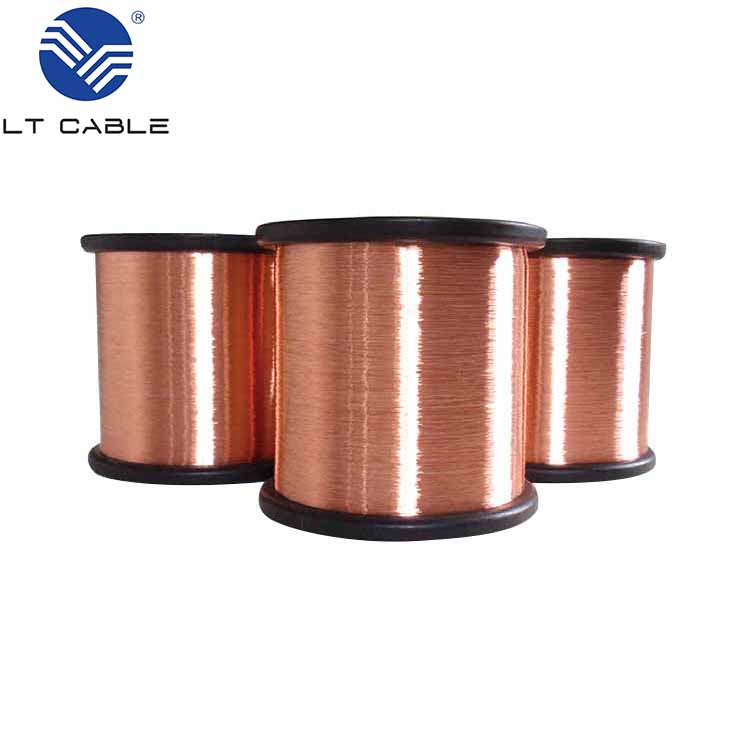
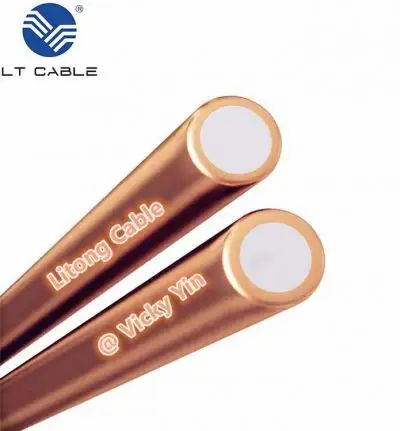
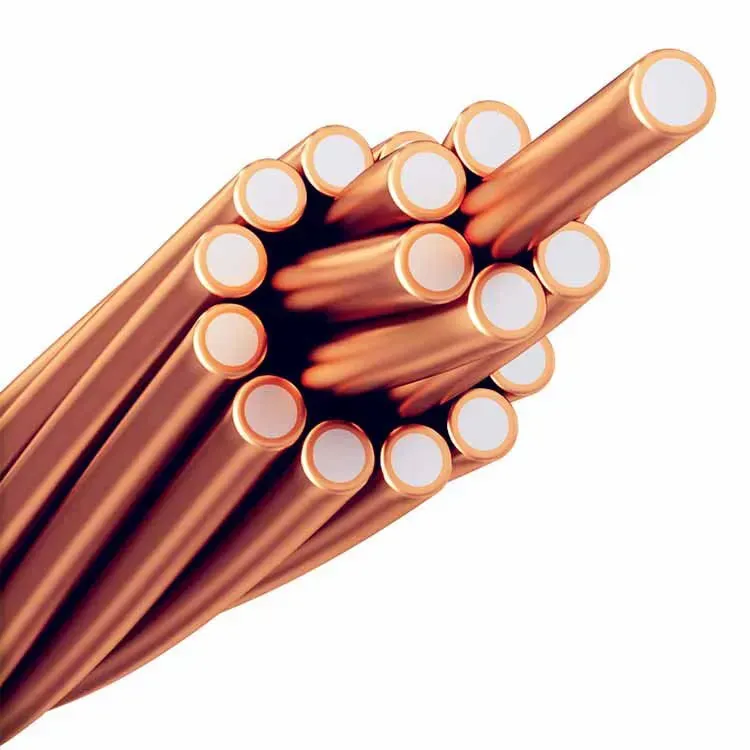
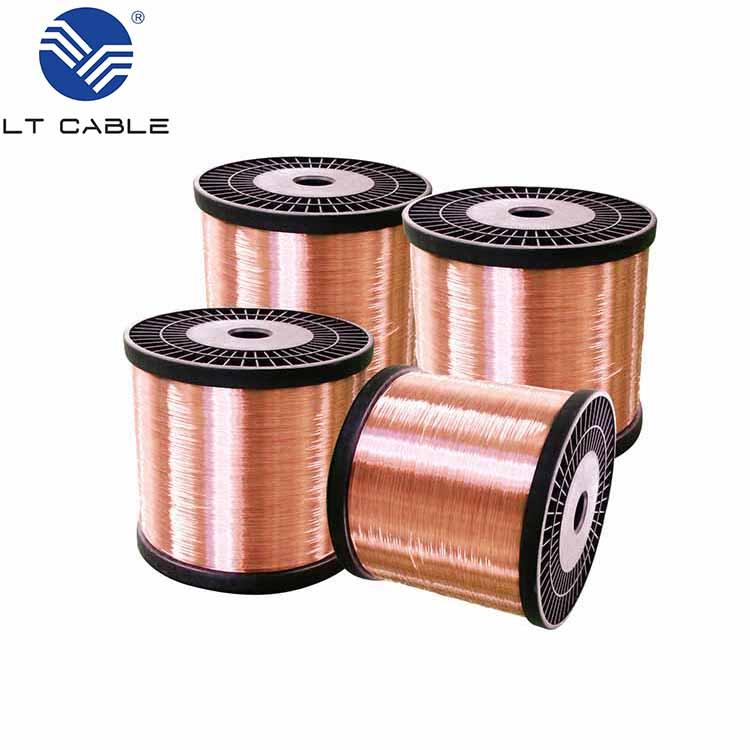
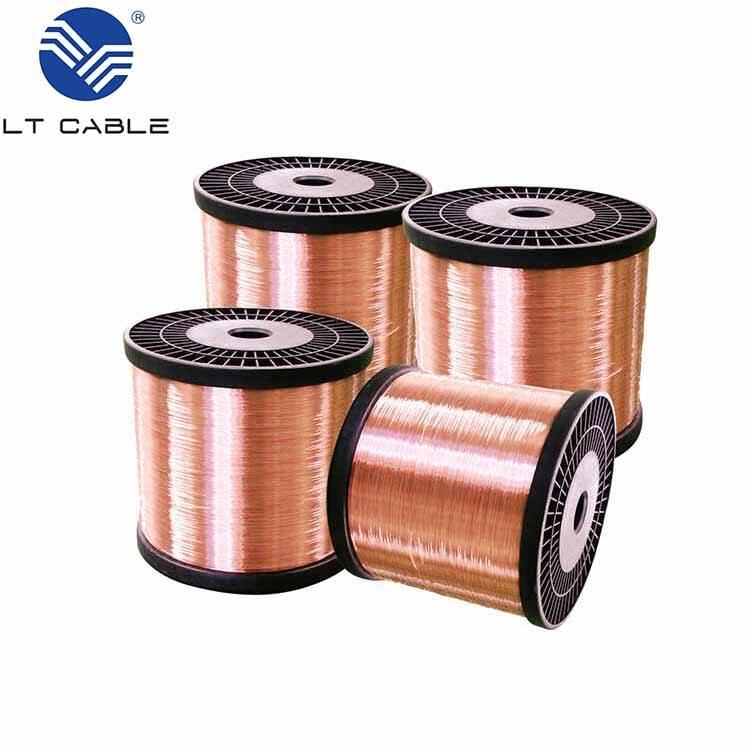
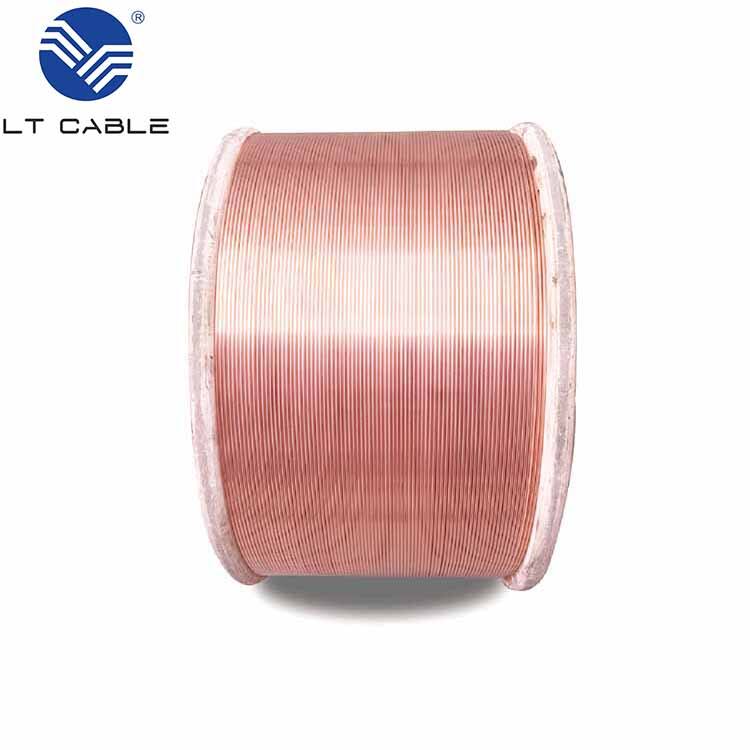
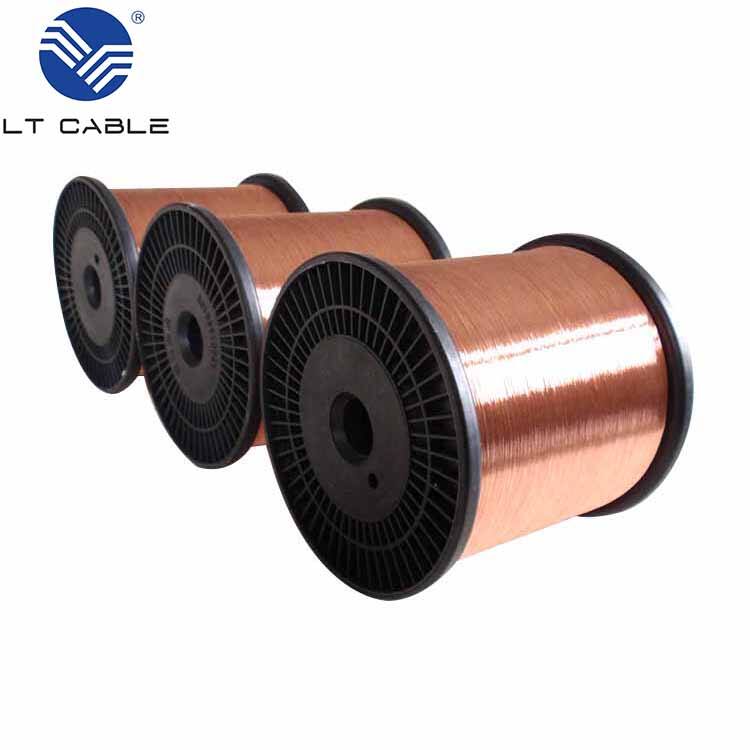
Copper Clad Steel Grounding Wire: Superior Conductivity & Strength

Get a Free Quote

Our representative will contact you soon.
Name
Email
Mobile
Country/Region
Choose the product you want
Message
0/1000
Unmatched Quality and Reliability of Copper Clad Steel Grounding Wire

Unmatched Quality and Reliability of Copper Clad Steel Grounding Wire

Our Copper Clad Steel Grounding Wire combines the excellent conductivity of copper with the strength of steel, ensuring superior performance in grounding applications. This unique composition not only enhances electrical conductivity but also provides exceptional tensile strength, making it ideal for various environments. Our production process is meticulously controlled, from raw material selection to final product testing, ensuring that every meter of wire meets the highest standards. This wire is resistant to corrosion, making it suitable for both indoor and outdoor applications. Whether you're in construction, telecommunications, or any other industry requiring reliable grounding solutions, our Copper Clad Steel Grounding Wire stands out as the top choice, ensuring safety and longevity in your projects.
Get A Quote

Case Studies

Successful Implementation of Copper Clad Steel Grounding Wire in Telecommunications

In a recent project with a leading telecommunications company, our Copper Clad Steel Grounding Wire was utilized to enhance the grounding system for their new data center. The project required a durable solution that could withstand harsh environmental conditions while providing reliable performance. Our wire's superior conductivity and corrosion resistance ensured minimal signal interference and maximum safety for sensitive equipment. The client reported a significant decrease in downtime and maintenance costs, attributing this success to the quality of our product. This case exemplifies how our grounding wire can meet the stringent demands of high-tech environments.

Enhancing Electrical Safety in Construction with Copper Clad Steel Grounding Wire

A prominent construction firm faced challenges with grounding systems in their high-rise buildings. They turned to our Copper Clad Steel Grounding Wire to provide a robust solution. The wire's strength allowed for easy installation, while its excellent conductivity ensured compliance with safety regulations. Post-installation assessments showed improved grounding effectiveness, leading to enhanced safety for workers and equipment. The construction firm praised our product for its reliability and performance, making it a preferred choice for future projects.

Copper Clad Steel Grounding Wire in Renewable Energy Applications

In a project focused on renewable energy, our Copper Clad Steel Grounding Wire was chosen for its sustainability and performance. The wire was integrated into the grounding systems of solar panel installations, where its corrosion resistance played a crucial role in maintaining system integrity over time. The client noted that the durability of our wire contributed to the longevity of their installations, reducing replacement costs and enhancing overall efficiency. This case highlights the versatility of our grounding wire in various applications, especially in eco-friendly projects.

Related products

Our Copper Clad Steel Grounding Wire is designed for quality and performance. Copper and steel make a highly conductive and strong wire. Steel and copper also resist the elements. Our wires are made on fully automated production lines for precision and consistency. We control every step of the production process so that the end product is reliable. The grounding wire has many uses, including in telecommunications, construction, and renewable energy systems. Wires keep electrical systems reliable and safe so grounding solutions help cut down electrical faults. Thanks to the quality of our wires, we are always improving our systems and products to help serve the ever changing and evolving needs of our clients.

Frequently Asked Questions about Copper Clad Steel Grounding Wire

What are the main benefits of using Copper Clad Steel Grounding Wire?

Copper Clad Steel Grounding Wire offers high conductivity due to its copper layer, while the steel core provides exceptional strength and durability. This combination makes it ideal for grounding applications where reliability and performance are critical, especially in harsh environments.
Compared to traditional copper wire, Copper Clad Steel provides similar conductivity with added tensile strength, making it less prone to damage. Compared to aluminum, it offers superior electrical performance and corrosion resistance, making it a more reliable choice for grounding applications.

Related article

CCAM Wire Explained: What Is Copper Clad Aluminum Magnesium wire?

15

Jan

CCAM Wire Explained: What Is Copper Clad Aluminum Magnesium wire?

Introduction to CCAM Wire

In the ever-evolving world of electrical engineering and cable manufacturing, the demand for high-performance, cost-effective conductors is paramount. Among the innovative solutions that have emerged to meet this demand is Copper Clad Aluminum Magnesium wire, commonly known as CCAM wire. This advanced bimetallic conductor has gained significant traction in various industries, offering a compelling balance of electrical performance, mechanical strength, and economic efficiency. As a leading manufacturer in the wire and cable industry, Litong Cable recognizes the transformative potential of CCAM wire and is committed to providing its customers with cutting-edge solutions that push the boundaries of what's possible.

What is Copper Clad Aluminum Magnesium (CCAM) Wire?

CCAM wire is a sophisticated composite conductor that integrates the best properties of three distinct metals into a single, high-performance wire. At its core, it consists of a robust aluminum-magnesium alloy, which provides exceptional mechanical strength and light weight. This core is then concentrically clad with a layer of high-purity copper (typically 99.9% pure), which delivers excellent electrical conductivity. The bonding between the aluminum-magnesium core and the copper cladding is achieved through a advanced metallurgical process, ensuring a seamless and durable interface that can withstand the rigors of manufacturing and application. This unique construction results in a wire that offers the optimal combination of conductivity, strength, and lightness, making it an ideal choice for a wide range of demanding applications.

Key Properties and Advantages of CCAM Wire

CCAM wire boasts a remarkable set of properties that make it superior to traditional conductors like pure copper or standard aluminum wire. One of its most significant advantages is its high tensile strength, which typically ranges from 180 to 250 MPa. This enhanced strength, a direct result of the aluminum-magnesium core, makes CCAM wire much more resistant to breakage during installation and operation, particularly in applications where the wire is subjected to mechanical stress or vibration. Additionally, CCAM wire offers excellent electrical conductivity, with a conductivity rating of approximately 35-55% IACS (International Annealed Copper Standard), depending on the copper content. While slightly lower than pure copper, this conductivity is more than sufficient for most high-frequency signal transmission and power distribution applications, especially when considering the other benefits it provides.
Another key advantage of CCAM wire is its light weight. With a density of around 2.85 to 3.63 g/cm³, it is significantly lighter than pure copper wire (which has a density of 8.96 g/cm³). This reduced weight offers numerous benefits, including lower transportation costs, easier handling and installation, and reduced structural load in applications such as aerospace and automotive wiring. Furthermore, CCAM wire exhibits good corrosion resistance, thanks to the protective copper cladding and the inherent properties of the aluminum-magnesium alloy core. This makes it suitable for use in harsh environments where exposure to moisture, chemicals, or other corrosive agents is a concern.

Applications of CCAM Wire

The unique combination of properties offered by CCAM wire makes it suitable for a diverse range of applications across multiple industries. One of its primary uses is in the manufacturing of high-frequency signal transmission cables, such as coaxial cables for cable television (CATV) systems, 50Ω RF cables, and leaky cables. In these applications, the excellent conductivity of the copper cladding ensures efficient signal transmission with minimal loss, while the high tensile strength of the aluminum-magnesium core ensures the cable can withstand the stresses of installation and use. CCAM wire is also widely used in data cables, including LAN cables (Cat5e, Cat6), telephone cables, and USB cables, where its light weight and good conductivity contribute to reliable data transfer.
In the power transmission sector, CCAM wire is used in the production of power cables, control cables, and automotive cables. Its light weight and high strength make it an ideal choice for use in vehicles, where reducing weight is critical for improving fuel efficiency. CCAM wire is also used in building wiring, where its corrosion resistance and ease of installation make it a practical alternative to traditional copper wire. Additionally, it finds applications in special electromagnetic wires, such as voice coils for headphones and speakers, and windings for motors and transformers.

CCAM Wire vs. Other Conductor Types

When compared to other commonly used conductor types, CCAM wire offers a number of distinct advantages. Compared to pure copper wire, CCAM wire is significantly lighter and less expensive, while still providing good electrical conductivity. This makes it a cost-effective alternative for applications where weight and cost are important considerations. While pure copper wire has a higher conductivity, the difference is often negligible for many applications, and the other benefits of CCAM wire more than compensate for this slight reduction in performance.
Compared to standard aluminum wire, CCAM wire offers superior conductivity and corrosion resistance. Aluminum wire is prone to oxidation, which can lead to increased resistance and potential connection problems over time. The copper cladding on CCAM wire provides a barrier against oxidation, ensuring long-term performance and reliability. Additionally, the aluminum-magnesium core of CCAM wire offers higher tensile strength than standard aluminum wire, making it more durable and less likely to break during installation or use.

Conclusion

In conclusion, Copper Clad Aluminum Magnesium (CCAM) wire is a versatile and high-performance conductor that offers a unique combination of electrical, mechanical, and economic benefits. Its innovative construction, which combines a strong aluminum-magnesium core with a conductive copper cladding, makes it an ideal choice for a wide range of applications, from high-frequency signal transmission to power distribution. As a leading manufacturer in the wire and cable industry, Litong Cable is dedicated to producing high-quality CCAM wire that meets the evolving needs of its customers. Whether you're looking for a cost-effective alternative to pure copper wire or a lightweight, high-strength conductor for demanding applications, CCAM wire is an excellent choice that delivers exceptional performance and value.
View More
How does copper - clad wire achieve such outstanding conductivity?

22

Feb

How does copper - clad wire achieve such outstanding conductivity?

Understanding Copper-Clad Wire

Copper clad wire represents a special type of composite made from either aluminum or steel at its center, wrapped with a thin copper layer. The manufacturing technique for this setup goes by the name cladding welding. During production, quality copper tape gets applied around the central metal, forming what's called a solid metallurgical bond between layers. What happens next is pretty interesting actually the copper and base metal start acting like they're one material instead of separate ones. This combination gives the wire better properties overall, making it work well across different industrial applications where strength meets conductivity requirements.

Copper-clad wire combines different materials to give it some pretty special characteristics that regular copper or aluminum wires just don't have. Copper on the outside means great conductivity, something that matters a lot when we need good electrical performance from our systems. Inside, there's usually aluminum or sometimes steel, which cuts down both the weight and what it costs to produce these wires. For manufacturers looking at their bottom line but still wanting decent conductive properties, this mix hits the sweet spot. Industries like telecommunications and power transmission find copper-clad options particularly appealing because they get most of the benefits of pure copper at a fraction of the price, even if they aren't quite as perfect as solid copper conductors.

Copper clad wires work better because of their layered construction. Copper sits on the outside where it does what it does best conducting electricity really well. Inside there's something lighter, which makes the whole thing cheaper to produce and much easier to work with during installation. This setup works great when we need lots of wire running through buildings or across landscapes without dragging around heavy cables that break the bank. Think about telephone lines stretching between poles or data cables snaking through office walls. The mix of copper and other materials creates a practical solution that balances performance against budget constraints, something manufacturers have been optimizing for decades in the ever-evolving world of electrical connections.

Benefits of Copper-Clad Aluminum Wire

Copper clad aluminum wire actually stands up better than regular copper wire when it comes to strength and lasting power, which makes it work great for all sorts of different jobs around the industry. Tests have shown these wires can handle much more tension before breaking compared to standard copper options. The real advantage becomes clear in places where there's constant wear and tear on materials. These wires bend without snapping and still keep their shape even after being stretched quite a bit, something plain copper just cant match in most situations.

When looking at the bottom line, copper clad aluminum wire comes out ahead as a smart money move. These wires cost way less than solid copper options, which cuts down on material expenses big time. That makes them especially appealing for companies working with tight budgets or trying to keep overhead low. What's really nice about this cost advantage is that manufacturers can redirect those saved dollars toward other parts of their operations. Some might invest in better quality control equipment while others could upgrade their facilities. Either way, the financial flexibility opens up new possibilities without sacrificing product quality.

One major plus point for copper-clad aluminum wire is its better resistance to corrosion, something that really extends how long these wires last before needing replacement. The reason behind this protection lies in copper itself, known for standing up well against rust and other forms of degradation. That makes copper-clad options especially good for places outside or areas with high humidity levels where regular wires might start breaking down faster. Electrical systems using this type of wiring tend to stay dependable for much longer than standard alternatives. Less frequent repairs mean lower costs down the road, and overall installations just last better without constant attention from technicians.

In summary, copper-clad aluminum wire is beneficial for its enhanced strength and durability, cost-effectiveness, and superior corrosion resistance. These properties make it an excellent choice for various applications, particularly where budgetary constraints and environmental factors play a significant role.

Applications of Copper-Clad Wire

Copper clad wire plays a big role in telecom networks these days. The copper layer actually boosts how well electricity flows through the wire, something that keeps signals strong during transmission. Because of this property, many companies go with copper clad when making coax cables for things like high speed internet connections and TV service delivery systems. Another benefit worth mentioning is that these wires help cut down on signal interference problems, so people get better reception quality overall without those annoying dropouts or fuzzy pictures.

Copper clad wire works great for electrical wiring in homes and businesses alike. It weighs less than regular copper cable and costs quite a bit less too, which means better energy efficiency overall. Electricians love working with it when they need to run wires through tight spaces or around complicated building layouts since it bends so easily. The lighter weight really helps during installations, especially up high where carrying heavy materials gets old fast. Contractors often choose copper clad wire for these reasons when budget is a concern but performance still needs to be good enough for most applications.

Copper clad wire plays a really important role when building antennas these days, especially since modern tech demands lighter materials without sacrificing signal quality. Take copper clad aluminum as an example. It weighs much less than solid copper but still conducts electricity pretty well. That's why many companies install aerial antennas using this material. The towers don't have to support as much weight, which saves money on structural requirements. Plus, signals travel through these wires just fine. For folks working on communication systems or setting up broadcast equipment, copper clad options offer both weight savings and good performance characteristics that make them stand out from other materials available in the market today.

Technical Comparisons

Knowing the difference between regular copper wire and copper-clad options matters a lot for anyone buying materials or working on electrical projects. Copper itself has amazing conductivity because it doesn't resist electricity much, usually measuring around 1.678 ohms per meter when things are at normal room temps. On the other hand, those copper-clad aluminum wires (we call them CCA) actually have a bit more resistance since they're made with an aluminum center wrapped in a thin copper coating. What makes these interesting though is that despite this small tradeoff in conductivity, they cost less money and weigh significantly less than pure copper alternatives. For many applications where budget constraints exist but performance still needs to be decent, CCA provides a good middle ground between getting the job done right and keeping expenses under control.

When deciding between stranded and solid wire setups, application requirements usually dictate which type works best. Stranded wire consists of many small strands twisted together, making it great for situations where movement happens regularly. Because of this flexibility, stranded wires don't break as easily during repeated bending motions, though they do have marginally higher resistance per foot than their solid counterparts. Solid wire has just one thick conductor inside, offering stronger construction with less resistance. These characteristics make solid wire better suited for fixed installations where long term stability matters most. Understanding these differences helps electricians pick the right kind of wire depending on what the job actually demands.

Market Trends in Wire Solutions

The wire production field is undergoing major changes right now, especially when it comes to making copper-clad wires. New tech developments have improved how these wires perform without breaking the bank on manufacturing expenses. Take the latest cladding methods for example they deliver better electrical properties but require far less actual copper than traditional approaches, which cuts down on material costs quite a bit. The shift toward these methods matters a lot because manufacturers across various sectors are constantly looking for ways to save money without compromising quality. Many companies in electronics and construction are already adopting these newer techniques as part of their broader efforts to cut costs and reduce environmental impact over time.

The future looks bright for copper-clad materials as demand seems set to rise because they offer both good value and solid performance. Recent market studies show companies are moving toward greener approaches that save money while still getting the job done right. This makes sense when we look at what industries around the world need these days. Manufacturers aren't standing still either. They keep finding new ways to work with copper clad products, which means we can expect continued expansion in this area. New rules from regulators plus growing concern about protecting our environment are giving an extra push to adoption rates across many sectors.

View More
Curious about how the miniaturization trend in electronics affects enameled wire? Let's discuss.

26

May

Curious about how the miniaturization trend in electronics affects enameled wire? Let's discuss.

The Science Behind Enameled Wire Miniaturization

Core Principles of Enameled Wire Design

Getting to grips with how enameled wire works at its core helps explain why miniaturization has made such big strides recently. Basically, what we're looking at here is metal wire wrapped in this super thin insulation layer that actually boosts both heat handling and electricity carrying capabilities. The whole point of this setup is so the wire doesn't melt or short out when exposed to serious heat or voltage spikes, which makes it perfect for those tiny gadgets everyone carries around these days. When engineers started shrinking down enameled wire dimensions, they found something interesting happened to efficiency metrics. Shrinking the physical size while keeping that same heat tolerance? Turns out it makes the current flow better through the conductor. Less resistance means less energy wasted as heat, and that translates directly into better performance packed into smaller spaces across all sorts of electronic devices.

Stranded Wire vs Solid Wire: Performance Trade-offs

When looking at stranded versus solid wires, we see different strengths that matter when picking the right type for a job. Stranded wire gets lots of points for being bendy and reducing what's called the skin effect, which makes it great for places where things need to move around or get bent regularly. Solid wire tells a different story though. It stands firm and holds up better over time, so it works well in fixed positions where something needs to stay put without moving much. Real world tests have shown stranded wire performs better in situations that involve constant motion because of how flexible it is, but solid wire can handle more electricity flow in setups that don't change position. The choice between them really impacts how circuits work, particularly in tight spaces where both room and physical movement become important factors in installation decisions.

How Copper Clad Aluminum Wire Supports Compact Systems

Copper clad aluminum (CCA) wire combines an aluminum core with a copper coating and has become essential for many compact system designs. What makes CCA stand out from regular copper wire? Well, it weighs less and costs significantly less money while still conducting electricity pretty well. This makes it especially attractive when space matters most in small devices. Looking at actual applications shows why manufacturers love this material so much. For instance, in telecom equipment where every gram counts, CCA allows engineers to build smaller repeaters without sacrificing signal quality. Same goes for smartphones and other gadgets that need internal wiring but can't afford the bulk or expense of pure copper. The savings add up across production runs too, which explains why we see more and more consumer electronics incorporating this clever material solution.

Skin Effect and Proximity Loss Mitigation Strategies

When designing miniaturized wires, engineers need to pay close attention to two main issues: skin effect and proximity losses. Let's start with skin effect first. Basically, this happens because AC tends to bunch up near the surface of the conductor rather than flowing evenly throughout. What does this mean? Well, it makes the wire act like it has smaller cross-section, so resistance goes up especially bad at higher frequencies. Some pretty smart workarounds exist though. Many manufacturers now turn to high conductivity materials combined with super thin insulation layers to combat these problems in their tiny enameled wires. Another trick worth mentioning involves changing how conductors are arranged spatially. These special geometric arrangements reduce what we call proximity losses where currents in one wire mess with those in adjacent ones. Looking at actual field tests, companies report seeing real gains in both energy efficiency and overall performance. As our gadgets keep getting smaller and smaller, these kinds of engineering solutions become absolutely essential for maintaining proper functionality without wasting power.

Role of Quantum Effects in High-Frequency Applications

Quantum effects are becoming really significant for wire design at high frequencies. We see these effects mainly showing up in very short conductors where they actually change how well the wires perform by messing with inductance levels and how electrons move through the material. When components get smaller and smaller, these quantum behaviors become even more pronounced. The tiny size basically makes wires react differently to high frequency signals because of new electromagnetic characteristics that emerge. Take inductors for instance. By leveraging quantum effects, engineers have managed to create much smaller inductors that still hold their inductance value or sometimes even improve it despite being miniature in size. This lets manufacturers pack more functionality into smaller spaces, which explains why we now have better performing phone chargers and all sorts of compact wireless devices on the market today. Looking ahead, quantum mechanics might just revolutionize how we approach electronic design across the board.

Optimizing Stranded Wire Size Charts for Thermal Management

Wire size charts for stranded conductors can really help when it comes to managing heat, which matters a lot in small electronics these days. Stranded wire gets chosen mostly because it bends easier than solid wire, but there's another benefit too - it actually handles heat better thanks to all those tiny strands touching more surface area. When looking at how well something manages temperature, three main things come into play: how thick the wire is, what kind of metal it's made from, and where it sits in the environment. Getting the right stranded wire size depends on what exactly needs to be done in each situation. Engineers usually check those size charts to find a sweet spot between being flexible enough and still letting heat escape properly. Good wire design should get rid of excess heat without falling apart under stress. Proper sizing makes all the difference in whether those tiny gadgets work reliably day after day.

Innovations Driving Enameled Wire Evolution

Advanced Insulation Materials for Space-Constrained Designs

New developments in insulation materials are really pushing forward what we can do with enameled wires, especially when there's not much room to work with. The latest stuff coming out has much better heat handling properties, so these wires can keep functioning even when things get pretty hot inside machinery. They're also tougher now, standing up to wear and tear that would normally damage regular wires. Take polyimide mixed with fluoropolymers as one good example. These combinations have made a big difference in how well insulated wires perform, which explains why the market for them keeps growing year after year. All these improvements matter a lot in industries like cars, planes, and consumer electronics, where every millimeter counts and reliability is absolutely essential.

Preformed Litz Wire Configurations for High-Current Devices

Litz wire has become increasingly popular for applications that need to handle large amounts of current while fitting into small spaces. When manufacturers split the wire into multiple strands and twist them together, they create a design that fights against two major issues found in regular wires: skin effect and proximity losses. This special arrangement lets the wire work better at both high frequencies and when carrying substantial currents, leading to much better overall performance. Research shows that in certain situations where there's lots of current flowing, these wires can cut down on power loss by as much as 40%. That kind of efficiency explains why many engineers turn to Litz wire when building transformers, motors, and various types of inductors where saving energy matters most.

Integration of Smart Amplifiers and DSP Technologies

Smart amplifiers and digital signal processing (DSP) tech are changing how we think about enameled wire design, opening up all sorts of new opportunities. When these cutting edge technologies work together with better wire materials, they actually improve how systems perform overall. They handle signal integrity issues and manage power distribution much better than older methods did. We're seeing this happen across various electronic devices today, especially where getting things right matters most. Take audio equipment for instance. When manufacturers combine DSP technology with high quality enameled wires, listeners notice cleaner sound with far less background noise and distortion problems. What we're witnessing isn't just incremental improvement but a complete transformation of what enameled wires can do, pushing boundaries in ways that keep surprising even seasoned engineers in the field.

Applications in Modern Electronics

Automotive Electrification: Wires in EV Motors

The insulated copper wire used in electric car motors is really important for getting those vehicles to run efficiently and perform well. What makes these wires so good at their job? Well, they have strong insulation layers that protect against short circuits while still allowing electricity to flow freely through them without much resistance. This means less wasted energy when the motor is running. Another thing worth noting is how manufacturers keep shrinking the diameter of these wires over time. Smaller wires let engineers pack more wiring into tight spaces within the motor housing, which helps create compact but still very powerful electric drivetrains. The whole auto industry seems to be moving toward greener transportation solutions right now, and this has created quite a buzz around all things electrical for cars. Take a look at the numbers from BloombergNEF if you want proof: they predict EV sales will jump from about 3 million units sold back in 2020 up to nearly 14 million by 2025. With such rapid growth happening across the sector, there's no doubt that demand for quality enameled wire will continue rising alongside it.

Renewable Energy Systems: Wind Turbine Generator Coils

Enameled wire plays a vital role in making wind turbine generators work efficiently within renewable energy systems. These specialized wires help convert mechanical energy into electricity thanks to their excellent conductivity properties and ability to withstand heat over time. As manufacturers continue developing thinner wire options, we see improvements in both system performance and long term reliability across installations worldwide. The renewable sector's rapid expansion has created new demands for better wiring technologies. According to data from the International Energy Agency, global renewable energy capacity saw a massive 45% jump back in 2020, marking the quickest growth since records began in 1999. This explosive development highlights why advanced enameled wire solutions remain so important for wind farms and other green energy projects as they scale up operations around the planet.

Miniaturized Loudspeakers and IoT Device Integration

When enameled wire gets integrated into mini loudspeakers, it really boosts sound quality because it keeps those electromagnetic fields steady. The whole miniaturization thing opens up all sorts of possibilities for complex functions too, particularly in smart devices where space is at a premium but good wiring still matters. These new wiring methods let manufacturers connect components in tight spots while still getting decent performance out of them. Take one big electronics company for instance they tried enameled wire in their speaker designs and saw real improvements in both clarity and how long the speakers lasted. As gadgets keep getting smarter and more connected, these kinds of innovations aren't just nice to have anymore they're pretty much essential if companies want to make products that work well without taking up too much room inside.

Future Trends in Enameled Wire Technology

Emerging Materials for Room-Temperature Quantum Applications

Researchers are getting excited about materials that work at normal temperatures for quantum applications. We're talking about things like special composites and new types of alloys designed to perform well without needing extreme cooling. This development might change how we approach several areas of science and technology. These materials are helping push the miniaturization trend forward because they let engineers create smaller devices while still maintaining good performance levels. Recent data shows real potential here too. For instance, companies working on quantum computers have already started incorporating these materials into their prototypes. Telecommunications firms are also showing interest since better signal processing becomes possible. Experts predict strong market expansion over the next few years as manufacturers integrate these advances into everyday tech products.

Sustainable Manufacturing and Circular Economy Practices

There's been a big change happening in the enameled wire sector lately, with companies moving toward greener manufacturing methods. Many firms are now looking at ways to apply circular economy ideas to their operations, which helps them run better while cutting down on waste and saving materials. Going green isn't just good for the planet either these approaches actually help businesses save money too by making better use of raw materials. We're seeing this trend boost market growth across the board because both customers and producers want to support products made through responsible processes. For anyone watching this space closely, it's clear that sustainability isn't just a buzzword anymore it's becoming essential for staying competitive in today's markets.

Global Market Projections: $46B by 2032

The enameled wire market looks set to grow quite a bit over the next decade, with estimates pointing toward around $46 billion in value by 2032. A few things are driving this expansion. Tech improvements keep coming fast and furious while demand keeps rising in different areas like cars, green energy projects, and electronic devices. Research firms back up these numbers too, showing how innovation within the enameled wire sector plus all the new ways it gets used are pushing things forward. The industry itself is changing as well to handle both tech upgrades and greener requirements from customers. All signs point to good times ahead for anyone involved in making or selling enameled wires.

View More
CCA Wire Specifications Guide: Diameter, Copper Ratio, and Tolerance

25

Dec

CCA Wire Specifications Guide: Diameter, Copper Ratio, and Tolerance

Understanding CCA Wire Composition: Copper Ratio and Core–Clad Architecture

Understanding CCA Wire Composition: Copper Ratio and Core–Clad Architecture

How Aluminum Core and Copper Cladding Work Together for Balanced Performance

Copper Clad Aluminum (CCA) wire combines aluminum and copper in a layered construction that manages to strike a good balance between performance, weight, and price. The inner part made from aluminum gives the wire strength without adding much weight, actually cutting down on mass by around 60% compared to regular copper wires. Meanwhile, the copper coating on the outside handles the important job of conducting signals properly. What makes this work so well is that copper conducts electricity better right at the surface where most high frequency signals travel because of something called the skin effect. The aluminum inside takes care of moving the bulk of the current but costs less money to produce. In practice, these wires end up performing about 80 to 90% as well as solid copper when it matters most for signal quality. That's why many industries still choose CCA for things like network cables, car wiring systems, and other situations where either money or weight becomes a real concern.

Standard Copper Ratios (10%–15%) – Trade-offs Between Conductivity, Weight, and Cost

The way manufacturers set copper to aluminum ratios in CCA wire really depends on what they need for specific applications. When wires have about 10% copper coating, companies save money since these are roughly 40 to 45 percent less expensive than solid copper options, plus they weigh around 25 to 30 percent less. But there's a tradeoff here too because this lower copper content actually makes the DC resistance go up. Take a 12 AWG CCA wire with 10% copper for instance it shows about 22% more resistance compared to pure copper versions. On the flip side, increasing the copper ratio to around 15% gives better conductivity, getting close to 85% of what pure copper offers, and makes connections more reliable when terminating. However, this comes at a cost since the savings drop to about 30 to 35% on price and only 15 to 20% in weight reduction. Another thing worth noting is that thinner copper layers create problems during installation, especially when crimping or bending the wire. The risk of the copper layer peeling off becomes real, which can mess up the electrical connection completely. So when choosing between different options, engineers have to balance how well the wire conducts electricity against how easy it is to work with during installation and what happens over time, not just looking at upfront costs alone.

Dimensional Specifications of CCA Wire: Diameter, Gauge, and Tolerance Control

AWG-to-Diameter Mapping (12 AWG to 24 AWG) and Its Impact on Installation and Termination

American Wire Gauge (AWG) governs CCA wire dimensions, with lower gauge numbers indicating larger diameters—and correspondingly greater mechanical robustness and current capacity. Precise diameter control is essential across the range:

AWG Nominal Diameter (mm) Installation Consideration
12 2.05 Requires wider bend radii in conduit runs; resists pull-through damage
18 1.02 Prone to kinking if improperly handled during cable pulls
24 0.51 Demands precision termination tools to avoid insulation breach or conductor deformation

Mismatched ferrule sizing remains a leading cause of field failures—industry data attributes 23% of connector-related issues to gauge-terminal incompatibility. Proper tooling and installer training are non-negotiable for reliable terminations, especially in dense or vibration-prone environments.

Manufacturing Tolerances: Why ±0.005 mm Precision Matters for Connector Compatibility

Getting the dimensions just right matters a lot for how well CCA wire works. We're talking about keeping things within a tight ±0.005 mm diameter range. When manufacturers miss this mark, problems happen fast. If the conductor ends up too big, it squishes or bends the copper coating when plugged in, which can boost contact resistance by as much as 15%. On the flip side, wires that are too small don't touch properly, leading to sparks during temperature changes or sudden power spikes. Take automotive splice connectors as an example they need no more than 0.35% diameter variation across their length to keep those important IP67 environmental seals intact while standing up to road vibrations. Achieving such exact measurements requires special bonding techniques and careful grinding after drawing. These processes aren't just about meeting ASTM standards either manufacturers know from experience that these specs translate into actual performance gains in vehicles and factory equipment where reliability counts most.

Standards Compliance and Real-World Tolerance Requirements for CCA Wire

The ASTM B566/B566M standard sets the foundation for quality control in CCA wire manufacturing. It outlines acceptable copper clad percentages usually between 10% and 15%, specifies how strong the metal bonds need to be, and establishes tight dimensional limits around plus or minus 0.005 millimeters. These specs matter because they help maintain reliable connections over time, especially important when wires face constant movement or temperature changes as seen in car electrical systems or power over Ethernet setups. Industry certifications from UL and IEC test wires under harsh conditions like rapid aging tests, extreme heat cycles, and overload scenarios. The RoHS regulations meanwhile make sure manufacturers aren't using dangerous chemicals in their production processes. Strict adherence to these standards isn't just good practice it's absolutely necessary if companies want their CCA products to perform safely, reduce the risk of sparks at connection points, and keep signals clear in critical applications where both data transmission and power supply depend on consistent performance.

Performance Implications of CCA Wire Specifications on Electrical Behavior

Resistance, Skin Effect, and Ampacity: Why 14 AWG CCA Carries Only ~65% of Pure Copper’s Current

The composite nature of CCA wires really puts a damper on their electrical performance, particularly when dealing with DC current or low frequency applications. While the outer copper layer does help reduce skin effect losses at higher frequencies, the inner aluminum core has about 55% more resistance compared to copper, which ends up being the main factor affecting DC resistance. Looking at actual numbers, 14 AWG CCA can only handle around two thirds of what pure copper wire of the same gauge would manage. We see this limitation showing up in several important areas:

  • Heat generation: Elevated resistance accelerates Joule heating, reducing thermal headroom and necessitating derating in enclosed or bundled installations
  • Voltage drop: Increased impedance causes >40% greater power loss over distance compared to copper—critical in PoE, LED lighting, or long-run data links
  • Safety margins: Lower thermal tolerance raises fire risk if installed without accounting for reduced current capacity

Uncompensated substitution of CCA for copper in high-power or safety-critical applications violates NEC guidelines and compromises system integrity. Successful deployment requires either upsizing the gauge (e.g., using 12 AWG CCA where 14 AWG copper was specified) or enforcing strict load limitations—both grounded in verified engineering data, not assumptions.

FAQ

What is Copper Clad Aluminum (CCA) wire?

CCA wire is a composite type of wire that combines an inner aluminum core with an outer copper cladding, allowing for a lighter yet cost-effective solution with decent electrical conductivity.

Why is the copper to aluminum ratio important in CCA wires?

The copper to aluminum ratio in CCA wires determines their conductivity, cost-efficiency, and weight. Lower copper ratios are more cost-effective but increase DC resistance, whereas higher copper ratios offer better conductivity and reliability at higher costs.

How does the American Wire Gauge (AWG) affect CCA wire specifications?

AWG impacts the diameter and mechanical properties of CCA wires. Larger diameters (lower AWG numbers) provide greater durability and current capacity, while precise diameter controls are crucial for maintaining device compatibility and proper installation.

What are the performance implications of using CCA wires?

CCA wires have higher resistance compared to pure copper wires, which can lead to more heat generation, voltage drops, and lower safety margins. They are less suitable for high-power applications unless appropriately upsized or derated.

View More

Customer Feedback on Copper Clad Steel Grounding Wire

John Smith
Exceptional Product Quality

We have been using Litong Cable's Copper Clad Steel Grounding Wire for our projects for over a year now. The quality is exceptional, and we have seen a significant reduction in maintenance issues since switching to this product. Highly recommended!

Sarah Johnson
Reliable Partner for Grounding Solutions

Litong Cable has been a reliable partner for our grounding needs. Their Copper Clad Steel Grounding Wire has performed flawlessly in our installations. The team is knowledgeable and responsive, making our collaboration seamless.

Get a Free Quote

Our representative will contact you soon.
Email
Name
Company Name
Message
0/1000
Superior Conductivity and Strength

Superior Conductivity and Strength

Our Copper Clad Steel Grounding Wire stands out due to its unique composition. The copper layer provides excellent electrical conductivity, while the steel core ensures high tensile strength. This combination makes it an ideal choice for grounding applications across various industries, where both performance and durability are paramount. The wire's robust design minimizes the risk of damage during installation and ensures long-term reliability, making it a preferred option for professionals seeking quality solutions.
Corrosion Resistance for Longevity

Corrosion Resistance for Longevity

One of the key advantages of our Copper Clad Steel Grounding Wire is its resistance to corrosion. This feature is crucial for applications exposed to harsh environmental conditions, where traditional grounding wires may fail. Our wire's ability to resist rust and degradation enhances its longevity, providing a cost-effective solution that reduces the need for frequent replacements. Clients can trust that our grounding wire will maintain its integrity and performance over time, ensuring safety and reliability in their electrical systems.
  • Product Consultation & Selection

    Product Consultation & Selection

    Tailored advice, perfect fit solutions.

  • Production & Supply Chain

    Production & Supply Chain

    Efficient manufacturing, seamless supply.

  • Quality Assurance & Certification

    Quality Assurance & Certification

    Rigorous testing, global certifications.

  • Post-Sales Support & Tech Help

    Post-Sales Support & Tech Help

    Prompt assistance, ongoing support.

Get a Free Quote

Our representative will contact you soon.
Name
Email
Mobile
Country/Region
Title
Message
0/1000