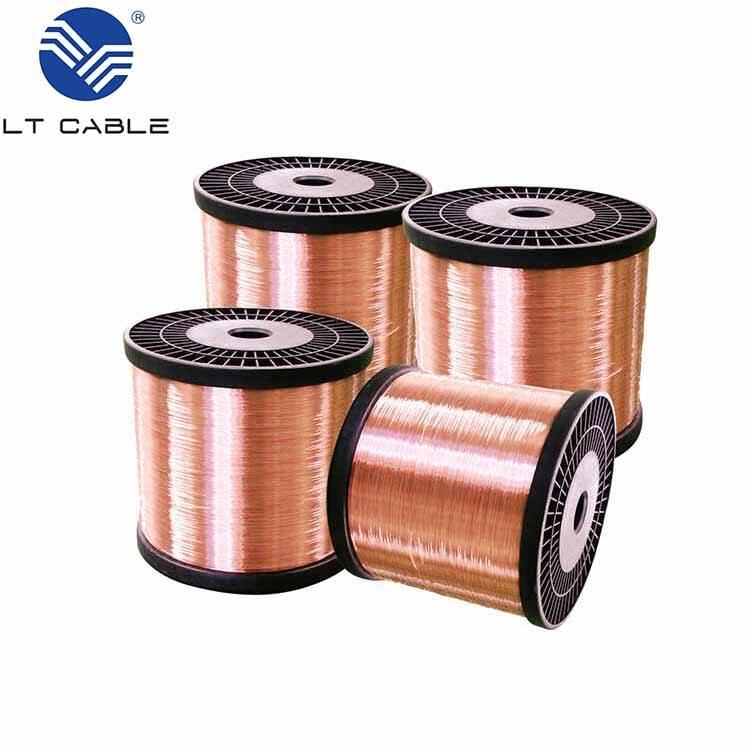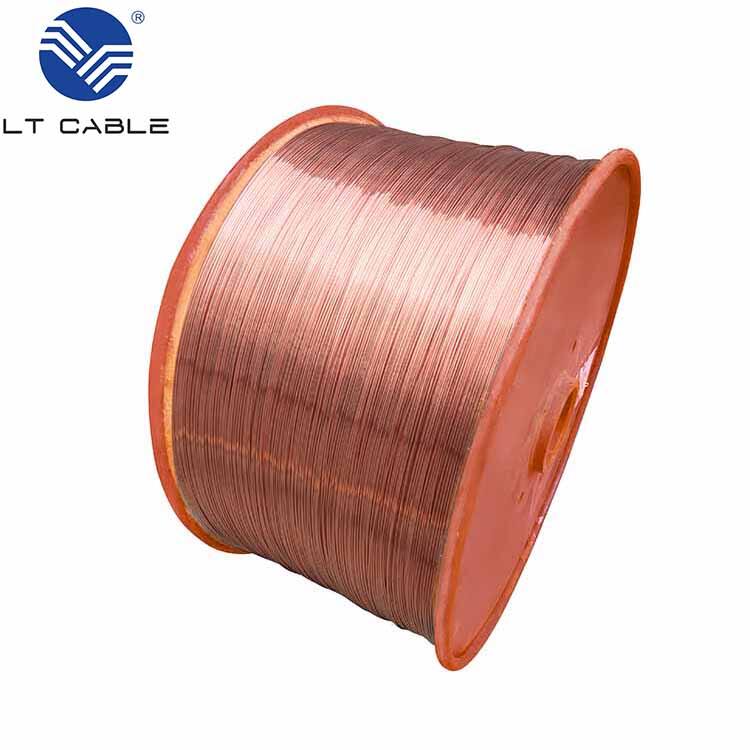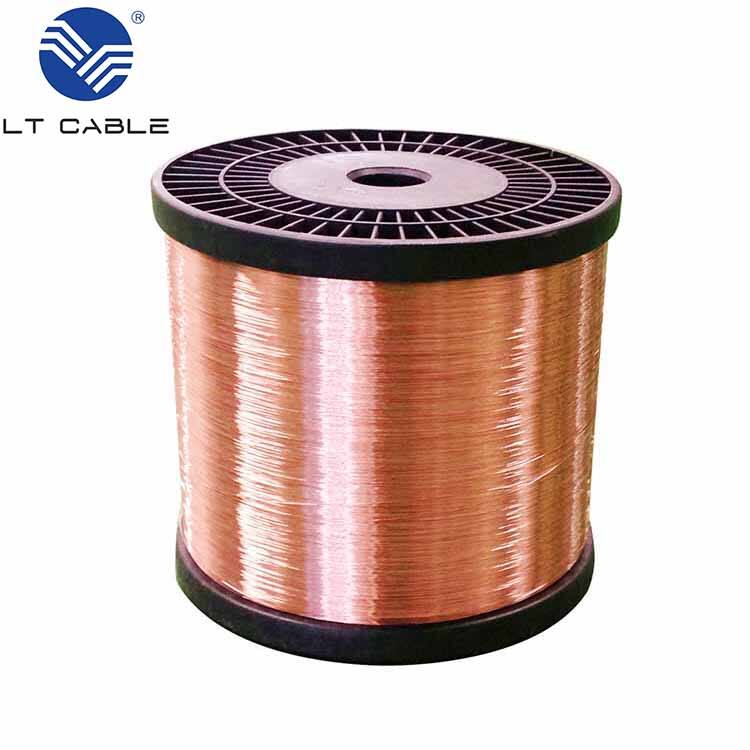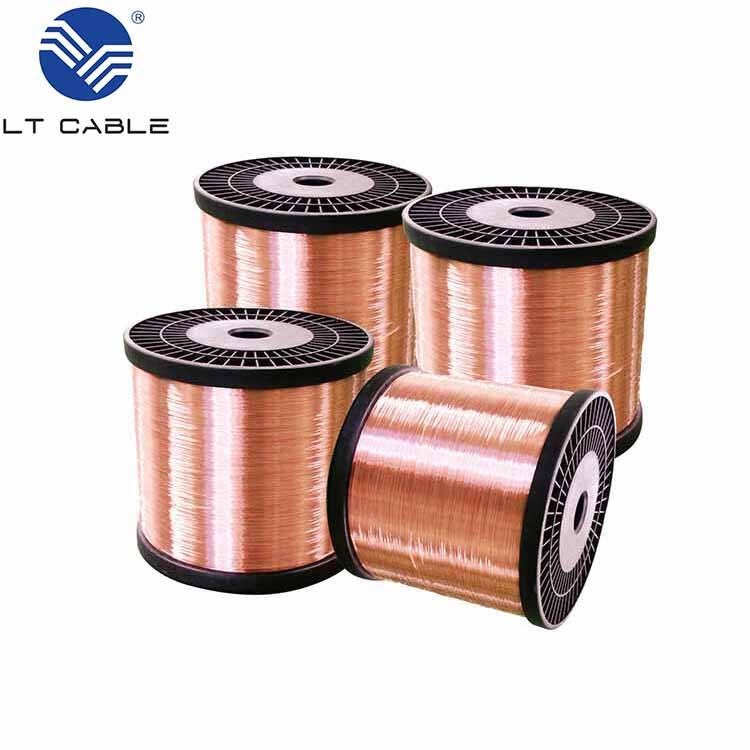
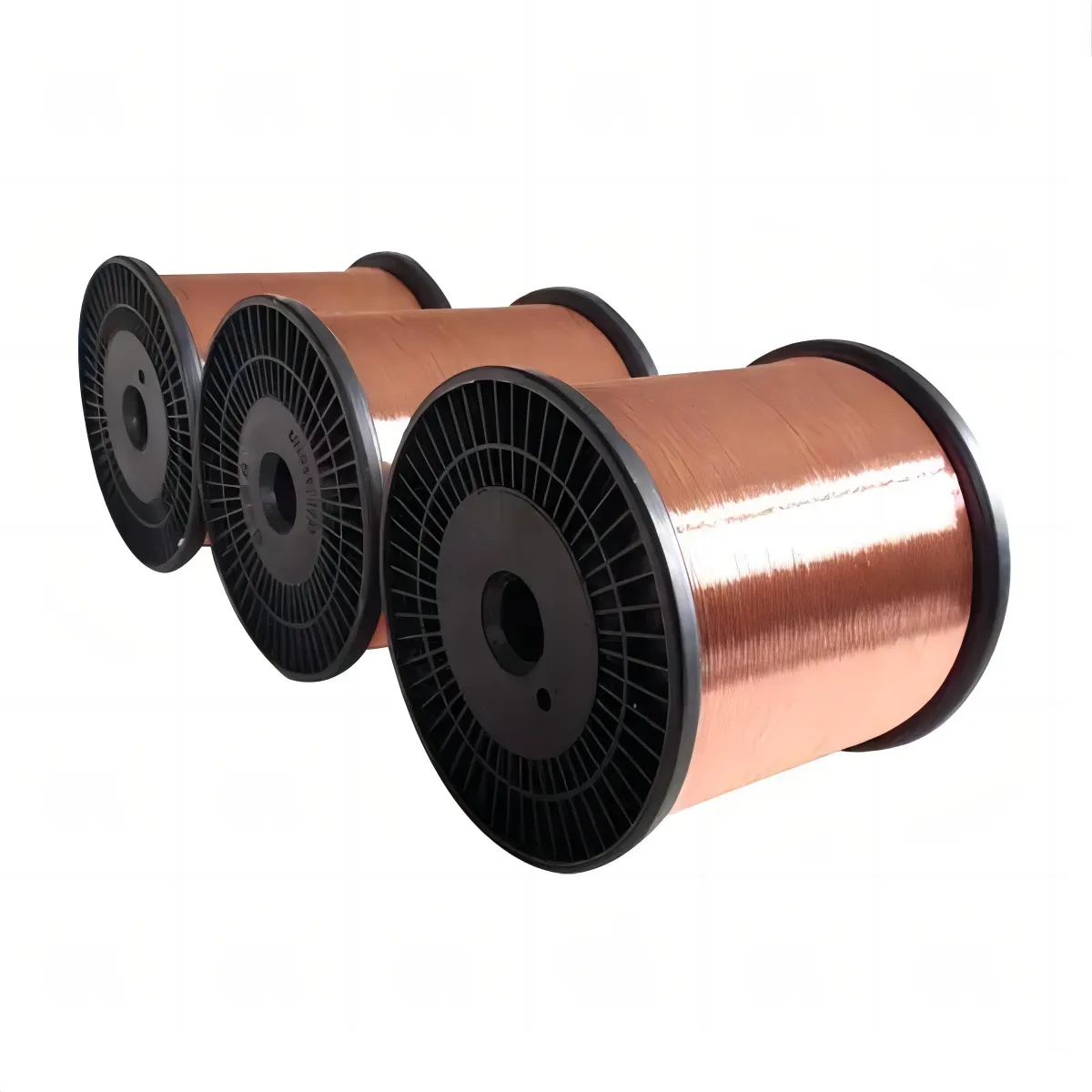
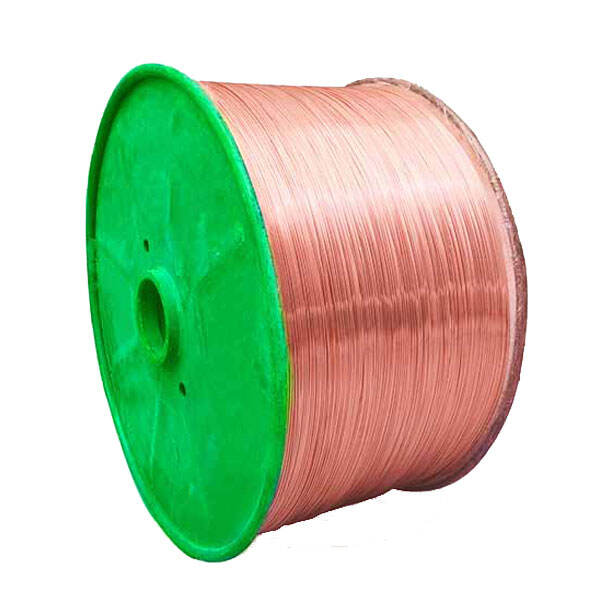
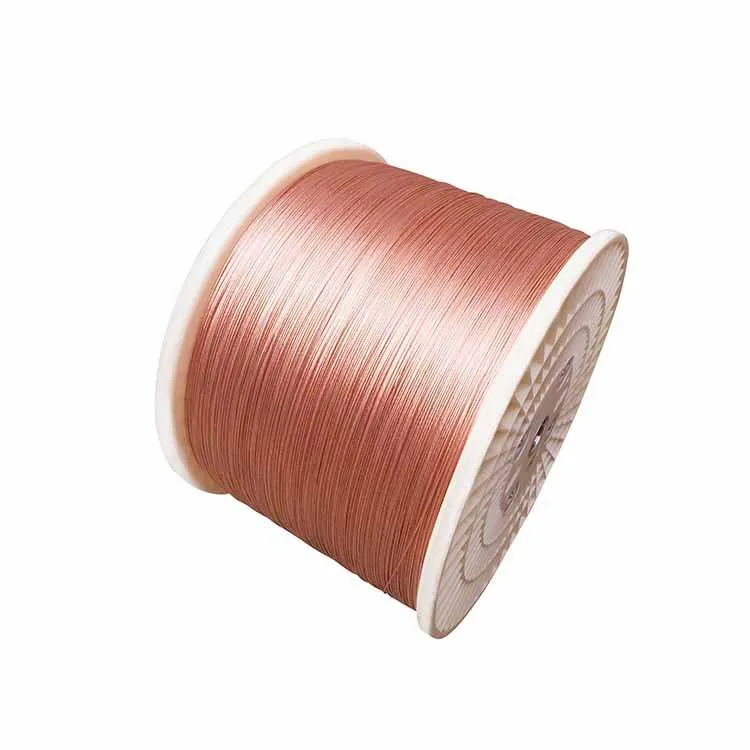
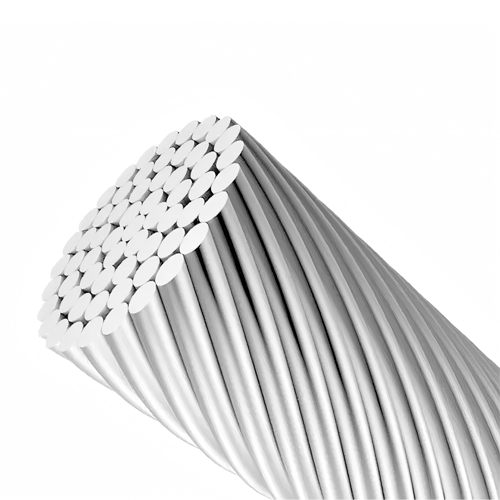
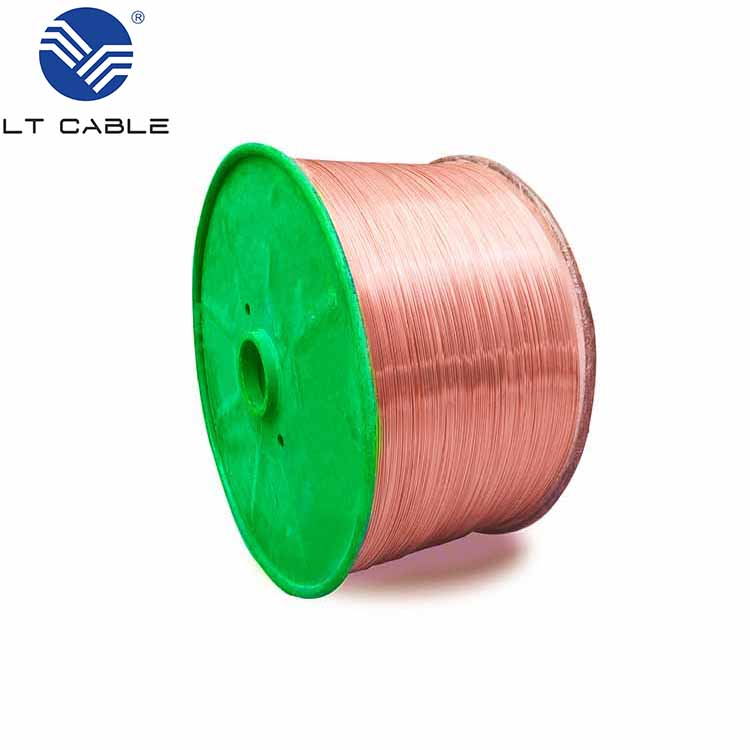
High Strength CCS Wire: Superior Tensile Strength & Conductivity

Get a Free Quote

Our representative will contact you soon.
Name
Email
Mobile
Country/Region
Choose the product you want
Message
0/1000
Unmatched Quality and Performance of High Strength CCS Wire

Unmatched Quality and Performance of High Strength CCS Wire

Our High Strength CCS Wire stands out in the market due to its superior tensile strength and excellent conductivity, making it an ideal choice for various applications. The unique combination of copper-clad steel (CCS) provides enhanced strength while maintaining lightweight properties, ensuring durability and efficiency. Our fully automated production lines guarantee precision in every manufacturing stage, from raw material processing to final product delivery. With strict quality control measures in place, we ensure that each wire meets international standards, providing our clients with reliable and high-performance solutions tailored to their specific needs.
Get A Quote

Case Studies

Transforming Infrastructure with High Strength CCS Wire

In a recent project, a leading telecommunications company faced challenges with signal transmission in remote areas. By implementing our High Strength CCS Wire, they achieved a significant improvement in signal quality and reliability. The lightweight nature of the wire facilitated easier installation, reducing labor costs and time. As a result, the client reported a 30% increase in customer satisfaction and a notable reduction in maintenance issues, showcasing the effectiveness of our product in enhancing telecommunications infrastructure.

Enhancing Renewable Energy Solutions

A prominent solar energy provider was looking for a solution to improve the efficiency of their solar panel installations. By utilizing our High Strength CCS Wire, they were able to reduce energy loss during transmission. The wire's high conductivity and strength allowed for longer runs without compromising performance. The client noted a 15% increase in overall energy output, demonstrating the wire's capability to optimize renewable energy systems and contribute to sustainability goals.

Revolutionizing Electrical Engineering Projects

An electrical engineering firm sought a robust solution for their high-load applications. They chose our High Strength CCS Wire for its remarkable strength-to-weight ratio and excellent electrical properties. The wire's ability to withstand harsh environmental conditions ensured longevity and reliability in their projects. The firm reported a 20% decrease in material costs and improved project delivery timelines, highlighting how our wire can transform engineering challenges into successful outcomes.

Related products

Our High Strength CCS Wire is designed for use in multiple industries, such as telecommunications, renewable energy, and electrical engineering. It is produced using a fully controlled process from the selection of the best raw materials, a precise drawing process, and then goes through annealing which increases the wire's strength and flexibility. We pay great attention to each of these steps to make sure that we provide a high performing product every time. We invest in technology that allows us to create a customized wire for each of our clients' individual needs so that they receive the best value.

Frequently Asked Questions about High Strength CCS Wire

What are the key benefits of using High Strength CCS Wire?

High Strength CCS Wire offers several advantages, including superior tensile strength, excellent electrical conductivity, and lightweight properties. Its unique composition allows for longer runs with minimal energy loss, making it ideal for various applications, especially in telecommunications and renewable energy sectors.
Our fully automated production lines ensure that every stage of the manufacturing process is precisely controlled. From raw material selection to the final product, strict quality control measures are implemented to guarantee that our High Strength CCS Wire meets international standards for performance and reliability.

Related article

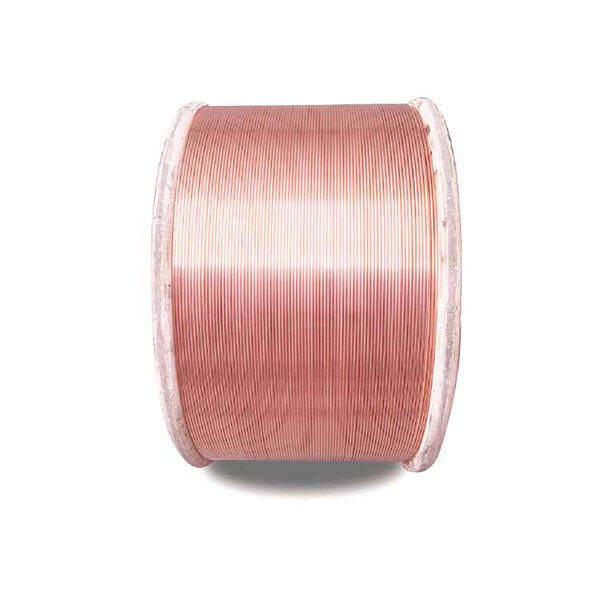
CCAM Wire Conductivity & Strength: Performance Overview

08

Jan

CCAM Wire Conductivity & Strength: Performance Overview

Electrical Conductivity of CCAM Wire: Physics, Measurement, and Real-World Impact

How Aluminum Coating Affects Electron Flow vs. Pure Copper

CCAM wire combines the best of both worlds really – copper's excellent conductivity paired with aluminum's lighter weight benefits. When we look at pure copper, it hits that perfect 100% mark on the IACS scale, but aluminum only gets to about 61% because electrons just don't move as freely through it. What happens at the copper-aluminum boundary in CCAM wires? Well, those interfaces create scattering points which actually increase resistivity somewhere between 15 and 25 percent compared to regular copper wires of the same thickness. And this matters a lot for electric vehicles since higher resistance means more energy loss during power distribution. But here's why manufacturers still go for it: CCAM cuts down on weight by roughly two thirds compared to copper, all while maintaining around 85% of copper's conductivity levels. That makes these composite wires particularly useful for connecting batteries to inverters in EVs, where every gram saved contributes to longer driving ranges and better heat control throughout the system.

IACS Benchmarking and Why Lab Measurements Differ from In-System Performance

IACS values are derived under tightly controlled lab conditions—20°C, annealed reference samples, no mechanical stress—which rarely reflect real-world automotive operation. Three key factors drive performance divergence:

  • Temperature sensitivity: Conductivity declines ~0.3% per °C above 20°C, a critical factor during sustained high-current operation;
  • Interface degradation: Vibration-induced microcracks at the copper–aluminum boundary increase localized resistance;
  • Oxidation at terminations: Unprotected aluminum surfaces form insulating Alâ‚‚O₃, raising contact resistance over time.

Benchmark data shows CCAM averaging 85% IACS in standardized lab tests—but drops to 78–81% IACS after 1,000 thermal cycles in dynamometer-tested EV harnesses. This 4–7 percentage-point gap validates the industry practice of derating CCAM by 8–10% for high-current 48V applications, ensuring robust voltage regulation and thermal safety margins.

Mechanical Strength and Fatigue Resistance of CCAM Wire

Yield Strength Gains from Aluminum Cladding and Implications for Harness Durability

Aluminum cladding in CCAM boosts yield strength around 20 to 30 percent compared to pure copper, which makes a real difference in how well the material resists permanent deformation when installing harnesses, particularly in situations where space is limited or there's significant pulling force involved. The extra structural strength helps cut down on fatigue issues at connectors and areas prone to vibrations like suspension mounts and motor housing points. Engineers take advantage of this property to use smaller wire sizes while still maintaining adequate safety levels for important connections between batteries and traction motors. Ductility does drop a bit when exposed to extreme temperatures ranging from minus 40 degrees Celsius up to plus 125 degrees, but testing shows that CCAM performs well enough across standard automotive temperature ranges to meet the necessary ISO 6722-1 standards for both tensile strength and elongation properties.

Bend-Fatigue Performance in Dynamic Automotive Applications (ISO 6722-2 Validation)

In dynamic vehicle zones—including door hinges, seat tracks, and sunroof mechanisms—CCAM undergoes repeated flexing. Per ISO 6722-2 validation protocols, CCAM wire demonstrates:

  • Minimum 20,000 bend cycles at 90° angles without failure;
  • Retention of ≥95% initial conductivity post-testing;
  • Zero sheath fractures even at aggressive 4mm bend radii.

Though CCAM exhibits 15–20% lower fatigue resistance than pure copper beyond 50,000 cycles, field-proven mitigation strategies—such as optimized routing paths, integrated strain relief, and reinforced overmolding at pivot points—ensure long-term reliability. These measures eliminate connection failures across typical vehicle service life expectations (15 years/300,000 km).

Thermal Stability and Oxidation Challenges in CCAM Wire

Aluminum Oxide Formation and Its Effect on Long-Term Contact Resistance

The fast oxidation of aluminum surfaces creates a big problem for CCAM systems over time. When exposed to regular air, aluminum forms a nonconducting layer of Al2O3 at around 2 nanometers per hour. If nothing stops this process, the oxide buildup increases terminal resistance by as much as 30% within just five years. This leads to voltage drops across connections and creates heat problems that engineers really worry about. Looking at old connectors through thermal cameras shows some pretty hot areas, sometimes above 90 degrees Celsius, exactly where the protective plating has started to fail. Copper coatings do help slow down oxidation somewhat, but tiny scratches from crimping operations, repeated bending, or constant vibrations can punch through this protection and let oxygen reach the aluminum underneath. Smart manufacturers combat this resistance growth by putting nickel diffusion barriers under their usual tin or silver coatings and adding antioxidant gels on top. This double protection keeps contact resistance under 20 milliohms even after 1,500 thermal cycles. Real world testing shows less than 5% loss in conductivity throughout an entire vehicle's service life, which makes these solutions worth implementing despite the extra costs involved.

System-Level Performance Trade-Offs of CCAM Wire in EV and 48V Architectures

Moving to higher voltage systems, especially those running on 48 volts, changes how we think about wiring designs completely. These setups cut down on current needed for the same amount of power (remember P equals V times I from basic physics). This means wires can be thinner, which saves a lot of copper weight compared to old 12 volt systems maybe around 60 percent less depending on specifics. CCAM takes things even further with its special aluminum coating that adds more weight savings without losing much conductivity. Works great for stuff like ADAS sensors, air conditioning compressors, and those 48 volt hybrid inverters that don't need super high conductivity anyway. At higher voltages, the fact that aluminum conducts electricity worse isn't such a big deal because power loss happens based on current squared times resistance rather than voltage squared over resistance. Still worth noting though that engineers need to watch out for heat buildup during fast charging sessions and make sure components aren't overloaded when cables are bundled together or sitting in areas with bad airflow. Combine proper termination techniques with standards compliant fatigue testing and what do we get? Better energy efficiency and more room inside vehicles for other components all while keeping safety intact and making sure everything lasts through regular maintenance cycles.
View More
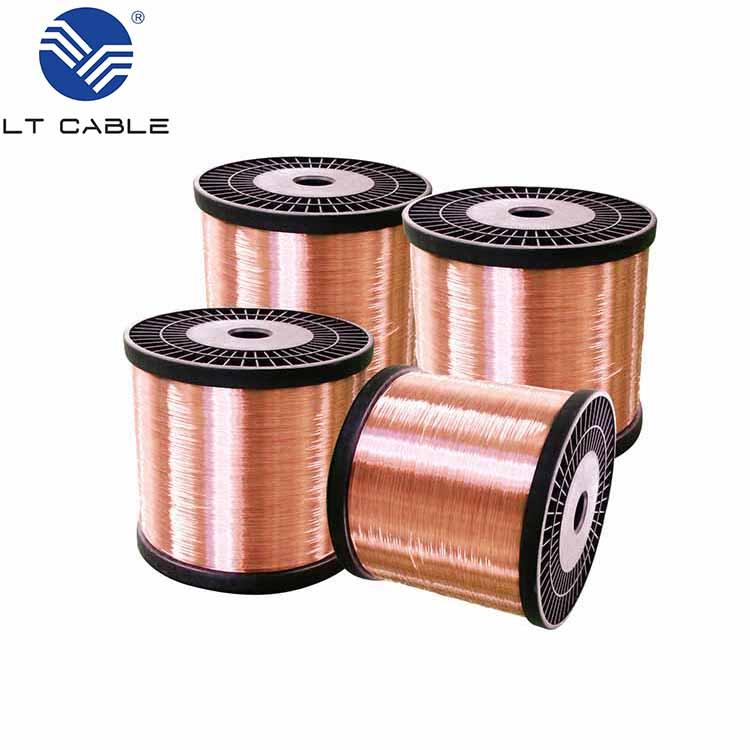
CCA Wire Quality Checklist: Copper Thickness, Adhesion, and Tests

22

Jan

CCA Wire Quality Checklist: Copper Thickness, Adhesion, and Tests

Copper Cladding Thickness: Standards, Measurement, and Electrical Impact

ASTM B566 and IEC 61238 Compliance: Minimum Thickness Requirements for Reliable CCA Wire

The international standards out there actually set what counts as the minimum thickness for copper cladding on those CCA wires that need to perform well and stay safe. ASTM B566 says we need at least 10% copper volume, whereas IEC 61238 wants them to check the cross sections during manufacturing just to be sure everything meets specs. These rules really stop people from cutting corners. Some studies back this up too. When the cladding gets below 0.025 mm thick, resistance goes up around 18%, according to a paper published in the Journal of Electrical Materials last year. And let's not forget about oxidation issues either. Poor quality cladding speeds up oxidation processes significantly, which means thermal runaways happen about 47% quicker when dealing with high current situations. That kind of performance degradation can cause serious problems down the line for electrical systems relying on these materials.

Measurement Method Accuracy Field Deployment Copper Volume Loss Detection
Cross-Sectional ±0.001mm Laboratory Only All levels
Eddy Current ±0.005mm Portable Units >0.3% deviations

Eddy Current vs. Cross-Sectional Microscopy: Accuracy, Speed, and Field Applicability

Eddy current testing allows quick thickness checks right at the site, giving results within about 30 seconds. This makes it great for verifying things while installing equipment in the field. But when it comes to official certification, cross-sectional microscopy is still king. Microscopy can spot those tiny details like micro-scale thinning spots and interface problems that eddy current sensors just miss. Techs often turn to eddy current for fast yes/no answers on the spot, but manufacturers need the microscopy reports to check if whole batches are consistent. Some thermal cycling tests have shown that parts checked through microscopy last almost three times longer before their cladding fails, which really highlights why this method matters so much for making sure products are reliable long term.

How Sub-Standard Cladding (>0.8% Cu Volume Loss) Drives DC Resistance Unbalance and Signal Degradation

When copper volume drops below 0.8%, we start seeing a sharp increase in DC resistance imbalance. For every extra 0.1% loss in copper content, resistivity jumps somewhere between 3 to 5 percent according to findings from the IEEE Conductor Reliability Study. The resulting imbalance messes with signal quality in several ways at once. First comes current crowding right where copper meets aluminum. Then there are these hot spots forming locally that can get as high as 85 degrees Celsius. And finally, harmonic distortions creep in above the 1 MHz mark. These problems really add up in data transmission systems. Packet losses climb past 12% when systems run continuously under load, which is way higher than what the industry considers acceptable - typically around just 0.5%.

Copper–Aluminum Adhesion Integrity: Preventing Delamination in Real-World Installations

Root Causes: Oxidation, Rolling Defects, and Thermal Cycling Stress on the Bond Interface

Delamination issues in copper clad aluminum (CCA) wire typically stem from several different problems. First off, when manufacturing happens, surface oxidation creates these non-conductive aluminum oxide layers on top of everything else. This basically weakens how well the materials stick together, sometimes cutting bond strength down by around 40%. Then there's what happens during rolling processes. Sometimes tiny voids form or pressure gets applied unevenly across the material. These little flaws become stress points where cracks start forming when any kind of mechanical force is applied. But probably the biggest issue comes from temperature changes over time. Aluminum and copper expand at very different rates when heated. Specifically, aluminum expands roughly half again as much as copper does. This difference creates shear stresses at their interface that can reach over 25 MPa. Real world tests show that even after only about 100 cycles between freezing temperatures (-20°C) and hot conditions (+85°C), the adhesion strength drops by about 30% in lower quality products. This becomes a serious concern for applications like solar farms and automotive systems where reliability matters most.

Validated Testing Protocols—Peel, Bend, and Thermal Cycling—for Consistent CCA Wire Adhesion

Good quality control really hinges on proper mechanical testing standards. Take the 90 degree peel test mentioned in ASTM D903 standards. This measures how strong the bond is between materials by looking at force applied across a certain width. Most certified CCA wires hit above 1.5 Newtons per millimeter during these tests. When it comes to bend testing, manufacturers wrap sample wires around mandrels at minus 15 degrees Celsius to see if they crack or separate at the interface points. Another key test involves thermal cycling where samples go through about 500 cycles from minus 40 to plus 105 degrees Celsius while being examined under infrared microscopes. This helps catch early signs of delamination that regular inspection might miss. All these different tests work together to prevent problems down the road. Wires that aren't properly bonded tend to show over 3% imbalance in their direct current resistance once they've been subjected to all that heat stress.

Field Identification of Genuine CCA Wire: Avoiding Counterfeits and Mislabeling

Visual, Scraping, and Density Checks to Differentiate True CCA Wire from Copper-Plated Aluminum

Real Copper-Clad Aluminum (CCA) wires have certain features that can be checked on site. To start with, look for the "CCA" marking right on the outside of the cable as specified in NEC Article 310.14. Counterfeit stuff usually skips this important detail entirely. Then try a simple scratch test. Strip back the insulation and gently rub the conductor surface. Authentic CCA should show a solid copper coating covering a shiny aluminum center. If it starts peeling, changes color, or reveals bare metal underneath, chances are good it's not genuine. Lastly, there's the weight factor. CCA cables are significantly lighter than regular copper ones because aluminum just isn't as dense (about 2.7 grams per cubic centimeter compared to copper's 8.9). Anyone working with these materials can feel the difference pretty quickly when holding similar sized pieces side by side.

Why Burn and Scratch Tests Are Unreliable—and What to Use Instead

Open-flame burn and aggressive scratch tests are scientifically unsound and physically damaging. Flame exposure oxidizes both metals indiscriminately, while scratching cannot assess metallurgical bond quality—only surface appearance. Instead, use validated nondestructive alternatives:

  • Eddy current testing, which measures conductivity gradients without compromising insulation
  • DC loop resistance verification using calibrated micro-ohmmeters, flagging deviations >5% per ASTM B193
  • Digital XRF analyzers, delivering rapid, non-invasive elemental composition confirmation
    These methods reliably detect substandard conductors prone to resistance unbalance >0.8%, preventing voltage drop issues in communication and low-voltage circuits.

Electrical Verification: DC Resistance Unbalance as a Key Indicator of CCA Wire Quality

When there's too much DC resistance imbalance, it's basically the clearest sign something's wrong with CCA wire. Aluminum naturally has about 55% more resistance than copper does, so whenever the actual copper area gets reduced because of thin coatings or bad bonds between metals, we start seeing real differences in how each conductor performs. These differences mess up signals, waste power, and create serious problems for Power over Ethernet setups where small voltage losses can actually shut down devices completely. Standard visual inspections just don't cut it here. What matters most is measuring DC resistance imbalance according to those TIA-568 guidelines. Experience shows that when imbalance goes over 3%, things tend to go south fast in big current systems. That's why factories need to test this parameter thoroughly before shipping out any CCA wire. Doing so keeps equipment running smoothly, avoids dangerous situations, and saves everyone from having to deal with expensive fixes later on.

View More
Aluminum alloy wire faces challenges and opportunities with stricter environmental regulations. How does it stack up?

26

May

Aluminum alloy wire faces challenges and opportunities with stricter environmental regulations. How does it stack up?

Production Processes and Environmental Footprint of Aluminum Alloy Wire

Bauxite Mining and Ecological Disruption

The aluminum production chain starts with bauxite mining, which basically means digging out bauxite ore from underground deposits. Most of this happens in warm climates around the world. Big operations take place in places like Guinea, Brazil, Jamaica, Australia, and parts of India where conditions are right for finding good quality bauxite. But there's no getting around it - this kind of mining leaves a serious mark on nature. Forests get cleared away, topsoil washes down hillsides into rivers, and chemicals often end up contaminating nearby water sources. Around 90 percent of all bauxite mined worldwide comes from these very same regions, making them hotspots for environmental problems. Some mining firms have started taking steps to fix things though. They plant trees back in deforested areas, build better drainage systems, and sometimes work with local communities to monitor water quality and protect remaining wildlife habitats.

Energy Consumption in Aluminum Smelting

Making aluminum from bauxite requires a lot of energy, mostly coming from fossil fuels like coal that pump out tons of greenhouse gases. Take China for example - they're the biggest producer and around 93% of their aluminum smelting runs on coal plants. That accounts for about 3% of all global greenhouse gas emissions worldwide. But things are starting to change. Some places have begun switching to cleaner energy options. Canada comes to mind where they harness hydroelectric power for much of their smelting work. These changes have cut down emissions quite a bit already. The industry isn't stopping there either. Companies are working on new tech like the inert anode process. Basically, this innovation tries to cut back both energy needs and pollution by turning those harmful emissions into just plain old oxygen rather than carbon dioxide. It's an interesting approach that could make a real difference if adopted widely enough.

Emissions and Waste Management Challenges

Aluminum manufacturing releases several harmful substances into the atmosphere, notably carbon dioxide along with dangerous perfluorocarbons, while also creating major headaches when it comes to handling all the waste produced. The industrial waste generated needs special processing before being disposed of properly, otherwise it could seriously damage surrounding environments. Right now many companies struggle with massive amounts of leftover material, since traditional landfills aren't always available and dumping sites might harm nearby wildlife habitats. Some promising developments are happening though. New methods are being tested that actually recycle more aluminum scraps instead of just throwing them away, which cuts down on pollution levels significantly. These improvements help manufacturers meet today's green regulations better, but there's still plenty of work left to do if we want to cut back on those nasty emissions tied specifically to making aluminum wire products.

Aluminum Alloy Wire vs. Traditional Conductors: Environmental Trade-offs

Carbon Footprint Comparison: Aluminum vs. Copper

Looking at the carbon footprint differences between aluminum and copper production shows why aluminum stands out environmentally. Aluminum tends to create less pollution during mining and processing than copper does. Environmental research puts aluminum emissions around 14 metric tons of CO2 for every ton made, while copper production often hits over 20 metric tons of CO2 for similar output. That makes a big difference in green credentials. Transportation matters too since aluminum is lighter than copper, so shipping it produces fewer emissions overall. Plus, aluminum alloy wires actually work better for transmitting electricity with less environmental impact. Many companies now prefer these wires for overhead power lines instead of traditional copper options because they maintain good conductivity while cutting down on emissions throughout their entire life cycle.

Role of CCA and Enameled Wires in Reducing Impact

Copper clad aluminum (CCA) and enameled wires offer greener options compared to standard conductors, which helps cut down on environmental damage. The CCA variety brings together copper's good conductivity with aluminum's light weight, cutting both material expenses and those emissions that come from manufacturing and shipping processes. For enameled wires, they get a protective coating that fights off corrosion while making them perform better overall. This means they last longer in electrical systems and don't need replacing so often, which cuts waste significantly. Industry reports show that more companies are turning to these materials because they save money and produce fewer emissions. Researchers keep working on new wire technologies too, though nobody knows exactly what breakthroughs might happen next. What is clear though is that the industry seems committed to finding ways to be more environmentally responsible while still keeping costs under control.

Applications Influencing Environmental Outcomes

Lightweight Automotive Solutions and Fuel Efficiency

Aluminum alloy wire is really important for making cars lighter these days. When car designers use this material instead of heavier alternatives, they manage to cut down on overall vehicle weight which means better gas mileage. Car companies have noticed something interesting: if they can shave off about 10% of a car's total weight, fuel efficiency goes up anywhere from 6% to 8%. That makes cars perform better and also helps reduce their carbon footprint throughout the whole life of the vehicle. More people want cars that don't guzzle gas, so automakers keep switching to aluminum wherever possible, especially when building electric vehicles where every pound saved matters. We're seeing this happen all around the world as industries try to be greener, cutting down on harmful emissions while getting the most out of whatever energy sources they do use.

Renewable Energy Systems and Aluminum Wiring Demands

Renewable energy systems are turning to aluminum alloy wires more and more these days, especially in things like solar panel arrays and massive wind turbine setups across the country. What makes aluminum so valuable here? Well, it conducts electricity pretty well, doesn't weigh much at all, and actually costs less than other materials when looking at the big picture. The green energy market itself looks set to boom in coming years, some estimates suggest it might double in size by 2030, which means we'll need plenty of good quality aluminum wiring going forward. Lighter materials mean cheaper shipping expenses and easier installation work on site, plus they still transmit power effectively over long distances. Researchers are already working hard to make these wires even better, tweaking formulas and testing new coatings that could last longer under harsh weather conditions. All this development matters because as countries push harder toward clean energy goals, having reliable infrastructure becomes absolutely critical for meeting those targets without breaking the bank.

Innovations Mitigating Ecological Impact

Recycling and Circular Economy Practices

For aluminum producers, recycling has become essential to sustainable operations, cutting down both energy use and environmental harm. According to numbers from the Aluminum Association, making recycled aluminum takes around 95% less energy compared to creating brand new aluminum from raw materials. What's more, when companies recycle aluminum wire alloys, they're actually supporting circular economy efforts that keep materials in circulation longer instead of letting them end up in landfills. Big names in the industry like Norsk Hydro ASA are already working on clever ways to improve their recycling processes. These methods help cut down on waste while shrinking carbon emissions at the same time. Beyond just being good for the planet, these green practices make sense financially too, especially as governments worldwide continue tightening rules about how industries handle their environmental impact.

Low-Carbon Production Technologies (e.g., Inert Anode)

New tech developments, especially those involving inert anodes, mark real progress in cutting down emissions when making aluminum. Traditional carbon anodes release a lot of greenhouse gases, so switching to inert ones cuts back on this carbon problem quite a bit. Research out of MIT suggests that using these inert anodes might slash emissions around 20 percent give or take. Of course there are money issues and technical roadblocks to overcome first. Still, these innovations point toward greener ways to produce aluminum wires. Take Alcoa for example they've started rolling out these cleaner technologies commercially already. Their experience shows that even though upfront costs can be steep, the environmental gains plus potential savings over time make it worth considering for manufacturers looking to reduce their impact on the planet without breaking the bank completely.

Future Challenges and Regulatory Landscape

Global Policies Shaping Sustainable Production

The way global governments regulate things has really changed how aluminum producers handle their environmental impact. We're seeing all sorts of rules now, from setting limits on emissions to pushing for better resource management across the board. What this means for the actual industry is pretty big stuff. Companies making aluminum alloy wires have had to completely rethink their processes just to meet these new standards. Take Europe as an example where some countries have pushed hard on carbon regulations lately. Producers there are investing heavily in things like electric smelting furnaces and recycling systems that cut down waste significantly compared to older methods.

New rules around resource management are popping up everywhere, pushing aluminum makers to get creative while meeting worldwide green standards. For manufacturers trying to stay compliant, putting sustainability at the heart of operations isn't just good practice anymore. Those companies that actually implement eco-friendly methods go beyond checking boxes for regulators they tend to stand out from competitors too. Look at how some firms have slashed waste and energy costs by redesigning their processes. When companies stay proactive about these changes, they build stronger defenses against market shifts and maintain profits even as regulations continue changing fast.

Market Growth vs. Environmental Responsibility

Aluminum markets have been growing steadily lately, with forecasts showing around 3.4% annual growth through 2032. But all this expansion comes with some serious environmental concerns about sustainability. Finding ways to grow economically while still protecting our environment matters a lot if the industry wants to stay viable in the long run. The rising need for aluminum alloy wire makes sense too since it's light weight and conducts electricity well. Still, folks in the business really need to think harder about how to keep expanding without hurting the planet further along the way.

Most industry insiders stress how important it is for businesses to match their expansion plans with real environmental responsibility. When companies start thinking about green issues right from the get-go in their operations, they find ways to make money while still protecting the planet. Some promising spots for new ideas are things like smarter manufacturing methods and better recycling systems specifically for aluminum alloy wires. These kinds of improvements tackle pollution problems head on while making products work better and last longer too. As demand grows for greener materials, manufacturers who invest in these changes now will position themselves well in markets where customers increasingly care about what happens behind the scenes in production facilities.

View More
CCA Wire Specifications Guide: Diameter, Copper Ratio, and Tolerance

25

Dec

CCA Wire Specifications Guide: Diameter, Copper Ratio, and Tolerance

Understanding CCA Wire Composition: Copper Ratio and Core–Clad Architecture

Understanding CCA Wire Composition: Copper Ratio and Core–Clad Architecture

How Aluminum Core and Copper Cladding Work Together for Balanced Performance

Copper Clad Aluminum (CCA) wire combines aluminum and copper in a layered construction that manages to strike a good balance between performance, weight, and price. The inner part made from aluminum gives the wire strength without adding much weight, actually cutting down on mass by around 60% compared to regular copper wires. Meanwhile, the copper coating on the outside handles the important job of conducting signals properly. What makes this work so well is that copper conducts electricity better right at the surface where most high frequency signals travel because of something called the skin effect. The aluminum inside takes care of moving the bulk of the current but costs less money to produce. In practice, these wires end up performing about 80 to 90% as well as solid copper when it matters most for signal quality. That's why many industries still choose CCA for things like network cables, car wiring systems, and other situations where either money or weight becomes a real concern.

Standard Copper Ratios (10%–15%) – Trade-offs Between Conductivity, Weight, and Cost

The way manufacturers set copper to aluminum ratios in CCA wire really depends on what they need for specific applications. When wires have about 10% copper coating, companies save money since these are roughly 40 to 45 percent less expensive than solid copper options, plus they weigh around 25 to 30 percent less. But there's a tradeoff here too because this lower copper content actually makes the DC resistance go up. Take a 12 AWG CCA wire with 10% copper for instance it shows about 22% more resistance compared to pure copper versions. On the flip side, increasing the copper ratio to around 15% gives better conductivity, getting close to 85% of what pure copper offers, and makes connections more reliable when terminating. However, this comes at a cost since the savings drop to about 30 to 35% on price and only 15 to 20% in weight reduction. Another thing worth noting is that thinner copper layers create problems during installation, especially when crimping or bending the wire. The risk of the copper layer peeling off becomes real, which can mess up the electrical connection completely. So when choosing between different options, engineers have to balance how well the wire conducts electricity against how easy it is to work with during installation and what happens over time, not just looking at upfront costs alone.

Dimensional Specifications of CCA Wire: Diameter, Gauge, and Tolerance Control

AWG-to-Diameter Mapping (12 AWG to 24 AWG) and Its Impact on Installation and Termination

American Wire Gauge (AWG) governs CCA wire dimensions, with lower gauge numbers indicating larger diameters—and correspondingly greater mechanical robustness and current capacity. Precise diameter control is essential across the range:

AWG Nominal Diameter (mm) Installation Consideration
12 2.05 Requires wider bend radii in conduit runs; resists pull-through damage
18 1.02 Prone to kinking if improperly handled during cable pulls
24 0.51 Demands precision termination tools to avoid insulation breach or conductor deformation

Mismatched ferrule sizing remains a leading cause of field failures—industry data attributes 23% of connector-related issues to gauge-terminal incompatibility. Proper tooling and installer training are non-negotiable for reliable terminations, especially in dense or vibration-prone environments.

Manufacturing Tolerances: Why ±0.005 mm Precision Matters for Connector Compatibility

Getting the dimensions just right matters a lot for how well CCA wire works. We're talking about keeping things within a tight ±0.005 mm diameter range. When manufacturers miss this mark, problems happen fast. If the conductor ends up too big, it squishes or bends the copper coating when plugged in, which can boost contact resistance by as much as 15%. On the flip side, wires that are too small don't touch properly, leading to sparks during temperature changes or sudden power spikes. Take automotive splice connectors as an example they need no more than 0.35% diameter variation across their length to keep those important IP67 environmental seals intact while standing up to road vibrations. Achieving such exact measurements requires special bonding techniques and careful grinding after drawing. These processes aren't just about meeting ASTM standards either manufacturers know from experience that these specs translate into actual performance gains in vehicles and factory equipment where reliability counts most.

Standards Compliance and Real-World Tolerance Requirements for CCA Wire

The ASTM B566/B566M standard sets the foundation for quality control in CCA wire manufacturing. It outlines acceptable copper clad percentages usually between 10% and 15%, specifies how strong the metal bonds need to be, and establishes tight dimensional limits around plus or minus 0.005 millimeters. These specs matter because they help maintain reliable connections over time, especially important when wires face constant movement or temperature changes as seen in car electrical systems or power over Ethernet setups. Industry certifications from UL and IEC test wires under harsh conditions like rapid aging tests, extreme heat cycles, and overload scenarios. The RoHS regulations meanwhile make sure manufacturers aren't using dangerous chemicals in their production processes. Strict adherence to these standards isn't just good practice it's absolutely necessary if companies want their CCA products to perform safely, reduce the risk of sparks at connection points, and keep signals clear in critical applications where both data transmission and power supply depend on consistent performance.

Performance Implications of CCA Wire Specifications on Electrical Behavior

Resistance, Skin Effect, and Ampacity: Why 14 AWG CCA Carries Only ~65% of Pure Copper’s Current

The composite nature of CCA wires really puts a damper on their electrical performance, particularly when dealing with DC current or low frequency applications. While the outer copper layer does help reduce skin effect losses at higher frequencies, the inner aluminum core has about 55% more resistance compared to copper, which ends up being the main factor affecting DC resistance. Looking at actual numbers, 14 AWG CCA can only handle around two thirds of what pure copper wire of the same gauge would manage. We see this limitation showing up in several important areas:

  • Heat generation: Elevated resistance accelerates Joule heating, reducing thermal headroom and necessitating derating in enclosed or bundled installations
  • Voltage drop: Increased impedance causes >40% greater power loss over distance compared to copper—critical in PoE, LED lighting, or long-run data links
  • Safety margins: Lower thermal tolerance raises fire risk if installed without accounting for reduced current capacity

Uncompensated substitution of CCA for copper in high-power or safety-critical applications violates NEC guidelines and compromises system integrity. Successful deployment requires either upsizing the gauge (e.g., using 12 AWG CCA where 14 AWG copper was specified) or enforcing strict load limitations—both grounded in verified engineering data, not assumptions.

FAQ

What is Copper Clad Aluminum (CCA) wire?

CCA wire is a composite type of wire that combines an inner aluminum core with an outer copper cladding, allowing for a lighter yet cost-effective solution with decent electrical conductivity.

Why is the copper to aluminum ratio important in CCA wires?

The copper to aluminum ratio in CCA wires determines their conductivity, cost-efficiency, and weight. Lower copper ratios are more cost-effective but increase DC resistance, whereas higher copper ratios offer better conductivity and reliability at higher costs.

How does the American Wire Gauge (AWG) affect CCA wire specifications?

AWG impacts the diameter and mechanical properties of CCA wires. Larger diameters (lower AWG numbers) provide greater durability and current capacity, while precise diameter controls are crucial for maintaining device compatibility and proper installation.

What are the performance implications of using CCA wires?

CCA wires have higher resistance compared to pure copper wires, which can lead to more heat generation, voltage drops, and lower safety margins. They are less suitable for high-power applications unless appropriately upsized or derated.

View More

Customer Testimonials on High Strength CCS Wire

John Smith
Exceptional Performance in Telecommunications

The High Strength CCS Wire we purchased from Litong Cable has significantly improved our signal transmission. Its lightweight design made installation a breeze, and we’ve seen a noticeable enhancement in our network reliability. Highly recommend!

Sarah Johnson
A Game-Changer for Renewable Energy Projects

We switched to Litong Cable’s High Strength CCS Wire for our solar projects, and the results have been outstanding. The increased energy output and reduced losses have made a significant impact on our efficiency. This wire truly delivers on its promises!

Get a Free Quote

Our representative will contact you soon.
Email
Name
Company Name
Message
0/1000
Unmatched Strength and Durability

Unmatched Strength and Durability

Our High Strength CCS Wire is engineered to withstand extreme conditions while providing superior performance. The unique copper-clad steel composition offers enhanced tensile strength, making it ideal for applications that demand durability. This wire is not only lightweight but also resistant to corrosion, ensuring longevity even in harsh environments. Its robust nature means fewer replacements and maintenance costs for our clients, making it a cost-effective choice for long-term projects.
 Exceptional Conductivity and Efficiency

Exceptional Conductivity and Efficiency

The electrical conductivity of our High Strength CCS Wire is a key feature that sets it apart from traditional wiring options. This wire allows for optimal energy transmission, minimizing losses during operation. In applications such as telecommunications and renewable energy, this efficiency translates to better performance and lower operational costs. Clients can rely on our wire to deliver consistent results, ensuring their systems run smoothly and effectively.
  • Product Consultation & Selection

    Product Consultation & Selection

    Tailored advice, perfect fit solutions.

  • Production & Supply Chain

    Production & Supply Chain

    Efficient manufacturing, seamless supply.

  • Quality Assurance & Certification

    Quality Assurance & Certification

    Rigorous testing, global certifications.

  • Post-Sales Support & Tech Help

    Post-Sales Support & Tech Help

    Prompt assistance, ongoing support.

Get a Free Quote

Our representative will contact you soon.
Name
Email
Mobile
Country/Region
Title
Message
0/1000