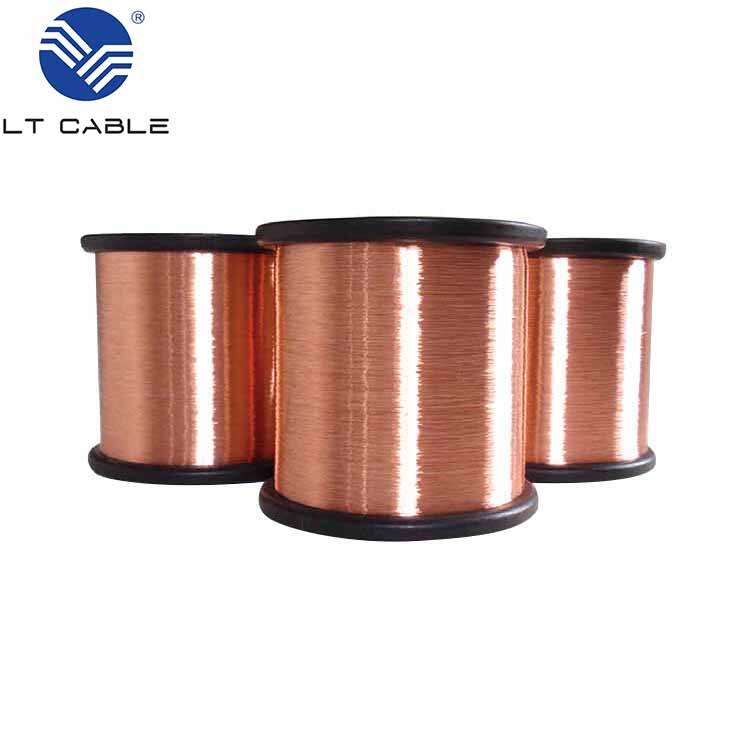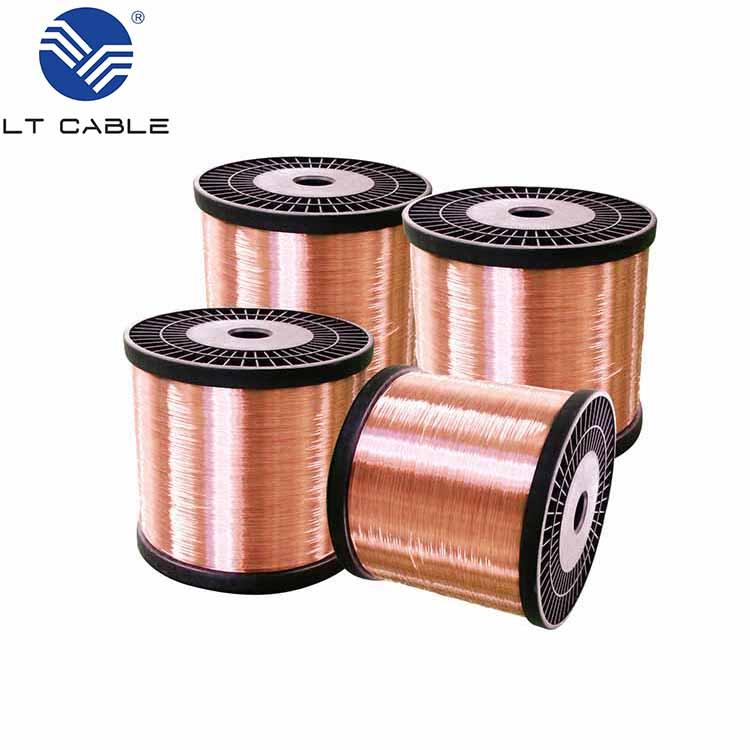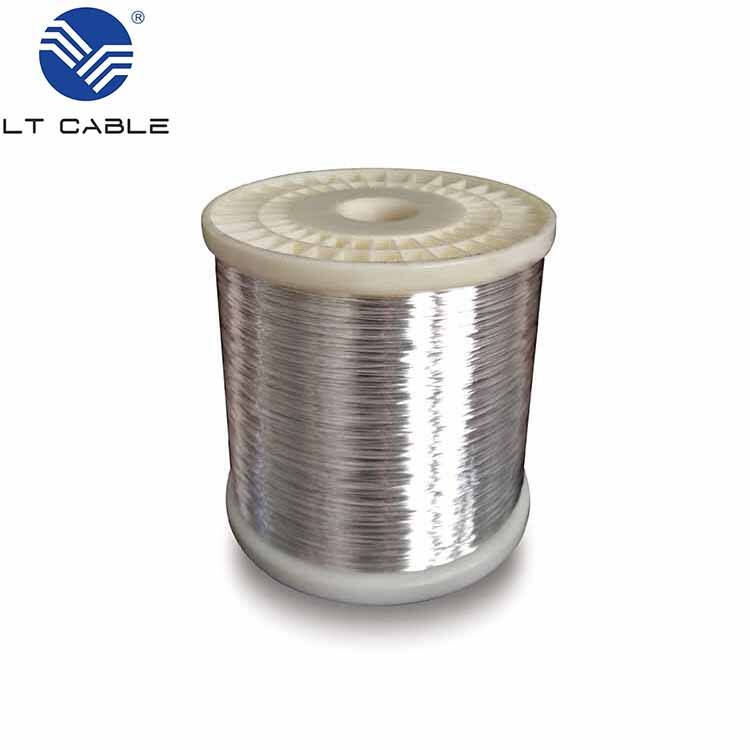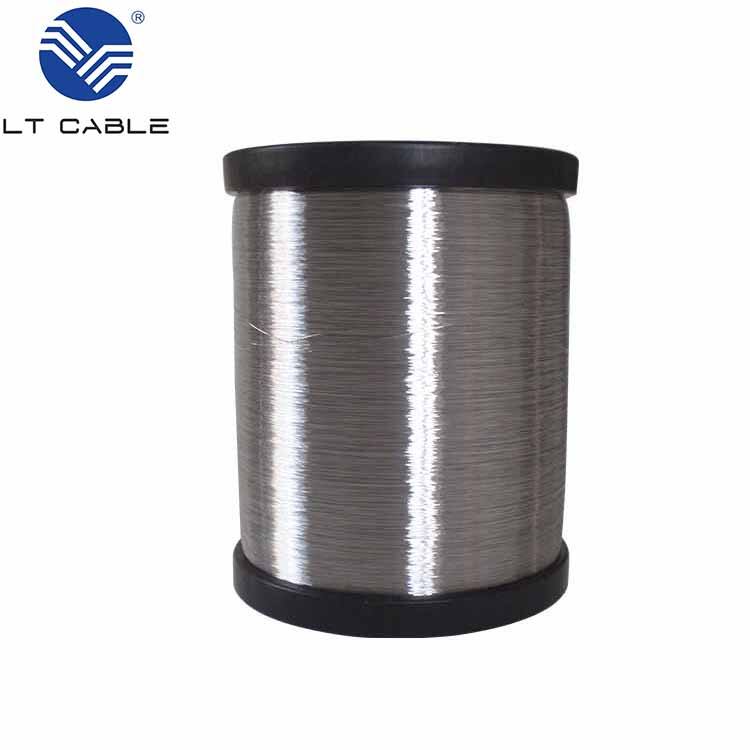
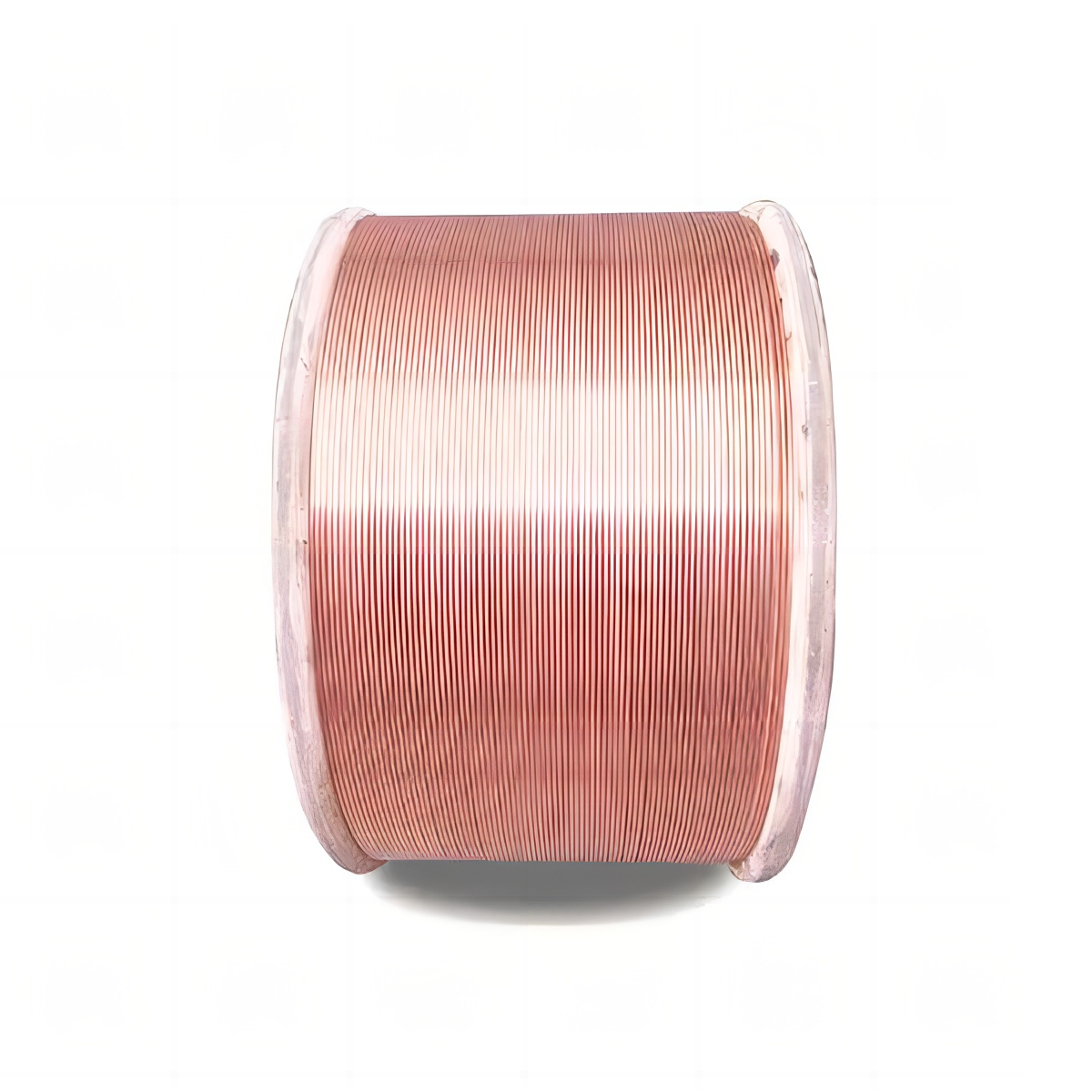
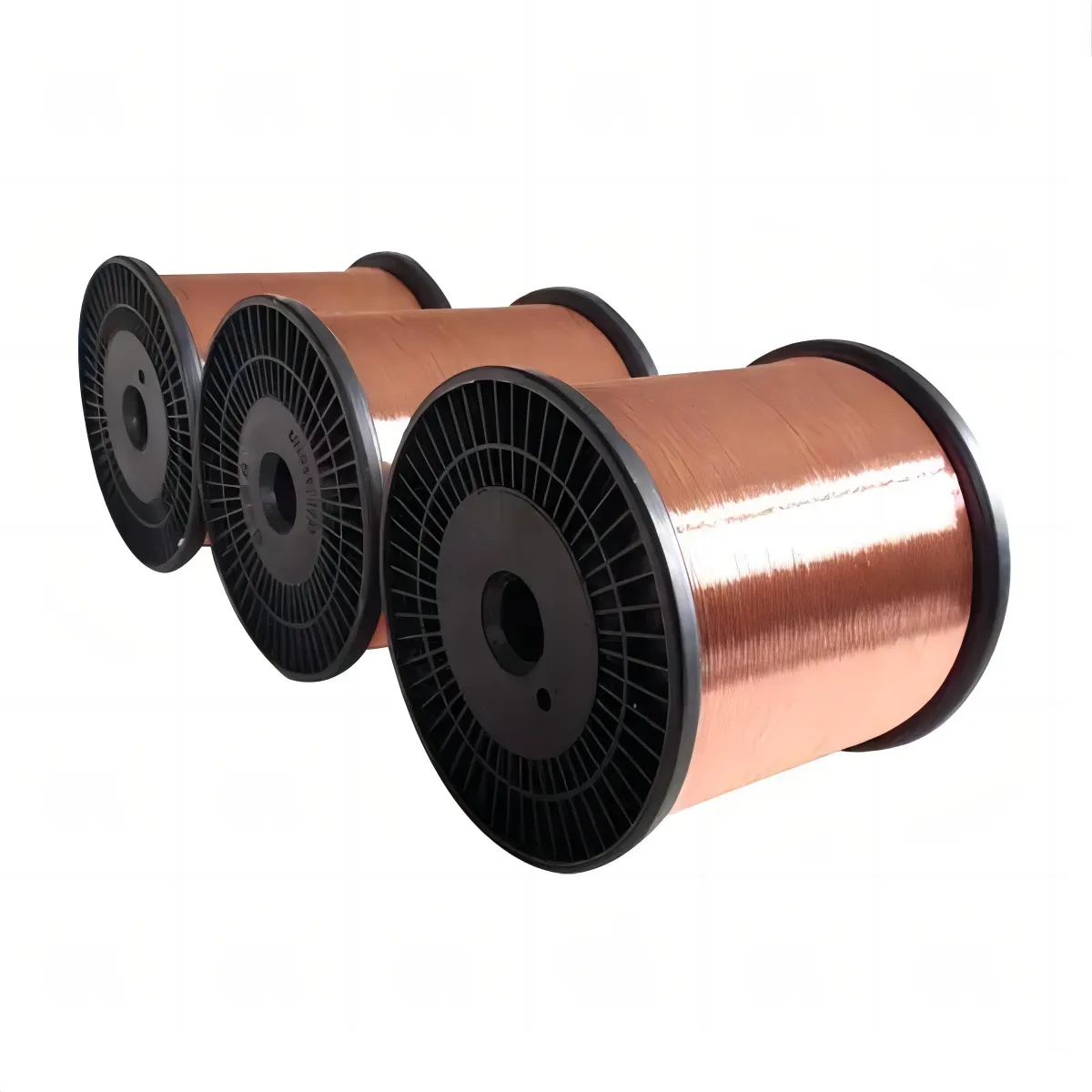
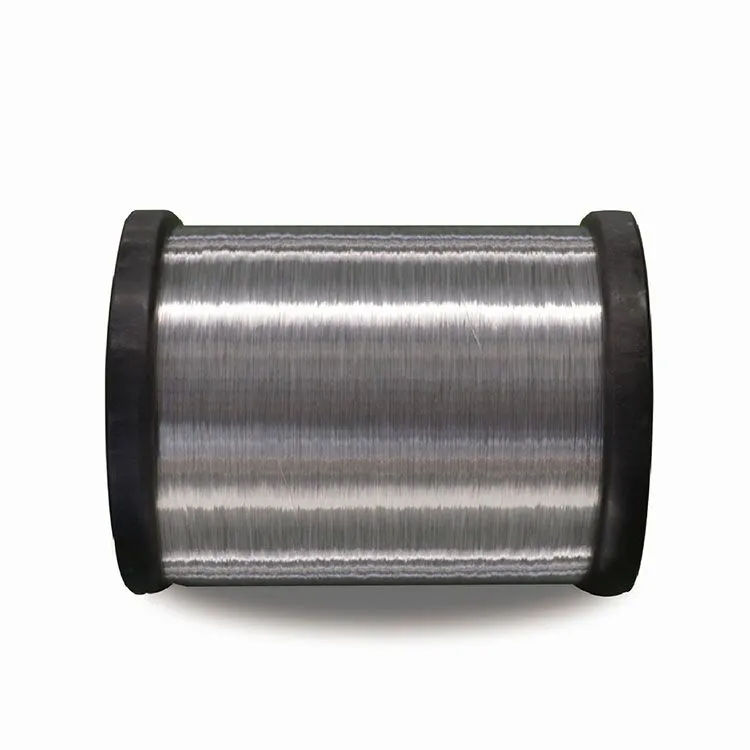
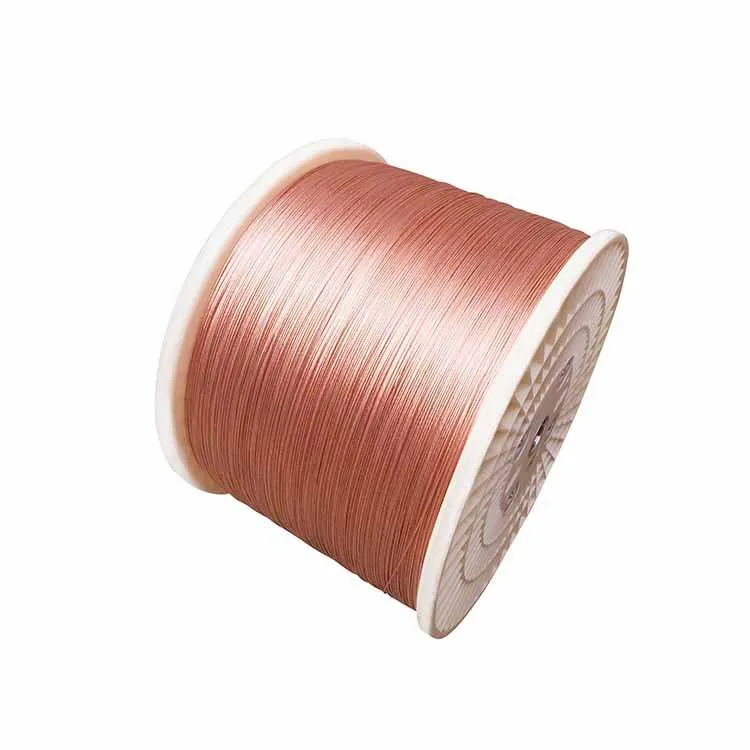
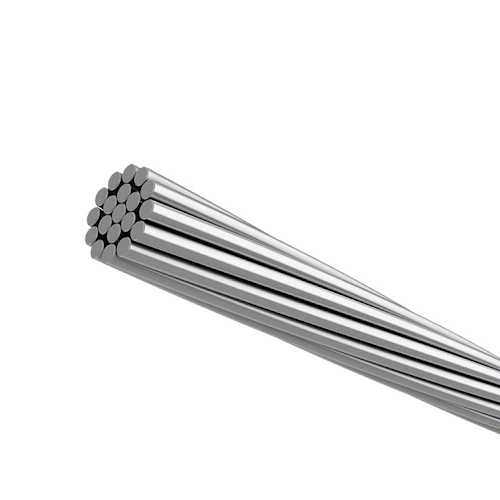
TCCAM Wire Solutions: High-Performance CCAM & CCA Cables

Get a Free Quote

Our representative will contact you soon.
Name
Email
Mobile
Country/Region
Choose the product you want
Message
0/1000
Discover the Unmatched Advantages of Tccam

Discover the Unmatched Advantages of Tccam

At Tccam, we pride ourselves on our unwavering commitment to quality and customer satisfaction. Our fully automated production lines are designed to ensure precision at every stage, from raw material production to the final product. This meticulous process guarantees that our products not only meet but exceed industry standards. Our dedication to customer value creation means we offer a wide range of customizable solutions tailored to your specific needs. With Tccam, you are assured of reliability, innovation, and exceptional service, making us the preferred partner for all your cable solutions.
Get A Quote

Real-World Applications of Tccam Products

Powering Renewable Energy Projects

Tccam's cables have been instrumental in several renewable energy projects, including solar farms and wind energy installations. Our high-quality products ensure efficient energy transmission, minimizing losses and maximizing output. Clients have reported significant improvements in energy efficiency and reliability, attributing their project success to Tccam's commitment to quality and innovation.

Enhancing Industrial Operations

In a recent collaboration with a major manufacturing plant, Tccam provided customized cable solutions that improved operational efficiency. Our cables are designed to withstand harsh industrial environments, ensuring longevity and performance. The client experienced a reduction in downtime and maintenance costs, showcasing the effectiveness of our products in demanding settings.

Supporting Infrastructure Development

Tccam partnered with a leading construction firm to supply cables for a large-scale infrastructure project. Our products met stringent safety and performance standards, ensuring the project was completed on time and within budget. The client praised Tccam for our reliability and technical support, highlighting our role in their project's success.

Related products

Tccam manufactures cables of the highest quality according to client specifications. Fully automated production lines are designed to ensure maximum precision at every step, from the selection of raw materials to the final assembly. Our covered managers guarantee control of all processes to ensure that all produced items are dependable and original. To be at the cutting edge of the current highly competitive market, we design value added and tailored services to meet specific client requests and/or problems. Our customer-focused philosophy and process guarantees that we meet and exceed customer expectations. When doing business with Tccam, you are assured quality, performance, and service.

Frequently Asked Questions about Tccam

What types of cables does Tccam offer?

Tccam offers a wide range of cables including power cables, control cables, and specialized cables for various applications. Our products are designed to meet the specific needs of different industries, ensuring reliability and performance.
We adhere to strict quality control measures at every stage of production. Our automated processes minimize errors and ensure consistency, while our management team oversees all operations to maintain the highest standards of quality.

Related article

CCA Wire for Automotive Harness: Pros, Cons, and Standards

09

Feb

CCA Wire for Automotive Harness: Pros, Cons, and Standards

Why Automotive OEMs Are Adopting CCA Wire: Weight, Cost, and EV-Driven Demand

EV Architecture Pressures: How Lightweighting and System Cost Targets Accelerate CCA Wire Adoption

The electric vehicle industry has two big challenges on its plate right now - making cars lighter to boost battery range while keeping component costs down. Copper clad aluminum (CCA) wire helps tackle both issues at once. It cuts weight by around 40% compared to regular copper wire, yet still manages about 70% of copper's conductivity according to research from Canada's National Research Council last year. Why does this matter? Because EVs need roughly 1.5 to 2 times more wiring than traditional gasoline powered vehicles, particularly when it comes to those high voltage battery packs and fast charging infrastructure. The good news is aluminum costs less upfront, which means manufacturers can save money overall. These savings aren't just pocket change either; they free up resources for developing better battery chemistries and integrating advanced driver assistance systems. There's one catch though: thermal expansion properties differ between materials. Engineers have to pay close attention to how CCA behaves under heat changes, which is why proper termination techniques following SAE J1654 standards are so important in production environments.

Real-World Deployment Trends: Tier-1 Supplier Integration in High-Voltage Battery Harnesses (2022–2024)

More Tier 1 suppliers are turning to CCA wire for their high voltage battery harnesses on those 400V plus platforms. The reason? Localized weight reductions really boost pack level efficiency. Looking at validation data from about nine major electric vehicle platforms across North America and Europe between 2022 and 2024, we see most of the action happening in three main spots. First there's those inter cell busbar connections which account for roughly 58% of what's going on. Then comes the BMS sensor arrays and finally the DC/DC converter trunk cabling. All these setups meet ISO 6722-2 and LV 214 standards too, including those tough accelerated aging tests that prove they can last around 15 years. Sure, the crimp tools need some adjustments because of how CCA expands when heated, but manufacturers still find themselves saving approximately 18% per harness unit when switching from pure copper options.

Engineering Trade-offs of CCA Wire: Conductivity, Durability, and Termination Reliability

Electrical and Mechanical Performance vs. Pure Copper: Data on DC Resistance, Flex Life, and Thermal Cycling Stability

CCA conductors have about 55 to 60 percent more DC resistance compared to copper wires of the same gauge size. This makes them more prone to voltage drops in circuits carrying large currents such as those found in battery main feeds or BMS power rails. When it comes to mechanical properties, aluminum just isn't as flexible as copper. Standardized bend tests reveal that CCA wiring usually breaks down after around 500 flex cycles maximum, whereas copper can handle over 1,000 cycles before failing under similar conditions. Temperature fluctuations pose another problem too. The repeated heating and cooling experienced in automotive environments ranging from minus 40 degrees Celsius up to 125 degrees creates stress at the interface between copper and aluminum layers. According to testing standards like SAE USCAR-21, this kind of thermal cycling can boost electrical resistance by roughly 15 to 20 percent after just 200 cycles, which significantly impacts signal quality especially in areas subject to constant vibration.

Crimp and Solder Interface Challenges: Insights from SAE USCAR-21 and ISO/IEC 60352-2 Validation Testing

Getting termination integrity right remains a major challenge in CCA manufacturing. Tests according to SAE USCAR-21 standards have shown that aluminum tends to experience cold flow issues when subjected to crimp pressure. This problem leads to around 40% more pull-out failures if the compression force or die geometry isn't just right. The solder connections also struggle with oxidation at where copper meets aluminum. Looking at ISO/IEC 60352-2 humidity tests, we see mechanical strength drops by as much as 30% compared to regular copper solder joints. Top automotive manufacturers try to get around these problems by using nickel plated terminals and special inert gas soldering techniques. Still, nothing beats copper when it comes to lasting performance over time. Because of this, detailed micro section analysis and rigorous thermal shock testing are absolute musts for any component going into high vibration environments.

Standards Landscape for CCA Wire in Automotive Harnesses: Compliance, Gaps, and OEM Policies

Key Standards Alignment: UL 1072, ISO 6722-2, and VW 80300 Requirements for CCA Wire Qualification

For automotive grade CCA wire, meeting all sorts of overlapping standards is pretty much essential if we want safe, durable wiring that actually works properly. Take UL 1072 for instance. This one deals specifically with how well medium voltage cables resist fires. The test here requires CCA conductors to survive flame propagation tests at around 1500 volts. Then there's ISO 6722-2 which focuses on mechanical performance. We're talking about at least 5000 flex cycles before failure plus good abrasion resistance even when exposed to under hood temperatures reaching 150 degrees Celsius. Volkswagen throws another curveball with their VW 80300 standard. They demand exceptional corrosion resistance from high voltage battery harnesses, requiring them to withstand salt spray exposure for over 720 hours straight. All told, these various standards help confirm whether CCA can really work in electric vehicles where every gram counts. But manufacturers need to keep an eye on conductivity losses too. After all, most applications still require performance within 15% of what pure copper delivers as a baseline.

The OEM Divide: Why Some Automakers Restrict CCA Wire Despite IEC 60228 Class 5 Acceptance

While the IEC 60228 Class 5 standard does allow for conductors with higher resistance such as CCA, most original equipment manufacturers have drawn clear lines about where these materials can be used. Typically, they limit CCA to circuits that draw less than 20 amps and completely ban it from any system where safety is a concern. The reason behind this restriction? There are still reliability issues. Testing shows that aluminum connections tend to develop about 30 percent more contact resistance over time when subjected to temperature changes. And when it comes to vibrations, CCA crimp connections break down almost three times quicker than copper ones according to SAE USCAR-21 standards in those vehicle harnesses mounted on suspensions. These test results highlight some serious holes in current standards, especially regarding how these materials hold up against corrosion over years of service and under heavy loads. As a result, car makers base their decisions more on what actually happens in real world conditions rather than just ticking boxes on compliance paperwork.
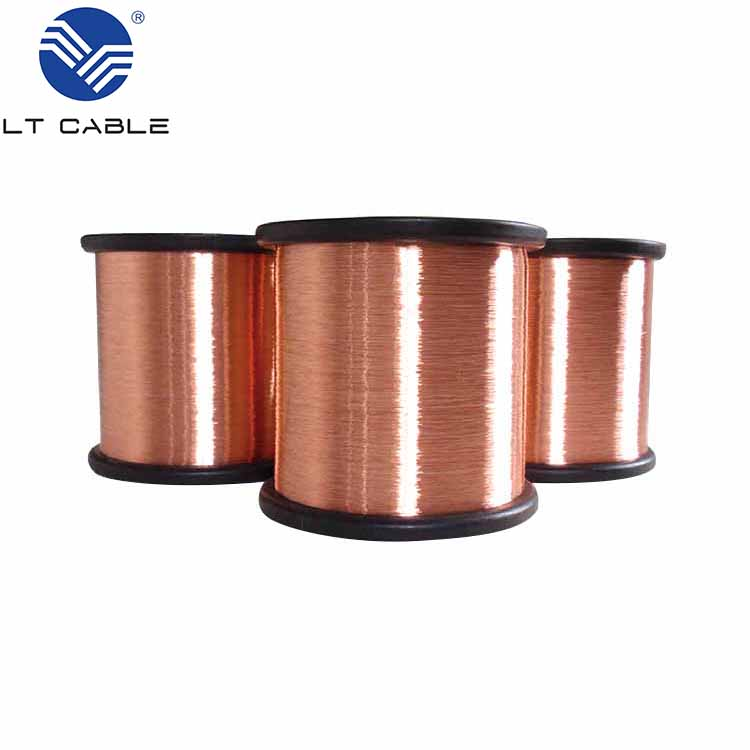
View More
Why Twisted Wire is the Key to Stable Car Electrical Connections

22

Mar

Why Twisted Wire is the Key to Stable Car Electrical Connections

Understanding Twisted Wire Technology in Automotive Systems

Basic Structure: Twisted vs. Solid vs. Stranded Wire

In automotive systems, twisted, solid, and stranded wires all serve different purposes thanks to their unique structures. Take twisted wire for instance it usually has those enameled strands wrapped together. People love this type because it bends easily and cuts down on that annoying electromagnetic interference we all know as EMI. The way these strands twist around each other actually helps the wire handle bumps and shakes better while still working properly. Stranded wire works similarly but just has more individual strands bundled together, which makes it super flexible for getting into tight spots where space matters most. Solid wire takes a completely different approach with one big solid core inside. This gives it great conductivity and lasting power, so it's typically used in places where the wire won't be moved much after installation.

Twisted wire has one big plus point when it comes to fighting off electromagnetic interference. The way these wires are constructed actually cuts down on EMI pretty well, something that matters a lot in cars where there's plenty of high frequency noise floating around. Take enameled wire for instance. When manufacturers twist this type together, they get that protective enamel coating working overtime to prevent shorts. This kind of setup shows up all over the place in motor windings and other critical components inside electric motors. With modern vehicles relying so heavily on clean signal paths, knowing what separates twisted from straight wiring makes all the difference. Engineers spend hours debating which wire type works best for different parts of the vehicle because getting this right can mean smoother operation and fewer headaches down the road.

How Twisting Affects Electrical Signal Integrity

When wires are twisted together, it actually helps maintain better electrical signals, which matters a lot in car electronics where signal loss can be problematic. The main benefit comes from how this twisting works against electromagnetic interference. Basically, when current flows through parallel wires, they create magnetic fields that interfere with each other. But twist those wires just right and those fields start cancelling each other out instead. Research into cable design shows that increasing the number of twists along a given length makes this cancellation even more effective. Most automotive engineers will tell you that properly twisted cables can bring down EMI to almost nothing across their entire run, keeping data transmission clean and reliable throughout the vehicle's wiring system.

Twisting wires works mainly because it cancels out magnetic fields. Current running through these twisted pairs creates opposing magnetic fields in each half of the twist. The result? Much less interference from unwanted voltages and outside noise sources. Tests back this up consistently. Car manufacturers rely heavily on this technique since their vehicles operate in all sorts of electromagnetic environments. From engine compartments to passenger cabins, there's always background electrical noise competing with important signals. That's why properly twisted wiring remains so critical throughout modern cars' increasingly complicated electrical systems.

Key Benefits of Twisted Wire for Car Electrical Connections

EMI Reduction Through Magnetic Field Cancellation

Twisting wires remains a popular approach for cutting down on electromagnetic interference (EMI) problems inside cars and trucks. When wires get twisted together, they create opposing magnetic fields that basically cancel each other out. The result? Less unwanted electrical noise messing with sensitive equipment. Research indicates these twisted arrangements knock EMI levels way down compared to regular straight wires running parallel. Some tests even found reductions exceeding 70% in certain situations. Makes sense why automotive engineers love this trick so much. In modern vehicles packed full of electronic components, keeping those signals clean matters a lot. Safety systems need reliable connections after all, and twisted wiring helps ensure communication stays intact between different parts of the vehicle's complex network.

Enhanced Durability in High-Vibration Environments

Twisted wires tend to hold up really well over time, especially when used in cars that constantly vibrate and move around. What makes them special is how they're built - the twisting lets them bend without breaking as easily as regular solid or stranded wires would under the same rough treatment. Car makers have noticed this firsthand too. Some big names in the industry report their twisted wire connections stay intact much longer when subjected to those relentless vibrations we see in vehicles day after day. Stranded wires just don't cut it in these situations since they wear down faster, and solid ones? Well, they often just snap right off completely. For anyone looking at long term reliability in automotive wiring systems where shaking and rattling is basically part of the job description, twisted wires simply offer advantages that other types just cant match up to.

Improved Flexibility for Complex Routing

Twisted wire designs offer real advantages when it comes to routing through the cramped spaces inside modern vehicles. Solid wires and those made from copper clad aluminum just don't bend well enough for all those tight corners and awkward angles that come standard in today's car interiors. The twist gives these wires the flexibility needed to snake through engine compartments and dashboards where straight runs simply won't work. For mechanics and installers, this means fewer headaches during assembly and better integration with other components. Automotive engineers appreciate this too since they can create more advanced electrical layouts without constantly fighting against the limitations of traditional wiring options. Better installation times translate into cost savings on production lines, while also helping maintain the reliability and performance standards expected from modern vehicle electrical systems.

Twisted Wire vs. Solid and Stranded Conductors

Current Capacity Comparison: Twisted vs. Solid Wire

When it comes to cars, how much electricity twisted wire can carry makes all the difference compared to regular solid wire. The twisty design actually works better for moving current because of the way the strands are woven together, creating more surface area that helps get rid of heat faster. This matters a lot in car electrical systems where keeping things running smoothly without overheating is critical. Some research published in an engineering journal found that twisted wires handle about 15 percent more current than their solid counterparts. Most car makers follow guidelines from groups like the IEC when picking out wiring materials. These rules help them choose wires that won't overheat or fail under normal driving conditions, which keeps everyone safer on the road.

Flexibility Advantage Over Copper Clad Aluminum (CCA) Wire

When it comes to flexibility, twisted wire definitely outperforms copper clad aluminum (CCA) wire, particularly in those complicated vehicle layouts we see these days. Twisted wire just bends and twists right through all those tight spots in cars without snapping, while CCA might be lighter but tends to break down when things get really complicated. Take modern car designs where wires need to snake through engine compartments and under dashboards. Mechanics actually report faster installations with twisted wires since they don't kink up so easily. Most major car manufacturers now specify twisted wire for their production lines simply because these wires hold up better during assembly and after years of vibration from everyday driving conditions something every mechanic knows matters a lot in keeping vehicles running smoothly.

Why Stranded Wire Complements Twisted Pair Designs

In automotive wiring applications, stranded wire works alongside twisted wire designs to boost performance across different vehicle systems. When combined properly, these wires maintain good connections even when subjected to vibrations and temperature changes common in cars. We see this happening in critical areas like engine management controls where reliable signal transmission matters most. The automotive industry has noticed this trend too many manufacturers now prefer using mixed wiring approaches because they get better results from combining flexible stranded conductors with the structural benefits of twisted pairs. This practice helps meet strict performance requirements while keeping electrical systems running smoothly for longer periods without failures.

Practical Applications in Modern Vehicle Systems

Stable Sensor Data Transmission for ADAS

Twisted wire is really important for keeping data transmission stable in those Advanced Driver-Assistance Systems (ADAS) found in today's cars. When manufacturers twist the wires together, it cuts down on electromagnetic interference problems. This matters a lot now that cars have so many different electronic systems packed into them. Industry numbers show that when using twisted wiring instead of other approaches, data errors drop quite a bit, making these driver assistance features both safer and more dependable over time. Take Tesla for instance they actually implemented twisted pair wiring throughout their vehicle line-up. Their engineers noticed much better sensor communication between components, especially under real world driving conditions where all sorts of electrical signals are bouncing around inside the car.

Noise-Free Audio in Infotainment Systems

Twisted wire tech plays a big role in getting clean audio from car infotainment systems. These wires work really well against electromagnetic interference, something that causes those annoying noises drivers hear while on the road. Car audio specialists will tell anyone serious about sound quality that good wiring matters a lot, especially when we're talking about twisted pairs. Take the BMW 7 Series as an example. They actually use these special wires in their audio setup so people can enjoy music without all that background static messing things up during their drive. Most car owners probably don't think about this stuff, but it makes a real difference in how satisfying the whole listening experience feels inside the vehicle cabin.

Reliable Ignition and ECU Communication

Good wiring is absolutely necessary for proper functioning of ignition systems and those important computer parts called ECUs. We've seen plenty of cars on the road with bad wiring that just plain breaks down. Take some models from a few years back where people had all sorts of trouble starting their vehicles because the wires couldn't handle the job. Twisted wire stands out because it conducts electricity better and holds up longer under stress, which keeps those vital signals moving between parts without interruption. When manufacturers invest in quality wiring solutions, they're not just preventing breakdowns but actually making cars run smoother and last longer overall. The difference might seem small at first glance, but over time it adds up to fewer repairs and happier customers.

View More
CCA Wire vs Copper Wire: Key Differences, Cost, and Applications

25

Dec

CCA Wire vs Copper Wire: Key Differences, Cost, and Applications

Electrical Performance: Why CCA Wire Falls Short in Conductivity and Signal Integrity

example

DC Resistance and Voltage Drop: Real-World Impact on Power over Ethernet (PoE)

CCA wire actually has about 55 to 60 percent more DC resistance compared to pure copper because aluminum just doesn't conduct electricity as well. What does this mean? Well, there's going to be way too much voltage loss, which becomes a big problem especially with Power over Ethernet systems. When we talk about regular 100 meter cable runs, the voltage drops so low that things like IP cameras and wireless access points stop working properly. Sometimes they'll flicker on and off randomly, other times they just shut down completely. Tests done by third parties show that CCA cables keep failing the TIA-568 standards for DC loop resistance requirements, going well over the 25 ohm limit per pair. And then there's the heat issue too. All that extra resistance creates heat that wears out the insulation faster, making these cables unreliable over time in any setup where PoE is actively being used.

AC Behavior at High Frequencies: Skin Effect and Insertion Loss in Cat5e–Cat6 Installations

The idea that skin effect somehow cancels out CCA's material weaknesses doesn't hold up when looking at actual performance at high frequencies. When we get past 100 MHz, which is pretty standard for most Cat5e and Cat6 installations these days, CCA cables typically lose between 30 and 40 percent more signal strength compared to regular copper cables. The problem gets worse because aluminum has naturally higher resistance, which makes those skin effect losses even more pronounced. This leads to poor signal quality and more errors in data transmission. Tests on channel performance show that usable bandwidth can drop by as much as half in some cases. The TIA-568.2-D standard actually requires all conductors to be made from the same metal throughout the cable. This ensures stable electrical characteristics across the entire frequency range. But CCA just doesn't cut it here since there are these discontinuities where the core meets the cladding, plus aluminum itself attenuates signals differently than copper does.

Safety and Compliance: NEC Violations, Fire Risks, and the Legal Status of CCA Wire

Lower Melting Point and PoE Overheating: Documented Failure Modes and NEC Article 334.80 Restrictions

The fact that aluminum melts at around 660 degrees Celsius, which is about 40 percent cooler than copper's melting point of 1085 degrees, creates real thermal risks for Power over Ethernet applications. When carrying the same electrical load, copper clad aluminum conductors run approximately 15 degrees warmer than pure copper wires. Industry professionals have reported instances where insulation actually melts and cables start to smoke in PoE++ systems that deliver over 60 watts. This situation goes against what's specified in NEC Article 334.80. That particular code section demands that any wiring placed inside walls or ceilings must stay within safe temperature limits when continuously powered. Plenum rated areas specifically cannot contain materials that might experience thermal runaway, and many fire officials now flag CCA installations as not meeting these standards during routine building inspections.

TIA-568.2-D and UL Listing Requirements: Why CCA Wire Fails Certification for Structured Cabling

The TIA-568.2-D standard mandates solid copper conductors for all certified twisted pair structured cabling installations. The reason? Performance issues aside, there are serious safety concerns and lifespan problems with CCA that just don't cut it. Independent testing shows CCA cables fail the UL 444 standards when put through vertical tray flame tests and struggle with conductor elongation measurements too. These aren't just numbers on paper either they directly impact how well the cables hold up mechanically over time and their ability to contain fires if something goes wrong. Since getting a UL listing depends entirely on having uniform copper construction that meets specific resistance and strength criteria, CCA gets automatically ruled out of consideration. Anyone who specifies CCA for commercial work runs into major headaches down the road. Permits might get denied, insurance claims could be voided, and expensive rewiring becomes necessary especially in data centers where local authorities regularly check cable certifications during their infrastructure inspections.

Key violation sources: NEC Article 334.80 (temperature safety), TIA-568.2-D (material requirements), UL Standard 444 (communication cable safety)

Total Cost of Ownership: Hidden Risks Behind CCA Wire’s Lower Upfront Price

While CCA wire carries a lower initial purchase price, its true cost emerges only over time. A rigorous Total Cost of Ownership (TCO) analysis exposes four major hidden liabilities:

  • Premature Replacement Costs: Higher failure rates drive recabling cycles every 5–7 years–doubling labor and material expenses versus copper’s typical 15+ year service life
  • Downtime Expenses: Network outages from CCA-related connection failures cost businesses an average of $5,600 per hour in lost productivity and remediation
  • Compliance Penalties: Non-compliant installations trigger warranty voids, regulatory fines, and full-system rework–often exceeding original installation costs
  • Energy Inefficiency: Up to 25% higher resistance increases PoE heat generation, raising cooling demands and energy use in climate-controlled environments

When these factors are modeled across a 10-year horizon, pure copper consistently delivers 15–20% lower lifetime costs–even with its higher upfront investment–especially in mission-critical infrastructure where uptime, safety, and scalability are non-negotiable.

Where CCA Wire Is (and Isn’t) Acceptable: Valid Use Cases vs Prohibited Deployments

Permitted Low-Risk Applications: Short Non-PoE Runs and Temporary Installations

CCA wire can work for some situations where risk is low and duration is short. Think things like old school analog CCTV runs that don't go much beyond 50 meters or wiring for temporary events. These applications generally don't need strong power delivery, high quality signals, or meet all those permanent installation requirements. But there are limits. Don't try running CCA through walls, into plenum areas, or anywhere it might get too hot (over 30 degrees Celsius) according to NEC rules in section 334.80. And here's another thing nobody likes to mention but matters a lot: signal quality starts dropping off way before reaching that magical 50 meter threshold. At the end of the day though, what really counts is what the local building inspector says goes.

Strictly Prohibited Scenarios: Data Centers, Voice-Grade Cabling, and Commercial Building Backbones

The use of CCA wiring remains strictly off limits across critical infrastructure applications. According to TIA-568.2-D standards, commercial buildings simply cannot use this type of cabling for backbone connections or horizontal runs because of serious issues including unacceptable latency problems, frequent packet losses, and unstable impedance characteristics. The fire hazards are particularly concerning for data center environments where thermal imaging reveals dangerous hot spots reaching over 90 degrees Celsius when subjected to PoE++ loads, which clearly exceeds what's considered safe operation. For voice communication systems, another major problem develops over time as the aluminum component tends to corrode at connection points, gradually degrading signal quality and making conversations harder to understand. Both NFPA 70 (National Electrical Code) and NFPA 90A regulations explicitly forbid installation of CCA cables in any permanent structured cabling setup, labeling them as potential fire risks that pose threats to life safety in buildings where people actually work and live.

View More
CCA Wire Specifications Guide: Diameter, Copper Ratio, and Tolerance

25

Dec

CCA Wire Specifications Guide: Diameter, Copper Ratio, and Tolerance

Understanding CCA Wire Composition: Copper Ratio and Core–Clad Architecture

Understanding CCA Wire Composition: Copper Ratio and Core–Clad Architecture

How Aluminum Core and Copper Cladding Work Together for Balanced Performance

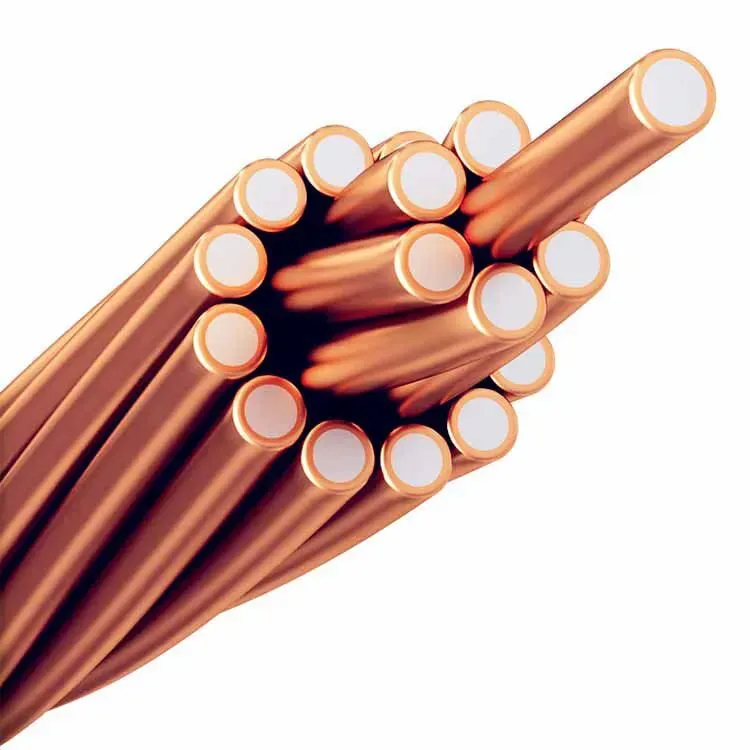
Copper Clad Aluminum (CCA) wire combines aluminum and copper in a layered construction that manages to strike a good balance between performance, weight, and price. The inner part made from aluminum gives the wire strength without adding much weight, actually cutting down on mass by around 60% compared to regular copper wires. Meanwhile, the copper coating on the outside handles the important job of conducting signals properly. What makes this work so well is that copper conducts electricity better right at the surface where most high frequency signals travel because of something called the skin effect. The aluminum inside takes care of moving the bulk of the current but costs less money to produce. In practice, these wires end up performing about 80 to 90% as well as solid copper when it matters most for signal quality. That's why many industries still choose CCA for things like network cables, car wiring systems, and other situations where either money or weight becomes a real concern.

Standard Copper Ratios (10%–15%) – Trade-offs Between Conductivity, Weight, and Cost

The way manufacturers set copper to aluminum ratios in CCA wire really depends on what they need for specific applications. When wires have about 10% copper coating, companies save money since these are roughly 40 to 45 percent less expensive than solid copper options, plus they weigh around 25 to 30 percent less. But there's a tradeoff here too because this lower copper content actually makes the DC resistance go up. Take a 12 AWG CCA wire with 10% copper for instance it shows about 22% more resistance compared to pure copper versions. On the flip side, increasing the copper ratio to around 15% gives better conductivity, getting close to 85% of what pure copper offers, and makes connections more reliable when terminating. However, this comes at a cost since the savings drop to about 30 to 35% on price and only 15 to 20% in weight reduction. Another thing worth noting is that thinner copper layers create problems during installation, especially when crimping or bending the wire. The risk of the copper layer peeling off becomes real, which can mess up the electrical connection completely. So when choosing between different options, engineers have to balance how well the wire conducts electricity against how easy it is to work with during installation and what happens over time, not just looking at upfront costs alone.

Dimensional Specifications of CCA Wire: Diameter, Gauge, and Tolerance Control

AWG-to-Diameter Mapping (12 AWG to 24 AWG) and Its Impact on Installation and Termination

American Wire Gauge (AWG) governs CCA wire dimensions, with lower gauge numbers indicating larger diameters—and correspondingly greater mechanical robustness and current capacity. Precise diameter control is essential across the range:

AWG Nominal Diameter (mm) Installation Consideration
12 2.05 Requires wider bend radii in conduit runs; resists pull-through damage
18 1.02 Prone to kinking if improperly handled during cable pulls
24 0.51 Demands precision termination tools to avoid insulation breach or conductor deformation

Mismatched ferrule sizing remains a leading cause of field failures—industry data attributes 23% of connector-related issues to gauge-terminal incompatibility. Proper tooling and installer training are non-negotiable for reliable terminations, especially in dense or vibration-prone environments.

Manufacturing Tolerances: Why ±0.005 mm Precision Matters for Connector Compatibility

Getting the dimensions just right matters a lot for how well CCA wire works. We're talking about keeping things within a tight ±0.005 mm diameter range. When manufacturers miss this mark, problems happen fast. If the conductor ends up too big, it squishes or bends the copper coating when plugged in, which can boost contact resistance by as much as 15%. On the flip side, wires that are too small don't touch properly, leading to sparks during temperature changes or sudden power spikes. Take automotive splice connectors as an example they need no more than 0.35% diameter variation across their length to keep those important IP67 environmental seals intact while standing up to road vibrations. Achieving such exact measurements requires special bonding techniques and careful grinding after drawing. These processes aren't just about meeting ASTM standards either manufacturers know from experience that these specs translate into actual performance gains in vehicles and factory equipment where reliability counts most.

Standards Compliance and Real-World Tolerance Requirements for CCA Wire

The ASTM B566/B566M standard sets the foundation for quality control in CCA wire manufacturing. It outlines acceptable copper clad percentages usually between 10% and 15%, specifies how strong the metal bonds need to be, and establishes tight dimensional limits around plus or minus 0.005 millimeters. These specs matter because they help maintain reliable connections over time, especially important when wires face constant movement or temperature changes as seen in car electrical systems or power over Ethernet setups. Industry certifications from UL and IEC test wires under harsh conditions like rapid aging tests, extreme heat cycles, and overload scenarios. The RoHS regulations meanwhile make sure manufacturers aren't using dangerous chemicals in their production processes. Strict adherence to these standards isn't just good practice it's absolutely necessary if companies want their CCA products to perform safely, reduce the risk of sparks at connection points, and keep signals clear in critical applications where both data transmission and power supply depend on consistent performance.

Performance Implications of CCA Wire Specifications on Electrical Behavior

Resistance, Skin Effect, and Ampacity: Why 14 AWG CCA Carries Only ~65% of Pure Copper’s Current

The composite nature of CCA wires really puts a damper on their electrical performance, particularly when dealing with DC current or low frequency applications. While the outer copper layer does help reduce skin effect losses at higher frequencies, the inner aluminum core has about 55% more resistance compared to copper, which ends up being the main factor affecting DC resistance. Looking at actual numbers, 14 AWG CCA can only handle around two thirds of what pure copper wire of the same gauge would manage. We see this limitation showing up in several important areas:

  • Heat generation: Elevated resistance accelerates Joule heating, reducing thermal headroom and necessitating derating in enclosed or bundled installations
  • Voltage drop: Increased impedance causes >40% greater power loss over distance compared to copper—critical in PoE, LED lighting, or long-run data links
  • Safety margins: Lower thermal tolerance raises fire risk if installed without accounting for reduced current capacity

Uncompensated substitution of CCA for copper in high-power or safety-critical applications violates NEC guidelines and compromises system integrity. Successful deployment requires either upsizing the gauge (e.g., using 12 AWG CCA where 14 AWG copper was specified) or enforcing strict load limitations—both grounded in verified engineering data, not assumptions.

FAQ

What is Copper Clad Aluminum (CCA) wire?

CCA wire is a composite type of wire that combines an inner aluminum core with an outer copper cladding, allowing for a lighter yet cost-effective solution with decent electrical conductivity.

Why is the copper to aluminum ratio important in CCA wires?

The copper to aluminum ratio in CCA wires determines their conductivity, cost-efficiency, and weight. Lower copper ratios are more cost-effective but increase DC resistance, whereas higher copper ratios offer better conductivity and reliability at higher costs.

How does the American Wire Gauge (AWG) affect CCA wire specifications?

AWG impacts the diameter and mechanical properties of CCA wires. Larger diameters (lower AWG numbers) provide greater durability and current capacity, while precise diameter controls are crucial for maintaining device compatibility and proper installation.

What are the performance implications of using CCA wires?

CCA wires have higher resistance compared to pure copper wires, which can lead to more heat generation, voltage drops, and lower safety margins. They are less suitable for high-power applications unless appropriately upsized or derated.

View More

What Our Clients Say About Tccam

John Doe
Exceptional Quality and Service

Tccam has consistently provided us with high-quality cables that meet our stringent requirements. Their customer service is outstanding, always ready to assist with any queries we have.

Jane Smith
Reliable Partner in Our Projects

Working with Tccam has been a game-changer for our manufacturing processes. Their cables are durable and reliable, significantly reducing our downtime and maintenance costs.

Get a Free Quote

Our representative will contact you soon.
Email
Name
Company Name
Message
0/1000
Precision Engineering

Precision Engineering

Our fully automated production lines ensure that every cable produced meets the highest standards of precision and quality. This level of engineering excellence minimizes defects and enhances the overall performance of our products, making Tccam a leader in the cable industry.
 Customer-Centric Solutions

Customer-Centric Solutions

At Tccam, we believe in creating value for our clients. Our ability to customize products based on specific needs sets us apart from competitors. We work closely with clients to develop solutions that not only meet their requirements but also enhance their operational efficiency.
  • Product Consultation & Selection

    Product Consultation & Selection

    Tailored advice, perfect fit solutions.

  • Production & Supply Chain

    Production & Supply Chain

    Efficient manufacturing, seamless supply.

  • Quality Assurance & Certification

    Quality Assurance & Certification

    Rigorous testing, global certifications.

  • Post-Sales Support & Tech Help

    Post-Sales Support & Tech Help

    Prompt assistance, ongoing support.

Get a Free Quote

Our representative will contact you soon.
Name
Email
Mobile
Country/Region
Title
Message
0/1000