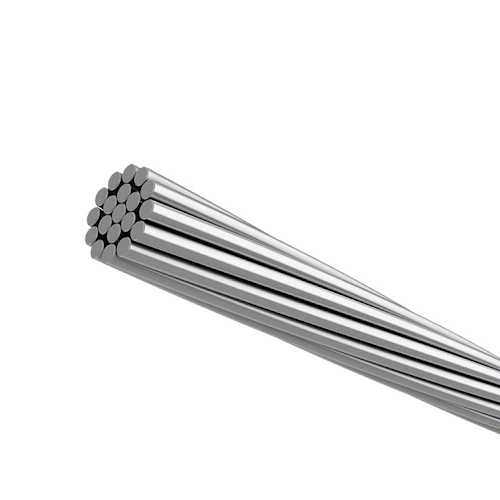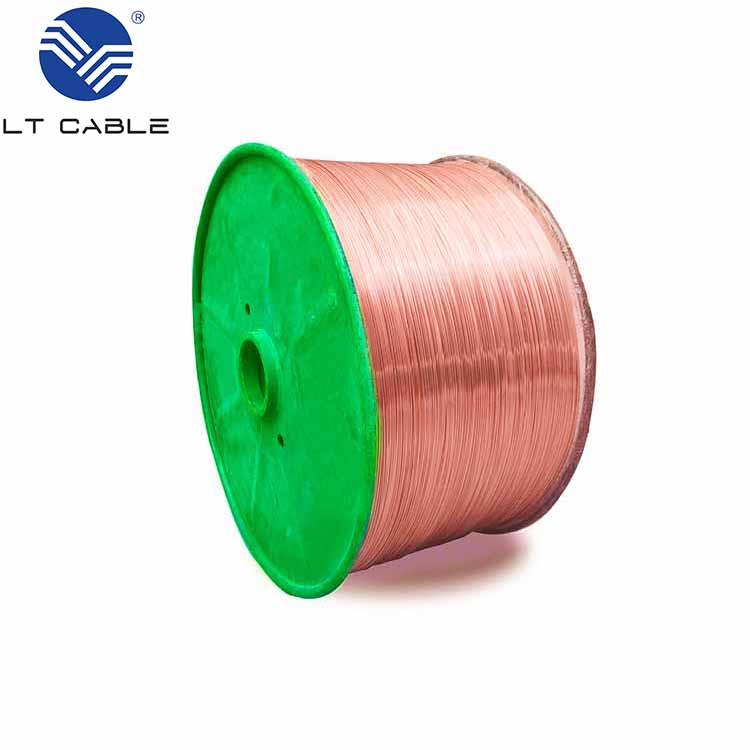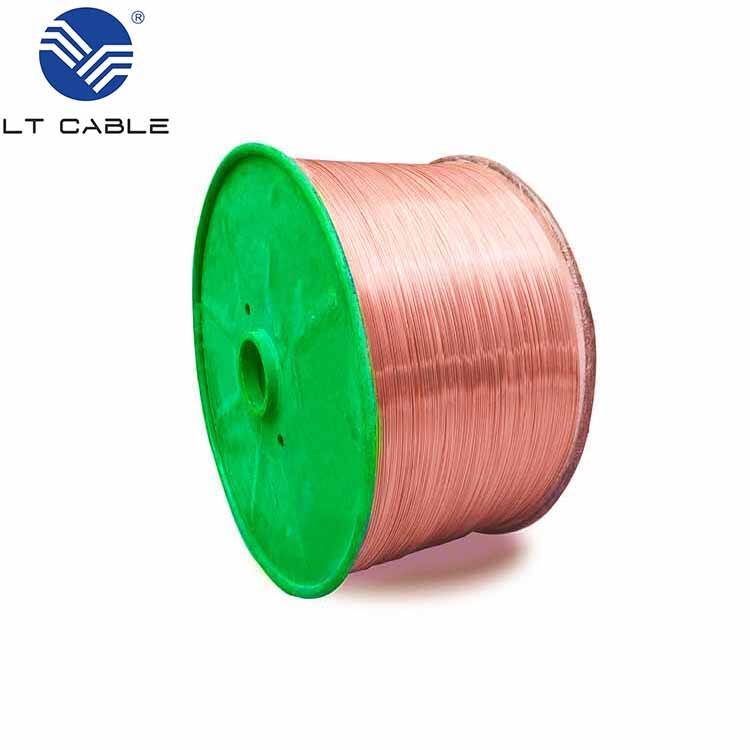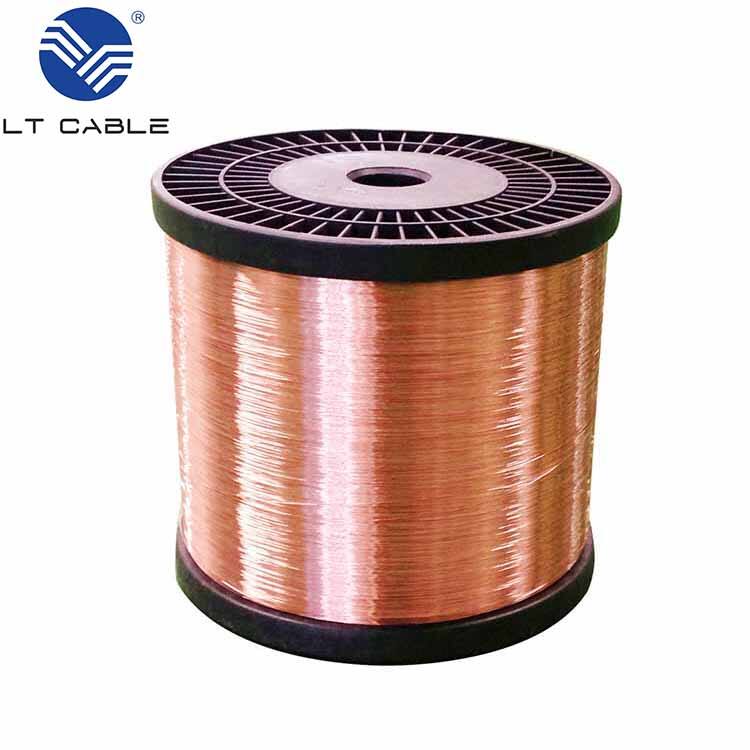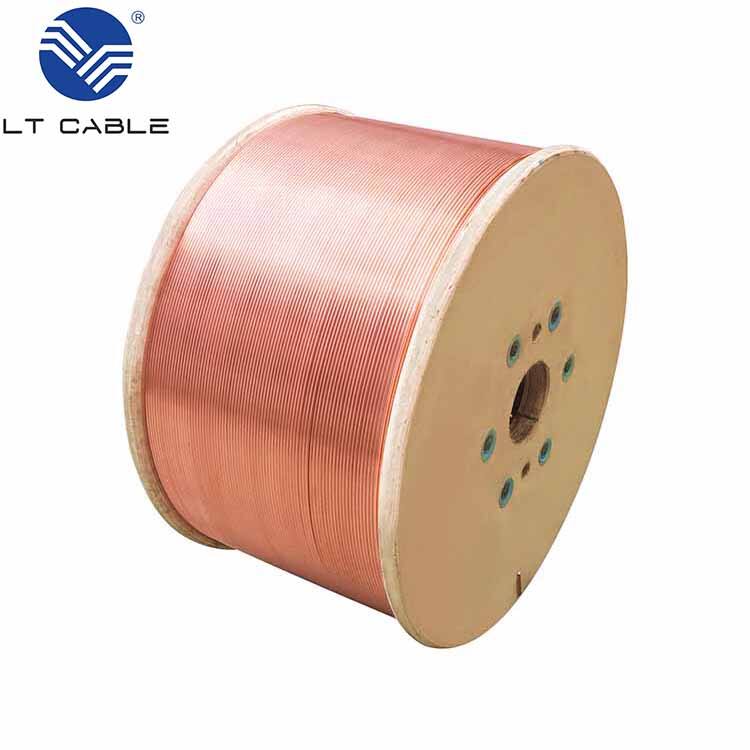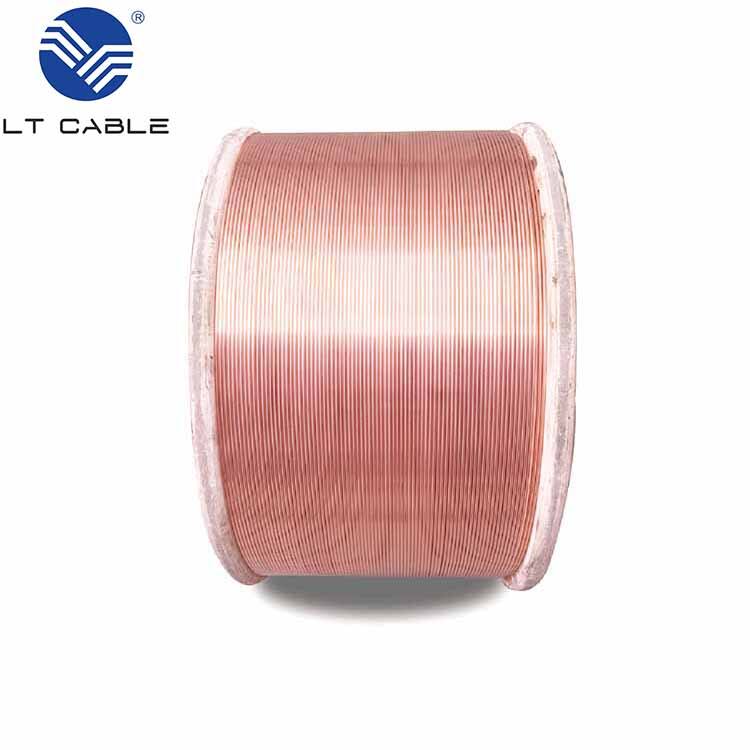
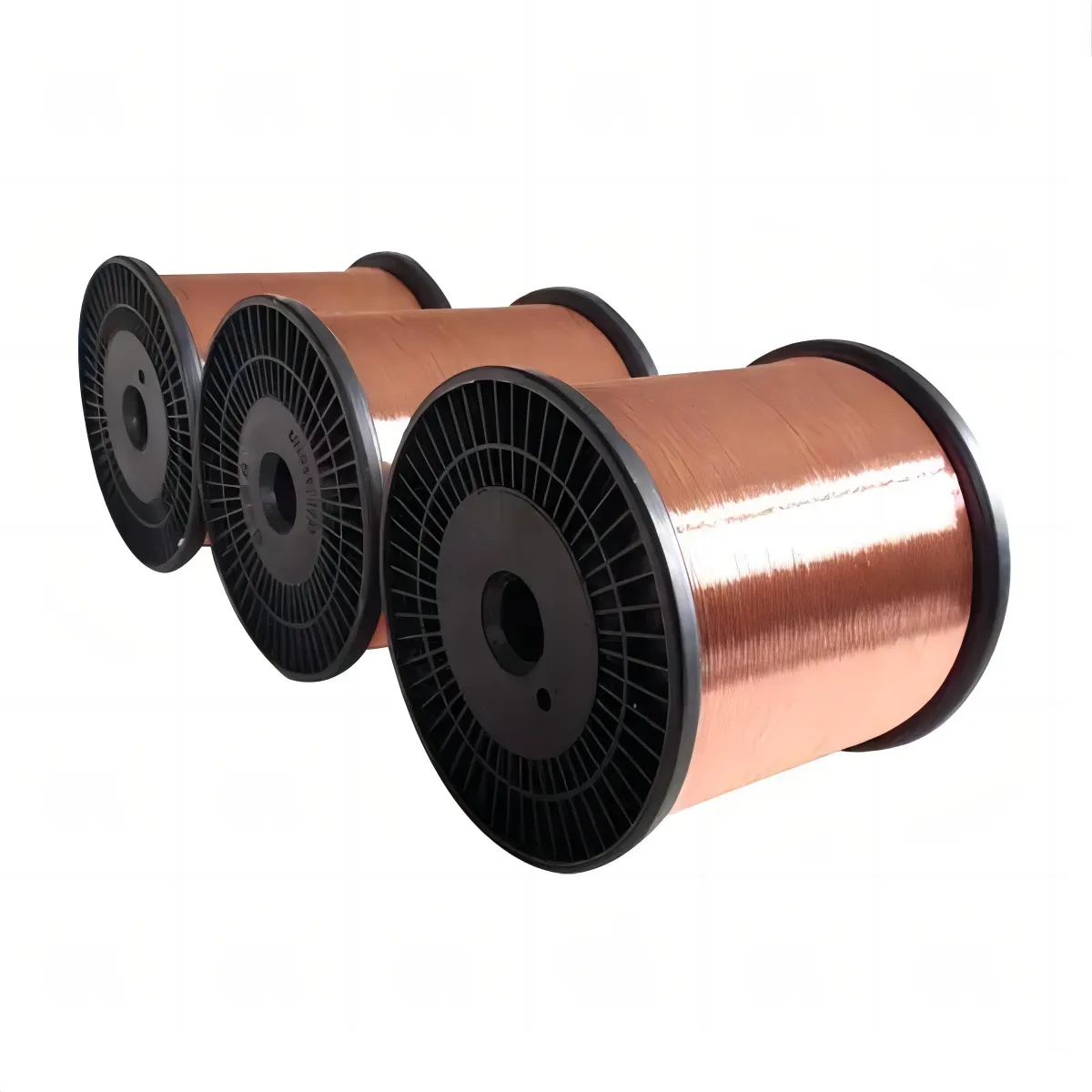
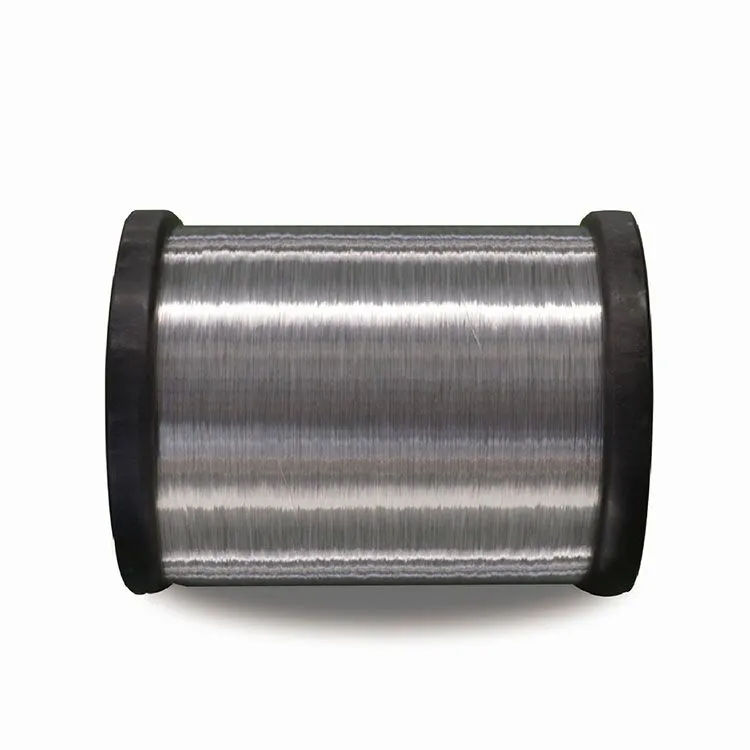
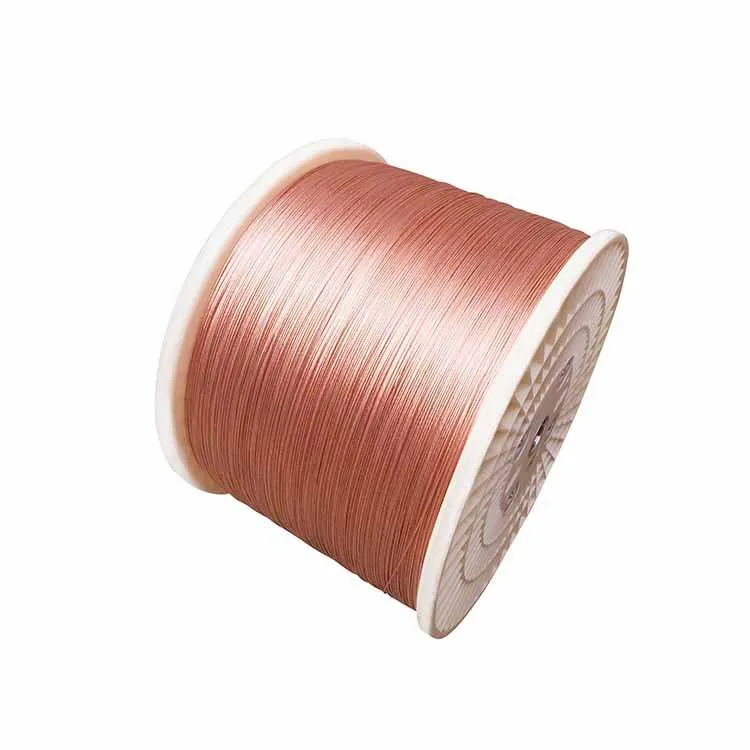
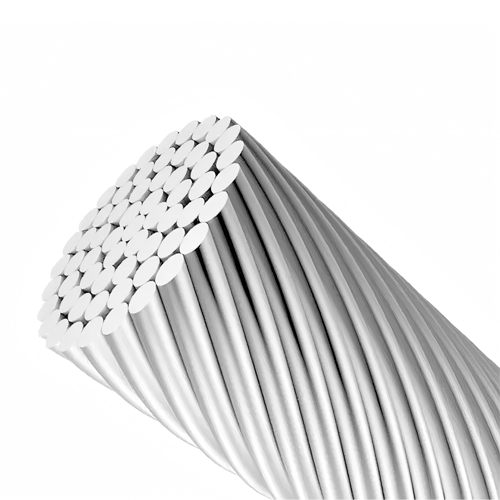
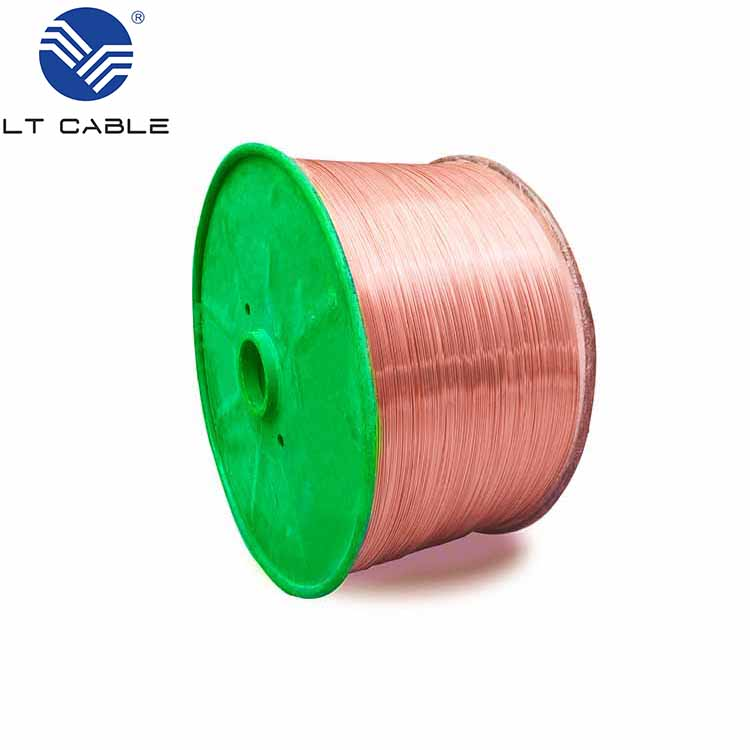
CCS Solid Signal Wire: Superior Conductivity & Durability

Get a Free Quote

Our representative will contact you soon.
Name
Email
Mobile
Country/Region
Choose the product you want
Message
0/1000
Unmatched Quality and Reliability of CCS Solid Signal Wire

Unmatched Quality and Reliability of CCS Solid Signal Wire

Our CCS Solid Signal Wire stands out in the market due to its superior conductivity and durability. This product is designed for optimal signal transmission, ensuring minimal loss and interference. The solid core construction provides enhanced strength and flexibility, making it ideal for various applications, from telecommunications to industrial machinery. With our fully automated production lines, each wire undergoes rigorous quality control, ensuring that every meter meets our high standards. By choosing our CCS Solid Signal Wire, you are guaranteed exceptional performance and longevity, tailored to meet the specific needs of your projects.
Get A Quote

Case Studies

Transforming Telecommunications with CCS Solid Signal Wire

In a recent project, a leading telecommunications company faced issues with signal loss in their network. They turned to our CCS Solid Signal Wire to enhance their infrastructure. By integrating our wire, they improved signal strength by over 30%, significantly reducing downtime and increasing customer satisfaction. The solid construction allowed for easier installation and greater reliability in adverse weather conditions, showcasing our product's effectiveness in real-world applications.

Industrial Automation Enhanced by CCS Solid Signal Wire

An industrial automation firm was struggling with the performance of their signal transmission lines. They decided to implement our CCS Solid Signal Wire in their systems. The results were remarkable; the wire's superior conductivity led to a 25% increase in operational efficiency. The durability of the wire also minimized maintenance costs, allowing the company to allocate resources to other critical areas. This case highlights how our product can transform industrial environments.

CCS Solid Signal Wire in Renewable Energy Solutions

A renewable energy company utilized our CCS Solid Signal Wire for their solar panel installations. They required a wire that could withstand various environmental conditions while maintaining high efficiency. Our wire exceeded their expectations, providing reliable performance throughout the year. The energy output increased by 15%, proving that our CCS Solid Signal Wire is not only effective but also essential for sustainable energy solutions.

Related products

Our CCS Solid Signal Wire is created with attention to detail. The production begins with top quality raw materials which are processed with high levels of quality control. Each step in the production, with the exception of the final inspection, is automated to avoid errors and improve precision. Each of the steps in the production process are designed by the management team to improve efficiency and meet international levels of quality control. In the end, CCS Solid Signal Wire not only meets the expectations of customers, it exceeds them. The team believes in creating value and devotes time and effort to customizing answers to technical problems. Enjoy the Litong Cable difference, it is where quality meets innovation.

Frequently Asked Questions about CCS Solid Signal Wire

What are the key benefits of using CCS Solid Signal Wire?

CCS Solid Signal Wire offers superior conductivity, durability, and minimal signal loss, making it ideal for telecommunications and industrial applications. Its solid core construction ensures reliability and flexibility.
Our fully automated production lines are designed by experts, ensuring that every step, from raw material selection to final inspection, is tightly controlled and meets high-quality standards.

Related article

CCA Wire Resistivity & Performance: What Buyers Should Check

15

Jan

CCA Wire Resistivity & Performance: What Buyers Should Check

Understanding CCA Wire and Its Importance

Copper Clad Aluminum (CCA) wire has emerged as a popular choice in various electrical applications, offering a balance of performance, cost-effectiveness, and versatility. As a bimetallic conductor, it consists of an aluminum core with a concentric copper cladding, combining the beneficial properties of both metals. The aluminum core contributes to lightweight and cost savings, while the copper cladding enhances conductivity and corrosion resistance. For buyers, understanding the resistivity and overall performance of CCA wire is crucial to ensure it meets the specific requirements of their applications. Whether used in telecommunications, automotive wiring, or power distribution, the performance of CCA wire directly impacts the efficiency and reliability of the end product.

Key Factors Affecting CCA Wire Resistivity

Resistivity is a fundamental property of any conductor, including CCA wire, and it plays a significant role in determining its electrical performance. Several key factors influence the resistivity of CCA wire, and buyers should be aware of these when evaluating potential suppliers. One of the primary factors is the copper content. Typically, CCA wire is available with copper content ranging from 10% to 15% by cross-sectional area. Higher copper content generally results in lower resistivity and better conductivity. For example, CCA wire with 15% copper content has a conductivity of approximately 64.4% IACS (International Annealed Copper Standard), compared to 62.9% IACS for 10% copper content.
Another important factor is the manufacturing process. The quality of the metallurgical bond between the aluminum core and copper cladding directly affects the wire's resistivity. A strong, uniform bond ensures efficient current transfer between the two metals, minimizing resistance. Additionally, the purity of the copper and aluminum used in the wire can impact resistivity. Higher purity metals typically offer better conductivity and lower resistivity. Finally, the operating temperature can also affect the resistivity of CCA wire, as resistance generally increases with temperature. Buyers should consider the expected operating temperature range of their application when selecting CCA wire.

Performance Parameters to Evaluate

When assessing CCA wire, buyers should consider several performance parameters beyond resistivity to ensure it meets their specific needs. One critical parameter is tensile strength, which measures the wire's ability to withstand pulling forces without breaking. CCA wire typically has a tensile strength ranging from 100 to 150 MPa, depending on the manufacturing process and copper content. Higher tensile strength is particularly important in applications where the wire may be subjected to mechanical stress during installation or operation.
Another important parameter is elongation, which measures the wire's ability to stretch before breaking. A higher elongation percentage indicates greater flexibility and resistance to fatigue, making the wire more suitable for applications that require bending or flexing. CCA wire generally has an elongation percentage of 8% or higher for annealed wires and 1% or higher for hard-drawn wires.
Corrosion resistance is also a key consideration, especially for applications in harsh environments. The copper cladding on CCA wire provides excellent corrosion resistance, but the aluminum core can be susceptible to corrosion if exposed. Buyers should ensure that the wire is properly insulated and protected from moisture and other corrosive elements.

How to Choose the Right CCA Wire Supplier

Selecting a reliable and reputable CCA wire supplier is essential to ensure the quality and performance of the product. Buyers should consider several factors when evaluating potential suppliers, including their manufacturing capabilities, quality control processes, and industry certifications. A supplier with advanced manufacturing facilities and strict quality control measures is more likely to produce high-quality CCA wire that meets the required specifications.
Industry certifications, such as ISO 9001, can also provide assurance of the supplier's commitment to quality. Buyers should verify that the supplier's CCA wire meets relevant industry standards, such as ASTM B566 for copper-clad aluminum wire. Additionally, buyers should consider the supplier's experience and reputation in the industry. A supplier with a proven track record of delivering high-quality products and excellent customer service is more likely to provide a reliable and satisfactory experience.
Finally, buyers should consider the supplier's pricing and delivery capabilities. While cost is an important factor, it should not be the sole determining factor. Buyers should balance cost with quality and delivery time to ensure they get the best value for their money. A supplier that can offer competitive pricing, fast delivery, and flexible payment terms is more likely to be a good partner for long-term business relationships.
View More
CCAM Wire Conductivity & Strength: Performance Overview

08

Jan

CCAM Wire Conductivity & Strength: Performance Overview

Electrical Conductivity of CCAM Wire: Physics, Measurement, and Real-World Impact

How Aluminum Coating Affects Electron Flow vs. Pure Copper

CCAM wire combines the best of both worlds really – copper's excellent conductivity paired with aluminum's lighter weight benefits. When we look at pure copper, it hits that perfect 100% mark on the IACS scale, but aluminum only gets to about 61% because electrons just don't move as freely through it. What happens at the copper-aluminum boundary in CCAM wires? Well, those interfaces create scattering points which actually increase resistivity somewhere between 15 and 25 percent compared to regular copper wires of the same thickness. And this matters a lot for electric vehicles since higher resistance means more energy loss during power distribution. But here's why manufacturers still go for it: CCAM cuts down on weight by roughly two thirds compared to copper, all while maintaining around 85% of copper's conductivity levels. That makes these composite wires particularly useful for connecting batteries to inverters in EVs, where every gram saved contributes to longer driving ranges and better heat control throughout the system.

IACS Benchmarking and Why Lab Measurements Differ from In-System Performance

IACS values are derived under tightly controlled lab conditions—20°C, annealed reference samples, no mechanical stress—which rarely reflect real-world automotive operation. Three key factors drive performance divergence:

  • Temperature sensitivity: Conductivity declines ~0.3% per °C above 20°C, a critical factor during sustained high-current operation;
  • Interface degradation: Vibration-induced microcracks at the copper–aluminum boundary increase localized resistance;
  • Oxidation at terminations: Unprotected aluminum surfaces form insulating Alâ‚‚O₃, raising contact resistance over time.

Benchmark data shows CCAM averaging 85% IACS in standardized lab tests—but drops to 78–81% IACS after 1,000 thermal cycles in dynamometer-tested EV harnesses. This 4–7 percentage-point gap validates the industry practice of derating CCAM by 8–10% for high-current 48V applications, ensuring robust voltage regulation and thermal safety margins.

Mechanical Strength and Fatigue Resistance of CCAM Wire

Yield Strength Gains from Aluminum Cladding and Implications for Harness Durability

Aluminum cladding in CCAM boosts yield strength around 20 to 30 percent compared to pure copper, which makes a real difference in how well the material resists permanent deformation when installing harnesses, particularly in situations where space is limited or there's significant pulling force involved. The extra structural strength helps cut down on fatigue issues at connectors and areas prone to vibrations like suspension mounts and motor housing points. Engineers take advantage of this property to use smaller wire sizes while still maintaining adequate safety levels for important connections between batteries and traction motors. Ductility does drop a bit when exposed to extreme temperatures ranging from minus 40 degrees Celsius up to plus 125 degrees, but testing shows that CCAM performs well enough across standard automotive temperature ranges to meet the necessary ISO 6722-1 standards for both tensile strength and elongation properties.

Bend-Fatigue Performance in Dynamic Automotive Applications (ISO 6722-2 Validation)

In dynamic vehicle zones—including door hinges, seat tracks, and sunroof mechanisms—CCAM undergoes repeated flexing. Per ISO 6722-2 validation protocols, CCAM wire demonstrates:

  • Minimum 20,000 bend cycles at 90° angles without failure;
  • Retention of ≥95% initial conductivity post-testing;
  • Zero sheath fractures even at aggressive 4mm bend radii.

Though CCAM exhibits 15–20% lower fatigue resistance than pure copper beyond 50,000 cycles, field-proven mitigation strategies—such as optimized routing paths, integrated strain relief, and reinforced overmolding at pivot points—ensure long-term reliability. These measures eliminate connection failures across typical vehicle service life expectations (15 years/300,000 km).

Thermal Stability and Oxidation Challenges in CCAM Wire

Aluminum Oxide Formation and Its Effect on Long-Term Contact Resistance

The fast oxidation of aluminum surfaces creates a big problem for CCAM systems over time. When exposed to regular air, aluminum forms a nonconducting layer of Al2O3 at around 2 nanometers per hour. If nothing stops this process, the oxide buildup increases terminal resistance by as much as 30% within just five years. This leads to voltage drops across connections and creates heat problems that engineers really worry about. Looking at old connectors through thermal cameras shows some pretty hot areas, sometimes above 90 degrees Celsius, exactly where the protective plating has started to fail. Copper coatings do help slow down oxidation somewhat, but tiny scratches from crimping operations, repeated bending, or constant vibrations can punch through this protection and let oxygen reach the aluminum underneath. Smart manufacturers combat this resistance growth by putting nickel diffusion barriers under their usual tin or silver coatings and adding antioxidant gels on top. This double protection keeps contact resistance under 20 milliohms even after 1,500 thermal cycles. Real world testing shows less than 5% loss in conductivity throughout an entire vehicle's service life, which makes these solutions worth implementing despite the extra costs involved.

System-Level Performance Trade-Offs of CCAM Wire in EV and 48V Architectures

Moving to higher voltage systems, especially those running on 48 volts, changes how we think about wiring designs completely. These setups cut down on current needed for the same amount of power (remember P equals V times I from basic physics). This means wires can be thinner, which saves a lot of copper weight compared to old 12 volt systems maybe around 60 percent less depending on specifics. CCAM takes things even further with its special aluminum coating that adds more weight savings without losing much conductivity. Works great for stuff like ADAS sensors, air conditioning compressors, and those 48 volt hybrid inverters that don't need super high conductivity anyway. At higher voltages, the fact that aluminum conducts electricity worse isn't such a big deal because power loss happens based on current squared times resistance rather than voltage squared over resistance. Still worth noting though that engineers need to watch out for heat buildup during fast charging sessions and make sure components aren't overloaded when cables are bundled together or sitting in areas with bad airflow. Combine proper termination techniques with standards compliant fatigue testing and what do we get? Better energy efficiency and more room inside vehicles for other components all while keeping safety intact and making sure everything lasts through regular maintenance cycles.

View More
China Aluminum Alloy Wire Suppliers for Large-Scale Projects

26

Jan

China Aluminum Alloy Wire Suppliers for Large-Scale Projects

Understanding Aluminum Alloy Wire

Aluminum alloy wire comes in many forms and finds its way into all sorts of applications because of how well it performs under different conditions. Manufacturers assign specific numbers to these alloys, with the 1350 and 6000 series being among the most common ones on the market today. The 1350 series works great for things like power lines since it conducts electricity so efficiently. Meanwhile, engineers often turn to the 6000 series when they need something strong enough for structural components but still lightweight enough for everyday use. We see these materials showing up everywhere from airplane parts to car frames and even reinforcing bars in buildings across the country.

Aluminum alloy wire has become increasingly popular compared to old standby materials such as copper because of several key features. The main selling point? Aluminum conducts electricity pretty well for how light it actually is. We're talking about roughly half the weight of copper for similar performance levels. That makes a big difference when shipping large volumes across long distances and definitely helps electricians work faster during installations. These wires stand up to stress too, with good tensile strength that holds up over time. Plus they resist rust and corrosion better than many alternatives, so they last longer in places like coastal regions or industrial settings where moisture is always present. Real world tests show aluminum performs surprisingly close to copper in terms of conductivity while offering much greater flexibility for complex wiring layouts. From power grids to telecommunications infrastructure, aluminum alloys are now finding their way into all sorts of new projects where weight savings matter most.

Applications of Aluminum Alloy Wire

More and more electricians and engineers are turning to aluminum alloy wire for their projects, especially when working on power grids and distribution networks. The main reason? These wires weigh less than copper while still conducting electricity pretty well, which means big savings on energy bills and less strain on supporting structures. Take a look at what's happening across the country right now many power companies have started installing aluminum alloy cables for new transmission lines, particularly where voltages aren't too high. Makes sense really, since this material offers real advantages both from a practical standpoint and economically speaking in large scale electrical infrastructure.

Aluminum alloy wire has become really important in construction work these days. What makes this material stand out is how strong it is compared to other options, plus it doesn't corrode easily when exposed to weather conditions. Many builders find it works great for structural reinforcement and setting up electrical systems that last longer. Codes in different areas have started pushing for more aluminum usage because of these benefits. Contractors now tend to go with aluminum wiring on most jobs since it helps them comply with safety regulations without breaking the bank on materials costs. Some companies report savings of around 15% just by switching from copper to aluminum in certain parts of their builds.

The automotive and aerospace sectors have started adopting aluminum alloy wire because it helps cut down on weight while improving fuel economy. Big names such as Ford and Boeing now use aluminum not just for wiring but also in various body components to boost their products' performance and green credentials. Take cars for instance aluminum makes vehicles lighter overall which means they burn less gas something consumers care about these days given all the talk around climate change. We're seeing this move toward aluminum alloys show how flexible the material really is when applied across different tough industries where performance matters most.

Major Aluminum Alloy Wire Suppliers in China

The aluminum alloy wire market sees some big names coming out of China these days, with companies like South Wire and Jiangsu Zhongtian Technology standing out among global competitors. Both firms have built strong positions in this space through their wide selection of aluminum alloy products tailored for different industrial applications. South Wire stands apart because they offer everything from solid to stranded wires that work well in both electrical systems and building projects. Over at Jiangsu Zhongtian Technology, they've really focused on making enameled wires that play a vital role in all sorts of electrical setups and equipment parts. Their specialization here gives them an edge in certain markets where those particular types of wires are needed most.

Looking at different wire suppliers involves considering multiple aspects beyond just the bottom line. Price differences exist across various wire types in the market. Stranded wires generally cost more than enameled ones because they take longer to manufacture and serve different purposes altogether. How much a supplier charges often depends on how efficiently they run their operations and whether they can handle big orders without breaking a sweat. Take South Wire for example versus Jiangsu Zhongtian Technology. Both companies stand out when buyers want options other than standard offerings. South Wire might focus more on specialized industrial applications while Jiangsu offers everything from basic solid conductors right through to those fancy coated varieties needed for electronics work. Their reach extends well beyond domestic borders too, which matters a lot for businesses needing consistent supply chains regardless of where they operate.

Benefits of Sourcing from Chinese Suppliers

Getting aluminum alloy wire from Chinese suppliers tends to save money because labor there is generally cheaper and they produce on a massive scale. The manufacturing base in China has grown quite a bit over recent years, with lots of workers available and some pretty decent tech setups across different provinces. Industry reports suggest prices from China are usually around 15 to maybe even 20 percent lower compared to what we see elsewhere globally. This price gap comes mainly from their ability to manufacture in bulk and streamline operations through various efficiency measures implemented across factories nationwide.

Most Chinese manufacturers stick to strict quality control protocols, often following international standards like ISO 9001 throughout their production processes. These certifications basically mean that factories are producing goods that meet certain minimum requirements when it comes to quality and safety across the globe. Beyond just getting certified, many actual factory floors have extra layers of testing built into daily operations. Some even run random sample tests on batches before shipping them out. For anyone looking to buy aluminum alloy wire from China, this means there's generally good reason to trust what they're getting. The products tend to hold up well under normal conditions while still keeping costs competitive compared to other regions.

Challenges in Sourcing Aluminum Alloy Wire

Bringing in aluminum alloy wire comes with its share of regulatory hurdles, mainly around tariffs and import rules. These issues really affect how much companies pay for their materials and whether they can get them when needed. Take tariffs for example - what one country charges versus another can bump up costs by as much as 15%, which makes it tough to stay competitive in pricing. And then there's the whole mess of different import requirements across borders. Sometimes shipments get held up at customs because paperwork isn't right, or because inspectors have questions. This creates all sorts of problems for supply chain managers trying to keep production lines running smoothly without unexpected delays throwing off their carefully planned inventories.

One big headache for businesses comes down to how reliable their suppliers actually are. Keeping things running smoothly gets complicated when some vendors just cant consistently hit quality marks or stick to shipping deadlines. Weve all seen it happen too many times really. Sometimes there are problems finding enough raw materials, other times factories run behind schedule for no good reason. A guy who works in procurement told me about his company last year dealing with one vendor who kept sending substandard aluminum wire batches. The whole operation basically ground to a halt while they sorted out alternatives. That kind of mess costs money and time nobody wants to spend. Which is why smart companies dont just pick any supplier they find online these days. They take extra steps upfront to check credentials and keep tabs on performance throughout the relationship.

Future Trends in Aluminum Alloy Wire Supply

New developments in making aluminum alloy wires are changing how the industry operates today. Manufacturers have been tweaking the chemical makeup of these alloys lately, which is actually making their wires work better overall. Conductivity has gone up while the wires last longer before breaking down. Take aluminum-magnesium-silicon blends for example. Companies working on these materials report they can produce wires that last much longer under stress tests compared to traditional options. We've seen several patent filings recently along with university studies backing up these claims. The real world impact? Industries like automotive manufacturing and power transmission need these improvements badly. With energy costs rising and equipment failures getting expensive, companies simply cannot afford to stick with old technologies anymore.

Aluminum alloy wire markets are looking at some serious growth over the coming years, mainly because industries such as solar power installations and EV manufacturing need more of them. Experts in the field see a big jump in how much companies will be using these special wires since they're light weight yet still conduct electricity really well, which makes them perfect for building all sorts of new tech gadgets and systems. Market numbers suggest we can expect annual growth rates above 10% for quite some time, showing just how important these materials have become not only for infrastructure projects but also for keeping up with our ever-evolving technology landscape.

View More
What Is CCA Wire? Composition, Benefits, and Common Uses

25

Dec

What Is CCA Wire? Composition, Benefits, and Common Uses

CCA Wire Composition: Aluminum Core with Copper Cladding

example

Copper-Clad Aluminum Structure and the 10% Copper Volume Ratio

CCA wire has an aluminum core wrapped in a continuous copper coating, and copper makes up around 10% of the whole thing. The way these materials work together gives us something special. Aluminum is much lighter than copper, so CCA wires can be about 40% lighter than regular copper ones. At the same time, we get all the good stuff from copper too. Copper has great surface conductivity at 100% IACS which helps signals travel efficiently through the wire. Now here's where it gets interesting. While aluminum itself isn't as conductive as copper (only about 61% IACS), the copper layer is really thin, usually between 0.1 and 0.3 mm thick. This thin copper covering creates a path with very little resistance exactly where the high frequency currents need it most because of what's called the skin effect.

Electroplating vs. Rolling Bonding: Manufacturing Methods Compared

CCA wire is produced primarily through two metallurgical processes:

  • Electroplating, which deposits copper onto aluminum via electric current in a copper-ion bath, yields uniform cladding ideal for complex or fine-gauge geometries;
  • Rolling bonding, which applies high pressure and heat to fuse copper foil to aluminum cores, produces stronger, more durable interfacial bonds—up to 20% higher bond strength than electroplated variants, according to peer-reviewed metallurgical studies.

Rolling-bonded CCA is preferred for demanding applications like automotive harnesses and aerospace wiring, where mechanical integrity under vibration or thermal cycling is critical.

Skin Effect Physics: Why CCA Performs Well in High-Frequency Applications

The skin effect basically describes how AC currents tend to bunch up near the surface of conductors, which is why CCA performs so well in RF and broadband applications. When we look at signals above 50 kHz, most of the actual current (over 85%) stays within just 0.2 mm from the outside of the wire. Since this outer layer is made of pure copper, CCA wires can deliver electrical characteristics almost exactly like regular solid copper cables used in coaxial systems, CATV installations, and short distance data transmission lines. But here's where it gets interesting for manufacturers: these cables still offer around 40% savings on materials costs compared to traditional copper solutions, plus they're much lighter too. That makes them particularly attractive for applications where weight matters but performance cannot be compromised.

Why Choose CCA Wire? Cost, Weight, and Performance Advantages

CCA wire delivers a strategic balance of economic and functional benefits across three critical dimensions:

  • Cost Efficiency: By substituting 90% aluminum for copper, CCA reduces raw material costs by roughly 40% versus solid copper equivalents—making it especially valuable for large-scale infrastructure projects like telecommunications backbone cabling and residential low-voltage deployments.
  • Weight Reduction: With aluminum’s density just 30% that of copper, CCA wire weighs up to 40% less. This simplifies handling, lowers shipping and installation labor costs, and meets stringent mass requirements in automotive, aerospace, and portable electronics applications.
  • Optimized Performance: Thanks to the skin effect, the copper cladding carries virtually all high-frequency current in RF and broadband applications. As a result, CCA matches solid copper’s signal integrity in coaxial and short-run Ethernet systems—without sacrificing the cost and weight advantages of aluminum.

Top Industry Applications of CCA Wire

Telecommunications & CATV: Dominant Use in Coaxial and Drop Cables

CCA wire has become pretty much standard stuff for coaxial cables and drop lines across today's CATV systems, broadband networks, and even 5G infrastructure setups. The main reason? Those aluminum cores inside cut down on overall cable weight somewhere around 40% which makes installing them overhead much easier and takes pressure off utility poles. Copper cladding does something pretty cool too - it helps maintain good high frequency transmission because of how signals tend to stick to the outer layers (that's called the skin effect if we get technical). Plus, these cables work great with all the old F-connectors and amplifier gear already out there. Most residential drop cables running from street poles to houses use CCA wiring nowadays since it offers decent value for money while still holding up over time and delivering clear signals. Just need to make sure folks follow those industry guidelines about signal loss limits when putting them in place though.

Residential and Low-Voltage Systems: Speaker, Alarm, and Short-Run Ethernet Wiring

CCA works well in homes and other low voltage situations where circuits don't need maximum power. Most people see it in speaker wires since they don't require great conductivity, plus security systems that run on minimal electricity. When running Ethernet cables shorter than 50 meters, CCA can handle regular internet speeds found in Cat5e or Cat6 cables throughout most households and small offices. But watch out for Power over Ethernet setups because CCA just doesn't cut it there. The increased resistance causes bigger voltage drops and overheating problems. Another plus point? The outer layer resists corrosion better than pure copper, so these cables last longer in damp areas such as basements or underfloor spaces. Electricians should know that according to NEC regulations, CCA isn't allowed for main electrical wiring. They need to stick with proper materials for standard 120/240 volt circuits since aluminum expands differently when heated, which creates issues with connections over time.

Critical Limitations and Safety Considerations for CCA Wire

NEC Restrictions and Fire Safety Risks in Branch-Circuit Installations

According to the National Electrical Code (NEC), CCA wire is not allowed for branch circuit wiring which includes things like residential outlets, lighting systems, and appliance circuits because there are documented fire hazards associated with it. The problem comes down to aluminum having much higher electrical resistance compared to copper about 55 to 60 percent more actually. This causes significant heat buildup when electricity flows through especially at connection points. When we look at aluminum's properties, it melts at a lower temperature than copper and expands differently too. These characteristics lead to problems like loose connections over time, sparking, and damaged insulation. Because of all these issues, CCA wires fail to meet the UL/TIA fire safety requirements needed for wiring inside walls. Things get even worse in Power over Ethernet setups where continuous current flow adds extra strain on the system. Before anyone goes ahead with CCA installation, they should double check what their local building codes say and specifically review NEC Article 310.10(H) regarding conductor materials.

FAQ: CCA Wire

What is CCA wire?

CCA wire is a type of electrical wire featuring an aluminum core coated with a copper layer, combining benefits such as lighter weight and cost efficiency.

Why is CCA wire not used in branch-circuit installations?

The National Electrical Code restricts CCA wire for branch-circuit installations due to safety risks like fire hazards and loose connections associated with its higher electrical resistance.

Can CCA wire be used in high-frequency applications?

Yes, due to the skin effect, CCA wire efficiently handles high-frequency currents, making it suitable for RF and broadband applications.

What are the main applications of CCA wire?

CCA wire is mainly used in telecommunications, CATV systems, residential speaker and alarm wiring, and short-run Ethernet applications.

View More

Customer Feedback on CCS Solid Signal Wire

John Smith
Exceptional Performance and Reliability

We switched to Litong Cable's CCS Solid Signal Wire for our telecommunications projects, and the results were outstanding. The signal strength improved significantly, and we experienced fewer outages. Highly recommend!

Sarah Johnson
Game Changer for Industrial Applications

The CCS Solid Signal Wire from Litong Cable has transformed our operations. The efficiency gains have been remarkable, and we are saving on maintenance costs. This product is a must-have for any industrial setup!

Get a Free Quote

Our representative will contact you soon.
Email
Name
Company Name
Message
0/1000
Superior Conductivity and Signal Integrity

Superior Conductivity and Signal Integrity

Our CCS Solid Signal Wire is engineered for maximum conductivity, ensuring that signals are transmitted with minimal loss. This characteristic is crucial for applications where signal integrity is paramount, such as telecommunications and data centers. The solid core design minimizes resistance, allowing for efficient energy transfer and reliable performance over extended distances. Clients have reported significant improvements in their systems' overall efficiency and reliability after switching to our wire.
Robust Durability for Challenging Environments

Robust Durability for Challenging Environments

Designed to withstand harsh conditions, our CCS Solid Signal Wire is perfect for outdoor installations and industrial environments. The wire's robust construction ensures it can endure extreme temperatures, moisture, and mechanical stress without compromising performance. This durability translates to lower maintenance costs and longer service life, making it a cost-effective choice for businesses.
  • Product Consultation & Selection

    Product Consultation & Selection

    Tailored advice, perfect fit solutions.

  • Production & Supply Chain

    Production & Supply Chain

    Efficient manufacturing, seamless supply.

  • Quality Assurance & Certification

    Quality Assurance & Certification

    Rigorous testing, global certifications.

  • Post-Sales Support & Tech Help

    Post-Sales Support & Tech Help

    Prompt assistance, ongoing support.

Get a Free Quote

Our representative will contact you soon.
Name
Email
Mobile
Country/Region
Title
Message
0/1000