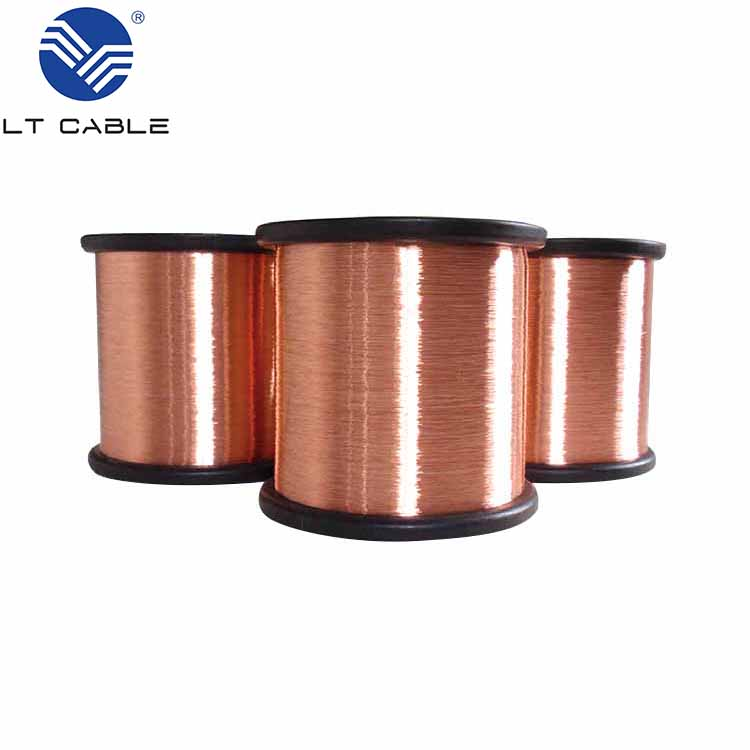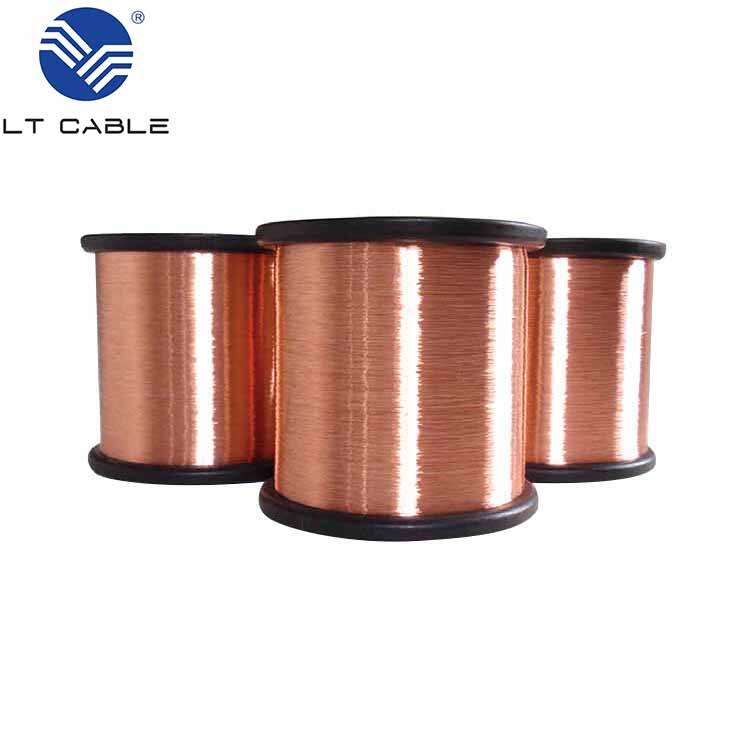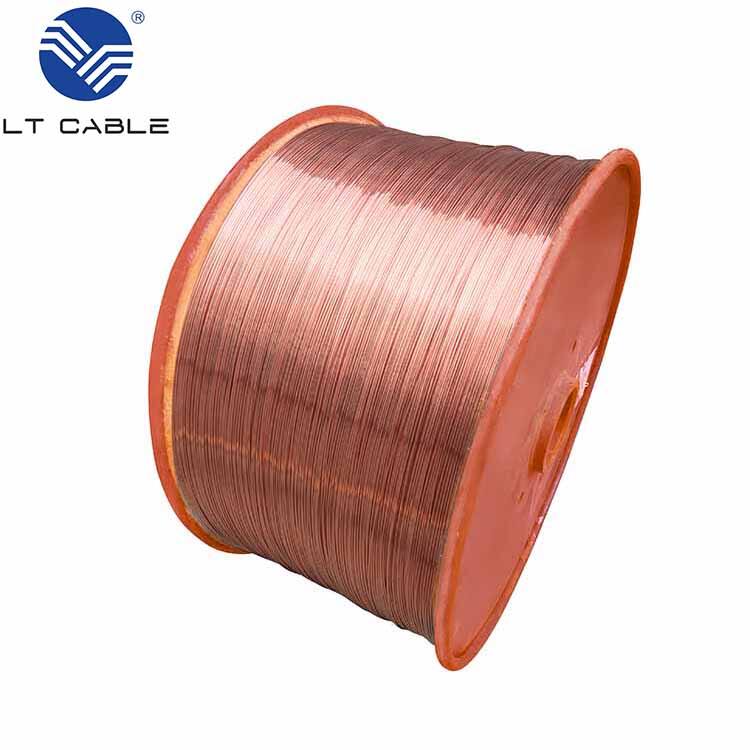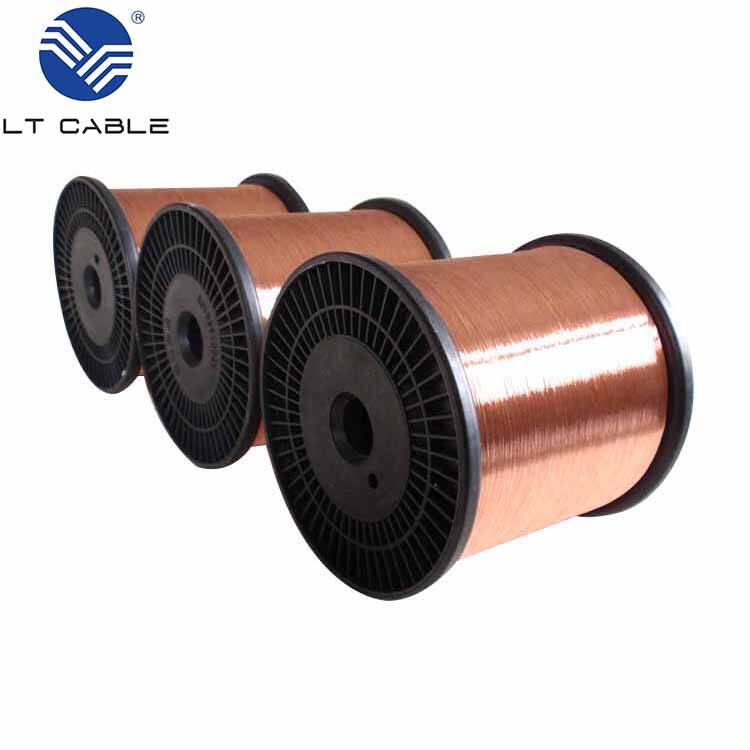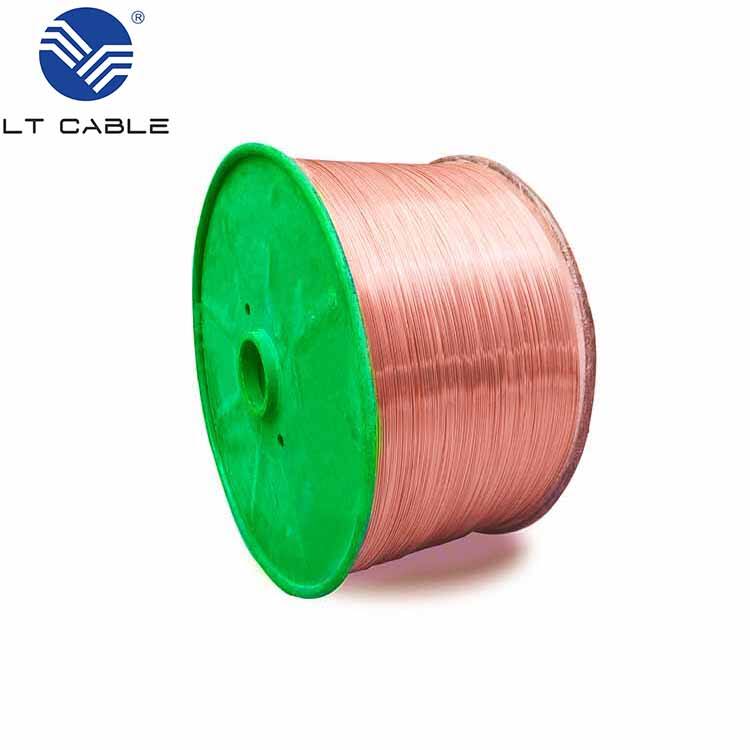
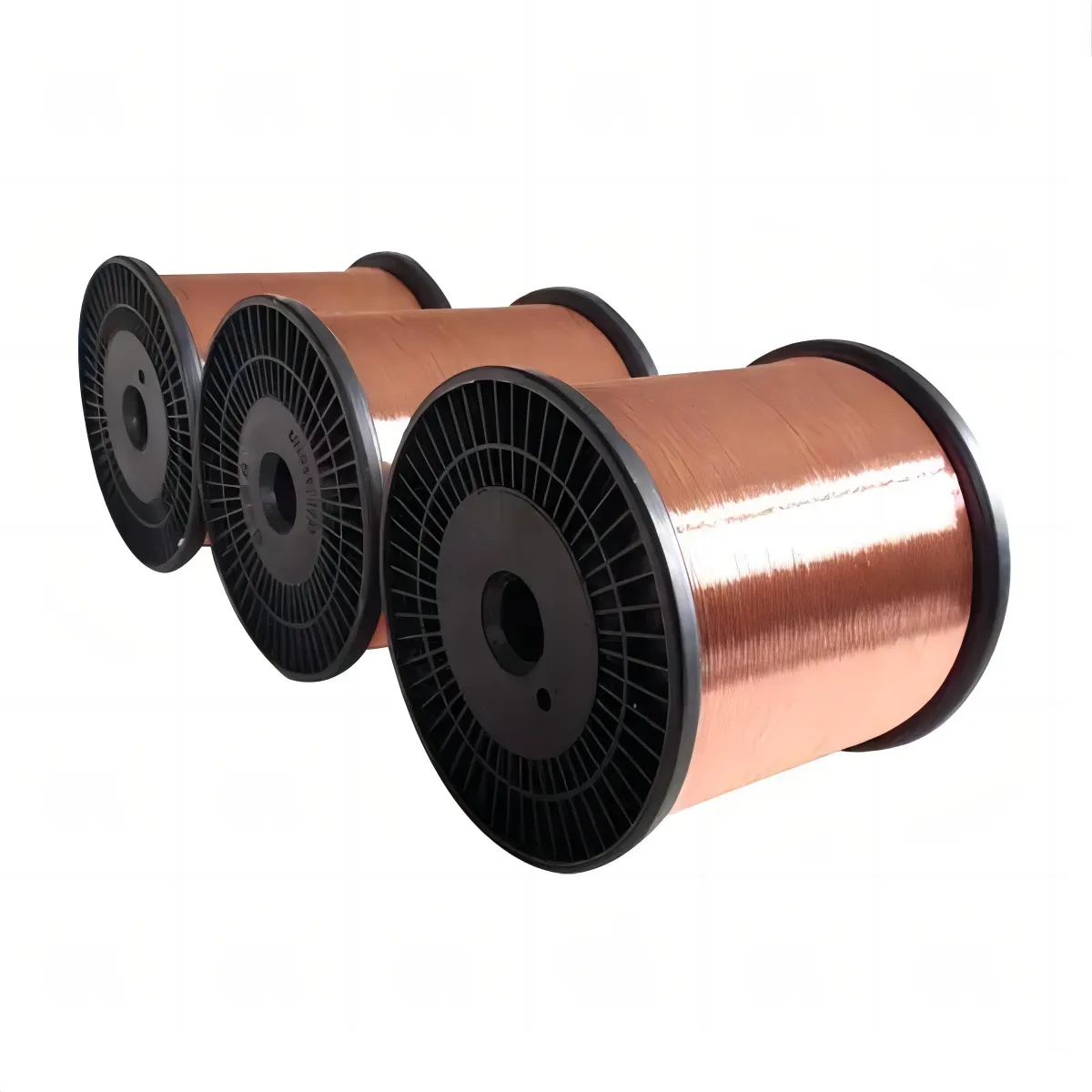
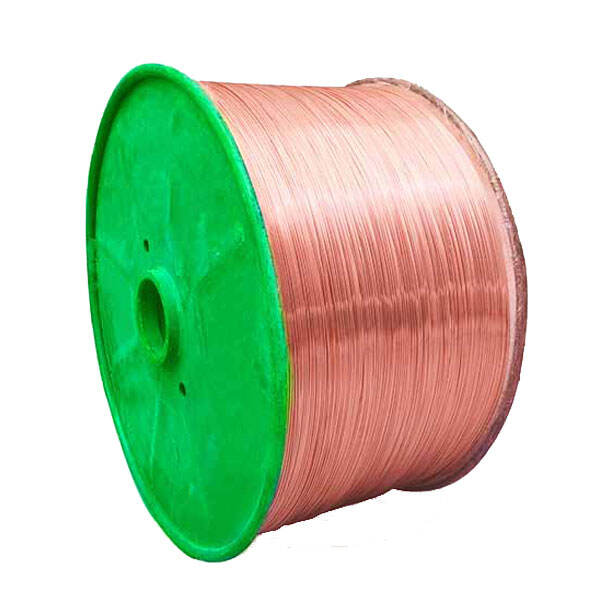
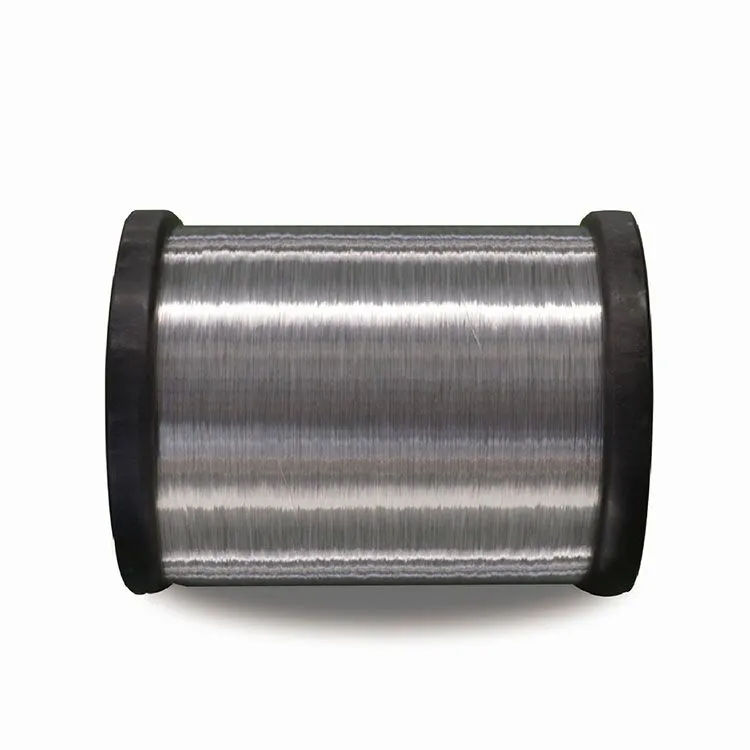
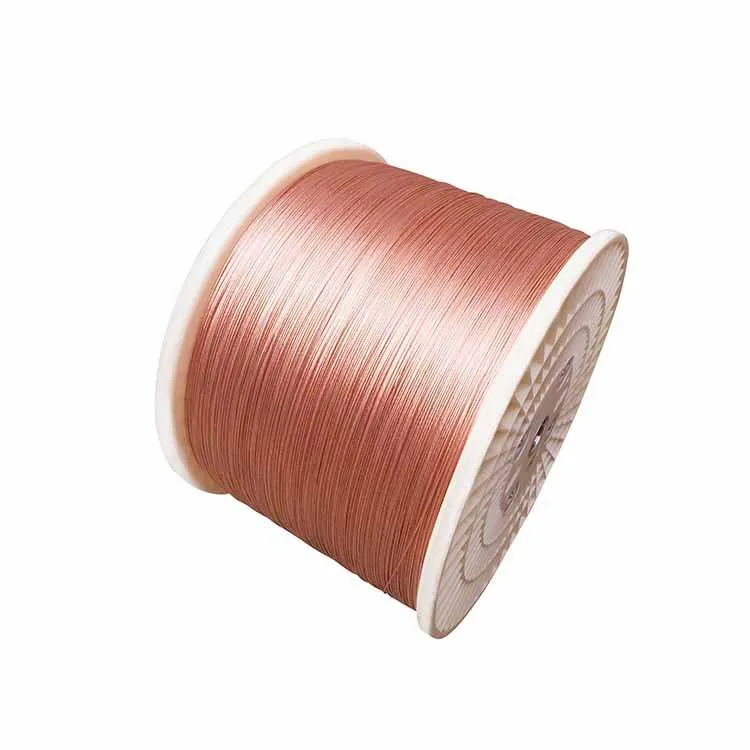
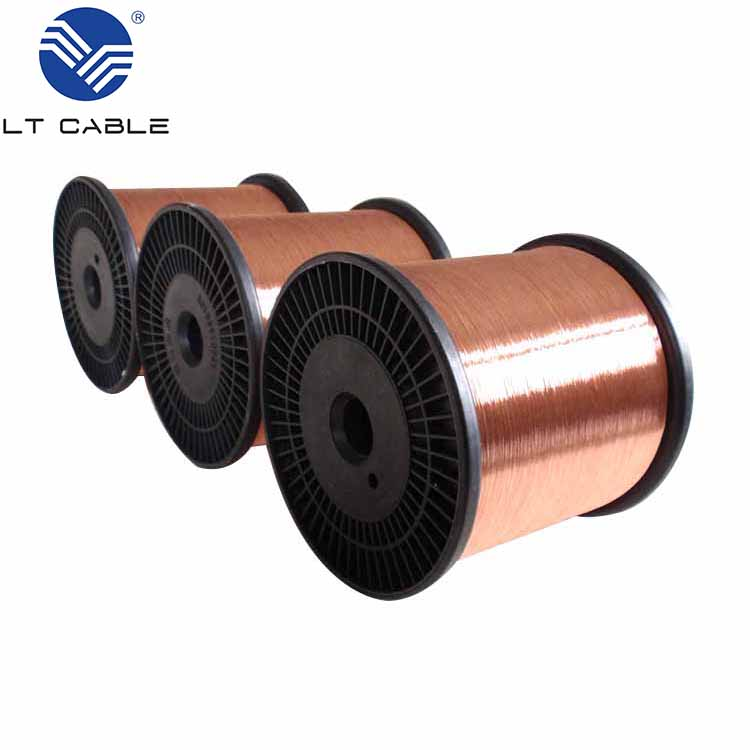
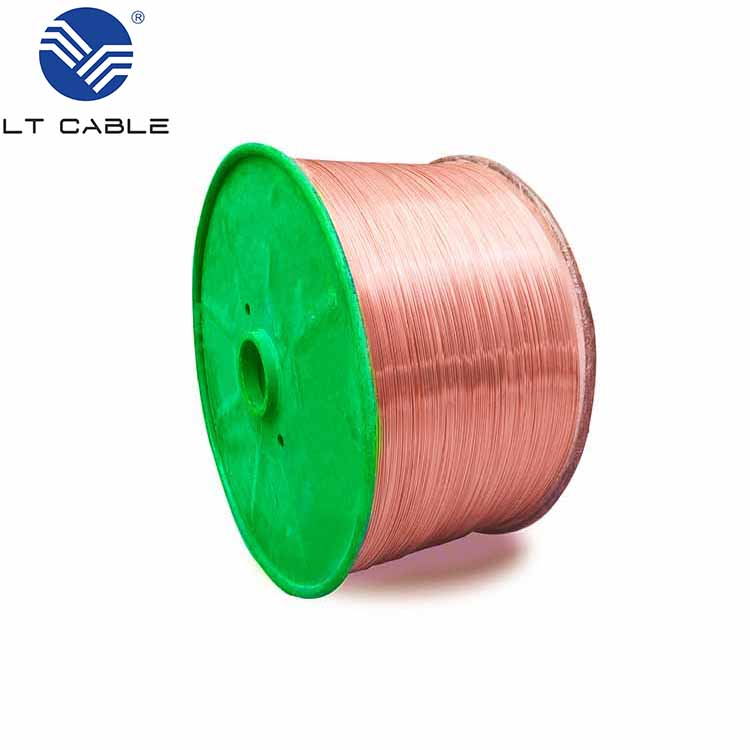
Copper Clad Wire: Superior Conductivity & Corrosion Resistance

Get a Free Quote

Our representative will contact you soon.
Name
Email
Mobile
Country/Region
Choose the product you want
Message
0/1000
The Superiority of Copper Clad Wire

The Superiority of Copper Clad Wire

Copper clad wire combines the excellent conductivity of copper with the durability of steel, making it an ideal choice for various applications. Our copper clad wire is manufactured using advanced technology that ensures consistent quality and performance. The unique bonding process creates a strong connection between the copper and steel, resulting in a product that is not only lightweight but also cost-effective. This wire is resistant to corrosion, enhancing its longevity and reliability in demanding environments. With our commitment to quality and customer satisfaction, we provide copper clad wire that meets international standards, ensuring that your projects are completed with the best materials available.
Get A Quote

Case Studies

Successful Application of Copper Clad Wire in Telecommunications

In a recent project with a leading telecommunications company, our copper clad wire was used for the installation of high-speed internet services. The client faced challenges with signal loss and durability in harsh weather conditions. By utilizing our copper clad wire, they experienced a significant reduction in signal attenuation, resulting in improved service quality. The wire’s resistance to environmental factors ensured long-lasting performance, which led to a 30% increase in customer satisfaction ratings. This case highlights our product's ability to enhance connectivity and reliability in critical applications.

Enhancing Electrical Systems with Copper Clad Wire

A prominent electrical contractor sought a solution to improve the efficiency of their wiring systems. They chose our copper clad wire for its superior conductivity and strength. The installation led to a 15% reduction in energy loss compared to traditional copper wiring. The contractor reported that not only did the copper clad wire enhance the overall performance of the electrical systems, but it also reduced installation costs due to its lightweight nature. This project exemplifies how our copper clad wire can provide both economic and functional benefits in electrical applications.

Copper Clad Wire in Automotive Industry

An automotive manufacturer aimed to improve the performance of their wiring harnesses. By integrating our copper clad wire, they achieved a significant weight reduction while maintaining electrical performance. The manufacturer noticed an increase in fuel efficiency due to the lighter wiring systems, which contributed to their sustainability goals. Furthermore, the enhanced durability of the copper clad wire reduced maintenance costs over time. This case illustrates the versatility and advantages of using copper clad wire in automotive applications, paving the way for innovative designs.

Related products

Copper Clad Wire is unique product that combines copper and steel bringing amazing benefits and performance to a verity of applications. Here at Litong Cable we manufacture copper clad wire using the most advanced and state of the art techniques available. Our production begins with the selection of high quality raw materials and proceeds to an intense wire drawing and copper wire bonding process. Each production step is completed with precision and monitoring to ensure constant quality. Steel copper bonding is achieved using one of the many advanced techniques we utilized. The end result is an extremely lightweight wire with advanced superior electrical conductivity. This is why our wire is best suited for use in telecommunications, electrical systems, and automotive applications. We are dedicated to creating value for our customers so we offer a wide spread of customized solutions made to fit the requirements of our customers and guarantee exceptional performance to our customers.

Frequently Asked Questions About Copper Clad Wire

What is copper clad wire and how is it different from regular copper wire?

Copper clad wire consists of a steel core coated with a layer of copper, combining the strength of steel with the conductivity of copper. This makes it lighter and more cost-effective than solid copper wire, while still providing excellent electrical performance.
Copper clad wire is widely used in telecommunications, electrical systems, automotive wiring, and various industrial applications due to its superior conductivity, strength, and resistance to corrosion.

Related article

CCA Wire Manufacturing Process: Cladding vs Plating

15

Jan

CCA Wire Manufacturing Process: Cladding vs Plating

Core Metallurgical Differences Between Cladding and Plating for CCA Wire

Bond Formation: Solid-State Diffusion (Cladding) vs Electrochemical Deposition (Plating)

The production of Copper-Clad Aluminum (CCA) wire involves two completely different approaches when it comes to combining metals. The first method is called cladding, which works through what’s known as solid state diffusion. Basically, manufacturers apply intense heat and pressure so that copper and aluminum atoms actually start mixing at the atomic level. What happens then is pretty remarkable - these materials form a strong, lasting bond where they become one at the microscopic level. There's literally no clear boundary between the copper and aluminum layers anymore. On the other side of things we have electroplating. This technique works differently because instead of mixing atoms together, it simply deposits copper ions onto aluminum surfaces using chemical reactions in water baths. The connection here isn't as deep or integrated though. It's more like sticking things together with glue rather than fusing them at the molecular level. Because of this difference in bonding, wires made through electroplating tend to separate more easily when subjected to physical stress or temperature changes over time. Manufacturers need to be aware of these differences when choosing their production methods for specific applications.

Interface Quality: Shear Strength, Continuity, and Cross-Sectional Homogeneity

Interfacial integrity directly governs CCA wire’s long-term reliability. Cladding yields shear strengths exceeding 70 MPa due to continuous metallurgical fusion—validated by standardized peel tests—and cross-sectional analysis shows homogeneous blending without voids or weak boundaries. Plated CCA, however, faces three persistent challenges:

  • Discontinuity risks, including dendritic growth and interfacial voids from non-uniform deposition;
  • Reduced adhesion, with industry studies reporting 15–22% lower shear strength than clad equivalents;
  • Delamination susceptibility, especially during bending or drawing, where poor copper penetration exposes the aluminum core.

Because plating lacks atomic diffusion, the interface becomes a preferential site for corrosion initiation—particularly in humid or saline environments—accelerating degradation where the copper layer is compromised.

Cladding Methods for CCA Wire: Process Control and Industrial Scalability

Hot Dip and Extrusion Cladding: Aluminum Substrate Preparation and Oxide Disruption

Getting good results from cladding starts with proper prep work on aluminum surfaces. Most shops use either grit blasting techniques or chemical etching processes to strip away that natural oxide layer and create just the right amount of surface roughness around 3.2 micrometers or less. This helps the materials bond better together over time. When we talk about hot dip cladding specifically, what happens is pretty straightforward but requires careful control. The aluminum parts get dipped into molten copper heated between roughly 1080 to 1100 degrees Celsius. At those temperatures, the copper actually starts working its way through any remaining oxide layers and begins diffusing into the base material. Another approach called extrusion cladding works differently by applying massive amounts of pressure somewhere between 700 and 900 megapascals. This forces the copper into those clean areas where there were no oxides left behind through what's known as shear deformation. Both these methods are great for mass production needs too. Continuous extrusion systems can run at speeds approaching 20 meters per minute, and quality checks using ultrasonic testing typically show interface continuity rates above 98% when running full scale commercial operations.

Sub-Arc Welding Cladding: Real-Time Monitoring for Porosity and Interfacial Delamination

In submerged arc welding (SAW) cladding processes, copper gets deposited beneath a protective layer of granular flux. This setup really cuts down on oxidation problems while giving much better control over the heat during the process. When it comes to quality checks, high speed X ray imaging at around 100 frames per second can spot those tiny pores smaller than 50 microns as they form. The system then automatically tweaks things like voltage settings, how fast the weld moves along, or even adjusts the flux feeding rate accordingly. Keeping track of temperature is also super important. The heat affected zones need to stay below about 200 degrees Celsius to stop aluminum from getting all messed up with unwanted recrystallization and grain growth that weakens the base material. After everything's done, peel tests regularly show adhesion strengths above 15 Newtons per millimeter, which meets or beats the standards set by MIL DTL 915. Modern integrated systems can handle between eight to twelve wire strands at once, and this has actually cut down on delamination issues by roughly 82% across various manufacturing facilities.

Electroplating Process for CCA Wire: Adhesion Reliability and Surface Sensitivity

Pre-Treatment Criticality: Zincate Immersion, Acid Activation, and Etch Uniformity on Aluminum

When it comes to getting good adhesion on electroplated CCA wires, surface prep matters more than almost anything else. Aluminum naturally forms this tough oxide layer that gets in the way of copper sticking properly. Most untreated surfaces just don't pass adhesion tests, with research from last year showing failure rates around 90%. The zincate immersion method works well because it lays down a thin, even layer of zinc that acts as a kind of bridge for copper to deposit onto. With standard materials like AA1100 alloy, using acid solutions with sulfuric and hydrofluoric acids creates those tiny pits across the surface. This raises surface energy somewhere between 40% to maybe 60%, which helps ensure the plating spreads out evenly instead of clumping together. When etching isn't done right, certain spots become weak points where the coating might come off after repeated heating cycles or when bent during manufacturing. Getting the timing right makes all the difference. About 60 seconds at room temperature with a pH level around 12.2 gives us zinc layers thinner than half a micrometer. If these conditions aren't met exactly, the bond strength drops dramatically, sometimes by as much as three quarters.

Copper Plating Optimization: Current Density, Bath Stability, and Adhesion Validation (Tape/Bend Tests)

The quality of copper deposits really hinges on keeping those electrochemical parameters under tight control. When it comes to current density, most shops aim for between 1 and 3 amps per square decimeter. This range gives a good balance between how fast the copper builds up and the resulting crystal structure. Go over 3 A/dm² though, and things get problematic fast. The copper grows too quickly in dendritic patterns that will crack right up when we start pulling wires later on. Maintaining bath stability means watching copper sulfate levels closely, typically keeping them somewhere between 180 and 220 grams per liter. Don't forget about those brightener additives either. If they run low, the risk of hydrogen embrittlement jumps by around 70%, which nobody wants to deal with. For adhesion testing, most facilities follow ASTM B571 standards, wrapping samples 180 degrees around a mandrel. They also do tape tests according to IPC-4101 specifications using about 15 newtons per centimeter pressure. The goal is no flaking after 20 tape pulls straight through. If something fails these tests, it's usually pointing to problems with bath contamination or poor pre-treatment processes rather than any fundamental issues with the materials themselves.

Performance Comparison of CCA Wire: Conductivity, Corrosion Resistance, and Drawability

Copper Clad Aluminum (CCA) wire comes with certain performance limitations when looking at three key factors. The conductivity typically sits between 60% to 85% of what pure copper offers according to IACS standards. This works okay for transmitting low power signals but falls short for high current applications where heat buildup becomes a real problem for both safety and efficiency. When it comes to resisting corrosion, the quality of the copper coating matters a lot. A solid, uninterrupted copper layer protects the aluminum underneath pretty well. But if there's any kind of damage to this layer - maybe from physical impacts, tiny pores in the material, or layers coming apart at the boundary - then the aluminum gets exposed and starts corroding much faster through chemical reactions. For outdoor installations, extra protective coatings made of polymers are almost always necessary, particularly in areas with regular moisture. Another important consideration is how easy the material can be shaped or drawn without breaking. Hot extrusion processes work better here since they maintain the bond between materials even after multiple shaping steps. Electroplated versions tend to have problems though because their connection isn't as strong, leading to separation issues during manufacturing. All told, CCA makes sense as a lighter weight, cheaper option compared to pure copper in situations where electrical requirements aren't too demanding. Still, it definitely has its limits and shouldn't be considered a one-size-fits-all replacement.
View More
CCAM Wire Conductivity & Strength: Performance Overview

08

Jan

CCAM Wire Conductivity & Strength: Performance Overview

Electrical Conductivity of CCAM Wire: Physics, Measurement, and Real-World Impact

How Aluminum Coating Affects Electron Flow vs. Pure Copper

CCAM wire combines the best of both worlds really – copper's excellent conductivity paired with aluminum's lighter weight benefits. When we look at pure copper, it hits that perfect 100% mark on the IACS scale, but aluminum only gets to about 61% because electrons just don't move as freely through it. What happens at the copper-aluminum boundary in CCAM wires? Well, those interfaces create scattering points which actually increase resistivity somewhere between 15 and 25 percent compared to regular copper wires of the same thickness. And this matters a lot for electric vehicles since higher resistance means more energy loss during power distribution. But here's why manufacturers still go for it: CCAM cuts down on weight by roughly two thirds compared to copper, all while maintaining around 85% of copper's conductivity levels. That makes these composite wires particularly useful for connecting batteries to inverters in EVs, where every gram saved contributes to longer driving ranges and better heat control throughout the system.

IACS Benchmarking and Why Lab Measurements Differ from In-System Performance

IACS values are derived under tightly controlled lab conditions—20°C, annealed reference samples, no mechanical stress—which rarely reflect real-world automotive operation. Three key factors drive performance divergence:

  • Temperature sensitivity: Conductivity declines ~0.3% per °C above 20°C, a critical factor during sustained high-current operation;
  • Interface degradation: Vibration-induced microcracks at the copper–aluminum boundary increase localized resistance;
  • Oxidation at terminations: Unprotected aluminum surfaces form insulating Alâ‚‚O₃, raising contact resistance over time.

Benchmark data shows CCAM averaging 85% IACS in standardized lab tests—but drops to 78–81% IACS after 1,000 thermal cycles in dynamometer-tested EV harnesses. This 4–7 percentage-point gap validates the industry practice of derating CCAM by 8–10% for high-current 48V applications, ensuring robust voltage regulation and thermal safety margins.

Mechanical Strength and Fatigue Resistance of CCAM Wire

Yield Strength Gains from Aluminum Cladding and Implications for Harness Durability

Aluminum cladding in CCAM boosts yield strength around 20 to 30 percent compared to pure copper, which makes a real difference in how well the material resists permanent deformation when installing harnesses, particularly in situations where space is limited or there's significant pulling force involved. The extra structural strength helps cut down on fatigue issues at connectors and areas prone to vibrations like suspension mounts and motor housing points. Engineers take advantage of this property to use smaller wire sizes while still maintaining adequate safety levels for important connections between batteries and traction motors. Ductility does drop a bit when exposed to extreme temperatures ranging from minus 40 degrees Celsius up to plus 125 degrees, but testing shows that CCAM performs well enough across standard automotive temperature ranges to meet the necessary ISO 6722-1 standards for both tensile strength and elongation properties.

Bend-Fatigue Performance in Dynamic Automotive Applications (ISO 6722-2 Validation)

In dynamic vehicle zones—including door hinges, seat tracks, and sunroof mechanisms—CCAM undergoes repeated flexing. Per ISO 6722-2 validation protocols, CCAM wire demonstrates:

  • Minimum 20,000 bend cycles at 90° angles without failure;
  • Retention of ≥95% initial conductivity post-testing;
  • Zero sheath fractures even at aggressive 4mm bend radii.

Though CCAM exhibits 15–20% lower fatigue resistance than pure copper beyond 50,000 cycles, field-proven mitigation strategies—such as optimized routing paths, integrated strain relief, and reinforced overmolding at pivot points—ensure long-term reliability. These measures eliminate connection failures across typical vehicle service life expectations (15 years/300,000 km).

Thermal Stability and Oxidation Challenges in CCAM Wire

Aluminum Oxide Formation and Its Effect on Long-Term Contact Resistance

The fast oxidation of aluminum surfaces creates a big problem for CCAM systems over time. When exposed to regular air, aluminum forms a nonconducting layer of Al2O3 at around 2 nanometers per hour. If nothing stops this process, the oxide buildup increases terminal resistance by as much as 30% within just five years. This leads to voltage drops across connections and creates heat problems that engineers really worry about. Looking at old connectors through thermal cameras shows some pretty hot areas, sometimes above 90 degrees Celsius, exactly where the protective plating has started to fail. Copper coatings do help slow down oxidation somewhat, but tiny scratches from crimping operations, repeated bending, or constant vibrations can punch through this protection and let oxygen reach the aluminum underneath. Smart manufacturers combat this resistance growth by putting nickel diffusion barriers under their usual tin or silver coatings and adding antioxidant gels on top. This double protection keeps contact resistance under 20 milliohms even after 1,500 thermal cycles. Real world testing shows less than 5% loss in conductivity throughout an entire vehicle's service life, which makes these solutions worth implementing despite the extra costs involved.

System-Level Performance Trade-Offs of CCAM Wire in EV and 48V Architectures

Moving to higher voltage systems, especially those running on 48 volts, changes how we think about wiring designs completely. These setups cut down on current needed for the same amount of power (remember P equals V times I from basic physics). This means wires can be thinner, which saves a lot of copper weight compared to old 12 volt systems maybe around 60 percent less depending on specifics. CCAM takes things even further with its special aluminum coating that adds more weight savings without losing much conductivity. Works great for stuff like ADAS sensors, air conditioning compressors, and those 48 volt hybrid inverters that don't need super high conductivity anyway. At higher voltages, the fact that aluminum conducts electricity worse isn't such a big deal because power loss happens based on current squared times resistance rather than voltage squared over resistance. Still worth noting though that engineers need to watch out for heat buildup during fast charging sessions and make sure components aren't overloaded when cables are bundled together or sitting in areas with bad airflow. Combine proper termination techniques with standards compliant fatigue testing and what do we get? Better energy efficiency and more room inside vehicles for other components all while keeping safety intact and making sure everything lasts through regular maintenance cycles.

View More
Struggling with cable management? A specific product can be your savior. Here's how.

14

Jul

Struggling with cable management? A specific product can be your savior. Here's how.

The Critical Role of Cable Management in Modern Workspaces

Safety Hazards: Reducing Trips and Electrical Risks

When cables aren't managed properly around offices and factories, it creates real safety problems on the job site. We've all seen those messy cords strewn across floors near desks or equipment areas, waiting to trip someone up and possibly cause injury. The National Safety Council actually reports that tripping over cables accounts for quite a few workplace accidents each year, which makes good cable organization essential for any business concerned about employee well being. There's another angle too: when cables get damaged from being dragged around or not routed correctly, they can malfunction electrically and in worst case scenarios might even start fires. Groups such as OSHA definitely stress how important it is to keep cables neatly arranged and make sure nothing gets overloaded, because preventing these issues isn't just about compliance but also about protecting people who work there day after day.

Productivity Impacts of Cable Clutter

All those tangled cables around the office really do hurt productivity, pulling workers away from what they need to be doing. Research points out that when desks and work areas get too messy, people just don't work as well or feel good about their jobs because their minds keep drifting off track. Take a look at companies that clean up their spaces - some reports suggest staff there actually get things done 20% faster according to various productivity consultants. Getting control of all those cords isn't just about looks either. When everything's neat and tidy under desks or behind monitors, folks stay focused longer without constantly tripping over wires or hunting for the right plug. It makes such a difference when someone doesn't have to pause every five minutes to untangle something before continuing with their actual work.

Aesthetic Value and Professional Appearance

When cables are properly managed, workspaces look better and come across as more professional overall. Companies spending time to organize all those wires tend to project a tidier image that really matters when clients walk through the door. Take RGB Networks for instance they completely changed how their office looked after getting serious about cable organization, which boosted their reputation in the industry too. These days, most design trends push for clean spaces without unnecessary visual distractions, making good cable management even more important than before. Beyond just looking nice, having everything organized shows attention to detail that customers notice and appreciate, especially during meetings or presentations where first impressions count.

Essential Cable Management Solutions for Every Setup

Cable Trays and Raceways for Structured Routing

Cable trays and raceways make managing power and data cables much easier by keeping things organized and reducing all that messy congestion. When installed properly, these systems let cables run neatly through spaces while cutting down on dangerous tangles and knots. Most people find them pretty simple to install too, which means getting to cables for repairs or upgrades doesn't take forever. Plus, they follow standard safety regulations so there's no guesswork involved. Offices, server rooms, and educational institutions especially benefit from these systems since they often deal with hundreds of cables at once. Beyond just looking better, proper cable management actually creates safer working conditions and gives any space a far more professional appearance overall.

Reusable Clips and Velcro Ties for Flexible Organization

Clips that can be reused and those sticky Velcro straps make life so much easier when dealing with all those wires in places where things keep changing around. Most people find these pretty straightforward to handle since they just snap on and off as needed for different arrangements. The price point is another big plus, which means offices don't have to spend a fortune while individuals can still get decent options without breaking the bank. Since there's no need for drilling holes or installing anything permanently, rearranging everything becomes quick work whenever new gear gets added or old stuff gets moved out. Anyone who has ever struggled with tangled cords knows what a difference these little gadgets can make in keeping work areas looking neat instead of resembling an electronics graveyard.

Sleeves and Concealment Boxes for Visual Cleanliness

Cable sleeves and those little box things really make workspaces look cleaner than they otherwise would. Most stores carry them in all sorts of colors and materials these days, from plastic to fabric covers that actually match office decor sometimes. When we bundle wires together and tuck away those ugly power strips, the whole room just feels less chaotic. Cleaner spaces tend to impress visitors when they walk in, plus nobody wants to trip over loose cords anyway. A few bucks spent on cable management goes a long way toward making an office feel organized and put together.

Understanding Wire Types: Stranded vs Solid for Different Applications

Knowing the difference between stranded and solid wire makes all the difference when picking out the right kind for different jobs. Stranded wire basically consists of several thin wires twisted together, which gives it more flexibility. That's why it works so well for things that move around or need to bend often, like cables in machinery or appliances. Solid wire on the other hand has just one thick strand running through it, making it much stronger but less flexible. These types are better for permanent setups where movement isn't required. Getting this wrong can cause problems down the road, from broken connections to wasted energy. Take cars for example they rely heavily on stranded wire throughout their electrical systems. Meanwhile most building wiring uses solid conductors because they stay put once installed. The bottom line is matching wire type to application keeps everything working smoothly across countless environments.

Implementing Effective Cable Routing Strategies

Planning Optimal Cable Pathways

Good cable routing starts with careful planning of where cables should go to get the best performance without causing interference problems. First things first, someone needs to look at how the space is laid out, figure out where all the cables are coming from and going to, then map out paths that keep everything organized. Safety groups like the National Electrical Code have rules about how to install and route cables properly. Following these guidelines helps put cables in places that reduce dangers and makes them easier to reach when something needs fixing or upgrading down the road. The right placement saves headaches later on when technicians need access to those wires.

Segregation Techniques for Power and Data Cables

Keeping power cables separate from data cables matters a lot for avoiding electromagnetic interference problems that can mess with system performance. Electrical codes actually specify certain minimum distances between these different types of wiring to cut down on unwanted cross talk between them. The separation becomes really important in places like data centers or big office buildings where so many cables are crammed together in tight spaces. When wires get too close, signals start interfering with each other and network speeds drop off noticeably. We've seen this happen plenty of times during installations where someone didn't follow proper cable management practices from the beginning.

Future-Proofing with Modular Systems

Workspaces can stay ahead of the curve when equipped with modular cable management solutions designed for changing tech demands. The real advantage comes from how these systems let businesses adjust their setup quickly without tearing out cables or rewiring everything from scratch. Take Google's offices as an example they've been using this approach for years now. Tech companies and internet service providers especially benefit since their needs shift constantly as new equipment gets rolled out. What matters most is avoiding those costly shutdowns during upgrades while keeping operations running smoothly day after day. And over time, this kind of forward thinking pays off big time both in terms of money saved on maintenance and staying competitive in fast moving markets.

Copper Clad Aluminum vs Traditional Copper Solutions

Copper clad aluminum (CCA) wire serves as an affordable option compared to standard copper when managing cables, especially where certain performance needs matter most. Regular copper still beats out CCA in terms of conducting electricity and lasting longer overall. But there are plenty of situations where CCA works just fine, cutting down on what something costs while still getting the job done properly. The right choice between these materials really depends on what exactly needs to be accomplished. For instance, CCA tends to shine in applications that need something lightweight and bendable rather than super strong conductors. Many electricians find it particularly useful for running wires through tight spaces or when budget constraints are tight but basic connectivity remains essential.

Copper Wiring

Understanding the nuances of these wire types ensures effective utilization in suitable circumstances, augmenting overall workspace efficiency and wire management success.

Home Office Cable Management Challenges and Solutions

Space-Saving Techniques for Compact Setups

When dealing with cables in small home office spaces, getting creative with storage is essential if we want things to stay organized but still work properly. Start off by putting those cable trays and raceways under the desk area so all those wires don't just hang around everywhere creating mess. Management boxes come in handy too since they let us hide those bulky power strips yet still reach them when needed. Looking at furniture options makes sense as well. Desks that already have those built in channels or cabinets for wires save tons of room. And dont forget about those little helpers like cable clips and sleeves which really make a difference in grouping everything together neatly. A tidy setup means better workflow and less frustration trying to find what connector goes where.

Under-Desk Management for Standing Workstations

Getting those cables organized underneath a standing desk takes some thinking ahead if we want to avoid messy knots and keep things stable. Most folks find that mounting cable trays or mesh baskets below their desks works pretty well since the cables stay put when adjusting desk heights. For smaller bundles, adhesive clips stick just about anywhere, while Velcro straps are great for grouping together several wires at once. When shopping around, look for specialized under-desk solutions made specifically for adjustable workstations. These products usually offer better flexibility as the desk moves up and down throughout the day, though sometimes they need a little tweaking to fit exactly right.

Concealing Adapters and Power Strips

Hiding those power strips and adapters makes a big difference in how nice a workspace looks while keeping things safe too. Cable management boxes work great for tucking away power strips so they don't take up space on desks. Just stick them somewhere out of sight with clips or adhesive mounts so nobody bumps into them and knocks everything over. Run cables through plastic channels or metal conduits that match whatever surface they're going across. Some folks swear by color coded Velcro straps or labeled tags to know which cord goes where when reaching for their phone charger or laptop adapter. Makes life easier in the long run. And remember to check those cords every now and then for fraying or damage. A small tear can lead to bigger problems down the road if ignored.

Safety and Maintenance Protocols for Long-Term Efficiency

Preventing Overheating in Enameled Wiring

Keeping enameled wiring from getting too hot matters a lot for electrical safety and preventing dangerous situations. These wires get their name because they're coated with enamel that acts as insulation, which works great when handled properly. But if things go wrong, the wires can overheat and potentially start electrical fires. Checking these wires on a regular basis makes sense since they show signs of wear or damage over time. A good rule of thumb? Don't overload circuits because too much current flowing through them raises temperature fast. Also worth mentioning is making sure there's enough space around the wires so heat can escape naturally. Looking at what actually happens in practice shows most electrical fires come down to overheating issues, which just goes to show why taking care of this stuff before problems happen really pays off in the long run.

Routine Inspection Best Practices

Checking cable management systems regularly isn't just good practice—it's absolutely necessary if we want to keep things safe and running smoothly long term. When someone takes a look at those cables now and then, they might spot small problems early on, like wires that are starting to fray or connections that have come loose somehow. Most experts suggest doing quick monthly looks around plus getting professionals in twice a year for proper assessments. What should these inspections focus on? Look out for any kind of wear and tear, rust spots, or actual physical damage to the cables themselves. Setting up a proper schedule for these checks makes all the difference in keeping cables in good shape. Not only does this cut down on potential hazards, but it also means the whole system lasts much longer without constant replacements.

Handling Wear in Stranded vs Solid Cables

When dealing with wear on different cable types, it really helps to know what makes stranded and solid cables tick. Stranded wires are super flexible which means they don't snap easily under stress, though they do have their weaknesses like getting untwisted or frayed over time. Solid cables tell a different story altogether. They're tougher on breaks but just can't handle as much current flow compared to their stranded counterparts. For checking how worn out cables get, look closely at any signs of damage to the outer layer or weird bends in the structure. Early detection matters a lot when deciding whether to replace something. Going with quality cables upfront saves headaches down the road. Fixing problems usually involves either splicing together broken sections or redoing the ends properly so connections stay strong and last longer. Keep an eye on things regularly too because catching small issues before they become big ones keeps everything running smoothly without unexpected downtime.

Future Trends in Cable Management Technology

IoT-Enabled Smart Cable Systems

Smart cables connected to the Internet of Things are changing how people handle their electrical systems in real ways. Compared to old school methods, these new tech solutions bring better monitoring options and let companies catch problems before they happen through predictive maintenance. Take for example when these systems constantly watch how cables perform day to day. They spot issues early on which makes everything safer and runs smoother in the long run. As more businesses adopt this technology, we're seeing changes everywhere from manufacturing floors to residential buildings where homeowners want smarter control over their power usage. What stands out most is that these improvements don't just save money; they actually push forward what's possible in different sectors of industry right now.

Eco-Friendly Materials for Sustainable Solutions

Cable management companies are seeing a big move toward greener materials these days because people care more about what happens to the environment after they throw things away. We're talking about stuff like cables made from plant-based plastics or old plastic bottles turned into new products through recycling processes. What's pushing this change? Simple really most customers now want their office supplies to match their values when it comes to sustainability. The good news is that switching to these environmentally friendly alternatives actually cuts down on landfill waste while saving energy during production too. Looking at recent market research, sales of sustainable cable products have jumped by around 35% last year alone, showing this isn't just a passing fad but something here to stay for manufacturers who want to keep up with changing customer expectations.

Innovations in CCA Wire Implementation

Copper clad aluminum wire, or CCA for short, has been getting some pretty interesting upgrades lately that are expanding where we can actually use it. The main improvements revolve around better conductivity and how well it stands up against rust and wear, which makes this stuff a real budget friendly option compared to regular copper wiring. What's really cool is that these upgrades don't sacrifice quality at all, so engineers can spec it out for demanding jobs without worrying about reliability issues. From a financial standpoint, switching to CCA saves money because aluminum is cheaper than copper, plus the whole thing weighs less. This matters a lot in sectors like telecommunications and automotive manufacturing where both wallet impact and performance count heavily in decision making processes.

Modular Track Systems for Industrial Applications

Modular track systems have become quite popular across various industrial settings because they offer both flexibility and scalability. What makes these systems stand out is how straightforward it becomes to make changes or expand them when needed something that matters a lot for businesses dealing with fast paced growth and shifting demands. When companies implement modular tracks, they typically see better organization throughout their facilities, find maintenance tasks much simpler, and save money since installation takes less time overall. Looking ahead, most experts believe manufacturers will keep working on making these modular solutions even more scalable so they can handle increasingly complicated situations in different types of factories and warehouses. This ongoing development helps ensure industries stay efficient while adapting quickly to whatever challenges come next.

View More
CCA Wire vs Copper Wire: Key Differences, Cost, and Applications

25

Dec

CCA Wire vs Copper Wire: Key Differences, Cost, and Applications

Electrical Performance: Why CCA Wire Falls Short in Conductivity and Signal Integrity

example

DC Resistance and Voltage Drop: Real-World Impact on Power over Ethernet (PoE)

CCA wire actually has about 55 to 60 percent more DC resistance compared to pure copper because aluminum just doesn't conduct electricity as well. What does this mean? Well, there's going to be way too much voltage loss, which becomes a big problem especially with Power over Ethernet systems. When we talk about regular 100 meter cable runs, the voltage drops so low that things like IP cameras and wireless access points stop working properly. Sometimes they'll flicker on and off randomly, other times they just shut down completely. Tests done by third parties show that CCA cables keep failing the TIA-568 standards for DC loop resistance requirements, going well over the 25 ohm limit per pair. And then there's the heat issue too. All that extra resistance creates heat that wears out the insulation faster, making these cables unreliable over time in any setup where PoE is actively being used.

AC Behavior at High Frequencies: Skin Effect and Insertion Loss in Cat5e–Cat6 Installations

The idea that skin effect somehow cancels out CCA's material weaknesses doesn't hold up when looking at actual performance at high frequencies. When we get past 100 MHz, which is pretty standard for most Cat5e and Cat6 installations these days, CCA cables typically lose between 30 and 40 percent more signal strength compared to regular copper cables. The problem gets worse because aluminum has naturally higher resistance, which makes those skin effect losses even more pronounced. This leads to poor signal quality and more errors in data transmission. Tests on channel performance show that usable bandwidth can drop by as much as half in some cases. The TIA-568.2-D standard actually requires all conductors to be made from the same metal throughout the cable. This ensures stable electrical characteristics across the entire frequency range. But CCA just doesn't cut it here since there are these discontinuities where the core meets the cladding, plus aluminum itself attenuates signals differently than copper does.

Safety and Compliance: NEC Violations, Fire Risks, and the Legal Status of CCA Wire

Lower Melting Point and PoE Overheating: Documented Failure Modes and NEC Article 334.80 Restrictions

The fact that aluminum melts at around 660 degrees Celsius, which is about 40 percent cooler than copper's melting point of 1085 degrees, creates real thermal risks for Power over Ethernet applications. When carrying the same electrical load, copper clad aluminum conductors run approximately 15 degrees warmer than pure copper wires. Industry professionals have reported instances where insulation actually melts and cables start to smoke in PoE++ systems that deliver over 60 watts. This situation goes against what's specified in NEC Article 334.80. That particular code section demands that any wiring placed inside walls or ceilings must stay within safe temperature limits when continuously powered. Plenum rated areas specifically cannot contain materials that might experience thermal runaway, and many fire officials now flag CCA installations as not meeting these standards during routine building inspections.

TIA-568.2-D and UL Listing Requirements: Why CCA Wire Fails Certification for Structured Cabling

The TIA-568.2-D standard mandates solid copper conductors for all certified twisted pair structured cabling installations. The reason? Performance issues aside, there are serious safety concerns and lifespan problems with CCA that just don't cut it. Independent testing shows CCA cables fail the UL 444 standards when put through vertical tray flame tests and struggle with conductor elongation measurements too. These aren't just numbers on paper either they directly impact how well the cables hold up mechanically over time and their ability to contain fires if something goes wrong. Since getting a UL listing depends entirely on having uniform copper construction that meets specific resistance and strength criteria, CCA gets automatically ruled out of consideration. Anyone who specifies CCA for commercial work runs into major headaches down the road. Permits might get denied, insurance claims could be voided, and expensive rewiring becomes necessary especially in data centers where local authorities regularly check cable certifications during their infrastructure inspections.

Key violation sources: NEC Article 334.80 (temperature safety), TIA-568.2-D (material requirements), UL Standard 444 (communication cable safety)

Total Cost of Ownership: Hidden Risks Behind CCA Wire’s Lower Upfront Price

While CCA wire carries a lower initial purchase price, its true cost emerges only over time. A rigorous Total Cost of Ownership (TCO) analysis exposes four major hidden liabilities:

  • Premature Replacement Costs: Higher failure rates drive recabling cycles every 5–7 years–doubling labor and material expenses versus copper’s typical 15+ year service life
  • Downtime Expenses: Network outages from CCA-related connection failures cost businesses an average of $5,600 per hour in lost productivity and remediation
  • Compliance Penalties: Non-compliant installations trigger warranty voids, regulatory fines, and full-system rework–often exceeding original installation costs
  • Energy Inefficiency: Up to 25% higher resistance increases PoE heat generation, raising cooling demands and energy use in climate-controlled environments

When these factors are modeled across a 10-year horizon, pure copper consistently delivers 15–20% lower lifetime costs–even with its higher upfront investment–especially in mission-critical infrastructure where uptime, safety, and scalability are non-negotiable.

Where CCA Wire Is (and Isn’t) Acceptable: Valid Use Cases vs Prohibited Deployments

Permitted Low-Risk Applications: Short Non-PoE Runs and Temporary Installations

CCA wire can work for some situations where risk is low and duration is short. Think things like old school analog CCTV runs that don't go much beyond 50 meters or wiring for temporary events. These applications generally don't need strong power delivery, high quality signals, or meet all those permanent installation requirements. But there are limits. Don't try running CCA through walls, into plenum areas, or anywhere it might get too hot (over 30 degrees Celsius) according to NEC rules in section 334.80. And here's another thing nobody likes to mention but matters a lot: signal quality starts dropping off way before reaching that magical 50 meter threshold. At the end of the day though, what really counts is what the local building inspector says goes.

Strictly Prohibited Scenarios: Data Centers, Voice-Grade Cabling, and Commercial Building Backbones

The use of CCA wiring remains strictly off limits across critical infrastructure applications. According to TIA-568.2-D standards, commercial buildings simply cannot use this type of cabling for backbone connections or horizontal runs because of serious issues including unacceptable latency problems, frequent packet losses, and unstable impedance characteristics. The fire hazards are particularly concerning for data center environments where thermal imaging reveals dangerous hot spots reaching over 90 degrees Celsius when subjected to PoE++ loads, which clearly exceeds what's considered safe operation. For voice communication systems, another major problem develops over time as the aluminum component tends to corrode at connection points, gradually degrading signal quality and making conversations harder to understand. Both NFPA 70 (National Electrical Code) and NFPA 90A regulations explicitly forbid installation of CCA cables in any permanent structured cabling setup, labeling them as potential fire risks that pose threats to life safety in buildings where people actually work and live.

View More

Client Testimonials on Copper Clad Wire

John Smith
Exceptional Performance and Reliability

Using Litong's copper clad wire has transformed our electrical systems. The performance is outstanding, and we have seen a significant reduction in energy loss. Highly recommend!

Sarah Johnson
A Game Changer for Our Telecommunications Projects

The copper clad wire we sourced from Litong has exceeded our expectations. It's lightweight and durable, making installations much easier. Our clients are happier than ever!

Get a Free Quote

Our representative will contact you soon.
Email
Name
Company Name
Message
0/1000
Superior Conductivity and Strength

Superior Conductivity and Strength

Our copper clad wire provides exceptional conductivity due to its copper layer while maintaining the tensile strength of steel. This unique combination makes it ideal for demanding applications where performance and durability are crucial. The lightweight nature of the wire also allows for easier handling and installation, reducing labor costs and time on site. Our clients have reported significant improvements in system efficiency and reliability after switching to our copper clad wire, demonstrating its value in various industries.
Corrosion Resistance for Longevity

Corrosion Resistance for Longevity

One of the standout features of our copper clad wire is its resistance to corrosion. The copper coating protects the steel core from environmental factors that typically lead to degradation over time. This ensures that our wire maintains its performance and integrity even in harsh conditions, making it a preferred choice for outdoor and industrial applications. Clients have noted that the longevity of our copper clad wire has led to reduced maintenance costs and fewer replacements, providing long-term savings and peace of mind.
  • Product Consultation & Selection

    Product Consultation & Selection

    Tailored advice, perfect fit solutions.

  • Production & Supply Chain

    Production & Supply Chain

    Efficient manufacturing, seamless supply.

  • Quality Assurance & Certification

    Quality Assurance & Certification

    Rigorous testing, global certifications.

  • Post-Sales Support & Tech Help

    Post-Sales Support & Tech Help

    Prompt assistance, ongoing support.

Get a Free Quote

Our representative will contact you soon.
Name
Email
Mobile
Country/Region
Title
Message
0/1000