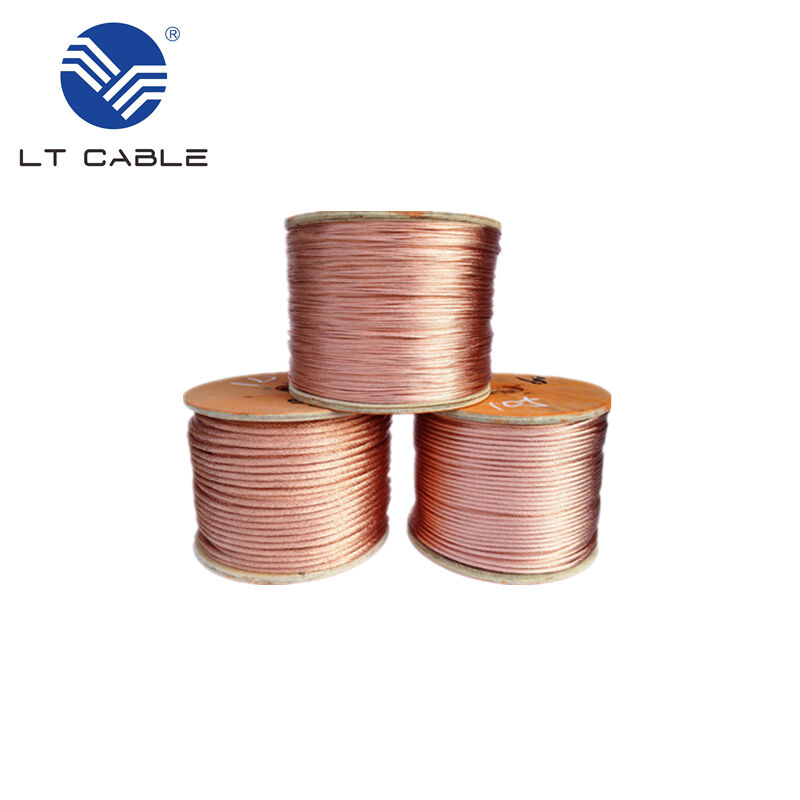
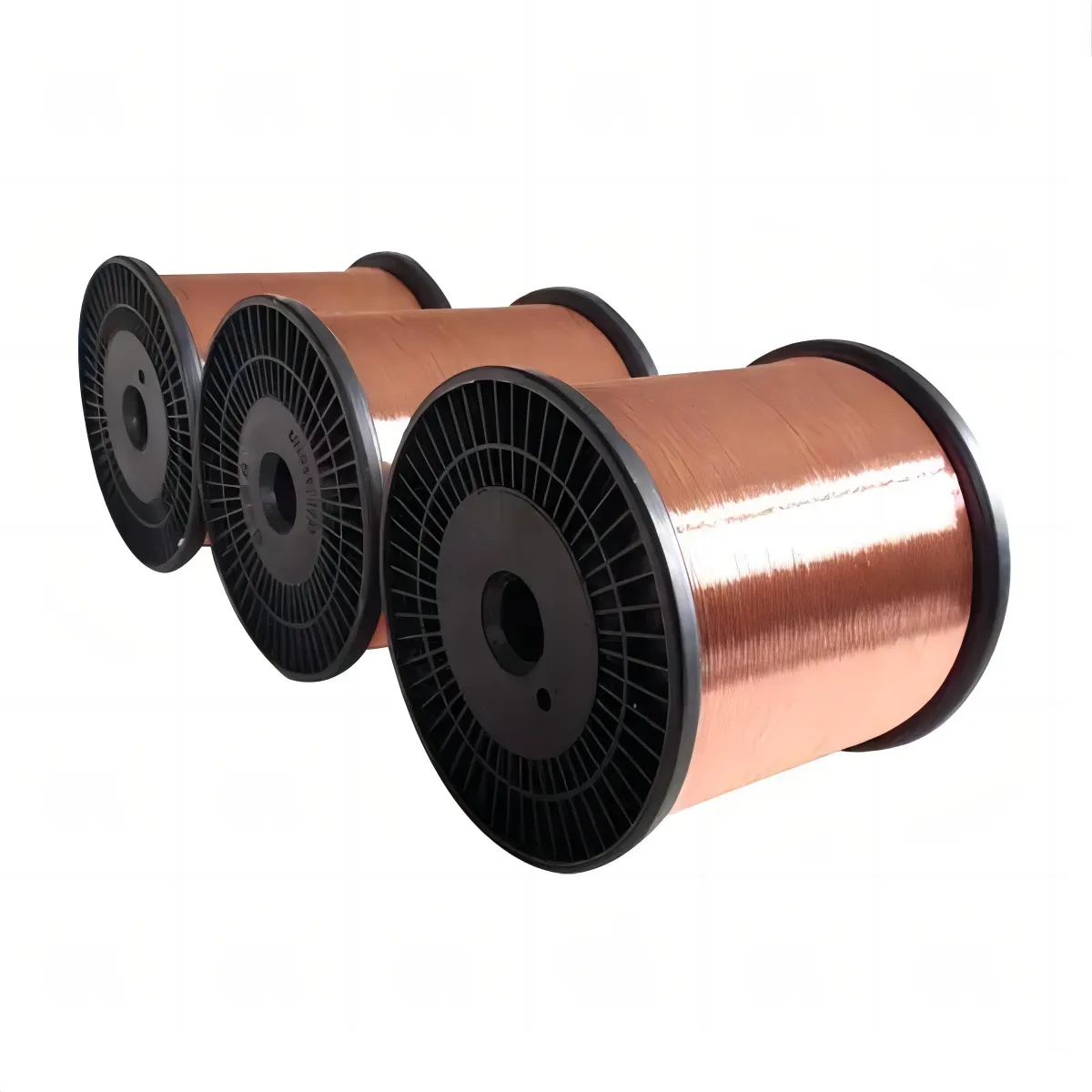
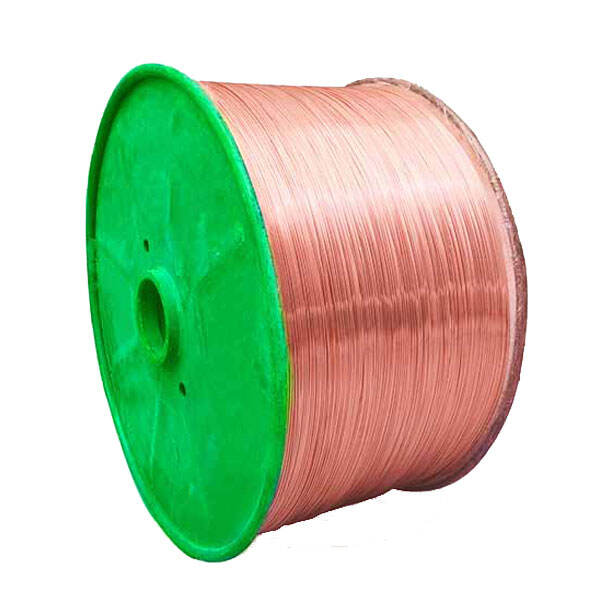
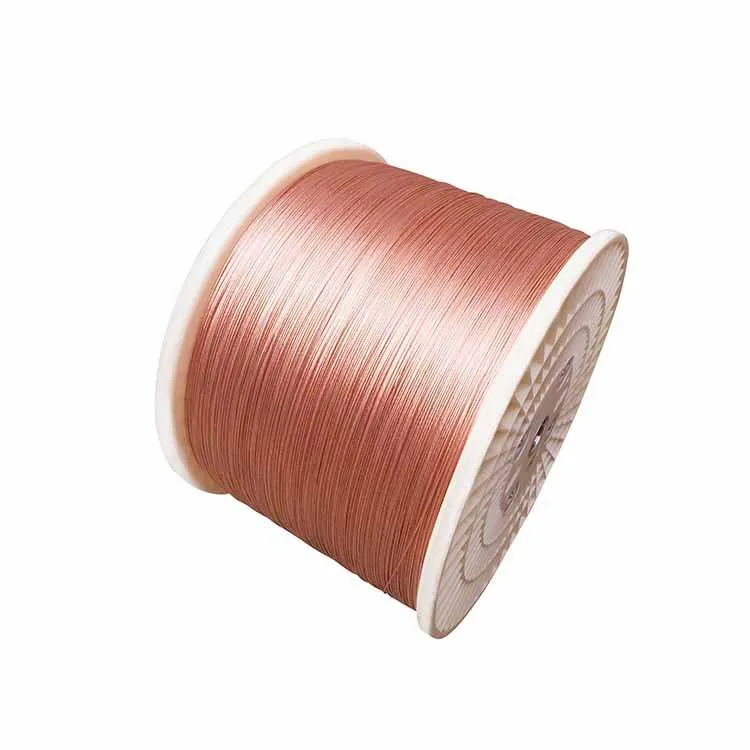
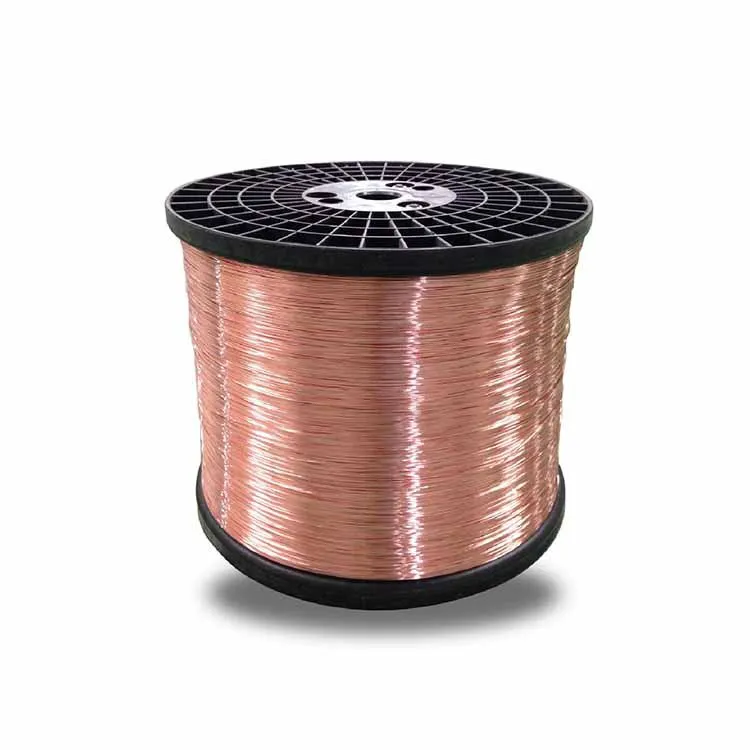
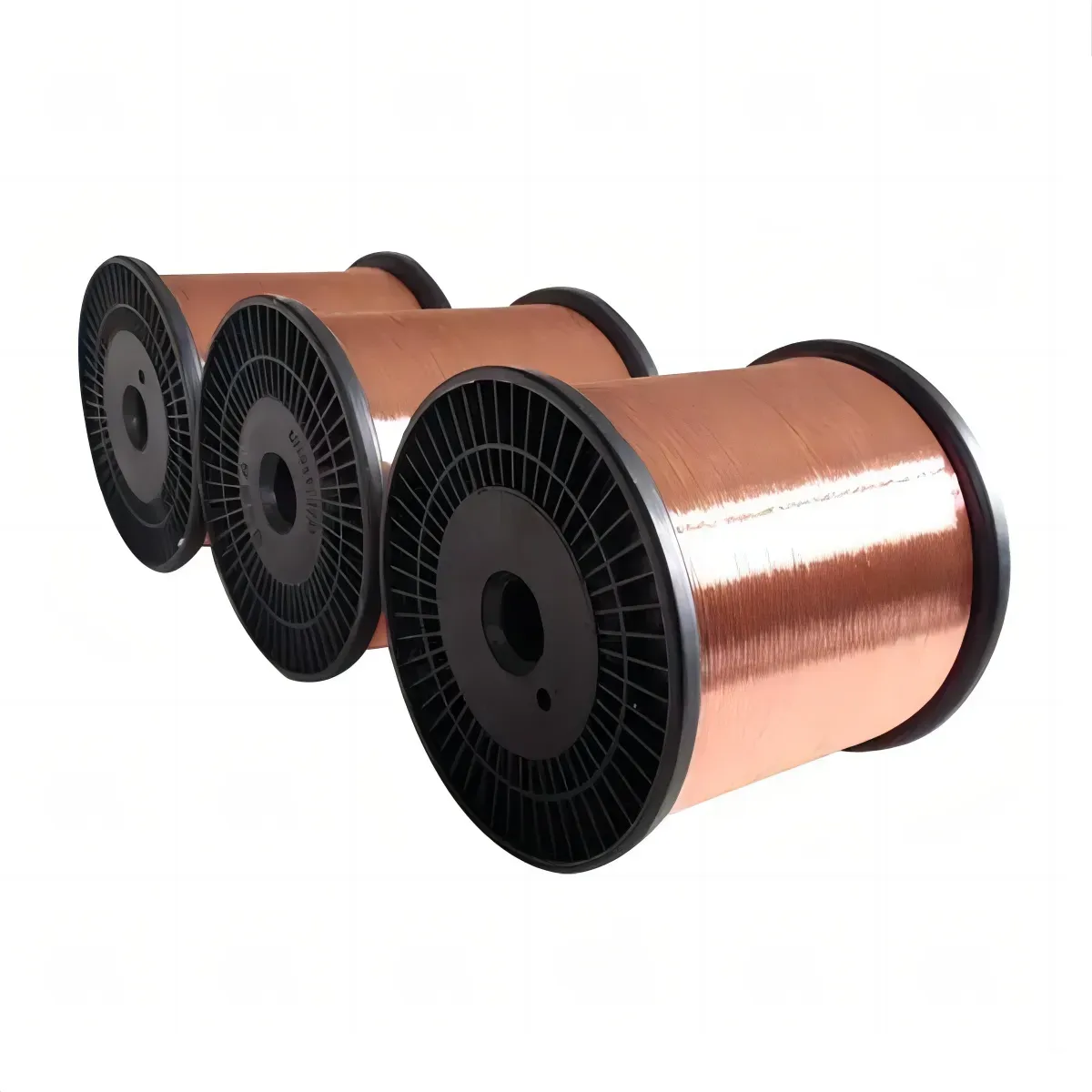
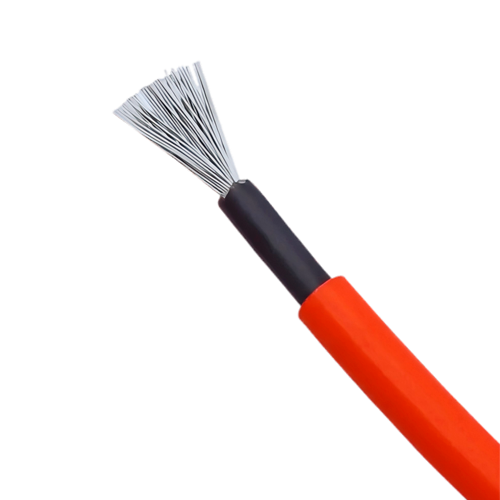
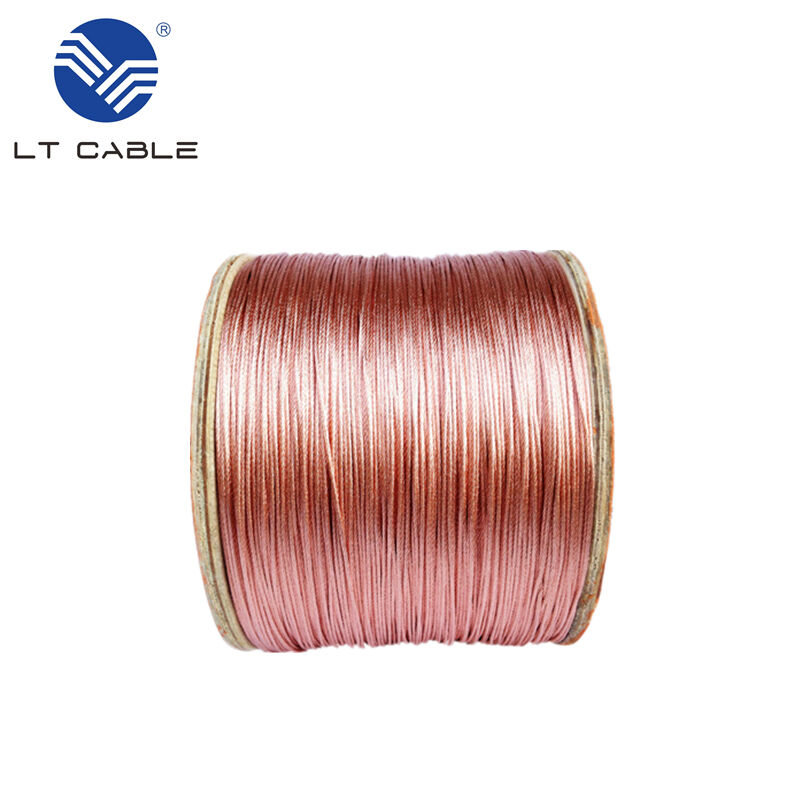
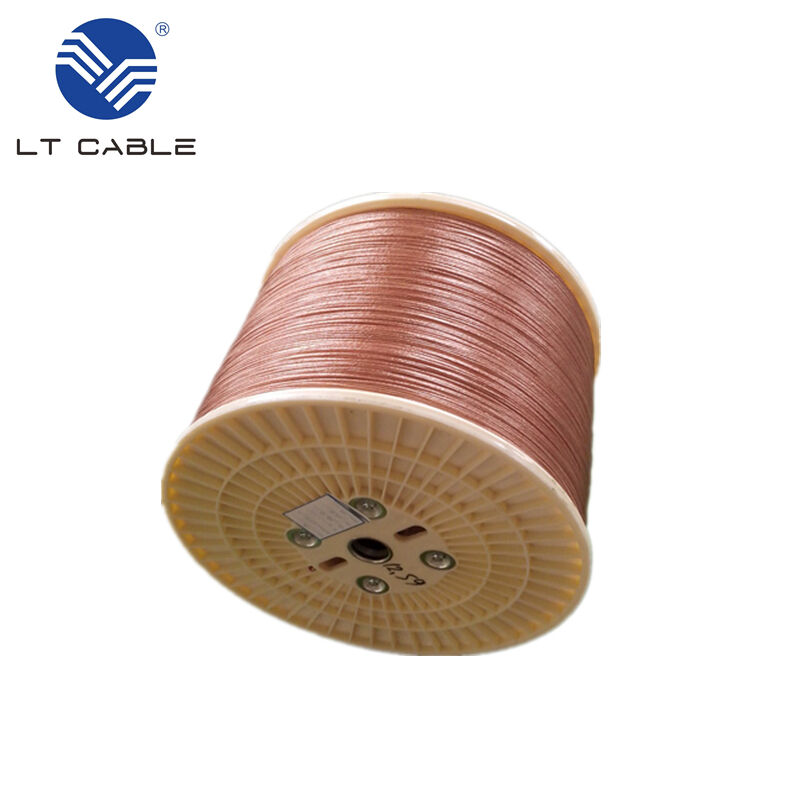
Data Cable Dedicated Stranded CCA Wire | High-Flex, Cost-Effective Performance

Get a Free Quote

Our representative will contact you soon.
Name
Email
Mobile
Country/Region
Choose the product you want
Message
0/1000
Unmatched Quality and Performance of Data Cable Dedicated Stranded CCA Wire

Unmatched Quality and Performance of Data Cable Dedicated Stranded CCA Wire

At Litong Cable, we pride ourselves on offering Data Cable Dedicated Stranded CCA Wire that stands out in the market for its superior quality and performance. Our cables are designed with a unique stranded CCA (Copper Clad Aluminum) wire composition, which provides excellent conductivity while being lightweight and cost-effective. The stranded design enhances flexibility, making installation easier in various environments. With our fully automated production lines and stringent quality control processes, we ensure that each cable meets international standards, guaranteeing reliability and longevity. Whether for residential, commercial, or industrial applications, our data cables deliver optimal performance, ensuring seamless data transmission and connectivity.
Get A Quote

Case Studies

Transforming Connectivity: A Case Study on Enhanced Network Performance

A leading tech company faced challenges with network reliability and speed. They turned to Litong Cable for our Data Cable Dedicated Stranded CCA Wire. By replacing their existing cables with our high-performance solutions, they experienced a significant boost in data transmission speeds and reduced downtime. The lightweight and flexible nature of our cables allowed for easier installation and improved network management. As a result, the company reported a 30% increase in overall network efficiency, showcasing the transformative impact of our products on their operations.

Revolutionizing Home Networking with Stranded CCA Wire

A residential client sought to upgrade their home networking system to support high-speed internet and smart home devices. Litong Cable provided our Data Cable Dedicated Stranded CCA Wire, which not only met their performance expectations but exceeded them. The flexibility of the stranded design made it easy to route cables through tight spaces, and the CCA composition ensured cost-effectiveness without compromising quality. The homeowner reported faster internet speeds and improved connectivity across all devices, illustrating the advantages of our innovative cable solutions.

Enhancing Industrial Communication Systems

An industrial manufacturer needed a reliable solution for their communication systems, which were critical for operational efficiency. They chose Litong Cable’s Data Cable Dedicated Stranded CCA Wire for its robust performance and durability. Our cables provided stable connectivity even in high-interference environments, ensuring uninterrupted communication between machines and control systems. The manufacturer noted a decrease in communication errors and an increase in productivity, highlighting the effectiveness of our cables in demanding industrial applications.

Related products

Litong Cable is a seller of high quality industry Data Cable Dedicated Stranded CCA Wires. They have also documented compliance with industry standards. Quality control begins with the selection of raw materials and ends with the isolation of finished products. Using the latest technology in production line automation, Litong Cable is unrivaled in the accuracy and consistency of Stranded CCA wires. Stranded CCA wires are used in a Networking and Telecommunications. Testing compliance is done with Litong Cable's global standards. Litong Cable exemplifies value, efficiency, and customer specification. Litong Cable's edge over the competition is in the product modifications to customer specification. For Stranded CCA Data Cables, there is no competition to Litong Cable.

Frequently Asked Questions about Data Cable Dedicated Stranded CCA Wire

What is Data Cable Dedicated Stranded CCA Wire?

Data Cable Dedicated Stranded CCA Wire refers to a type of cable that uses stranded copper-clad aluminum wire for data transmission. This design enhances flexibility and reduces weight while maintaining good conductivity, making it suitable for various applications.
CCA wire offers several benefits, including lower cost, reduced weight, and improved flexibility. While it may have slightly lower conductivity than pure copper, it is often sufficient for many applications, especially in environments where weight and cost are critical factors.

Related article

High-Quality CCA Wire for Improved Electrical Performance

26

Dec

High-Quality CCA Wire for Improved Electrical Performance

The use of CCA Wire in Electrical Engineering and its Benefits

In the world of electrical engineering, the type of conductor material utilized can to some degree determine the performance and functionality of electrical devices. CCA wire or copper clad aluminum wire is basically an alloy which contains all the advantages of aluminum with the aluminum clad on it with copper. Due to this unique combination, the wire is not only lighter in weight in comparison to pure copper wire, but has a potential higher electrical conductivity as well.

The functionality and performance of CCA Wire in Electrical Engineering Applications

Using CCA wire in electrical works ensures cost effective use in that it increases efficiency while reducing energy costs. Its lower weight as compared to copper wire ensures easy handling and installation benefits while its high conductivity assures low resistance leading to minimal power loss. Because of these advantages, CCA wire proves to be the best in applications where weight and efficiency are of utmost importance.

LT CABLE’s Values in Upholding CCA Wire Quality

LT CABLE has invested a lot of its focus in ensuring that production of CCA Wire products is done to standard and to the requirements of its clientele. Our processes are engineered in a way that guarantees delivery precision, reliability as well as an enhanced supply chain. Combined with global qualifications and our stringent KQA policies, our CCA Wire solutions are fully certified by us.

LT CABLE’s CCA Wire Products Are Compatible With Most CCA Wire Solutions

Our product portfolio includes a diverse range of CCA Wire options to suit various industrial and commercial needs. In a bid to obtain and maintain a solid customer base and retain it, LT CABLE has made sure that it provides a large variety of CCA Wire products that best meet our industrial and commercial spectrum at reasonable prices without sacrificing the expected performance.

3.png

View More
Shielded Cables: The Backbone of Reliable Communications

22

Mar

Shielded Cables: The Backbone of Reliable Communications

Understanding Shielded Cables in Communication Networks

What Makes Shielded Cables Essential for Data Transmission?

Shielded cables are really important for keeping data safe during transmission since they block out external electromagnetic interference, or EMI as it's commonly called. We see this protection working well in places such as data centers and industrial areas where clear signals matter a lot. Take EMI for example it messes with signals and can cause problems like lost or corrupted data. Shielded cables help fix these issues by stopping those unwanted signals from getting through. Plus, these cables let data travel longer distances without losing strength, which makes them reliable across different situations. Industry studies show that switching from regular cables to shielded ones cuts down errors by around 80 percent, especially noticeable in spots with lots of EMI like manufacturing plants and hospitals.

Key Components: Enameled Wire and Conductive Materials

Enameled wire plays a big role in shielded cables because it offers excellent insulation and stands up well against corrosion issues. When installed properly, these wires help keep cables working reliably for years on end while shielding the inner conductors from outside damage and unwanted interference. Shielded cables often incorporate different metals too, with copper and aluminum being popular choices among manufacturers looking to boost conductivity and preserve signal integrity throughout their systems. Take copper for instance it has really high conductivity which means less resistance when transmitting signals, so data moves through the network much faster without losing strength along the way. Most professionals in the field will tell anyone who asks that using good quality materials during cable manufacturing isn't optional if companies want top notch performance out of their infrastructure since poor material selection directly affects how well those cables handle electromagnetic interference problems in real world conditions.

Stranded vs. Solid Wire in Cable Construction

When building cables, deciding between stranded and solid wire really comes down to what the job actually needs. Stranded wires bend better and hold up against wear and tear, so they work great when cables get moved around a lot or exposed to vibrations, think about car parts or factory equipment that moves constantly. Solid wire isn't as flexible but stands up to abuse much longer, which is why electricians usually go for this type when running power through walls or ceilings where things stay put. For sending signals through cables, stranded versions are harder to snap because they flex without breaking, though they do carry some extra resistance compared to their solid counterparts. Most people pick whichever fits their setup best, going with stranded if the cable will see action and sticking with solid for those permanent installations where stability matters most.

Electromagnetic Interference (EMI) and Signal Integrity

How EMI Disrupts Communication Network Performance

Electromagnetic interference, or EMI for short, really messes with how well communication networks work because it gets in the way of signals traveling through them. Most of the time this interference comes from other electrical devices sitting close by, and when it happens, important data either gets lost completely or becomes corrupted somehow. Take factories with lots of big machines running all day long, or places packed full of electronics - these spots tend to have constant problems with their signals getting disrupted, which makes everything run slower and less reliably. Looking at actual numbers shows something interesting too. Networks dealing with serious EMI issues lose way more data packets than they should, sometimes cutting down overall efficiency by around 30%. We've seen this happen in hospitals where doctors struggle to maintain reliable wireless connections because medical equipment creates so much EMI. That's why many tech professionals now recommend using shielded cables and other protective measures to keep networks functioning properly despite all the electromagnetic noise floating around.

The Role of Shielding in Preserving Signal Quality

Good shielding is essential for keeping signals clean since it blocks out unwanted electromagnetic interference. When cables get wrapped in conductive stuff like aluminum foil or copper braid, they create barriers against those pesky EM waves that mess with data transmission. Some studies indicate that certain methods work better than others. For instance, layering different materials together or mixing foil with braided shields tends to keep signal loss minimal even when dealing with those tricky high frequency transmissions. The field has seen some interesting developments lately too. Manufacturers are coming up with new conductive compounds and creative ways to build shields into cable structures. This progress should lead to stronger protection options down the road, especially important as our communication networks grow more complicated and operate under tougher conditions day after day.

Stranded Copper Wire Resistance Per Foot: Impact on EMI Protection

How much resistance there is in each foot of stranded copper wire really affects how well it blocks electromagnetic interference. Wires with lower resistance generally work better at stopping EMI, so picking the right gauge matters a lot. Take a look at what happens when we go down in wire gauge sizes. The resistance goes down too, which means better shielding against those pesky electromagnetic signals. According to some actual field tests from engineers working on this stuff daily, getting the wire size right for whatever environment it'll be used in makes all the difference for proper EMI protection. Anyone looking at installing wiring where strong EMI shielding is needed should definitely pay attention to these resistance numbers. Getting this part wrong could lead to problems later on with equipment malfunctioning or needing replacement sooner than expected.

Foil Shielding: Lightweight Protection for High-Frequency EMI

Foil shielding works really well at blocking out those pesky high frequency electromagnetic interferences (EMI) thanks to a thin metal layer wrapped around the cable. Usually made from copper or aluminum, this foil creates a complete barrier along the whole length of the cable. That's why we see it so much in areas plagued by high frequency signals. What sets foil apart from other shielding methods is how light it is. Installation becomes way simpler compared to bulkier options like braided shields. Sure, foil isn't as tough as some alternatives, but when weight matters most, like in tight spaces or long runs, it wins hands down. We find foil shielding all over the place actually. Data centers rely on it heavily because they can't afford signal disruptions. Same goes for telecom infrastructure where even small amounts of interference could cause major problems for communications networks.

Braided Shielding: Durability and Flexibility in Industrial Settings

Braided shielding consists of copper wires woven together into a mesh pattern, which gives it good strength while still being flexible enough for tough industrial conditions. Compared to foil shielding, this braided version covers around 70% to maybe even 95% of the surface area, though how well it works really depends on how tightly those wires are woven together. Industrial settings love this kind of shielding because it can take a beating without breaking down or losing function when subjected to harsh factory floor conditions. What makes braided shielding stand out is its flexibility factor too. Cables with this shielding can bend and move around all day long without affecting their performance. That's why we see so much of it in manufacturing plants where cables get moved around constantly and face plenty of mechanical stress over time.

Spiral Shielding Applications in Dynamic Communication Systems

Spiral shielding works really well in situations where cables get moved around a lot or bent frequently. The way the conductive material wraps around in spirals lets these cables stay flexible but still blocks out electromagnetic interference pretty effectively. That's why many engineers prefer them when dealing with equipment that moves constantly, think industrial robots or automated assembly lines for instance. Looking at recent developments, manufacturers keep finding ways to improve how these shields work better over time. With modern tech needing reliable connections even under tough conditions, we're seeing more companies switch to spiral shielding solutions across different sectors from manufacturing floors to medical devices.

Choosing the Right Shielded Cable for Communication Systems

Environmental Factors: EMI Sources and Cable Routing

Knowing where electromagnetic interference (EMI) comes from and how it travels matters a lot when picking out shielded cables for communication systems. Industrial equipment, old fashioned fluorescent lights, and nearby radio transmitters all create EMI that messes with signal quality. Getting the cable paths right helps reduce this problem. A good rule of thumb? Keep signal cables away from power lines and don't run them parallel. Also maintain some distance between sensitive signal lines and those pesky EMI sources. This becomes especially important in factories and plants where strong signals are needed. Real world experience tells us that cables kept at proper distances from EMI sources work better and maintain cleaner signals over time. Many engineers have seen this firsthand in their installations.

Balancing Conductivity and Flexibility: Bare Stranded Copper Wire Considerations

When selecting bare stranded copper wire, engineers need to weigh conductivity against flexibility based on what the job requires. The copper composition gives this type of wire outstanding electrical properties, which explains why it works so well in demanding applications like power transmission lines. But don't overlook the flexibility factor either. This characteristic makes installation easier in areas where components move around regularly, such as factory automation systems or vehicle wiring harnesses. Industry experience shows that stranded configurations retain their conductive qualities over longer runs while still bending around tight corners in cramped machinery compartments. Getting the mix right between these two attributes means better results down the road, whether the priority is maintaining signal strength through extended cable runs or accommodating frequent movements in mechanical assemblies.

Interpreting Stranded Wire Size Charts for Optimal Performance

Getting stranded wire size charts right makes all the difference when it comes to getting good cable performance. These charts basically tell us about wire sizes and how they impact things like impedance and what kind of electrical load they can handle. When picking the right size, we're looking at minimizing resistance along each foot of cable while keeping signals strong throughout the system. Otherwise, problems like cables getting too hot or losing signal strength become real headaches. A lot of folks miss important factors like temperature changes in the environment where the cables will be installed, or forget to check exactly what kind of load demands their particular setup has. Taking time to really understand these charts helps prevent those costly errors down the road, so communication systems run smoothly without unexpected issues popping up later on.

کردن: فهمیدن و استفاده از نمودارهای اندازه سیم فلزی برای عملکرد بهینه امری ضروری است که به کاهش مقاومت و بهبود انتقال سیگنال کمک می‌کند.

View More
With the continuous development of the new energy industry, the future of photovoltaic wire looks bright. But how?

26

May

With the continuous development of the new energy industry, the future of photovoltaic wire looks bright. But how?

Key Innovations in Photovoltaic Wire Technology

Advancements in Enameled Wire for Solar Applications

Enameled wire is really important for solar tech because it has great insulation and conducts electricity well. The good insulation helps solar panels work better by reducing how much energy gets lost during operation while boosting the amount of power they can generate. Looking at recent research, improvements in insulation tech have cut down on energy losses quite a bit actually around 15% less loss according to some reports. We've also seen progress where the enamel coating on these wires can be made thinner without sacrificing strength. Thinner coatings mean installers get their job done faster when setting up solar systems. All these changes make solar panels more efficient overall and open up possibilities for smaller, more adaptable designs in the field of solar technology.

Stranded Wire vs. Solid Wire: Optimizing Conductivity

When deciding between stranded versus solid wire for solar installations, the choice really comes down to what the job actually requires. Most people find that stranded wire works better because it bends easier and conducts electricity more efficiently than solid wire does, so it makes sense for places where wires need to move around a lot during installation. Tech experts point out that this extra flexibility makes installation much smoother overall while putting less strain on the materials, which means solar systems tend to last longer without problems. We've seen plenty of real world examples where installers had trouble getting solid wire into tight spaces, whereas stranded wire just worked better from day one in those complicated solar array configurations. The bottom line is that when wires can bend instead of break, installation goes faster and there's less wear and tear on everything involved, saving money in the long run even if stranded wire costs a bit more upfront.

Copper Clad Aluminum (CCA) Wire: Cost-Efficiency in Solar Systems

Copper Clad Aluminum or CCA wire offers a good money saving option compared to regular copper in solar setups while still performing well enough. What happens here is simple really. The wire combines aluminum which is light weight with copper known for conducting electricity so well. Material costs drop quite a bit when using CCA wires sometimes around 30 percent cheaper depending on market conditions. We've seen plenty of solar installations where people switched to CCA and didn't notice any difference in how things worked. Electric current flows through just fine and heat transfer remains similar to what would happen with pure copper wires. For those watching their budgets closely on solar projects, this can make all the difference. Plus there's something else worth mentioning about CCA wires. Their basic characteristics actually work better for big solar farms too. They help cut down expenses without hurting efficiency, which means companies can install more panels for the same price tag. And let's face it, saving money while being kinder to the environment sounds like a win win situation for most businesses these days.

Material Trends Shaping Photovoltaic Wire Development

Durability Enhancements for Extreme Weather Resistance

Material science has made some pretty big strides lately when it comes to making photovoltaic wires stand up better against bad weather in solar setups. Companies working on this stuff are really pushing to make wires tough enough to handle whatever Mother Nature throws at them, so solar panels last longer even when installed in places with crazy weather patterns. Some studies indicate that these new materials might actually double the life expectancy of wires in super harsh climates, which obviously makes solar systems more dependable over time. Plus, these upgraded wires aren't just durable they're also easier to work with during installation, meaning fewer headaches down the road when it comes to repairs and replacements. All this adds up to real money saved for businesses and homeowners alike who want their solar investments to pay off long term.

Integration of Lightweight Aluminum Alloy Components

When we look at photovoltaic systems, incorporating lightweight aluminum alloy parts brings some pretty good advantages. The main thing? Systems become much lighter overall, which makes transporting them across job sites far easier. Compared to older materials such as copper, these aluminum options weigh less on both the wallet and the workload during installation while boosting how well the whole system performs. Industry insiders are talking about a significant shift here too many forecasts suggest around 30 percent growth in aluminum alloy usage within solar installations throughout this coming decade. What does all this mean practically? Installers can get their work done faster since there's less bulk to move around, shipping expenses drop considerably, and ultimately, the solar panels themselves operate more efficiently. Given all these factors, it seems clear why more companies are turning toward aluminum solutions for their next big projects.

Emerging Coatings to Mitigate UV Degradation

New coating tech is changing how we protect those photovoltaic wires from getting damaged by UV light, which helps keep solar panels working well for much longer. The main goal here is to stop UV rays from messing with the wires, since this kind of damage actually makes them conduct electricity worse over time. Some recent tests show these new coatings cut down on UV damage by about half or even more, meaning those wires last significantly longer than before. Take a look at actual solar farms around the country, and what do we see? Cables that should have been worn out after years of sun exposure are still holding up great, keeping their performance levels stable. This means whole solar systems stay functional longer without needing expensive replacements.

Challenges in Photovoltaic Wire Implementation

Grid Congestion and Energy Transmission Limitations

The problem of grid congestion along with limitations in transmitting energy poses real headaches when it comes to deploying photovoltaic wires effectively. With so many renewable energy sources getting connected to our aging electrical networks, traffic jams on the power lines have become something we just can't ignore anymore. According to recent Energy Information Administration data, solar installations and battery storage facilities make up a large chunk of all new power generation capacity right now as they help meet rising demand for electricity. But here's the catch: our current electrical infrastructure simply wasn't built to handle this kind of load efficiently from renewables. That's why engineers are working on improving PV wire technology through better materials like advanced enameled wiring options or copper clad aluminum alternatives (known as CCA wire). These innovations promise smoother energy distribution while helping alleviate those pesky grid bottlenecks that plague modern energy systems.

Thermal Management in High-Capacity Systems

Keeping things cool is really important for getting good performance out of those big solar panel setups. As these systems push their limits, heat control becomes something operators need to watch closely if they want their panels to keep working right over time. Some research coming out lately shows just how bad overheating can be for wires inside these systems, causing all sorts of problems down the road. Take stranded wire for instance it spreads heat around better compared to solid wire types, so keeping its temperature in check actually makes a noticeable difference in how well the whole system runs. Many installers now turn to newer materials and special coatings when building these systems because they last longer and work better under tough conditions. These improvements help maintain both the lifespan and effectiveness of large scale photovoltaic installations across different environments.

Balancing Cost and Performance in Emerging Markets

The balance between price and performance remains tricky for photovoltaic wires in developing economies. Solar power is spreading fast across many countries, creating real pressure to keep costs down while still getting good results from installations. Prices for these wires have come way down over the past few years according to industry reports, but unpredictable fuel costs and intense competition among suppliers continue to complicate purchasing decisions. When companies in emerging markets decide whether to go with solid conductors or stranded ones, it directly affects how much money they spend and how well their systems actually work. Many manufacturers are now turning to alternatives like aluminum based alloys which offer decent value for money without sacrificing too much in terms of quality. This approach helps bridge the gap between budget constraints and technical requirements in places where resources remain limited.

Future Outlook for Photovoltaic Wire Applications

Smart Grid Compatibility and IoT Integration

Photovoltaic wire tech has really taken off because these wires work so well with smart grids. As smart grid systems continue expanding across the country, photovoltaic wires are becoming essential for keeping power distribution reliable while making the whole system run better. When we connect these wires to IoT devices, suddenly we can monitor and check on solar panels in real time. That means technicians know when something might break down before it actually happens, cutting way back on those annoying power outages. Take a look at what's happening in Austin with the Pecan Street Project they're testing all sorts of solar innovations alongside their smart grid setup. What makes this stuff exciting isn't just about saving money on electricity bills either. These advancements point toward an entirely different kind of energy landscape where sustainability isn't just a buzzword anymore.

Role in Utility-Scale Solar Farm Expansion

Photovoltaic wires form a vital part of large scale solar farms, acting as key components affecting how well energy gets transmitted and converted. The growth we're seeing in utility scale solar power has been nothing short of impressive. Industry data shows that by 2023, worldwide solar installations had crossed the 760 gigawatt mark. This kind of growth points to an important need for better photovoltaic wire tech that works harder to convert sunlight into electricity while standing up to tough weather conditions over time. When solar farm operators invest in these wire improvements, they actually help their operations grow without running into bottlenecks when demand increases. Better wires mean more reliable performance from each panel array, which ultimately helps integrate solar power more smoothly into our ever growing renewable energy landscape across different regions and climates.

Sustainability Trends in Wire Recycling and Production

The push for greener alternatives has really accelerated recycling programs and eco-conscious manufacturing methods for photovoltaic wiring materials. Solar installers need these green practices because they cut down on waste when panels reach end-of-life. The International Renewable Energy Agency released findings last year predicting that photovoltaic module recycling rates will jump around 40 percent by 2030, which marks a real turning point in how we think about solar panel disposal. Alongside better recycling options, manufacturers have started using copper clad aluminum wire (CCA) instead of pure copper in many applications. This alternative conducts electricity almost as well while requiring fewer resources during production. What's happening in the industry shows genuine dedication to sustainability principles. Photovoltaic systems now last longer overall, and this approach definitely supports broader climate protection targets set by governments worldwide.

View More
The potential future innovations of a wire product are both exciting and full of possibilities.

14

Jul

The potential future innovations of a wire product are both exciting and full of possibilities.

Emerging Materials in Wire Manufacturing

Copper Clad Aluminum (CCA) Wire Advancements

Copper Clad Aluminum or CCA wire is gaining popularity because it's light weight and conducts electricity pretty well, which makes it a go to option across many different fields. Manufacturers have been improving how they make these wires lately, so now they last longer and work better even when put through tough conditions that would break regular wires. A lot of people working in the field are starting to recommend CCA wire more often, especially for things like electrical systems and electronic devices since the improvements really show there. Looking at market numbers, we see construction companies and car makers using more CCA wire than before. The construction business alone saw around 20 percent more CCA wire being used last year compared to previous years, mainly because builders need materials that aren't heavy but still get the job done efficiently. Most industry analysts believe this shift toward CCA will keep picking up speed as countries around the world invest in building new roads, bridges and other infrastructure projects.

Enameled Wire Applications in Modern Electronics

Enameled wires play a really important part in today's electronics, especially when it comes to things like motors and transformers because they offer great insulation. We've seen some pretty big improvements lately in how well these wires handle heat and perform overall, which makes them perfect for demanding applications. Take electric vehicles for instance - many manufacturers now rely on enameled wires in their motor designs since the wires can stand up to higher temperatures without breaking down over time. Looking at the bigger picture, companies using enameled wire in their products tend to save energy in the long run while also getting better performance from their devices. This trend is showing up across various industries, with engineers increasingly choosing materials that not only work better but also help cut down on power usage and waste generation during product lifecycles.

Stranded vs Solid Wire: Breakthroughs in Flexibility

When it comes to choosing between stranded and solid wire, mechanical flexibility and what works best for different applications matters a lot. Stranded wires get their reputation from being flexible, but recent tech advances have made them perform even better in tight spots. Installers find these wires much easier to work with when dealing with cramped or complicated spaces. Most electricians will tell anyone who asks that stranded wires beat solid ones in situations where there's regular movement or bending required. On the flip side, solid wires remain popular because they hold their shape well and stay stable over time, especially in installations that don't need much movement at all. According to recent market analysis, companies switching to stranded options report up to 30% improvement in installation speed for projects involving frequent adjustments. For factory managers and plant engineers trying to decide which wire type suits their operations, looking at actual usage conditions makes all the difference in picking the right solution.

Smart and Connected Wire Technologies

IoT-Enabled Wiring Systems for Industrial Automation

Wiring systems connected to the Internet of Things are changing how factories operate, mainly because they let managers keep tabs on everything happening in real time. The sensors built right into these wires help get things done faster and with better accuracy across the board. Take manufacturing facilities for instance, where smart wires cut down on equipment breakdowns, speed up work processes, and generally make day-to-day running smoother. One big car maker saw their production numbers jump by around 30% once they started using this tech throughout their assembly lines. And it's not just one company either. Many businesses that have made the switch to IoT wiring report noticeable improvements. Industry data shows some firms actually improved their overall performance metrics by as much as 40% after rolling out these new systems. Makes sense when you think about it really, since having constant visibility into operations just opens up so many opportunities for optimization.

High-Speed Data Transfer Cables for 5G Infrastructure

The rollout of 5G networks simply wouldn't work without those high speed data transfer cables running behind the scenes. These special cables handle massive amounts of information at lightning fast speeds, cutting down lag time while keeping up with all the extra bandwidth needed for next generation connectivity. Manufacturers have been making big strides lately too, developing new materials and better construction methods that actually make these cables faster and more dependable than ever before. Cities across the country are already seeing results from installing this tech in their fiber optic networks, proving just how essential these components really are. Most folks in the telecom business agree we'll keep needing more of these cables as 5G expands everywhere. Market research suggests the cable industry could see something like 35% growth each year going forward, which makes sense when looking at how quickly businesses and consumers are jumping on board with 5G services.

Self-Monitoring Wire Harnesses with Embedded Sensors

The latest self monitoring wire harness tech is changing the game when it comes to predictive maintenance work. These systems have tiny sensors built right into them that pick up on things like wear patterns, stress points, and other warning signs before they become big problems. What makes this so valuable is that the sensors keep checking the wiring condition all the time, which means technicians get alerts way ahead of any actual breakdown happening. One factory reported cutting their maintenance budget down by around 25% after switching to these smart harnesses. For industries where equipment downtime simply isn't an option, these monitoring systems have become absolutely essential. Companies are seeing real money savings because they catch small issues before they escalate into expensive repairs. The ability to spot trouble spots early definitely gives manufacturers a competitive edge in keeping their machinery running smoothly for longer periods.

Sustainability in Wire Production

Recyclable Halogen-Free Cable Compounds

The wire manufacturing sector has long struggled with environmental issues because many traditional materials contain dangerous halogens. Things are changing though, as more companies turn to recyclable, halogen-free cable compounds across the industry. These new materials keep up with performance expectations while cutting down on environmental impact. Research shows that businesses switching to these cables see real benefits beyond just going green. They actually reduce harmful emissions and get better fire protection too. Take flame retardants in particular - these materials make buildings and factories much safer places to work. The market for these eco options is exploding fast. Recent industry reports suggest around 30% of all cable production in Europe and North America now uses sustainable alternatives, and this number keeps climbing every year.

Energy-Efficient Manufacturing of Enameled Wires

Manufacturing enameled wires in an energy efficient manner makes a big difference both for the environment and bottom line costs. The process generally focuses on streamlining operations so less power gets used while getting more done with available resources. Take companies at the forefront of this movement they're investing in things like induction heating systems and smart quality checks that automatically flag issues during production runs. What these technological upgrades actually do is cut down on how much electricity goes into making each batch of wire, which means fewer greenhouse gases released and money saved on utility bills too. Real world data from factories implementing these methods shows around 15 to 20 percent less energy consumed overall. That kind of savings isn't just good for profits it's becoming essential as regulators tighten emission standards and customers demand greener products from manufacturers across the wire industry.

Circular Economy Models for Stranded Wire Recycling

Circular economy principles are now playing a major role in making wire production more sustainable, particularly when dealing with stranded wire. The basic idea revolves around keeping materials in circulation instead of letting them become waste, which cuts down on both trash and environmental harm. New methods have emerged recently that allow recyclers to pull valuable components out of old stranded wires, making the whole process much greener than traditional approaches. We're seeing more collaboration happening between wire makers and recycling plants too, as they work together to keep materials flowing through the system. From a business standpoint, going circular makes good sense financially while also helping the planet. Companies that switch to this model typically save money on raw materials and send far less stuff to landfills. Industry data shows some firms cutting their production waste by around 40%, though results can vary depending on the specifics of each operation. These numbers are encouraging enough for many wire producers to consider making similar changes.

Advances in Manufacturing Processes

AI-Driven Quality Control for CCA Wire Production

The introduction of AI tech is changing how quality control works for Copper Clad Aluminum (CCA) wires. Factories using AI see fewer defects and much better consistency in what they produce. These smart systems actually learn from data to spot problems during wire making, cutting down on wasted materials and speeding things up overall. Many businesses who switched to AI talk about better products coming off the line plus quicker turnaround times. A big name manufacturer told us their story where after putting AI into operation, defects dropped around 30% and production got noticeably faster too. All these improvements show just how important AI has become for updating traditional methods in CCA wire manufacturing today.

3D Printing Applications in Custom Wire Harness Design

3D printing plays a big role in creating custom wire harnesses that fit exactly what different applications need. The tech lets manufacturers prototype quickly and produce at lower costs, which works really well when only small batches are needed. Companies can cut down on waiting time thanks to 3D printing, so they respond faster to what customers want with made-to-order solutions. Take the automotive and aerospace sectors for instance they've started using this tech extensively, resulting in all sorts of new designs and much better customization options. Market reports suggest we'll see a lot more growth in how 3D printing gets used for wire harnesses going forward, showing that businesses across many fields are getting serious about adopting these kinds of advanced manufacturing methods to get more flexible and efficient designs.

Robotic Automation in Stranded Wire Assembly Lines

Stranded wire assembly lines are seeing major changes thanks to robotic automation, which brings better precision and speeds things up considerably. Companies save money on labor while cranking out products at much higher rates than before, giving them an advantage over competitors who haven't made the switch yet. Take XYZ Manufacturing for instance they installed robots last year that cut down on manual tasks during assembly, resulting in production cycles that run about 30% faster now with almost no mistakes slipping through. Industry reports point to rising numbers across the board when it comes to automation adoption rates in recent years. What we're witnessing isn't just another tech fad but rather a fundamental shift toward smarter manufacturing practices where quality control remains top priority even as output levels climb steadily month after month.

View More

Customer Feedback on Our Data Cable Solutions

John Smith
Exceptional Performance and Reliability

We switched to Litong Cable's Data Cable Dedicated Stranded CCA Wire for our office network, and the difference was remarkable. The installation was straightforward, and we’ve noticed a significant improvement in speed and reliability. Highly recommend!

Sarah Lee
Cost-Effective and High Quality

As a contractor, I often need reliable cable solutions for my projects. Litong Cable's stranded CCA wire has proven to be both cost-effective and high quality. My clients are satisfied, and I will continue to use their products in the future.

Get a Free Quote

Our representative will contact you soon.
Email
Name
Company Name
Message
0/1000
Innovative Stranded Design for Enhanced Flexibility

Innovative Stranded Design for Enhanced Flexibility

The innovative stranded design of our Data Cable Dedicated Stranded CCA Wire provides unparalleled flexibility, allowing for easy installation in tight spaces and complex layouts. This feature is particularly beneficial in environments where traditional cables may struggle to fit or maneuver, such as in residential or commercial buildings with intricate wiring systems. By reducing the risk of damage during installation and ensuring that cables can be routed effectively, our stranded design not only enhances user experience but also contributes to the overall longevity and reliability of the cable. This flexibility is a key selling point for clients looking for practical solutions in their projects.
Superior Conductivity with Cost-Effective CCA Composition

Superior Conductivity with Cost-Effective CCA Composition

Our Data Cable Dedicated Stranded CCA Wire utilizes a copper-clad aluminum (CCA) composition that strikes an ideal balance between performance and cost. While CCA wire offers slightly lower conductivity than pure copper, it provides an excellent alternative for many applications at a fraction of the cost. This makes it particularly appealing for budget-conscious projects without compromising on quality. Clients can enjoy high-performance data transmission while keeping their costs manageable, making our CCA wire an attractive option in competitive markets.
  • Product Consultation & Selection

    Product Consultation & Selection

    Tailored advice, perfect fit solutions.

  • Production & Supply Chain

    Production & Supply Chain

    Efficient manufacturing, seamless supply.

  • Quality Assurance & Certification

    Quality Assurance & Certification

    Rigorous testing, global certifications.

  • Post-Sales Support & Tech Help

    Post-Sales Support & Tech Help

    Prompt assistance, ongoing support.

Get a Free Quote

Our representative will contact you soon.
Name
Email
Mobile
Country/Region
Title
Message
0/1000