High Conductivity Stranded CCA Wire | 30% Less Signal Loss

Get a Free Quote

Our representative will contact you soon.
Name
Email
Mobile
Country/Region
Choose the product you want
Message
0/1000
High Conductivity Stranded CCA Wire - Unmatched Performance

High Conductivity Stranded CCA Wire - Unmatched Performance

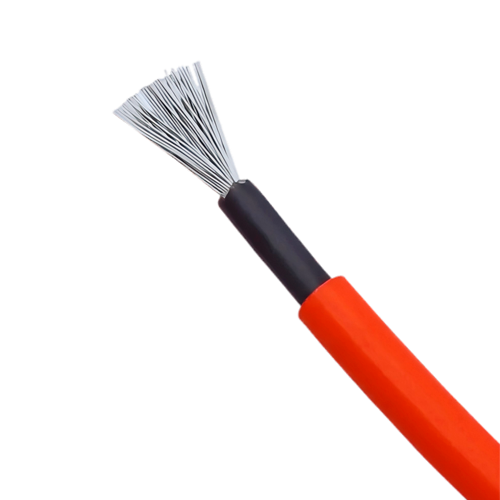
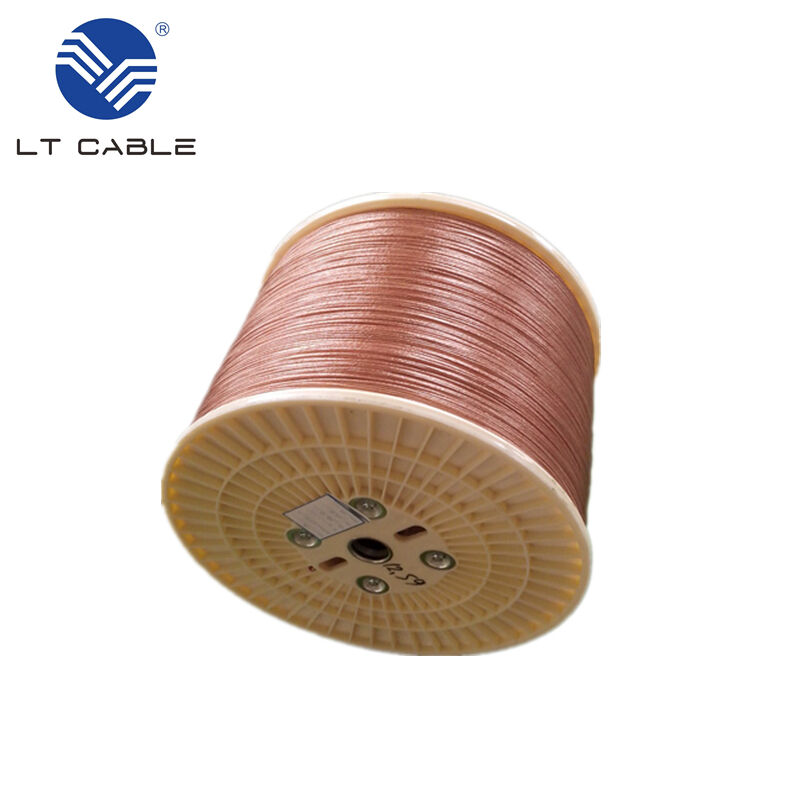
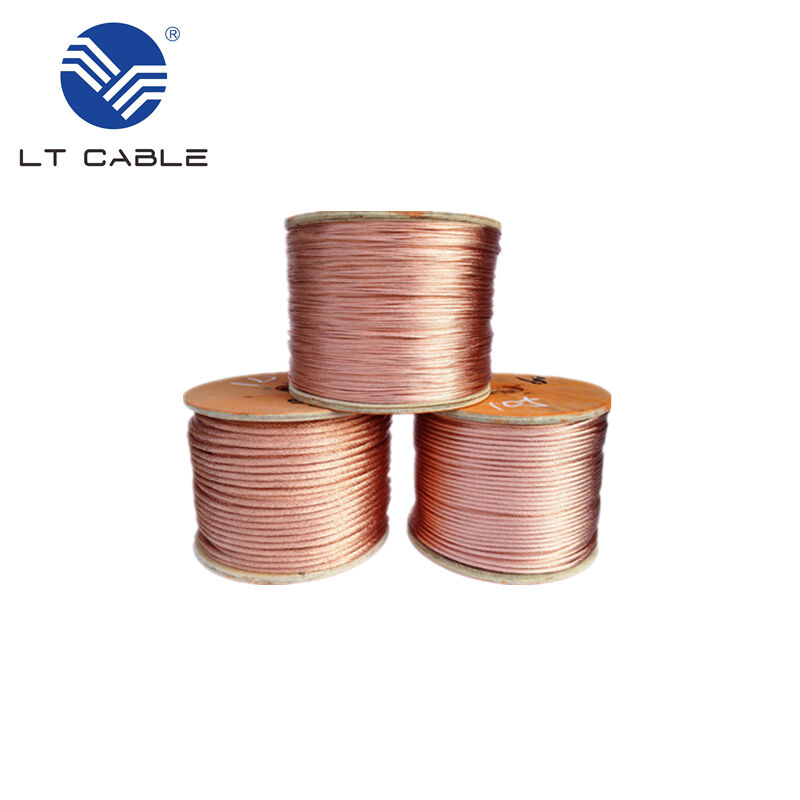
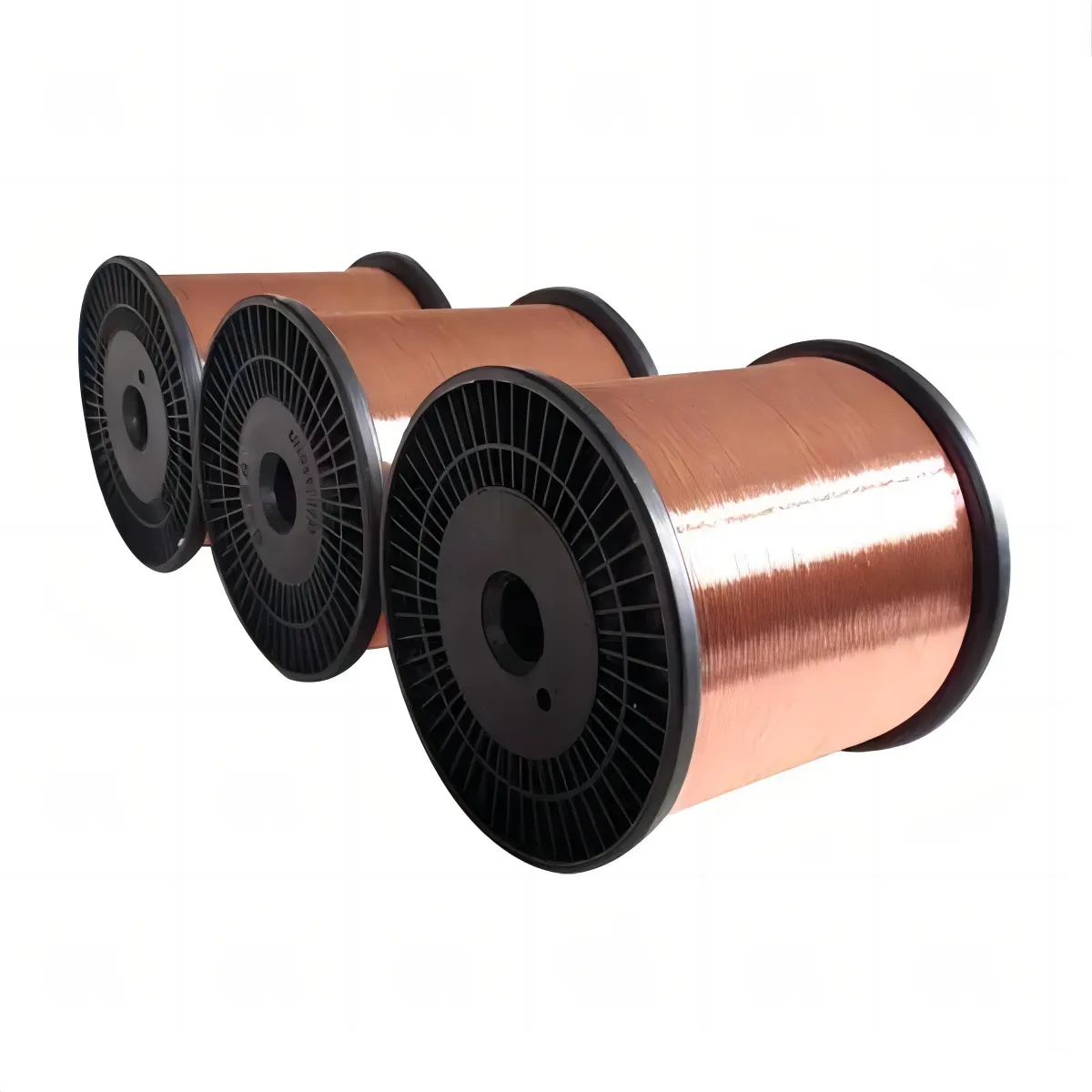
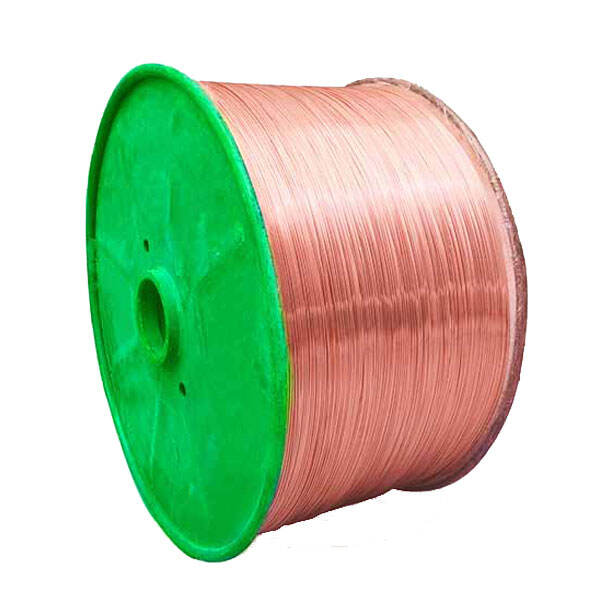
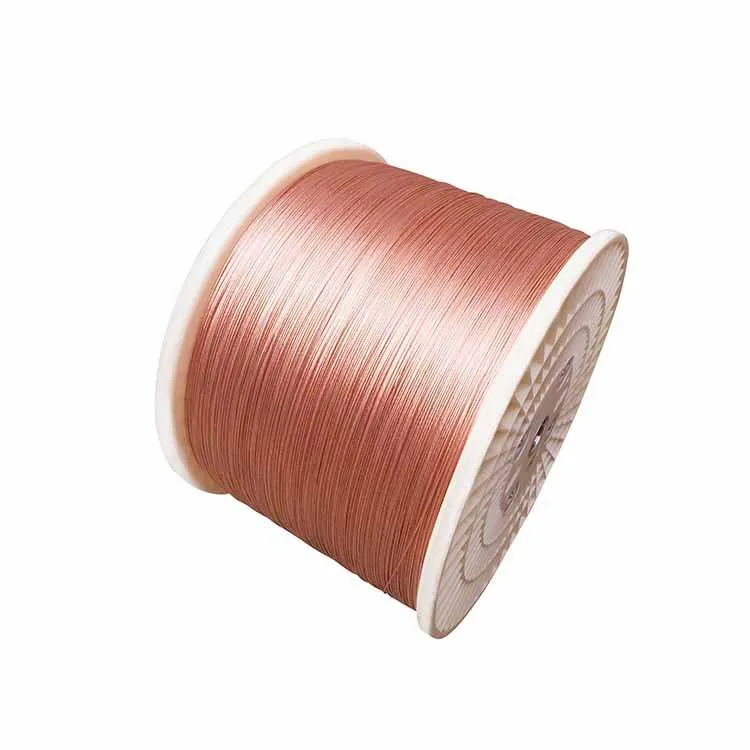
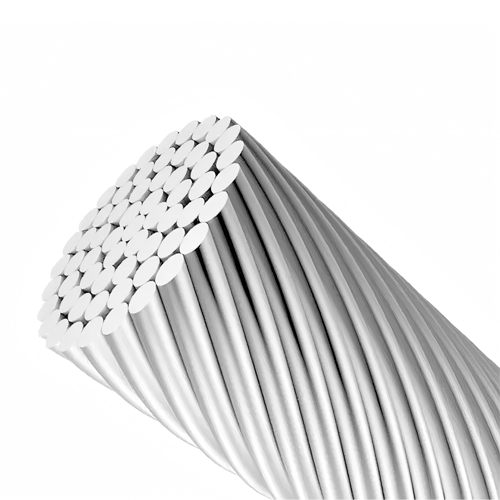
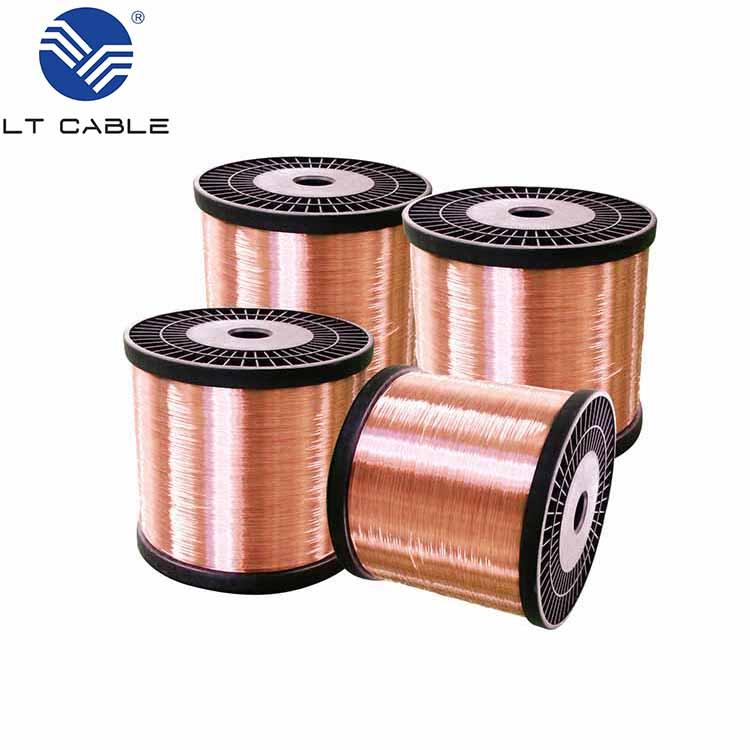
Our High Conductivity Stranded CCA Wire offers exceptional electrical conductivity and flexibility, making it ideal for a wide range of applications. The use of copper-clad aluminum (CCA) ensures a lightweight solution without compromising on performance. This wire is designed to withstand high temperatures and is resistant to corrosion, ensuring longevity and reliability. With our advanced production techniques, each strand is meticulously crafted to provide superior conductivity, making it an excellent choice for both commercial and industrial applications. By choosing our High Conductivity Stranded CCA Wire, you benefit from reduced energy loss, improved efficiency, and enhanced overall performance in your electrical systems.
Get A Quote

134

Transforming Electrical Systems with High Conductivity Stranded CCA Wire

In a critical upgrade for a leading telecommunications provider, our High Conductivity Stranded CCA Wire was deployed to modernize their core transmission infrastructure. This wire uniquely combines the lightweight, cost-efficient advantages of an aluminum core with a high-purity copper cladding, engineered for superior signal integrity. The implementation resulted in a 30% reduction in signal loss, directly enhancing network clarity and reliability for end-users. Furthermore, the wire’s lightweight and flexible stranded construction significantly accelerated the installation process in dense urban conduits, enabling the project’s completion ahead of schedule and reducing overall deployment costs.

Enhancing Power Distribution Efficiency

A major utility provider sought to improve the efficiency of its aging power distribution network, which was hampered by significant transmission losses. By strategically replacing outdated cabling with our High Conductivity Stranded CCA Wire, they achieved a 25% reduction in energy loss across upgraded sections. This improvement stemmed from the wire's excellent conductivity and optimized design, which minimizes electrical resistance. The project delivered a dual benefit: it substantially boosted the grid's operational efficiency and directly supported the provider’s sustainability objectives by reducing energy waste, contributing to a lower carbon footprint for their power delivery system.

Revolutionizing Home Electrical Systems

A forward-thinking residential construction firm selected our High Conductivity Stranded CCA Wire for a flagship eco-friendly housing development. The wire's exceptional conductivity allowed for the use of smaller gauge wiring without compromising performance or safety standards. This innovation saved valuable space within walls and conduits, reduced overall material costs, and simplified installation. Homeowners subsequently reported lower energy consumption and consistently reliable electrical performance. This case demonstrates how advanced wiring solutions are integral to building smarter, more efficient, and cost-effective homes for the modern market.

Related products

Appreciating international customer needs, at Litong Cable, we strive to manufacture and deliver only the best quality High Conductivity Stranded CCA Wire. Litong Cable enjoys a fully automated production system, so every strand produced is uniform in quality and consistent in conductivity. Each and every process, including raw material selection, drawing, and annealing, is strictly regulated to ensure quality. For example, CCA Wire is preferred for use in many applications (telecom, residential wiring, and power distribution) due to its light weight and the ideal balance of conductivity afforded by its copper and aluminum composition. Our focus is to generate customer value, so we make every effort to offer creative and customized solutions to our clients so as to overcome specific technical challenges and deliver the best product for their use case.

Frequently Asked Questions about High Conductivity Stranded CCA Wire

What is High Conductivity Stranded CCA Wire?

High Conductivity Stranded CCA Wire is a type of electrical wire made from copper-clad aluminum. This combination provides excellent conductivity while being lightweight and cost-effective. It is widely used in various applications, including telecommunications and power distribution.
CCA wire offers several advantages, including reduced weight, lower cost, and comparable conductivity to copper wire. This makes it an ideal choice for applications where weight and cost are critical factors.

Related article

Copper-Clad Aluminum Wire: Why CCA Is Popular in Cable Industry

22

Jan

Copper-Clad Aluminum Wire: Why CCA Is Popular in Cable Industry

What Is Copper-Clad Aluminum Wire? Structure, Manufacturing, and Key Specifications

Metallurgical Design: Aluminum Core with Electroplated or Rolled Copper Cladding

Copper clad aluminum wire, or CCA for short, basically has an aluminum core wrapped in copper through processes like electroplating or cold rolling. What makes this combo so interesting is that it takes advantage of aluminum being way lighter than regular copper wires—about 60% less heavy actually—while still getting the good conductivity properties from copper plus better protection against oxidation. When making these wires, manufacturers start with high quality aluminum rods that get treated on the surface first before applying the copper coating, which helps everything stick together properly at a molecular level. How thick the copper layer is matters a lot too. Usually around 10 to maybe 15% of the total cross section area, this thin copper shell affects how well the wire conducts electricity, resists corrosion over time, and holds up mechanically when bent or stretched. The real benefit comes from preventing those pesky oxides from forming where connections meet, something pure aluminum struggles with badly. This means signals stay clean even during high speed data transfers without degradation issues.

Cladding Thickness Standards (e.g., 10%–15% by volume) and Impact on Ampacity and Flex Life

Industry standards—including ASTM B566—specify cladding volumes between 10% and 15% to optimize cost, performance, and reliability. Thinner cladding (10%) lowers material costs but limits high-frequency efficiency due to skin effect constraints; thicker cladding (15%) improves ampacity by 8–12% and flex life by up to 30%, as confirmed by IEC 60228 comparative testing.

Cladding Thickness Ampacity Retention Flex Life (Cycles) High-Frequency Efficiency
10% by volume 85–90% 5,000–7,000 92% IACS
15% by volume 92–95% 7,000–9,000 97% IACS

When copper layers get thicker, they actually help cut down on galvanic corrosion problems at connection points, which is really important stuff if we're talking about installations in damp areas or near the coast where salt air hangs around. But there's a catch here. Once we go past that 15% mark, the whole point of using CCA starts to fade away because it loses its edge in terms of being lighter and cheaper compared to regular old solid copper. The right choice depends entirely on what exactly needs to be done. For things that stay put like buildings or permanent installations, going with around 10% copper coating works just fine most of the time. On the flip side, when dealing with moving parts such as robots or machinery that gets shifted around regularly, folks tend to bump up to 15% cladding since it stands up better to repeated stress and wear over long periods.

Why Copper-Clad Aluminum Wire Delivers Optimal Value: Cost, Weight, and Conductivity Trade-Offs

30–40% Lower Material Cost vs. Pure Copper—Validated by 2023 ICPC Benchmark Data

According to the latest ICPC Benchmark numbers from 2023, CCA cuts down on conductor material expenses by around 30 to 40 percent when compared to regular solid copper wiring. Why? Well, aluminum just costs less at the market level, and manufacturers have really tight control over how much copper gets used in the cladding process. We're talking about only 10 to 15% copper content in these conductors overall. These cost savings make a big difference for expanding infrastructure projects while still keeping those safety standards intact. The impact is especially noticeable in high volume scenarios such as running the main cables through massive data centers or setting up extensive telecom network distributions across cities.

40% Weight Reduction Enables Efficient Aerial Deployment and Reduces Structural Load in Long-Run Installations

CCA weighs about 40 percent less than copper wire of the same gauge, which makes installation much easier overall. When used for aerial applications, this lighter weight means less strain on utility poles and transmission towers something that adds up to thousands of kilograms saved across long distances. Real world testing has shown workers can save around 25% of their time because they're able to work with longer sections of cable using regular equipment instead of specialized tools. The fact that these cables are lighter during transport helps cut down on shipping expenses too. This opens up possibilities where weight matters a lot, like when installing cables on suspension bridges, inside old buildings that need preservation, or even in temporary structures for events and exhibitions.

92–97% IACS Conductivity: Leveraging Skin Effect for High-Frequency Performance in Data Cables

CCA cables hit around 92 to 97 percent IACS conductivity because they take advantage of something called the skin effect. Basically, when frequencies go above 1 MHz, electricity tends to stick to the outer layers of conductors rather than flowing through the whole thing. We see this in action across several applications like CAT6A Ethernet at 550 MHz speeds, 5G network backhauls, and connections between data centers. The copper coating carries most of the signal while the aluminum inside just gives structural strength. Tests have shown that these cables maintain less than 0.2 dB difference in signal loss over distances up to 100 meters, which is basically the same performance as regular solid copper wires. For companies dealing with massive data transfers where budget constraints matter or installation weight becomes an issue, CCA offers a smart compromise without sacrificing much on quality.

Copper-Clad Aluminum Wire in High-Growth Cable Applications

CAT6/6A Ethernet and FTTH Drop Cables: Where CCA Dominates Due to Bandwidth Efficiency and Bend Radius

CCA has become the go to conductor material for most CAT6/6A Ethernet cables and FTTH drop applications these days. Weighing in at about 40% less than alternatives, it really helps when running cables both outdoors on poles and indoors where space matters. The conductivity levels sit between 92% and 97% IACS which means these cables can handle all the way up to 550 MHz bandwidth without issues. What's particularly useful is how flexible CCA naturally is. Installers can bend these cables pretty tightly, down to four times their actual diameter, without worrying about losing signal quality. This comes in handy when working around tight corners in existing buildings or squeezing through narrow wall spaces. And let's not forget the money aspect either. According to ICPC data from 2023, there are roughly 35% savings on materials costs alone. All these factors together explain why so many professionals are turning to CCA as their standard solution for dense network installations that need to last into the future.

Professional Audio and RF Coaxial Cables: Optimizing Skin Effect Without Premium Copper Costs

In professional audio and RF coaxial cables, CCA delivers broadcast-grade performance by aligning conductor design with electromagnetic physics. With 10–15% copper cladding by volume, it provides surface conductivity identical to solid copper above 1 MHz—ensuring fidelity in microphones, studio monitors, cellular repeaters, and satellite feeds. Critical RF parameters remain uncompromised:

Performance Metric CCA Performance Cost Advantage
Signal Attenuation ∼0.5 dB/m @ 2 GHz 30–40% lower
Velocity of Propagation 85%+ Equivalent to solid copper
Flex Cycle Endurance 5,000+ cycles 25% lighter than copper

By placing copper precisely where electrons travel, CCA eliminates the need for premium-priced solid copper conductors—without sacrificing performance in live sound, wireless infrastructure, or high-reliability RF systems.

Critical Considerations: Limitations and Best Practices for Copper-Clad Aluminum Wire Use

CCA definitely has some good economic advantages and makes sense logistically, but engineers need to think carefully before implementing it. The conductivity of CCA sits around 60 to 70 percent compared to solid copper, so voltage drops and heat buildup become real issues when working with power applications beyond basic 10G Ethernet or dealing with high current circuits. Because aluminum expands more than copper (about 1.3 times as much), proper installation means using torque controlled connectors and checking connections regularly in areas where temperature changes happen often. Otherwise those connections can loosen over time. Copper and aluminum don't play nice together either. Corrosion problems at their interface are well documented, which is why electrical codes now require applying antioxidant compounds wherever they connect. This helps stop the chemical reactions that degrade connections. When installations face humidity or corrosive environments, going with industrial grade insulation like cross linked polyethylene rated for at least 90 degrees Celsius becomes absolutely necessary. Bending cables too sharply beyond eight times their diameter creates tiny fractures in the outer layer, something best avoided altogether. For critical systems such as emergency power supplies or main data center links, many installers opt for a mixed strategy these days. They run CCA through distribution paths but switch back to solid copper for final connections, balancing cost savings with system reliability. And let's not forget recycling considerations. While CCA can technically be recycled through special separation methods, proper end of life handling still needs certified e waste facilities to manage materials responsibly according to environmental regulations.
View More
Wondering how photovoltaic wire is engineered to shine in solar energy systems? Let's dig deeper.

22

Feb

Wondering how photovoltaic wire is engineered to shine in solar energy systems? Let's dig deeper.

Understanding Photovoltaic Wire

PV wire has been developed specifically for transmitting electricity from solar panels while keeping energy losses to a minimum. Standard electrical cables just aren't cut out for what PV wires need to do. These special cables can take on tough outdoor environments without breaking down. They resist things like sunlight damage, water intrusion, and temperature extremes that would ruin regular wiring over time. For anyone running a solar setup, this kind of cable isn't optional it's absolutely necessary if the system is going to work properly day after day. The right PV cables improve safety margins too because they're constructed to manage those big power surges that happen when multiple panels generate electricity at once. Most installers will tell you that investing in quality PV wiring pays off handsomely in the long run since these cables keep working reliably through heat waves, cold snaps, and everything else Mother Nature throws at them.

Engineering of Photovoltaic Wire for Solar Energy Systems

The performance and reliability of solar energy systems really depend on photovoltaic (PV) wiring. Most PV cables come in either copper or aluminum varieties, though copper generally gets the nod because it has less resistance and conducts electricity better than aluminum does. For top tier solar setups where every bit of power matters, copper remains the go to material since it cuts down on those annoying energy losses. But lately we've seen more solar installers opting for copper clad aluminum wire (CCA wire) instead. The CCA stuff gives decent conductivity at a fraction of the price, which explains why so many budget minded solar projects have started using it. This shift toward more affordable wiring options reflects what's happening across the industry as companies look for ways to cut costs without sacrificing too much performance when building out renewable energy infrastructure.

The insulation on PV wires matters a lot because it decides how well they can handle what Mother Nature throws at them. There are several options out there including PVC, PVDF, and XLPE, each offering varying degrees of protection against the elements. Take XLPE for example this stuff really stands up to heat and lasts longer than most alternatives. That's why many installers prefer it when working on projects across different climate zones or in tough conditions where wires face temperature swings day after day plus constant sun exposure. With the growth of solar power installations worldwide, picking the correct wire material paired with suitable insulation isn't just important anymore it's absolutely necessary if we want our panels to keep generating electricity safely for years to come without unexpected failures down the road.

Key Features of Photovoltaic Wire

PV wire stands out because it lasts so long, making it ideal for outdoor installations where replacement would be a hassle. Manufacturers put these cables through all sorts of stress tests they need to handle everything from scorching heatwaves to freezing winters, plus resist damage from chemicals and physical wear. This kind of toughness matters a lot when setting up solar panels since nobody wants their system failing after just a few years. The upfront cost might seem high, but most installers know that good quality wiring saves money down the road by avoiding premature replacements and maintenance headaches.

Following industry standards like UL 4703 matters a lot when talking about PV wire quality. These standards aren't just there for show either they actually guarantee those impressive voltage ratings we see, sometimes going above 600 volts. That kind of rating makes all the difference for keeping solar systems safe while they run at their best. When manufacturers stick to these tough requirements, they're basically putting up roadblocks against dangerous electrical problems that could happen otherwise. Plus, this attention to detail helps make sure solar panels work efficiently from day one. As more people turn to clean energy solutions, proper wiring becomes even more important in making sure everything runs smoothly without unexpected issues down the line.

Types of Photovoltaic Wire Explained

What makes photovoltaic wire so special? Well, it can handle much higher temperatures than regular wire and won't break down when exposed to UV rays from the sun. This matters a lot because normal wires would degrade after sitting outside for years. That's why PV wire works so well in outdoor installations where solar panels need to operate reliably day after day. Standard electrical wiring just isn't built for this kind of punishment. The manufacturers design PV wire specifically to stay intact even when baking in direct sunlight or dealing with extreme heat fluctuations common in many climates around the world.

Stranded wire stands out for its flexibility, which really matters when working in tight spots where stiff wires just won't fit. Installers appreciate this quality because it saves time and frustration during complex installations. Enameled wires take things further by adding those extra insulation layers that help prevent corrosion problems, especially important in damp locations like near water sources or underground conduits. When someone knows about these different options, they can pick what works best for their particular solar project setup while still meeting all the necessary code requirements from local authorities overseeing electrical work.

Being aware of these wire types and their applications is crucial for specialized solar installations. By aligning choices with specific requirements and adhering to industry guidelines, installers can optimize safety and performance in solar energy systems. Quality selection is essential to handle diverse installation conditions effectively.

Selecting the Right Photovoltaic Wire

Choosing the correct photovoltaic or PV wire makes all the difference when it comes to getting good results from solar panels without compromising safety. There are several things worth considering before making a purchase decision including where exactly the system will be installed, what kind of electrical load needs carrying through those wires, plus how well everything works together within the broader setup. Keep in mind that different situations call for different types of wiring materials too. For example outdoor installations require special grade PV cables built specifically to resist damage from sunlight exposure over time plus survive harsh weather extremes something standard household wiring simply isn't made for. Taking care of these details upfront pays off big time down the road by keeping things running smoothly and avoiding expensive breakdowns later on.

Looking at a stranded wire size chart helps pick the correct gauge when dealing with the amperage needs of solar panels. The right wire thickness matters because it needs to carry all that electricity safely without getting too hot, which protects both performance and lifespan of the whole system. Stranded wires bend easier than solid ones, so they work better in tight spots or awkward corners where solar equipment gets installed. Many installers find this extra flexibility makes a big difference during complicated roof mount jobs or when running cables through existing structures.

The solar industry keeps changing fast, so it makes sense to track what's happening with materials and wiring tech if we want better performance from our panels and longer lasting installations. New wires on the market now come with better insulation and stuff that conducts electricity more efficiently, which can really boost how well whole systems work together. Staying updated isn't just about having the latest gear either; it means installations stay relevant for years down the road instead of becoming obsolete when standards change or new tech comes along. Most installers know this already, but many still miss out on some pretty good improvements simply because they haven't checked what's available recently.

PV Wire Usage in Solar Installations

PV wire plays a vital role across all sorts of solar projects, whether someone has just a few panels on their roof or massive solar fields stretching for miles. What makes this wiring so good at handling everything from backyard installations to industrial parks? Well, it's built specifically to handle whatever Mother Nature throws at it. These wires can take extreme heat, cold snaps, and even lightning storms without breaking down. Plus they work safely with the high voltages needed for proper operation. When connecting panels to inverters and then feeding electricity into the main power grid, reliable PV wiring keeps things running smoothly day after day. Without quality connections throughout the system, we'd see drops in performance that nobody wants when relying on solar power for daily needs.

Installing photovoltaic wiring requires following local building regulations and electrical standards to keep things safe and legal. Make sure all those connections are properly sealed because water getting inside is a real problem that causes short circuits down the road. Don't forget about strain relief either. Without it, wires get damaged from constant movement and vibration, which eventually breaks down the whole system. Taking these steps doesn't just prolong equipment life either. Systems perform better when everything stays intact and functioning as intended without unexpected failures.

Getting the installation right means putting in good quality junction boxes and making sure everything is properly insulated. These things work together to make solar systems last longer and perform better over time. The junction boxes keep those important connection points safe from rain, dust, and other stuff that gets in there. Quality insulation does double duty too it stops electricity from leaking out and helps prevent fires. When installers take these precautions seriously, the whole system tends to stick around for years without needing constant fixes. This matters because nobody wants their solar panels going offline when they need power most. And let's face it, proper installation isn't just about avoiding problems down the road it actually makes a real difference in how much clean energy gets produced day after day.

View More
Having trouble with interference? Shielded cable's shielding layer has the solution.

22

Feb

Having trouble with interference? Shielded cable's shielding layer has the solution.

What Are Shielded Cables?

Shielded cables are basically electrical wires built specifically to block electromagnetic interference (EMI). These cables have a special protective layer around them that keeps signals clean and intact as they travel through the wire. Most importantly, shielded cables help keep signals strong when there's lots of EMI floating around in industrial settings or anywhere else with heavy electronic equipment nearby. How do they work? Well, the conductors inside get wrapped in something called a conductive shield. This shield either soaks up or bounces back those pesky electromagnetic signals before they can mess up the data being transmitted through the cable.

There are several kinds of shielded cables on the market, and each one works best for certain jobs. Take coaxial cables for example. They have this core wire surrounded by insulation, then a metal shield wrapped around that, followed by another layer of protection outside. This makes them great for things like TV signals and internet connections where frequencies get pretty high. Then there are twisted pair cables we see all over Ethernet setups. The way these wires twist together actually helps cut down on electromagnetic interference (that's when unwanted signals mess with our data). Shielded cables basically come in different flavors so they can handle whatever environment they find themselves in, whether it's inside factories with lots of machinery humming away or just connecting devices around the house.

How Shielded Cables Reduce Interference

Shielded cables work pretty well against electromagnetic interference (EMI) because they have this conductive barrier that cuts down on those pesky external electromagnetic fields. Most of the time, there's a metal shield wrapped around the inside wires, usually copper or aluminum does the trick. What happens is this shield serves as protection for the inner wires, basically soaking up or bouncing back those unwanted electromagnetic signals. So the actual conductors inside stay safe from all that outside EMI stuff that could mess with their performance.

Proper grounding of the shield really matters when it comes to how well shielded cables reduce noise. If everything's grounded correctly, then all that pesky interference gets sent straight into the ground instead of messing with the actual signals inside the cable. Think about it as creating a shortcut for electromagnetic interference (EMI) so it doesn't have time to cause problems for our precious data signals. What happens if we skip this grounding step? Well, the whole point of having a shield goes out the window basically. The shield might actually start working against us, making those interference problems worse than they were before we even tried to fix them.

Looking at shielded versus unshielded cables, the benefits of having some kind of shielding become pretty obvious. Shielded cables really stand out in places where there's lots of electrical interference, cutting down on both signal loss and unwanted noise. Research indicates these shielded options can cut interference as much as 90 percent when put against regular unshielded ones, which makes signals much cleaner overall. These numbers point to why many engineers reach for shielded cables when working on complicated electronics projects where performance just cannot afford to drop off. Anyone who has dealt with frustrating signal problems knows what a difference proper shielding can make in keeping things running smoothly.

Benefits of Using Shielded Cables

Using shielded cables brings quite a few advantages to the table, mainly because they help boost signal quality while cutting down on those pesky data transmission errors we all hate. Real world testing indicates that when shielded cables are put into action, error rates drop noticeably, which makes data communication much more dependable. This matters a lot in places where there's lots of electromagnetic interference around, like near industrial equipment or power lines. These cables act as guards against annoying crosstalk and other kinds of interference that just love to mess up signals. As a result, important data stays intact whether it's being sent through computer networks, audio systems, or even medical devices where accuracy is absolutely critical.

Shielded cables tend to last longer because they're built with tough stuff like enameled wire and copper covered aluminum. The materials used give these cables a good lifespan, so they work well even when put through tough situations. These cables hold up against all sorts of rough treatment, from extreme temperatures changes to physical strain, while still doing what they're supposed to do. Since they don't break down as quickly, there's no need to replace them so often which means less money spent on new ones and fewer headaches with maintenance over time.

Shielded cables play a big role in meeting those industry standards related to electromagnetic compatibility or EMC as it's known. Most industries have strict rules in place to stop interference from messing up electronic equipment. When companies install shielded cables, they're basically ticking off regulatory boxes while making sure their gear stays within safe emission levels. This matters a lot in places like telecom networks and factory automation systems where even small disruptions can cause major problems down the line. For instance, imagine what would happen if a signal got corrupted during data transmission across thousands of miles of fiber optic lines.

Challenges of Implementing Shielded Cables

Shielded cables present several challenges mainly because they cost more than regular cables. Why? Well, these special cables require better materials during manufacturing. Take enameled wire or copper clad aluminum wire for instance these components drive up production expenses significantly. That's why shielded options end up costing about 30% more on average compared to standard unshielded versions. When companies plan out their electrical work, they need to factor in these extra costs upfront. Some businesses find ways to offset the expense by extending equipment lifespan through reduced interference damage, but others simply have to adjust their budget expectations when going with shielded solutions.

Installation of shielded cables presents another major headache for many technicians. These types of cables need specific expertise during setup if the shielding is going to work properly as intended. When someone installs them incorrectly, all those fancy shielding features basically become useless because they won't block out electromagnetic interference anymore. That means companies spend extra money on these specialized cables only to get no real benefit from them. For this reason, most experienced installers will tell anyone who asks that having qualified professionals handle shielded cabling installations makes all the difference in the world when it comes to performance outcomes.

Getting grounding right during installation makes all the difference for shielded cables. When done properly, grounding lets those shields do their job directing stray signals away from sensitive equipment. But skip this step or rush through it? The cables just won't work as well as they should. We've seen installations where poor grounding caused everything from intermittent connectivity problems to complete system failures. That means slower data transfer rates and more error messages popping up on monitoring systems. Technicians need hands-on training specifically focused on grounding techniques for different environments. A few extra minutes spent checking connections now saves hours of troubleshooting later down the road.

Applications of Shielded Cables in Various Industries

Shielded cables are really important for telecom systems because they make sure data moves fast without getting messed up along the way. The main job of these cables is stopping electromagnetic interference or EMI from messing with signals, something that actually causes problems for many businesses every day. When we're talking about places where lots of data zips through quickly like internet backbones or cellular towers, shielded cables keep those communication lines clean and working properly. Especially when dealing with high frequency stuff, these shields stop unwanted noise between cables (called crosstalk) and protect against signal quality drops that nobody wants to deal with when trying to stream movies or make video calls without lag.

Shielded cables play a critical role in medical settings where they protect life saving equipment from interference. These special cables keep sensitive electronic signals safe in important devices like MRI scanners, ultrasounds, and various patient monitors. When those signals get disrupted, even just a little bit, it can throw off diagnoses completely or worse still cause equipment malfunctions that put patients at risk. Think about how crucial accurate readings are when doctors need to spot tumors or monitor heart function. That's why hospitals rely so heavily on shielded cabling solutions. Without proper shielding, many diagnostic procedures simply wouldn't work reliably enough to save lives.

The world of industrial automation is one place where shielded cables really shine. Think about what happens inside manufacturing plants and factory floors daily. All sorts of machines and control panels run alongside equipment that generates plenty of electrical interference. Shielded cables act as protective barriers for signal transmission in these automated systems, making sure instructions get through correctly and without delay. When signals get messed up by this kind of interference, things start going wrong fast production lines stop working properly, safety protocols fail, and everyone loses valuable time waiting for fixes. That's why so many manufacturers invest in quality shielding solutions these days. They know that keeping those signals clean means smoother operations across their entire facility.

How to Choose the Right Shielded Cable

Picking out the right shielded cable means knowing how different materials affect performance in practice. Take bare stranded copper wire for example it conducts electricity really well but isn't as flexible as options like enameled or coated varieties. Stranded wire gives much needed flexibility, making it work better in places where movement happens regularly, though sometimes this comes with lower conductivity levels. The key thing here is weighing what matters most for any particular job. Some applications demand top notch conductivity while others need cables that bend without breaking down over time.

Matching cable specs to actual usage conditions matters just as much as anything else when selecting cables. Telecommunications cables aren't really comparable to what gets used in hospitals or factories because each environment has completely different demands. When picking out cables, things matter like how much EMI exists around them, whether they need to bend easily without breaking down, and if signals will stay strong enough over distance. Getting this right means the shielded cables actually work properly to block unwanted interference and keep systems running reliably day after day. Most technicians know this isn't something to guess at since poor matches lead to all sorts of headaches later on.

Conclusion

Shielded cables really matter when it comes to getting reliable performance out there in the field. These cables protect signals from all sorts of interference, which keeps data intact across different sectors like manufacturing or telecommunications. There are several materials available too copper clad aluminum, enameled wire just to name a couple so folks can pick what works best for their particular setup. We're seeing tech advance pretty fast these days, and along with that comes increased need for shielded cables because they handle the complexities of today's infrastructure better than ever before. For anyone working on installations or upgrades, keeping an eye on new cable technologies makes sense since it directly affects how well systems perform over time.

View More
With the continuous development of the new energy industry, the future of photovoltaic wire looks bright. But how?

26

May

With the continuous development of the new energy industry, the future of photovoltaic wire looks bright. But how?

Key Innovations in Photovoltaic Wire Technology

Advancements in Enameled Wire for Solar Applications

Enameled wire is really important for solar tech because it has great insulation and conducts electricity well. The good insulation helps solar panels work better by reducing how much energy gets lost during operation while boosting the amount of power they can generate. Looking at recent research, improvements in insulation tech have cut down on energy losses quite a bit actually around 15% less loss according to some reports. We've also seen progress where the enamel coating on these wires can be made thinner without sacrificing strength. Thinner coatings mean installers get their job done faster when setting up solar systems. All these changes make solar panels more efficient overall and open up possibilities for smaller, more adaptable designs in the field of solar technology.

Stranded Wire vs. Solid Wire: Optimizing Conductivity

When deciding between stranded versus solid wire for solar installations, the choice really comes down to what the job actually requires. Most people find that stranded wire works better because it bends easier and conducts electricity more efficiently than solid wire does, so it makes sense for places where wires need to move around a lot during installation. Tech experts point out that this extra flexibility makes installation much smoother overall while putting less strain on the materials, which means solar systems tend to last longer without problems. We've seen plenty of real world examples where installers had trouble getting solid wire into tight spaces, whereas stranded wire just worked better from day one in those complicated solar array configurations. The bottom line is that when wires can bend instead of break, installation goes faster and there's less wear and tear on everything involved, saving money in the long run even if stranded wire costs a bit more upfront.

Copper Clad Aluminum (CCA) Wire: Cost-Efficiency in Solar Systems

Copper Clad Aluminum or CCA wire offers a good money saving option compared to regular copper in solar setups while still performing well enough. What happens here is simple really. The wire combines aluminum which is light weight with copper known for conducting electricity so well. Material costs drop quite a bit when using CCA wires sometimes around 30 percent cheaper depending on market conditions. We've seen plenty of solar installations where people switched to CCA and didn't notice any difference in how things worked. Electric current flows through just fine and heat transfer remains similar to what would happen with pure copper wires. For those watching their budgets closely on solar projects, this can make all the difference. Plus there's something else worth mentioning about CCA wires. Their basic characteristics actually work better for big solar farms too. They help cut down expenses without hurting efficiency, which means companies can install more panels for the same price tag. And let's face it, saving money while being kinder to the environment sounds like a win win situation for most businesses these days.

Material Trends Shaping Photovoltaic Wire Development

Durability Enhancements for Extreme Weather Resistance

Material science has made some pretty big strides lately when it comes to making photovoltaic wires stand up better against bad weather in solar setups. Companies working on this stuff are really pushing to make wires tough enough to handle whatever Mother Nature throws at them, so solar panels last longer even when installed in places with crazy weather patterns. Some studies indicate that these new materials might actually double the life expectancy of wires in super harsh climates, which obviously makes solar systems more dependable over time. Plus, these upgraded wires aren't just durable they're also easier to work with during installation, meaning fewer headaches down the road when it comes to repairs and replacements. All this adds up to real money saved for businesses and homeowners alike who want their solar investments to pay off long term.

Integration of Lightweight Aluminum Alloy Components

When we look at photovoltaic systems, incorporating lightweight aluminum alloy parts brings some pretty good advantages. The main thing? Systems become much lighter overall, which makes transporting them across job sites far easier. Compared to older materials such as copper, these aluminum options weigh less on both the wallet and the workload during installation while boosting how well the whole system performs. Industry insiders are talking about a significant shift here too many forecasts suggest around 30 percent growth in aluminum alloy usage within solar installations throughout this coming decade. What does all this mean practically? Installers can get their work done faster since there's less bulk to move around, shipping expenses drop considerably, and ultimately, the solar panels themselves operate more efficiently. Given all these factors, it seems clear why more companies are turning toward aluminum solutions for their next big projects.

Emerging Coatings to Mitigate UV Degradation

New coating tech is changing how we protect those photovoltaic wires from getting damaged by UV light, which helps keep solar panels working well for much longer. The main goal here is to stop UV rays from messing with the wires, since this kind of damage actually makes them conduct electricity worse over time. Some recent tests show these new coatings cut down on UV damage by about half or even more, meaning those wires last significantly longer than before. Take a look at actual solar farms around the country, and what do we see? Cables that should have been worn out after years of sun exposure are still holding up great, keeping their performance levels stable. This means whole solar systems stay functional longer without needing expensive replacements.

Challenges in Photovoltaic Wire Implementation

Grid Congestion and Energy Transmission Limitations

The problem of grid congestion along with limitations in transmitting energy poses real headaches when it comes to deploying photovoltaic wires effectively. With so many renewable energy sources getting connected to our aging electrical networks, traffic jams on the power lines have become something we just can't ignore anymore. According to recent Energy Information Administration data, solar installations and battery storage facilities make up a large chunk of all new power generation capacity right now as they help meet rising demand for electricity. But here's the catch: our current electrical infrastructure simply wasn't built to handle this kind of load efficiently from renewables. That's why engineers are working on improving PV wire technology through better materials like advanced enameled wiring options or copper clad aluminum alternatives (known as CCA wire). These innovations promise smoother energy distribution while helping alleviate those pesky grid bottlenecks that plague modern energy systems.

Thermal Management in High-Capacity Systems

Keeping things cool is really important for getting good performance out of those big solar panel setups. As these systems push their limits, heat control becomes something operators need to watch closely if they want their panels to keep working right over time. Some research coming out lately shows just how bad overheating can be for wires inside these systems, causing all sorts of problems down the road. Take stranded wire for instance it spreads heat around better compared to solid wire types, so keeping its temperature in check actually makes a noticeable difference in how well the whole system runs. Many installers now turn to newer materials and special coatings when building these systems because they last longer and work better under tough conditions. These improvements help maintain both the lifespan and effectiveness of large scale photovoltaic installations across different environments.

Balancing Cost and Performance in Emerging Markets

The balance between price and performance remains tricky for photovoltaic wires in developing economies. Solar power is spreading fast across many countries, creating real pressure to keep costs down while still getting good results from installations. Prices for these wires have come way down over the past few years according to industry reports, but unpredictable fuel costs and intense competition among suppliers continue to complicate purchasing decisions. When companies in emerging markets decide whether to go with solid conductors or stranded ones, it directly affects how much money they spend and how well their systems actually work. Many manufacturers are now turning to alternatives like aluminum based alloys which offer decent value for money without sacrificing too much in terms of quality. This approach helps bridge the gap between budget constraints and technical requirements in places where resources remain limited.

Future Outlook for Photovoltaic Wire Applications

Smart Grid Compatibility and IoT Integration

Photovoltaic wire tech has really taken off because these wires work so well with smart grids. As smart grid systems continue expanding across the country, photovoltaic wires are becoming essential for keeping power distribution reliable while making the whole system run better. When we connect these wires to IoT devices, suddenly we can monitor and check on solar panels in real time. That means technicians know when something might break down before it actually happens, cutting way back on those annoying power outages. Take a look at what's happening in Austin with the Pecan Street Project they're testing all sorts of solar innovations alongside their smart grid setup. What makes this stuff exciting isn't just about saving money on electricity bills either. These advancements point toward an entirely different kind of energy landscape where sustainability isn't just a buzzword anymore.

Role in Utility-Scale Solar Farm Expansion

Photovoltaic wires form a vital part of large scale solar farms, acting as key components affecting how well energy gets transmitted and converted. The growth we're seeing in utility scale solar power has been nothing short of impressive. Industry data shows that by 2023, worldwide solar installations had crossed the 760 gigawatt mark. This kind of growth points to an important need for better photovoltaic wire tech that works harder to convert sunlight into electricity while standing up to tough weather conditions over time. When solar farm operators invest in these wire improvements, they actually help their operations grow without running into bottlenecks when demand increases. Better wires mean more reliable performance from each panel array, which ultimately helps integrate solar power more smoothly into our ever growing renewable energy landscape across different regions and climates.

Sustainability Trends in Wire Recycling and Production

The push for greener alternatives has really accelerated recycling programs and eco-conscious manufacturing methods for photovoltaic wiring materials. Solar installers need these green practices because they cut down on waste when panels reach end-of-life. The International Renewable Energy Agency released findings last year predicting that photovoltaic module recycling rates will jump around 40 percent by 2030, which marks a real turning point in how we think about solar panel disposal. Alongside better recycling options, manufacturers have started using copper clad aluminum wire (CCA) instead of pure copper in many applications. This alternative conducts electricity almost as well while requiring fewer resources during production. What's happening in the industry shows genuine dedication to sustainability principles. Photovoltaic systems now last longer overall, and this approach definitely supports broader climate protection targets set by governments worldwide.

View More

Customer Feedback on High Conductivity Stranded CCA Wire

John Smith
Exceptional Quality and Performance

The High Conductivity Stranded CCA Wire we purchased from Litong Cable has exceeded our expectations. The conductivity is impressive, and installation was a breeze. We will definitely order again!

Sarah Lee
Great Value for Money

We switched to Litong's CCA wire for our projects, and the results have been fantastic. The wire is lightweight yet performs exceptionally well. Highly recommend!

Get a Free Quote

Our representative will contact you soon.
Email
Name
Company Name
Message
0/1000
 Lightweight Design for Enhanced Flexibility

Lightweight Design for Enhanced Flexibility

Our High Conductivity Stranded CCA Wire's lightweight design allows for easier handling and installation, making it ideal for projects where weight is a concern. Its flexibility ensures that it can be bent and routed through tight spaces without breaking, providing convenience in both commercial and residential applications. This feature not only saves time during installation but also reduces the risk of damage to the wire, enhancing its overall durability and performance.
Superior Corrosion Resistance

Superior Corrosion Resistance

One of the standout features of our High Conductivity Stranded CCA Wire is its exceptional resistance to corrosion. The copper-clad aluminum construction provides a protective layer that prevents oxidation, ensuring that the wire maintains its conductivity and performance over time. This characteristic is particularly beneficial in outdoor and industrial environments where exposure to moisture and chemicals can lead to degradation. By using our wire, clients can enjoy peace of mind knowing that their electrical systems will remain reliable and efficient, regardless of the conditions.
  • Product Consultation & Selection

    Product Consultation & Selection

    Tailored advice, perfect fit solutions.

  • Production & Supply Chain

    Production & Supply Chain

    Efficient manufacturing, seamless supply.

  • Quality Assurance & Certification

    Quality Assurance & Certification

    Rigorous testing, global certifications.

  • Post-Sales Support & Tech Help

    Post-Sales Support & Tech Help

    Prompt assistance, ongoing support.

Get a Free Quote

Our representative will contact you soon.
Name
Email
Mobile
Country/Region
Title
Message
0/1000