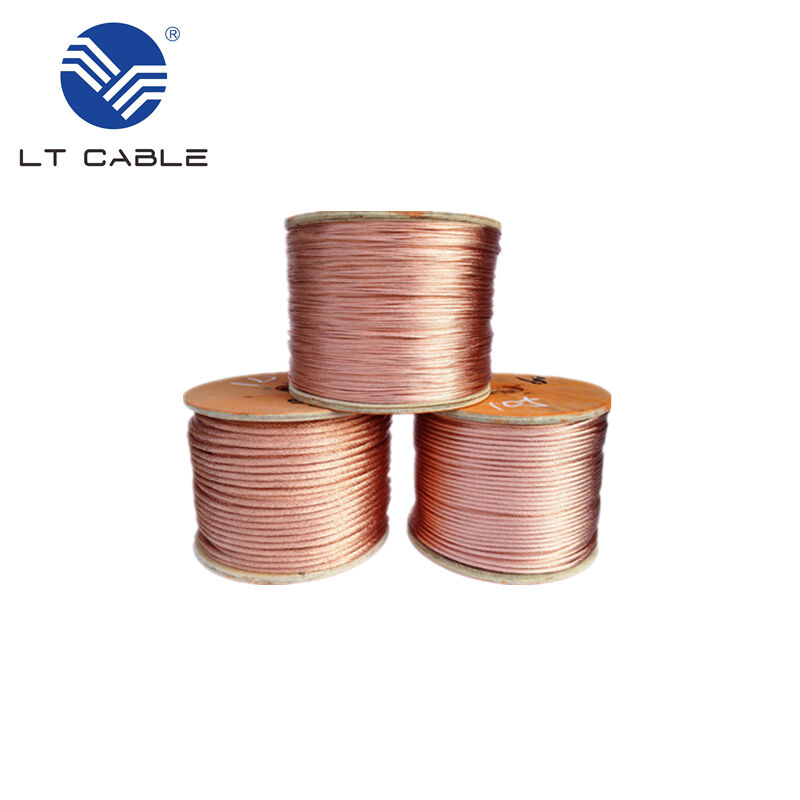
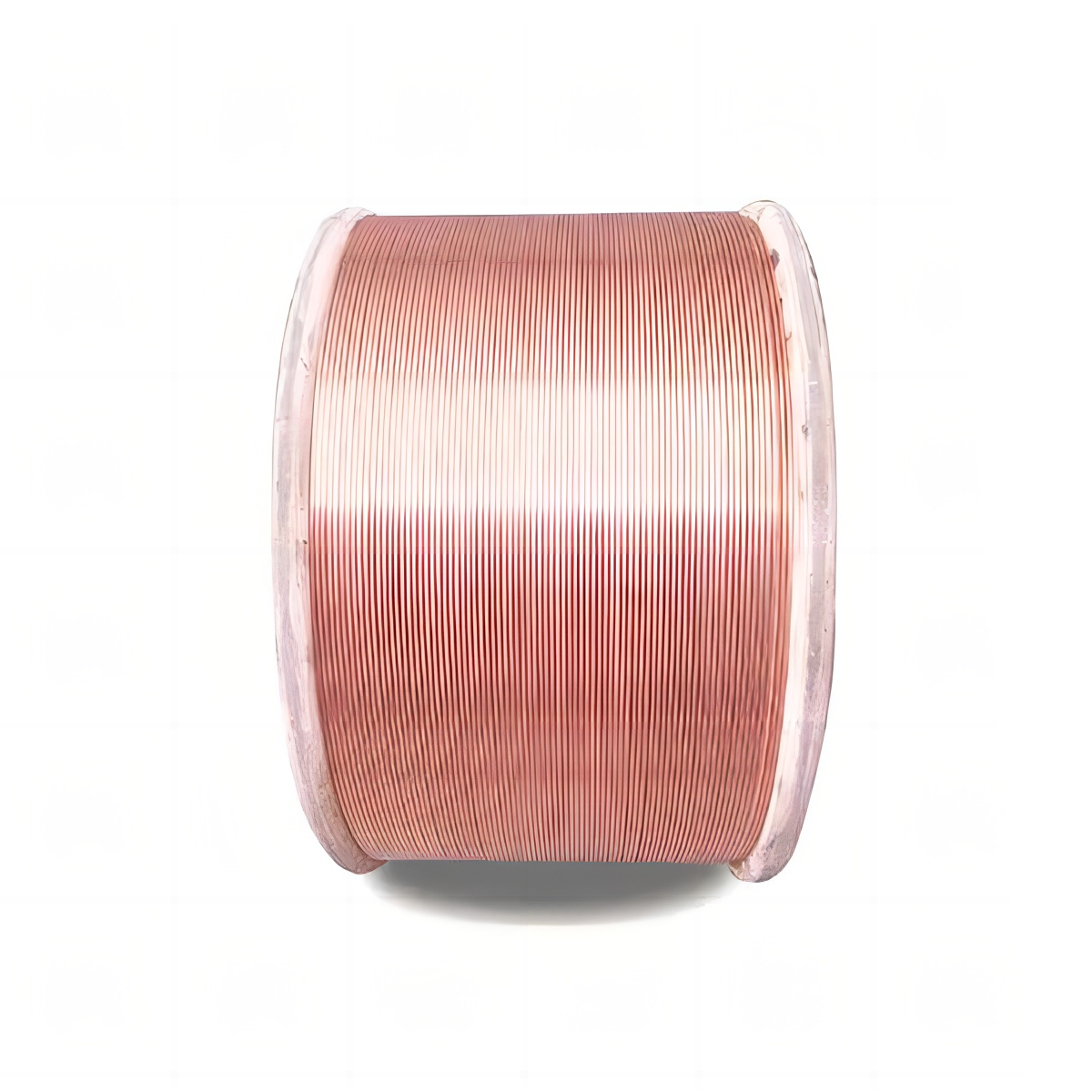
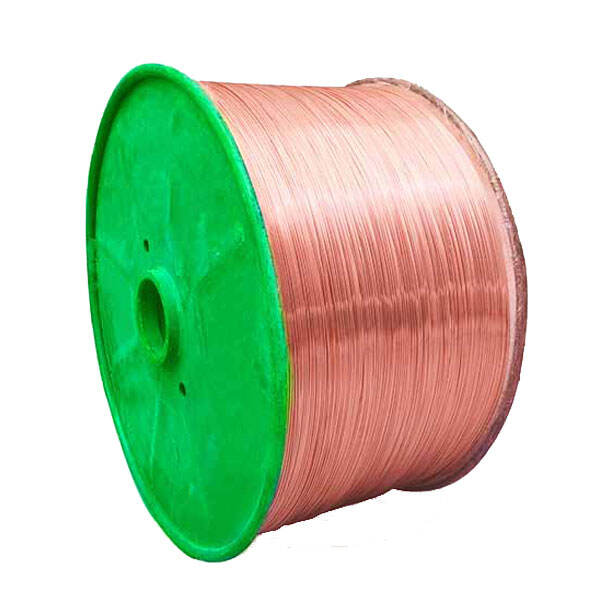
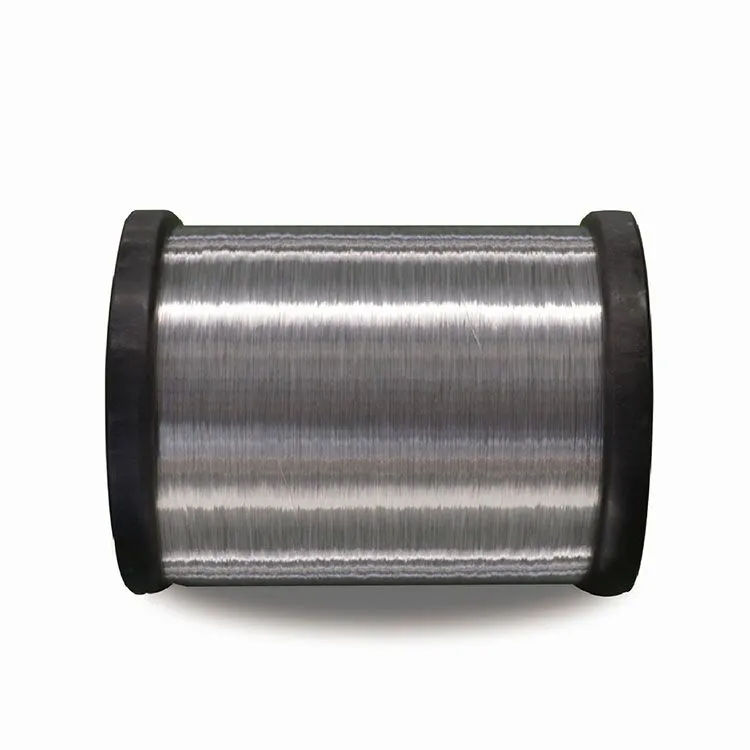
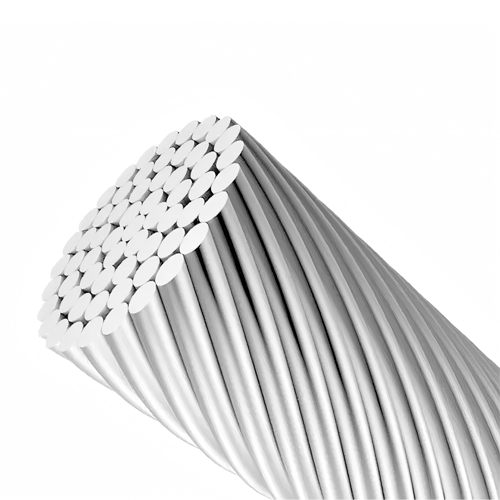
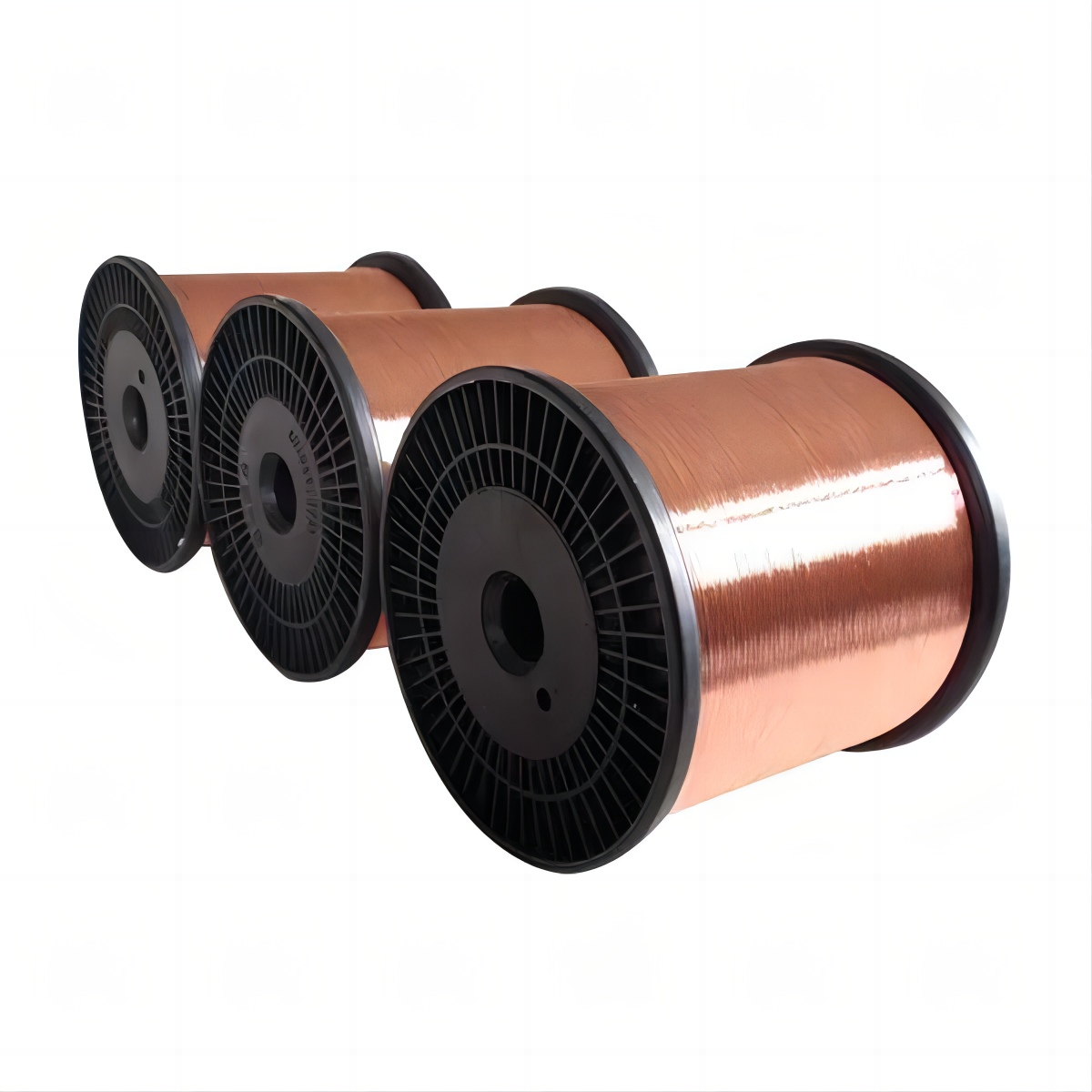
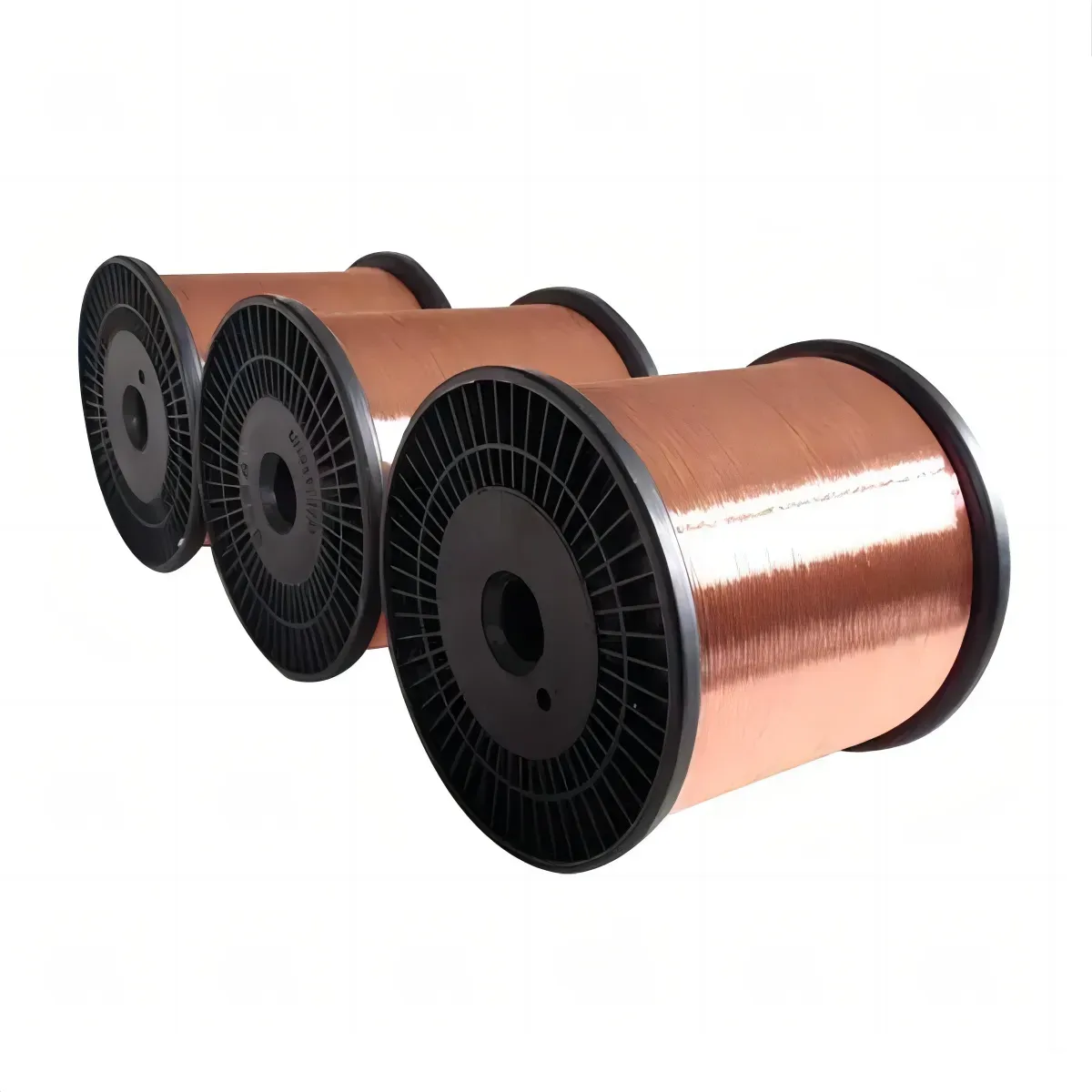
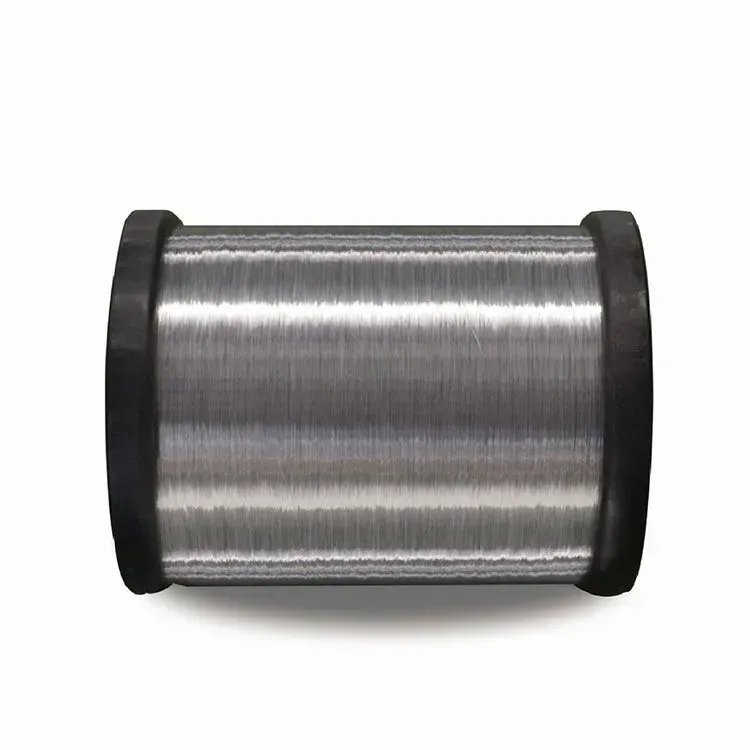
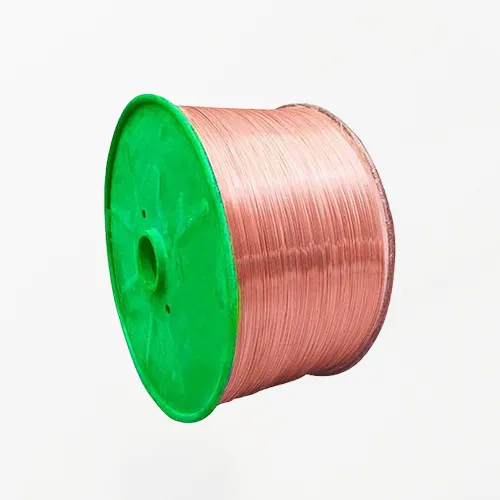
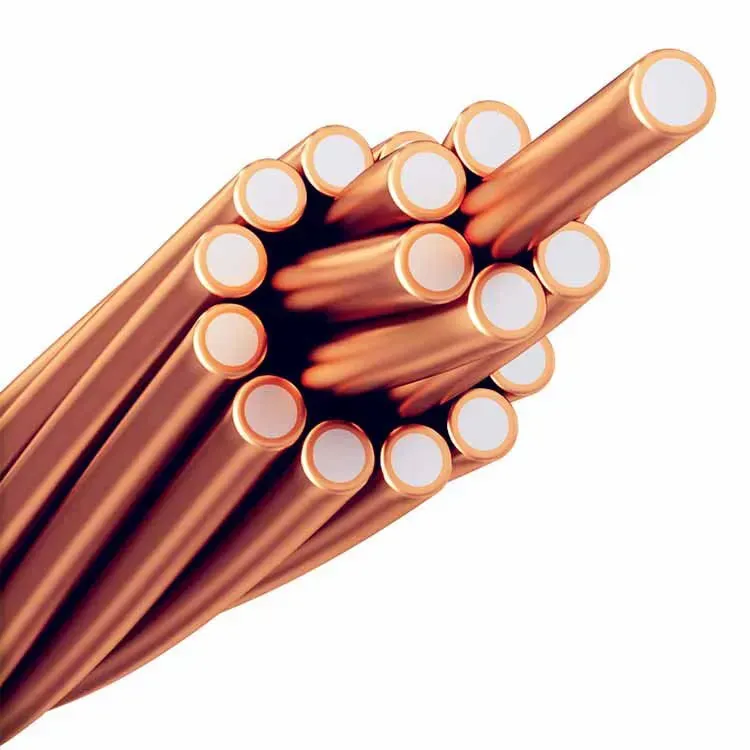
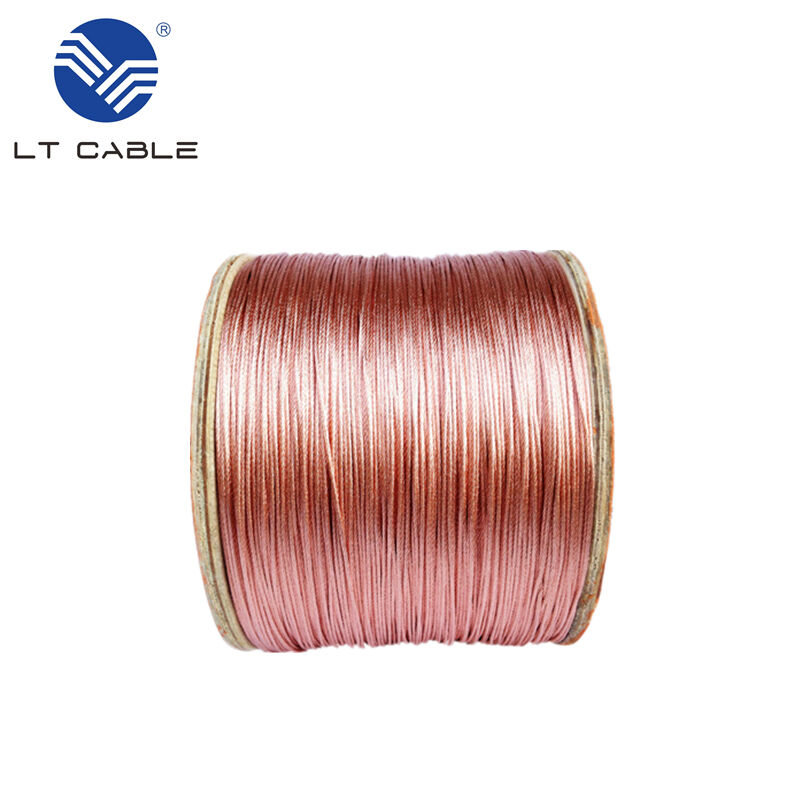
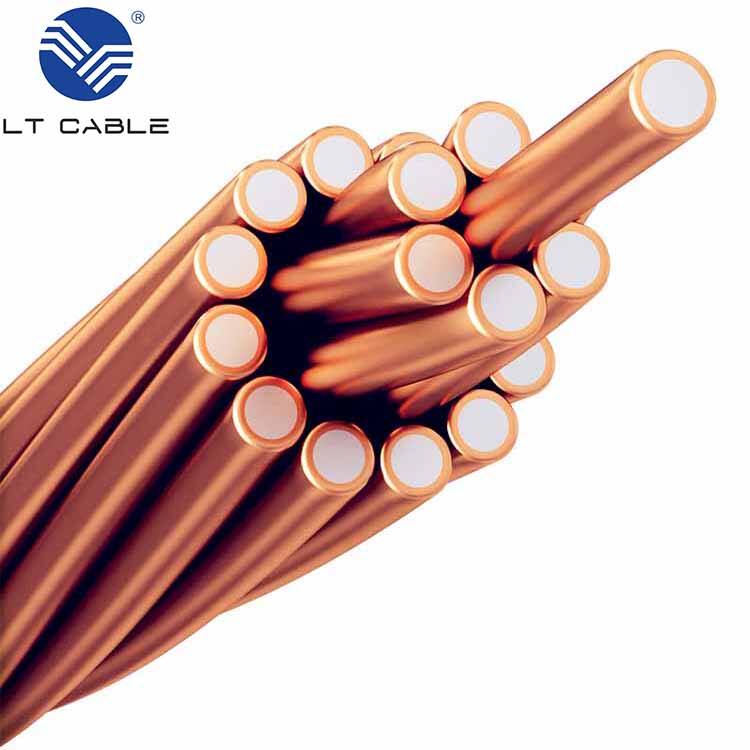
High Strength Stranded CCA Wire | Lightweight & High-Conductivity

Get a Free Quote

Our representative will contact you soon.
Name
Email
Mobile
Country/Region
Choose the product you want
Message
0/1000
Exceptional Quality and Performance of High Strength Stranded CCA Wire

Exceptional Quality and Performance of High Strength Stranded CCA Wire

Our High Strength Stranded CCA Wire is engineered to deliver superior performance and durability. The use of copper-clad aluminum (CCA) ensures a lightweight yet robust product that maintains excellent conductivity. This wire is designed for various applications, including telecommunications, automotive, and electrical systems, providing an optimal balance between cost and performance. With our fully automated production lines, we guarantee consistent quality, precision, and adherence to international standards. Our commitment to customer value creation means that we offer customized solutions tailored to meet specific client requirements, ensuring satisfaction and reliability in every project.
Get A Quote

Case Studies

Transforming Telecommunications with High Strength Stranded CCA Wire

A leading telecommunications company faced challenges with signal integrity and wire weight in their network infrastructure. By switching to our High Strength Stranded CCA Wire, they significantly improved their signal quality while reducing the overall weight of their installations. This transition not only enhanced performance but also resulted in cost savings on installation and maintenance. The lightweight nature of our wire allowed for easier handling and installation, proving to be a game changer in their operations.

Automotive Innovation Using High Strength Stranded CCA Wire

An automotive manufacturer sought to enhance the electrical efficiency of their vehicles. By incorporating our High Strength Stranded CCA Wire into their wiring harnesses, they achieved a notable reduction in weight without compromising on conductivity. This innovation led to improved fuel efficiency and overall vehicle performance. The manufacturer reported a significant increase in customer satisfaction due to the enhanced reliability and performance of their vehicles, showcasing the value of our product in high-demand applications.

Power Distribution Efficiency with High Strength Stranded CCA Wire

A power distribution company was looking for solutions to reduce energy loss in their transmission lines. By utilizing our High Strength Stranded CCA Wire, they experienced a remarkable decrease in energy loss due to its superior conductivity. The lightweight design facilitated easier installation and maintenance of the transmission lines, leading to operational efficiencies and reduced downtime. This case exemplifies how our wire can contribute to more sustainable energy practices and cost-effective solutions in the power industry.

Related products

At Litong Cable we are proud of our ability to respond to our customer needs by providing the highest quality CCA wire. First, our production process starts with the most advanced and careful selection of our raw materials. After we select our raw materials, we draw our wire, and in the last step of our production process we anneal the wire. Afterwards, each step of our production line is monitored and meticulously handled in order to produce CCA wire of the highest industry standard. Lightweight wires with great conductivity are in high demand by the majority of our customers in niche markets. Most importantly, our management focusses on innovation and staying ahead of the competition. Collectively, this innovation allows us to meet the precise needs of our customers. We value our relationship with our customers and believe it is important to listen and adapt to them in order to meet their needs. Most importantly, we communicate and collaborate on our customers needs.

Frequently Asked Questions about High Strength Stranded CCA Wire

What are the main advantages of using High Strength Stranded CCA Wire?

High Strength Stranded CCA Wire offers a combination of lightweight design and excellent conductivity, making it ideal for various applications such as telecommunications and automotive wiring. Its copper-clad aluminum construction ensures durability and cost-effectiveness, providing a reliable solution for both high-performance and budget-conscious projects.
Our production process is fully automated and meticulously controlled at every stage, from raw material selection to final product testing. This attention to detail ensures that our High Strength Stranded CCA Wire consistently meets high-quality standards, resulting in superior performance and reliability for our clients.

Related article

Why CCAM Wire is Essential for Modern Telecommunications

26

Dec

Why CCAM Wire is Essential for Modern Telecommunications

How CCAM Wire Improves Signal Transmission

In the telecommunication field which moves at an extremely fast pace, there is always a growing need for the signal to be transmitted reliably and in an efficient manner. CCAM Wire, or Copper Clad Aluminum Magnesium Wire, helps in fulfilling this requirement. The material is well suited for telecommunication cables as it offers a combination of strength and conductivity in its copper clad aluminum magnesium wire.

CCAM Wire’s Contribution Towards Lighter Weight Infrastructure

The low weight of CCAM Wire is another plus point during the construction of telecommunication networks. It reduces the amount of load that needs to be dealt with supporting structures providing for ease of installation and maintenance. This property is useful in the construction of long communication lines when weight is a large concern.

LT CABLE’s Competence in CCAM Wire Sector

At LT CABLE, we have honed in our CCAM Wire manufacture of high quality products tailored for the telecommunication advancements of today. Our extensive knowledge of the Industry coupled with commitment to quality makes certain that the products sold by us bear the latest technology in CCAM Wire. We extend excellent customer service through customized solutions, fitting our clients with criteria to improve their network performance.

LT CABLE’s CCAM Wire Options

CCAM Wire has become an essential element in many telecommunication forms. At LT CABLE, we provide a wide range of products depending on CCAM Wire to suit the needs and requirements of our clients. Whether you are with specific standards or serve in the expected parameters, our custom CCAM Wire Products allow you to achieve an effective outcome.

image(623f47d823).png

View More
Understanding the Benefits of Aluminum Alloy Wire in Industrial Applications

26

Jan

Understanding the Benefits of Aluminum Alloy Wire in Industrial Applications

Introduction to Aluminum Alloy Wire in Industrial Applications

Aluminum alloy wire combines aluminum with other metals to boost its performance traits. We see this stuff all over the place actually, in everything from electronic gadgets to fabric production and wiring systems throughout different industries. Why so popular? Well, it's pretty light but still strong enough to handle quite a bit of wear and tear, plus it bends without breaking easily. That combination works wonders for manufacturers needing something durable yet flexible under pressure. Take cable makers for instance they rely heavily on these alloys because they can stand up to regular use without adding unnecessary weight. Same goes for appliance builders and those working with solder joints where both strength and ease of shaping matter most.

More companies are turning to aluminum alloys these days because of better technology and what manufacturers need now. When businesses want to get things done faster without breaking the bank, aluminum becomes a smart choice instead of going with old school materials like copper or steel. These alloys work just as well but weigh less and usually cost less too, which explains why they keep showing up in cars, planes, and buildings everywhere. Looking at how many factories have swapped out traditional stuff for aluminum wires tells us something about where the industry is heading these days.

Key Advantages of Using Aluminum Alloy Wire

Aluminum alloy wire stands out for something called the strength-to-weight ratio, which basically means it's strong but doesn't weigh much. This makes all the difference when engineers need material that can take stress without adding unnecessary bulk. Take aircraft manufacturing as a case in point - every pound saved translates to better fuel economy and overall performance gains. Research indicates these wires can support considerable loads while staying significantly lighter than steel alternatives. The result? Aircraft manufacturers see real improvements in operational costs and environmental impact metrics. Similar benefits apply across other sectors where weight matters but structural integrity cannot be compromised.

One major plus point for aluminum alloys is how well they resist corrosion. This really matters when materials are used in tough conditions, think coastal areas where saltwater is everywhere or factories dealing with all sorts of chemicals day in day out. What happens naturally with aluminum is that it creates this thin oxide layer right on top of the metal surface. This layer acts like armor against rust and degradation over time. Industry data shows that aluminum holds up way better than copper does when faced with corrosive situations. For companies looking at materials for extended use across different industries, aluminum just makes more sense from both a durability standpoint and cost perspective in the long run.

Aluminum alloy wires make great sense as an alternative to copper when looking at costs. Aluminum simply costs less money than copper does, which makes it attractive for big projects where budgets matter. According to market research, switching from copper to aluminum cuts down on expenses while still maintaining good performance levels. Many industry professionals point out these financial benefits too. They mention how cheaper raw materials plus lighter weight means installation crews spend less time and money getting the job done right. Transportation costs drop off quite a bit as well since there's just not as much weight to move around.

Types of Aluminum Alloy Wire: A Comprehensive Overview

Knowing about different kinds of aluminum alloy wire matters when picking what works best for a particular job. Take enameled wire for instance it's pretty common because the coating acts as great insulation. That makes it work really well in things like motors and transformers around the shop. The coating stops those annoying electrical shorts from happening and actually helps the wire last longer, especially in places where heat gets intense. Most folks will find this stuff winding through transformer cores and motor components all over manufacturing facilities. It just holds up better under stress than other options, which explains why so many engineers specify it for their critical systems.

Aluminum alloy wire comes in two main types besides standard options: stranded and solid wire, each offering different benefits depending on what's needed. Stranded wire basically looks like several thin wires all twisted together, making it bendy and good at handling vibrations. That's why it works so well in places where movement happens a lot, think car manufacturing for instance. Solid wire tells a different story though. Made from just one thick strand, it conducts electricity better than stranded alternatives. Most commonly found in fixed positions where nobody expects the wire to move around much, like electrical systems inside buildings. When deciding between these two options, manufacturers typically weigh whether their application requires something that can flex and move around or if they need something stable that stays put once installed.

Copper clad aluminum wire combines what makes copper good at conducting electricity with aluminum's lightness, giving people the best of both worlds. Most folks see this kind of wiring in telecom systems and data lines, especially when saving space matters or when money counts. The industry specs generally point towards copper clad aluminum whenever cutting down on weight becomes important. It works as a cheaper option compared to solid copper while still holding up pretty well in terms of actual performance. Many manufacturers have switched over because it balances budget concerns against functional requirements quite nicely.

Electrical Properties of Aluminum Alloy Wire

When comparing aluminum alloy wire to traditional copper wire, there's quite a difference in how they conduct electricity. Aluminum only manages about 61% of what copper does, but here's the catch - it weighs way less. And sometimes that makes all the difference for certain jobs. Take big projects where tons of wiring needs to go up, the lighter weight really cuts down on labor costs and makes installation much simpler, particularly when running cables across vast distances. Most engineers know that aluminum needs bigger wires than copper to get the same job done right. Still, nobody argues with its advantages when weight matters most. That's why we see aluminum dominating in places like those massive overhead power lines stretching across fields and mountains. The tradeoff works out pretty well for many applications despite the conductivity gap.

When looking at how well aluminum wire works in electrical systems, it helps to compare it directly with stranded copper wire. Take resistance levels for example copper usually measures around 10.37 ohms per thousand feet, whereas aluminum tends to be higher. This means aluminum needs bigger cables to handle the same amount of electricity. But here's the thing even though aluminum isn't as efficient in terms of resistance, most people still go for it because it saves money and weighs much less. The price difference alone makes aluminum a practical choice for many projects where budget matters more than perfect performance. That explains why so many electricians and contractors opt for aluminum alloy wiring when they need something affordable and lightweight for their installations.

Industrial Applications of Aluminum Alloy Wire

Aluminum alloy wires have become popular for electrical installations because they offer several benefits when compared to standard copper wiring. Being lighter means installers can work faster and there's less strain on building structures, particularly noticeable in high rise buildings or those with large spans between supports. Cost is another factor working in favor of aluminum. They tend to be cheaper than copper while still delivering good results in most applications. What's more, aluminum stands up better against corrosion over time. Copper tends to oxidize eventually leading to reduced conductivity, whereas aluminum maintains its properties much longer in many environments.

The aerospace sector favors aluminum alloy wires because they cut down on weight without sacrificing performance. When building planes, engineers really care about lightweight materials since every pound saved translates into better fuel economy and more cargo space. Aluminum stands out thanks to its impressive conductivity relative to its weight, which is why manufacturers keep picking it for various components. Despite being lighter than alternatives, these alloys still hold up under extreme stresses during flights, ensuring both passenger safety and structural reliability throughout long hauls across the skies.

Aluminum alloy wires are showing up more and more in construction these days because they just work better than many other options. We see them all over the place really from building exteriors to stairs and even roofs, mainly because they don't rust easily and aren't too heavy. Contractors love using these wires when trying to cut down on overall building weight while also saving money on repairs later on down the road. Buildings last longer this way. As a result, most builders now consider aluminum alloy wires standard equipment for new constructions, especially whenever there are strict requirements about how structures need to perform under different conditions.

Choosing the Right Aluminum Alloy Wire for Your Project

Choosing the right aluminum alloy wire is crucial for the success and efficiency of your project. Here are key factors to consider:

  1. Electrical Requirements: Determine the current-carrying capacity required for your project. Aluminum alloy wires vary in conductivity, so selecting one that meets your project's electrical demands is essential.
  2. Environmental Conditions: Assess the environment where the wire will be used. Aluminum is prone to oxidation, so it's important to choose alloys that are treated for resistance to environmental factors.
  3. Application Type: Understand the specific applications of the wire, such as its flexibility and fatigue resistance. Different projects have different demands, from structural integrity to ease of installation.

Saving time and money starts with avoiding those common mistakes people make when picking out wires. One big mistake folks often make is ignoring things like wire gauge and capacitance ratings. What happens then? The wires tend to overheat and eventually fail completely. Take ambient temperature into account too. If someone installs wiring that isn't rated for the actual conditions it faces, the insulation might start melting after a while. And guess what? That increases fire hazards significantly. Getting familiar with all these details matters a lot. When in doubt, talking to an electrician or experienced technician makes sense. Their insights can stop expensive breakdowns down the road and keep installations running smoothly for years instead of months.

Conclusion: The Future of Aluminum Alloy Wire in Industry

With sustainability becoming such a big deal across various sectors these days, aluminum alloy wires have really caught attention because of how green they actually are. Industry stats show that switching to aluminum alloys cuts down on carbon footprints quite a bit since aluminum occurs naturally more often than most other metals and can be recycled over and over again without losing quality. What this means practically is that manufacturing facilities consume less power when working with aluminum, plus there's a noticeable drop in those harmful greenhouse gases both when producing new materials and later when recycling them. That's why we're seeing an uptick in manufacturers incorporating aluminum alloy wire into their operations lately, especially in construction and automotive fields where material choices matter a lot for overall environmental impact.

Aluminum alloy wire brings benefits that go well past just being good for the environment. The fact that it's so light combined with how well it conducts electricity makes this material really stand out when looking at new tech developments in different fields. Take cars for example automotive manufacturers are increasingly turning to aluminum alloys because they help cut down on EV weight without sacrificing performance. We're seeing similar trends in telecom where these wires enable much faster data speeds than traditional options could manage. As 5G networks roll out around the world, we'll need materials that can keep up with those bandwidth requirements. Given all these qualities, there's no doubt aluminum alloy wire will continue shaping both our tech landscape and efforts toward greener manufacturing methods going forward.

View More
Having trouble with interference? Shielded cable's shielding layer has the solution.

22

Feb

Having trouble with interference? Shielded cable's shielding layer has the solution.

What Are Shielded Cables?

Shielded cables are basically electrical wires built specifically to block electromagnetic interference (EMI). These cables have a special protective layer around them that keeps signals clean and intact as they travel through the wire. Most importantly, shielded cables help keep signals strong when there's lots of EMI floating around in industrial settings or anywhere else with heavy electronic equipment nearby. How do they work? Well, the conductors inside get wrapped in something called a conductive shield. This shield either soaks up or bounces back those pesky electromagnetic signals before they can mess up the data being transmitted through the cable.

There are several kinds of shielded cables on the market, and each one works best for certain jobs. Take coaxial cables for example. They have this core wire surrounded by insulation, then a metal shield wrapped around that, followed by another layer of protection outside. This makes them great for things like TV signals and internet connections where frequencies get pretty high. Then there are twisted pair cables we see all over Ethernet setups. The way these wires twist together actually helps cut down on electromagnetic interference (that's when unwanted signals mess with our data). Shielded cables basically come in different flavors so they can handle whatever environment they find themselves in, whether it's inside factories with lots of machinery humming away or just connecting devices around the house.

How Shielded Cables Reduce Interference

Shielded cables work pretty well against electromagnetic interference (EMI) because they have this conductive barrier that cuts down on those pesky external electromagnetic fields. Most of the time, there's a metal shield wrapped around the inside wires, usually copper or aluminum does the trick. What happens is this shield serves as protection for the inner wires, basically soaking up or bouncing back those unwanted electromagnetic signals. So the actual conductors inside stay safe from all that outside EMI stuff that could mess with their performance.

Proper grounding of the shield really matters when it comes to how well shielded cables reduce noise. If everything's grounded correctly, then all that pesky interference gets sent straight into the ground instead of messing with the actual signals inside the cable. Think about it as creating a shortcut for electromagnetic interference (EMI) so it doesn't have time to cause problems for our precious data signals. What happens if we skip this grounding step? Well, the whole point of having a shield goes out the window basically. The shield might actually start working against us, making those interference problems worse than they were before we even tried to fix them.

Looking at shielded versus unshielded cables, the benefits of having some kind of shielding become pretty obvious. Shielded cables really stand out in places where there's lots of electrical interference, cutting down on both signal loss and unwanted noise. Research indicates these shielded options can cut interference as much as 90 percent when put against regular unshielded ones, which makes signals much cleaner overall. These numbers point to why many engineers reach for shielded cables when working on complicated electronics projects where performance just cannot afford to drop off. Anyone who has dealt with frustrating signal problems knows what a difference proper shielding can make in keeping things running smoothly.

Benefits of Using Shielded Cables

Using shielded cables brings quite a few advantages to the table, mainly because they help boost signal quality while cutting down on those pesky data transmission errors we all hate. Real world testing indicates that when shielded cables are put into action, error rates drop noticeably, which makes data communication much more dependable. This matters a lot in places where there's lots of electromagnetic interference around, like near industrial equipment or power lines. These cables act as guards against annoying crosstalk and other kinds of interference that just love to mess up signals. As a result, important data stays intact whether it's being sent through computer networks, audio systems, or even medical devices where accuracy is absolutely critical.

Shielded cables tend to last longer because they're built with tough stuff like enameled wire and copper covered aluminum. The materials used give these cables a good lifespan, so they work well even when put through tough situations. These cables hold up against all sorts of rough treatment, from extreme temperatures changes to physical strain, while still doing what they're supposed to do. Since they don't break down as quickly, there's no need to replace them so often which means less money spent on new ones and fewer headaches with maintenance over time.

Shielded cables play a big role in meeting those industry standards related to electromagnetic compatibility or EMC as it's known. Most industries have strict rules in place to stop interference from messing up electronic equipment. When companies install shielded cables, they're basically ticking off regulatory boxes while making sure their gear stays within safe emission levels. This matters a lot in places like telecom networks and factory automation systems where even small disruptions can cause major problems down the line. For instance, imagine what would happen if a signal got corrupted during data transmission across thousands of miles of fiber optic lines.

Challenges of Implementing Shielded Cables

Shielded cables present several challenges mainly because they cost more than regular cables. Why? Well, these special cables require better materials during manufacturing. Take enameled wire or copper clad aluminum wire for instance these components drive up production expenses significantly. That's why shielded options end up costing about 30% more on average compared to standard unshielded versions. When companies plan out their electrical work, they need to factor in these extra costs upfront. Some businesses find ways to offset the expense by extending equipment lifespan through reduced interference damage, but others simply have to adjust their budget expectations when going with shielded solutions.

Installation of shielded cables presents another major headache for many technicians. These types of cables need specific expertise during setup if the shielding is going to work properly as intended. When someone installs them incorrectly, all those fancy shielding features basically become useless because they won't block out electromagnetic interference anymore. That means companies spend extra money on these specialized cables only to get no real benefit from them. For this reason, most experienced installers will tell anyone who asks that having qualified professionals handle shielded cabling installations makes all the difference in the world when it comes to performance outcomes.

Getting grounding right during installation makes all the difference for shielded cables. When done properly, grounding lets those shields do their job directing stray signals away from sensitive equipment. But skip this step or rush through it? The cables just won't work as well as they should. We've seen installations where poor grounding caused everything from intermittent connectivity problems to complete system failures. That means slower data transfer rates and more error messages popping up on monitoring systems. Technicians need hands-on training specifically focused on grounding techniques for different environments. A few extra minutes spent checking connections now saves hours of troubleshooting later down the road.

Applications of Shielded Cables in Various Industries

Shielded cables are really important for telecom systems because they make sure data moves fast without getting messed up along the way. The main job of these cables is stopping electromagnetic interference or EMI from messing with signals, something that actually causes problems for many businesses every day. When we're talking about places where lots of data zips through quickly like internet backbones or cellular towers, shielded cables keep those communication lines clean and working properly. Especially when dealing with high frequency stuff, these shields stop unwanted noise between cables (called crosstalk) and protect against signal quality drops that nobody wants to deal with when trying to stream movies or make video calls without lag.

Shielded cables play a critical role in medical settings where they protect life saving equipment from interference. These special cables keep sensitive electronic signals safe in important devices like MRI scanners, ultrasounds, and various patient monitors. When those signals get disrupted, even just a little bit, it can throw off diagnoses completely or worse still cause equipment malfunctions that put patients at risk. Think about how crucial accurate readings are when doctors need to spot tumors or monitor heart function. That's why hospitals rely so heavily on shielded cabling solutions. Without proper shielding, many diagnostic procedures simply wouldn't work reliably enough to save lives.

The world of industrial automation is one place where shielded cables really shine. Think about what happens inside manufacturing plants and factory floors daily. All sorts of machines and control panels run alongside equipment that generates plenty of electrical interference. Shielded cables act as protective barriers for signal transmission in these automated systems, making sure instructions get through correctly and without delay. When signals get messed up by this kind of interference, things start going wrong fast production lines stop working properly, safety protocols fail, and everyone loses valuable time waiting for fixes. That's why so many manufacturers invest in quality shielding solutions these days. They know that keeping those signals clean means smoother operations across their entire facility.

How to Choose the Right Shielded Cable

Picking out the right shielded cable means knowing how different materials affect performance in practice. Take bare stranded copper wire for example it conducts electricity really well but isn't as flexible as options like enameled or coated varieties. Stranded wire gives much needed flexibility, making it work better in places where movement happens regularly, though sometimes this comes with lower conductivity levels. The key thing here is weighing what matters most for any particular job. Some applications demand top notch conductivity while others need cables that bend without breaking down over time.

Matching cable specs to actual usage conditions matters just as much as anything else when selecting cables. Telecommunications cables aren't really comparable to what gets used in hospitals or factories because each environment has completely different demands. When picking out cables, things matter like how much EMI exists around them, whether they need to bend easily without breaking down, and if signals will stay strong enough over distance. Getting this right means the shielded cables actually work properly to block unwanted interference and keep systems running reliably day after day. Most technicians know this isn't something to guess at since poor matches lead to all sorts of headaches later on.

Conclusion

Shielded cables really matter when it comes to getting reliable performance out there in the field. These cables protect signals from all sorts of interference, which keeps data intact across different sectors like manufacturing or telecommunications. There are several materials available too copper clad aluminum, enameled wire just to name a couple so folks can pick what works best for their particular setup. We're seeing tech advance pretty fast these days, and along with that comes increased need for shielded cables because they handle the complexities of today's infrastructure better than ever before. For anyone working on installations or upgrades, keeping an eye on new cable technologies makes sense since it directly affects how well systems perform over time.

View More
Curious about how the miniaturization trend in electronics affects enameled wire? Let's discuss.

26

May

Curious about how the miniaturization trend in electronics affects enameled wire? Let's discuss.

The Science Behind Enameled Wire Miniaturization

Core Principles of Enameled Wire Design

Getting to grips with how enameled wire works at its core helps explain why miniaturization has made such big strides recently. Basically, what we're looking at here is metal wire wrapped in this super thin insulation layer that actually boosts both heat handling and electricity carrying capabilities. The whole point of this setup is so the wire doesn't melt or short out when exposed to serious heat or voltage spikes, which makes it perfect for those tiny gadgets everyone carries around these days. When engineers started shrinking down enameled wire dimensions, they found something interesting happened to efficiency metrics. Shrinking the physical size while keeping that same heat tolerance? Turns out it makes the current flow better through the conductor. Less resistance means less energy wasted as heat, and that translates directly into better performance packed into smaller spaces across all sorts of electronic devices.

Stranded Wire vs Solid Wire: Performance Trade-offs

When looking at stranded versus solid wires, we see different strengths that matter when picking the right type for a job. Stranded wire gets lots of points for being bendy and reducing what's called the skin effect, which makes it great for places where things need to move around or get bent regularly. Solid wire tells a different story though. It stands firm and holds up better over time, so it works well in fixed positions where something needs to stay put without moving much. Real world tests have shown stranded wire performs better in situations that involve constant motion because of how flexible it is, but solid wire can handle more electricity flow in setups that don't change position. The choice between them really impacts how circuits work, particularly in tight spaces where both room and physical movement become important factors in installation decisions.

How Copper Clad Aluminum Wire Supports Compact Systems

Copper clad aluminum (CCA) wire combines an aluminum core with a copper coating and has become essential for many compact system designs. What makes CCA stand out from regular copper wire? Well, it weighs less and costs significantly less money while still conducting electricity pretty well. This makes it especially attractive when space matters most in small devices. Looking at actual applications shows why manufacturers love this material so much. For instance, in telecom equipment where every gram counts, CCA allows engineers to build smaller repeaters without sacrificing signal quality. Same goes for smartphones and other gadgets that need internal wiring but can't afford the bulk or expense of pure copper. The savings add up across production runs too, which explains why we see more and more consumer electronics incorporating this clever material solution.

Skin Effect and Proximity Loss Mitigation Strategies

When designing miniaturized wires, engineers need to pay close attention to two main issues: skin effect and proximity losses. Let's start with skin effect first. Basically, this happens because AC tends to bunch up near the surface of the conductor rather than flowing evenly throughout. What does this mean? Well, it makes the wire act like it has smaller cross-section, so resistance goes up especially bad at higher frequencies. Some pretty smart workarounds exist though. Many manufacturers now turn to high conductivity materials combined with super thin insulation layers to combat these problems in their tiny enameled wires. Another trick worth mentioning involves changing how conductors are arranged spatially. These special geometric arrangements reduce what we call proximity losses where currents in one wire mess with those in adjacent ones. Looking at actual field tests, companies report seeing real gains in both energy efficiency and overall performance. As our gadgets keep getting smaller and smaller, these kinds of engineering solutions become absolutely essential for maintaining proper functionality without wasting power.

Role of Quantum Effects in High-Frequency Applications

Quantum effects are becoming really significant for wire design at high frequencies. We see these effects mainly showing up in very short conductors where they actually change how well the wires perform by messing with inductance levels and how electrons move through the material. When components get smaller and smaller, these quantum behaviors become even more pronounced. The tiny size basically makes wires react differently to high frequency signals because of new electromagnetic characteristics that emerge. Take inductors for instance. By leveraging quantum effects, engineers have managed to create much smaller inductors that still hold their inductance value or sometimes even improve it despite being miniature in size. This lets manufacturers pack more functionality into smaller spaces, which explains why we now have better performing phone chargers and all sorts of compact wireless devices on the market today. Looking ahead, quantum mechanics might just revolutionize how we approach electronic design across the board.

Optimizing Stranded Wire Size Charts for Thermal Management

Wire size charts for stranded conductors can really help when it comes to managing heat, which matters a lot in small electronics these days. Stranded wire gets chosen mostly because it bends easier than solid wire, but there's another benefit too - it actually handles heat better thanks to all those tiny strands touching more surface area. When looking at how well something manages temperature, three main things come into play: how thick the wire is, what kind of metal it's made from, and where it sits in the environment. Getting the right stranded wire size depends on what exactly needs to be done in each situation. Engineers usually check those size charts to find a sweet spot between being flexible enough and still letting heat escape properly. Good wire design should get rid of excess heat without falling apart under stress. Proper sizing makes all the difference in whether those tiny gadgets work reliably day after day.

Innovations Driving Enameled Wire Evolution

Advanced Insulation Materials for Space-Constrained Designs

New developments in insulation materials are really pushing forward what we can do with enameled wires, especially when there's not much room to work with. The latest stuff coming out has much better heat handling properties, so these wires can keep functioning even when things get pretty hot inside machinery. They're also tougher now, standing up to wear and tear that would normally damage regular wires. Take polyimide mixed with fluoropolymers as one good example. These combinations have made a big difference in how well insulated wires perform, which explains why the market for them keeps growing year after year. All these improvements matter a lot in industries like cars, planes, and consumer electronics, where every millimeter counts and reliability is absolutely essential.

Preformed Litz Wire Configurations for High-Current Devices

Litz wire has become increasingly popular for applications that need to handle large amounts of current while fitting into small spaces. When manufacturers split the wire into multiple strands and twist them together, they create a design that fights against two major issues found in regular wires: skin effect and proximity losses. This special arrangement lets the wire work better at both high frequencies and when carrying substantial currents, leading to much better overall performance. Research shows that in certain situations where there's lots of current flowing, these wires can cut down on power loss by as much as 40%. That kind of efficiency explains why many engineers turn to Litz wire when building transformers, motors, and various types of inductors where saving energy matters most.

Integration of Smart Amplifiers and DSP Technologies

Smart amplifiers and digital signal processing (DSP) tech are changing how we think about enameled wire design, opening up all sorts of new opportunities. When these cutting edge technologies work together with better wire materials, they actually improve how systems perform overall. They handle signal integrity issues and manage power distribution much better than older methods did. We're seeing this happen across various electronic devices today, especially where getting things right matters most. Take audio equipment for instance. When manufacturers combine DSP technology with high quality enameled wires, listeners notice cleaner sound with far less background noise and distortion problems. What we're witnessing isn't just incremental improvement but a complete transformation of what enameled wires can do, pushing boundaries in ways that keep surprising even seasoned engineers in the field.

Applications in Modern Electronics

Automotive Electrification: Wires in EV Motors

The insulated copper wire used in electric car motors is really important for getting those vehicles to run efficiently and perform well. What makes these wires so good at their job? Well, they have strong insulation layers that protect against short circuits while still allowing electricity to flow freely through them without much resistance. This means less wasted energy when the motor is running. Another thing worth noting is how manufacturers keep shrinking the diameter of these wires over time. Smaller wires let engineers pack more wiring into tight spaces within the motor housing, which helps create compact but still very powerful electric drivetrains. The whole auto industry seems to be moving toward greener transportation solutions right now, and this has created quite a buzz around all things electrical for cars. Take a look at the numbers from BloombergNEF if you want proof: they predict EV sales will jump from about 3 million units sold back in 2020 up to nearly 14 million by 2025. With such rapid growth happening across the sector, there's no doubt that demand for quality enameled wire will continue rising alongside it.

Renewable Energy Systems: Wind Turbine Generator Coils

Enameled wire plays a vital role in making wind turbine generators work efficiently within renewable energy systems. These specialized wires help convert mechanical energy into electricity thanks to their excellent conductivity properties and ability to withstand heat over time. As manufacturers continue developing thinner wire options, we see improvements in both system performance and long term reliability across installations worldwide. The renewable sector's rapid expansion has created new demands for better wiring technologies. According to data from the International Energy Agency, global renewable energy capacity saw a massive 45% jump back in 2020, marking the quickest growth since records began in 1999. This explosive development highlights why advanced enameled wire solutions remain so important for wind farms and other green energy projects as they scale up operations around the planet.

Miniaturized Loudspeakers and IoT Device Integration

When enameled wire gets integrated into mini loudspeakers, it really boosts sound quality because it keeps those electromagnetic fields steady. The whole miniaturization thing opens up all sorts of possibilities for complex functions too, particularly in smart devices where space is at a premium but good wiring still matters. These new wiring methods let manufacturers connect components in tight spots while still getting decent performance out of them. Take one big electronics company for instance they tried enameled wire in their speaker designs and saw real improvements in both clarity and how long the speakers lasted. As gadgets keep getting smarter and more connected, these kinds of innovations aren't just nice to have anymore they're pretty much essential if companies want to make products that work well without taking up too much room inside.

Future Trends in Enameled Wire Technology

Emerging Materials for Room-Temperature Quantum Applications

Researchers are getting excited about materials that work at normal temperatures for quantum applications. We're talking about things like special composites and new types of alloys designed to perform well without needing extreme cooling. This development might change how we approach several areas of science and technology. These materials are helping push the miniaturization trend forward because they let engineers create smaller devices while still maintaining good performance levels. Recent data shows real potential here too. For instance, companies working on quantum computers have already started incorporating these materials into their prototypes. Telecommunications firms are also showing interest since better signal processing becomes possible. Experts predict strong market expansion over the next few years as manufacturers integrate these advances into everyday tech products.

Sustainable Manufacturing and Circular Economy Practices

There's been a big change happening in the enameled wire sector lately, with companies moving toward greener manufacturing methods. Many firms are now looking at ways to apply circular economy ideas to their operations, which helps them run better while cutting down on waste and saving materials. Going green isn't just good for the planet either these approaches actually help businesses save money too by making better use of raw materials. We're seeing this trend boost market growth across the board because both customers and producers want to support products made through responsible processes. For anyone watching this space closely, it's clear that sustainability isn't just a buzzword anymore it's becoming essential for staying competitive in today's markets.

Global Market Projections: $46B by 2032

The enameled wire market looks set to grow quite a bit over the next decade, with estimates pointing toward around $46 billion in value by 2032. A few things are driving this expansion. Tech improvements keep coming fast and furious while demand keeps rising in different areas like cars, green energy projects, and electronic devices. Research firms back up these numbers too, showing how innovation within the enameled wire sector plus all the new ways it gets used are pushing things forward. The industry itself is changing as well to handle both tech upgrades and greener requirements from customers. All signs point to good times ahead for anyone involved in making or selling enameled wires.

View More

Reviews

John Smith
Exceptional Performance and Reliability

The High Strength Stranded CCA Wire we purchased from Litong Cable has significantly improved our project outcomes. The quality and performance of the wire exceeded our expectations, and the customer service was outstanding. We’ll definitely continue to work with them for future projects!

Sarah Johnson
A Game Changer for Our Automotive Applications

Switching to Litong Cable’s High Strength Stranded CCA Wire was a smart move for our automotive manufacturing. The reduction in weight and increase in efficiency have made a noticeable difference in our vehicles’ performance. Highly recommend their products!

Get a Free Quote

Our representative will contact you soon.
Email
Name
Company Name
Message
0/1000
 Superior Conductivity and Lightweight Design

Superior Conductivity and Lightweight Design

Our High Strength Stranded CCA Wire is designed with a unique copper-clad aluminum composition, providing exceptional conductivity while maintaining a lightweight profile. This combination allows for easier installation and reduced overall material costs, making it an ideal choice for industries requiring efficient and reliable wiring solutions. The lightweight nature of our wire also means less strain on supporting structures, enhancing the longevity and stability of installations. By choosing our product, clients can achieve significant performance improvements without compromising on quality.
Customized Solutions for Diverse Applications

Customized Solutions for Diverse Applications

At Litong Cable, we understand that different industries have unique requirements. Our High Strength Stranded CCA Wire can be tailored to meet specific application needs, whether it’s adjusting the gauge, length, or insulation type. This flexibility ensures that our clients receive a product that perfectly fits their project specifications, leading to enhanced performance and satisfaction. Our dedicated team works closely with clients to develop customized solutions that address their challenges, ensuring that we remain a trusted partner in their success.
  • Product Consultation & Selection

    Product Consultation & Selection

    Tailored advice, perfect fit solutions.

  • Production & Supply Chain

    Production & Supply Chain

    Efficient manufacturing, seamless supply.

  • Quality Assurance & Certification

    Quality Assurance & Certification

    Rigorous testing, global certifications.

  • Post-Sales Support & Tech Help

    Post-Sales Support & Tech Help

    Prompt assistance, ongoing support.

Get a Free Quote

Our representative will contact you soon.
Name
Email
Mobile
Country/Region
Title
Message
0/1000