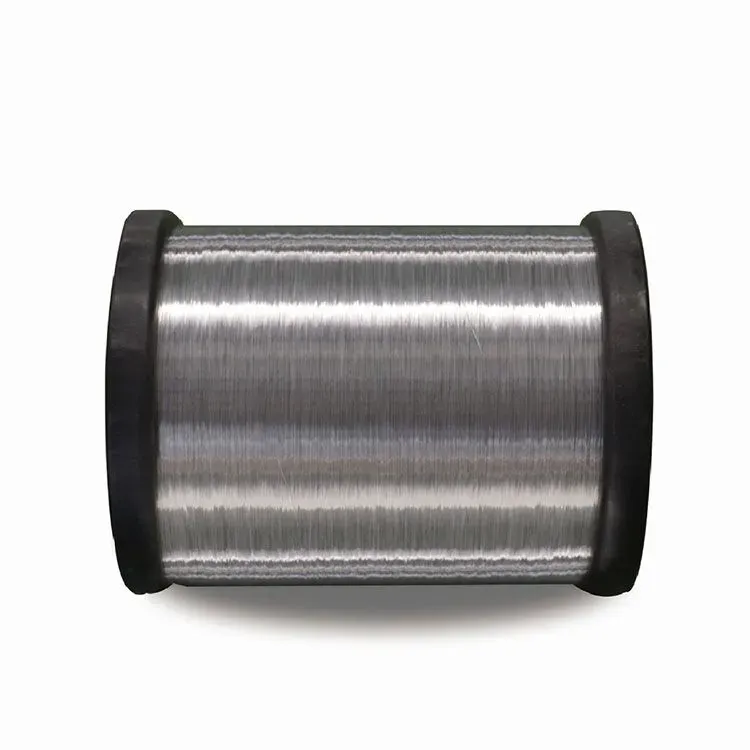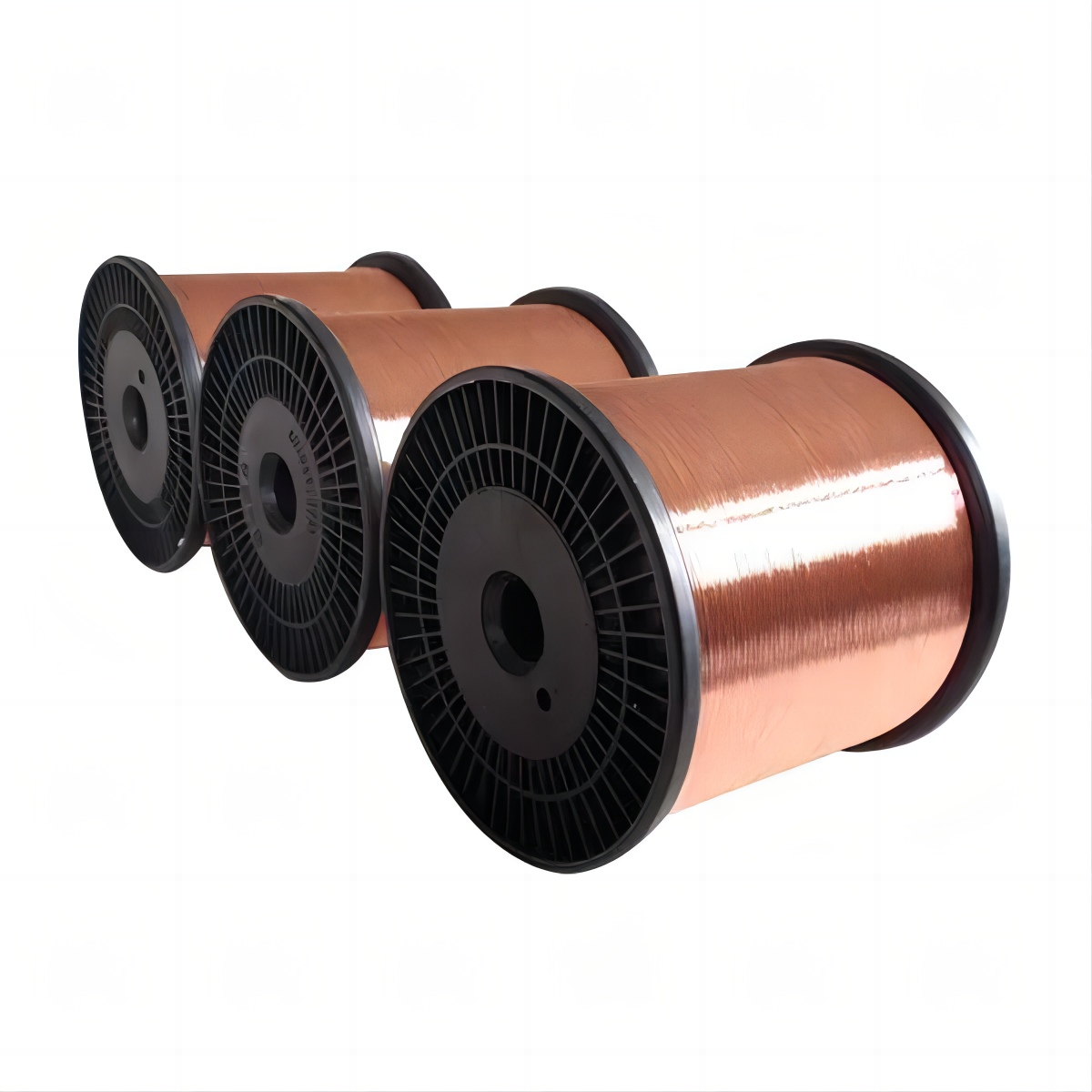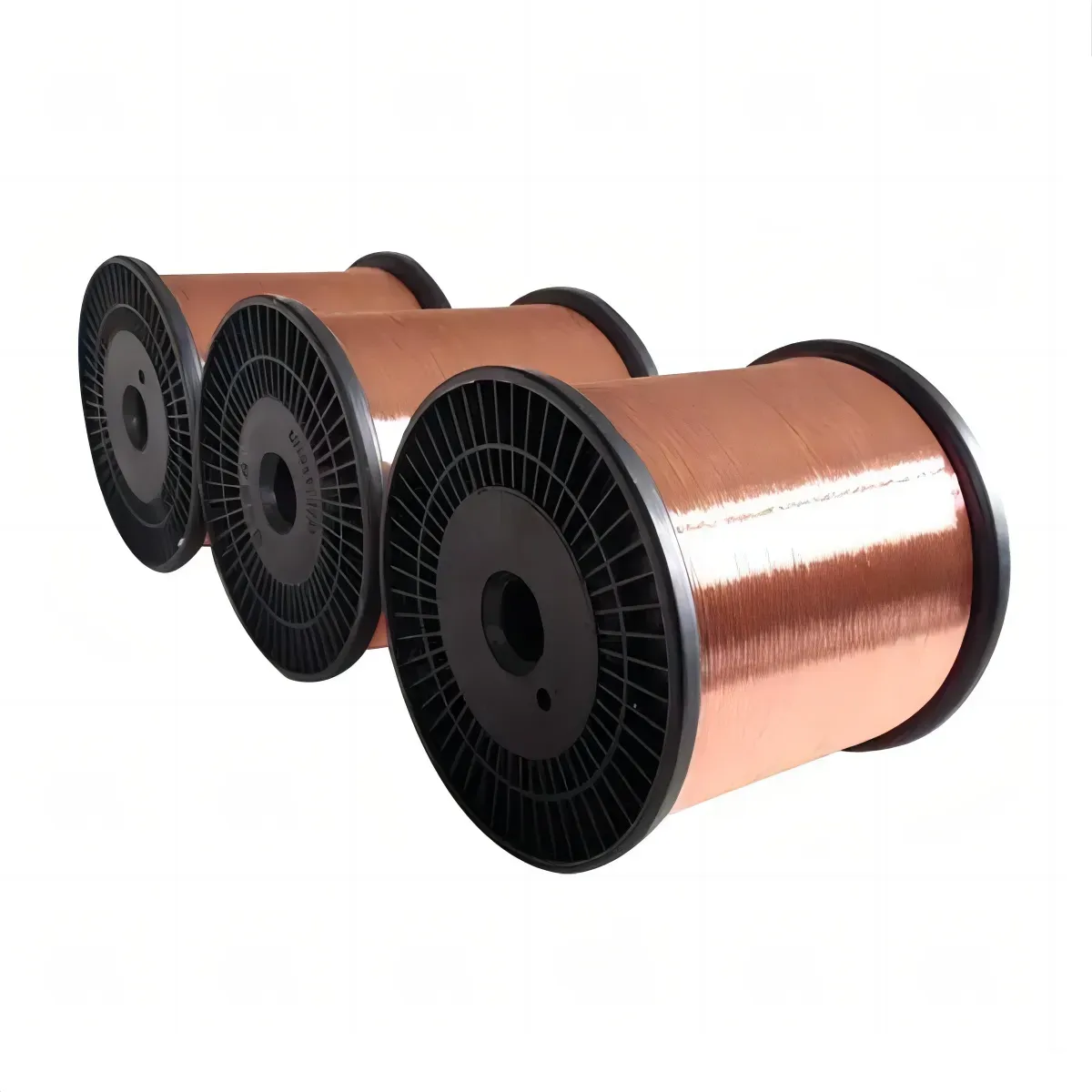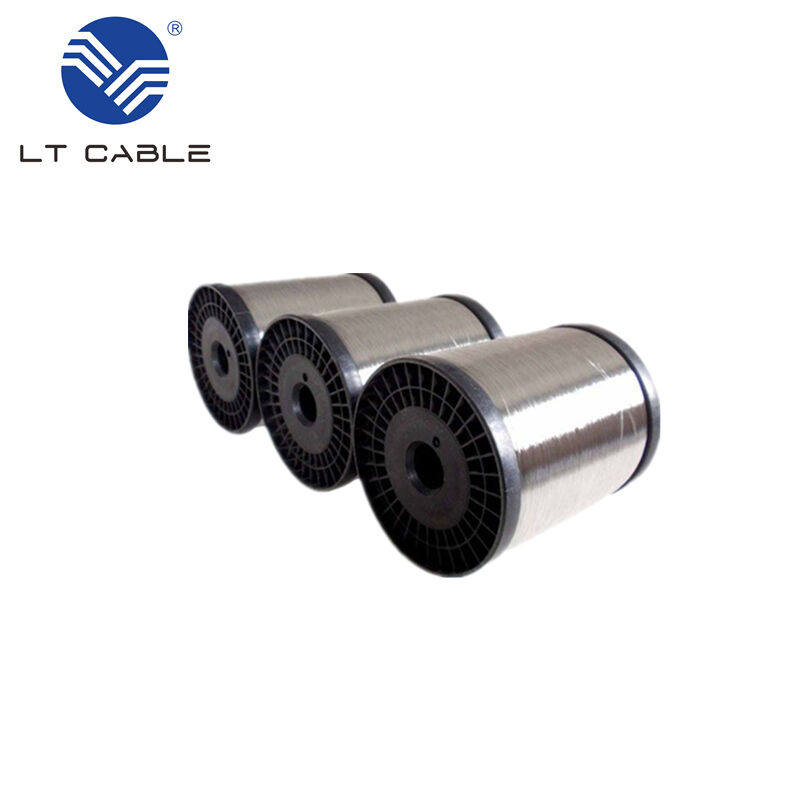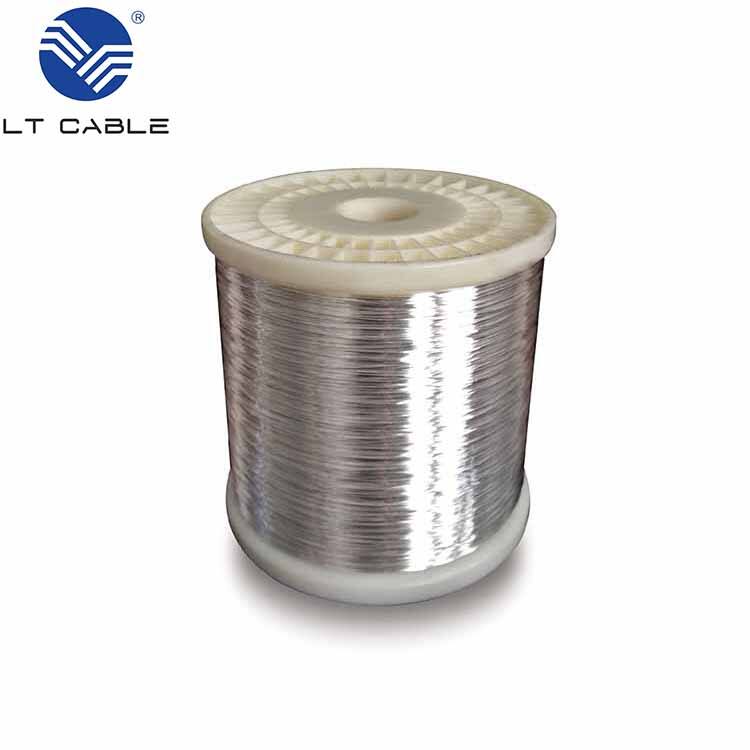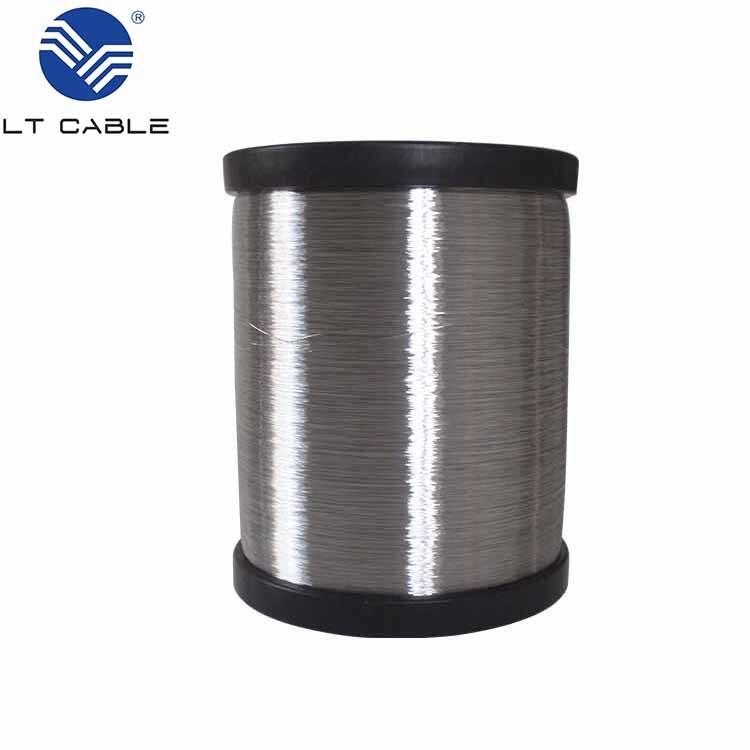
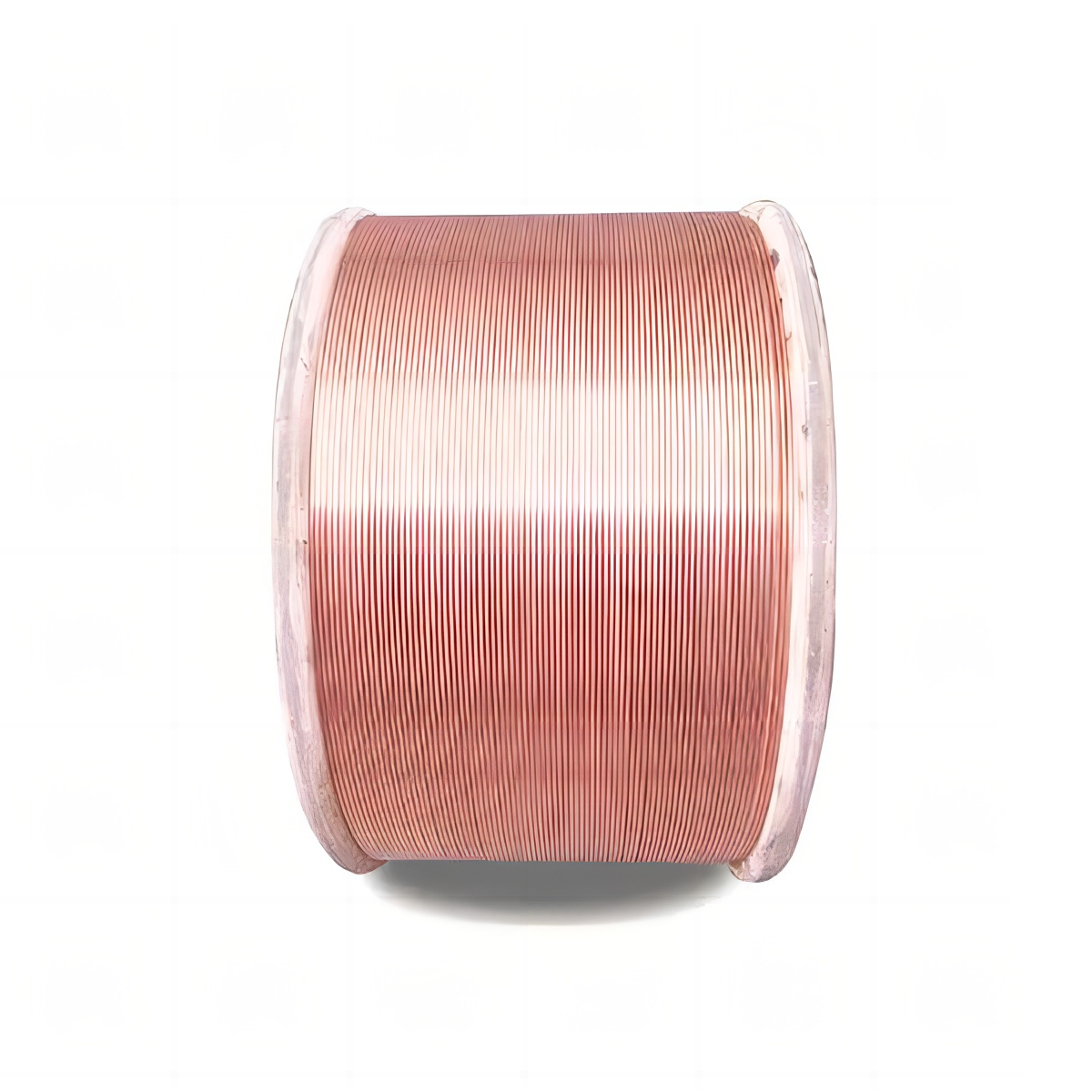
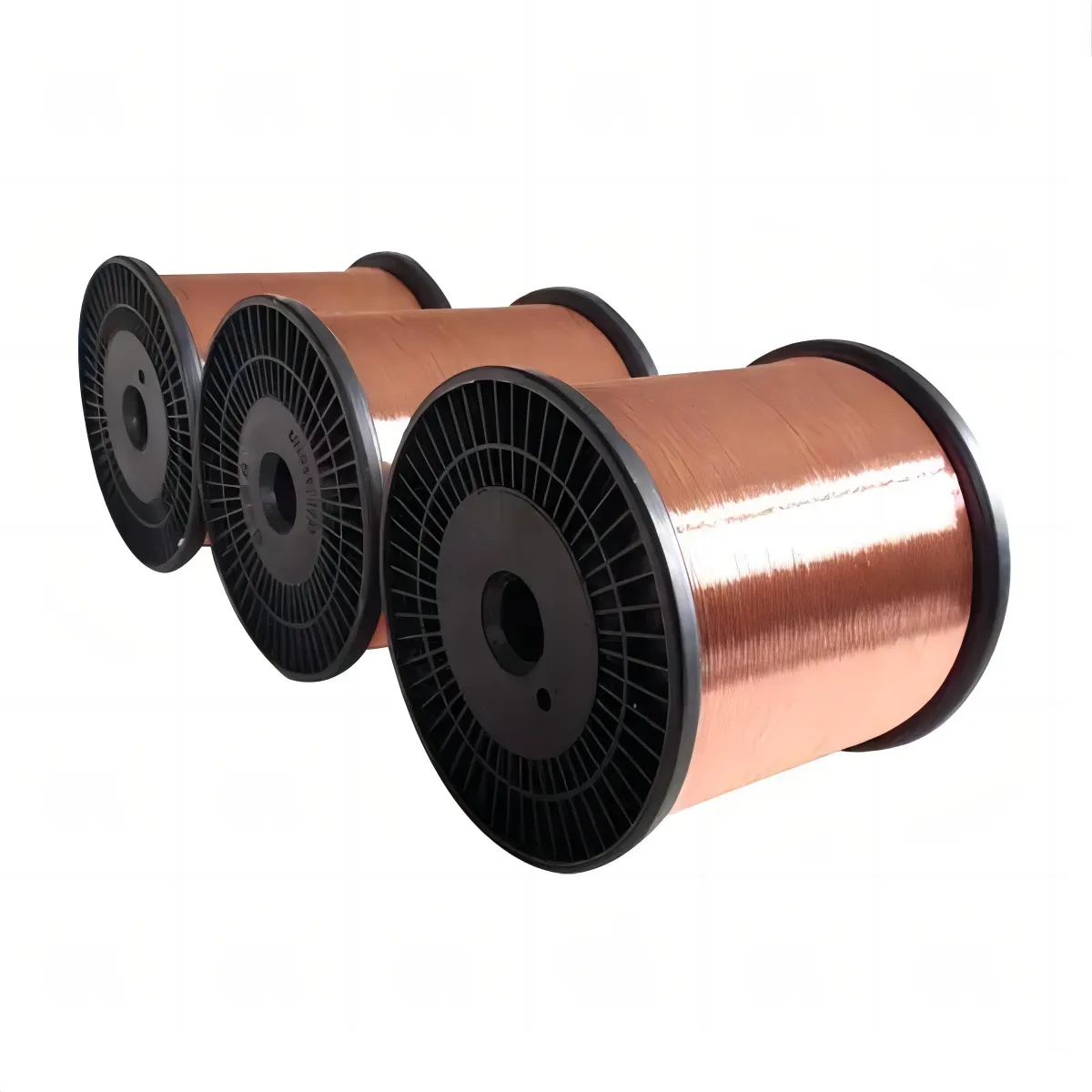
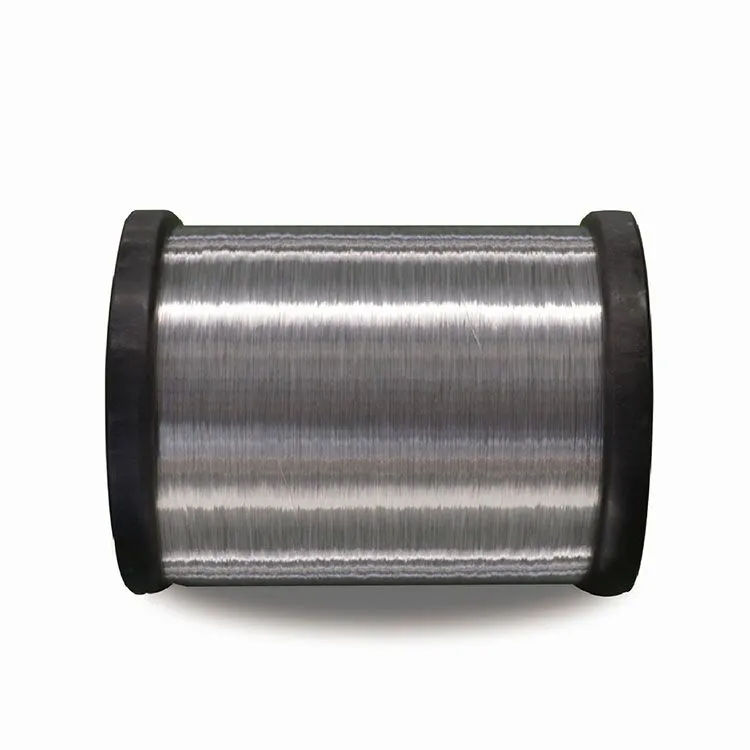
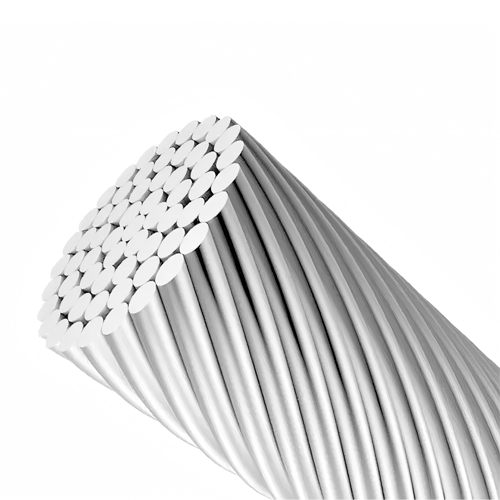
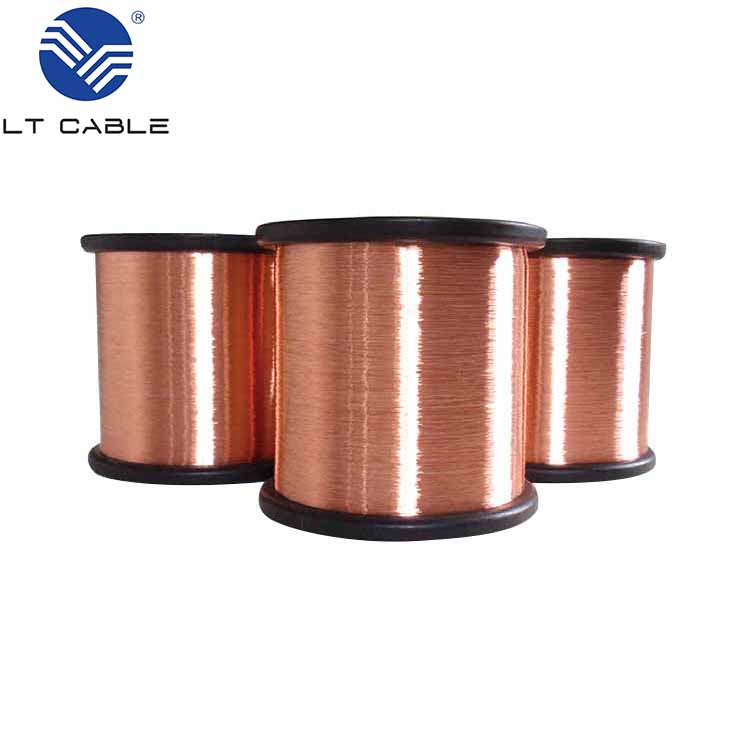
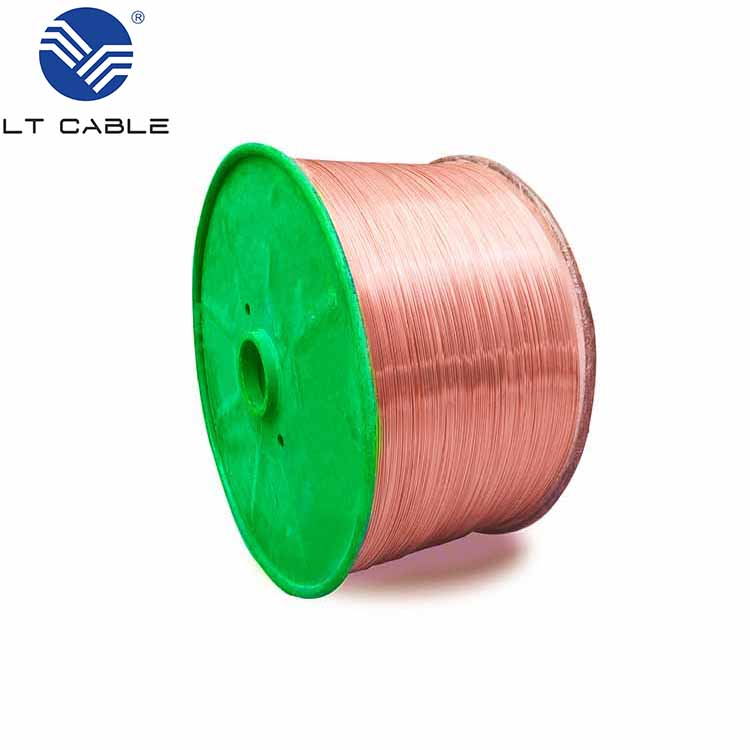
TCCA Braided Wire: Superior Conductivity & Durability

Get a Free Quote

Our representative will contact you soon.
Name
Email
Mobile
Country/Region
Choose the product you want
Message
0/1000
TCCA Braided Wire: The Ultimate Solution for Quality and Durability

TCCA Braided Wire: The Ultimate Solution for Quality and Durability

TCCA braided wire stands out for its exceptional quality and durability, making it the preferred choice for various applications. Our TCCA braided wire is manufactured using high-grade materials that undergo stringent quality control processes. The fully automated production lines ensure consistency and precision in every strand of wire produced. With superior tensile strength and resistance to corrosion, TCCA braided wire is designed to withstand demanding environments, ensuring longevity and reliability. Additionally, our commitment to customer value creation means that we offer tailored solutions to meet specific project requirements, ensuring satisfaction and performance in every application.
Get A Quote

Case Studies

Successful Implementation of TCCA Braided Wire in Industrial Applications

In an industrial setting, a major client required a robust wiring solution to enhance their machinery's efficiency. By implementing our TCCA braided wire, they experienced a 30% increase in operational efficiency due to the wire's superior conductivity and durability. The seamless integration into their existing systems minimized downtime and maximized productivity, showcasing how TCCA braided wire can transform industrial operations.

TCCA Braided Wire in Construction: A Case of Excellence

A construction company faced challenges with wiring solutions that could withstand harsh weather conditions. By switching to TCCA braided wire, they found a solution that not only met but exceeded their expectations. The wire's resistance to environmental factors ensured that their electrical installations remained intact and functional, significantly reducing maintenance costs and enhancing safety standards on-site. This case illustrates the versatility and reliability of TCCA braided wire in construction projects.

TCCA Braided Wire for Telecommunications: A Game Changer

A telecommunications provider needed a reliable wiring solution for their expanding network. They turned to our TCCA braided wire, which offered exceptional signal integrity and reduced interference. The results were immediate: improved network performance and customer satisfaction. This case highlights how TCCA braided wire is essential for modern telecommunications infrastructure, providing the reliability needed in today’s fast-paced digital world.

Related products

TCCA braided wire is manufactured with cutting-edge technology and processes so that it achieves high performance and high reliability. Our production lines are fully automated from to raw material selection to final quality assessment. We utilize state of the art technology and automated production for all of other processes the wire goes through. Our wire is ready for use in the automotive, telecommunication, construction, and other industries. Because of these certifications, we are able to provide braided wire to clients across the globe. To adapt to the various requirements of our clients, we are able to provide tailored solutions and so we are able to offer valuable solutions to our clients. Our team is always ready to provide clients with the necessary technical support to maximize the use of, TCCA braided wire, in their projects.

Frequently Asked Questions about TCCA Braided Wire

What is TCCA braided wire used for?

TCCA braided wire is widely used in various applications, including industrial machinery, telecommunications, and construction. Its superior tensile strength and resistance to environmental factors make it ideal for demanding conditions, ensuring reliability and performance.
Yes, we offer customized solutions for TCCA braided wire to meet the unique requirements of our clients. Our team works closely with customers to develop products that fit their specific needs, ensuring optimal performance in their applications.

Related article

CCAM Wire Explained: What Is Copper Clad Aluminum Magnesium wire?

15

Jan

CCAM Wire Explained: What Is Copper Clad Aluminum Magnesium wire?

Introduction to CCAM Wire

In the ever-evolving world of electrical engineering and cable manufacturing, the demand for high-performance, cost-effective conductors is paramount. Among the innovative solutions that have emerged to meet this demand is Copper Clad Aluminum Magnesium wire, commonly known as CCAM wire. This advanced bimetallic conductor has gained significant traction in various industries, offering a compelling balance of electrical performance, mechanical strength, and economic efficiency. As a leading manufacturer in the wire and cable industry, Litong Cable recognizes the transformative potential of CCAM wire and is committed to providing its customers with cutting-edge solutions that push the boundaries of what's possible.

What is Copper Clad Aluminum Magnesium (CCAM) Wire?

CCAM wire is a sophisticated composite conductor that integrates the best properties of three distinct metals into a single, high-performance wire. At its core, it consists of a robust aluminum-magnesium alloy, which provides exceptional mechanical strength and light weight. This core is then concentrically clad with a layer of high-purity copper (typically 99.9% pure), which delivers excellent electrical conductivity. The bonding between the aluminum-magnesium core and the copper cladding is achieved through a advanced metallurgical process, ensuring a seamless and durable interface that can withstand the rigors of manufacturing and application. This unique construction results in a wire that offers the optimal combination of conductivity, strength, and lightness, making it an ideal choice for a wide range of demanding applications.

Key Properties and Advantages of CCAM Wire

CCAM wire boasts a remarkable set of properties that make it superior to traditional conductors like pure copper or standard aluminum wire. One of its most significant advantages is its high tensile strength, which typically ranges from 180 to 250 MPa. This enhanced strength, a direct result of the aluminum-magnesium core, makes CCAM wire much more resistant to breakage during installation and operation, particularly in applications where the wire is subjected to mechanical stress or vibration. Additionally, CCAM wire offers excellent electrical conductivity, with a conductivity rating of approximately 35-55% IACS (International Annealed Copper Standard), depending on the copper content. While slightly lower than pure copper, this conductivity is more than sufficient for most high-frequency signal transmission and power distribution applications, especially when considering the other benefits it provides.
Another key advantage of CCAM wire is its light weight. With a density of around 2.85 to 3.63 g/cm³, it is significantly lighter than pure copper wire (which has a density of 8.96 g/cm³). This reduced weight offers numerous benefits, including lower transportation costs, easier handling and installation, and reduced structural load in applications such as aerospace and automotive wiring. Furthermore, CCAM wire exhibits good corrosion resistance, thanks to the protective copper cladding and the inherent properties of the aluminum-magnesium alloy core. This makes it suitable for use in harsh environments where exposure to moisture, chemicals, or other corrosive agents is a concern.

Applications of CCAM Wire

The unique combination of properties offered by CCAM wire makes it suitable for a diverse range of applications across multiple industries. One of its primary uses is in the manufacturing of high-frequency signal transmission cables, such as coaxial cables for cable television (CATV) systems, 50Ω RF cables, and leaky cables. In these applications, the excellent conductivity of the copper cladding ensures efficient signal transmission with minimal loss, while the high tensile strength of the aluminum-magnesium core ensures the cable can withstand the stresses of installation and use. CCAM wire is also widely used in data cables, including LAN cables (Cat5e, Cat6), telephone cables, and USB cables, where its light weight and good conductivity contribute to reliable data transfer.
In the power transmission sector, CCAM wire is used in the production of power cables, control cables, and automotive cables. Its light weight and high strength make it an ideal choice for use in vehicles, where reducing weight is critical for improving fuel efficiency. CCAM wire is also used in building wiring, where its corrosion resistance and ease of installation make it a practical alternative to traditional copper wire. Additionally, it finds applications in special electromagnetic wires, such as voice coils for headphones and speakers, and windings for motors and transformers.

CCAM Wire vs. Other Conductor Types

When compared to other commonly used conductor types, CCAM wire offers a number of distinct advantages. Compared to pure copper wire, CCAM wire is significantly lighter and less expensive, while still providing good electrical conductivity. This makes it a cost-effective alternative for applications where weight and cost are important considerations. While pure copper wire has a higher conductivity, the difference is often negligible for many applications, and the other benefits of CCAM wire more than compensate for this slight reduction in performance.
Compared to standard aluminum wire, CCAM wire offers superior conductivity and corrosion resistance. Aluminum wire is prone to oxidation, which can lead to increased resistance and potential connection problems over time. The copper cladding on CCAM wire provides a barrier against oxidation, ensuring long-term performance and reliability. Additionally, the aluminum-magnesium core of CCAM wire offers higher tensile strength than standard aluminum wire, making it more durable and less likely to break during installation or use.

Conclusion

In conclusion, Copper Clad Aluminum Magnesium (CCAM) wire is a versatile and high-performance conductor that offers a unique combination of electrical, mechanical, and economic benefits. Its innovative construction, which combines a strong aluminum-magnesium core with a conductive copper cladding, makes it an ideal choice for a wide range of applications, from high-frequency signal transmission to power distribution. As a leading manufacturer in the wire and cable industry, Litong Cable is dedicated to producing high-quality CCAM wire that meets the evolving needs of its customers. Whether you're looking for a cost-effective alternative to pure copper wire or a lightweight, high-strength conductor for demanding applications, CCAM wire is an excellent choice that delivers exceptional performance and value.
View More
CCA Wire Quality Checklist: Copper Thickness, Adhesion, and Tests

22

Jan

CCA Wire Quality Checklist: Copper Thickness, Adhesion, and Tests

Copper Cladding Thickness: Standards, Measurement, and Electrical Impact

ASTM B566 and IEC 61238 Compliance: Minimum Thickness Requirements for Reliable CCA Wire

The international standards out there actually set what counts as the minimum thickness for copper cladding on those CCA wires that need to perform well and stay safe. ASTM B566 says we need at least 10% copper volume, whereas IEC 61238 wants them to check the cross sections during manufacturing just to be sure everything meets specs. These rules really stop people from cutting corners. Some studies back this up too. When the cladding gets below 0.025 mm thick, resistance goes up around 18%, according to a paper published in the Journal of Electrical Materials last year. And let's not forget about oxidation issues either. Poor quality cladding speeds up oxidation processes significantly, which means thermal runaways happen about 47% quicker when dealing with high current situations. That kind of performance degradation can cause serious problems down the line for electrical systems relying on these materials.

Measurement Method Accuracy Field Deployment Copper Volume Loss Detection
Cross-Sectional ±0.001mm Laboratory Only All levels
Eddy Current ±0.005mm Portable Units >0.3% deviations

Eddy Current vs. Cross-Sectional Microscopy: Accuracy, Speed, and Field Applicability

Eddy current testing allows quick thickness checks right at the site, giving results within about 30 seconds. This makes it great for verifying things while installing equipment in the field. But when it comes to official certification, cross-sectional microscopy is still king. Microscopy can spot those tiny details like micro-scale thinning spots and interface problems that eddy current sensors just miss. Techs often turn to eddy current for fast yes/no answers on the spot, but manufacturers need the microscopy reports to check if whole batches are consistent. Some thermal cycling tests have shown that parts checked through microscopy last almost three times longer before their cladding fails, which really highlights why this method matters so much for making sure products are reliable long term.

How Sub-Standard Cladding (>0.8% Cu Volume Loss) Drives DC Resistance Unbalance and Signal Degradation

When copper volume drops below 0.8%, we start seeing a sharp increase in DC resistance imbalance. For every extra 0.1% loss in copper content, resistivity jumps somewhere between 3 to 5 percent according to findings from the IEEE Conductor Reliability Study. The resulting imbalance messes with signal quality in several ways at once. First comes current crowding right where copper meets aluminum. Then there are these hot spots forming locally that can get as high as 85 degrees Celsius. And finally, harmonic distortions creep in above the 1 MHz mark. These problems really add up in data transmission systems. Packet losses climb past 12% when systems run continuously under load, which is way higher than what the industry considers acceptable - typically around just 0.5%.

Copper–Aluminum Adhesion Integrity: Preventing Delamination in Real-World Installations

Root Causes: Oxidation, Rolling Defects, and Thermal Cycling Stress on the Bond Interface

Delamination issues in copper clad aluminum (CCA) wire typically stem from several different problems. First off, when manufacturing happens, surface oxidation creates these non-conductive aluminum oxide layers on top of everything else. This basically weakens how well the materials stick together, sometimes cutting bond strength down by around 40%. Then there's what happens during rolling processes. Sometimes tiny voids form or pressure gets applied unevenly across the material. These little flaws become stress points where cracks start forming when any kind of mechanical force is applied. But probably the biggest issue comes from temperature changes over time. Aluminum and copper expand at very different rates when heated. Specifically, aluminum expands roughly half again as much as copper does. This difference creates shear stresses at their interface that can reach over 25 MPa. Real world tests show that even after only about 100 cycles between freezing temperatures (-20°C) and hot conditions (+85°C), the adhesion strength drops by about 30% in lower quality products. This becomes a serious concern for applications like solar farms and automotive systems where reliability matters most.

Validated Testing Protocols—Peel, Bend, and Thermal Cycling—for Consistent CCA Wire Adhesion

Good quality control really hinges on proper mechanical testing standards. Take the 90 degree peel test mentioned in ASTM D903 standards. This measures how strong the bond is between materials by looking at force applied across a certain width. Most certified CCA wires hit above 1.5 Newtons per millimeter during these tests. When it comes to bend testing, manufacturers wrap sample wires around mandrels at minus 15 degrees Celsius to see if they crack or separate at the interface points. Another key test involves thermal cycling where samples go through about 500 cycles from minus 40 to plus 105 degrees Celsius while being examined under infrared microscopes. This helps catch early signs of delamination that regular inspection might miss. All these different tests work together to prevent problems down the road. Wires that aren't properly bonded tend to show over 3% imbalance in their direct current resistance once they've been subjected to all that heat stress.

Field Identification of Genuine CCA Wire: Avoiding Counterfeits and Mislabeling

Visual, Scraping, and Density Checks to Differentiate True CCA Wire from Copper-Plated Aluminum

Real Copper-Clad Aluminum (CCA) wires have certain features that can be checked on site. To start with, look for the "CCA" marking right on the outside of the cable as specified in NEC Article 310.14. Counterfeit stuff usually skips this important detail entirely. Then try a simple scratch test. Strip back the insulation and gently rub the conductor surface. Authentic CCA should show a solid copper coating covering a shiny aluminum center. If it starts peeling, changes color, or reveals bare metal underneath, chances are good it's not genuine. Lastly, there's the weight factor. CCA cables are significantly lighter than regular copper ones because aluminum just isn't as dense (about 2.7 grams per cubic centimeter compared to copper's 8.9). Anyone working with these materials can feel the difference pretty quickly when holding similar sized pieces side by side.

Why Burn and Scratch Tests Are Unreliable—and What to Use Instead

Open-flame burn and aggressive scratch tests are scientifically unsound and physically damaging. Flame exposure oxidizes both metals indiscriminately, while scratching cannot assess metallurgical bond quality—only surface appearance. Instead, use validated nondestructive alternatives:

  • Eddy current testing, which measures conductivity gradients without compromising insulation
  • DC loop resistance verification using calibrated micro-ohmmeters, flagging deviations >5% per ASTM B193
  • Digital XRF analyzers, delivering rapid, non-invasive elemental composition confirmation
    These methods reliably detect substandard conductors prone to resistance unbalance >0.8%, preventing voltage drop issues in communication and low-voltage circuits.

Electrical Verification: DC Resistance Unbalance as a Key Indicator of CCA Wire Quality

When there's too much DC resistance imbalance, it's basically the clearest sign something's wrong with CCA wire. Aluminum naturally has about 55% more resistance than copper does, so whenever the actual copper area gets reduced because of thin coatings or bad bonds between metals, we start seeing real differences in how each conductor performs. These differences mess up signals, waste power, and create serious problems for Power over Ethernet setups where small voltage losses can actually shut down devices completely. Standard visual inspections just don't cut it here. What matters most is measuring DC resistance imbalance according to those TIA-568 guidelines. Experience shows that when imbalance goes over 3%, things tend to go south fast in big current systems. That's why factories need to test this parameter thoroughly before shipping out any CCA wire. Doing so keeps equipment running smoothly, avoids dangerous situations, and saves everyone from having to deal with expensive fixes later on.

View More
High-Temperature Enameled Wire for Durable Electrical Solutions

26

Dec

High-Temperature Enameled Wire for Durable Electrical Solutions

Understanding the Relevance of Enameled Wire in the Electrical Sector

In electrical applications, the kind of wire insulation selected during an electrical device’s fabrication is of great importance. Enameled Wire is sometimes referred to as magnet wire and it’s a type of winding wire that has a thin coating of enamel to act as insulation. The enamel coil improves coil winding and fits motors, transformers, and other electric devices’ efficient need.

Enameled Wire’s Performance at Extreme Heat and Temperature

Enameled Wire’s remarkable attribute alongside a plethora of other exceptional features is its performance or capacity under high temperatures. It has a resilience to heat owing to the coating, thus for places with high atmospheric temperatures would be an ideal application for this wire. This feature protects the performance and the wire itself under extreme or rather harsh conditions.

Ensuring Quality with LT CABLE's Enameled Wire Solutions

LT CABLE has proven to be an upstanding supplier of e nameled wire products that meet every distinct and specific requirement set out by different industries. The prime concern is to maintain the quality and durability of the end product on a global market level, which is guaranteed by consistently assuring quality along with certifications. Afterwards the product is put through vigorous testing measures to ensure that the wire works efficiently for high temperature applications.

LT CABLE Full Range of Enamelled Wires

We aim to satisfy every requirement in the industry through our wire products which include a wide selection of enameled wire. LT CABLE enameled wire offers standard and specialized uses, customized to the needs of our clients. Our streamlined production and supply chains allow us to deliver the best quality enameled wire goods to our clients.

image.png

View More
Why CCAM Wire is Essential for Modern Telecommunications

26

Dec

Why CCAM Wire is Essential for Modern Telecommunications

How CCAM Wire Improves Signal Transmission

In the telecommunication field which moves at an extremely fast pace, there is always a growing need for the signal to be transmitted reliably and in an efficient manner. CCAM Wire, or Copper Clad Aluminum Magnesium Wire, helps in fulfilling this requirement. The material is well suited for telecommunication cables as it offers a combination of strength and conductivity in its copper clad aluminum magnesium wire.

CCAM Wire’s Contribution Towards Lighter Weight Infrastructure

The low weight of CCAM Wire is another plus point during the construction of telecommunication networks. It reduces the amount of load that needs to be dealt with supporting structures providing for ease of installation and maintenance. This property is useful in the construction of long communication lines when weight is a large concern.

LT CABLE’s Competence in CCAM Wire Sector

At LT CABLE, we have honed in our CCAM Wire manufacture of high quality products tailored for the telecommunication advancements of today. Our extensive knowledge of the Industry coupled with commitment to quality makes certain that the products sold by us bear the latest technology in CCAM Wire. We extend excellent customer service through customized solutions, fitting our clients with criteria to improve their network performance.

LT CABLE’s CCAM Wire Options

CCAM Wire has become an essential element in many telecommunication forms. At LT CABLE, we provide a wide range of products depending on CCAM Wire to suit the needs and requirements of our clients. Whether you are with specific standards or serve in the expected parameters, our custom CCAM Wire Products allow you to achieve an effective outcome.

image(623f47d823).png

View More

Client Feedback on TCCA Braided Wire

John Smith
Exceptional Quality and Performance

We switched to TCCA braided wire for our manufacturing processes, and the results have been outstanding. The wire's durability and performance have significantly improved our operational efficiency.

Sarah Johnson
Reliable and Versatile

TCCA braided wire has been a game changer for our telecommunications projects. Its reliability and signal integrity have made a noticeable difference in our network performance.

Get a Free Quote

Our representative will contact you soon.
Email
Name
Company Name
Message
0/1000
Unmatched Durability

Unmatched Durability

TCCA braided wire is designed to withstand harsh conditions, making it an ideal choice for outdoor and industrial applications. Its resistance to corrosion and environmental factors ensures longevity, reducing the need for frequent replacements. This durability not only enhances safety but also leads to significant cost savings over time, as clients can rely on TCCA braided wire for consistent performance without frequent maintenance.
Superior Conductivity

Superior Conductivity

The engineering behind TCCA braided wire ensures superior conductivity, which is crucial in applications requiring efficient power transmission. This feature allows for reduced energy loss, enhancing overall system performance. Clients can expect improved efficiency in their operations, translating to better performance and lower operational costs.
  • Product Consultation & Selection

    Product Consultation & Selection

    Tailored advice, perfect fit solutions.

  • Production & Supply Chain

    Production & Supply Chain

    Efficient manufacturing, seamless supply.

  • Quality Assurance & Certification

    Quality Assurance & Certification

    Rigorous testing, global certifications.

  • Post-Sales Support & Tech Help

    Post-Sales Support & Tech Help

    Prompt assistance, ongoing support.

Get a Free Quote

Our representative will contact you soon.
Name
Email
Mobile
Country/Region
Title
Message
0/1000