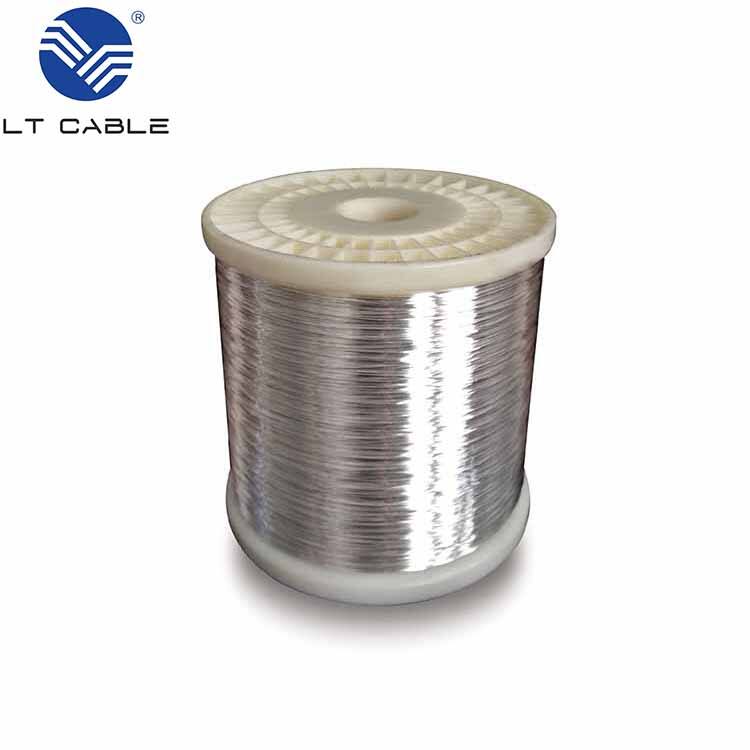
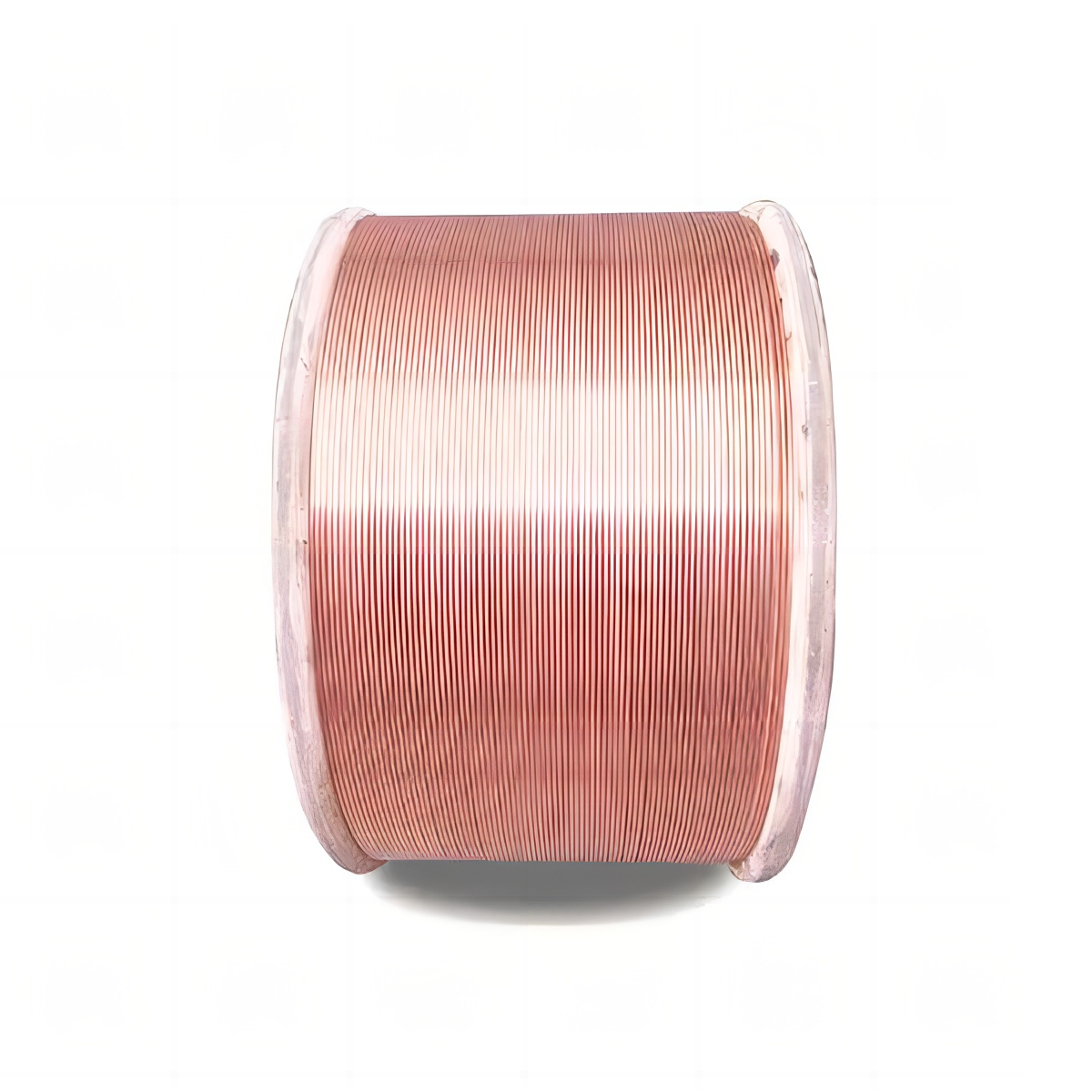
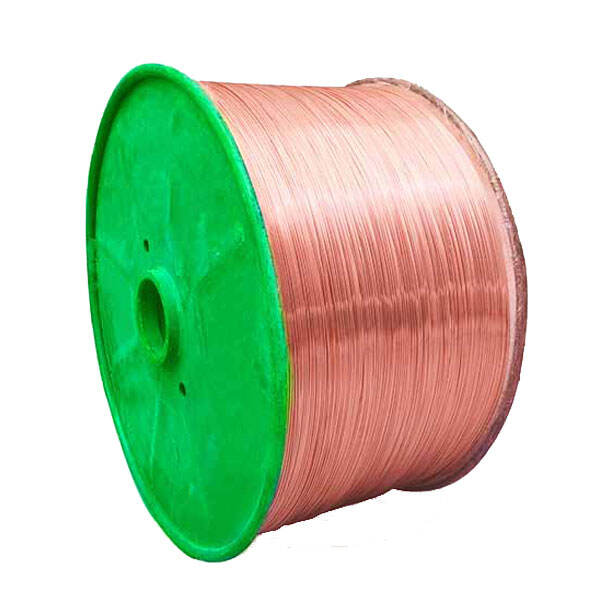
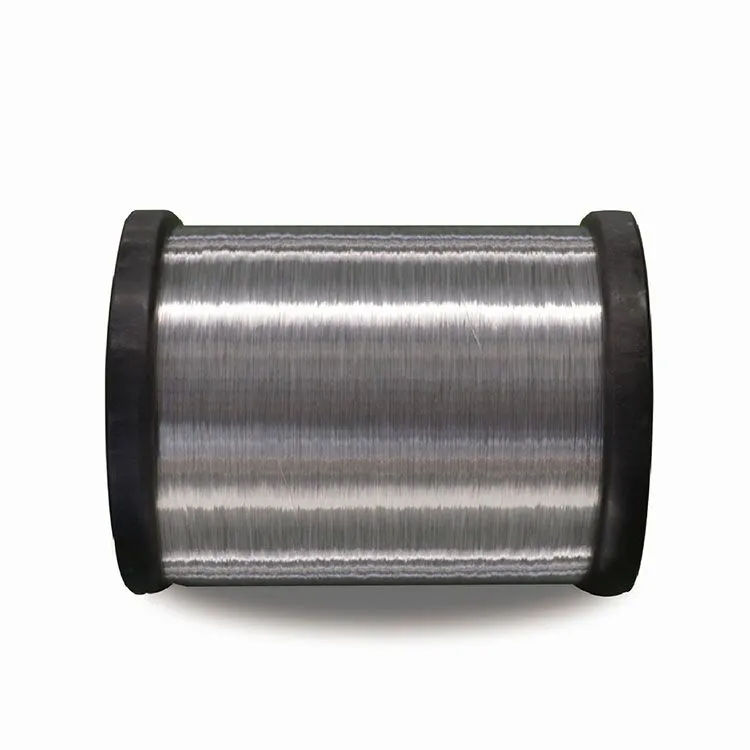
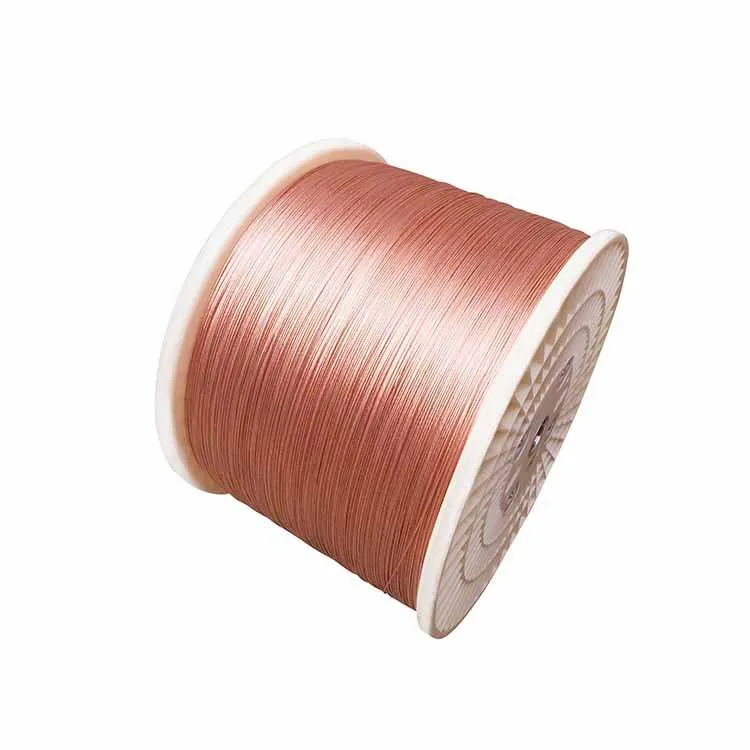
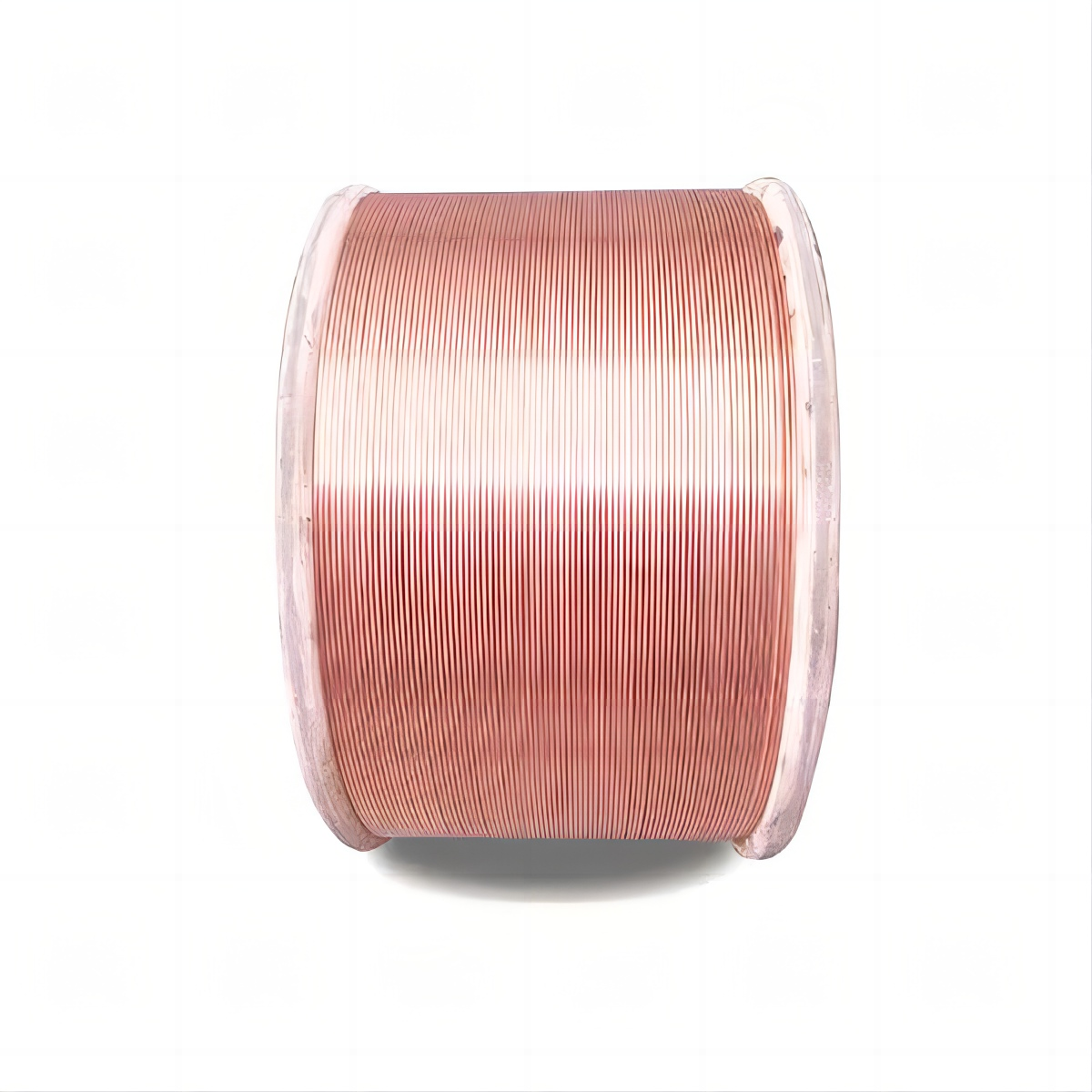
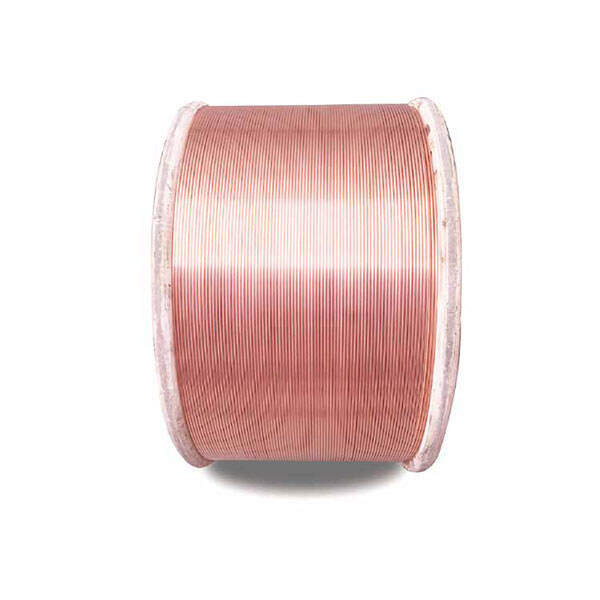
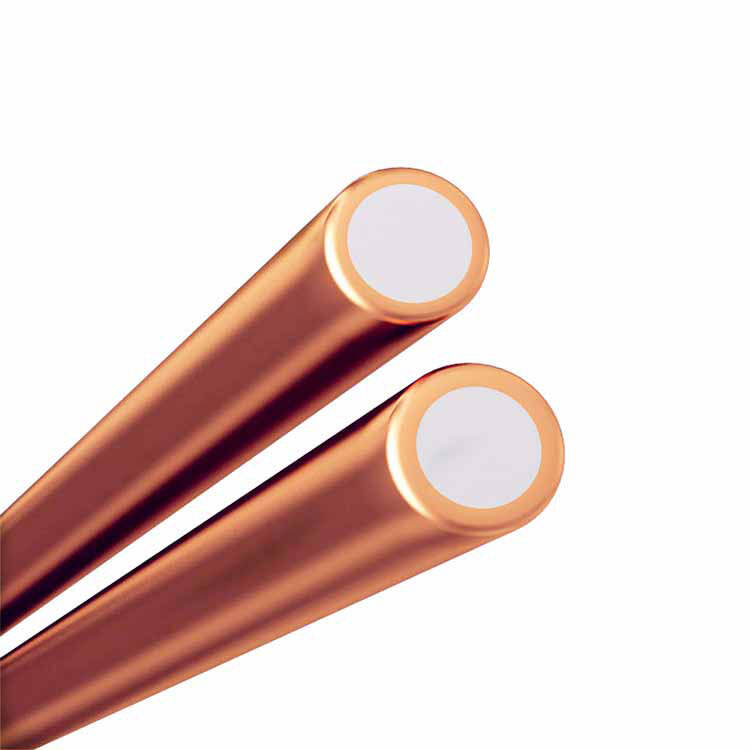
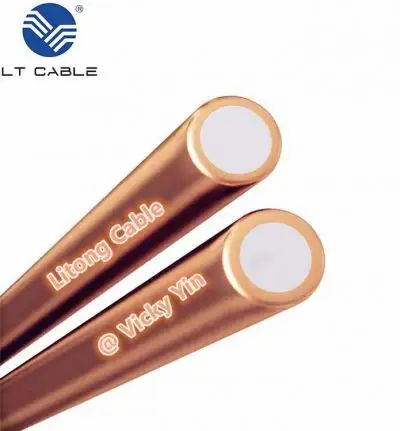
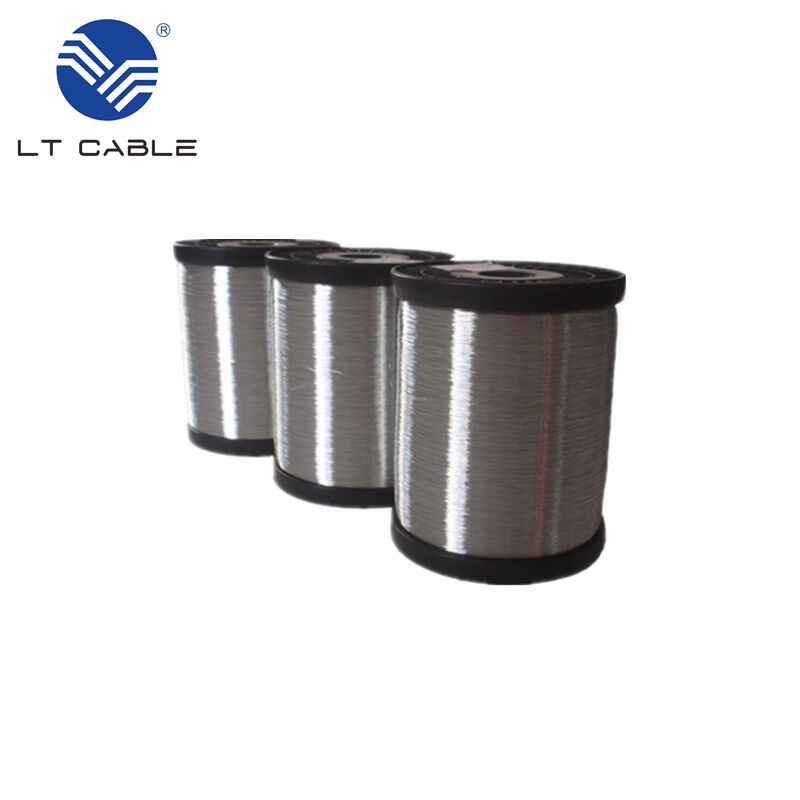
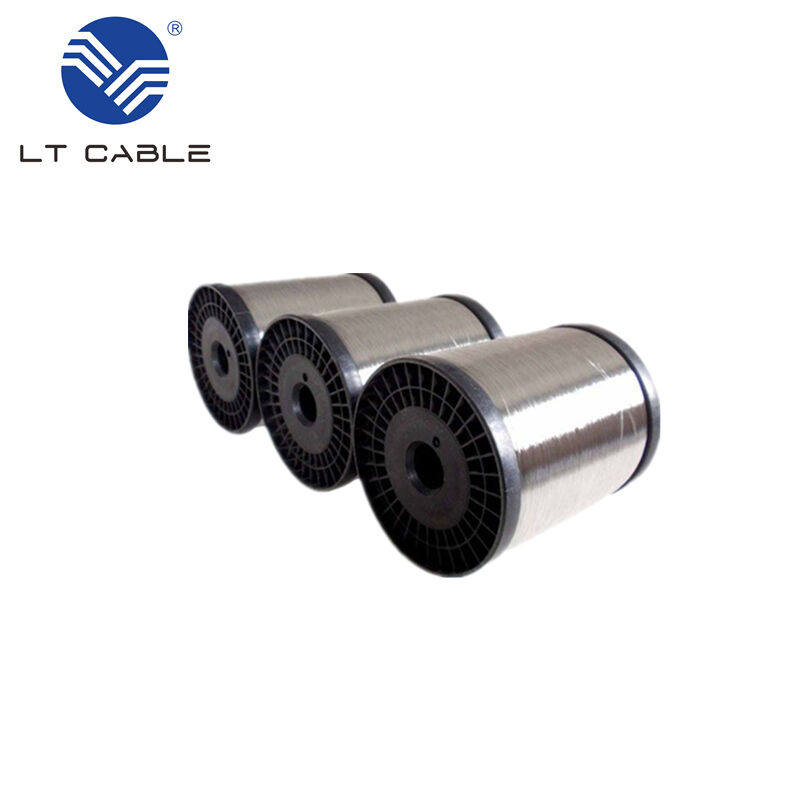
TCCA Cable Manufacturer | Premium CCA, CCAM & CCS Wires

Get a Free Quote

Our representative will contact you soon.
Name
Email
Mobile
Country/Region
Choose the product you want
Message
0/1000
Why Choose Litong Cable as Your TCCA Cable Manufacturer?

Why Choose Litong Cable as Your TCCA Cable Manufacturer?

At Litong Cable, we pride ourselves on our commitment to excellence in every aspect of our production process. Our fully automated production lines ensure precision from raw material sourcing to the final product. As a leading TCCA cable manufacturer, we utilize advanced technology and stringent quality control measures, guaranteeing that our cables meet international standards. Our focus on customer value creation means we offer customized solutions tailored to your specific needs, ensuring that you receive not just a product, but a comprehensive service that enhances your operational efficiency.
Get A Quote

Successful TCCA Cable Solutions Across Industries

Telecommunications Sector

A leading telecommunications company faced challenges with signal integrity and durability in their cabling solutions. They approached Litong Cable for our expertise as a TCCA cable manufacturer. We provided customized TCCA cables that not only met their specifications but also exceeded performance expectations. The result was a significant reduction in downtime and maintenance costs, allowing the client to enhance their service offerings and improve customer satisfaction.

Renewable Energy Projects

In a major renewable energy project, a client required cables that could withstand harsh environmental conditions. Litong Cable stepped in with our high-quality TCCA cables, designed specifically for outdoor and industrial applications. Our cables provided the necessary durability and efficiency, leading to a successful project completion ahead of schedule, while also ensuring long-term reliability in the energy sector.

Industrial Automation

An industrial automation company sought a TCCA cable manufacturer to supply cables for their automated systems. We collaborated closely with them to develop a range of customized TCCA cables that enhanced their operational efficiency. Our commitment to quality and precision in manufacturing resulted in a seamless integration of our products into their systems, significantly boosting their production capabilities.

Related products

We, at Litong Cable, take pride in creating specialized TCCA cables for our valued customers around the world. Each step in our production process is mapped out to maintain the highest quality. Starting with top tier raw materials, we use cutting edge technology for wire drawing and annealing. Each step is overseen by our management to safely meet the industry standards for quality and performance. Our TCCA cables have high conductivity, flexibility and durability which makes them useful for a wide variety of applications which include telecommunications, renewables, and automation in industry. Litong Cable knows that needs vary by client so we offer a project customizable solution to meet the needs of the client. Litong Cable provides the best in customer service and technical support. It is because of our support that we have earned the reputation of a trusted TCCA cable manufacturer.

Frequently Asked Questions about TCCA Cables

What are TCCA cables used for?

TCCA cables are primarily used in telecommunications and industrial applications due to their excellent conductivity and durability. They are designed to withstand harsh conditions while ensuring reliable performance in transmitting signals and power.
Choosing the right TCCA cable involves considering factors such as the application environment, required conductivity, and specific project requirements. Our team at Litong Cable can assist you in selecting the best cable tailored to your needs.

Related article

Reliable CCA Wire for Cost-Effective Electrical Solutions

25

Oct

Reliable CCA Wire for Cost-Effective Electrical Solutions

Wiring materials are critical when developing any electrical solution as it is one of the cost drivers. LT CABLE is a reputable dealer of quality wiring but recommends CCA wire which channels conductivity of copper and the light weight nature of aluminum. 

Conductivity and Weight Reduction

CCA wire is specifically designed to have a high level of electrical conductivity with the advantage of reducing the total weight of the wiring system. This is done by placing a thin copper coat around the aluminum, thus producing a wire that is lighter than pure copper wire but is still able to maintain conductivity. The weight reduction is an added bonus for use in overhead power lines construction and in the aircraft needed in many applications as a weight cut helps improves efficiency and lower operational costs.

Cost Effectiveness

The cost of TCA wire is much lower as it cost of aluminum is cheaper and more abundant than copper. This automatically makes TCA wire much more cost effective with no degradation to its operational abilities. The benefits are huge especially in cases where the scope of work is on a large scale and wiring volume is high.

Durability and Longevity

Lighter wires don’t have to mean sacrificing durability, and that’s what CCA wires offer as well. Due to the presence of copper cladding over the wire, wiring is also protected against wear and tear, which makes it more resistant to corrosion and damage from the environment. This helps ensure the wires last longer and do not require regular replacements, maintenance, and up keeping.

Versatile Applications

It's suitable for low voltage wiring of a household or commercial structure, industrial regulation devices, and electrical appliances. It can be found and used in a number of fields due to its variable and easy to install attributes.

Conclusion

LT CABLE CCA wire can be efficiently used for electrical work and is economical too. It is a good option for those who seek multi-functional wiring as it is a combination of conductivity, low weight, long functional time, and high efficiency. Given the upward trend in the need for cost-effective electrical solutions, LT CABLE CAA wire too is practical enough to serve the purpose efficiently.

View More
CCS Wire: Copper-Clad Steel for Enhanced Durability and Performance

30

Oct

CCS Wire: Copper-Clad Steel for Enhanced Durability and Performance

Electricity engineering is filled with engineers who are constantly looking for new materials which will be strong and have performance capabilities at the same time. As a manufacturer of wiring products LT CABLE presents the CCS (Copper Clad Steel) wire, which fit both of these criteria. 

2.jpg

Strength and Protective Properties

The CCS wire has a steel layer in the centre as a core which has a lot of strength and makes the wire exceptionally durable from within. On the outside the wire is coated in copper, which helps to further improve the conductivity of the wires while making the material withstand corrosion. All of these features make CCS wire able to survive hostile conditions and for a long time as well making it a strong candidate for outdoor use and places with high humidity and even chemicals.

Electrical Conductivity

CCS wire has been manufactured with the intention of providing high durability wire but the electrical transmitting abilities is still not compromised. The copper covering makes it possible for the wire to transmit a lot of electric currents so the wire can be used in many different situations that require a lot of power. Such areas include telecommunications, grounding systems and even fence and antenna construction.

Versatile Applications

The versatility of the CCS wire is yet another reason why it is so popular. Its use is widespread in cases when both strength and its energy conductivity is vital. Its application area is broad – apart from the industry, it is much in demand on infrastructure including power and communication networks.

Conclusion

LT CABLE's CCS wire performs greatly on areas of enhanced durability and performance therefore able to satisfy electricity projects that require tough and efficient load wires. As the demand for strong and long lasting wiring solutions keeps expanding, CCS wire remains practical and ideal for meeting the requirements of electrical systems in modern age.

View More
Custom Solutions with Ccs Wire for Industrial and Electrical Companies

26

Jan

Custom Solutions with Ccs Wire for Industrial and Electrical Companies

Understanding Custom Solutions in Electrical Performance

Custom solutions in the context of electrical performance refer to tailored designs and implementations that address specific application requirements. Unlike off-the-shelf products which are designed to meet general needs, custom solutions are crafted to integrate seamlessly with unique operational environments, ensuring compatibility and optimal performance. Such solutions are particularly beneficial when standard products fall short in meeting an application's precise demands. Custom solutions significantly enhance the efficiency and reliability of electrical systems across various industries. For instance, in aerospace, bespoke solutions can accommodate the critical safety and precision requirements. In the automotive industry, these solutions enable integration with advanced technological frameworks for vehicle electrification. Similarly, within consumer electronics, custom-built electrical components ensure devices operate effectively under diverse consumer demands—not only boosting performance but also extending the lifespan and dependability of the systems involved. This adaptability makes custom solutions indispensable for industries that require high precision and flexibility in their operations.

Benefits of Custom CCS Wire Solutions

Custom CCS (Copper-Clad Steel) wire solutions offer tailored designs that specifically address unique electrical needs, ensuring optimal performance. These solutions are crafted to meet desired specifications, such as specific conductivity levels and flexibility, which are often required in intricate electrical setups. By customizing CCS wires, businesses can achieve electrical configurations that maximize efficiency and minimize energy loss, resulting in cost savings and consistent performance across various applications. One of the most notable advantages of custom CCS wire solutions is their enhanced electrical performance. These wires are designed to reduce resistance, thereby improving the current flow and minimizing power loss. Additionally, the inherent durability of CCS wires ensures a longer lifespan, making them a reliable choice for demanding environments. Whether for aerospace systems or automotive wiring, custom CCS solutions offer the resilience to withstand varying degrees of stress and thermal challenges. Furthermore, the flexibility and adaptability of custom solutions support innovation in electrical engineering. As technology evolves, so do the requirements for electrical components. Custom CCS wire solutions can be modified to meet new application needs, allowing businesses to stay at the forefront of technological advancements. This adaptability ensures that as industries progress, the wiring solutions can be adjusted accordingly, promoting continuous improvement and fostering innovation.

Custom Solutions: Solid Wire vs Stranded Wire

When considering custom wire solutions, it's essential to understand the characteristics of solid wire. Solid wire is known for its excellent conductance due to its single, continuous strand, which facilitates efficient electrical flow. Additionally, its inherent mechanical strength makes it suitable for static applications where the wire will not be frequently moved or bent. This makes solid wire ideal for use in fixed installations such as building wiring and electrical panels. On the other hand, stranded wire offers distinct advantages, particularly in terms of flexibility. Comprising multiple small strands twisted together, stranded wire is more resistant to fatigue from bending and vibration. This characteristic makes it particularly well-suited for dynamic applications where the wire needs to be frequently flexed or moved, such as in robotics or automotive wiring harnesses. Its flexibility also contributes to easier installation in tight or complex spaces. Choosing between solid and stranded wire for custom solutions depends on several factors. Consider the installation environment: solid wire is more effective in stable, static environments, whereas stranded wire excels in dynamic settings. Evaluate the need for flexibility—if regular movement or vibration is expected, stranded wire is preferable. Lastly, assess the required electrical performance; solid wire may be more efficient for higher conductance needs. By understanding these factors, you can tailor the choice of wire to the application’s specific demands.

Exploring Enameled Wire for Enhanced Performance

Enameled wire is a specialized type of wire known for its excellent insulation and electrical properties, making it a critical component in many electrical applications. The wire is coated with a thin layer of enamel, which serves as insulation against electrical shorts. This insulation helps the wire withstand high temperatures, often up to 200°C, making it suitable for a wide range of operating conditions. Additionally, enameled wire exhibits excellent dielectric properties, reducing energy loss and enhancing electrical efficiency. Enameled wire is commonly utilized in various electrical projects, particularly those involving magnets. For instance, it is frequently used in the windings of electric motors, transformers, and inductors. These components benefit from the precise and compact winding capabilities of enameled wire, which optimizes the performance of the magnetic fields they generate. This makes it a preferred choice in industries ranging from automotive to consumer electronics and industrial machinery. The benefits of enameled wire over other wire types are numerous. Due to its ability to resist heat, it offers improved durability and longevity, particularly in applications subjected to high temperatures. Its compact dielectric coating also reduces space requirements, allowing for more compact designs without compromising performance. Additionally, enameled wire's durability ensures it can withstand harsh environments, contributing to its reliability in demanding applications. These advantages make enameled wire a superior choice for enhancing performance in electrical engineering projects.

The Role of CCA Wire in Custom Electrical Solutions

Copper Clad Aluminum (CCA) wire is a specialized type of electrical conductor that effectively combines the benefits of both aluminum and copper. By coating an aluminum core with a thin layer of copper, CCA wire offers several distinct advantages. It maintains much of the conductivity of copper wire while significantly reducing weight and cost. This unique combination makes CCA wire a popular choice for various custom solutions where weight, cost, and conductivity are crucial factors. One of the main benefits of CCA wire is its cost-effectiveness. Although it is not as conductive as pure copper wire, it is considerably lighter, which makes it easier to handle and install, and costs less due to the lower amount of copper used. This makes CCA wire an attractive option for budget-conscious projects without sacrificing essential performance. Additionally, its physical properties contribute to its versatility in various applications. CCA wire is particularly valuable in industries such as telecommunications, automotive, and HVAC systems. In telecommunications, its lightweight nature helps reduce the weight of cabling over long distances, thus making installation easier and cheaper. In automotive applications, CCA wire can be used in circuits where high current carrying capacity isn't crucial but cost and weight are significant considerations. For HVAC systems, the improved flexibility and reduced weight of CCA wires assist in simpler installations while maintaining satisfactory performance levels. These diverse applications demonstrate the flexibility of CCA wire in meeting custom electrical solution requirements.

Choosing the Right Custom Wire for Your Needs

Selecting the right custom wire begins with assessing your specific electrical requirements. It's essential to consider factors such as voltage, current, and the environment where the wire will be used. For instance, high-voltage applications demand wires with specific insulation properties, while environments exposed to moisture or extreme temperatures may require special protective coatings. By understanding these needs, you can ensure the wire selected will perform safely and efficiently. Budget considerations also play a crucial role in choosing custom wire solutions. While it might be tempting to opt for cheaper options, investing in quality wires can lead to considerable long-term savings. High-quality materials and designs not only enhance performance but also reduce the frequency of replacements and repairs, ultimately lowering overall costs. Finally, do not underestimate the value of expert advice. Collaborating with suppliers and engineers can provide unique insights into the optimal wire options for your specific application. Their expertise ensures that the wire chosen will not only meet your needs but also comply with industry standards and regulations. This collaboration is key to achieving the best balance between functionality, durability, and cost-effectiveness.

Conclusion: The Future of Custom Solutions in Electrical Performance

In an era where efficiency and reliability are paramount, tailored solutions in electrical systems play an essential role in performance optimization. Leveraging custom wire solutions and technologies allows businesses to fine-tune their electrical journeys, ensuring systems not only meet their current requirements but are also adaptable for future needs. Such customization results in unparalleled efficiency improvements and system reliability. Looking ahead, technological advancements are set to further revolutionize custom solutions. Innovations in materials and design practices offer exciting possibilities for future applications. Enhanced conductive materials and eco-friendly options promise to improve performance while reducing environmental impact. As these advancements continue to unfold, the landscape of custom electrical solutions will expand, offering even greater possibilities for those ready to harness tailor-made technological opportunities.
View More
There was a time when the photovoltaic wire industry was on the verge of a breakthrough. Here's what happened.

26

May

There was a time when the photovoltaic wire industry was on the verge of a breakthrough. Here's what happened.

The Evolution of Photovoltaic Wire Technology in Solar Development

From Conventional Wiring to Solar-Specific Solutions

Moving away from standard electrical wiring towards solutions specifically made for solar power represents a big step forward in how we harness sunlight. The key innovation here is photovoltaic wire, which has been specially built to handle problems like sun damage and temperature extremes that plague traditional wiring in outdoor solar setups. These wires last longer and work better because they're designed to stand up to what Mother Nature throws at them day after day. According to industry findings, these improvements in wiring tech have actually made solar panels perform better and break down less often. When installers switch to these solar专用 wires, they're not just fixing technical issues but helping create an energy system that's both greener and works more reliably over time.

Breakthroughs in Insulation Materials (Enameled Wire Applications)

New developments in insulation tech have really boosted how well photovoltaic wires work, especially when it comes to enameled wire applications which are leading the charge right now. These wires stop those pesky short circuits from happening, something absolutely essential if the whole system is going to keep running properly. What makes enameled wires stand out? They handle heat remarkably well and provide solid insulation too, so they stay operational even when temperatures swing wildly from one climate zone to another. Research published last year actually showed that solar panels wired with these special coatings lasted about 30% longer before needing maintenance compared to standard setups. For installers and maintenance crews dealing with all sorts of weather conditions, switching to better insulated materials means fewer breakdowns and happier clients overall.

Adoption of Copper Clad Aluminum (CCA) Conductors

For photovoltaic wire systems, switching to Copper Clad Aluminum (CCA) conductors brings real advantages including lower weight and better price points. When compared against regular copper wiring, CCA stands out particularly in big projects where every pound matters and budgets need to stretch further. These conductors weigh less than pure copper but still manage decent conductivity rates around 58% of copper's standard, which makes them work pretty well in most applications. Looking at what's happening in the market right now, many solar installers are turning to CCA options instead of traditional materials. This shift shows how practical these alternatives have become across the industry. As solar technology continues evolving, CCA seems positioned to play a bigger role simply because it balances performance with affordability so effectively.

Stranded Wire vs. Solid Wire: Balancing Flexibility and Conductivity

When deciding between stranded and solid wire for photovoltaic systems, the difference really matters for how flexible and conductive the setup will be. Stranded wire basically consists of several thin strands twisted together, giving it much better flexibility compared to solid alternatives. This makes stranded wire great for situations where installers need to bend and route cables around obstacles regularly. The advantage becomes especially clear when working with solar panel arrays that require adjustments to fit different roof configurations or ground mounting arrangements. Solid wire does have one thing going for it though its better conductivity means electricity flows through more efficiently. But most pros still go with stranded wire in practice because it's simply easier to work with during installation and holds up better against weather changes over time. Outdoor solar installations face all sorts of temperature swings and mechanical stress, so the durability factor gives stranded wire a significant edge despite the slight conductivity tradeoff.

High-Performance Coatings for UV and Temperature Resistance

The right kind of coating can make all the difference when it comes to extending the lifespan of photovoltaic wires. These special coatings stand up against UV rays and extreme temperatures much better than standard alternatives. Without proper protection, wires exposed to sun, rain, snow, and heat would degrade over time, eventually failing in the outdoor conditions where most solar panels operate. Manufacturers often turn to materials like cross linked polyethylene (XLPE) or polyvinyl chloride (PVC) because they just hold up longer under stress while still providing great electrical insulation. The industry has recognized this need through standards like UL 1581 and IEC 60218 which set minimum requirements for how these coatings should perform. When companies follow these guidelines, they're not just meeting regulations but actually building more dependable solar systems that keep generating power for years instead of months.

Integration of Lightweight Aluminum Alloy Designs

Aluminum alloys that are lighter in weight have become really important for designing photovoltaic wires because they help cut down on installation time and save money. What makes these materials so useful is their strength compared to how light they actually are. This means workers can handle them much easier when moving around job sites, especially during big solar panel installations where hundreds of panels need wiring. When companies switch to aluminum wires instead of heavier options, shipping costs go down significantly. Plus, getting everything set up takes less effort overall. For manufacturers looking to improve their products, adding aluminum into the mix allows them to boost performance while still keeping things sturdy enough and conductive as needed. As the solar industry grows, this kind of material innovation helps overcome one of the biggest headaches facing solar farms today – dealing with those bulky copper wires that cost an arm and a leg.

Impact of Advanced Photovoltaic Wires on Solar Efficiency

Reducing Energy Loss Through Conductive Material Optimization

Getting the right conductive materials sorted out makes a big difference when trying to cut down on energy losses in photovoltaic systems. Copper and aluminum stand out because they conduct electricity so well, which helps get the most out of solar panels. Take copper for example it dominates about 68% of the market for electrical stuff thanks to how good it conducts power. That's why many solar installations go with copper wiring since it loses very little energy during transmission. Research from Solar Energy Materials and Solar Cells points to something interesting too. When manufacturers optimize material selection in their PV setups, they actually see efficiency gains around 15%. This kind of improvement really matters for increasing total energy production from solar arrays.

Durability Enhancements for Harsh Environmental Conditions

Manufacturers are really pushing to make photovoltaic wires last longer when exposed to tough environmental conditions. They've come up with various methods including special coatings that protect against both UV damage and extreme temperatures so these wires can hold up in rough climates. Take Alpha Wire for instance their cables feature PVC jackets made specifically to stand up against sunlight exposure, oils, and harmful UV rays which helps them stay functional for years. We see this working well in practice too. Solar farms installed in places like deserts or mountainous areas show how effective these improvements actually are. Even though the wires face all sorts of harsh weather there, they keep performing reliably and maintaining steady power generation over time.

Role in Enabling Higher Voltage Systems (1500V+ Arrays)

Photovoltaic wires with advanced technology are becoming essential for building higher voltage systems, especially ones that go beyond 1500 volts. This kind of innovation helps big solar farms work better because they lose less energy during transmission and generally perform stronger across the board. With more companies looking seriously at solar power these days, safety regulations like UL 4703 and TUV Pfg 1169 have popped up to keep things safe when dealing with these high voltages. These rules aren't just paperwork either; they actually help improve how much electricity gets generated and sent out from these massive solar installations worldwide. For anyone involved in large scale solar projects, understanding these standards is pretty much mandatory if they want their systems to meet modern requirements while staying competitive in today's market.

Market Growth Fueled by Photovoltaic Wire Advancements

Global Adoption Trends in Utility-Scale Solar Farms

Interest in photovoltaic wire tech around the world keeps growing because these wires help make solar farms work better while cutting down on expenses. Looking at recent numbers, we're talking about something pretty impressive - estimates suggest that total installed capacity could hit over 215 gigawatts worldwide by the early 2030s. Take Germany as an example; they've already got around 61 gigawatts worth of this technology up and running as of late 2023, showing just how serious they are about advancing solar power. The story is similar across much of Asia too, where governments are pushing forward with aggressive policies and financial rewards to boost installations. All these developments point to one thing: photovoltaic wires are becoming essential components in modern solar farms, working hand in hand with panels themselves to squeeze out every last bit of energy possible from sunlight.

Cost-Reduction Synergies Between Wire Tech and Panel Manufacturing

Bringing together advanced wiring tech with how solar panels are made has really cut down on costs throughout the solar industry. When companies streamline both wire production and panel manufacturing at the same time, they save money through bulk buying and create less waste overall. Take a look at what happened with solar PV prices over the last decade or so they fell almost 88% from 2013 to 2023. That kind of price drop shows exactly what happens when these different parts of the process work better together. Beyond just saving cash on manufacturing, this combined approach means regular folks can afford solar power more easily now than ever before. Looking ahead, this integrated method looks set to keep making solar energy both environmentally friendly and competitive against other forms of power generation.

Regulatory Standards Driving Industry-Wide Innovation

The rules governing the photovoltaic wire business really shape how new ideas get developed, forcing companies to keep up with the latest tech. Recent guidelines focus heavily on making things work better while being kinder to the planet, so makers have had to toughen up their products and boost how well they move electricity around. Take Germany for instance with their so-called Easter Package regulations pushing hard for more renewables, which has gotten everyone scrambling to upgrade their wiring solutions. These kinds of regulations push boundaries when it comes to innovation, but they also mean higher quality throughout the sector. Manufacturers worldwide now find themselves racing to create better conducting materials that meet today's demanding standards for both performance and green credentials.

Future Trajectory: Next-Gen Photovoltaic Wire Developments

Smart Wires with Embedded Monitoring Capabilities

Smart wires are becoming pretty important in photovoltaic systems lately, mainly thanks to those built-in monitoring features they have. What makes them special is how they work to boost performance while keeping an eye on things in real time, which actually makes solar panels work better than before. With all sorts of fancy sensors inside, these wires constantly track how much energy is flowing through and check if everything's running smoothly. When something goes wrong, technicians get alerts right away so they can fix problems before they cause bigger headaches down the road. Solar farms stand to gain a lot from this tech too. Imagine having instant access to all that data across thousands of panels at once. It completely changes how operators manage power output and maintain equipment efficiency without wasting time or money.

Sustainable Material Recycling in Wire Production

Sustainability has become a big deal in wire production lately, especially when it comes to incorporating recycled stuff into how wires get made. Advanced recycling tech lets companies in the photovoltaic wire business cut down on expenses while leaving smaller marks on the environment. When manufacturers recycle instead of starting from scratch, they save money and create less trash overall, which makes their operations greener. Take copper for example many wire makers now use recycled copper because it cuts back on demand for fresh material straight from mines. This means fewer trees get chopped down and less dirt gets kicked up during extraction processes. While some might argue about how effective all this really is, most agree that moving toward sustainable practices keeps pushing boundaries in what's possible within the wire manufacturing world today.

Convergence with Energy Storage System Requirements

Researchers are working hard to redesign photovoltaic wires so they can meet the tough demands of today's energy storage systems, which ultimately boosts how well these systems work overall. Newer designs actually fit better with different kinds of energy storage tech out there. When these two things come together, it helps create better integrated solar solutions where electricity from panels connects smoothly with storage units. With storage tech getting better all the time, these wires need to handle bigger electrical loads without losing performance. That means manufacturers have to rethink materials and insulation methods. Looking ahead, this change in wire design matters a lot for solar energy markets. We're already seeing companies invest heavily in smart grids that rely on this kind of connection between generation points and storage facilities across neighborhoods and cities.

View More

What Our Clients Say About Litong Cable

John Smith
Exceptional Quality and Service

We have been sourcing TCCA cables from Litong Cable for over three years. Their products are consistently high-quality, and their customer service is outstanding. They truly understand our needs and deliver on time every time.

Sarah Johnson
Reliable Partner in Cable Manufacturing

Litong Cable has been a reliable partner for our renewable energy projects. Their TCCA cables have performed exceptionally well in harsh conditions, and their technical support has been invaluable to our team.

Get a Free Quote

Our representative will contact you soon.
Email
Name
Company Name
Message
0/1000
 Advanced Manufacturing Technology

Advanced Manufacturing Technology

Litong Cable employs state-of-the-art manufacturing technology to produce TCCA cables that meet the highest industry standards. Our fully automated production lines ensure precision and consistency, reducing the risk of defects and enhancing product reliability. Each stage of our manufacturing process is carefully monitored, allowing us to maintain strict quality control and deliver exceptional products to our clients.
Customized Solutions for Diverse Needs

Customized Solutions for Diverse Needs

We understand that every project is unique, which is why Litong Cable offers a wide range of customizable TCCA cables. Our expert team collaborates with clients to design cables that meet specific requirements, ensuring optimal performance in their applications. This customer-centric approach not only enhances the functionality of our products but also builds lasting partnerships with our clients.
  • Product Consultation & Selection

    Product Consultation & Selection

    Tailored advice, perfect fit solutions.

  • Production & Supply Chain

    Production & Supply Chain

    Efficient manufacturing, seamless supply.

  • Quality Assurance & Certification

    Quality Assurance & Certification

    Rigorous testing, global certifications.

  • Post-Sales Support & Tech Help

    Post-Sales Support & Tech Help

    Prompt assistance, ongoing support.

Get a Free Quote

Our representative will contact you soon.
Name
Email
Mobile
Country/Region
Title
Message
0/1000