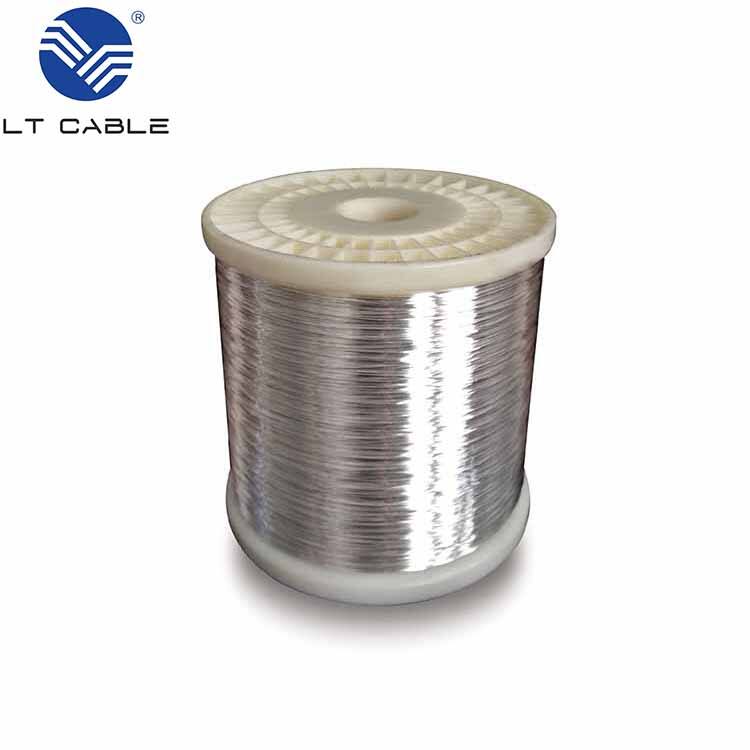
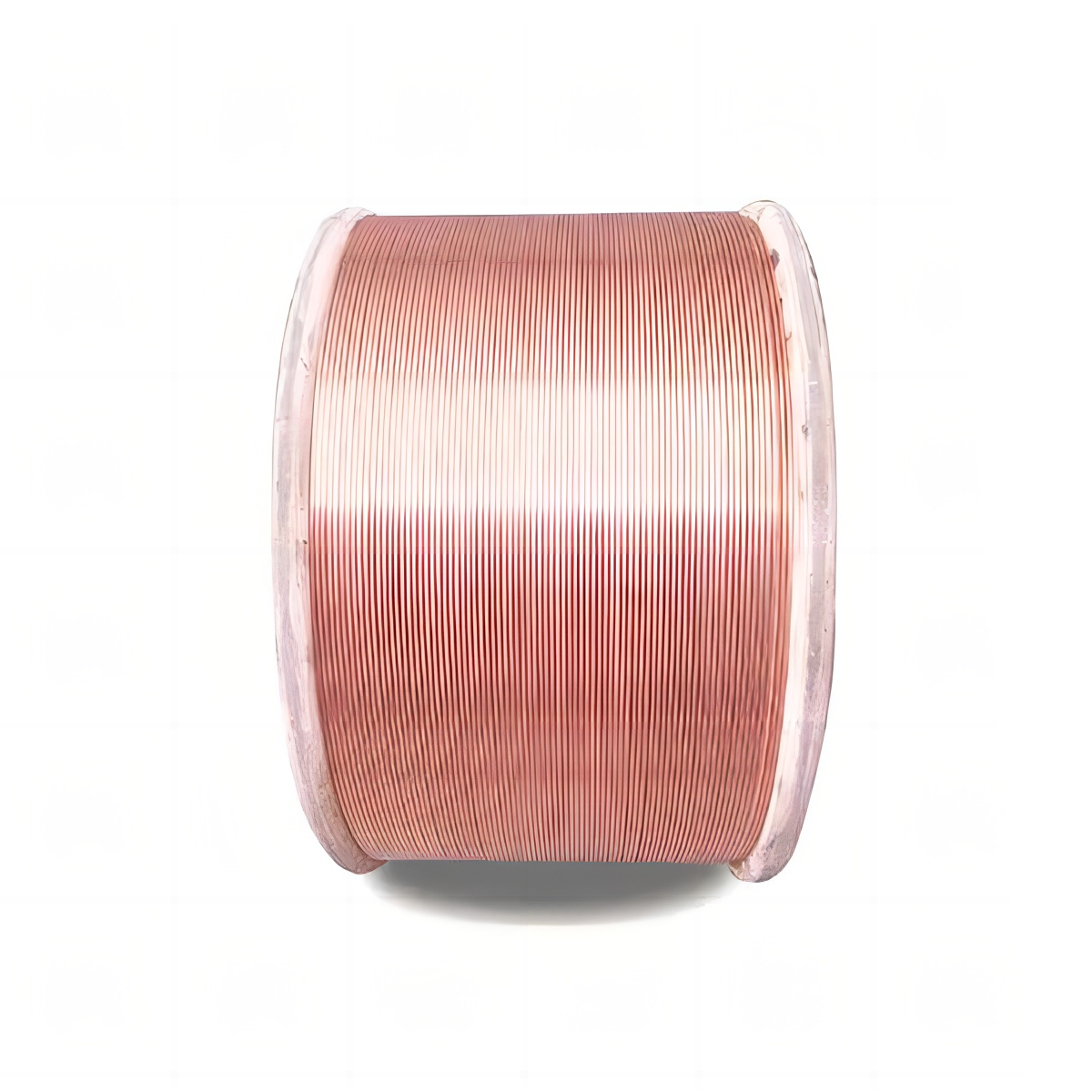
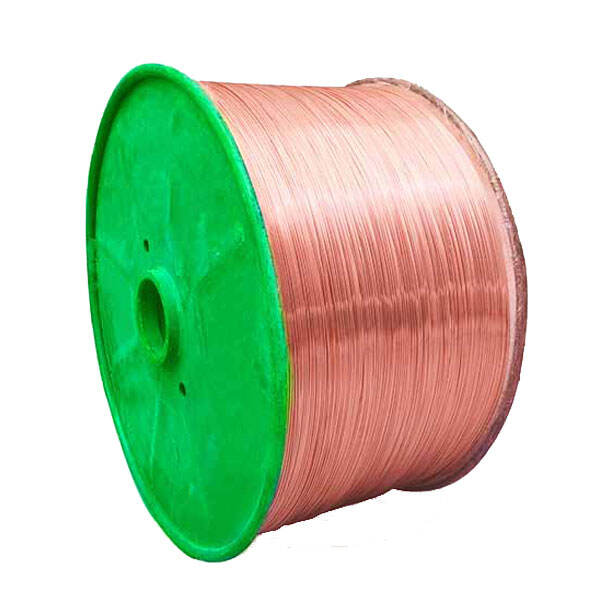
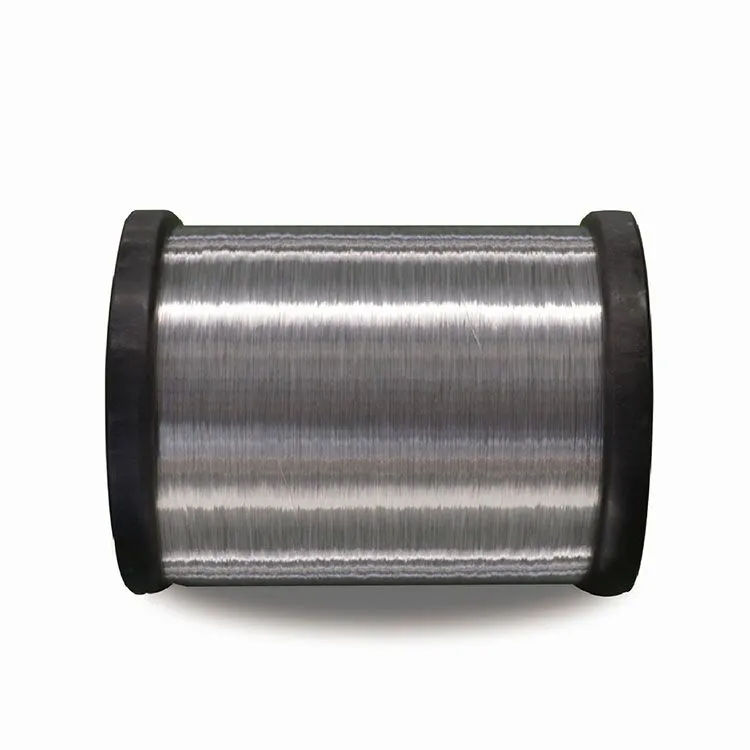
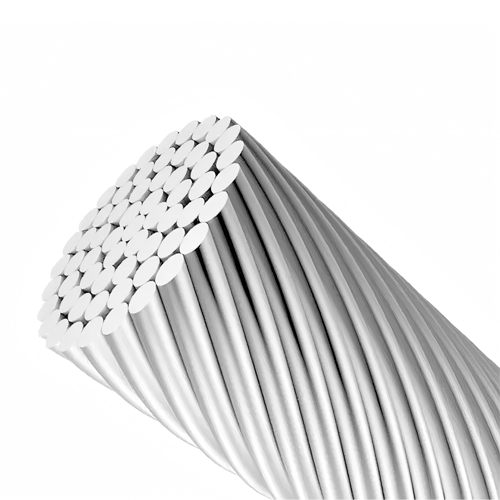
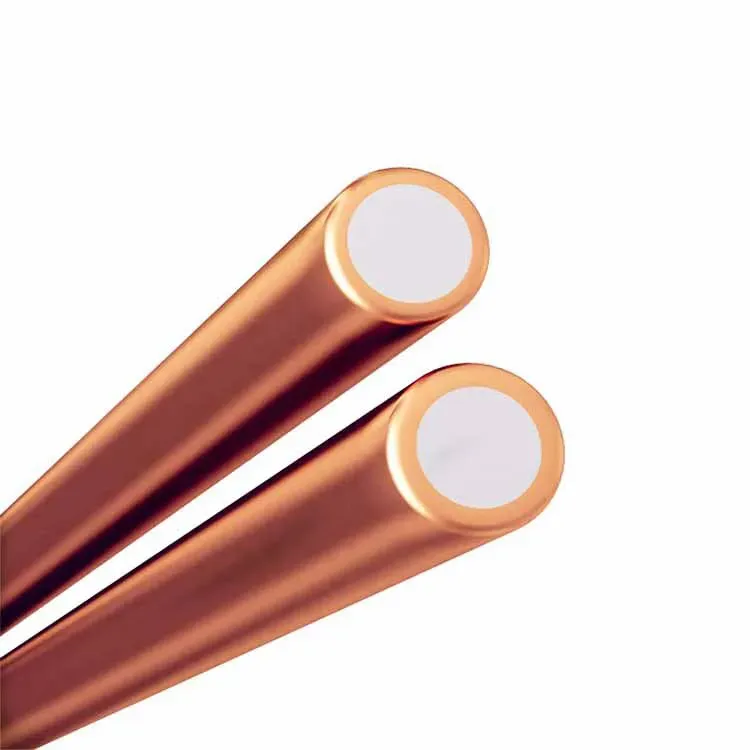
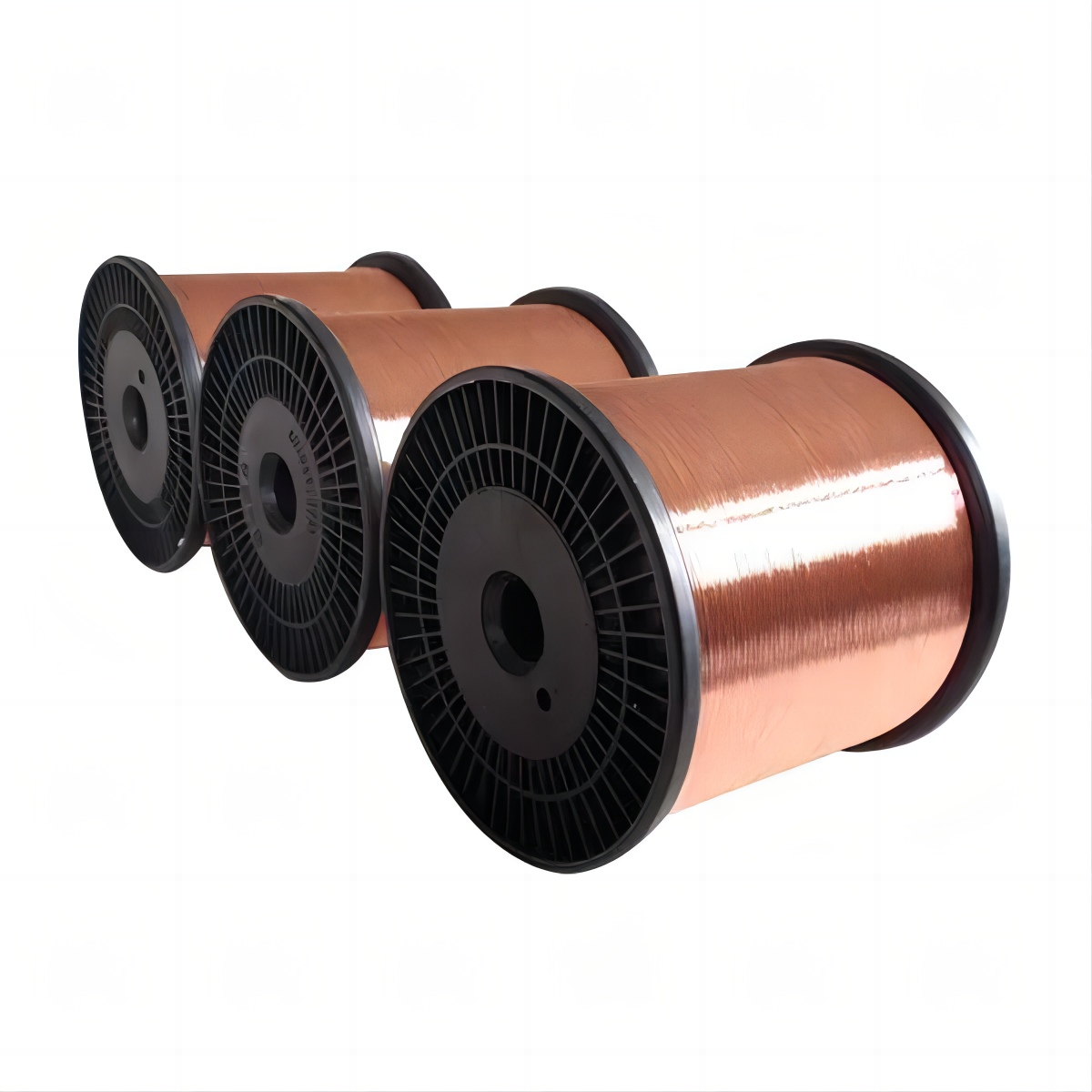
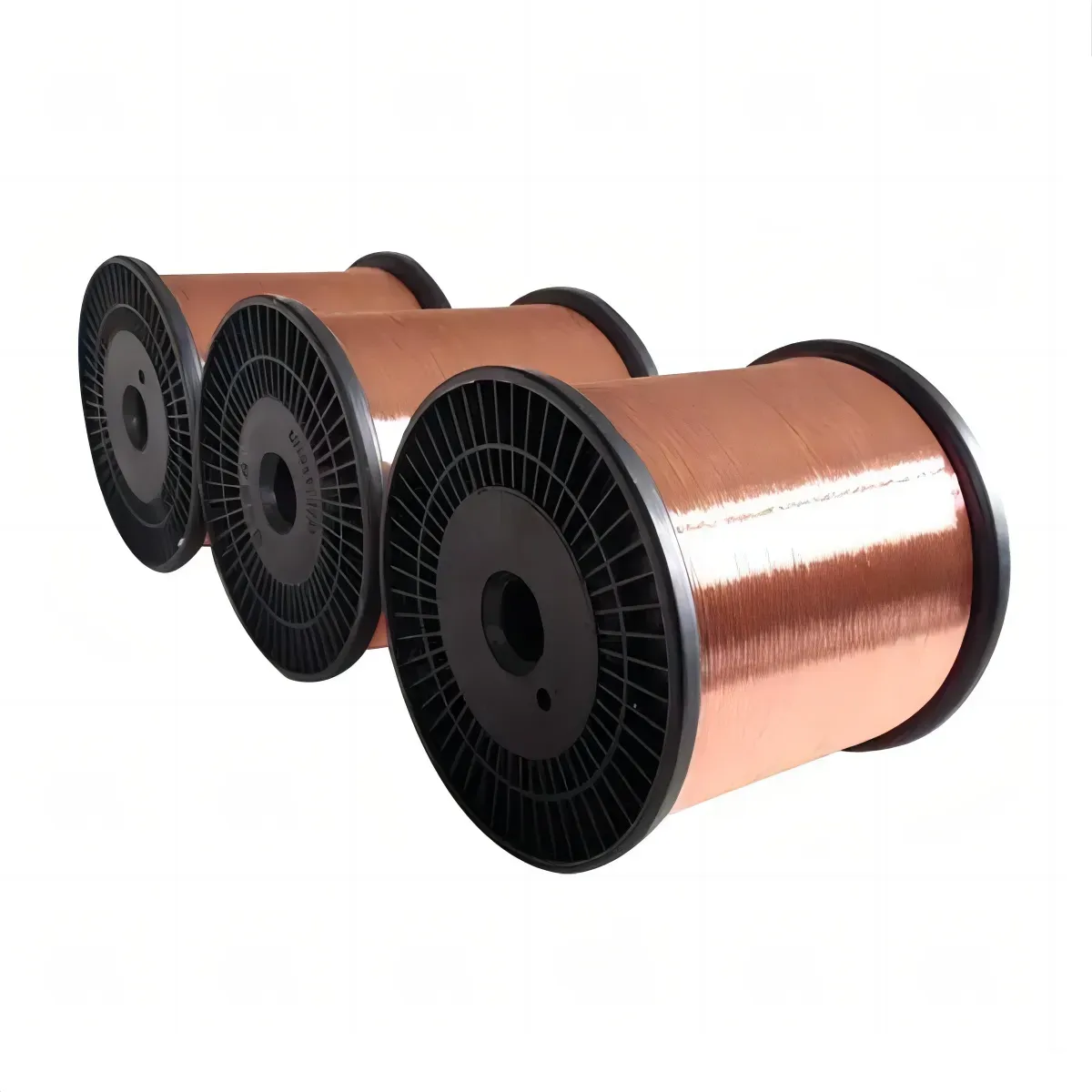
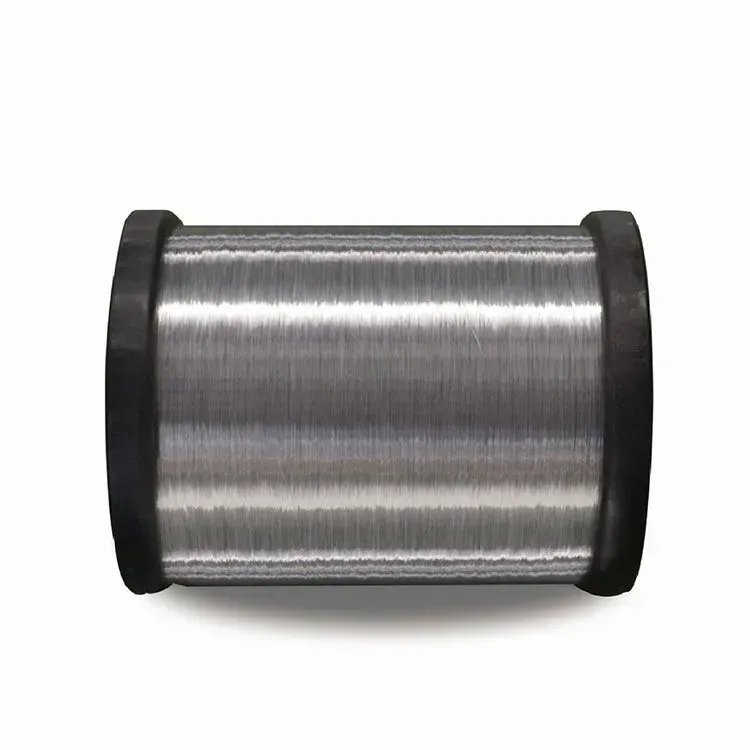
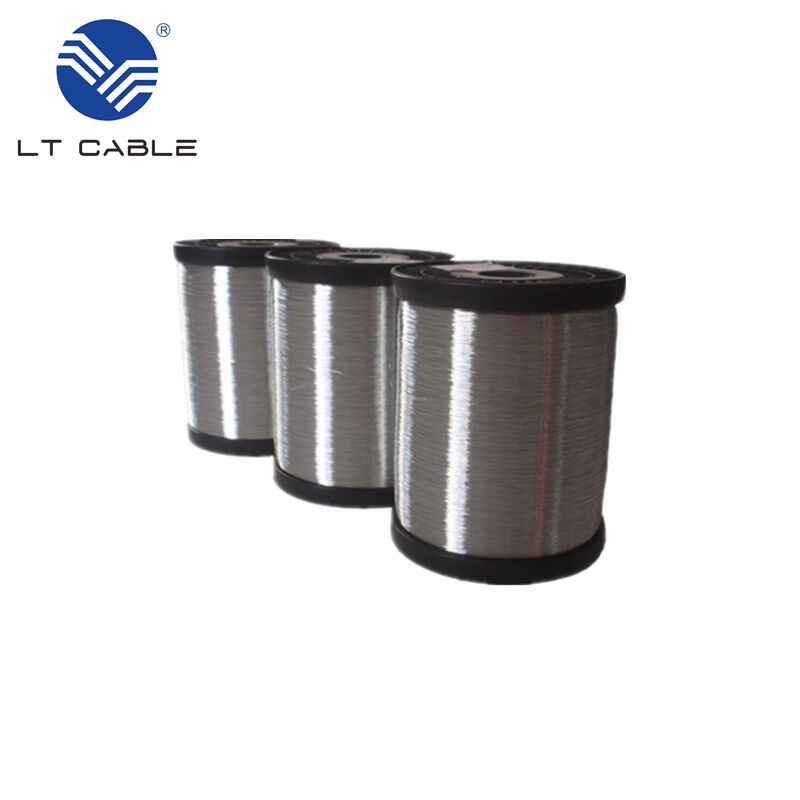
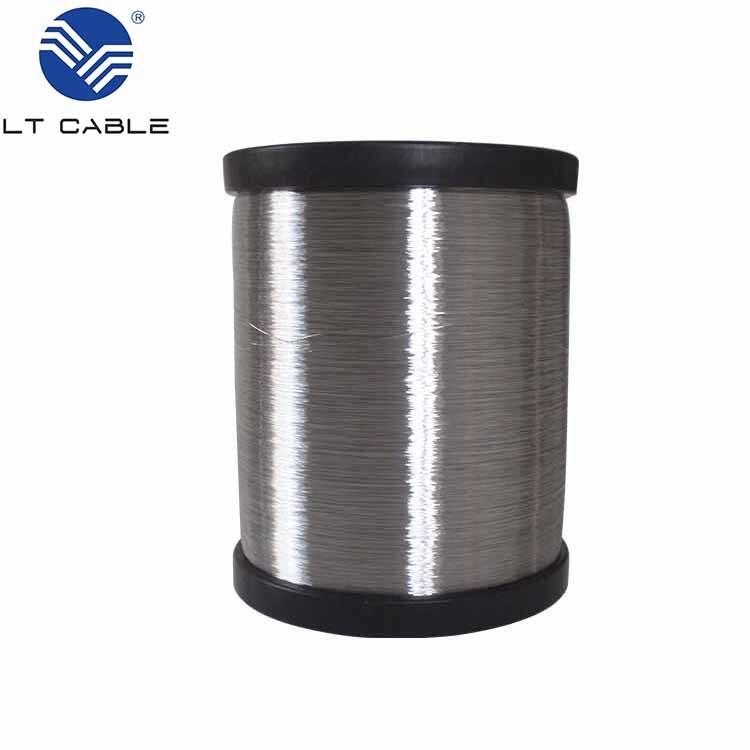
TCCA Wire Production Factory | Fully Automated Precision

Get a Free Quote

Our representative will contact you soon.
Name
Email
Mobile
Country/Region
Choose the product you want
Message
0/1000
Unmatched Quality and Precision in TCCA Wire Production

Unmatched Quality and Precision in TCCA Wire Production

At Litong Cable, we pride ourselves on our unwavering commitment to quality and service. Our TCCA wire production factory utilizes fully automated production lines, ensuring precision at every stage from raw material sourcing to the final product. This meticulous control not only enhances product quality but also increases efficiency, allowing us to meet diverse client needs with customized solutions. Our experienced management team continuously monitors processes, ensuring that we adhere to international standards while providing exceptional customer service. By focusing on customer value creation, we empower our clients with reliable products that support their operational goals and foster long-term partnerships.
Get A Quote

Transforming Industries with High-Quality TCCA Wire

Aerospace Industry Solutions

In the aerospace sector, a leading manufacturer sought a reliable supplier for TCCA wires to enhance their aircraft systems. Litong Cable provided customized TCCA wires that met stringent safety and performance standards. Our fully automated production process ensured consistent quality, leading to improved system reliability and reduced maintenance costs for the client. The successful collaboration not only strengthened their supply chain but also positioned them as a leader in aerospace innovation.

Renewable Energy Projects

A prominent renewable energy firm required TCCA wires for their solar panel installations. Litong Cable delivered high-quality, durable TCCA wires tailored to withstand harsh environmental conditions. Our precise manufacturing process allowed for the production of wires that minimized energy loss and maximized efficiency. The client reported a significant increase in system performance and longevity, showcasing the effectiveness of our products in sustainable energy solutions.

Telecommunications Advancements

A telecommunications company faced challenges with signal integrity in their network infrastructure. By partnering with Litong Cable, they received TCCA wires designed to enhance signal transmission and reduce interference. Our advanced production techniques ensured that the wires maintained optimal conductivity. The result was a more reliable network, improved customer satisfaction, and expanded service capabilities, demonstrating the impact of our high-quality TCCA wire on their operations.

Related products

Litong Cable has some of the best innovation and quality for TCCA wire manufacturing. Our production begins with the selection of raw materials and we ensure only the finest inputs are used. Our management team closely monitors every single step of the production processes including wire drawing and annealing and this guarantees to us that we TCCA wires that are the best in the industry and match the specifications from our customers. We offer a variety of TCCA wire products as we know the need of every industry is different. Whether it is aerospace, telecommunications, or renewables, our team collaborates with customers to create solutions to fit their needs. Innovation and adapting to the shifting demands of the industry for the satisfaction of the customer is our driving force. Our fully automated production lines focus on both efficiency and sustainability as they help to control and reduce waste and energy consumption while also improving the quality of the products. This fully complements our vision of customer value with environmental value as well. At Litong Cable, we strive to be the best TCCA wire manufacturers.

Frequently Asked Questions about TCCA Wire Production

What makes Litong Cable's TCCA wires superior?

Litong Cable's TCCA wires are produced using fully automated processes that ensure precision and consistency. Our rigorous quality control measures and commitment to high standards result in superior products that enhance performance and reliability across various applications.
Yes, we offer a variety of customizable TCCA wire solutions tailored to meet the specific needs of our clients. Our team will work closely with you to understand your requirements and develop products that align with your project goals.

Related article

CCA Wire: The Cost-Effective Solution for Your Wiring Needs

29

Nov

CCA Wire: The Cost-Effective Solution for Your Wiring Needs

In today's fast-growing electronics and electrical industries, choosing the right wire is essential to ensure the stability and cost-effectiveness of the system. CCA (Copper Clad Aluminum) wire is gradually becoming the first choice for many businesses and individual users as a cost-effective and reliable solution. CCA wire combines the good conductivity of copper and the lightweight properties of aluminum by wrapping a copper layer on an aluminum core, thus providing an ideal balance for various wiring applications.

The biggest advantage of CCA wire is its excellent cost-effectiveness. Compared with pure copper wire, CCA wire can significantly reduce material costs while maintaining good conductivity. This makes it an ideal choice for large-scale wiring projects, home renovations, and industrial applications. In addition, since aluminum is lighter than copper, using CCA wire can reduce the overall weight, which is especially important for equipment that needs to be frequently moved or installed at high places. Not only that, CCA wire also has good corrosion resistance and a long service life, further enhancing its value as a long-term investment.

image.png

CCA wires provided by LT CABLE
As a brand focusing on high-quality wire solutions, LT CABLE is well aware of customers' needs for a balance between product performance and cost control. We provide a variety of CCA wires, including but not limited to standard CCA wires, enhanced CCA wires, etc., to meet the specific requirements of different scenarios. Our CCA wires are manufactured using advanced production processes to ensure that each product meets international standards while having excellent conductivity and durability. Whether in residential areas, commercial buildings or industrial facilities, LT CABLE's CCA wires can perform well and help users achieve efficient and safe power transmission.

In addition to CCA wires, LT CABLE has also launched a series of other high-quality wire products, such as CCAM (copper clad aluminum alloy) wires, CCS (copper clad steel) wires, and aluminum-magnesium alloy wires, etc., aiming to provide customers with a full range of wiring solutions. For example, in some special environments, wires with higher strength or better corrosion resistance may be required, and CCAM or CCS wires will become a better choice. Aluminum-magnesium alloy wires have a wide range of application prospects in aerospace and other fields due to their unique lightweight characteristics.

Regardless of the size of your project, LT CABLE can provide you with the most suitable wire solution. If you are looking for a wire option that can meet your high performance requirements while effectively controlling costs, then consider CCA wire.

View More
Why CCAM Wire is Essential for Modern Telecommunications

26

Dec

Why CCAM Wire is Essential for Modern Telecommunications

How CCAM Wire Improves Signal Transmission

In the telecommunication field which moves at an extremely fast pace, there is always a growing need for the signal to be transmitted reliably and in an efficient manner. CCAM Wire, or Copper Clad Aluminum Magnesium Wire, helps in fulfilling this requirement. The material is well suited for telecommunication cables as it offers a combination of strength and conductivity in its copper clad aluminum magnesium wire.

CCAM Wire’s Contribution Towards Lighter Weight Infrastructure

The low weight of CCAM Wire is another plus point during the construction of telecommunication networks. It reduces the amount of load that needs to be dealt with supporting structures providing for ease of installation and maintenance. This property is useful in the construction of long communication lines when weight is a large concern.

LT CABLE’s Competence in CCAM Wire Sector

At LT CABLE, we have honed in our CCAM Wire manufacture of high quality products tailored for the telecommunication advancements of today. Our extensive knowledge of the Industry coupled with commitment to quality makes certain that the products sold by us bear the latest technology in CCAM Wire. We extend excellent customer service through customized solutions, fitting our clients with criteria to improve their network performance.

LT CABLE’s CCAM Wire Options

CCAM Wire has become an essential element in many telecommunication forms. At LT CABLE, we provide a wide range of products depending on CCAM Wire to suit the needs and requirements of our clients. Whether you are with specific standards or serve in the expected parameters, our custom CCAM Wire Products allow you to achieve an effective outcome.

image(623f47d823).png

View More
Understanding the Benefits of Aluminum Alloy Wire in Industrial Applications

26

Jan

Understanding the Benefits of Aluminum Alloy Wire in Industrial Applications

Introduction to Aluminum Alloy Wire in Industrial Applications

Aluminum alloy wire combines aluminum with other metals to boost its performance traits. We see this stuff all over the place actually, in everything from electronic gadgets to fabric production and wiring systems throughout different industries. Why so popular? Well, it's pretty light but still strong enough to handle quite a bit of wear and tear, plus it bends without breaking easily. That combination works wonders for manufacturers needing something durable yet flexible under pressure. Take cable makers for instance they rely heavily on these alloys because they can stand up to regular use without adding unnecessary weight. Same goes for appliance builders and those working with solder joints where both strength and ease of shaping matter most.

More companies are turning to aluminum alloys these days because of better technology and what manufacturers need now. When businesses want to get things done faster without breaking the bank, aluminum becomes a smart choice instead of going with old school materials like copper or steel. These alloys work just as well but weigh less and usually cost less too, which explains why they keep showing up in cars, planes, and buildings everywhere. Looking at how many factories have swapped out traditional stuff for aluminum wires tells us something about where the industry is heading these days.

Key Advantages of Using Aluminum Alloy Wire

Aluminum alloy wire stands out for something called the strength-to-weight ratio, which basically means it's strong but doesn't weigh much. This makes all the difference when engineers need material that can take stress without adding unnecessary bulk. Take aircraft manufacturing as a case in point - every pound saved translates to better fuel economy and overall performance gains. Research indicates these wires can support considerable loads while staying significantly lighter than steel alternatives. The result? Aircraft manufacturers see real improvements in operational costs and environmental impact metrics. Similar benefits apply across other sectors where weight matters but structural integrity cannot be compromised.

One major plus point for aluminum alloys is how well they resist corrosion. This really matters when materials are used in tough conditions, think coastal areas where saltwater is everywhere or factories dealing with all sorts of chemicals day in day out. What happens naturally with aluminum is that it creates this thin oxide layer right on top of the metal surface. This layer acts like armor against rust and degradation over time. Industry data shows that aluminum holds up way better than copper does when faced with corrosive situations. For companies looking at materials for extended use across different industries, aluminum just makes more sense from both a durability standpoint and cost perspective in the long run.

Aluminum alloy wires make great sense as an alternative to copper when looking at costs. Aluminum simply costs less money than copper does, which makes it attractive for big projects where budgets matter. According to market research, switching from copper to aluminum cuts down on expenses while still maintaining good performance levels. Many industry professionals point out these financial benefits too. They mention how cheaper raw materials plus lighter weight means installation crews spend less time and money getting the job done right. Transportation costs drop off quite a bit as well since there's just not as much weight to move around.

Types of Aluminum Alloy Wire: A Comprehensive Overview

Knowing about different kinds of aluminum alloy wire matters when picking what works best for a particular job. Take enameled wire for instance it's pretty common because the coating acts as great insulation. That makes it work really well in things like motors and transformers around the shop. The coating stops those annoying electrical shorts from happening and actually helps the wire last longer, especially in places where heat gets intense. Most folks will find this stuff winding through transformer cores and motor components all over manufacturing facilities. It just holds up better under stress than other options, which explains why so many engineers specify it for their critical systems.

Aluminum alloy wire comes in two main types besides standard options: stranded and solid wire, each offering different benefits depending on what's needed. Stranded wire basically looks like several thin wires all twisted together, making it bendy and good at handling vibrations. That's why it works so well in places where movement happens a lot, think car manufacturing for instance. Solid wire tells a different story though. Made from just one thick strand, it conducts electricity better than stranded alternatives. Most commonly found in fixed positions where nobody expects the wire to move around much, like electrical systems inside buildings. When deciding between these two options, manufacturers typically weigh whether their application requires something that can flex and move around or if they need something stable that stays put once installed.

Copper clad aluminum wire combines what makes copper good at conducting electricity with aluminum's lightness, giving people the best of both worlds. Most folks see this kind of wiring in telecom systems and data lines, especially when saving space matters or when money counts. The industry specs generally point towards copper clad aluminum whenever cutting down on weight becomes important. It works as a cheaper option compared to solid copper while still holding up pretty well in terms of actual performance. Many manufacturers have switched over because it balances budget concerns against functional requirements quite nicely.

Electrical Properties of Aluminum Alloy Wire

When comparing aluminum alloy wire to traditional copper wire, there's quite a difference in how they conduct electricity. Aluminum only manages about 61% of what copper does, but here's the catch - it weighs way less. And sometimes that makes all the difference for certain jobs. Take big projects where tons of wiring needs to go up, the lighter weight really cuts down on labor costs and makes installation much simpler, particularly when running cables across vast distances. Most engineers know that aluminum needs bigger wires than copper to get the same job done right. Still, nobody argues with its advantages when weight matters most. That's why we see aluminum dominating in places like those massive overhead power lines stretching across fields and mountains. The tradeoff works out pretty well for many applications despite the conductivity gap.

When looking at how well aluminum wire works in electrical systems, it helps to compare it directly with stranded copper wire. Take resistance levels for example copper usually measures around 10.37 ohms per thousand feet, whereas aluminum tends to be higher. This means aluminum needs bigger cables to handle the same amount of electricity. But here's the thing even though aluminum isn't as efficient in terms of resistance, most people still go for it because it saves money and weighs much less. The price difference alone makes aluminum a practical choice for many projects where budget matters more than perfect performance. That explains why so many electricians and contractors opt for aluminum alloy wiring when they need something affordable and lightweight for their installations.

Industrial Applications of Aluminum Alloy Wire

Aluminum alloy wires have become popular for electrical installations because they offer several benefits when compared to standard copper wiring. Being lighter means installers can work faster and there's less strain on building structures, particularly noticeable in high rise buildings or those with large spans between supports. Cost is another factor working in favor of aluminum. They tend to be cheaper than copper while still delivering good results in most applications. What's more, aluminum stands up better against corrosion over time. Copper tends to oxidize eventually leading to reduced conductivity, whereas aluminum maintains its properties much longer in many environments.

The aerospace sector favors aluminum alloy wires because they cut down on weight without sacrificing performance. When building planes, engineers really care about lightweight materials since every pound saved translates into better fuel economy and more cargo space. Aluminum stands out thanks to its impressive conductivity relative to its weight, which is why manufacturers keep picking it for various components. Despite being lighter than alternatives, these alloys still hold up under extreme stresses during flights, ensuring both passenger safety and structural reliability throughout long hauls across the skies.

Aluminum alloy wires are showing up more and more in construction these days because they just work better than many other options. We see them all over the place really from building exteriors to stairs and even roofs, mainly because they don't rust easily and aren't too heavy. Contractors love using these wires when trying to cut down on overall building weight while also saving money on repairs later on down the road. Buildings last longer this way. As a result, most builders now consider aluminum alloy wires standard equipment for new constructions, especially whenever there are strict requirements about how structures need to perform under different conditions.

Choosing the Right Aluminum Alloy Wire for Your Project

Choosing the right aluminum alloy wire is crucial for the success and efficiency of your project. Here are key factors to consider:

  1. Electrical Requirements: Determine the current-carrying capacity required for your project. Aluminum alloy wires vary in conductivity, so selecting one that meets your project's electrical demands is essential.
  2. Environmental Conditions: Assess the environment where the wire will be used. Aluminum is prone to oxidation, so it's important to choose alloys that are treated for resistance to environmental factors.
  3. Application Type: Understand the specific applications of the wire, such as its flexibility and fatigue resistance. Different projects have different demands, from structural integrity to ease of installation.

Saving time and money starts with avoiding those common mistakes people make when picking out wires. One big mistake folks often make is ignoring things like wire gauge and capacitance ratings. What happens then? The wires tend to overheat and eventually fail completely. Take ambient temperature into account too. If someone installs wiring that isn't rated for the actual conditions it faces, the insulation might start melting after a while. And guess what? That increases fire hazards significantly. Getting familiar with all these details matters a lot. When in doubt, talking to an electrician or experienced technician makes sense. Their insights can stop expensive breakdowns down the road and keep installations running smoothly for years instead of months.

Conclusion: The Future of Aluminum Alloy Wire in Industry

With sustainability becoming such a big deal across various sectors these days, aluminum alloy wires have really caught attention because of how green they actually are. Industry stats show that switching to aluminum alloys cuts down on carbon footprints quite a bit since aluminum occurs naturally more often than most other metals and can be recycled over and over again without losing quality. What this means practically is that manufacturing facilities consume less power when working with aluminum, plus there's a noticeable drop in those harmful greenhouse gases both when producing new materials and later when recycling them. That's why we're seeing an uptick in manufacturers incorporating aluminum alloy wire into their operations lately, especially in construction and automotive fields where material choices matter a lot for overall environmental impact.

Aluminum alloy wire brings benefits that go well past just being good for the environment. The fact that it's so light combined with how well it conducts electricity makes this material really stand out when looking at new tech developments in different fields. Take cars for example automotive manufacturers are increasingly turning to aluminum alloys because they help cut down on EV weight without sacrificing performance. We're seeing similar trends in telecom where these wires enable much faster data speeds than traditional options could manage. As 5G networks roll out around the world, we'll need materials that can keep up with those bandwidth requirements. Given all these qualities, there's no doubt aluminum alloy wire will continue shaping both our tech landscape and efforts toward greener manufacturing methods going forward.

View More
Best Practices for Consistent Quality in Stranded Wires

17

Nov

Best Practices for Consistent Quality in Stranded Wires

Precision Manufacturing for Reliable Stranded Wire Quality Control

Modern stranded wire quality control relies on advanced manufacturing techniques that minimize variability while meeting international performance standards. By integrating automation with rigorous testing protocols, producers achieve the consistency required for critical applications in aerospace, telecommunications, and power transmission.

The Role of Automated Wire Manufacturing in Reducing Human Error

Automated production systems execute wire stranding and insulation processes with micron-level precision, eliminating manual measurement inconsistencies. Robotic tension controllers maintain optimal force during twisting operations, reducing strand breakage by 62% compared to legacy systems according to recent manufacturing audits.

Implementing CCATCCA Wire Consistency Standards in Production Lines

Leading manufacturers combine automated SPC protocols with modular production systems to achieve CCATCCA compliance. These integrated solutions enable real-time adjustments to wire diameter (±0.01mm tolerance) and insulation thickness, crucial for maintaining conductivity specifications across high-volume batches.

Real-Time Monitoring Systems for Diameter and Tensile Strength

Laser micrometer arrays and computer vision systems perform 100% inline inspection, flagging diameter deviations within 0.5 milliseconds. Simultaneous tensile strength analysis using strain gauge feedback prevents substandard materials from progressing through production, ensuring uniform mechanical properties.

Case Study: Leading Asian Cable Manufacturer’s QC Protocol Upgrade

Litong Cable Technology reduced defect rates by 47% after implementing AI-driven process controls across their stranding lines. The upgraded system automatically correlates electrical resistance readings with dimensional stability data, enabling predictive maintenance that cut material waste by 28% within eight production cycles.

Material Selection and Core Integrity in Stranded Wire Assembly

Evaluating Coaxial Cable Core Materials for Durability and Conductivity

For coaxial cables to work at their best, the core materials need to strike a good balance between being tough enough physically and letting signals pass through without interference. Most people still go with oxygen-free high-conductivity copper as the top choice. According to ASTM B3-2024 standards, this material needs to be at least 99.95% pure for really important applications. Some recent tests have actually shown that when OFHC is made in a stranded configuration instead of solid, it performs better in flexibility tests. These stranded versions can handle about 40% more bending before they break down, and they keep around 99.8% of their conductivity even after all that stress. There's also been some interesting developments with silver-plated copper-clad aluminum cores lately. They're lighter by about 18% compared to traditional options and seem to hold up just fine in terms of conductivity for most regular frequency ranges where perfection isn't absolutely necessary.

Copper Purity Standards and Their Impact on Signal Transmission

The quality of signals in high frequency systems really depends on how pure the copper is used. Even tiny amounts of impurities, as small as 0.01%, can actually change how much resistance there is in the circuit. When looking at cables that meet IEC 60228 Class 5 standards which means they're about 99.99% pure copper these show around 1.7 dB per kilometer less signal loss at frequencies hitting 1 GHz when compared to the older Class 4 cables. What makes this important? Well, higher purity copper cuts down on those crystal boundary areas inside the metal by roughly 32%. Fewer boundaries mean electrons don't bounce around so much, which keeps 5G networks and millimeter wave communications running smoother. Companies that stick with these better standards have noticed something interesting too. They tend to experience about 23% fewer problems with lost signals across their telecom equipment installations. Makes sense why network operators are pushing for this kind of material quality nowadays.

Advanced Twisting Techniques to Ensure Stranded Wire Uniformity

Modern wire manufacturing relies on precision twisting methods to balance flexibility and durability. Recent conductor stranding research highlights how stranded conductors reduce skin effect, enhancing conductivity in AC applications while providing superior mechanical strength. Three core methodologies ensure consistent quality:

Optimal Lay Length and Its Effect on Flexibility and Fatigue Resistance

The lay length—the distance for a strand to complete one twist—directly impacts performance. Shorter lay lengths enhance fatigue resistance, ideal for dynamic applications like robotics, while longer lengths improve flexibility for tight spaces. Industry standards such as CCATCCA specify optimal ranges to prevent premature wire failure.

Balancing Tension Across Strands in High-Speed Bunching Machines

Advanced bunching machines utilize real-time tension control systems maintaining ±2% tolerance, crucial for fine wire production. These systems achieve speeds up to 5,400 twists per minute, minimizing breakage and ensuring uniformity across all strands.

Comparative Analysis: Concentric vs. Rope-Lay Configurations

Configuration

Flexibility

EMI Reduction

Primary Use Cases

Concentric Stranding

Moderate

Up to 40 dB

Power transmission, industrial wiring

Rope-Lay

High

25–28 dB

Robotics, portable devices

Concentric stranding’s layered design offers excellent EMI shielding, while rope-lay configurations prioritize flexibility. Field data shows concentric strands withstand 50% more vibration cycles in automotive environments compared to rope-lay alternatives.

Environmental and Operational Factors Affecting Wire Consistency

Temperature Variance and Oxidation Control During Production

Changes in temperature during production have a real effect on how stranded wires perform. When temperatures swing by plus or minus 15 degrees Celsius, it can actually cut down the tensile strength of the wire by as much as 12 percent. To combat this issue, modern manufacturing plants use special climate controlled extrusion areas and those fancy nitrogen filled annealing ovens that keep copper from oxidizing too much, usually below half a tenth of a percent surface damage. These days, most factories rely on real time thermocouples spread throughout the system to keep conductor temps pretty close to what they should be during insulation steps. This kind of temperature control matters a lot especially when making cables for aircraft where tolerances need to be measured in microns rather than millimeters.

Moisture Resistance Testing for Long-Term Installation Reliability

To test how stranded wires age over time, engineers run these accelerated tests that mimic what happens during about 20 years of real world use. The tests include putting them in chambers with nearly 98% humidity and exposing them to salt spray conditions too. Cable makers have been doing some interesting research lately showing that PET based insulation materials keep around 94% of their original electrical resistance even after going through 5,000 temperature changes. That beats regular PVC insulation by quite a margin actually, roughly 37% better performance. When it comes to underwater cables specifically, companies are starting to use something called helium mass spectrometers to check if water gets into the protective layers. These tests show leakage rates under 1 times 10 to the minus sixth power mbar liters per second. Pretty impressive when compared to older methods from just ten years back which were about 15 times worse at keeping moisture out.

Advanced Testing Protocols for Effective Stranded Wire Quality Control

Conductivity, Elongation, and Bend Testing Benchmarks

Rigorous electrical and mechanical testing forms the foundation of stranded wire quality control. Modern facilities employ three-phase validation:

  • Conductivity tests verify copper purity meets IEC 60228 Class 5/6 standards (minimum 101% IACS conductivity)
  • Elongation assessments using computerized tensile machines measure ductility under 30–50 kN loads per ASTM B557-23
  • Bend testing simulates real-world installation stresses through 180° reverse bends at subzero temperatures (-40°C)

A 2024 Material Performance Study found wires meeting all three benchmarks demonstrated 92% fewer field failures over 5-year deployments compared to industry averages.

Non-Destructive Evaluation Using Eddy Current and Ultrasonic Methods

Leading manufacturers now combine traditional destructive tests with advanced nondestructive evaluation (NDE) techniques. Eddy current testing detects subsurface defects like micro-cracks at 0.3mm resolution, while phased-array ultrasonic systems map strand uniformity across 256 measurement points simultaneously.

This dual NDE approach reduces false positives by 47% compared to single-method systems, enabling real-time corrections during production rather than post-process scrap.

Industry Paradox: Balancing Cost Efficiency with Zero-Defect Goals

The stranded wire sector faces mounting pressure to achieve automotive-grade PPB (parts per billion) defect rates while containing costs. Recent analysis reveals:

Quality Investment

Defect Reduction

Cost Impact

Automated optical inspection

63%

+8% production cost

Predictive maintenance systems

41%

+5% capital expense

AI-driven process optimization

79%

+12% upfront, -9% long-term

A Ponemon Institute study (2023) calculated that $740k in annual quality spending typically yields $2.1M in reduced warranty claims and brand erosion costs, creating a 184% ROI within 18 months for early adopters.

Frequently Asked Questions

Why is copper purity important in stranded wire manufacturing?

Copper purity is crucial because even tiny impurities can affect the resistance and overall quality of the wire. Higher copper purity decreases signal loss and enhances conductivity, crucial for applications like 5G networks.

How do automated systems reduce human error in wire manufacturing?

Automated systems execute processes with high precision, minimizing manual measurement inconsistencies. These systems use robotic controllers and real-time monitoring to ensure consistency and reduce strand breakage effectively.

What advanced techniques are used for stranded wire quality control?

Modern stranded wire quality control includes advanced nondestructive evaluation techniques like eddy current and ultrasonic methods along with rigorous electrical and mechanical testing protocols.

View More

Client Feedback on Litong Cable's TCCA Wire Solutions

John Smith
Exceptional Quality and Service

As a project manager in the aerospace industry, I have been thoroughly impressed by the quality of TCCA wires provided by Litong Cable. Their attention to detail and commitment to excellence have significantly improved our systems' reliability.

Sarah Johnson
Reliable Partner for Telecommunications

Litong Cable has been a game-changer for our telecommunications projects. Their customized TCCA wires have enhanced our network performance, and their customer service is top-notch. I highly recommend them!

Get a Free Quote

Our representative will contact you soon.
Email
Name
Company Name
Message
0/1000
Fully Automated Production Process

Fully Automated Production Process

Our TCCA wire production factory utilizes cutting-edge fully automated systems that ensure precision and efficiency at every stage of manufacturing. This technology minimizes human error, reduces production time, and enhances product consistency. By leveraging automation, we can meet high-volume demands while maintaining stringent quality standards, ultimately delivering superior TCCA wire solutions to our clients.
 Customized Solutions for Diverse Applications

Customized Solutions for Diverse Applications

We understand that each industry has unique requirements, which is why we offer a wide range of customizable TCCA wire products. Our expert team collaborates with clients to develop tailored solutions that meet specific project needs, whether for aerospace, telecommunications, or renewable energy. This commitment to customization ensures that our clients receive products that enhance their operational efficiency and effectiveness.
  • Product Consultation & Selection

    Product Consultation & Selection

    Tailored advice, perfect fit solutions.

  • Production & Supply Chain

    Production & Supply Chain

    Efficient manufacturing, seamless supply.

  • Quality Assurance & Certification

    Quality Assurance & Certification

    Rigorous testing, global certifications.

  • Post-Sales Support & Tech Help

    Post-Sales Support & Tech Help

    Prompt assistance, ongoing support.

Get a Free Quote

Our representative will contact you soon.
Name
Email
Mobile
Country/Region
Title
Message
0/1000