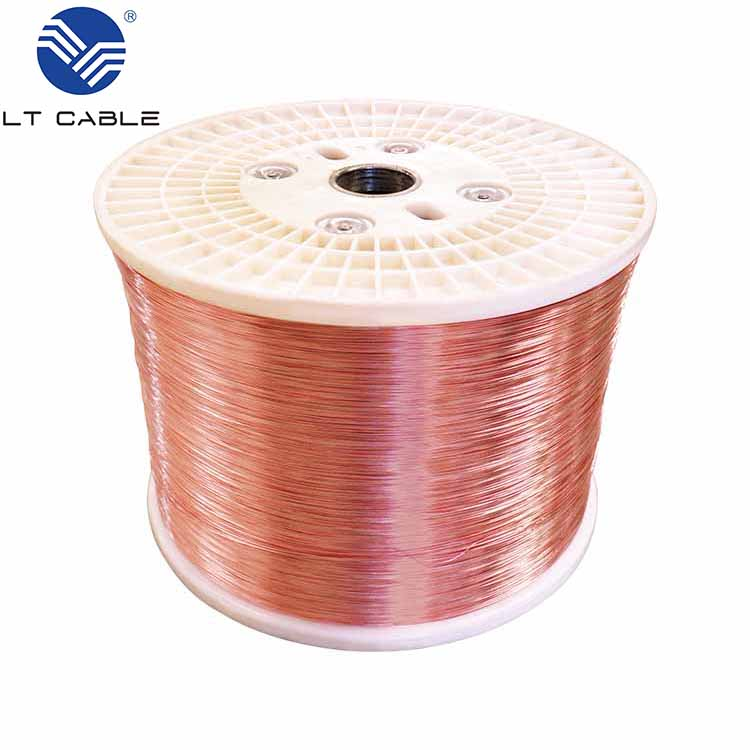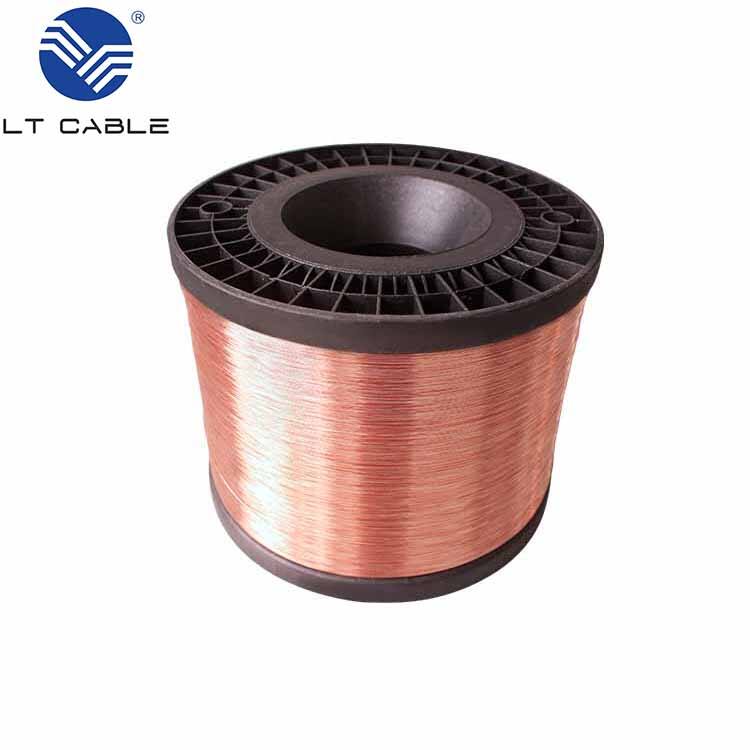
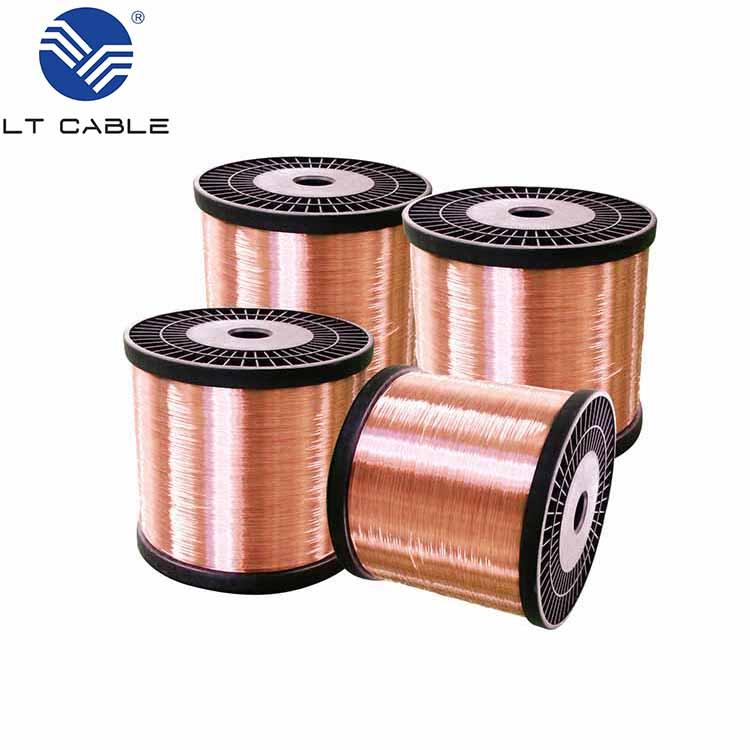
Bare CCA Wire for LAN, Speaker & Power Cables | Litong

Get a Free Quote

Our representative will contact you soon.
Name
Email
Mobile
Country/Region
Choose the product you want
Message
0/1000
High-Quality Bare CCA Wire Manufacturing

High-Quality Bare CCA Wire Manufacturing

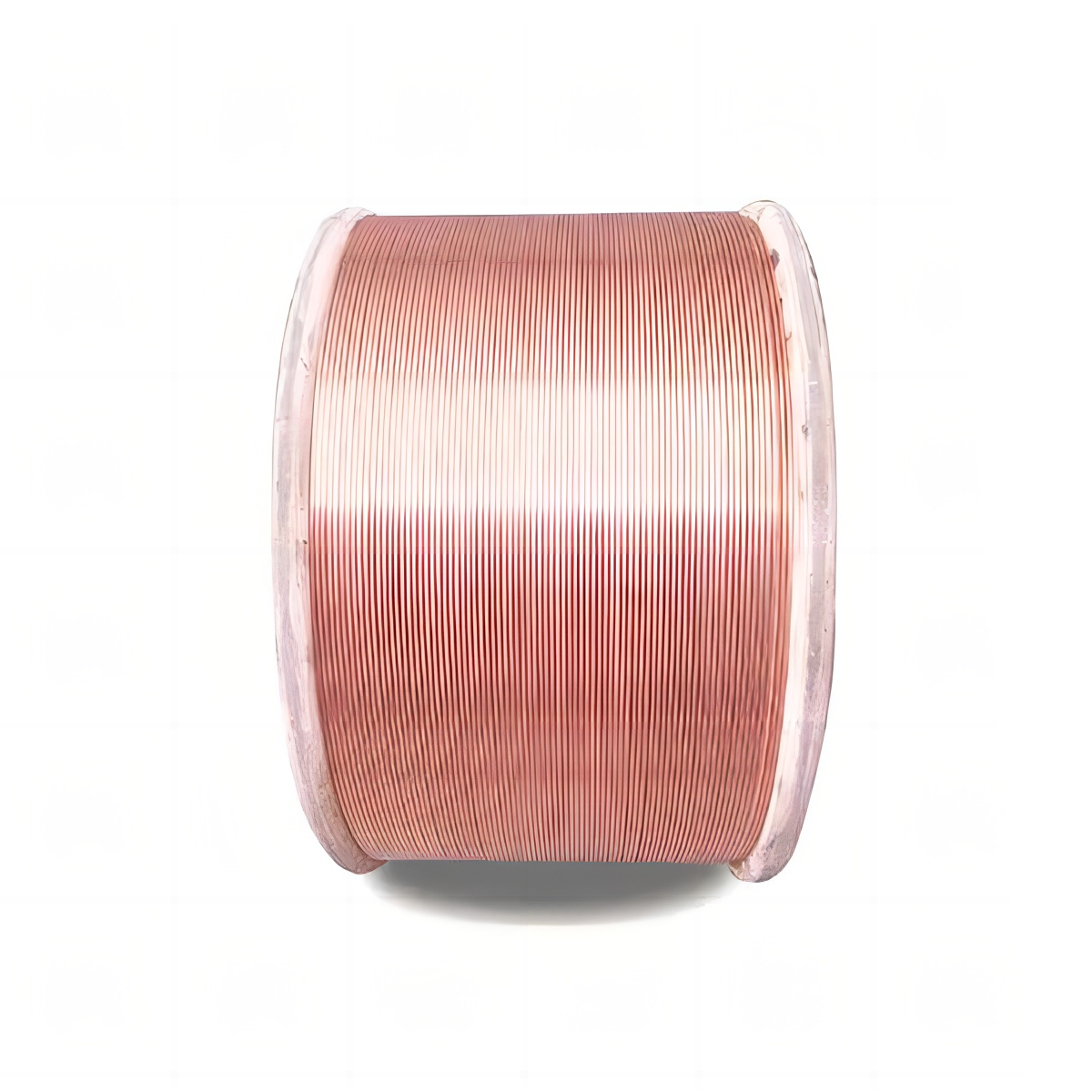
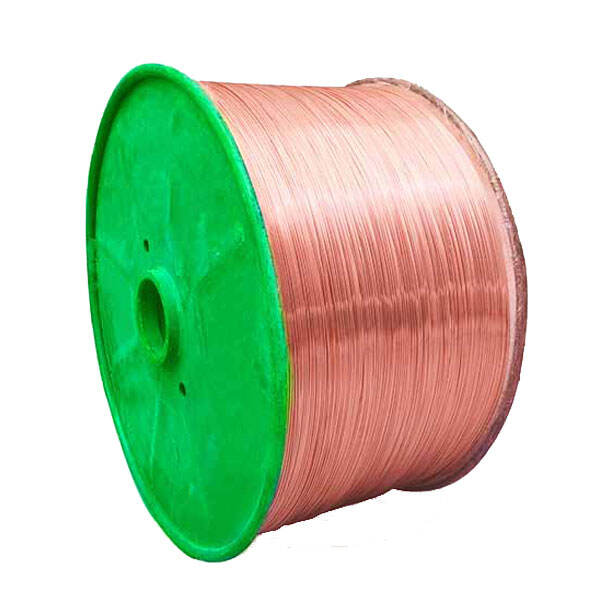
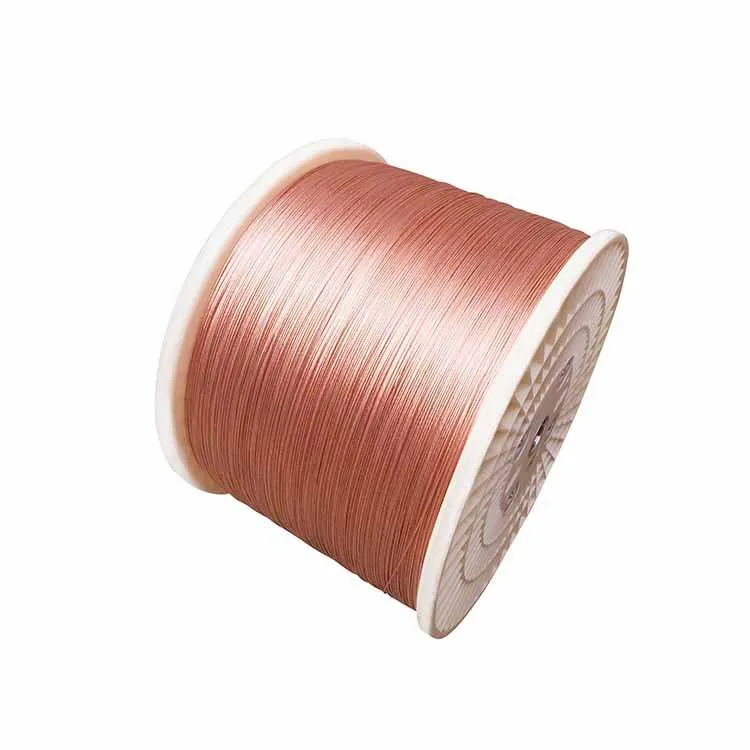
Our bare CCA wire for LAN cable, speaker cable, and power cable manufacturing stands out due to its exceptional conductivity and lightweight properties. The combination of copper and aluminum ensures that our wires maintain high performance while being cost-effective. Our automated production lines guarantee precision in every phase, from raw material selection to final product inspection. This meticulous attention to detail results in wires that are not only durable but also highly efficient, making them ideal for various applications in the telecommunications and audio industries. By focusing on customer value creation, we tailor our products to meet specific needs, ensuring that our clients receive solutions that enhance their operations.
Get A Quote

Cases

Successful Implementation of Bare CCA Wire in Telecommunications

In a recent project with a leading telecommunications company, our bare CCA wire was utilized for a large-scale LAN cable installation. The client faced challenges with signal loss and weight constraints in their existing cable solutions. By switching to our bare CCA wire, they experienced a significant reduction in signal degradation and improved overall performance. The lightweight nature of our wire also allowed for easier installation and reduced labor costs. The client reported a 30% increase in efficiency and has since placed multiple orders for our products, highlighting the effectiveness of our manufacturing process and product quality.

Enhancing Audio Quality with Bare CCA Speaker Cable

A renowned audio equipment manufacturer sought to improve the sound quality of their speaker systems. They turned to our bare CCA wire for speaker cable manufacturing, which offered superior conductivity and reduced resistance. After integrating our wire into their products, the client noticed a remarkable enhancement in audio clarity and depth. Customer feedback reflected increased satisfaction with the sound quality, leading to a 25% boost in sales. This case exemplifies how our bare CCA wire can elevate product performance in competitive markets.

Powering Industrial Applications with Bare CCA Wire

An industrial client required a reliable solution for their power cable needs, facing issues with overheating and inefficiency in their current wiring. Our bare CCA wire provided a robust alternative, offering excellent thermal conductivity and reduced weight. The client implemented our wires in their systems, resulting in lower energy costs and improved safety standards. The transition not only enhanced their operational efficiency but also positioned them as a forward-thinking company in their industry. This case underscores the versatility and reliability of our bare CCA wire in demanding environments.

Related products

Manufacturing bare CCA wire that is used in LAN cables, speaker cables, and power cables is one of Litong Cable's many specializations. In our production, we prioritize quality and develop several methods to ensure that our cables perform at the highest level. We use quality raw materials and with our fully automated production lines, we draw, anneal, and process the wires. Our production lines are closely monitored to ensure we are consistently reliable. The bare CCA wires we produce are on the leading edge of technology. Combining Copper's conductivity and aluminum's low weight, our wires are the ideal choice for high performance, low weight applications. Litong Cable guarantees customer satisfaction and this is proven with the various customizations we offer that will always fulfill the requirements of our customer and ensure they are using the best product for their goals.

Frequently Asked Questions about Bare CCA Wire

What is bare CCA wire, and how is it different from traditional copper wire?

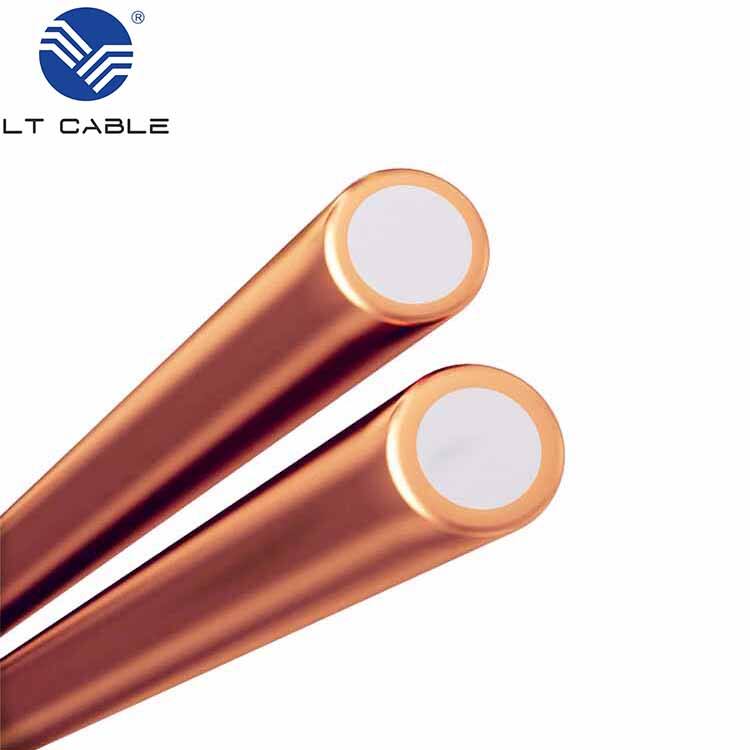
Bare CCA wire is composed of a copper-clad aluminum core, which offers a good balance between conductivity and weight. Unlike traditional copper wire, bare CCA wire is lighter and more cost-effective while still providing adequate performance for many applications, including LAN, speaker, and power cables.
Bare CCA wire for LAN cables offers several advantages, including reduced weight, lower material costs, and good conductivity. This makes it an excellent choice for long-distance data transmission, where signal integrity is crucial. Additionally, its lightweight nature simplifies installation processes, especially in large-scale projects.

Related article

Copper-Clad Aluminum Wire: Why CCA Is Popular in Cable Industry

22

Jan

Copper-Clad Aluminum Wire: Why CCA Is Popular in Cable Industry

What Is Copper-Clad Aluminum Wire? Structure, Manufacturing, and Key Specifications

Metallurgical Design: Aluminum Core with Electroplated or Rolled Copper Cladding

Copper clad aluminum wire, or CCA for short, basically has an aluminum core wrapped in copper through processes like electroplating or cold rolling. What makes this combo so interesting is that it takes advantage of aluminum being way lighter than regular copper wires—about 60% less heavy actually—while still getting the good conductivity properties from copper plus better protection against oxidation. When making these wires, manufacturers start with high quality aluminum rods that get treated on the surface first before applying the copper coating, which helps everything stick together properly at a molecular level. How thick the copper layer is matters a lot too. Usually around 10 to maybe 15% of the total cross section area, this thin copper shell affects how well the wire conducts electricity, resists corrosion over time, and holds up mechanically when bent or stretched. The real benefit comes from preventing those pesky oxides from forming where connections meet, something pure aluminum struggles with badly. This means signals stay clean even during high speed data transfers without degradation issues.

Cladding Thickness Standards (e.g., 10%–15% by volume) and Impact on Ampacity and Flex Life

Industry standards—including ASTM B566—specify cladding volumes between 10% and 15% to optimize cost, performance, and reliability. Thinner cladding (10%) lowers material costs but limits high-frequency efficiency due to skin effect constraints; thicker cladding (15%) improves ampacity by 8–12% and flex life by up to 30%, as confirmed by IEC 60228 comparative testing.

Cladding Thickness Ampacity Retention Flex Life (Cycles) High-Frequency Efficiency
10% by volume 85–90% 5,000–7,000 92% IACS
15% by volume 92–95% 7,000–9,000 97% IACS

When copper layers get thicker, they actually help cut down on galvanic corrosion problems at connection points, which is really important stuff if we're talking about installations in damp areas or near the coast where salt air hangs around. But there's a catch here. Once we go past that 15% mark, the whole point of using CCA starts to fade away because it loses its edge in terms of being lighter and cheaper compared to regular old solid copper. The right choice depends entirely on what exactly needs to be done. For things that stay put like buildings or permanent installations, going with around 10% copper coating works just fine most of the time. On the flip side, when dealing with moving parts such as robots or machinery that gets shifted around regularly, folks tend to bump up to 15% cladding since it stands up better to repeated stress and wear over long periods.

Why Copper-Clad Aluminum Wire Delivers Optimal Value: Cost, Weight, and Conductivity Trade-Offs

30–40% Lower Material Cost vs. Pure Copper—Validated by 2023 ICPC Benchmark Data

According to the latest ICPC Benchmark numbers from 2023, CCA cuts down on conductor material expenses by around 30 to 40 percent when compared to regular solid copper wiring. Why? Well, aluminum just costs less at the market level, and manufacturers have really tight control over how much copper gets used in the cladding process. We're talking about only 10 to 15% copper content in these conductors overall. These cost savings make a big difference for expanding infrastructure projects while still keeping those safety standards intact. The impact is especially noticeable in high volume scenarios such as running the main cables through massive data centers or setting up extensive telecom network distributions across cities.

40% Weight Reduction Enables Efficient Aerial Deployment and Reduces Structural Load in Long-Run Installations

CCA weighs about 40 percent less than copper wire of the same gauge, which makes installation much easier overall. When used for aerial applications, this lighter weight means less strain on utility poles and transmission towers something that adds up to thousands of kilograms saved across long distances. Real world testing has shown workers can save around 25% of their time because they're able to work with longer sections of cable using regular equipment instead of specialized tools. The fact that these cables are lighter during transport helps cut down on shipping expenses too. This opens up possibilities where weight matters a lot, like when installing cables on suspension bridges, inside old buildings that need preservation, or even in temporary structures for events and exhibitions.

92–97% IACS Conductivity: Leveraging Skin Effect for High-Frequency Performance in Data Cables

CCA cables hit around 92 to 97 percent IACS conductivity because they take advantage of something called the skin effect. Basically, when frequencies go above 1 MHz, electricity tends to stick to the outer layers of conductors rather than flowing through the whole thing. We see this in action across several applications like CAT6A Ethernet at 550 MHz speeds, 5G network backhauls, and connections between data centers. The copper coating carries most of the signal while the aluminum inside just gives structural strength. Tests have shown that these cables maintain less than 0.2 dB difference in signal loss over distances up to 100 meters, which is basically the same performance as regular solid copper wires. For companies dealing with massive data transfers where budget constraints matter or installation weight becomes an issue, CCA offers a smart compromise without sacrificing much on quality.

Copper-Clad Aluminum Wire in High-Growth Cable Applications

CAT6/6A Ethernet and FTTH Drop Cables: Where CCA Dominates Due to Bandwidth Efficiency and Bend Radius

CCA has become the go to conductor material for most CAT6/6A Ethernet cables and FTTH drop applications these days. Weighing in at about 40% less than alternatives, it really helps when running cables both outdoors on poles and indoors where space matters. The conductivity levels sit between 92% and 97% IACS which means these cables can handle all the way up to 550 MHz bandwidth without issues. What's particularly useful is how flexible CCA naturally is. Installers can bend these cables pretty tightly, down to four times their actual diameter, without worrying about losing signal quality. This comes in handy when working around tight corners in existing buildings or squeezing through narrow wall spaces. And let's not forget the money aspect either. According to ICPC data from 2023, there are roughly 35% savings on materials costs alone. All these factors together explain why so many professionals are turning to CCA as their standard solution for dense network installations that need to last into the future.

Professional Audio and RF Coaxial Cables: Optimizing Skin Effect Without Premium Copper Costs

In professional audio and RF coaxial cables, CCA delivers broadcast-grade performance by aligning conductor design with electromagnetic physics. With 10–15% copper cladding by volume, it provides surface conductivity identical to solid copper above 1 MHz—ensuring fidelity in microphones, studio monitors, cellular repeaters, and satellite feeds. Critical RF parameters remain uncompromised:

Performance Metric CCA Performance Cost Advantage
Signal Attenuation ∼0.5 dB/m @ 2 GHz 30–40% lower
Velocity of Propagation 85%+ Equivalent to solid copper
Flex Cycle Endurance 5,000+ cycles 25% lighter than copper

By placing copper precisely where electrons travel, CCA eliminates the need for premium-priced solid copper conductors—without sacrificing performance in live sound, wireless infrastructure, or high-reliability RF systems.

Critical Considerations: Limitations and Best Practices for Copper-Clad Aluminum Wire Use

CCA definitely has some good economic advantages and makes sense logistically, but engineers need to think carefully before implementing it. The conductivity of CCA sits around 60 to 70 percent compared to solid copper, so voltage drops and heat buildup become real issues when working with power applications beyond basic 10G Ethernet or dealing with high current circuits. Because aluminum expands more than copper (about 1.3 times as much), proper installation means using torque controlled connectors and checking connections regularly in areas where temperature changes happen often. Otherwise those connections can loosen over time. Copper and aluminum don't play nice together either. Corrosion problems at their interface are well documented, which is why electrical codes now require applying antioxidant compounds wherever they connect. This helps stop the chemical reactions that degrade connections. When installations face humidity or corrosive environments, going with industrial grade insulation like cross linked polyethylene rated for at least 90 degrees Celsius becomes absolutely necessary. Bending cables too sharply beyond eight times their diameter creates tiny fractures in the outer layer, something best avoided altogether. For critical systems such as emergency power supplies or main data center links, many installers opt for a mixed strategy these days. They run CCA through distribution paths but switch back to solid copper for final connections, balancing cost savings with system reliability. And let's not forget recycling considerations. While CCA can technically be recycled through special separation methods, proper end of life handling still needs certified e waste facilities to manage materials responsibly according to environmental regulations.
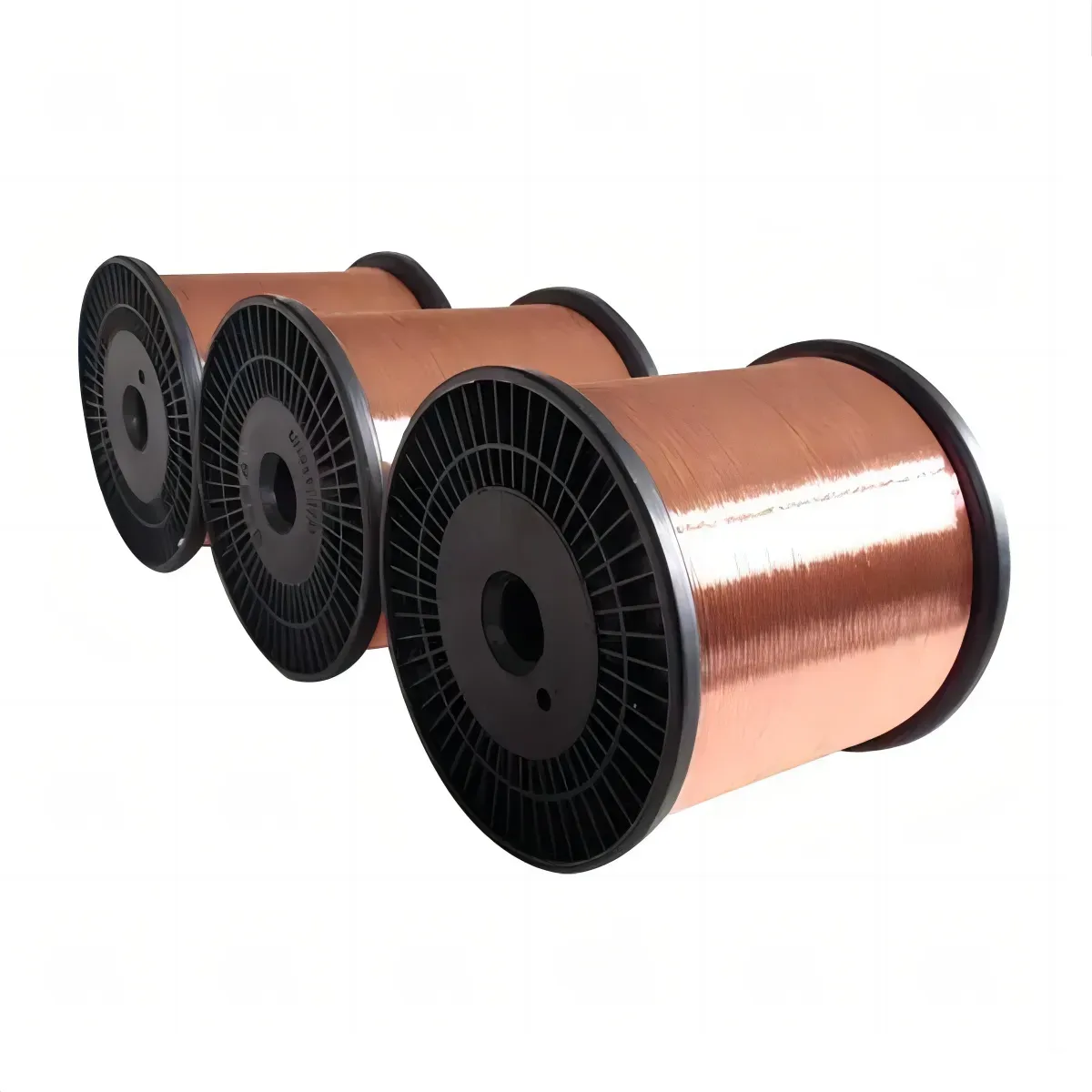
View More
Maximizing Solar Energy Output with Proper Photovoltaic Wiring

22

Mar

Maximizing Solar Energy Output with Proper Photovoltaic Wiring

## Photovoltaic Wiring Fundamentals for Solar Power Efficiency

Key Electrical Terms: Voltage, Current, and Power

Getting a handle on basic electrical terms like voltage (V), current (I), and power (P) makes all the difference when trying to get the most out of solar panels. Power basically comes from multiplying voltage, which acts like electrical pressure, with current, the flow rate of electricity, so P equals V times I. These three factors really affect how well a solar system turns sunlight into electricity we can actually use. Take shading problems for example. When parts of the panel get shaded or temperatures swing too much, voltage drops below what's needed, and suddenly the inverter isn't working right anymore. That means less electricity coming out at the end of the day. Research from NREL shows just how big of a hit systems take when voltage and current aren't properly managed. So knowing these fundamentals isn't just theory stuff it directly impacts whether homeowners and businesses actually benefit from their solar investments.

Stranded Wire vs. Solid Wire: Performance Considerations

Choosing between stranded and solid wire matters a lot when setting up photovoltaic systems. Stranded wire consists of many small strands twisted together, giving it much better flexibility than solid wire made from one continuous conductor. This makes all the difference during installation, especially in places where wires get shaken around or moved frequently. Solar installers tend to go for stranded wire outdoors since it handles the rough treatment of weather changes and physical stress much better. One major solar company actually reported seeing far fewer problems with connections on their systems using stranded wire, even through harsh winter storms and summer heatwaves. For most PV setups, the combination of bendability and durability simply makes stranded wire the smarter option overall.

Copper vs. Copper-Clad Aluminum (CCA) Conductors

When it comes to photovoltaic systems, copper versus copper-clad aluminum (CCA) conductors bring different things to the table, mostly around how well they conduct electricity and what they cost. Copper is pretty much the gold standard when it comes to conductivity and lasts longer too, which means less current gets lost along the way and the whole system runs better overall. But let's face it, copper just costs more money compared to those CCA wires. Now CCA has its place too because it's cheaper, but there's a catch. These wires have higher resistance and tend to lose more voltage especially when running across long distances. For folks working within tight budgets or dealing with shorter wire runs, CCA might still work just fine. Some tests showed copper beats out CCA hands down when looking at energy savings and system longevity, even though it does come with a bigger price tag attached.

Optimizing Solar Panel Configurations

Series Wiring: Maximizing Voltage Output

When solar panels are wired in series, they get connected end to end in a straight line, which boosts the total voltage produced. This works because we connect the positive side of one panel to the negative side of the next one. The result? Higher voltage without changing the current level, so this arrangement makes sense when we need more voltage for good energy conversion. But there's a catch worth mentioning about shade problems in series setups. If even one panel gets shaded, the whole chain suffers performance loss. To combat this issue, installers often add bypass diodes that let electricity skip around shaded panels instead of getting blocked completely. Research indicates that series wiring does raise system voltage effectively, leading to improved results particularly in big installations where panels sit mostly out of shadows. For example, many commercial rooftops benefit from this configuration since their layout tends to avoid deep shading issues.

Parallel Wiring: Balancing Current and Shade Resilience

When setting up parallel wiring for solar panels, basically what happens is we connect all the positive ends together on one wire and all the negatives on another. This helps balance things out electrically and makes the whole system more resistant to problems caused by shade. Compared to series wiring where everything gets added together, parallel keeps the same voltage level but adds up the current instead. The big advantage comes when some panels get shaded while others don't. With parallel setup, those clean panels still work at full power without dragging down because of their shaded neighbors. Take urban installations for example, where trees or buildings cast shadows throughout the day. We've seen actual installations in city environments where switching to parallel wiring boosted energy production noticeably during these tricky shading periods. Makes sense why many installers prefer this approach in challenging locations.

Hybrid Series-Parallel Systems

When solar panels mix series and parallel wiring setups, they tend to perform better because they get the best parts from both methods. These hybrid arrangements actually boost voltage levels while keeping track of current flow, which means the system gathers energy more efficiently overall. They work really well in situations where the sun doesn't shine consistently across different areas or when panels need to be arranged in tricky shapes around buildings. The way these systems balance voltage and current helps them hit what we call the inverter's sweet spot for maximum power production all day long. Real world tests show these mixed systems can grab noticeably more electricity compared to standard setups, especially helpful for properties dealing with changing light conditions or shaded spots here and there. For property owners looking at their bottom line, this kind of setup often pays off faster since it makes better use of whatever sunlight is available.

Critical Factors in Photovoltaic System Efficiency

Temperature Effects on Wiring and Output

The way temperature affects wiring and how much electricity photovoltaic systems produce really matters when trying to get the most out of solar installations. When it gets hotter outside, those tiny solar cells actually work less efficiently because there's more resistance building up in the wires connecting everything together. So even if the sun is shining brightly, we might still see lower power production than expected. That's why many installers now look at materials that handle heat better, such as copper clad aluminum wire which conducts electricity well while staying cooler under stress. Research from Fraunhofer ISE shows something interesting too: every time the temperature goes above 25 degrees Celsius, solar panels lose about half a percent efficiency per degree. Keeping these panels at their ideal operating temperature isn't just good theory either it makes a real difference in what kind of returns people get from their investment in renewable energy.

UV-Resistant Insulation and Durability Standards

Insulation that resists UV damage is really important for keeping photovoltaic systems working well for longer. Without proper protection, wiring gets damaged by sunlight over time, which means the whole system starts to break down faster than it should. Most industry guidelines require materials to handle whatever Mother Nature throws at them outdoors, dealing with both hot days and cold nights plus constant sun exposure without falling apart. The folks at NREL did some tests on different materials and found that those resistant to UV actually last much longer than regular ones. Systems built with these better materials just keep performing consistently throughout their entire life cycle instead of dropping off suddenly after a few years.

Best Practices for Safe and Code-Compliant Installations

Following good practices when installing photovoltaic systems matters a lot for keeping things safe and getting maximum performance out of them. Proper grounding techniques, using the right kind of insulated wires, and sticking to NEC standards are all part of what makes installations work well over time. When done correctly, these steps help avoid dangerous situations and keep solar panels producing electricity efficiently for years instead of just months. Most professionals in the field will tell anyone who asks that skipping on code requirements often leads to problems down the road, including fire hazards and wasted energy production. Research from groups like SEIA backs this up, showing that solar installations which follow standard procedures tend to perform better and create fewer headaches for homeowners and businesses alike.

View More
Shielded Cables: The Backbone of Reliable Communications

22

Mar

Shielded Cables: The Backbone of Reliable Communications

Understanding Shielded Cables in Communication Networks

What Makes Shielded Cables Essential for Data Transmission?

Shielded cables are really important for keeping data safe during transmission since they block out external electromagnetic interference, or EMI as it's commonly called. We see this protection working well in places such as data centers and industrial areas where clear signals matter a lot. Take EMI for example it messes with signals and can cause problems like lost or corrupted data. Shielded cables help fix these issues by stopping those unwanted signals from getting through. Plus, these cables let data travel longer distances without losing strength, which makes them reliable across different situations. Industry studies show that switching from regular cables to shielded ones cuts down errors by around 80 percent, especially noticeable in spots with lots of EMI like manufacturing plants and hospitals.

Key Components: Enameled Wire and Conductive Materials

Enameled wire plays a big role in shielded cables because it offers excellent insulation and stands up well against corrosion issues. When installed properly, these wires help keep cables working reliably for years on end while shielding the inner conductors from outside damage and unwanted interference. Shielded cables often incorporate different metals too, with copper and aluminum being popular choices among manufacturers looking to boost conductivity and preserve signal integrity throughout their systems. Take copper for instance it has really high conductivity which means less resistance when transmitting signals, so data moves through the network much faster without losing strength along the way. Most professionals in the field will tell anyone who asks that using good quality materials during cable manufacturing isn't optional if companies want top notch performance out of their infrastructure since poor material selection directly affects how well those cables handle electromagnetic interference problems in real world conditions.

Stranded vs. Solid Wire in Cable Construction

When building cables, deciding between stranded and solid wire really comes down to what the job actually needs. Stranded wires bend better and hold up against wear and tear, so they work great when cables get moved around a lot or exposed to vibrations, think about car parts or factory equipment that moves constantly. Solid wire isn't as flexible but stands up to abuse much longer, which is why electricians usually go for this type when running power through walls or ceilings where things stay put. For sending signals through cables, stranded versions are harder to snap because they flex without breaking, though they do carry some extra resistance compared to their solid counterparts. Most people pick whichever fits their setup best, going with stranded if the cable will see action and sticking with solid for those permanent installations where stability matters most.

Electromagnetic Interference (EMI) and Signal Integrity

How EMI Disrupts Communication Network Performance

Electromagnetic interference, or EMI for short, really messes with how well communication networks work because it gets in the way of signals traveling through them. Most of the time this interference comes from other electrical devices sitting close by, and when it happens, important data either gets lost completely or becomes corrupted somehow. Take factories with lots of big machines running all day long, or places packed full of electronics - these spots tend to have constant problems with their signals getting disrupted, which makes everything run slower and less reliably. Looking at actual numbers shows something interesting too. Networks dealing with serious EMI issues lose way more data packets than they should, sometimes cutting down overall efficiency by around 30%. We've seen this happen in hospitals where doctors struggle to maintain reliable wireless connections because medical equipment creates so much EMI. That's why many tech professionals now recommend using shielded cables and other protective measures to keep networks functioning properly despite all the electromagnetic noise floating around.

The Role of Shielding in Preserving Signal Quality

Good shielding is essential for keeping signals clean since it blocks out unwanted electromagnetic interference. When cables get wrapped in conductive stuff like aluminum foil or copper braid, they create barriers against those pesky EM waves that mess with data transmission. Some studies indicate that certain methods work better than others. For instance, layering different materials together or mixing foil with braided shields tends to keep signal loss minimal even when dealing with those tricky high frequency transmissions. The field has seen some interesting developments lately too. Manufacturers are coming up with new conductive compounds and creative ways to build shields into cable structures. This progress should lead to stronger protection options down the road, especially important as our communication networks grow more complicated and operate under tougher conditions day after day.

Stranded Copper Wire Resistance Per Foot: Impact on EMI Protection

How much resistance there is in each foot of stranded copper wire really affects how well it blocks electromagnetic interference. Wires with lower resistance generally work better at stopping EMI, so picking the right gauge matters a lot. Take a look at what happens when we go down in wire gauge sizes. The resistance goes down too, which means better shielding against those pesky electromagnetic signals. According to some actual field tests from engineers working on this stuff daily, getting the wire size right for whatever environment it'll be used in makes all the difference for proper EMI protection. Anyone looking at installing wiring where strong EMI shielding is needed should definitely pay attention to these resistance numbers. Getting this part wrong could lead to problems later on with equipment malfunctioning or needing replacement sooner than expected.

Foil Shielding: Lightweight Protection for High-Frequency EMI

Foil shielding works really well at blocking out those pesky high frequency electromagnetic interferences (EMI) thanks to a thin metal layer wrapped around the cable. Usually made from copper or aluminum, this foil creates a complete barrier along the whole length of the cable. That's why we see it so much in areas plagued by high frequency signals. What sets foil apart from other shielding methods is how light it is. Installation becomes way simpler compared to bulkier options like braided shields. Sure, foil isn't as tough as some alternatives, but when weight matters most, like in tight spaces or long runs, it wins hands down. We find foil shielding all over the place actually. Data centers rely on it heavily because they can't afford signal disruptions. Same goes for telecom infrastructure where even small amounts of interference could cause major problems for communications networks.

Braided Shielding: Durability and Flexibility in Industrial Settings

Braided shielding consists of copper wires woven together into a mesh pattern, which gives it good strength while still being flexible enough for tough industrial conditions. Compared to foil shielding, this braided version covers around 70% to maybe even 95% of the surface area, though how well it works really depends on how tightly those wires are woven together. Industrial settings love this kind of shielding because it can take a beating without breaking down or losing function when subjected to harsh factory floor conditions. What makes braided shielding stand out is its flexibility factor too. Cables with this shielding can bend and move around all day long without affecting their performance. That's why we see so much of it in manufacturing plants where cables get moved around constantly and face plenty of mechanical stress over time.

Spiral Shielding Applications in Dynamic Communication Systems

Spiral shielding works really well in situations where cables get moved around a lot or bent frequently. The way the conductive material wraps around in spirals lets these cables stay flexible but still blocks out electromagnetic interference pretty effectively. That's why many engineers prefer them when dealing with equipment that moves constantly, think industrial robots or automated assembly lines for instance. Looking at recent developments, manufacturers keep finding ways to improve how these shields work better over time. With modern tech needing reliable connections even under tough conditions, we're seeing more companies switch to spiral shielding solutions across different sectors from manufacturing floors to medical devices.

Choosing the Right Shielded Cable for Communication Systems

Environmental Factors: EMI Sources and Cable Routing

Knowing where electromagnetic interference (EMI) comes from and how it travels matters a lot when picking out shielded cables for communication systems. Industrial equipment, old fashioned fluorescent lights, and nearby radio transmitters all create EMI that messes with signal quality. Getting the cable paths right helps reduce this problem. A good rule of thumb? Keep signal cables away from power lines and don't run them parallel. Also maintain some distance between sensitive signal lines and those pesky EMI sources. This becomes especially important in factories and plants where strong signals are needed. Real world experience tells us that cables kept at proper distances from EMI sources work better and maintain cleaner signals over time. Many engineers have seen this firsthand in their installations.

Balancing Conductivity and Flexibility: Bare Stranded Copper Wire Considerations

When selecting bare stranded copper wire, engineers need to weigh conductivity against flexibility based on what the job requires. The copper composition gives this type of wire outstanding electrical properties, which explains why it works so well in demanding applications like power transmission lines. But don't overlook the flexibility factor either. This characteristic makes installation easier in areas where components move around regularly, such as factory automation systems or vehicle wiring harnesses. Industry experience shows that stranded configurations retain their conductive qualities over longer runs while still bending around tight corners in cramped machinery compartments. Getting the mix right between these two attributes means better results down the road, whether the priority is maintaining signal strength through extended cable runs or accommodating frequent movements in mechanical assemblies.

Interpreting Stranded Wire Size Charts for Optimal Performance

Getting stranded wire size charts right makes all the difference when it comes to getting good cable performance. These charts basically tell us about wire sizes and how they impact things like impedance and what kind of electrical load they can handle. When picking the right size, we're looking at minimizing resistance along each foot of cable while keeping signals strong throughout the system. Otherwise, problems like cables getting too hot or losing signal strength become real headaches. A lot of folks miss important factors like temperature changes in the environment where the cables will be installed, or forget to check exactly what kind of load demands their particular setup has. Taking time to really understand these charts helps prevent those costly errors down the road, so communication systems run smoothly without unexpected issues popping up later on.

کردن: فهمیدن و استفاده از نمودارهای اندازه سیم فلزی برای عملکرد بهینه امری ضروری است که به کاهش مقاومت و بهبود انتقال سیگنال کمک می‌کند.

View More
How to Choose CCA Wire for Power Cables and Conductors

25

Dec

How to Choose CCA Wire for Power Cables and Conductors

What Is CCA Wire? Composition, Electrical Performance, and Key Trade-Offs

High-Quality Bare CCA Wire Manufacturing

Copper-clad aluminum structure: Layer thickness, bonding integrity, and IACS conductivity (60␗70% of pure copper)

Copper Clad Aluminum or CCA wire basically has an aluminum center covered with a thin copper coating that makes up around 10 to 15 percent of the overall cross section. The idea behind this combination is simple really it tries to get the best of both worlds lightweight and affordable aluminum plus the good conductivity properties of copper on the surface. But there's a catch. If the bond between these metals isn't strong enough, tiny gaps can form at the interface. These gaps tend to oxidize over time and can boost electrical resistance by as much as 55% compared to regular copper wires. When looking at actual performance numbers, CCA typically reaches about 60 to 70% of what's called the International Annealed Copper Standard for conductivity because aluminum just doesn't conduct electricity as well as copper does throughout its entire volume. Because of this lower conductivity, engineers need to use thicker wires when working with CCA to handle the same amount of current as copper would. This requirement pretty much cancels out most of the weight and material cost benefits that made CCA attractive in the first place.

Thermal limitations: Resistive heating, ampacity derating, and impact on continuous load capacity

The increased resistance of CCA leads to more significant Joule heating when carrying electrical loads. When ambient temperatures reach around 30 degrees Celsius, the National Electrical Code requires reducing the current capacity of these conductors by approximately 15 to 20 percent compared to similar copper wires. This adjustment helps prevent insulation and connection points from overheating beyond safe limits. For regular branch circuits, this means about a quarter to third less continuous load capacity available for actual use. If systems run consistently above 70% of their maximum rating, the aluminum tends to soften through a process called annealing. This weakening affects the conductor's core strength and can damage connections at terminations. The problem gets worse in tight spaces where heat simply cannot escape properly. As these materials degrade over months and years, they create dangerous hot spots throughout installations, which ultimately threatens both safety standards and reliable performance in electrical systems.

Where CCA Wire Falls Short in Power Applications

POE deployments: Voltage drop, thermal runaway, and non-compliance with IEEE 802.3bt Class 5/6 power delivery

CCA wire just doesn't work well with today's Power over Ethernet (PoE) systems, especially those following the IEEE 802.3bt standards for Classes 5 and 6 that can deliver up to 90 watts. The problem comes down to resistance levels that are about 55 to 60 percent higher than what we need. This creates serious voltage drops along regular cable lengths, making it impossible to maintain the stable 48-57 volts DC needed at devices on the other end. What happens next is pretty bad too. The extra resistance generates heat, which makes things worse because hotter cables resist even more, creating this vicious cycle where temperatures keep climbing dangerously high. These issues run afoul of NEC Article 800 safety rules as well as the IEEE specifications. Equipment might stop working altogether, important data could get corrupted, or worst case scenario, components suffer permanent damage when they don't receive enough power.

Long runs and high-current circuits: Exceeding NEC 3% voltage drop threshold and Article 310.15(B)(1) ampacity derating requirements

Cable runs longer than 50 meters often push CCA past the NEC's 3% voltage drop limit for branch circuits. This creates problems like inefficient equipment operation, early failures in sensitive electronics, and all sorts of performance issues. At current levels above 10 amps, CCA needs serious ampacity reductions according to NEC 310.15(B)(1). Why? Because aluminum just doesn't handle heat as well as copper does. Its melting point is around 660 degrees Celsius compared to copper's much higher 1085 degrees. Trying to fix this by oversizing the conductors basically cancels out any cost savings from using CCA in the first place. Real world data tells another story too. Installations with CCA tend to have about 40% more thermal stress incidents compared to regular copper wiring. And when these stress events happen inside tight conduit spaces, they create a real fire hazard that nobody wants.

Safety and Compliance Risks of Misapplied CCA Wire

Oxidation at terminations, cold flow under pressure, and NEC 110.14(A) connection reliability failures

When the aluminum core inside CCA wire gets exposed at connection points, it starts oxidizing pretty quickly. This creates a layer of aluminum oxide that has high resistance and can raise localized temperatures by around 30%. What happens next is even worse for reliability issues. When those terminal screws apply constant pressure over time, the aluminum actually flows out cold from the contact areas, making connections gradually loosen. This violates code requirements like NEC 110.14(A) that specify secure, low resistance joints for permanent installations. The heat generated through this process leads to arc faults and breaks down insulation materials, something we see frequently mentioned in NFPA 921 investigations about fire causes. For circuits handling more than 20 amps, problems with CCA wires show up about five times quicker compared to regular copper wiring. And here's what makes it dangerous - these failures often develop silently, giving no obvious signs during normal inspections until serious damage occurs.

Key failure mechanisms include:

  • Galvanic corrosion at copper␗aluminum interfaces
  • Creep deformation under sustained pressure
  • Increased contact resistance, rising over 25% after repeated thermal cycling

Proper mitigation requires antioxidant compounds and torque-controlled terminals specifically listed for aluminum conductors␔measures rarely applied in practice with CCA wire.

How to Select CCA Wire Responsibly: Application Fit, Certifications, and Total Cost Analysis

Valid use cases: Control wiring, transformers, and low-power auxiliary circuits ␔ not branch circuit conductors

CCA wire can be used responsibly in low-power, low-current applications where thermal and voltage-drop constraints are minimal. These include:

  • Control wiring for relays, sensors, and PLC I/O
  • Transformer secondary windings
  • Auxiliary circuits operating below 20A and 30% continuous load

CCA wiring shouldn't go into circuits that power outlets, lights, or any standard electrical loads around the building. The National Electrical Code, specifically Article 310, bans its use in 15 to 20 amp circuits because there have been real issues with things getting too hot, voltage fluctuations, and connections failing over time. When it comes to situations where CCA is allowed, engineers need to check that the voltage doesn't drop more than 3% along the line. They also have to make sure all connections meet the standards laid out in NEC 110.14(A). These specs are pretty tough to hit without special equipment and proper installation techniques most contractors aren't familiar with.

Certification verification: UL 44, UL 83, and CSA C22.2 No. 77 ␔ why listing matters more than labeling

Third-party certification is essential␔not optional␔for any CCA conductor. Always verify active listing against recognized standards:

Standard Scope Critical Test
UL 44 Thermoset-insulated wire Flame resistance, dielectric strength
UL 83 Thermoplastic-insulated wire Deformation resistance at 121°C
CSA C22.2 No. 77 Thermoplastic-insulated conductors Cold bend, tensile strength

Listing in the UL Online Certifications Directory confirms independent validation␔unlike unverified manufacturer labels. Non-listed CCA fails ASTM B566 adhesion testing seven times more frequently than certified product, directly increasing oxidation risk at terminations. Before specifying or installing, confirm the exact certification number matches an active, published listing.

View More

Customer Feedback on Litong Cable's Bare CCA Wire

John Smith
Exceptional Product Quality and Service

We switched to Litong Cable's bare CCA wire for our speaker systems, and the difference in sound quality was remarkable. Their team was responsive and helpful throughout the process, ensuring we received exactly what we needed. Highly recommend!

Sarah Johnson
Reliable Partner for Industrial Solutions

Litong Cable provided us with a tailored solution for our power cable needs. Their bare CCA wire has significantly improved our operational efficiency, and we appreciate their commitment to quality. They are now our go-to supplier for wiring solutions.

Get a Free Quote

Our representative will contact you soon.
Email
Name
Company Name
Message
0/1000
Unmatched Conductivity and Lightweight Design

Unmatched Conductivity and Lightweight Design

Our bare CCA wire is engineered to provide exceptional conductivity while maintaining a lightweight profile. This unique combination allows for easier handling and installation, making it a preferred choice for various applications, including LAN cables and speaker systems. The reduced weight helps minimize installation costs and labor, while the conductivity ensures that signal integrity is maintained over long distances. This feature is particularly beneficial in environments where efficiency and performance are paramount. By choosing our bare CCA wire, clients can enhance their product offerings and improve overall operational efficiency.
Customized Solutions for Diverse Applications

Customized Solutions for Diverse Applications

At Litong Cable, we understand that each client has unique needs. Our bare CCA wire can be customized in terms of gauge, length, and insulation type to meet specific application requirements. This flexibility allows us to cater to a wide range of industries, from telecommunications to audio equipment manufacturing. By offering tailored solutions, we empower our clients to achieve their desired performance outcomes, ensuring that they remain competitive in their respective markets. Our commitment to customization is a testament to our dedication to customer satisfaction and value creation.
  • Product Consultation & Selection

    Product Consultation & Selection

    Tailored advice, perfect fit solutions.

  • Production & Supply Chain

    Production & Supply Chain

    Efficient manufacturing, seamless supply.

  • Quality Assurance & Certification

    Quality Assurance & Certification

    Rigorous testing, global certifications.

  • Post-Sales Support & Tech Help

    Post-Sales Support & Tech Help

    Prompt assistance, ongoing support.

Get a Free Quote

Our representative will contact you soon.
Name
Email
Mobile
Country/Region
Title
Message
0/1000