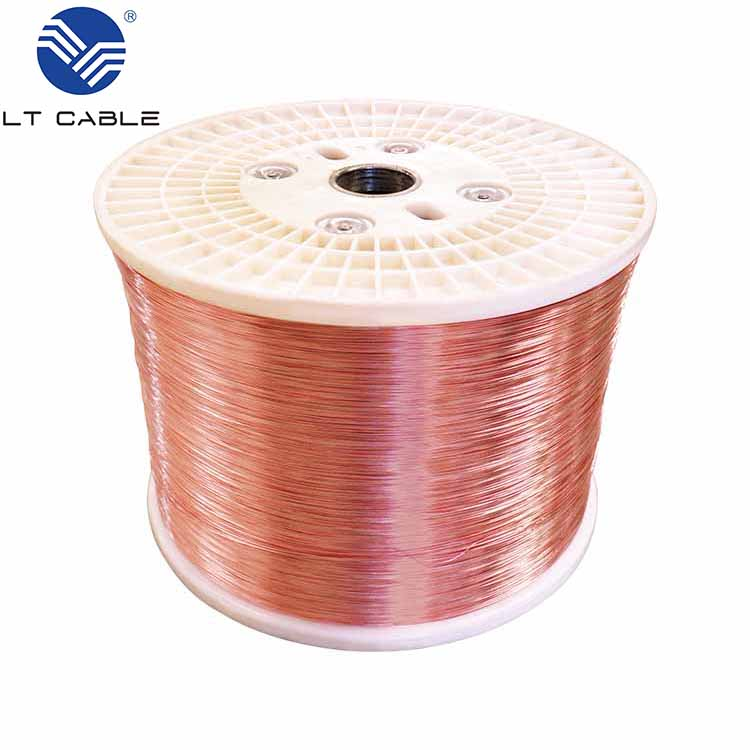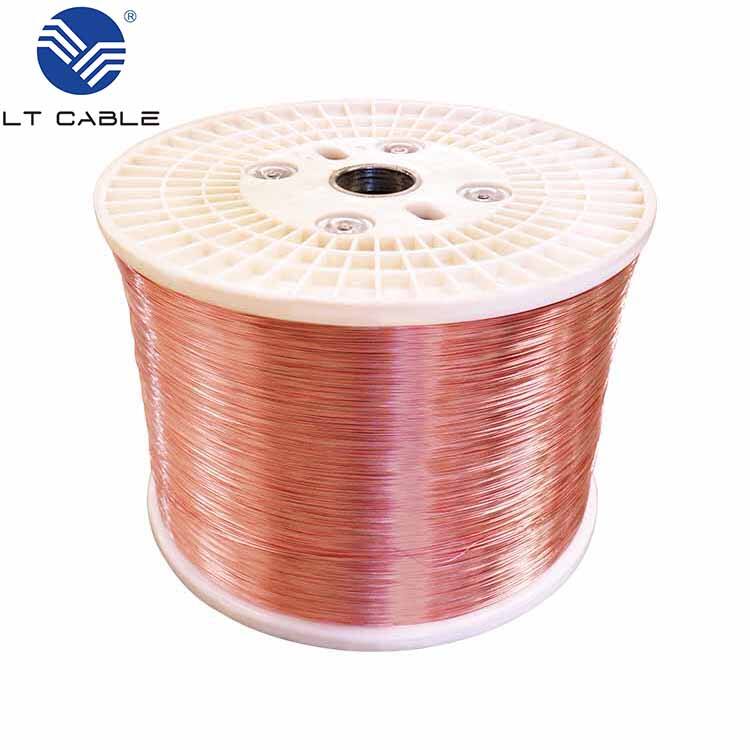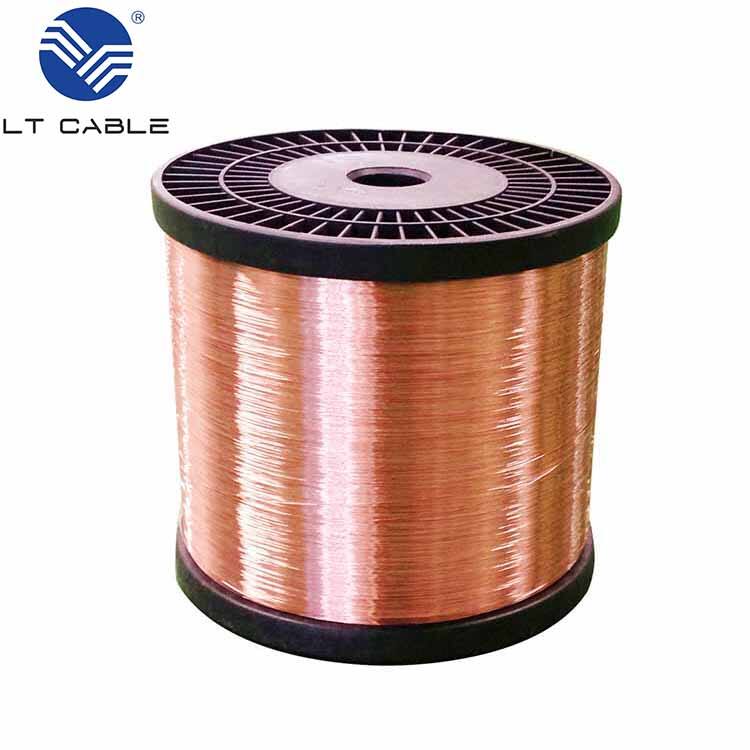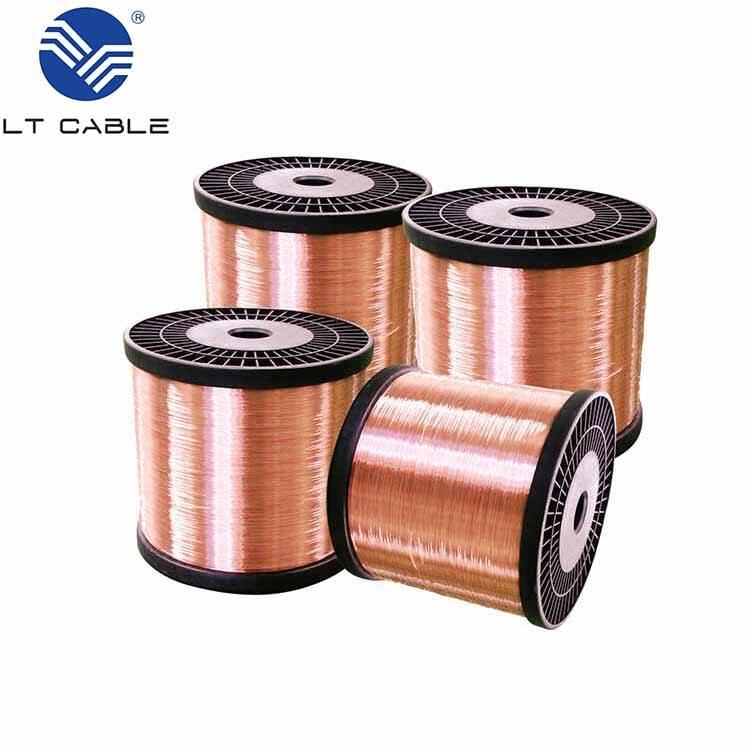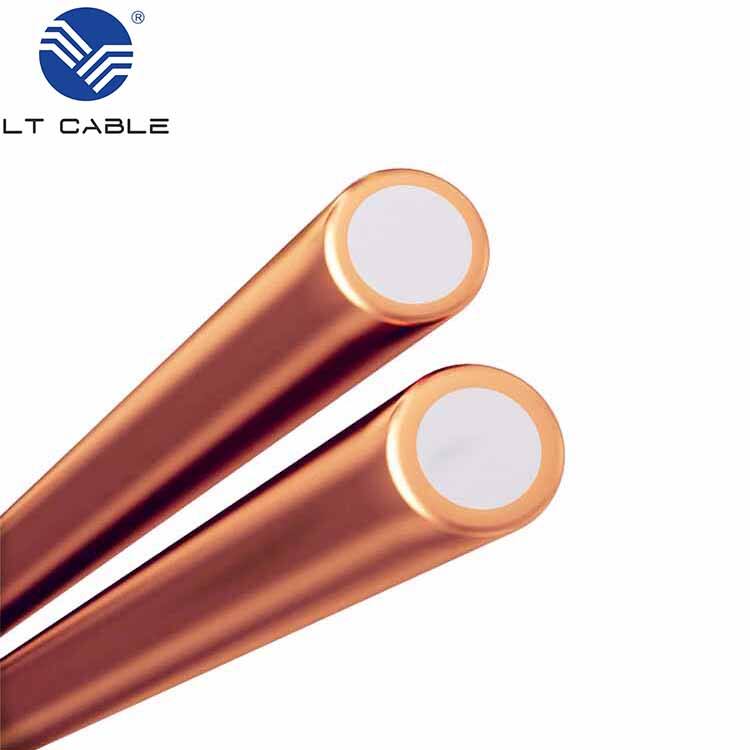
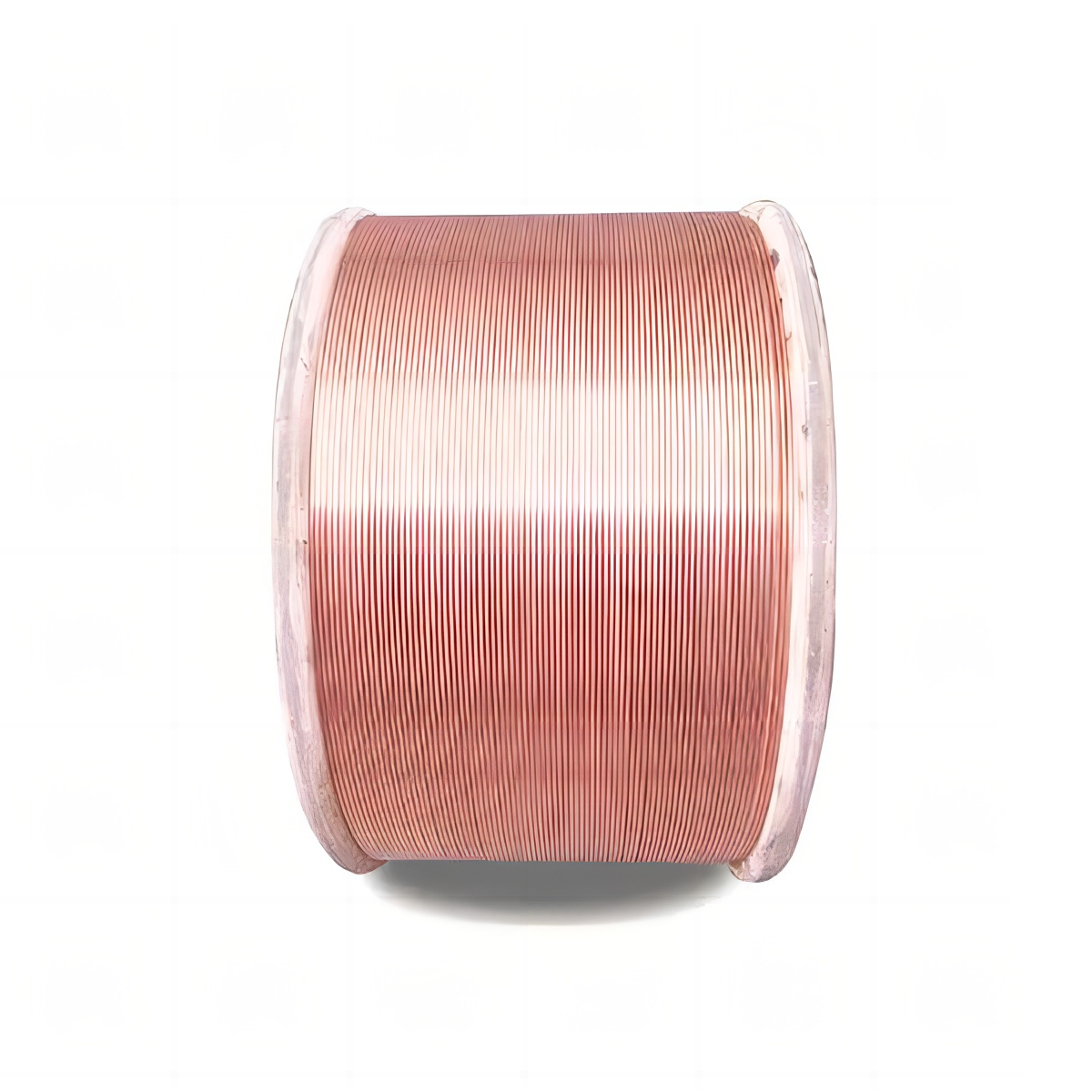
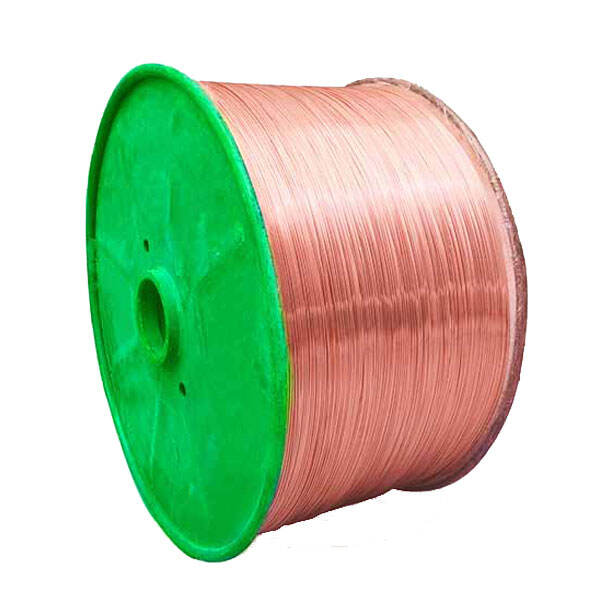
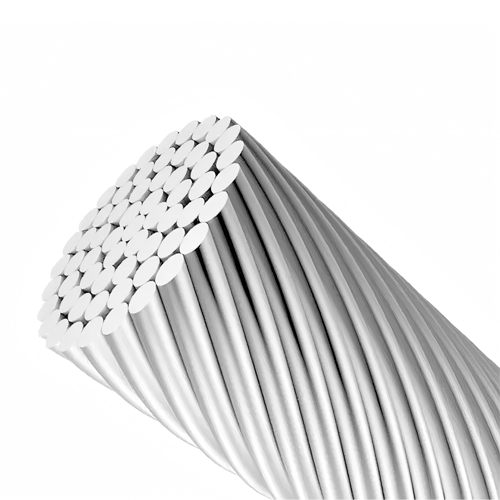
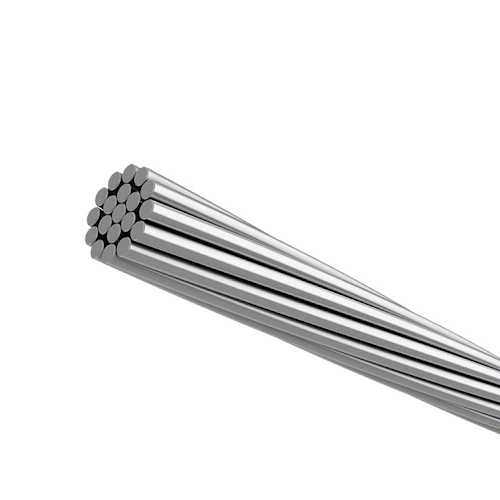
CCA Low Impedance Wire: High Conductivity, Low Cost

Get a Free Quote

Our representative will contact you soon.
Name
Email
Mobile
Country/Region
Choose the product you want
Message
0/1000
High-Quality CCA Low Impedance Wire Solutions

High-Quality CCA Low Impedance Wire Solutions

Our CCA low impedance wire offers exceptional performance and reliability. With a focus on quality, our products are designed to ensure minimal signal loss, making them ideal for various applications, including audio and power transmission. The use of copper-clad aluminum (CCA) provides the conductivity of copper while reducing weight and cost, allowing for efficient installations. Our fully automated production lines guarantee consistency and precision in every wire we manufacture, ensuring that you receive the best product possible.
Get A Quote

Case Studies

Audio Equipment Manufacturer

A leading audio equipment manufacturer faced challenges with signal integrity in their high-end systems. By switching to our CCA low impedance wire, they experienced a significant reduction in audio distortion and improved overall sound quality. The lightweight nature of our wire allowed for easier installation without compromising performance, leading to increased customer satisfaction and sales.

Renewable Energy Solutions

A renewable energy company required efficient wiring solutions for their solar panel installations. Our CCA low impedance wire provided the perfect balance of conductivity and weight, reducing installation time and costs. Clients reported higher energy efficiency and better performance in their solar systems, demonstrating the effectiveness of our product in the renewable sector.

Automotive Wiring Solutions

An automotive manufacturer sought to enhance their vehicle wiring systems for better performance. Utilizing our CCA low impedance wire, they achieved reduced weight and improved electrical performance, which contributed to better fuel efficiency and overall vehicle reliability. The flexibility and robustness of our wire made it an ideal choice for modern automotive applications.

Related products

Our CCA low impedance wire is designed for maximum performance, whether in audio, telecommunication, or renewable energy applications. We start with top quality materials, and produce our own, in-house copper-clad aluminum for best conductivity. Our fully automated production lines, designed by our in-house experts, ensure accuracy and consistency throughout the entire production process, from wire drawing to annealing. This attention to detail leads to the production of wires that exceed industry standards. We understand that our customers need to create value, and so we create tailored solutions to meet the individual technical challenges of each of our customers. We stand by our quality, and we guarantee that our wires are the best CCA low impedance wires on the market.

FAQ

What is CCA low impedance wire?

CCA low impedance wire is made from copper-clad aluminum, combining the conductivity of copper with the lightweight properties of aluminum. This makes it an ideal choice for applications that require efficient signal transmission with lower weight and cost.
Choosing CCA wire can provide cost savings while still offering good conductivity. CCA wire is lighter than pure copper, making it easier to handle and install, especially in applications where weight is a concern.

Related article

China Aluminum Alloy Wire Suppliers for Large-Scale Projects

26

Jan

China Aluminum Alloy Wire Suppliers for Large-Scale Projects

Understanding Aluminum Alloy Wire

Aluminum alloy wire comes in many forms and finds its way into all sorts of applications because of how well it performs under different conditions. Manufacturers assign specific numbers to these alloys, with the 1350 and 6000 series being among the most common ones on the market today. The 1350 series works great for things like power lines since it conducts electricity so efficiently. Meanwhile, engineers often turn to the 6000 series when they need something strong enough for structural components but still lightweight enough for everyday use. We see these materials showing up everywhere from airplane parts to car frames and even reinforcing bars in buildings across the country.

Aluminum alloy wire has become increasingly popular compared to old standby materials such as copper because of several key features. The main selling point? Aluminum conducts electricity pretty well for how light it actually is. We're talking about roughly half the weight of copper for similar performance levels. That makes a big difference when shipping large volumes across long distances and definitely helps electricians work faster during installations. These wires stand up to stress too, with good tensile strength that holds up over time. Plus they resist rust and corrosion better than many alternatives, so they last longer in places like coastal regions or industrial settings where moisture is always present. Real world tests show aluminum performs surprisingly close to copper in terms of conductivity while offering much greater flexibility for complex wiring layouts. From power grids to telecommunications infrastructure, aluminum alloys are now finding their way into all sorts of new projects where weight savings matter most.

Applications of Aluminum Alloy Wire

More and more electricians and engineers are turning to aluminum alloy wire for their projects, especially when working on power grids and distribution networks. The main reason? These wires weigh less than copper while still conducting electricity pretty well, which means big savings on energy bills and less strain on supporting structures. Take a look at what's happening across the country right now many power companies have started installing aluminum alloy cables for new transmission lines, particularly where voltages aren't too high. Makes sense really, since this material offers real advantages both from a practical standpoint and economically speaking in large scale electrical infrastructure.

Aluminum alloy wire has become really important in construction work these days. What makes this material stand out is how strong it is compared to other options, plus it doesn't corrode easily when exposed to weather conditions. Many builders find it works great for structural reinforcement and setting up electrical systems that last longer. Codes in different areas have started pushing for more aluminum usage because of these benefits. Contractors now tend to go with aluminum wiring on most jobs since it helps them comply with safety regulations without breaking the bank on materials costs. Some companies report savings of around 15% just by switching from copper to aluminum in certain parts of their builds.

The automotive and aerospace sectors have started adopting aluminum alloy wire because it helps cut down on weight while improving fuel economy. Big names such as Ford and Boeing now use aluminum not just for wiring but also in various body components to boost their products' performance and green credentials. Take cars for instance aluminum makes vehicles lighter overall which means they burn less gas something consumers care about these days given all the talk around climate change. We're seeing this move toward aluminum alloys show how flexible the material really is when applied across different tough industries where performance matters most.

Major Aluminum Alloy Wire Suppliers in China

The aluminum alloy wire market sees some big names coming out of China these days, with companies like South Wire and Jiangsu Zhongtian Technology standing out among global competitors. Both firms have built strong positions in this space through their wide selection of aluminum alloy products tailored for different industrial applications. South Wire stands apart because they offer everything from solid to stranded wires that work well in both electrical systems and building projects. Over at Jiangsu Zhongtian Technology, they've really focused on making enameled wires that play a vital role in all sorts of electrical setups and equipment parts. Their specialization here gives them an edge in certain markets where those particular types of wires are needed most.

Looking at different wire suppliers involves considering multiple aspects beyond just the bottom line. Price differences exist across various wire types in the market. Stranded wires generally cost more than enameled ones because they take longer to manufacture and serve different purposes altogether. How much a supplier charges often depends on how efficiently they run their operations and whether they can handle big orders without breaking a sweat. Take South Wire for example versus Jiangsu Zhongtian Technology. Both companies stand out when buyers want options other than standard offerings. South Wire might focus more on specialized industrial applications while Jiangsu offers everything from basic solid conductors right through to those fancy coated varieties needed for electronics work. Their reach extends well beyond domestic borders too, which matters a lot for businesses needing consistent supply chains regardless of where they operate.

Benefits of Sourcing from Chinese Suppliers

Getting aluminum alloy wire from Chinese suppliers tends to save money because labor there is generally cheaper and they produce on a massive scale. The manufacturing base in China has grown quite a bit over recent years, with lots of workers available and some pretty decent tech setups across different provinces. Industry reports suggest prices from China are usually around 15 to maybe even 20 percent lower compared to what we see elsewhere globally. This price gap comes mainly from their ability to manufacture in bulk and streamline operations through various efficiency measures implemented across factories nationwide.

Most Chinese manufacturers stick to strict quality control protocols, often following international standards like ISO 9001 throughout their production processes. These certifications basically mean that factories are producing goods that meet certain minimum requirements when it comes to quality and safety across the globe. Beyond just getting certified, many actual factory floors have extra layers of testing built into daily operations. Some even run random sample tests on batches before shipping them out. For anyone looking to buy aluminum alloy wire from China, this means there's generally good reason to trust what they're getting. The products tend to hold up well under normal conditions while still keeping costs competitive compared to other regions.

Challenges in Sourcing Aluminum Alloy Wire

Bringing in aluminum alloy wire comes with its share of regulatory hurdles, mainly around tariffs and import rules. These issues really affect how much companies pay for their materials and whether they can get them when needed. Take tariffs for example - what one country charges versus another can bump up costs by as much as 15%, which makes it tough to stay competitive in pricing. And then there's the whole mess of different import requirements across borders. Sometimes shipments get held up at customs because paperwork isn't right, or because inspectors have questions. This creates all sorts of problems for supply chain managers trying to keep production lines running smoothly without unexpected delays throwing off their carefully planned inventories.

One big headache for businesses comes down to how reliable their suppliers actually are. Keeping things running smoothly gets complicated when some vendors just cant consistently hit quality marks or stick to shipping deadlines. Weve all seen it happen too many times really. Sometimes there are problems finding enough raw materials, other times factories run behind schedule for no good reason. A guy who works in procurement told me about his company last year dealing with one vendor who kept sending substandard aluminum wire batches. The whole operation basically ground to a halt while they sorted out alternatives. That kind of mess costs money and time nobody wants to spend. Which is why smart companies dont just pick any supplier they find online these days. They take extra steps upfront to check credentials and keep tabs on performance throughout the relationship.

Future Trends in Aluminum Alloy Wire Supply

New developments in making aluminum alloy wires are changing how the industry operates today. Manufacturers have been tweaking the chemical makeup of these alloys lately, which is actually making their wires work better overall. Conductivity has gone up while the wires last longer before breaking down. Take aluminum-magnesium-silicon blends for example. Companies working on these materials report they can produce wires that last much longer under stress tests compared to traditional options. We've seen several patent filings recently along with university studies backing up these claims. The real world impact? Industries like automotive manufacturing and power transmission need these improvements badly. With energy costs rising and equipment failures getting expensive, companies simply cannot afford to stick with old technologies anymore.

Aluminum alloy wire markets are looking at some serious growth over the coming years, mainly because industries such as solar power installations and EV manufacturing need more of them. Experts in the field see a big jump in how much companies will be using these special wires since they're light weight yet still conduct electricity really well, which makes them perfect for building all sorts of new tech gadgets and systems. Market numbers suggest we can expect annual growth rates above 10% for quite some time, showing just how important these materials have become not only for infrastructure projects but also for keeping up with our ever-evolving technology landscape.
View More
Wondering how to ensure long - term stability of aluminum alloy wire for projects? Here are some tips

27

Apr

Wondering how to ensure long - term stability of aluminum alloy wire for projects? Here are some tips

Key Factors Affecting Aluminum Alloy Wire Stability

Material Composition and Alloying Elements

What goes into making aluminum alloy wire really matters when it comes to how stable it stays during use. Manufacturers often mix in elements like magnesium, silicon, and copper to get those extra mechanical properties they need. Magnesium adds strength and helps fight off corrosion, something every manufacturer wants. Silicon makes things easier to cast and also boosts wear resistance. Getting the mix just right between all these components determines whether the wire will hold up under stress or fail when exposed to harsh environments. Industry standards set by groups such as ASTM and ISO actually spell out exactly what combinations work best for different purposes. These guidelines help keep the whole alloying process on track so companies don't end up with products that fall short of what customers expect.

Thermal Expansion and Contraction Cycles

Changes in temperature really affect aluminum wire because of how it expands and contracts when heated or cooled. Over time, this constant stretching and shrinking wears down the material, eventually causing failures in the structure. The thing about aluminum is that it expands quite a bit more than most other metals when temperatures change. That's why proper installation matters so much for keeping wires from warping or breaking down completely. Good installers know to leave some room for expansion and often use flexible connections instead of rigid ones. When done right, these small adjustments make all the difference in maintaining stable performance from aluminum wiring across different climates and conditions.

Microstructural Degradation Over Time

Aluminum alloy wires face problems when their microstructure starts breaking down after being used for a long time. Things happen at the microscopic level too - recrystallization processes and grains growing larger actually weaken what should be strong conducting material. These changes don't just occur randomly either. When wires experience constant mechanical stress plus harsh environmental factors, they degrade much faster than expected. Studies show that if aluminum alloys are subjected to ongoing pressure while also dealing with heat, their useful life gets cut short quite dramatically. For anyone working with these materials, keeping them away from extreme conditions makes all the difference. Regular checks help spot issues before they become major problems. Spotting those early warning signs means maintenance work can happen sooner rather than waiting until failure occurs unexpectedly.

Optimizing Alloy Composition for Enhanced Durability

Aluminum-magnesium alloy systems for corrosion resistance

Aluminum-magnesium alloys really stand out when it comes to resisting corrosion, especially around saltwater. That's why they're so popular in boat manufacturing and car parts that get exposed to road salt. The magic happens because magnesium mixes with aluminum to form this tough oxide coating that stops rust from spreading. Tests over the years show these special alloys hold up way better against harsh weather and chemicals compared to regular aluminum versions. For products that need to last through constant exposure to tough conditions, like coastal equipment or undercarriage components, these alloys mean longer service life without frequent replacements.

Copper-clad aluminum (CCA) wire advantages

Copper clad aluminum or CCA wires bring some pretty good advantages, especially when looking at how well they conduct electricity while being much lighter than regular copper. These wires actually conduct almost as well as pure copper but come in at a fraction of the weight, which makes them great for situations where every ounce matters. When we compare these wires to both solid copper and plain aluminum options, they strike a nice middle ground in terms of heat handling and electrical properties. The numbers back this up too many companies report around 40 percent savings just by switching to CCA for their wiring needs. Plus, there's better efficiency when transmitting power through these materials, which explains why so many manufacturers have started incorporating them into their production processes over recent years.

Role of rare earth elements in grain refinement

Adding rare earth elements to aluminum alloys helps improve how the metal grains form, which makes the whole material stronger and better at handling stress. Take cerium for instance it works wonders when mixed into aluminum. The element actually changes the way the metal grows at a microscopic level, making it both tougher and more flexible at the same time. Research shows these special additives give aluminum alloys extra staying power and let them work well even in tough conditions. We're talking about things like airplane parts or engine components where materials need to last through extreme temperatures and constant pressure. For manufacturers looking to build products that won't break down over time, this kind of enhancement has become pretty much essential in modern manufacturing practices.

Environmental and Operational Stress Considerations

Corrosion resistance in humid environments

Aluminum alloy wires really struggle with staying resistant to corrosion when exposed to damp environments. Humidity speeds up oxidation processes that weaken the wire structures over time. Industry professionals tackle this problem using different protective measures like anodizing techniques and powder coatings. What these treatments do is basically form a shield against moisture getting to the metal surface, which makes them last much longer than unprotected ones. We see this working well in practice too. Take coastal building sites for example where saltwater air would normally eat away at regular aluminum wiring. Wires treated with proper coatings hold up far better against that kind of damage, meaning they need replacing less frequently and save money on repairs down the road.

Mechanical stress tolerance in stranded wire configurations

Wire configurations made from stranded conductors tend to struggle with mechanical stress problems that impact both stability and overall performance. When several strands are twisted together, stress doesn't always spread evenly across them. This imbalance can actually cause things like fraying at connection points or outright breaks when pulled too hard. Good wire design needs to address these concerns head on. Engineers look at things like how much force the material can handle before stretching or breaking, plus how well it resists deformation over time. Following established industry standards for construction practices while picking the right diameter matters a lot too. Mining sites provide a good case study here since their cables face constant punishment from heavy machinery movement and environmental conditions. These installations typically require wires rated for significantly higher tensile strength just to survive day after day without failing catastrophically.

Thermal stability under high-load conditions

When used in heavy duty applications, aluminum wires need good thermal stability to avoid breaking down. Under heavy loads, wire temperatures can spike quite a bit, which puts their structure at risk if they cant get rid of the excess heat properly. The main things we look at for thermal performance are basically what temperature limits the wires can handle before problems start. There's plenty of field evidence showing aluminum wires work well in these situations too. Well made wires have been known to hold up just fine at around 100 degrees Celsius or higher without losing their effectiveness. Most industry guidelines agree that proper aluminum wiring maintains both conductivity and strength even when subjected to those kinds of heat levels, which means safer operation and better results in all sorts of different settings where this kind of wiring is needed.

Manufacturing Processes for Improved Performance

Controlled Annealing Techniques

Annealing techniques are really important when it comes to improving aluminum alloys for wire production. What happens during these processes is pretty fascinating actually. The thermal conditions need to be carefully managed because this changes how the metal's structure looks at a microscopic level, making wires last longer and perform better overall. Manufacturers tweak things like heat levels and how fast they cool down the material to get just the right balance between bendability, electrical conductivity, and protection against rusting. Different industries have developed their own approaches over time depending on what kind of wires they need. Some might focus on super strong wires for heavy duty uses while others prioritize something else entirely. These improvements in mechanical characteristics make all the difference in situations where wires face serious stress or extreme conditions.

Continuous Casting vs. Traditional Extrusion Methods

Looking at continuous casting versus traditional extrusion techniques for making aluminum wire, most manufacturers focus on two main factors efficiency and product quality. Continuous casting brings some real benefits to the table, notably better material properties and the ability to scale up production easily. The process cuts down on costs because it generates less waste and uses less energy overall. Molten aluminum gets turned directly into wire shape without all the intermediate steps needed in other methods. Extrusion works fine too, but tends to be more expensive since the material has to go through several shaping stages before final product comes out. Some plant managers report savings of around 15-20% in operating costs when switching to continuous casting, plus they get more uniform wire quality that holds up better during downstream processing.

Enameled Wire Coating Technologies

The coatings applied to enameled wires play a major role in improving how well these wires perform, especially when it comes to resisting corrosion and keeping good electrical properties. Different kinds of enamel create protective barriers that keep wires safe from things like moisture, chemicals, and temperature extremes, which means they last much longer before needing replacement. What makes these coatings so valuable is their ability to stop oxidation processes that gradually break down the wire's surface, something that can seriously impact conductivity over time. Manufacturers have found through testing that properly coated wires work better across many industries, from heavy machinery components to everyday gadgets we use at home. For anyone working with electrical systems, understanding the importance of quality enamel coatings isn't just technical knowledge it's practically essential for ensuring equipment runs smoothly and efficiently for years instead of months.

Installation and Maintenance Best Practices

Proper Tensioning for Solid Wire vs Stranded Wire

Proper tensioning is crucial for stabilizing and enhancing the performance of both solid and stranded aluminum wires. While solid wires are more rigid and require precise tension adjustments to avoid breakage, stranded wires need gentler handling to prevent sagging. Here are a few guidelines to help maintain optimal tensioning:

1. Ensure uniform tension across the entire length of the wire during installation to prevent weak points.

2. Use tension-adjusting tools that are calibrated specifically for the type of wire being handled.

3. Regularly inspect the installation for signs of slackness or overly tight tension, which could lead to damage over time.

Industry best practices often involve using tension meters and following manufacturer recommendations to ensure both stability and longevity of the wire.

Galvanic Corrosion Prevention Strategies

Galvanic corrosion can compromise the integrity of aluminum wire, especially when used alongside dissimilar metals. Efficient prevention strategies have been developed to mitigate this risk:

1. Apply protective coatings to aluminum wires to create a barrier against electrochemical reactions.

2. Use sacrificial anodes to divert corrosive activities from the wire itself.

3. Introduce insulating materials to physically separate the aluminum wire from incompatible metals.

Adhering to these strategies, which are also supported by standards such as the ASTM G82 for galvanic corrosion prevention, can significantly prolong the cable's operational life and maintain system reliability.

Monitoring Electrical Conductivity Degradation

Monitoring the electrical conductivity of aluminum wires is key to ensuring consistent operational efficiency. As wires age or become corroded, maintaining conductivity becomes critical to system reliability. Several methods can be employed:

1. Regular impedance testing to detect potential degradation in electrical pathways.

2. Utilize tools like ohmmeters and multimeters to assess conductivity at different junctions.

3. Implementing routine visual inspections to identify early signs of wear or corrosion.

These techniques are vital for maintaining optimal performance and are commonly used in industries where aluminum wiring is a critical component of the infrastructure. Advanced monitoring tools not only help detect deterioration early but also facilitate timely maintenance interventions.

Future Innovations in Conductor Technology

Nanostructured Aluminum Alloy Developments

Aluminum alloys with nanostructures are really pushing the boundaries in conductor tech right now, giving wires much better strength and overall performance. What makes these materials special is their tiny scale features that boost aluminum's mechanical traits, so they work great in all sorts of tough situations. Researchers working with nanotechnology are busy tweaking the mix of metals and how they process them to get even better results from these alloys. Most people in the field think we're looking at a big shift in how wires get made soon enough. We should see lighter weight options that are still super strong and conduct electricity better than anything before, which will definitely help with our growing demands on electrical systems everywhere.

Hybrid Composite Conductor Materials

When it comes to wires, hybrid composite materials are changing the game big time. By mixing aluminum with other stuff, engineers get better performance out of these materials than ever before. What makes them so great? Well, they're lighter on the scale while still conducting electricity really well. That combination works wonders in situations where getting the most bang for your buck matters most. Labs around the world are busy figuring out how these composites behave when pushed to their limits, testing everything from extreme temperatures to mechanical stress. If companies start switching to these new conductor materials, we might see some serious changes across the industry. Not only do they perform better, but they also tend to save money in the long run, which is why more manufacturers are keeping an eye on this technology development.

Smart Wire Systems with Embedded Sensors

Smart wire systems with built-in sensors represent something pretty groundbreaking for the world of wiring tech. They let operators keep tabs on wire conditions in real time, which opens up possibilities for predicting problems before they happen and making systems much more reliable overall. The sensors gather all sorts of information continuously temperature readings, how tight or loose the wires are, even their ability to conduct electricity. This constant stream of data means technicians can spot trouble spots long before anything actually breaks down, cutting down on expensive downtime and giving electrical systems a longer life span. We're already seeing these smart systems put to work in factories and other commercial environments, where they're proving themselves by boosting both efficiency and worker safety across different sectors from manufacturing plants to data centers.

View More
To maintain enameled wire and extend its service life, follow these steps: clean regularly, avoid overheating...

To maintain enameled wire and extend its service life, follow these steps: clean regularly, avoid overheating...

Understanding Enameled Wire Types and Their Maintenance Needs

Differences Between Enameled Copper Wire and Copper Clad Aluminum

The conductivity of enameled copper wires stands out compared to other options, which is why they work so well in transformer and inductor applications where performance matters most. Their ability to conduct electricity efficiently helps keep systems running at peak levels without wasting power. When looking at alternatives though, copper clad aluminum offers some distinct benefits. It weighs less than pure copper and generally costs less too, making it attractive for budget conscious installations or situations where every ounce counts. Many manufacturers turn to copper clad aluminum for basic wiring jobs when expenses need to stay under control. So while both materials have their place, engineers typically choose enameled copper when maximum efficiency is required, whereas copper clad aluminum finds its niche in applications where saving money and cutting down on weight takes priority over absolute electrical performance.

Why Stranded Wire Requires Special Handling Compared to Solid Wire

Stranded wire is basically just several small wires twisted together, giving it that bendy quality needed when things move around a lot. But there's a catch with these multi-strand setups because they tend to break or wear out faster if not handled right. Those tiny individual strands work great for places with vibrations or constant motion, but stripping them bare or connecting terminals without care can ruin everything. Good technique matters here folks, otherwise all that flexibility turns into frustration later on down the line. Solid wires don't give this hassle since they're stiff and straightforward to work with. Stranded ones though? They need extra attention to keep working properly over time, especially in installations where bending comes part and parcel with daily operations.

Temperature Tolerance Variations in Enamel Coatings

The temperature resistance of enamel coatings varies quite a bit between different wire types, which makes a real difference in how they perform under heat stress. Take common options like polyurethane, polyester, or polyamide-imide coatings each has its own thermal limits that matter a lot when working in hot environments. Knowing what those limits are helps pick the right material for the job so devices last longer without wires failing unexpectedly. Research shows that once wires start operating past their temperature ratings, failure rates jump noticeably, which underscores why matching enamel type to application conditions matters so much. Since heat buildup remains a problem across countless electrical systems, getting the enamel choice right from the start often means the difference between reliable operation and costly repairs down the road.

Essential Tools for Enameled Wire Maintenance

Selecting the Right Abrasives for Enamel Removal

Getting the right abrasives matters a lot when removing enamel because various methods and grit levels really affect results. Most folks reach for sandpaper or grinding brushes, each with different roughness levels suitable for particular jobs. The finer grit stuff works best on detailed work where mistakes could ruin what's underneath the coating. Picking abrasives means thinking about what kind of wire we're dealing with and what exactly needs done. Too aggressive and we risk stripping away too much; too gentle and progress grinds to a halt. Take thin gauge wires for example they often call for super fine abrasives just to get the job done without wrecking their performance characteristics. Thicker wires handle rougher materials better since there's more material to spare during the process.

Importance of Temperature-Controlled Soldering Irons

A good temperature controlled soldering iron makes all the difference when working with enameled wire. Without proper temperature management, the heat can easily melt away that protective enamel layer, leaving the wire vulnerable to damage over time. Keeping things at just the right temp really matters because different wires react differently during soldering processes. Some folks swear by the Hakko FX-888D model since it lets them tweak temperatures down to the exact degree needed for whatever job they're tackling. Getting the combination right between the soldering iron model and actual temperature settings isn't just about making connections stick better. It actually extends how long those wires will last before needing replacement, saving money in the long run while ensuring reliable electrical connections every time.

Using Flux: Types and Application Methods

Flux is really important when working with enameled wire during soldering because it helps create stronger electrical connections and stops oxidation from happening. There are different kinds of flux out there, like rosin based stuff or water soluble options, each suited for particular jobs based on what needs to be achieved. For serious work where performance matters most, rosin based flux tends to work best. Water soluble varieties clean up much easier after soldering though, which makes them popular for certain applications. Getting the application right makes all the difference in getting good results without wasting materials. The trick is to apply just enough flux and watch how the solder flows across the surface. When done properly, this ensures good conductivity while keeping pesky residue buildup at bay. Most experienced technicians will tell you that going overboard with flux only creates more problems down the line.

Step-by-Step Guide to Soldering Enameled Wire

Proper Enamel Stripping Techniques Without Damaging Conductors

When stripping enamel off enameled wire without harming the actual conductor underneath, there are certain methods that work best while others should be avoided at all costs. Heat works pretty well for getting rid of that enamel coating, or sometimes people use special chemicals to dissolve it away. Either way, what matters most is making sure the wire stays conductive enough for good soldering later on. Don't go overboard with scraping though because that tends to damage the wire itself. Most pros stick to applying controlled amounts of heat or rely on those specialty chemicals recommended by manufacturers. These approaches protect the wire during the process and ultimately lead to better solder joints down the road when working on electronic projects.

Tinning Process for Optimal Electrical Contact

Tinning makes all the difference when it comes to getting good electrical contacts from enameled wires. The process basically coats the wire with a thin layer of solder, creating that smooth surface needed for proper conductivity while cutting down on resistance. How well this works depends heavily on the technique used. Some folks swear by heat strippable enamel because it just works better for certain applications than others. Industry data backs this up too many poorly tinned connections end up failing much more often than those done right. For anyone working with these wires, taking time to get the tinning right isn't just recommended its absolutely necessary if we want our electrical connections to hold up over time.

Creating Durable Connections: Heat Management Strategies

Controlling heat when soldering makes all the difference between good connections and damaged enamel coatings. Techs often rely on heat sinks or tweak their timing techniques to get better results from solder joints. Keep an eye on temps at all times really matters because too much heat will melt away those protective enamel layers over time. Most experienced焊工 know this stuff firsthand after seeing what happens when things get too hot. Proper temperature control isn't just theory it works in real world situations across different industries, making sure soldered components last longer and perform reliably day after day.

Preventive Maintenance and Damage Inspection

Identifying Early Signs of Enamel Degradation

Spotting early warning signs like discoloration, flaking, or cracks in enamel coatings matters a lot when it comes to keeping wires performing properly. When these issues appear, they usually mean the wire isn't conducting electricity as well as it should be. Checking regularly helps catch problems before they turn into big headaches that stop everything from working right. Research into how long wires last shows that sticking to regular checkups makes all the difference for keeping things running smoothly. Most professionals suggest planning out when inspections happen depending on how hard the equipment works and what kind of environment it sits in. Some facilities find monthly checks work best while others might need weekly looks if conditions get really tough on their wiring systems.

Testing Continuity in Stranded vs Solid Wire Configurations

When checking if wires are continuous in electrical systems, technicians typically grab a multimeter to see if current flows properly through the circuit. However, what works for one type of wire doesn't always work for another. Stranded wire, made up of many thin strands twisted together, needs special attention during testing because it bends easily and has gaps between strands that can fool standard tests. Solid wire is much simpler since it's just one thick conductor without those complications. Field reports show plenty of problems caused by people not adjusting their testing method based on wire type. We've seen installations fail repeatedly simply because someone used the wrong technique on stranded conductors. That's why experienced electricians develop specific routines for each wire configuration they encounter. Getting this right isn't just about following procedures it literally means the difference between safe operation and potential hazards down the line.

Moisture Protection and Corrosion Prevention

Keeping enameled wire safe from moisture and corrosion should be a top priority if we want to maintain its quality and how well it works over time. The best way to do this? Apply proper sealants and store the wire where humidity isn't an issue. Good materials matter too, especially when dealing with harsh weather conditions that just wear down wiring systems faster than normal. We've seen plenty of instances in the field where wires exposed to damp environments started showing signs of damage much sooner than expected. This real world evidence shows why taking basic precautions makes all the difference in protecting our investments against those pesky environmental factors that nobody wants to deal with.

Troubleshooting Common Enameled Wire Issues

Repairing Partial Discharge Damage in High-Voltage Applications

Partial discharge damage remains a major concern for anyone working with high voltage systems. The problem usually starts when there are tiny voids, cracks, or impurities hidden inside the insulation material. What happens next? Those little discharges start eating away at the enameled wire over time, which eventually leads to insulation breakdown and system failure if left unchecked. When it comes to fixing this kind of damage, technicians typically resort to patching and recoating procedures. Let's break down how it works in practice: locate the affected section first, give it a thorough cleaning, and then apply either specialized enamel or insulating varnish to bring back the wire's structural integrity. Field engineers who have dealt with hundreds of these repairs will tell you that following these steps makes all the difference. Most report success rates well above 80% in extending wire life expectancy while keeping electrical systems running reliably under stress conditions.

Addressing Insulation Resistance Failures

When insulation resistance fails in enameled wires, it usually happens because of things like overheating, mechanical stress, or exposure to corrosive substances over time. The results can be pretty serious too – think reduced performance across the board or even total system failure. For anyone dealing with these problems regularly, having a good troubleshooting strategy matters a lot. Most technicians swear by regular testing routines using specialized equipment like insulation resistance meters to get to the bottom of what's going wrong. Looking at actual field reports shows that following this methodical process cuts down on unexpected problems while making operations safer overall. This kind of proactive maintenance just makes sense for keeping electrical infrastructure running smoothly year after year.

Salvaging Overheated Windings: When to Recoat vs Replace

The choice between recoating or replacing overheated windings needs some serious thinking. Recoating works best for minor issues where only the surface enamel shows signs of wear without much degradation. But if the damage goes deeper and starts messing with the core structure itself, then replacement becomes unavoidable. Thermal damage levels and budget constraints are two big factors that influence what gets done. Industry pros suggest checking winding condition against established standards while also looking at how different options affect future performance costs. Most maintenance teams find it pays off to invest time upfront assessing these variables rather than rushing into quick fixes that might cause bigger problems down the road.

Best Practices for Long-Term Storage

Environmental Controls for Bulk Wire Spools

Getting the environmental conditions right matters a lot when storing bulk wire spools for any length of time. The main things to watch are keeping temperatures steady, not letting humidity get too high, and making sure there's no direct light hitting the spools. When stored properly, enameled wire stays in good condition longer and keeps performing as expected. Research shows that if temperatures swing around too much, it actually changes both how the wire feels and what happens chemically inside, which could mess up how reliable it is later on. For best results, aim to keep temps somewhere between about 22°C and 30°C, and don't let humidity creep above 60%. Also worth noting that sunlight or even regular office lighting can slowly break down the insulation coating on those wires, leading to failures before their time. Companies that take care to control these factors tend to find their wire stock lasts much longer without issues, saving money and headaches down the road.

Anti-Oxidation Treatments for Copper Conductors

Anti oxidation treatments offer a smart way to make copper conductors last longer before they need replacing. People often use things like tinning, plating, or apply antioxidant oils and greases to cut down on oxidation issues. When we talk about tinning specifically, it means putting a thin coat of tin onto the copper surface. This creates a shield against both oxygen and moisture getting at the metal underneath. Experience shows this works really well at stopping corrosion while keeping the electrical properties intact. Most folks apply these coatings through simple methods like dipping components into solution or using electroplating techniques to get an even coverage across all surfaces. Maintenance matters too though. Checking regularly and touching up those protective layers when needed keeps everything working properly over time. Research from various long term tests indicates that copper wires treated with these anti oxidation approaches tend to stay functional much longer than untreated ones, meaning fewer replacements and lower costs overall for most industrial applications.

Proper Coiling Methods to Prevent Mechanical Stress

Getting the coiling right for enameled wires matters a lot if we want to avoid mechanical stress that could mess up how they perform. Most folks in the field will tell you to steer clear of tight coils and keep things even when winding them up. This helps stop the wire from getting bent out of shape or stretched too far, both of which can crack that protective enamel layer and lead to all sorts of problems down the line. We've seen plenty of cases where bad coiling practices, like those awkward reverse bends or pulling too hard, actually break the wire and make it less flexible over time. The trick is to use proper spools and guides that help maintain just the right angle while winding. This simple step cuts down on most of the common issues. Industry pros consistently point out that sticking to standard coiling procedures does more than just protect the wire itself it extends how long it lasts and makes whole systems run better. For companies investing in enameled wire products, getting this right means saving money in the long run and keeping operations running smoothly without unexpected breakdowns.

Advanced Techniques for Specialty Applications

Maintaining Enamel Integrity in High-Frequency Transformers

Keeping enamel intact on high frequency transformers matters a lot because these components face special problems from their operating environment. When those fast moving signals interact with the enamel coating, things start breaking down over time unless we handle it right. That means picking good materials upfront and sticking to proper maintenance routines. What happens physically isn't simple at all electrodynamic forces get involved that put real strain on the enamel layer, messing with its ability to insulate properly. Research published in the Journal of Applied Physics back in 2022 found that when enamel isn't applied consistently across transformer surfaces, efficiency drops off significantly. Industry experts recommend going for tougher enamel options or investing in better application techniques to avoid these issues. Newer studies keep pointing toward specialized enamel formulas designed specifically for harsh environments. These advancements help maintain performance standards while extending how long transformers last before needing replacement.

UV Resistance Considerations for Outdoor Installations

When installing equipment outdoors, UV resistance matters a lot for how well things perform over time. Sunlight breaks down enamel on wires pretty quickly, which leads to insulation problems and higher repair bills down the road. Picking the right materials and coatings makes all the difference here. According to findings published in the Solar Energy Journal, special coatings mixed with UV protection ingredients really extend product lifespan, helping systems hold up against tough weather conditions. We've seen this work in practice too. Solar farms across the country report their equipment lasts much longer when they use these UV resistant materials. Same goes for telecom towers standing in direct sunlight day after day. Companies save money on replacements and spend less time fixing broken components. For anyone working with outdoor electrical installations, investing in quality UV protected wiring isn't just smart it's practically essential if we want our infrastructure to last through those brutal summer months without constant headaches and unexpected costs.

Handling Litz Wire and Multi-Strand Configurations

Litz wire is known for cutting down on skin effect issues and works much better than regular wire in radio frequency applications, which gives it some serious benefits in certain situations. Basically made up of lots of tiny insulated strands twisted together, this special wire cuts energy loss and spreads out the electrical current more evenly across all those strands. When working with Litz wire during soldering jobs, technicians should really focus on keeping those twists tight and consistent throughout the whole length while being careful not to damage any individual strands when stripping insulation off. Most seasoned electricians will tell anyone who asks that following proper handling protocols matters a lot because messing up even just one part can ruin what makes Litz so good at what it does. We see Litz wire performing exceptionally well in things like high frequency transformers used in power supplies and induction heating units found in industrial kitchens. The difference in performance between Litz and standard copper wire becomes pretty obvious after running tests side by side. Real world experience shows that getting the installation right from start to finish makes all the difference in how reliable these systems actually are over time.

View More
How to Choose CCA Wire for Power Cables and Conductors

25

Dec

How to Choose CCA Wire for Power Cables and Conductors

What Is CCA Wire? Composition, Electrical Performance, and Key Trade-Offs

What Is CCA Wire? Composition, Electrical Performance, and Key Trade-Offs

Copper-clad aluminum structure: Layer thickness, bonding integrity, and IACS conductivity (60␗70% of pure copper)

Copper Clad Aluminum or CCA wire basically has an aluminum center covered with a thin copper coating that makes up around 10 to 15 percent of the overall cross section. The idea behind this combination is simple really it tries to get the best of both worlds lightweight and affordable aluminum plus the good conductivity properties of copper on the surface. But there's a catch. If the bond between these metals isn't strong enough, tiny gaps can form at the interface. These gaps tend to oxidize over time and can boost electrical resistance by as much as 55% compared to regular copper wires. When looking at actual performance numbers, CCA typically reaches about 60 to 70% of what's called the International Annealed Copper Standard for conductivity because aluminum just doesn't conduct electricity as well as copper does throughout its entire volume. Because of this lower conductivity, engineers need to use thicker wires when working with CCA to handle the same amount of current as copper would. This requirement pretty much cancels out most of the weight and material cost benefits that made CCA attractive in the first place.

Thermal limitations: Resistive heating, ampacity derating, and impact on continuous load capacity

The increased resistance of CCA leads to more significant Joule heating when carrying electrical loads. When ambient temperatures reach around 30 degrees Celsius, the National Electrical Code requires reducing the current capacity of these conductors by approximately 15 to 20 percent compared to similar copper wires. This adjustment helps prevent insulation and connection points from overheating beyond safe limits. For regular branch circuits, this means about a quarter to third less continuous load capacity available for actual use. If systems run consistently above 70% of their maximum rating, the aluminum tends to soften through a process called annealing. This weakening affects the conductor's core strength and can damage connections at terminations. The problem gets worse in tight spaces where heat simply cannot escape properly. As these materials degrade over months and years, they create dangerous hot spots throughout installations, which ultimately threatens both safety standards and reliable performance in electrical systems.

Where CCA Wire Falls Short in Power Applications

POE deployments: Voltage drop, thermal runaway, and non-compliance with IEEE 802.3bt Class 5/6 power delivery

CCA wire just doesn't work well with today's Power over Ethernet (PoE) systems, especially those following the IEEE 802.3bt standards for Classes 5 and 6 that can deliver up to 90 watts. The problem comes down to resistance levels that are about 55 to 60 percent higher than what we need. This creates serious voltage drops along regular cable lengths, making it impossible to maintain the stable 48-57 volts DC needed at devices on the other end. What happens next is pretty bad too. The extra resistance generates heat, which makes things worse because hotter cables resist even more, creating this vicious cycle where temperatures keep climbing dangerously high. These issues run afoul of NEC Article 800 safety rules as well as the IEEE specifications. Equipment might stop working altogether, important data could get corrupted, or worst case scenario, components suffer permanent damage when they don't receive enough power.

Long runs and high-current circuits: Exceeding NEC 3% voltage drop threshold and Article 310.15(B)(1) ampacity derating requirements

Cable runs longer than 50 meters often push CCA past the NEC's 3% voltage drop limit for branch circuits. This creates problems like inefficient equipment operation, early failures in sensitive electronics, and all sorts of performance issues. At current levels above 10 amps, CCA needs serious ampacity reductions according to NEC 310.15(B)(1). Why? Because aluminum just doesn't handle heat as well as copper does. Its melting point is around 660 degrees Celsius compared to copper's much higher 1085 degrees. Trying to fix this by oversizing the conductors basically cancels out any cost savings from using CCA in the first place. Real world data tells another story too. Installations with CCA tend to have about 40% more thermal stress incidents compared to regular copper wiring. And when these stress events happen inside tight conduit spaces, they create a real fire hazard that nobody wants.

Safety and Compliance Risks of Misapplied CCA Wire

Oxidation at terminations, cold flow under pressure, and NEC 110.14(A) connection reliability failures

When the aluminum core inside CCA wire gets exposed at connection points, it starts oxidizing pretty quickly. This creates a layer of aluminum oxide that has high resistance and can raise localized temperatures by around 30%. What happens next is even worse for reliability issues. When those terminal screws apply constant pressure over time, the aluminum actually flows out cold from the contact areas, making connections gradually loosen. This violates code requirements like NEC 110.14(A) that specify secure, low resistance joints for permanent installations. The heat generated through this process leads to arc faults and breaks down insulation materials, something we see frequently mentioned in NFPA 921 investigations about fire causes. For circuits handling more than 20 amps, problems with CCA wires show up about five times quicker compared to regular copper wiring. And here's what makes it dangerous - these failures often develop silently, giving no obvious signs during normal inspections until serious damage occurs.

Key failure mechanisms include:

  • Galvanic corrosion at copper␗aluminum interfaces
  • Creep deformation under sustained pressure
  • Increased contact resistance, rising over 25% after repeated thermal cycling

Proper mitigation requires antioxidant compounds and torque-controlled terminals specifically listed for aluminum conductors␔measures rarely applied in practice with CCA wire.

How to Select CCA Wire Responsibly: Application Fit, Certifications, and Total Cost Analysis

Valid use cases: Control wiring, transformers, and low-power auxiliary circuits ␔ not branch circuit conductors

CCA wire can be used responsibly in low-power, low-current applications where thermal and voltage-drop constraints are minimal. These include:

  • Control wiring for relays, sensors, and PLC I/O
  • Transformer secondary windings
  • Auxiliary circuits operating below 20A and 30% continuous load

CCA wiring shouldn't go into circuits that power outlets, lights, or any standard electrical loads around the building. The National Electrical Code, specifically Article 310, bans its use in 15 to 20 amp circuits because there have been real issues with things getting too hot, voltage fluctuations, and connections failing over time. When it comes to situations where CCA is allowed, engineers need to check that the voltage doesn't drop more than 3% along the line. They also have to make sure all connections meet the standards laid out in NEC 110.14(A). These specs are pretty tough to hit without special equipment and proper installation techniques most contractors aren't familiar with.

Certification verification: UL 44, UL 83, and CSA C22.2 No. 77 ␔ why listing matters more than labeling

Third-party certification is essential␔not optional␔for any CCA conductor. Always verify active listing against recognized standards:

Standard Scope Critical Test
UL 44 Thermoset-insulated wire Flame resistance, dielectric strength
UL 83 Thermoplastic-insulated wire Deformation resistance at 121°C
CSA C22.2 No. 77 Thermoplastic-insulated conductors Cold bend, tensile strength

Listing in the UL Online Certifications Directory confirms independent validation␔unlike unverified manufacturer labels. Non-listed CCA fails ASTM B566 adhesion testing seven times more frequently than certified product, directly increasing oxidation risk at terminations. Before specifying or installing, confirm the exact certification number matches an active, published listing.

View More

Reviews

John Smith
Transformative Performance

Switching to Litong's CCA low impedance wire transformed our audio systems. The clarity and depth of sound are unmatched!

Sarah Johnson
Efficient Installation

The lightweight nature of Litong's CCA wire made our solar panel installations much quicker and more efficient. Highly recommend!

Get a Free Quote

Our representative will contact you soon.
Email
Name
Company Name
Message
0/1000
Superior Conductivity and Performance

Superior Conductivity and Performance

Our CCA low impedance wire stands out for its superior conductivity, providing excellent performance in any application. The unique combination of copper and aluminum ensures that you receive the benefits of both materials, leading to minimal signal loss and high efficiency. This makes our wire ideal for audio, telecommunications, and energy applications where performance is crucial.
Cost-Effective Solution for Various Applications

Cost-Effective Solution for Various Applications

By utilizing copper-clad aluminum, our CCA low impedance wire offers a cost-effective alternative to pure copper wire without sacrificing performance. This affordability allows businesses to reduce material costs while still achieving the desired electrical performance, making it an attractive option for budget-conscious projects.
  • Product Consultation & Selection

    Product Consultation & Selection

    Tailored advice, perfect fit solutions.

  • Production & Supply Chain

    Production & Supply Chain

    Efficient manufacturing, seamless supply.

  • Quality Assurance & Certification

    Quality Assurance & Certification

    Rigorous testing, global certifications.

  • Post-Sales Support & Tech Help

    Post-Sales Support & Tech Help

    Prompt assistance, ongoing support.

Get a Free Quote

Our representative will contact you soon.
Name
Email
Mobile
Country/Region
Title
Message
0/1000