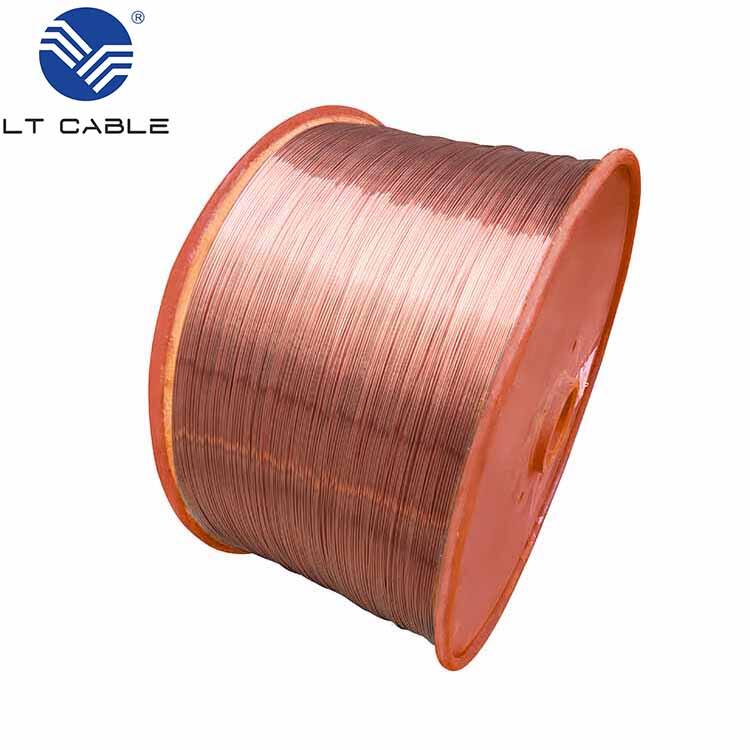
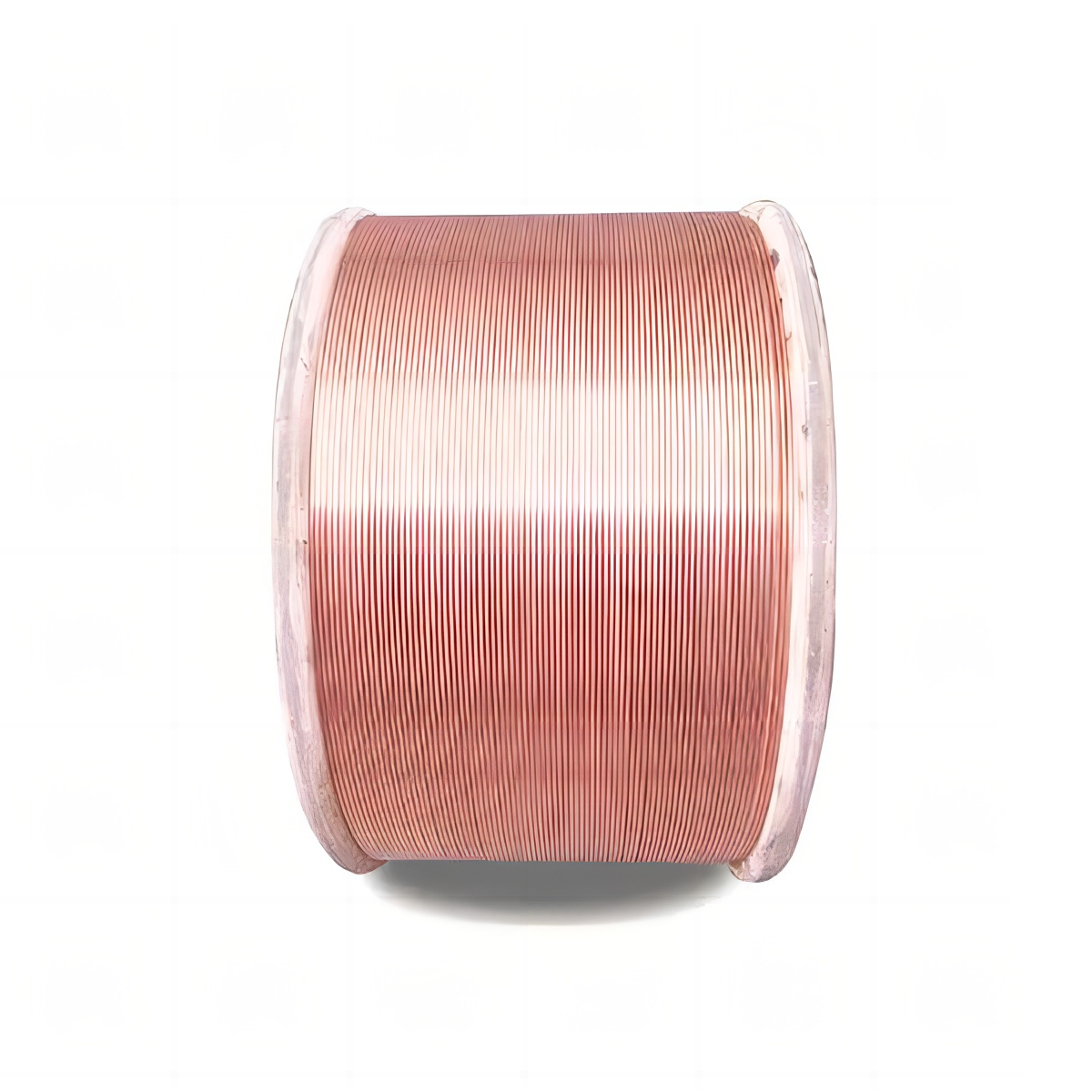
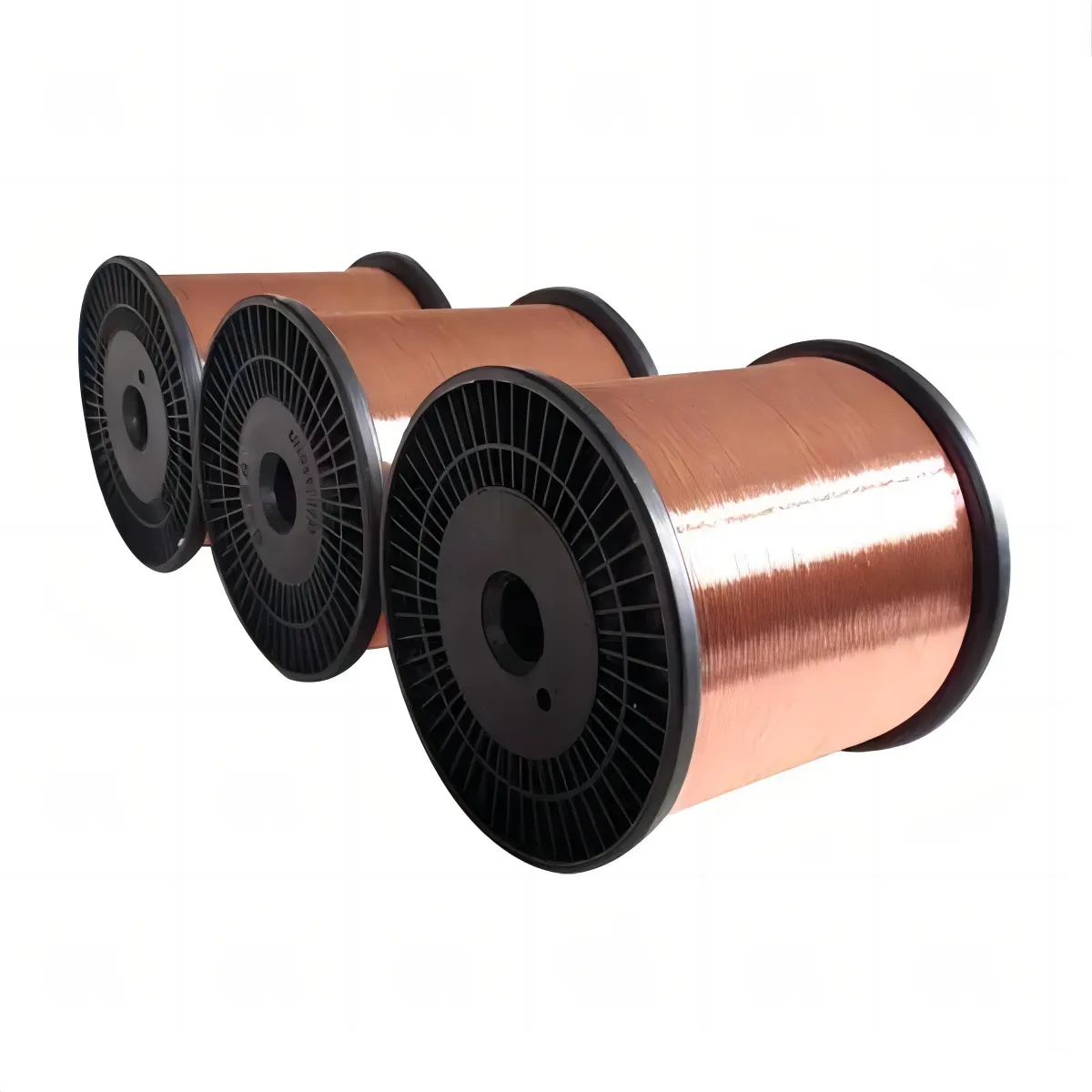
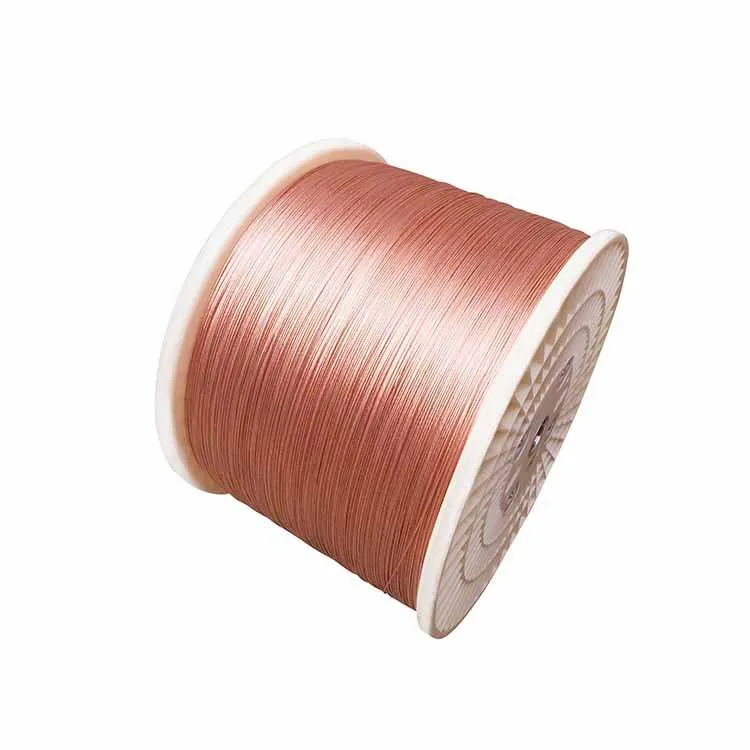
CCA Bare Conductor Wire for Data & Audio Cables | Litong

Get a Free Quote

Our representative will contact you soon.
Name
Email
Mobile
Country/Region
Choose the product you want
Message
0/1000
Unmatched Quality and Performance of CCA Bare Conductor Wire

Unmatched Quality and Performance of CCA Bare Conductor Wire

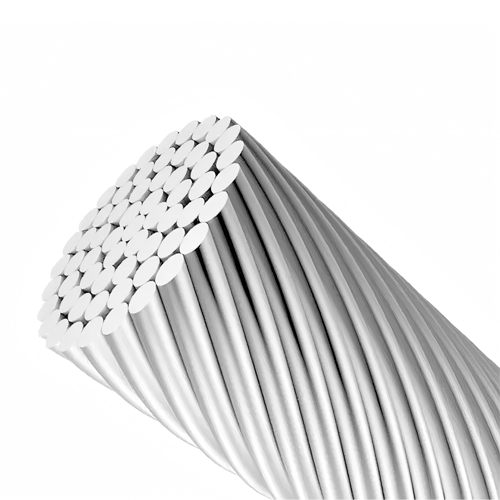
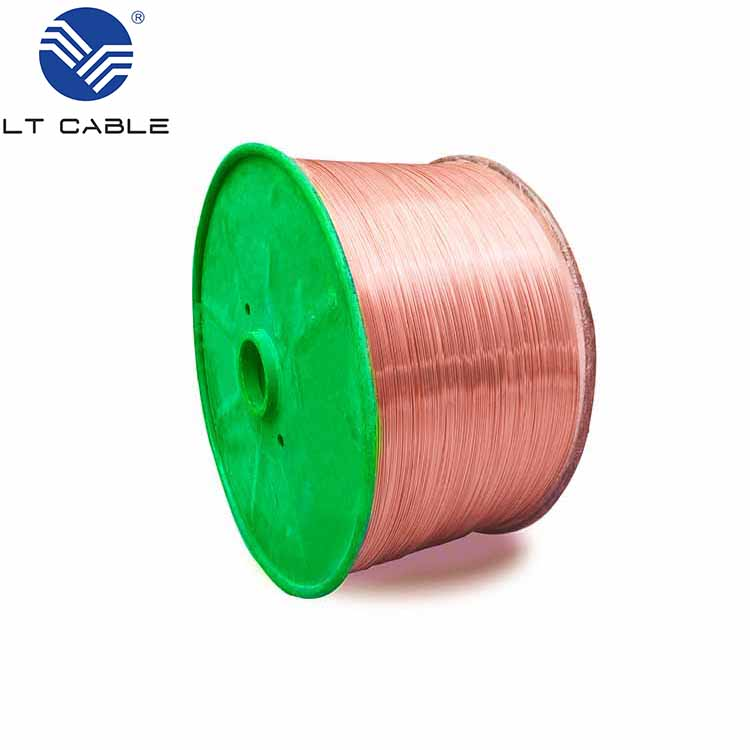
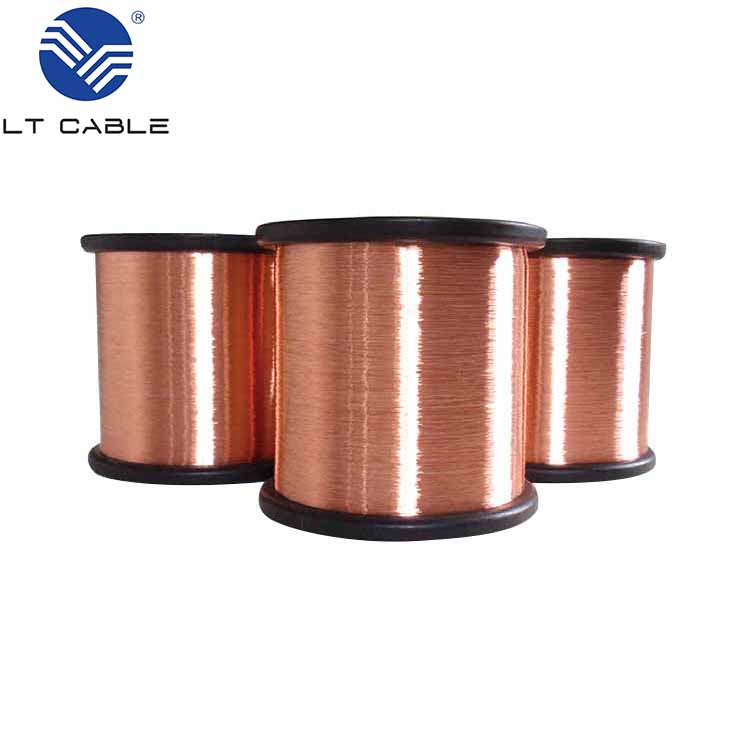
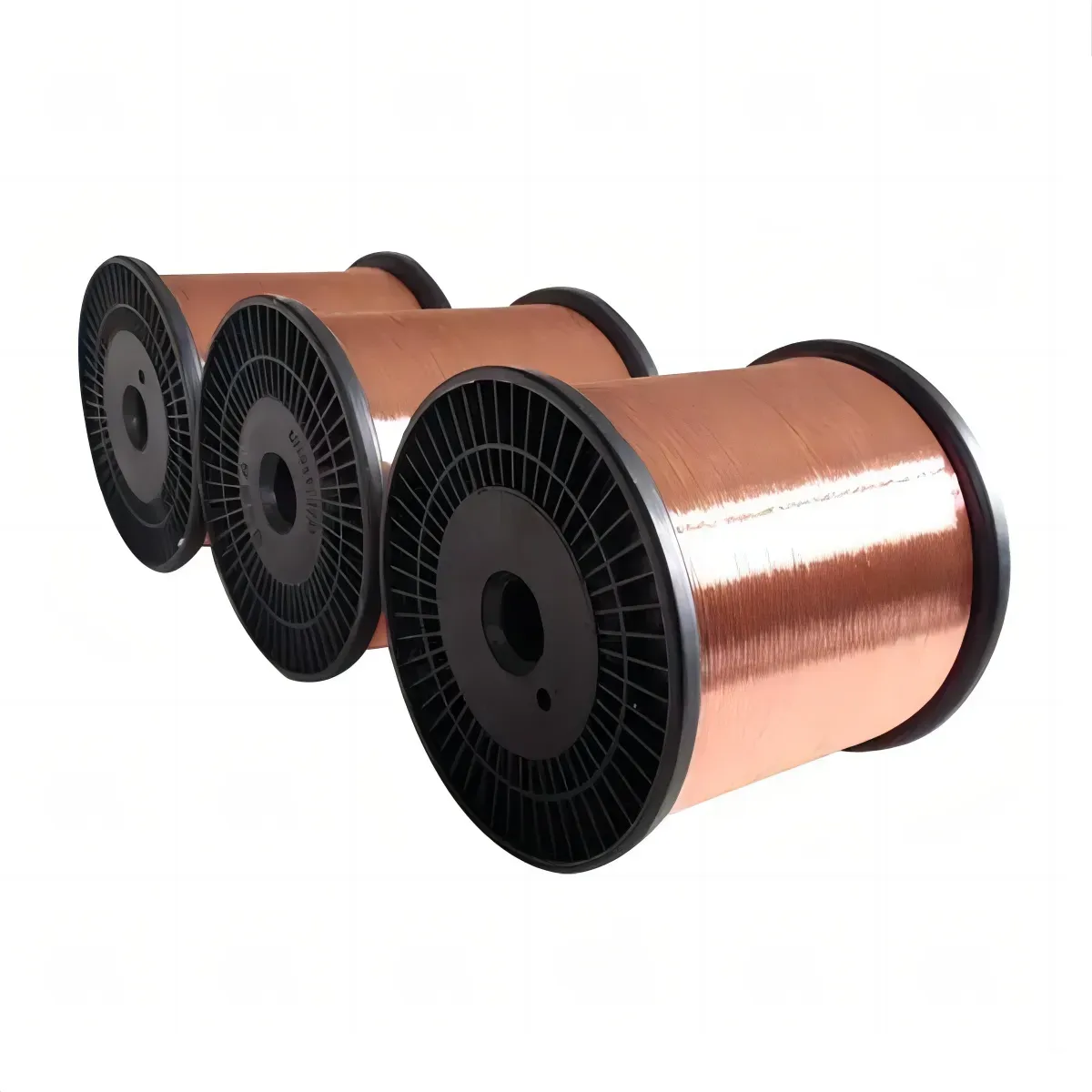
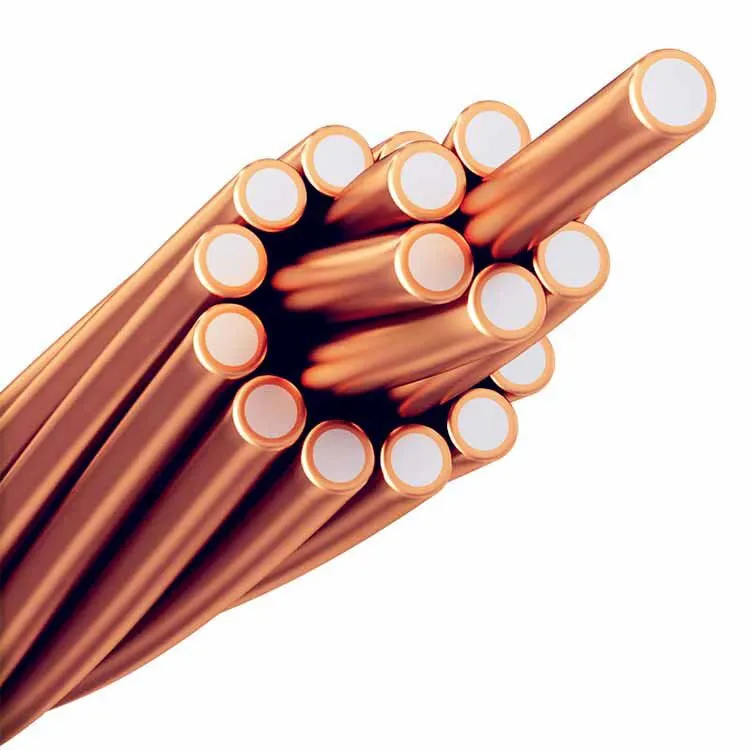
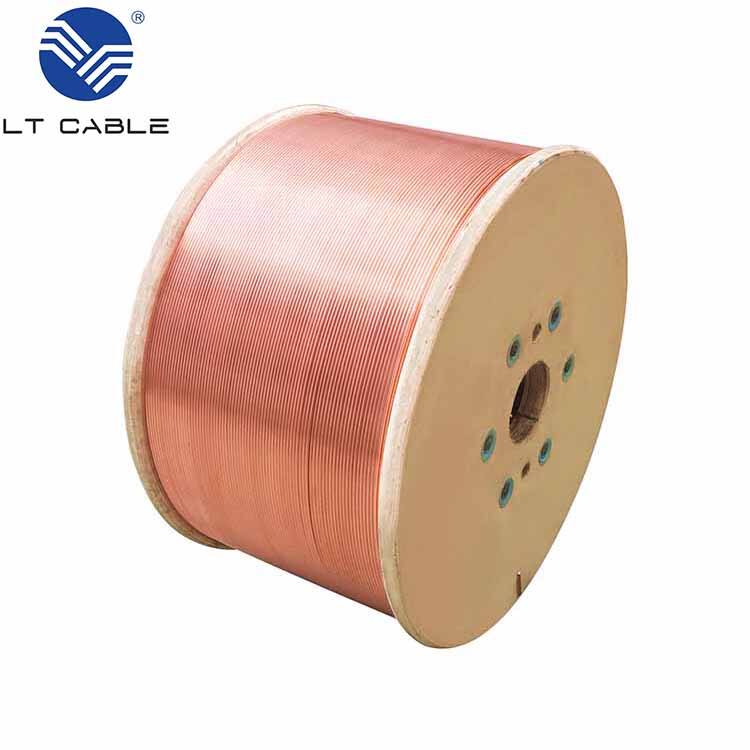
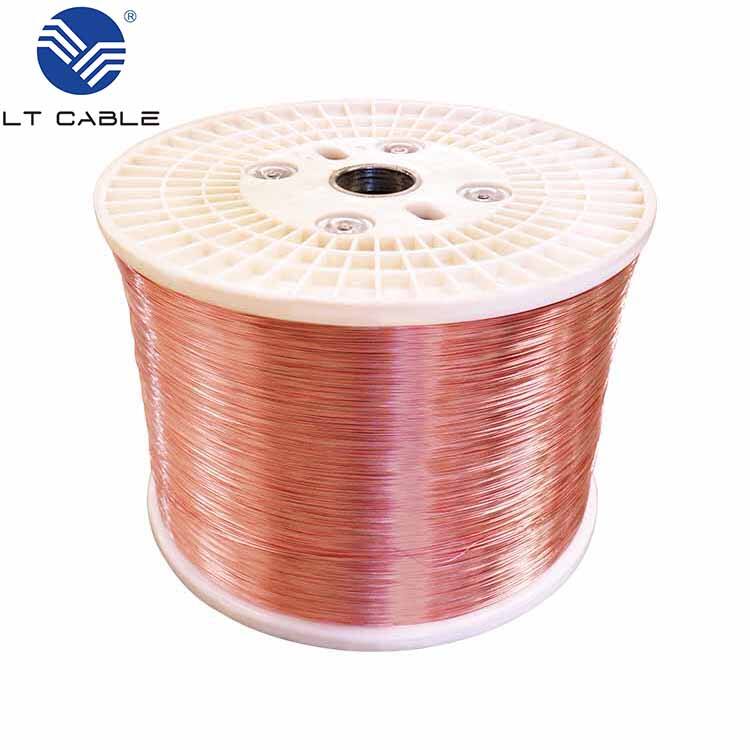
Our CCA (Copper-Clad Aluminum) bare conductor wire stands out in the market for its exceptional conductivity, lightweight properties, and cost-effectiveness. Designed specifically for data and audio cables, our products ensure minimal signal loss and high performance. The unique combination of copper and aluminum provides superior electrical conductivity while significantly reducing weight compared to traditional copper wires. This makes our CCA bare conductor wire ideal for various applications, including long-distance transmission, where weight and efficiency are critical. With fully automated production lines and stringent quality controls, we guarantee that our products meet the highest industry standards, ensuring reliability and longevity. Choose our CCA bare conductor wire to experience enhanced performance and value in your data and audio cable projects.
Get A Quote

Case Studies

Successful Implementation of CCA Bare Conductor Wire in Audio Systems

In a recent project, a leading audio equipment manufacturer integrated our CCA bare conductor wire into their high-end sound systems. The goal was to achieve superior sound quality while maintaining a lightweight design. Our wire’s exceptional conductivity allowed for clearer audio signals, resulting in a significant improvement in sound fidelity. The manufacturer reported a 30% reduction in weight compared to their previous copper-based solutions, making their products more portable and user-friendly. The feedback from end-users was overwhelmingly positive, highlighting the enhanced audio experience as a key selling point.

CCA Bare Conductor Wire for Data Transmission in Telecommunications

A telecommunications company faced challenges with signal degradation over long distances in their data transmission network. They turned to our CCA bare conductor wire for a solution. By replacing their existing copper cables with our CCA wire, they achieved a remarkable reduction in signal loss and improved overall network performance. The lightweight nature of the wire also facilitated easier installation and reduced labor costs. After implementation, the company reported a 40% increase in data transmission efficiency, showcasing the effectiveness of our CCA bare conductor wire in demanding applications.

Innovative Use of CCA Bare Conductor Wire in Smart Home Devices

A smart home technology firm incorporated our CCA bare conductor wire into their range of wireless audio devices. The challenge was to provide high-quality audio streaming while keeping the devices compact and lightweight. Our wire’s excellent conductivity enabled high-fidelity audio streaming without compromising on design. The integration process was seamless, and the end product received accolades for its performance and aesthetic appeal. Users appreciated the lightweight design combined with superior audio quality, proving that our CCA bare conductor wire is a game-changer in the smart home market.

Related products

CCA Conductor Wires by us is manufactured through a certain process of wire production. Starting from the selection of raw materials, premium-grade aluminium and copper is selected to create a wire with the best possible conductivity and the lowest possible weight. Production involves a fine and intricate process of wire drawing and wire annealing of which the electrical characteristics of the wire are defined. Management keeps a close and constant observership throughout the production process and weaves manpower into enhancing the consistency and the quality of the wire. Customized options and solutions help us fit a wire to a customer's needs and specific value granting to them and obtaining maximum conductor use alleviates them from the, up to maximum, load of the wire and its applications. Our fully automated production lines greatly enhance the efficiency and the time from order to delivery, thus making us a dependable business partner. Yet to be defined are the advantages of our CCA bare conductor wire for data and audio cable needs.

Frequently Asked Questions about CCA Bare Conductor Wire

What are the main advantages of using CCA bare conductor wire?

CCA bare conductor wire offers several advantages, including excellent conductivity, lightweight design, and cost-effectiveness. The combination of copper and aluminum allows for reduced weight while maintaining high electrical performance, making it ideal for data and audio cables. Additionally, our manufacturing process ensures that the wire meets strict quality standards, providing reliability and longevity.
While traditional copper wire offers high conductivity, CCA bare conductor wire provides similar electrical performance with significantly reduced weight and cost. This makes CCA wire a more efficient choice for applications where weight is a concern, such as in portable audio devices and long-distance data transmission. Moreover, CCA wire is easier to handle and install, contributing to lower labor costs.

Related article

CCA Wire Resistivity & Performance: What Buyers Should Check

15

Jan

CCA Wire Resistivity & Performance: What Buyers Should Check

Understanding CCA Wire and Its Importance

Copper Clad Aluminum (CCA) wire has emerged as a popular choice in various electrical applications, offering a balance of performance, cost-effectiveness, and versatility. As a bimetallic conductor, it consists of an aluminum core with a concentric copper cladding, combining the beneficial properties of both metals. The aluminum core contributes to lightweight and cost savings, while the copper cladding enhances conductivity and corrosion resistance. For buyers, understanding the resistivity and overall performance of CCA wire is crucial to ensure it meets the specific requirements of their applications. Whether used in telecommunications, automotive wiring, or power distribution, the performance of CCA wire directly impacts the efficiency and reliability of the end product.

Key Factors Affecting CCA Wire Resistivity

Resistivity is a fundamental property of any conductor, including CCA wire, and it plays a significant role in determining its electrical performance. Several key factors influence the resistivity of CCA wire, and buyers should be aware of these when evaluating potential suppliers. One of the primary factors is the copper content. Typically, CCA wire is available with copper content ranging from 10% to 15% by cross-sectional area. Higher copper content generally results in lower resistivity and better conductivity. For example, CCA wire with 15% copper content has a conductivity of approximately 64.4% IACS (International Annealed Copper Standard), compared to 62.9% IACS for 10% copper content.
Another important factor is the manufacturing process. The quality of the metallurgical bond between the aluminum core and copper cladding directly affects the wire's resistivity. A strong, uniform bond ensures efficient current transfer between the two metals, minimizing resistance. Additionally, the purity of the copper and aluminum used in the wire can impact resistivity. Higher purity metals typically offer better conductivity and lower resistivity. Finally, the operating temperature can also affect the resistivity of CCA wire, as resistance generally increases with temperature. Buyers should consider the expected operating temperature range of their application when selecting CCA wire.

Performance Parameters to Evaluate

When assessing CCA wire, buyers should consider several performance parameters beyond resistivity to ensure it meets their specific needs. One critical parameter is tensile strength, which measures the wire's ability to withstand pulling forces without breaking. CCA wire typically has a tensile strength ranging from 100 to 150 MPa, depending on the manufacturing process and copper content. Higher tensile strength is particularly important in applications where the wire may be subjected to mechanical stress during installation or operation.
Another important parameter is elongation, which measures the wire's ability to stretch before breaking. A higher elongation percentage indicates greater flexibility and resistance to fatigue, making the wire more suitable for applications that require bending or flexing. CCA wire generally has an elongation percentage of 8% or higher for annealed wires and 1% or higher for hard-drawn wires.
Corrosion resistance is also a key consideration, especially for applications in harsh environments. The copper cladding on CCA wire provides excellent corrosion resistance, but the aluminum core can be susceptible to corrosion if exposed. Buyers should ensure that the wire is properly insulated and protected from moisture and other corrosive elements.

How to Choose the Right CCA Wire Supplier

Selecting a reliable and reputable CCA wire supplier is essential to ensure the quality and performance of the product. Buyers should consider several factors when evaluating potential suppliers, including their manufacturing capabilities, quality control processes, and industry certifications. A supplier with advanced manufacturing facilities and strict quality control measures is more likely to produce high-quality CCA wire that meets the required specifications.
Industry certifications, such as ISO 9001, can also provide assurance of the supplier's commitment to quality. Buyers should verify that the supplier's CCA wire meets relevant industry standards, such as ASTM B566 for copper-clad aluminum wire. Additionally, buyers should consider the supplier's experience and reputation in the industry. A supplier with a proven track record of delivering high-quality products and excellent customer service is more likely to provide a reliable and satisfactory experience.
Finally, buyers should consider the supplier's pricing and delivery capabilities. While cost is an important factor, it should not be the sole determining factor. Buyers should balance cost with quality and delivery time to ensure they get the best value for their money. A supplier that can offer competitive pricing, fast delivery, and flexible payment terms is more likely to be a good partner for long-term business relationships.
View More
CCAM Wire Explained: What Is Copper Clad Aluminum Magnesium wire?

15

Jan

CCAM Wire Explained: What Is Copper Clad Aluminum Magnesium wire?

Introduction to CCAM Wire

In the ever-evolving world of electrical engineering and cable manufacturing, the demand for high-performance, cost-effective conductors is paramount. Among the innovative solutions that have emerged to meet this demand is Copper Clad Aluminum Magnesium wire, commonly known as CCAM wire. This advanced bimetallic conductor has gained significant traction in various industries, offering a compelling balance of electrical performance, mechanical strength, and economic efficiency. As a leading manufacturer in the wire and cable industry, Litong Cable recognizes the transformative potential of CCAM wire and is committed to providing its customers with cutting-edge solutions that push the boundaries of what's possible.

What is Copper Clad Aluminum Magnesium (CCAM) Wire?

CCAM wire is a sophisticated composite conductor that integrates the best properties of three distinct metals into a single, high-performance wire. At its core, it consists of a robust aluminum-magnesium alloy, which provides exceptional mechanical strength and light weight. This core is then concentrically clad with a layer of high-purity copper (typically 99.9% pure), which delivers excellent electrical conductivity. The bonding between the aluminum-magnesium core and the copper cladding is achieved through a advanced metallurgical process, ensuring a seamless and durable interface that can withstand the rigors of manufacturing and application. This unique construction results in a wire that offers the optimal combination of conductivity, strength, and lightness, making it an ideal choice for a wide range of demanding applications.

Key Properties and Advantages of CCAM Wire

CCAM wire boasts a remarkable set of properties that make it superior to traditional conductors like pure copper or standard aluminum wire. One of its most significant advantages is its high tensile strength, which typically ranges from 180 to 250 MPa. This enhanced strength, a direct result of the aluminum-magnesium core, makes CCAM wire much more resistant to breakage during installation and operation, particularly in applications where the wire is subjected to mechanical stress or vibration. Additionally, CCAM wire offers excellent electrical conductivity, with a conductivity rating of approximately 35-55% IACS (International Annealed Copper Standard), depending on the copper content. While slightly lower than pure copper, this conductivity is more than sufficient for most high-frequency signal transmission and power distribution applications, especially when considering the other benefits it provides.
Another key advantage of CCAM wire is its light weight. With a density of around 2.85 to 3.63 g/cm³, it is significantly lighter than pure copper wire (which has a density of 8.96 g/cm³). This reduced weight offers numerous benefits, including lower transportation costs, easier handling and installation, and reduced structural load in applications such as aerospace and automotive wiring. Furthermore, CCAM wire exhibits good corrosion resistance, thanks to the protective copper cladding and the inherent properties of the aluminum-magnesium alloy core. This makes it suitable for use in harsh environments where exposure to moisture, chemicals, or other corrosive agents is a concern.

Applications of CCAM Wire

The unique combination of properties offered by CCAM wire makes it suitable for a diverse range of applications across multiple industries. One of its primary uses is in the manufacturing of high-frequency signal transmission cables, such as coaxial cables for cable television (CATV) systems, 50Ω RF cables, and leaky cables. In these applications, the excellent conductivity of the copper cladding ensures efficient signal transmission with minimal loss, while the high tensile strength of the aluminum-magnesium core ensures the cable can withstand the stresses of installation and use. CCAM wire is also widely used in data cables, including LAN cables (Cat5e, Cat6), telephone cables, and USB cables, where its light weight and good conductivity contribute to reliable data transfer.
In the power transmission sector, CCAM wire is used in the production of power cables, control cables, and automotive cables. Its light weight and high strength make it an ideal choice for use in vehicles, where reducing weight is critical for improving fuel efficiency. CCAM wire is also used in building wiring, where its corrosion resistance and ease of installation make it a practical alternative to traditional copper wire. Additionally, it finds applications in special electromagnetic wires, such as voice coils for headphones and speakers, and windings for motors and transformers.

CCAM Wire vs. Other Conductor Types

When compared to other commonly used conductor types, CCAM wire offers a number of distinct advantages. Compared to pure copper wire, CCAM wire is significantly lighter and less expensive, while still providing good electrical conductivity. This makes it a cost-effective alternative for applications where weight and cost are important considerations. While pure copper wire has a higher conductivity, the difference is often negligible for many applications, and the other benefits of CCAM wire more than compensate for this slight reduction in performance.
Compared to standard aluminum wire, CCAM wire offers superior conductivity and corrosion resistance. Aluminum wire is prone to oxidation, which can lead to increased resistance and potential connection problems over time. The copper cladding on CCAM wire provides a barrier against oxidation, ensuring long-term performance and reliability. Additionally, the aluminum-magnesium core of CCAM wire offers higher tensile strength than standard aluminum wire, making it more durable and less likely to break during installation or use.

Conclusion

In conclusion, Copper Clad Aluminum Magnesium (CCAM) wire is a versatile and high-performance conductor that offers a unique combination of electrical, mechanical, and economic benefits. Its innovative construction, which combines a strong aluminum-magnesium core with a conductive copper cladding, makes it an ideal choice for a wide range of applications, from high-frequency signal transmission to power distribution. As a leading manufacturer in the wire and cable industry, Litong Cable is dedicated to producing high-quality CCAM wire that meets the evolving needs of its customers. Whether you're looking for a cost-effective alternative to pure copper wire or a lightweight, high-strength conductor for demanding applications, CCAM wire is an excellent choice that delivers exceptional performance and value.
View More
Shielded Cables: The Backbone of Reliable Communications

22

Mar

Shielded Cables: The Backbone of Reliable Communications

Understanding Shielded Cables in Communication Networks

What Makes Shielded Cables Essential for Data Transmission?

Shielded cables are really important for keeping data safe during transmission since they block out external electromagnetic interference, or EMI as it's commonly called. We see this protection working well in places such as data centers and industrial areas where clear signals matter a lot. Take EMI for example it messes with signals and can cause problems like lost or corrupted data. Shielded cables help fix these issues by stopping those unwanted signals from getting through. Plus, these cables let data travel longer distances without losing strength, which makes them reliable across different situations. Industry studies show that switching from regular cables to shielded ones cuts down errors by around 80 percent, especially noticeable in spots with lots of EMI like manufacturing plants and hospitals.

Key Components: Enameled Wire and Conductive Materials

Enameled wire plays a big role in shielded cables because it offers excellent insulation and stands up well against corrosion issues. When installed properly, these wires help keep cables working reliably for years on end while shielding the inner conductors from outside damage and unwanted interference. Shielded cables often incorporate different metals too, with copper and aluminum being popular choices among manufacturers looking to boost conductivity and preserve signal integrity throughout their systems. Take copper for instance it has really high conductivity which means less resistance when transmitting signals, so data moves through the network much faster without losing strength along the way. Most professionals in the field will tell anyone who asks that using good quality materials during cable manufacturing isn't optional if companies want top notch performance out of their infrastructure since poor material selection directly affects how well those cables handle electromagnetic interference problems in real world conditions.

Stranded vs. Solid Wire in Cable Construction

When building cables, deciding between stranded and solid wire really comes down to what the job actually needs. Stranded wires bend better and hold up against wear and tear, so they work great when cables get moved around a lot or exposed to vibrations, think about car parts or factory equipment that moves constantly. Solid wire isn't as flexible but stands up to abuse much longer, which is why electricians usually go for this type when running power through walls or ceilings where things stay put. For sending signals through cables, stranded versions are harder to snap because they flex without breaking, though they do carry some extra resistance compared to their solid counterparts. Most people pick whichever fits their setup best, going with stranded if the cable will see action and sticking with solid for those permanent installations where stability matters most.

Electromagnetic Interference (EMI) and Signal Integrity

How EMI Disrupts Communication Network Performance

Electromagnetic interference, or EMI for short, really messes with how well communication networks work because it gets in the way of signals traveling through them. Most of the time this interference comes from other electrical devices sitting close by, and when it happens, important data either gets lost completely or becomes corrupted somehow. Take factories with lots of big machines running all day long, or places packed full of electronics - these spots tend to have constant problems with their signals getting disrupted, which makes everything run slower and less reliably. Looking at actual numbers shows something interesting too. Networks dealing with serious EMI issues lose way more data packets than they should, sometimes cutting down overall efficiency by around 30%. We've seen this happen in hospitals where doctors struggle to maintain reliable wireless connections because medical equipment creates so much EMI. That's why many tech professionals now recommend using shielded cables and other protective measures to keep networks functioning properly despite all the electromagnetic noise floating around.

The Role of Shielding in Preserving Signal Quality

Good shielding is essential for keeping signals clean since it blocks out unwanted electromagnetic interference. When cables get wrapped in conductive stuff like aluminum foil or copper braid, they create barriers against those pesky EM waves that mess with data transmission. Some studies indicate that certain methods work better than others. For instance, layering different materials together or mixing foil with braided shields tends to keep signal loss minimal even when dealing with those tricky high frequency transmissions. The field has seen some interesting developments lately too. Manufacturers are coming up with new conductive compounds and creative ways to build shields into cable structures. This progress should lead to stronger protection options down the road, especially important as our communication networks grow more complicated and operate under tougher conditions day after day.

Stranded Copper Wire Resistance Per Foot: Impact on EMI Protection

How much resistance there is in each foot of stranded copper wire really affects how well it blocks electromagnetic interference. Wires with lower resistance generally work better at stopping EMI, so picking the right gauge matters a lot. Take a look at what happens when we go down in wire gauge sizes. The resistance goes down too, which means better shielding against those pesky electromagnetic signals. According to some actual field tests from engineers working on this stuff daily, getting the wire size right for whatever environment it'll be used in makes all the difference for proper EMI protection. Anyone looking at installing wiring where strong EMI shielding is needed should definitely pay attention to these resistance numbers. Getting this part wrong could lead to problems later on with equipment malfunctioning or needing replacement sooner than expected.

Foil Shielding: Lightweight Protection for High-Frequency EMI

Foil shielding works really well at blocking out those pesky high frequency electromagnetic interferences (EMI) thanks to a thin metal layer wrapped around the cable. Usually made from copper or aluminum, this foil creates a complete barrier along the whole length of the cable. That's why we see it so much in areas plagued by high frequency signals. What sets foil apart from other shielding methods is how light it is. Installation becomes way simpler compared to bulkier options like braided shields. Sure, foil isn't as tough as some alternatives, but when weight matters most, like in tight spaces or long runs, it wins hands down. We find foil shielding all over the place actually. Data centers rely on it heavily because they can't afford signal disruptions. Same goes for telecom infrastructure where even small amounts of interference could cause major problems for communications networks.

Braided Shielding: Durability and Flexibility in Industrial Settings

Braided shielding consists of copper wires woven together into a mesh pattern, which gives it good strength while still being flexible enough for tough industrial conditions. Compared to foil shielding, this braided version covers around 70% to maybe even 95% of the surface area, though how well it works really depends on how tightly those wires are woven together. Industrial settings love this kind of shielding because it can take a beating without breaking down or losing function when subjected to harsh factory floor conditions. What makes braided shielding stand out is its flexibility factor too. Cables with this shielding can bend and move around all day long without affecting their performance. That's why we see so much of it in manufacturing plants where cables get moved around constantly and face plenty of mechanical stress over time.

Spiral Shielding Applications in Dynamic Communication Systems

Spiral shielding works really well in situations where cables get moved around a lot or bent frequently. The way the conductive material wraps around in spirals lets these cables stay flexible but still blocks out electromagnetic interference pretty effectively. That's why many engineers prefer them when dealing with equipment that moves constantly, think industrial robots or automated assembly lines for instance. Looking at recent developments, manufacturers keep finding ways to improve how these shields work better over time. With modern tech needing reliable connections even under tough conditions, we're seeing more companies switch to spiral shielding solutions across different sectors from manufacturing floors to medical devices.

Choosing the Right Shielded Cable for Communication Systems

Environmental Factors: EMI Sources and Cable Routing

Knowing where electromagnetic interference (EMI) comes from and how it travels matters a lot when picking out shielded cables for communication systems. Industrial equipment, old fashioned fluorescent lights, and nearby radio transmitters all create EMI that messes with signal quality. Getting the cable paths right helps reduce this problem. A good rule of thumb? Keep signal cables away from power lines and don't run them parallel. Also maintain some distance between sensitive signal lines and those pesky EMI sources. This becomes especially important in factories and plants where strong signals are needed. Real world experience tells us that cables kept at proper distances from EMI sources work better and maintain cleaner signals over time. Many engineers have seen this firsthand in their installations.

Balancing Conductivity and Flexibility: Bare Stranded Copper Wire Considerations

When selecting bare stranded copper wire, engineers need to weigh conductivity against flexibility based on what the job requires. The copper composition gives this type of wire outstanding electrical properties, which explains why it works so well in demanding applications like power transmission lines. But don't overlook the flexibility factor either. This characteristic makes installation easier in areas where components move around regularly, such as factory automation systems or vehicle wiring harnesses. Industry experience shows that stranded configurations retain their conductive qualities over longer runs while still bending around tight corners in cramped machinery compartments. Getting the mix right between these two attributes means better results down the road, whether the priority is maintaining signal strength through extended cable runs or accommodating frequent movements in mechanical assemblies.

Interpreting Stranded Wire Size Charts for Optimal Performance

Getting stranded wire size charts right makes all the difference when it comes to getting good cable performance. These charts basically tell us about wire sizes and how they impact things like impedance and what kind of electrical load they can handle. When picking the right size, we're looking at minimizing resistance along each foot of cable while keeping signals strong throughout the system. Otherwise, problems like cables getting too hot or losing signal strength become real headaches. A lot of folks miss important factors like temperature changes in the environment where the cables will be installed, or forget to check exactly what kind of load demands their particular setup has. Taking time to really understand these charts helps prevent those costly errors down the road, so communication systems run smoothly without unexpected issues popping up later on.

کردن: فهمیدن و استفاده از نمودارهای اندازه سیم فلزی برای عملکرد بهینه امری ضروری است که به کاهش مقاومت و بهبود انتقال سیگنال کمک می‌کند.

View More
Having trouble choosing flexible cable for flexibility? Consider these points

27

Apr

Having trouble choosing flexible cable for flexibility? Consider these points

Conductor Type: Stranded vs. Solid Wire in Flexible Cables

Key Differences Between Solid Wire and Stranded Wire

Picking between solid and stranded wire for flexible cables depends on what the job actually needs. Solid wire has just one thick conductor inside, so it conducts electricity better but isn't really suited for places where things move around much since it gets bent easily. Stranded wire works differently though - made up of lots of tiny wires twisted together, this gives it way more flexibility. That makes all the difference when dealing with equipment that moves constantly back and forth. The stranded type holds up much better through repeated bending cycles without snapping apart. Meanwhile, solid wire still wins out in situations where distance matters less but electrical resistance needs to stay low, especially if the installation won't be touched once set up. And let's face it, those little strands make installation a whole lot simpler too, particularly when working with tricky corners or cramped areas where maneuvering regular wire would drive anyone crazy.

Why Flexible Stranded Wire Dominates High-Mobility Applications

When it comes to applications needing lots of movement, flexible stranded wire tends to be what most engineers reach for. The way these wires are built actually reduces strain when they bend, something really important in places like robot arms or car manufacturing lines where cables get moved around all day long. Stranded wire stands up better to pulling forces and repeated bending compared to regular solid wire, so it keeps working properly even after being flexed thousands of times. According to industry data, somewhere around 70% of today's robots rely on this type of wiring because it lasts longer and means fewer repairs down the road. That explains why so many manufacturers keep coming back to flexible stranded solutions whenever their equipment needs to move freely without breaking down.

Enameled Wire: A Specialized Conductor for Unique Demands

Enameled wire represents a special category of conductor material primarily found in niche applications across various industries. These wires are built specifically for those tight motor windings where space matters most. What sets them apart is their ultra-thin insulation coating which lets multiple conductors pack together closely without shorting out. The material stands up well against heat exposure too, so they work great in environments where temperatures run hot. According to recent industry reports, there's been growing interest in these wires for electronic components lately, especially as manufacturers push toward smaller form factors without losing any power efficiency. Electrical engineers working on tough design problems tend to gravitate toward enameled wire solutions because they can create complicated circuits that still perform reliably under stress conditions.

Bend Radius and Flexibility Requirements

Calculating Minimum Bend Radius Using Stranded Wire Size Charts

Knowing how to figure out the minimum bend radius when working with stranded wire matters a lot if we want to avoid damage both during installation and later on when it's actually running. Wire size charts come in handy here, giving concrete numbers based on what gauge wire we're dealing with so everything stays within standard requirements. These charts are pretty important really, they tell us exactly what bend radius works best for each wire size, which stops things from getting stressed mechanically and keeps things performing well over time. Some research points to the fact that getting the bend radius wrong often causes big drops in performance, so taking the time to do these calculations right and following the rules makes all the difference in the long run.

How Conductor Configuration Affects Cable Flexibility

How conductors are set up makes all the difference when it comes to how flexible and useful a cable will be across different jobs. Solid versus stranded wires affect performance in completely different ways depending on what they're used for. Take robotics work for instance - most engineers go with multiple strands because they bend better without breaking down. But if something needs to stay put like wiring behind walls or equipment frames, solid core wires make more sense since they hold shape better. Looking deeper into this stuff shows why some designs last longer than others. When manufacturers arrange conductors so there's less rubbing between them inside the insulation, cables just tend to survive longer in service. These small design choices actually matter a lot in practice, keeping operations running smoothly while cutting down on replacement costs from premature failures caused by constant flexing.

Case Study: Bend Radius in Robotics vs. Automotive Applications

Looking at what bend radius means for robotics versus automotive work shows just how different their needs really are when it comes to flexibility. For robots, getting away with smaller bends matters a lot, particularly where space is limited and components need to fit into tight spots without breaking down. On the flip side, cars generally need those bigger, smoother curves because they move differently through their environments. Studies show following these bend radius rules isn't just some minor technical thing either it actually makes a big difference in how long cables last before needing replacement across both fields. The bottom line? Custom made cables tailored specifically for each industry's unique demands tend to perform much better over time than one size fits all approaches.

Electrical Performance Specifications

Voltage Ratings: Matching Cable Capacity to System Needs

Getting the right voltage rating on cables matters a lot for keeping systems running properly and protecting people who work around them. When the cable matches what the system needs, it stops things from getting too hot and cuts down on those annoying electrical problems that nobody wants. According to what we see in the field, most cable issues actually come from using the wrong voltage rating. That's why following the standard guidelines isn't just good practice but necessary. Companies that take time to install cables rated specifically for their voltage requirements tend to spend less money fixing stuff later on and generally have fewer headaches maintaining their equipment over time.

Conductor Gauge Selection Using Stranded Wire Standards

Picking the right conductor size really matters when it comes to how much current a wire can handle and how efficient the whole system will be. Stranded wire specs give important info about making sure everything fits together properly in different situations, so connectors actually connect and equipment works without problems. Going by standards such as AWG makes life easier because it finds that sweet spot between getting things done efficiently and keeping everyone safe, which means selecting the exact gauge needed for whatever job the electricity has to do. Taking this kind of careful approach pays off in better performance while protecting gear from getting worn out over time.

Multi-Conductor Configurations for Complex Systems

When dealing with complex systems, multi conductor setups really make a difference in how things work by combining several wires into one single cable. This kind of setup makes the whole wiring process much easier on technicians and cuts down installation time considerably, all while still meeting those tough performance standards most industries require. Looking at actual field reports from various sectors shows that these bundled wire arrangements tend to boost system reliability quite a bit and also help cut down on electromagnetic interference problems that can plague other setups. From an engineering standpoint, what we see here is basically a solid way to handle complicated systems without constant breakdowns, which means better connections across the board and fewer headaches for maintenance crews trying to keep everything running smoothly day after day.

Environmental Durability Factors

Weather Resistance: UV-Stable Jackets for Outdoor Use

Cables left outside need proper protection from the sun's rays. Choosing jackets that resist UV damage makes all the difference in how long they last before breaking down. Prolonged sunlight actually weakens cable materials over time, which means shorter lifespans and worse performance unless something is done about it. According to some research in the field, cables with good UV resistance tend to last around 30% longer when installed outdoors, showing just how critical weatherproofing really is for keeping things working right. Getting this right helps protect outdoor wiring setups from wearing out too quickly, saving money and hassle down the road.

Chemical and Abrasion Resistance in Industrial Settings

Cables used in industrial settings face constant threats from aggressive chemicals and mechanical wear, which means they need strong protection. For better longevity, manufacturers turn to materials designed specifically to stand up against these hazards. Specialized plastics like certain types of PVC and those TPUs we all know about work really well in this regard. Some studies have shown that when industries invest in cables rated correctly for their environment, they cut down on failure rates by around half in areas with heavy chemical contact. From what I've seen on factory floors across different sectors, it's absolutely critical to pick cables that handle both chemical attacks and physical stress if we want them to keep performing reliably under tough conditions day after day.

Temperature Tolerance Ranges for Different Materials

When picking out cable materials, temperature tolerance should be a top consideration if we want reliable performance in different environments. Silicone and rubber stand out because they handle temperature changes really well compared to regular PVC which tends to break down when things get too hot or cold. Some tests show that these better quality cables work properly even when temperatures swing between minus 50 degrees Celsius all the way up to 200 degrees. For anyone working in situations where heat resistance matters, going with cables built for those harsh conditions makes sense. This choice helps keep systems running smoothly without unexpected failures down the road.

Shielding and Jacket Material Options

Braided vs. Foil Shielding: Flexibility Tradeoffs

Getting familiar with how braided versus foil shielding works makes a real difference when trying to get the most out of flexible cables. Braided options tend to flex really well, so they work great in situations where cables need to move around a lot or bend frequently. The downside? They take up more space than their foil counterparts. Foil shielding takes up far less room, making it perfect for tight spots where saving even a few millimeters matters. But there's always something given up in return – foil just doesn't handle repeated bending as gracefully as braided does. When picking between these two options, engineers typically look at what the actual job requires. If space is limited but movement isn't too intense, foil might win out. For applications involving constant motion though, going with braided usually pays off despite the extra bulk.

PVC vs. TPU Jackets: Balancing Flexibility and Protection

Choosing between PVC and TPU cable jackets really comes down to what matters most for any given situation. The flexibility factor versus how much protection from the elements is actually needed plays a big role here. PVC jackets tend to hold up pretty well across many different scenarios, which is why they're still so widely used today. But when looking at TPU options, these materials beat out PVC hands down when it comes to resisting scratches and handling temperature changes. Some real world testing showed that TPU cables experienced about 40 percent fewer wear problems compared to their PVC counterparts in tough industrial settings. If cables need to survive rough treatment or extreme weather conditions over time, going with TPU makes sense despite the higher initial cost.

Hybrid Designs: Combining Materials for Optimal Performance

Manufacturers are turning more often to hybrid designs that mix different materials because they need to handle all sorts of real world conditions. Many companies combine TPU which protects against wear and tear with PVC that keeps costs down, trying to get better durability without breaking the bank. According to some studies in the field, these mixed material approaches actually boost how well cables perform while cutting back on what it costs to make them. The combination works pretty well for most applications too. Companies get their performance requirements met and still save money compared to using just one expensive material throughout. For anyone dealing with cable design problems, this kind of material blending has become almost standard practice now.

Application-Specific Movement Demands

Continuous Flex vs. Occasional Bending: Cable Construction Differences

Knowing when to pick continuous flex cables versus ones meant for occasional bending makes all the difference in getting the job done right. Continuous flex cables are built specifically to take the punishment of repeated motion, so they work great in situations where there's constant back and forth movement happening. These cables usually have special construction with lots of tiny wires twisted together instead of solid conductors, which lets them bend thousands of times without breaking down. The occasional bending cables aren't made to handle that kind of wear and tear though. They're better suited for static installations or places where movement happens rarely. Getting this wrong can lead to headaches later on. We've seen shops waste money replacing cables every few months because they used the wrong type. Taking time to match cable specs with actual usage conditions pays off big time in both reduced downtime and lower long term costs.

Torsion-Resistant Designs for Rotating Machinery

When working with rotating machinery, torsion resistant cables really matter. The main reason? They handle those twisting forces that otherwise cause internal damage and electrical problems down the line. What makes these cables special is their built in protection against wear and tear, so they keep performing well even when things get rough during operation. Looking at actual performance data shows something interesting too these specialized cables tend to last much longer than regular cables do. That's why many industrial settings opt for them despite higher upfront costs since they save money over time through reduced replacements and maintenance headaches.

Energy Chain Compatibility and Dynamic Load Considerations

For automated production lines, getting the right cables to work with energy chains makes all the difference when it comes to moving machine parts efficiently. These special cables need to handle constant motion and changing loads without breaking down or losing their shape over time. Manufacturers have been making real progress lately with better materials too. Think about things like enhanced enamel coatings on wires and more pliable stranded conductors that bend easier without cracking. All these improvements mean energy chains function better day after day, even under tough industrial conditions where downtime costs money. Factories relying on continuous operation really benefit from these upgrades.

View More

Customer Testimonials on CCA Bare Conductor Wire

John Smith
Exceptional Performance and Reliability

We have been using Litong Cable's CCA bare conductor wire for our audio systems, and the performance has been outstanding. The sound quality is crystal clear, and the lightweight design has made our products much easier to handle. We highly recommend their products to anyone in the industry!

Sarah Johnson
Cost-Effective Solution for Data Transmission

Switching to Litong Cable's CCA bare conductor wire has significantly improved our data transmission efficiency. We noticed a marked decrease in signal loss and a reduction in installation costs due to the lightweight nature of the wire. It's a reliable and cost-effective solution for our needs.

Get a Free Quote

Our representative will contact you soon.
Email
Name
Company Name
Message
0/1000
Lightweight Design for Enhanced Portability

Lightweight Design for Enhanced Portability

One of the standout features of our CCA bare conductor wire is its lightweight design. This attribute is particularly beneficial for applications where portability is essential, such as in audio and data cables. The reduced weight not only simplifies installation but also allows for more versatile product designs. Manufacturers can create more compact and user-friendly devices without sacrificing performance, ultimately enhancing the customer experience.
 Superior Conductivity for Optimal Performance

Superior Conductivity for Optimal Performance

Our CCA bare conductor wire is engineered to deliver superior electrical conductivity, which is crucial for maintaining signal integrity in data and audio applications. The unique combination of copper and aluminum ensures minimal resistance, allowing for high-fidelity audio and seamless data transmission over long distances. This performance advantage makes our wire an ideal choice for professionals seeking reliable solutions in demanding environments.
  • Product Consultation & Selection

    Product Consultation & Selection

    Tailored advice, perfect fit solutions.

  • Production & Supply Chain

    Production & Supply Chain

    Efficient manufacturing, seamless supply.

  • Quality Assurance & Certification

    Quality Assurance & Certification

    Rigorous testing, global certifications.

  • Post-Sales Support & Tech Help

    Post-Sales Support & Tech Help

    Prompt assistance, ongoing support.

Get a Free Quote

Our representative will contact you soon.
Name
Email
Mobile
Country/Region
Title
Message
0/1000