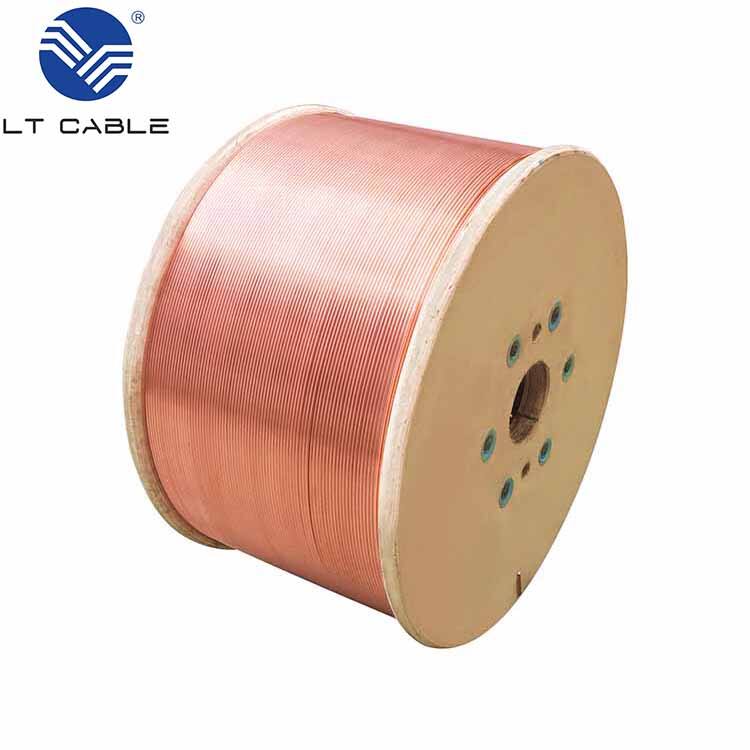
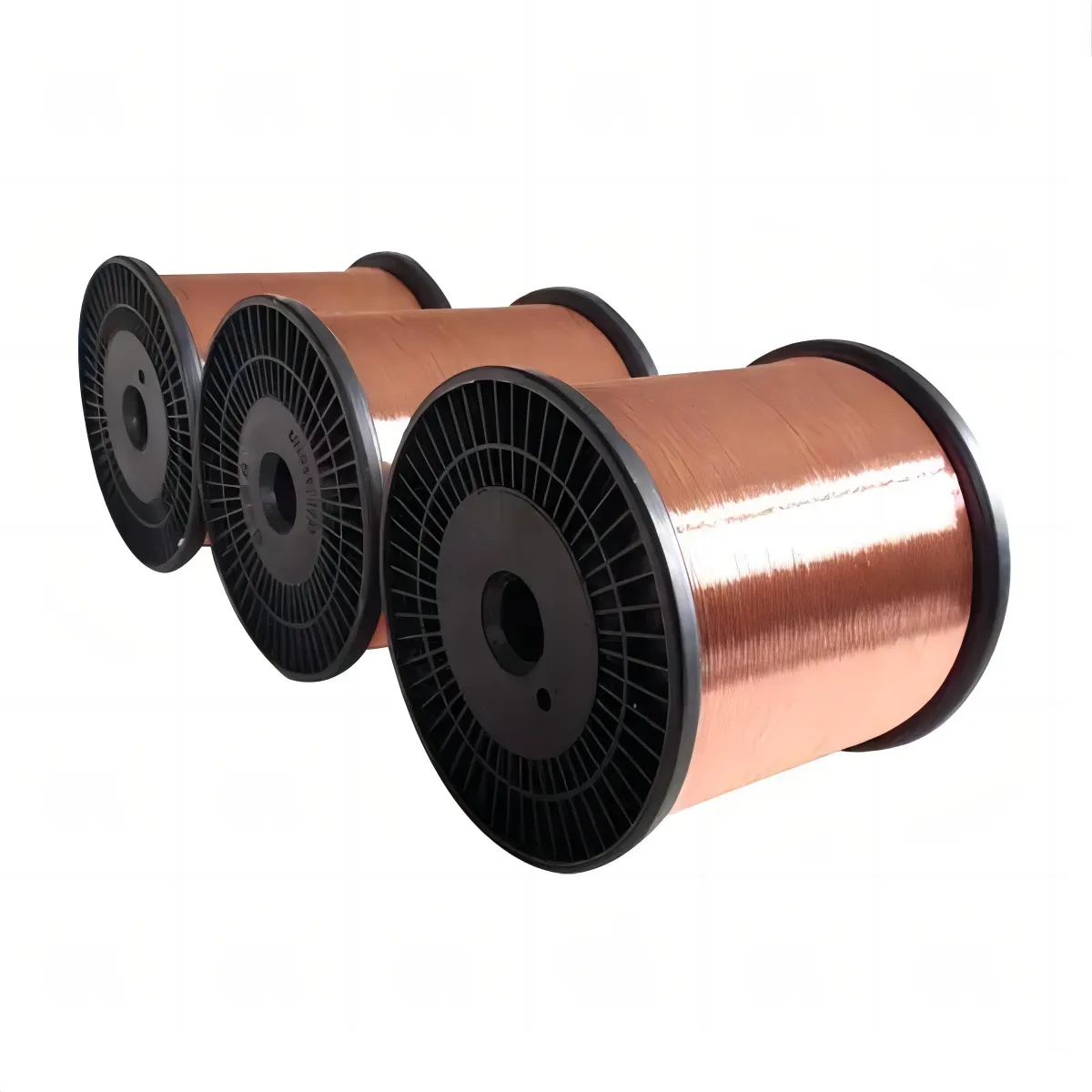
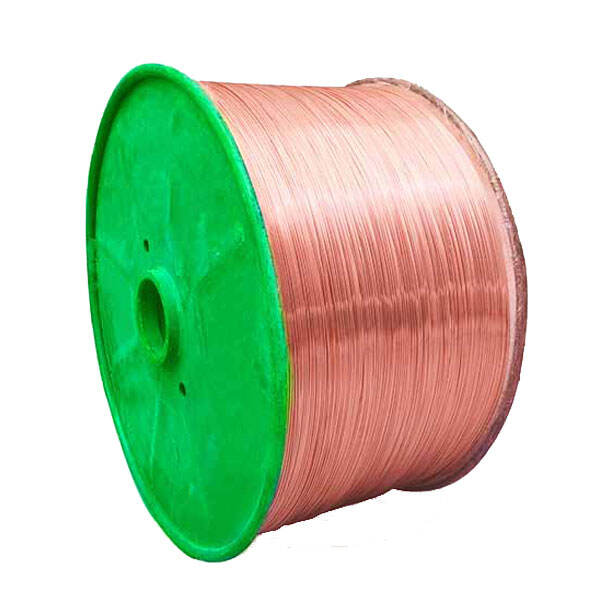
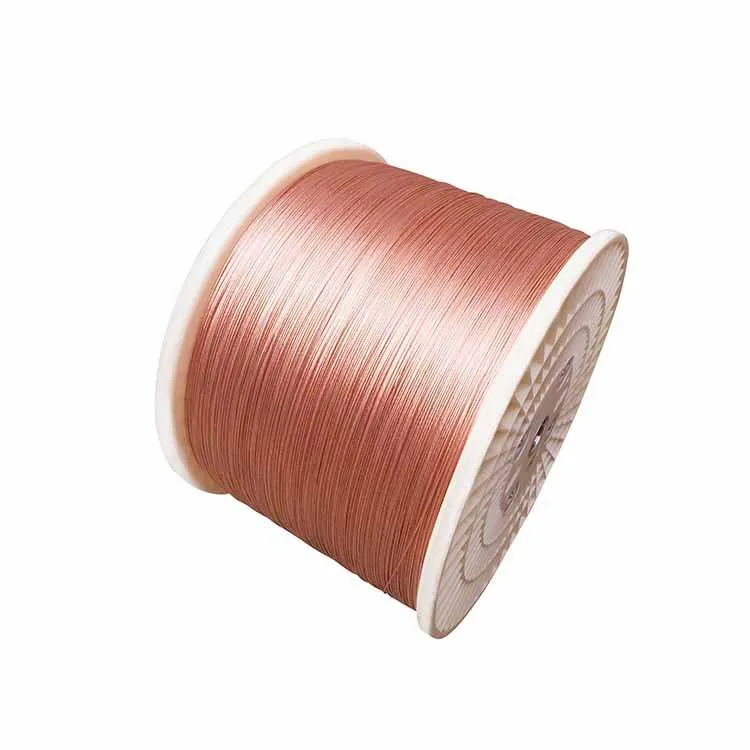
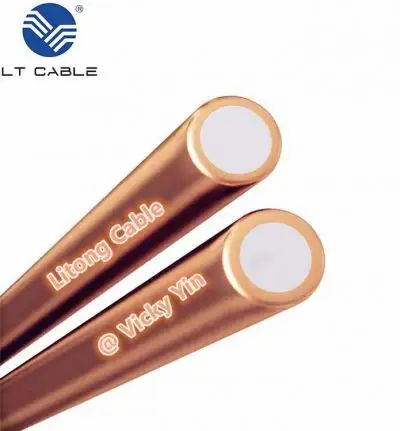
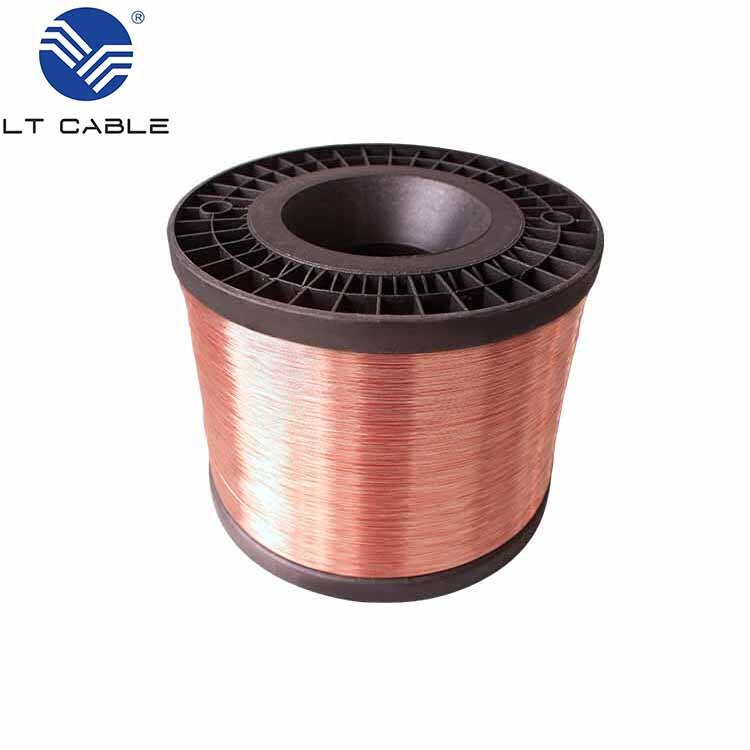
CCAM Bare Wire: Superior Conductivity & Corrosion Resistance

Get a Free Quote

Our representative will contact you soon.
Name
Email
Mobile
Country/Region
Choose the product you want
Message
0/1000
 The Unmatched Quality of Ccam Bare Wire

The Unmatched Quality of Ccam Bare Wire

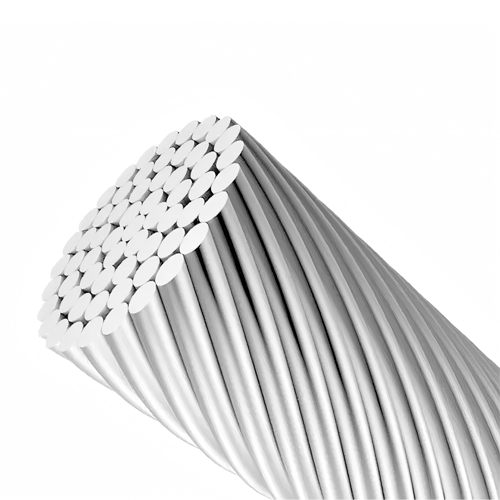
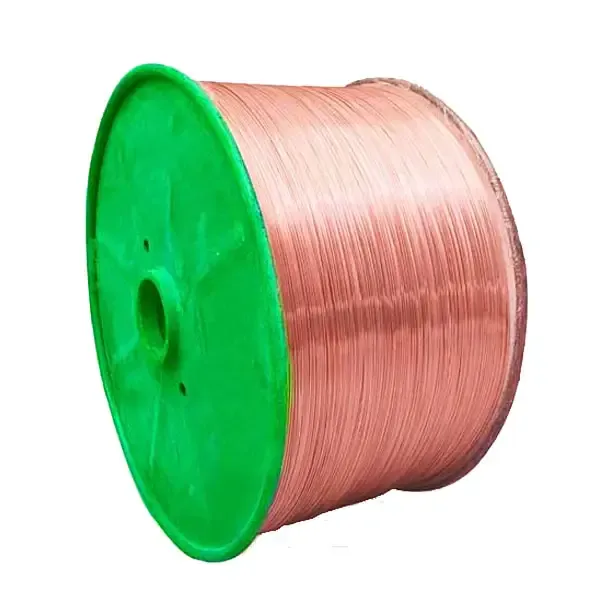
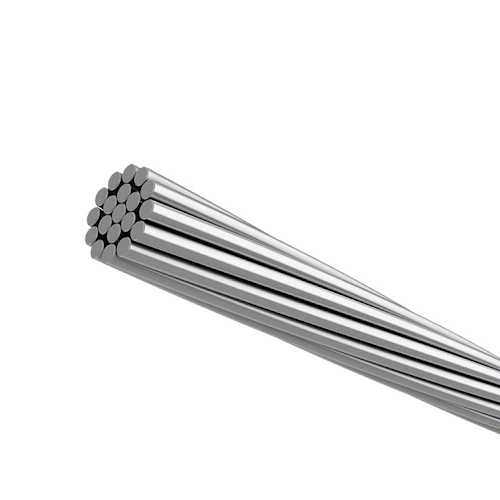
Ccam bare wire stands out in the market due to its exceptional conductivity, corrosion resistance, and versatility in various applications. Our manufacturing process ensures that each wire is produced with precision, utilizing state-of-the-art technology to maintain the highest standards. This results in a product that not only meets but exceeds industry expectations. The superior quality of our Ccam bare wire ensures long-lasting performance, making it an ideal choice for electrical applications where reliability is paramount. With our commitment to customer value creation, we offer tailored solutions to meet specific client requirements, reinforcing our reputation as a trusted supplier in the global market.
Get A Quote

Successful Applications of Ccam Bare Wire in Diverse Industries

Enhancing Electrical Performance in Telecommunications

In the telecommunications sector, a leading provider faced challenges with signal loss and connectivity issues. By switching to our Ccam bare wire, they experienced a significant improvement in signal integrity and reduced maintenance costs. The high conductivity and durability of our wire ensured that their systems operated efficiently, leading to increased customer satisfaction and reduced downtime.

Reliable Solutions for Renewable Energy Projects

A renewable energy company sought a reliable wiring solution for their solar panel installations. Our Ccam bare wire was chosen for its excellent thermal conductivity and resistance to environmental factors. The wire’s performance exceeded expectations, contributing to improved energy efficiency and system longevity, ultimately supporting the company’s commitment to sustainable energy solutions.

Optimizing Manufacturing Processes in Automotive Industry

An automotive manufacturer required high-quality wiring for their assembly lines. They implemented our Ccam bare wire, which offered superior strength and flexibility. This choice enhanced their production efficiency and reduced the risk of wire breakage, allowing for streamlined operations and cost savings. Our product’s reliability played a crucial role in maintaining their production timelines and quality standards.

Related products

Ccam bare wire is useful in a number of services due to its quality electrical conductivity and its ability to withstand a lot of stress. Here at Litong Cable, we focus on producing Ccam bare wire and go fir st t o last in the m anuf acturing process. Our fully automated production lines are designed to ensure quality at every step of the process. Our commitment on the quality of our products allows us to go beyond industry expectations and guarantees that our Ccam bare wire is unlike any other. Our wires range in specifications and we are able to provide different diameters and strengths, ensuring that our customers get exactly what they need. We have made outstanding wire products that improve the versatility and the reliability of electrical systems employed in every day devices.

Frequently Asked Questions about Ccam Bare Wire

What is Ccam bare wire, and what are its main uses?

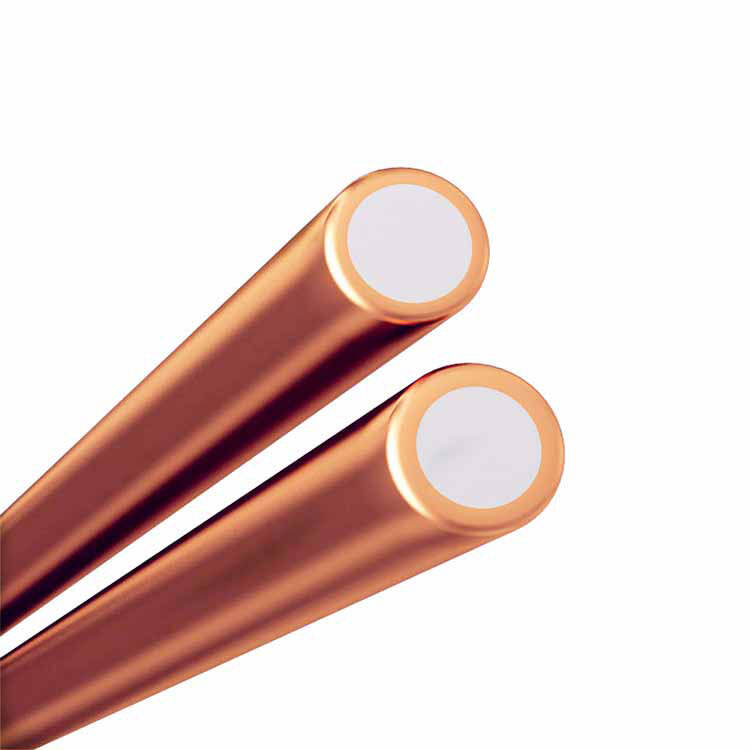
Ccam bare wire is a type of electrical wire made from copper-clad aluminum, known for its excellent conductivity and lightweight properties. It is commonly used in telecommunications, automotive, and renewable energy applications due to its reliability and performance under various conditions.
Ccam bare wire offers several advantages over traditional copper wire, including lower weight, cost-effectiveness, and sufficient conductivity for many applications. While copper wire is known for its superior conductivity, Ccam provides a balanced option for projects where weight and cost are critical factors.

Related article

Copper Clad Steel (CCS) Wire: Strength Meets Conductivity

28

Nov

Copper Clad Steel (CCS) Wire: Strength Meets Conductivity

Copper Clad Steel Wire: A Comprehensive Overview

Electrical engineers are always on the lookout for materials that provide them with both high conductivity and decent mechanical strength. Copper Clad Steel or CCS Wire is one such composite, which is a conductor comprised of a steel core that is sheathed in copper. This translates to a wire that offers ample strength and durability thanks to the steel, with complete conductivity from copper. 

Features of CCS Wire

The way in which CCS wire is constructed has its own set of advantages when compared to standard conductors. A prime advantage is its steel core which provides enhanced tensile strength thus making it suitable for even demanding mechanical requirements while the outer layer formed from copper allows for current to flow quite effectively, hence reducing losses, and resistance. Because of this reason CCS wire can prove to be useful for overhead power lines, grounding systems, etc.

Uses of CCS Wire

No doubt that CCS wire is used in many sectors. For example, in telecommunications, it is deployed in underground cables and overhead lines since it has excellent resistance to corrosive and other environmental agents. Similarly, in the power industry, the CCS wire is appreciated because, despite putting the wire outdoors, the primary properties of electricity are not compromised. For the reason of improved safety for grounding systems by redirecting potential dangerous fault current, its application is also optimal.

How is CCS Wire Made?

CCS wire can be manufactured wire by wire in a way that guarantees the integrity of the steel core and the copper clad. The steel core having a particular diameter is first fabricated, and onto this electroplating or bonding technique coats the core with copper. This method is able to produce a strong and uniform bond between the two metals necessary for the completion of the product in the most elements of the manufacturing process.

LT CABLE’s Quality Assurance 

At LT CABLE, we proudly stand behind our motto which assures our customers of high quality CCS wire products. Our product series promises to the users that the product shall work as expected and withstand the test of time all while being manufactured as per stringent requirements of the users. Reliability in electric systems is at our core, hence we have put in place modern technologies to manufacture and comprehensive quality assessment mechanisms within our company. 

LT CABLE's Product Series Explanation 

The performance of our CCS wire product series is designed for a number of use cases and to operate in even the harshest of environments. For power transmission, telecommunications or even grounding applications, our CCS wires' specification is crafted to cater for the underlying needs of any project at hand. LT CABLE gives you the assurance that you are getting a product that combines steel's structural properties and copper's electrical conductivity with the certainty of desired results.

Every section of our products focused on wires manufactured from CCS structures maintain the level of quality and performance standards that are the highest. The development of the PVC insulated wire proceeds with a strong orientation on the customer satisfaction. For your next electrical cable project, use LT CABLE and witness the great things that our CCS wire will do for your power grid.”

d2aedb894125869d1998be495750e2d6a1f03c74900bce91bf7e9fe1cbe0f8a3.webp

View More
The Advantages of Using CCS Wire in Industrial Applications

26

Dec

The Advantages of Using CCS Wire in Industrial Applications

CCS Wire for Better Durability and Performance

For industrial usage, the type of wire used to connect the electrical systems is essential as it determines how well these systems operate and how long they last. The CCS Wire, also known as copper clad steel wire, incorporates the best features of copper and steel which makes it suited for high electrical and mechanical applications. 

CCS Wire in Economic Solutions

In terms of economics, CCS Wire is a great substitute to solid copper wires. With a steel core clad with copper , we make the cost lower while keeping the conductivity strong. This is useful in many industrial companies where the extensive use of copper wires would only lead to more costs on resources. 

CCS Wire in Bespoke Industrial Wiring Applications

For LT CABLE, necessity of different industrial applications drives the innovation. This is the key reason why we provide bespoke advice and accurate solutions for our clients. With respect to CCS Wire, these are capable of addressing the varied issues that are inherent to different industries in the best way as regards strength, conductivity, and cost per unit.

LT CABLE’s Versatile Set of CCS Wires

In a bid to maintain our position as one of the key players in the industry, LT CABLE cable offers a vast choice of CCS Wire products. With regarding to international certificates, the quality of the services offered and wired products sold are ensured and satisfactory, protecting the invested funds of the customers. From the wide range of standard variants to the advanced custom solutions, our CCS Wire series is designed to meet the needs of various industrial applications.

3.jpg

View More
China Aluminum Alloy Wire Suppliers for Large-Scale Projects

26

Jan

China Aluminum Alloy Wire Suppliers for Large-Scale Projects

Understanding Aluminum Alloy Wire

Aluminum alloy wire comes in many forms and finds its way into all sorts of applications because of how well it performs under different conditions. Manufacturers assign specific numbers to these alloys, with the 1350 and 6000 series being among the most common ones on the market today. The 1350 series works great for things like power lines since it conducts electricity so efficiently. Meanwhile, engineers often turn to the 6000 series when they need something strong enough for structural components but still lightweight enough for everyday use. We see these materials showing up everywhere from airplane parts to car frames and even reinforcing bars in buildings across the country.

Aluminum alloy wire has become increasingly popular compared to old standby materials such as copper because of several key features. The main selling point? Aluminum conducts electricity pretty well for how light it actually is. We're talking about roughly half the weight of copper for similar performance levels. That makes a big difference when shipping large volumes across long distances and definitely helps electricians work faster during installations. These wires stand up to stress too, with good tensile strength that holds up over time. Plus they resist rust and corrosion better than many alternatives, so they last longer in places like coastal regions or industrial settings where moisture is always present. Real world tests show aluminum performs surprisingly close to copper in terms of conductivity while offering much greater flexibility for complex wiring layouts. From power grids to telecommunications infrastructure, aluminum alloys are now finding their way into all sorts of new projects where weight savings matter most.

Applications of Aluminum Alloy Wire

More and more electricians and engineers are turning to aluminum alloy wire for their projects, especially when working on power grids and distribution networks. The main reason? These wires weigh less than copper while still conducting electricity pretty well, which means big savings on energy bills and less strain on supporting structures. Take a look at what's happening across the country right now many power companies have started installing aluminum alloy cables for new transmission lines, particularly where voltages aren't too high. Makes sense really, since this material offers real advantages both from a practical standpoint and economically speaking in large scale electrical infrastructure.

Aluminum alloy wire has become really important in construction work these days. What makes this material stand out is how strong it is compared to other options, plus it doesn't corrode easily when exposed to weather conditions. Many builders find it works great for structural reinforcement and setting up electrical systems that last longer. Codes in different areas have started pushing for more aluminum usage because of these benefits. Contractors now tend to go with aluminum wiring on most jobs since it helps them comply with safety regulations without breaking the bank on materials costs. Some companies report savings of around 15% just by switching from copper to aluminum in certain parts of their builds.

The automotive and aerospace sectors have started adopting aluminum alloy wire because it helps cut down on weight while improving fuel economy. Big names such as Ford and Boeing now use aluminum not just for wiring but also in various body components to boost their products' performance and green credentials. Take cars for instance aluminum makes vehicles lighter overall which means they burn less gas something consumers care about these days given all the talk around climate change. We're seeing this move toward aluminum alloys show how flexible the material really is when applied across different tough industries where performance matters most.

Major Aluminum Alloy Wire Suppliers in China

The aluminum alloy wire market sees some big names coming out of China these days, with companies like South Wire and Jiangsu Zhongtian Technology standing out among global competitors. Both firms have built strong positions in this space through their wide selection of aluminum alloy products tailored for different industrial applications. South Wire stands apart because they offer everything from solid to stranded wires that work well in both electrical systems and building projects. Over at Jiangsu Zhongtian Technology, they've really focused on making enameled wires that play a vital role in all sorts of electrical setups and equipment parts. Their specialization here gives them an edge in certain markets where those particular types of wires are needed most.

Looking at different wire suppliers involves considering multiple aspects beyond just the bottom line. Price differences exist across various wire types in the market. Stranded wires generally cost more than enameled ones because they take longer to manufacture and serve different purposes altogether. How much a supplier charges often depends on how efficiently they run their operations and whether they can handle big orders without breaking a sweat. Take South Wire for example versus Jiangsu Zhongtian Technology. Both companies stand out when buyers want options other than standard offerings. South Wire might focus more on specialized industrial applications while Jiangsu offers everything from basic solid conductors right through to those fancy coated varieties needed for electronics work. Their reach extends well beyond domestic borders too, which matters a lot for businesses needing consistent supply chains regardless of where they operate.

Benefits of Sourcing from Chinese Suppliers

Getting aluminum alloy wire from Chinese suppliers tends to save money because labor there is generally cheaper and they produce on a massive scale. The manufacturing base in China has grown quite a bit over recent years, with lots of workers available and some pretty decent tech setups across different provinces. Industry reports suggest prices from China are usually around 15 to maybe even 20 percent lower compared to what we see elsewhere globally. This price gap comes mainly from their ability to manufacture in bulk and streamline operations through various efficiency measures implemented across factories nationwide.

Most Chinese manufacturers stick to strict quality control protocols, often following international standards like ISO 9001 throughout their production processes. These certifications basically mean that factories are producing goods that meet certain minimum requirements when it comes to quality and safety across the globe. Beyond just getting certified, many actual factory floors have extra layers of testing built into daily operations. Some even run random sample tests on batches before shipping them out. For anyone looking to buy aluminum alloy wire from China, this means there's generally good reason to trust what they're getting. The products tend to hold up well under normal conditions while still keeping costs competitive compared to other regions.

Challenges in Sourcing Aluminum Alloy Wire

Bringing in aluminum alloy wire comes with its share of regulatory hurdles, mainly around tariffs and import rules. These issues really affect how much companies pay for their materials and whether they can get them when needed. Take tariffs for example - what one country charges versus another can bump up costs by as much as 15%, which makes it tough to stay competitive in pricing. And then there's the whole mess of different import requirements across borders. Sometimes shipments get held up at customs because paperwork isn't right, or because inspectors have questions. This creates all sorts of problems for supply chain managers trying to keep production lines running smoothly without unexpected delays throwing off their carefully planned inventories.

One big headache for businesses comes down to how reliable their suppliers actually are. Keeping things running smoothly gets complicated when some vendors just cant consistently hit quality marks or stick to shipping deadlines. Weve all seen it happen too many times really. Sometimes there are problems finding enough raw materials, other times factories run behind schedule for no good reason. A guy who works in procurement told me about his company last year dealing with one vendor who kept sending substandard aluminum wire batches. The whole operation basically ground to a halt while they sorted out alternatives. That kind of mess costs money and time nobody wants to spend. Which is why smart companies dont just pick any supplier they find online these days. They take extra steps upfront to check credentials and keep tabs on performance throughout the relationship.

Future Trends in Aluminum Alloy Wire Supply

New developments in making aluminum alloy wires are changing how the industry operates today. Manufacturers have been tweaking the chemical makeup of these alloys lately, which is actually making their wires work better overall. Conductivity has gone up while the wires last longer before breaking down. Take aluminum-magnesium-silicon blends for example. Companies working on these materials report they can produce wires that last much longer under stress tests compared to traditional options. We've seen several patent filings recently along with university studies backing up these claims. The real world impact? Industries like automotive manufacturing and power transmission need these improvements badly. With energy costs rising and equipment failures getting expensive, companies simply cannot afford to stick with old technologies anymore.

Aluminum alloy wire markets are looking at some serious growth over the coming years, mainly because industries such as solar power installations and EV manufacturing need more of them. Experts in the field see a big jump in how much companies will be using these special wires since they're light weight yet still conduct electricity really well, which makes them perfect for building all sorts of new tech gadgets and systems. Market numbers suggest we can expect annual growth rates above 10% for quite some time, showing just how important these materials have become not only for infrastructure projects but also for keeping up with our ever-evolving technology landscape.

View More
How does copper - clad wire achieve such outstanding conductivity?

22

Feb

How does copper - clad wire achieve such outstanding conductivity?

Understanding Copper-Clad Wire

Copper clad wire represents a special type of composite made from either aluminum or steel at its center, wrapped with a thin copper layer. The manufacturing technique for this setup goes by the name cladding welding. During production, quality copper tape gets applied around the central metal, forming what's called a solid metallurgical bond between layers. What happens next is pretty interesting actually the copper and base metal start acting like they're one material instead of separate ones. This combination gives the wire better properties overall, making it work well across different industrial applications where strength meets conductivity requirements.

Copper-clad wire combines different materials to give it some pretty special characteristics that regular copper or aluminum wires just don't have. Copper on the outside means great conductivity, something that matters a lot when we need good electrical performance from our systems. Inside, there's usually aluminum or sometimes steel, which cuts down both the weight and what it costs to produce these wires. For manufacturers looking at their bottom line but still wanting decent conductive properties, this mix hits the sweet spot. Industries like telecommunications and power transmission find copper-clad options particularly appealing because they get most of the benefits of pure copper at a fraction of the price, even if they aren't quite as perfect as solid copper conductors.

Copper clad wires work better because of their layered construction. Copper sits on the outside where it does what it does best conducting electricity really well. Inside there's something lighter, which makes the whole thing cheaper to produce and much easier to work with during installation. This setup works great when we need lots of wire running through buildings or across landscapes without dragging around heavy cables that break the bank. Think about telephone lines stretching between poles or data cables snaking through office walls. The mix of copper and other materials creates a practical solution that balances performance against budget constraints, something manufacturers have been optimizing for decades in the ever-evolving world of electrical connections.

Benefits of Copper-Clad Aluminum Wire

Copper clad aluminum wire actually stands up better than regular copper wire when it comes to strength and lasting power, which makes it work great for all sorts of different jobs around the industry. Tests have shown these wires can handle much more tension before breaking compared to standard copper options. The real advantage becomes clear in places where there's constant wear and tear on materials. These wires bend without snapping and still keep their shape even after being stretched quite a bit, something plain copper just cant match in most situations.

When looking at the bottom line, copper clad aluminum wire comes out ahead as a smart money move. These wires cost way less than solid copper options, which cuts down on material expenses big time. That makes them especially appealing for companies working with tight budgets or trying to keep overhead low. What's really nice about this cost advantage is that manufacturers can redirect those saved dollars toward other parts of their operations. Some might invest in better quality control equipment while others could upgrade their facilities. Either way, the financial flexibility opens up new possibilities without sacrificing product quality.

One major plus point for copper-clad aluminum wire is its better resistance to corrosion, something that really extends how long these wires last before needing replacement. The reason behind this protection lies in copper itself, known for standing up well against rust and other forms of degradation. That makes copper-clad options especially good for places outside or areas with high humidity levels where regular wires might start breaking down faster. Electrical systems using this type of wiring tend to stay dependable for much longer than standard alternatives. Less frequent repairs mean lower costs down the road, and overall installations just last better without constant attention from technicians.

In summary, copper-clad aluminum wire is beneficial for its enhanced strength and durability, cost-effectiveness, and superior corrosion resistance. These properties make it an excellent choice for various applications, particularly where budgetary constraints and environmental factors play a significant role.

Applications of Copper-Clad Wire

Copper clad wire plays a big role in telecom networks these days. The copper layer actually boosts how well electricity flows through the wire, something that keeps signals strong during transmission. Because of this property, many companies go with copper clad when making coax cables for things like high speed internet connections and TV service delivery systems. Another benefit worth mentioning is that these wires help cut down on signal interference problems, so people get better reception quality overall without those annoying dropouts or fuzzy pictures.

Copper clad wire works great for electrical wiring in homes and businesses alike. It weighs less than regular copper cable and costs quite a bit less too, which means better energy efficiency overall. Electricians love working with it when they need to run wires through tight spaces or around complicated building layouts since it bends so easily. The lighter weight really helps during installations, especially up high where carrying heavy materials gets old fast. Contractors often choose copper clad wire for these reasons when budget is a concern but performance still needs to be good enough for most applications.

Copper clad wire plays a really important role when building antennas these days, especially since modern tech demands lighter materials without sacrificing signal quality. Take copper clad aluminum as an example. It weighs much less than solid copper but still conducts electricity pretty well. That's why many companies install aerial antennas using this material. The towers don't have to support as much weight, which saves money on structural requirements. Plus, signals travel through these wires just fine. For folks working on communication systems or setting up broadcast equipment, copper clad options offer both weight savings and good performance characteristics that make them stand out from other materials available in the market today.

Technical Comparisons

Knowing the difference between regular copper wire and copper-clad options matters a lot for anyone buying materials or working on electrical projects. Copper itself has amazing conductivity because it doesn't resist electricity much, usually measuring around 1.678 ohms per meter when things are at normal room temps. On the other hand, those copper-clad aluminum wires (we call them CCA) actually have a bit more resistance since they're made with an aluminum center wrapped in a thin copper coating. What makes these interesting though is that despite this small tradeoff in conductivity, they cost less money and weigh significantly less than pure copper alternatives. For many applications where budget constraints exist but performance still needs to be decent, CCA provides a good middle ground between getting the job done right and keeping expenses under control.

When deciding between stranded and solid wire setups, application requirements usually dictate which type works best. Stranded wire consists of many small strands twisted together, making it great for situations where movement happens regularly. Because of this flexibility, stranded wires don't break as easily during repeated bending motions, though they do have marginally higher resistance per foot than their solid counterparts. Solid wire has just one thick conductor inside, offering stronger construction with less resistance. These characteristics make solid wire better suited for fixed installations where long term stability matters most. Understanding these differences helps electricians pick the right kind of wire depending on what the job actually demands.

Market Trends in Wire Solutions

The wire production field is undergoing major changes right now, especially when it comes to making copper-clad wires. New tech developments have improved how these wires perform without breaking the bank on manufacturing expenses. Take the latest cladding methods for example they deliver better electrical properties but require far less actual copper than traditional approaches, which cuts down on material costs quite a bit. The shift toward these methods matters a lot because manufacturers across various sectors are constantly looking for ways to save money without compromising quality. Many companies in electronics and construction are already adopting these newer techniques as part of their broader efforts to cut costs and reduce environmental impact over time.

The future looks bright for copper-clad materials as demand seems set to rise because they offer both good value and solid performance. Recent market studies show companies are moving toward greener approaches that save money while still getting the job done right. This makes sense when we look at what industries around the world need these days. Manufacturers aren't standing still either. They keep finding new ways to work with copper clad products, which means we can expect continued expansion in this area. New rules from regulators plus growing concern about protecting our environment are giving an extra push to adoption rates across many sectors.

View More

Client Testimonials on Ccam Bare Wire

John Smith
Exceptional Performance and Reliability

We switched to Litong Cable's Ccam bare wire for our telecommunications projects, and the difference has been remarkable. The quality and performance have exceeded our expectations, leading to improved connectivity and reduced maintenance costs.

Sarah Johnson
A Game Changer for Our Manufacturing Process

We switched to Litong Cable's Ccam bare wire for our telecommunications projects, and the difference has been remarkable. The quality and performance have exceeded our expectations, leading to improved connectivity and reduced maintenance costs.

Get a Free Quote

Our representative will contact you soon.
Email
Name
Company Name
Message
0/1000
Superior Conductivity and Strength

Superior Conductivity and Strength

Our Ccam bare wire is engineered for exceptional electrical conductivity, making it an ideal choice for applications requiring efficient energy transfer. Its mechanical strength ensures durability in demanding environments, reducing the risk of wire breakage and enhancing overall system reliability. This combination of features allows our clients to achieve optimal performance in their electrical systems, ultimately leading to increased operational efficiency.
Customized Solutions for Diverse Applications

Customized Solutions for Diverse Applications

At Litong Cable, we understand that each client has unique requirements. Our Ccam bare wire can be tailored to meet specific project needs, including variations in diameter, tensile strength, and coating options. This customization capability enables our clients to address technical challenges effectively, ensuring that they receive a product that fits perfectly within their operational framework.
  • Product Consultation & Selection

    Product Consultation & Selection

    Tailored advice, perfect fit solutions.

  • Production & Supply Chain

    Production & Supply Chain

    Efficient manufacturing, seamless supply.

  • Quality Assurance & Certification

    Quality Assurance & Certification

    Rigorous testing, global certifications.

  • Post-Sales Support & Tech Help

    Post-Sales Support & Tech Help

    Prompt assistance, ongoing support.

Get a Free Quote

Our representative will contact you soon.
Name
Email
Mobile
Country/Region
Title
Message
0/1000