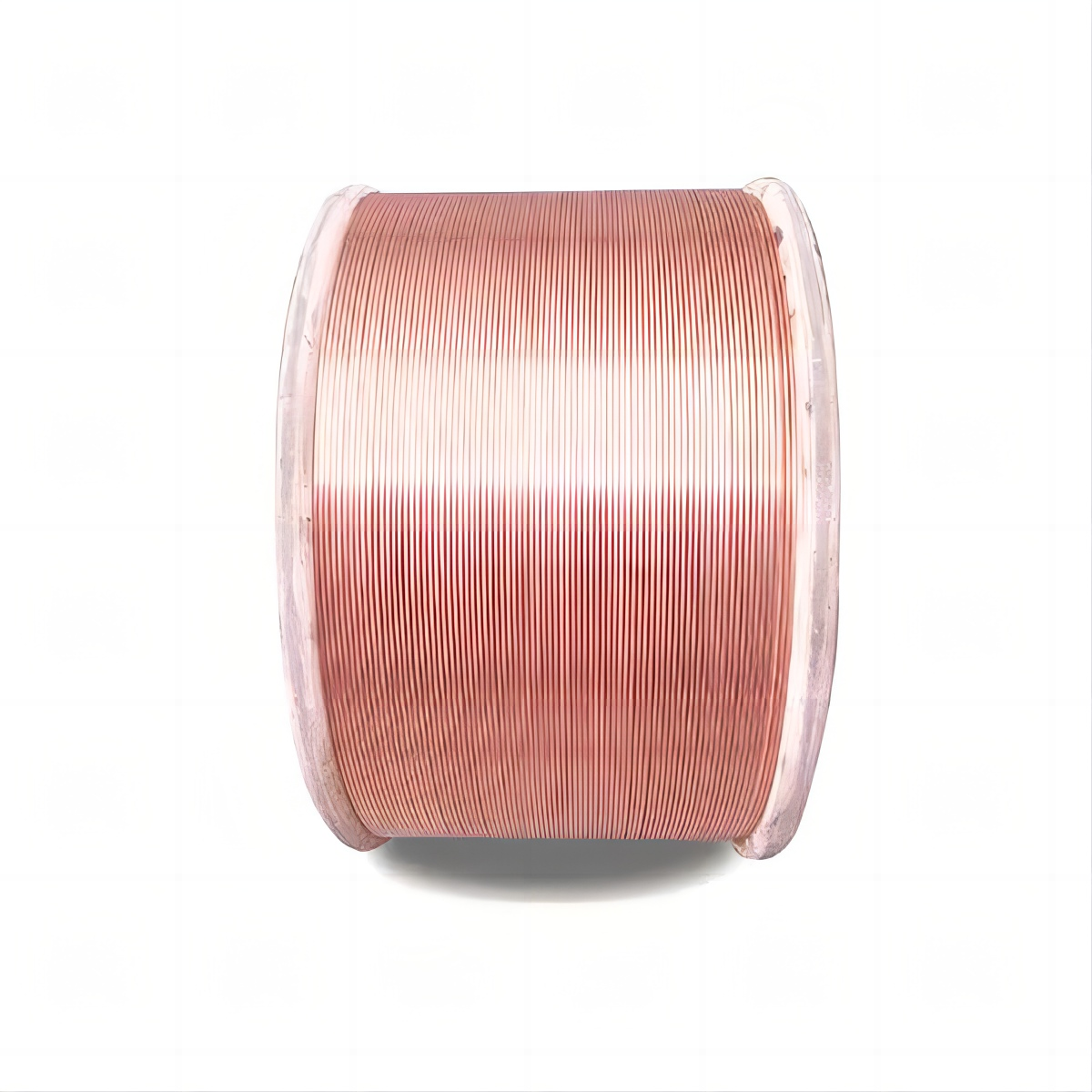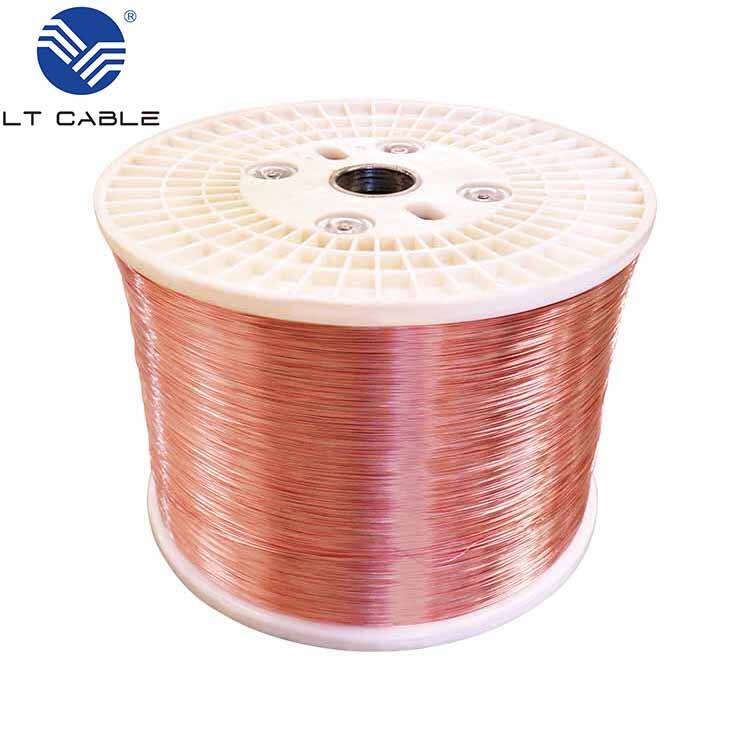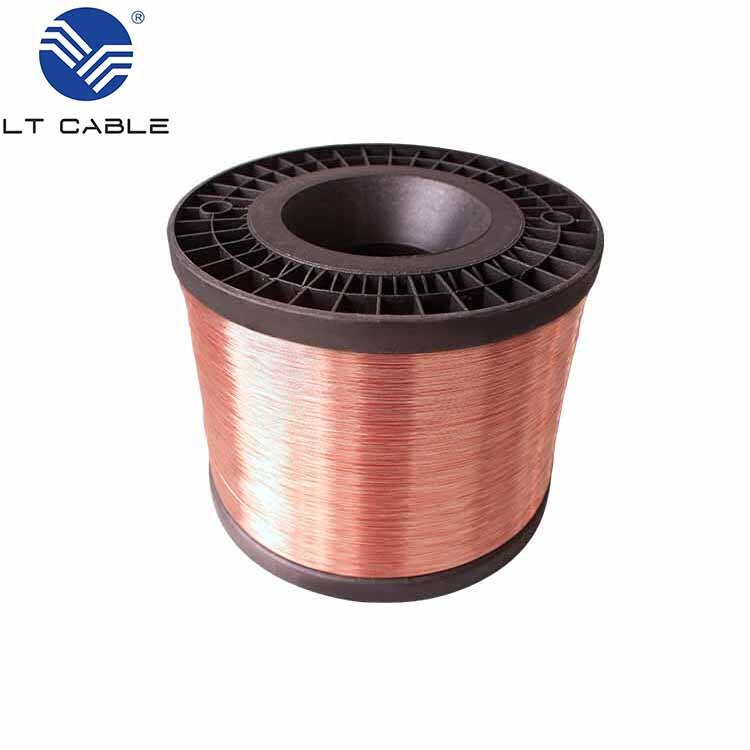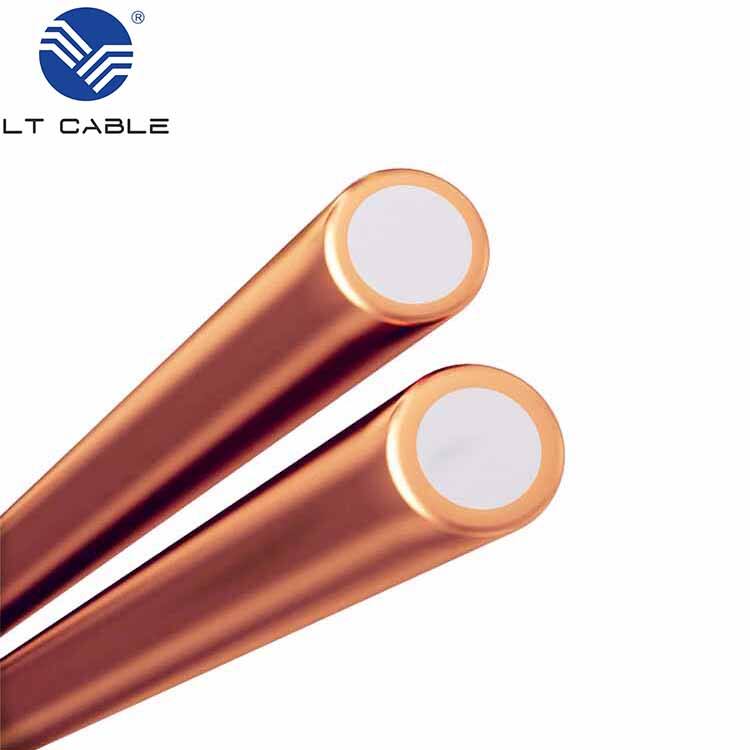
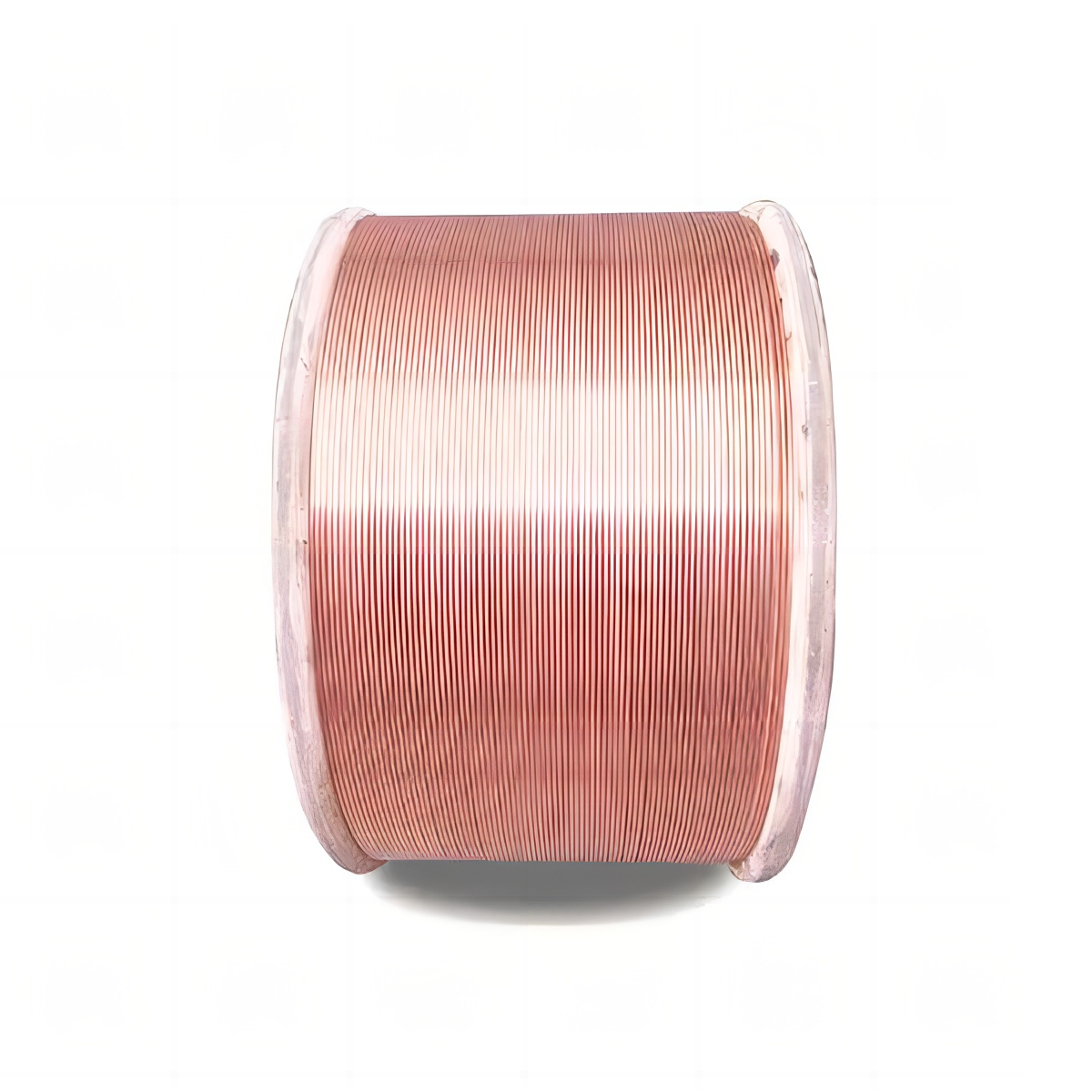
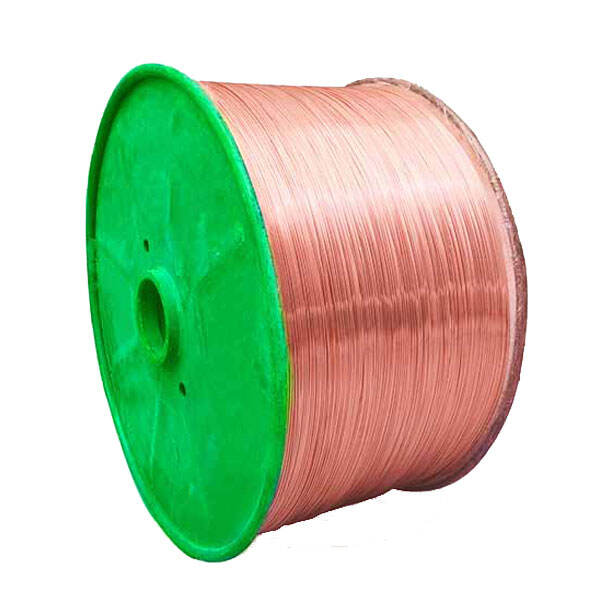
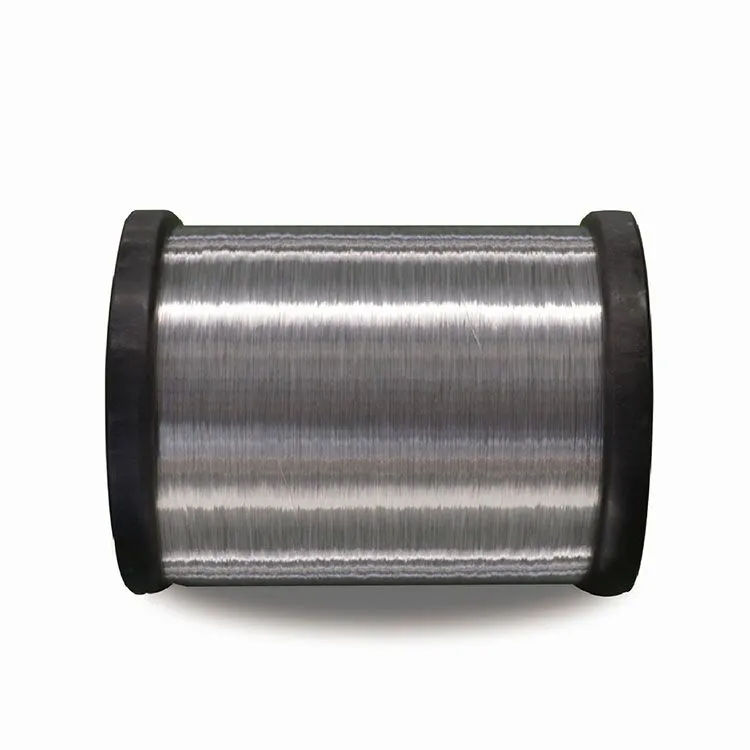
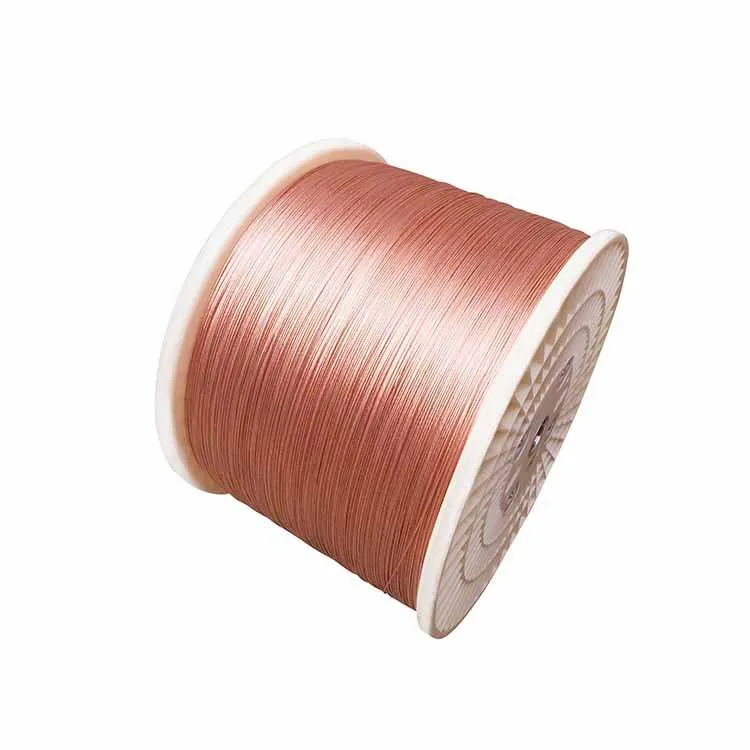
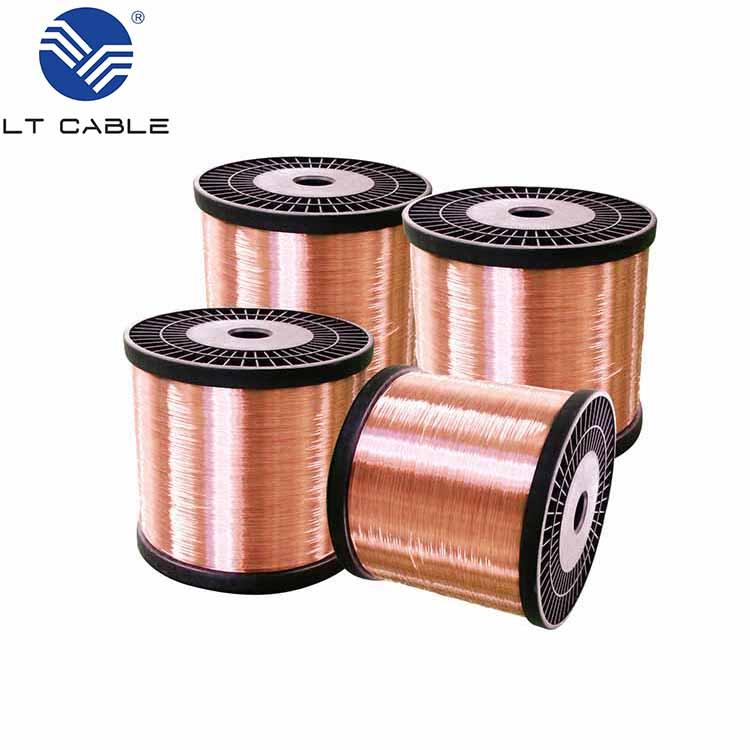
CCAM Cable Material: High-Frequency Performance & Custom Solutions

Get a Free Quote

Our representative will contact you soon.
Name
Email
Mobile
Country/Region
Choose the product you want
Message
0/1000
The Superior Choice for Ccam Cable Material

The Superior Choice for Ccam Cable Material

At Litong Cable, we understand that the quality of ccam cable material is paramount for ensuring optimal performance in various applications. Our ccam cable materials are crafted using advanced manufacturing techniques and high-grade raw materials, ensuring durability and reliability. The fully automated production lines enable us to maintain stringent quality control throughout every stage of the manufacturing process, from wire drawing to annealing. This meticulous approach guarantees that our ccam cables exhibit excellent conductivity, corrosion resistance, and flexibility, making them ideal for a wide range of industrial applications. With our commitment to customer value creation, we offer customized solutions tailored to meet specific client requirements, ensuring that our ccam cable materials are not only high-quality but also perfectly suited to your needs.
Get A Quote

Successful Implementation of Ccam Cable Materials in Diverse Industries

Telecommunications Industry

In the telecommunications sector, a leading company faced challenges with signal interference in their network systems. By integrating our high-quality ccam cable materials, they significantly improved signal clarity and reduced downtime. The enhanced conductivity of our cables ensured that data transmission was swift and reliable, leading to increased customer satisfaction and a 20% reduction in service complaints.

Automotive Manufacturing

An automotive manufacturer sought to enhance the electrical systems in their vehicles. Utilizing our ccam cable materials, they achieved superior performance in wiring harnesses. Our cables' excellent flexibility and resistance to environmental factors boosted the overall durability of their vehicles, resulting in a 15% increase in production efficiency and a reduction in warranty claims.

Renewable Energy Projects

A renewable energy company required reliable electrical connections for their solar panel installations. By choosing our ccam cable materials, they ensured optimal energy transfer and longevity in harsh outdoor conditions. This decision led to a 30% increase in energy efficiency and a significant reduction in maintenance costs, showcasing the effectiveness of our products in sustainable energy solutions.

Related products

At Litong Cable, we are proud of our custom-made solutions for ccam cable materials. Our automated production lines run from the selection of raw materials to quality control. Automation reduces human error, increasing efficiency, and providing consistent quality materials for our customers. Whether you need ccam cable materials for telecommunications, automotive, renewable energy, or anything else, we provide custom materials to meet your requirements. Our commitment to excellence is why we are your most trusted partner.

Frequently Asked Questions about Ccam Cable Materials

What makes Litong's ccam cable material superior?

Litong's ccam cable materials are manufactured using high-quality raw materials and advanced production techniques. This guarantees excellent conductivity, durability, and resistance to environmental factors, making our cables suitable for various applications.
Yes, we offer a variety of customized ccam cable solutions tailored to meet the unique requirements of our clients. Our team works closely with customers to ensure optimal performance for their applications.

Related article

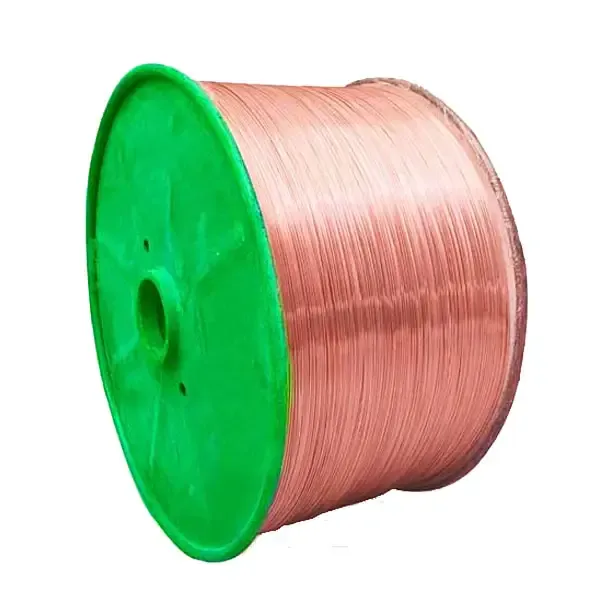
Copper-Clad Aluminum Wire: Why CCA Is Popular in Cable Industry

22

Jan

Copper-Clad Aluminum Wire: Why CCA Is Popular in Cable Industry

What Is Copper-Clad Aluminum Wire? Structure, Manufacturing, and Key Specifications

Metallurgical Design: Aluminum Core with Electroplated or Rolled Copper Cladding

Copper clad aluminum wire, or CCA for short, basically has an aluminum core wrapped in copper through processes like electroplating or cold rolling. What makes this combo so interesting is that it takes advantage of aluminum being way lighter than regular copper wires—about 60% less heavy actually—while still getting the good conductivity properties from copper plus better protection against oxidation. When making these wires, manufacturers start with high quality aluminum rods that get treated on the surface first before applying the copper coating, which helps everything stick together properly at a molecular level. How thick the copper layer is matters a lot too. Usually around 10 to maybe 15% of the total cross section area, this thin copper shell affects how well the wire conducts electricity, resists corrosion over time, and holds up mechanically when bent or stretched. The real benefit comes from preventing those pesky oxides from forming where connections meet, something pure aluminum struggles with badly. This means signals stay clean even during high speed data transfers without degradation issues.

Cladding Thickness Standards (e.g., 10%–15% by volume) and Impact on Ampacity and Flex Life

Industry standards—including ASTM B566—specify cladding volumes between 10% and 15% to optimize cost, performance, and reliability. Thinner cladding (10%) lowers material costs but limits high-frequency efficiency due to skin effect constraints; thicker cladding (15%) improves ampacity by 8–12% and flex life by up to 30%, as confirmed by IEC 60228 comparative testing.

Cladding Thickness Ampacity Retention Flex Life (Cycles) High-Frequency Efficiency
10% by volume 85–90% 5,000–7,000 92% IACS
15% by volume 92–95% 7,000–9,000 97% IACS

When copper layers get thicker, they actually help cut down on galvanic corrosion problems at connection points, which is really important stuff if we're talking about installations in damp areas or near the coast where salt air hangs around. But there's a catch here. Once we go past that 15% mark, the whole point of using CCA starts to fade away because it loses its edge in terms of being lighter and cheaper compared to regular old solid copper. The right choice depends entirely on what exactly needs to be done. For things that stay put like buildings or permanent installations, going with around 10% copper coating works just fine most of the time. On the flip side, when dealing with moving parts such as robots or machinery that gets shifted around regularly, folks tend to bump up to 15% cladding since it stands up better to repeated stress and wear over long periods.

Why Copper-Clad Aluminum Wire Delivers Optimal Value: Cost, Weight, and Conductivity Trade-Offs

30–40% Lower Material Cost vs. Pure Copper—Validated by 2023 ICPC Benchmark Data

According to the latest ICPC Benchmark numbers from 2023, CCA cuts down on conductor material expenses by around 30 to 40 percent when compared to regular solid copper wiring. Why? Well, aluminum just costs less at the market level, and manufacturers have really tight control over how much copper gets used in the cladding process. We're talking about only 10 to 15% copper content in these conductors overall. These cost savings make a big difference for expanding infrastructure projects while still keeping those safety standards intact. The impact is especially noticeable in high volume scenarios such as running the main cables through massive data centers or setting up extensive telecom network distributions across cities.

40% Weight Reduction Enables Efficient Aerial Deployment and Reduces Structural Load in Long-Run Installations

CCA weighs about 40 percent less than copper wire of the same gauge, which makes installation much easier overall. When used for aerial applications, this lighter weight means less strain on utility poles and transmission towers something that adds up to thousands of kilograms saved across long distances. Real world testing has shown workers can save around 25% of their time because they're able to work with longer sections of cable using regular equipment instead of specialized tools. The fact that these cables are lighter during transport helps cut down on shipping expenses too. This opens up possibilities where weight matters a lot, like when installing cables on suspension bridges, inside old buildings that need preservation, or even in temporary structures for events and exhibitions.

92–97% IACS Conductivity: Leveraging Skin Effect for High-Frequency Performance in Data Cables

CCA cables hit around 92 to 97 percent IACS conductivity because they take advantage of something called the skin effect. Basically, when frequencies go above 1 MHz, electricity tends to stick to the outer layers of conductors rather than flowing through the whole thing. We see this in action across several applications like CAT6A Ethernet at 550 MHz speeds, 5G network backhauls, and connections between data centers. The copper coating carries most of the signal while the aluminum inside just gives structural strength. Tests have shown that these cables maintain less than 0.2 dB difference in signal loss over distances up to 100 meters, which is basically the same performance as regular solid copper wires. For companies dealing with massive data transfers where budget constraints matter or installation weight becomes an issue, CCA offers a smart compromise without sacrificing much on quality.

Copper-Clad Aluminum Wire in High-Growth Cable Applications

CAT6/6A Ethernet and FTTH Drop Cables: Where CCA Dominates Due to Bandwidth Efficiency and Bend Radius

CCA has become the go to conductor material for most CAT6/6A Ethernet cables and FTTH drop applications these days. Weighing in at about 40% less than alternatives, it really helps when running cables both outdoors on poles and indoors where space matters. The conductivity levels sit between 92% and 97% IACS which means these cables can handle all the way up to 550 MHz bandwidth without issues. What's particularly useful is how flexible CCA naturally is. Installers can bend these cables pretty tightly, down to four times their actual diameter, without worrying about losing signal quality. This comes in handy when working around tight corners in existing buildings or squeezing through narrow wall spaces. And let's not forget the money aspect either. According to ICPC data from 2023, there are roughly 35% savings on materials costs alone. All these factors together explain why so many professionals are turning to CCA as their standard solution for dense network installations that need to last into the future.

Professional Audio and RF Coaxial Cables: Optimizing Skin Effect Without Premium Copper Costs

In professional audio and RF coaxial cables, CCA delivers broadcast-grade performance by aligning conductor design with electromagnetic physics. With 10–15% copper cladding by volume, it provides surface conductivity identical to solid copper above 1 MHz—ensuring fidelity in microphones, studio monitors, cellular repeaters, and satellite feeds. Critical RF parameters remain uncompromised:

Performance Metric CCA Performance Cost Advantage
Signal Attenuation ∼0.5 dB/m @ 2 GHz 30–40% lower
Velocity of Propagation 85%+ Equivalent to solid copper
Flex Cycle Endurance 5,000+ cycles 25% lighter than copper

By placing copper precisely where electrons travel, CCA eliminates the need for premium-priced solid copper conductors—without sacrificing performance in live sound, wireless infrastructure, or high-reliability RF systems.

Critical Considerations: Limitations and Best Practices for Copper-Clad Aluminum Wire Use

CCA definitely has some good economic advantages and makes sense logistically, but engineers need to think carefully before implementing it. The conductivity of CCA sits around 60 to 70 percent compared to solid copper, so voltage drops and heat buildup become real issues when working with power applications beyond basic 10G Ethernet or dealing with high current circuits. Because aluminum expands more than copper (about 1.3 times as much), proper installation means using torque controlled connectors and checking connections regularly in areas where temperature changes happen often. Otherwise those connections can loosen over time. Copper and aluminum don't play nice together either. Corrosion problems at their interface are well documented, which is why electrical codes now require applying antioxidant compounds wherever they connect. This helps stop the chemical reactions that degrade connections. When installations face humidity or corrosive environments, going with industrial grade insulation like cross linked polyethylene rated for at least 90 degrees Celsius becomes absolutely necessary. Bending cables too sharply beyond eight times their diameter creates tiny fractures in the outer layer, something best avoided altogether. For critical systems such as emergency power supplies or main data center links, many installers opt for a mixed strategy these days. They run CCA through distribution paths but switch back to solid copper for final connections, balancing cost savings with system reliability. And let's not forget recycling considerations. While CCA can technically be recycled through special separation methods, proper end of life handling still needs certified e waste facilities to manage materials responsibly according to environmental regulations.
View More
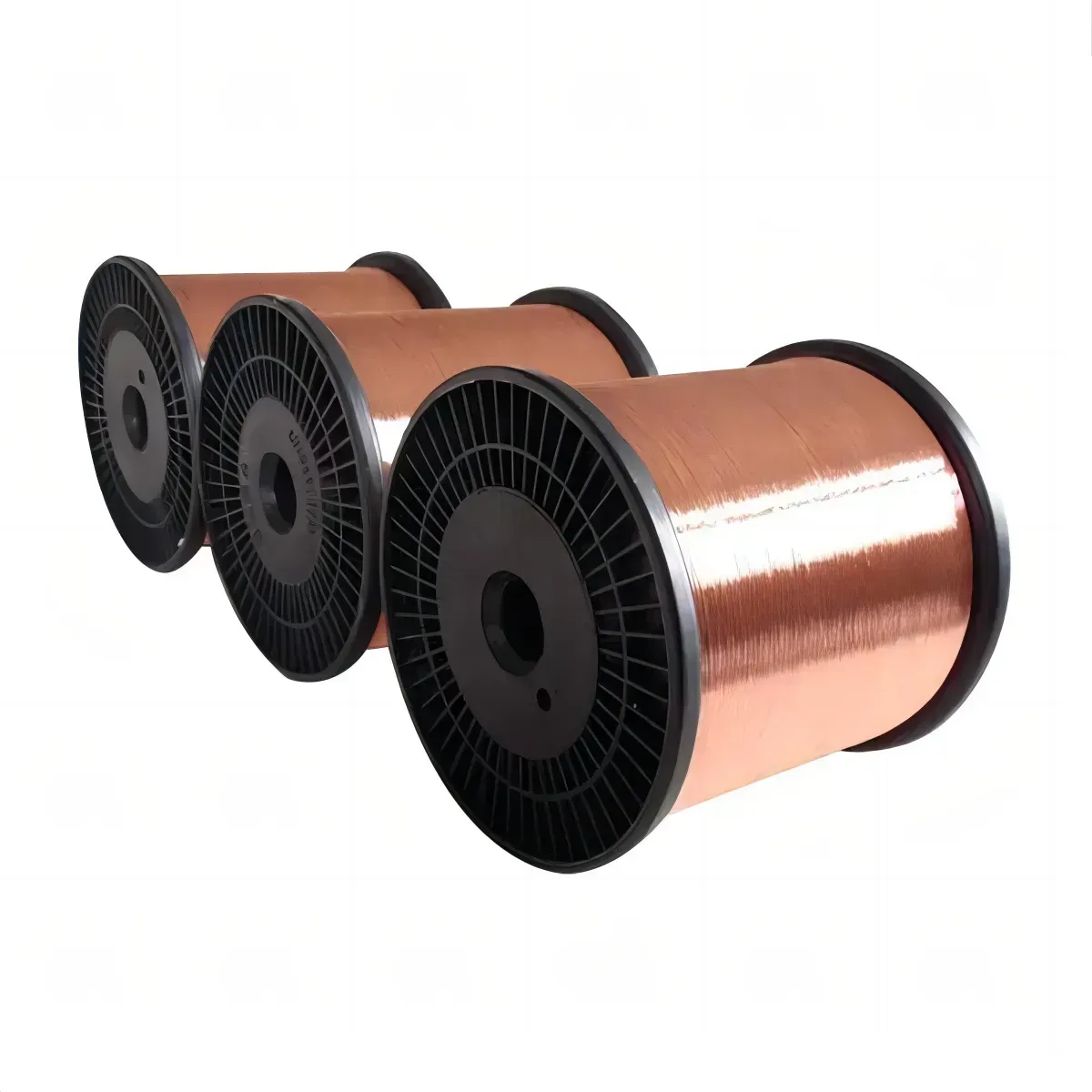
Copper Clad Steel (CCS) Wire: Strength Meets Conductivity

28

Nov

Copper Clad Steel (CCS) Wire: Strength Meets Conductivity

Copper Clad Steel Wire: A Comprehensive Overview

Electrical engineers are always on the lookout for materials that provide them with both high conductivity and decent mechanical strength. Copper Clad Steel or CCS Wire is one such composite, which is a conductor comprised of a steel core that is sheathed in copper. This translates to a wire that offers ample strength and durability thanks to the steel, with complete conductivity from copper. 

Features of CCS Wire

The way in which CCS wire is constructed has its own set of advantages when compared to standard conductors. A prime advantage is its steel core which provides enhanced tensile strength thus making it suitable for even demanding mechanical requirements while the outer layer formed from copper allows for current to flow quite effectively, hence reducing losses, and resistance. Because of this reason CCS wire can prove to be useful for overhead power lines, grounding systems, etc.

Uses of CCS Wire

No doubt that CCS wire is used in many sectors. For example, in telecommunications, it is deployed in underground cables and overhead lines since it has excellent resistance to corrosive and other environmental agents. Similarly, in the power industry, the CCS wire is appreciated because, despite putting the wire outdoors, the primary properties of electricity are not compromised. For the reason of improved safety for grounding systems by redirecting potential dangerous fault current, its application is also optimal.

How is CCS Wire Made?

CCS wire can be manufactured wire by wire in a way that guarantees the integrity of the steel core and the copper clad. The steel core having a particular diameter is first fabricated, and onto this electroplating or bonding technique coats the core with copper. This method is able to produce a strong and uniform bond between the two metals necessary for the completion of the product in the most elements of the manufacturing process.

LT CABLE’s Quality Assurance 

At LT CABLE, we proudly stand behind our motto which assures our customers of high quality CCS wire products. Our product series promises to the users that the product shall work as expected and withstand the test of time all while being manufactured as per stringent requirements of the users. Reliability in electric systems is at our core, hence we have put in place modern technologies to manufacture and comprehensive quality assessment mechanisms within our company. 

LT CABLE's Product Series Explanation 

The performance of our CCS wire product series is designed for a number of use cases and to operate in even the harshest of environments. For power transmission, telecommunications or even grounding applications, our CCS wires' specification is crafted to cater for the underlying needs of any project at hand. LT CABLE gives you the assurance that you are getting a product that combines steel's structural properties and copper's electrical conductivity with the certainty of desired results.

Every section of our products focused on wires manufactured from CCS structures maintain the level of quality and performance standards that are the highest. The development of the PVC insulated wire proceeds with a strong orientation on the customer satisfaction. For your next electrical cable project, use LT CABLE and witness the great things that our CCS wire will do for your power grid.”

d2aedb894125869d1998be495750e2d6a1f03c74900bce91bf7e9fe1cbe0f8a3.webp

View More
CCAM Wire: The Superior Choice for High-Frequency Applications

28

Nov

CCAM Wire: The Superior Choice for High-Frequency Applications

For the electrical engineers, the interest in materials with good performance at high frequencies has resulted into the formulation of CCAM wire. This Coppcor clad aluminum magnesium wire is a composite conductor which offers a balance between the light and cheap feature of aluminum and the best properties of copper in terms of conductivity and resistance to corrosion. 

The structure of the CCAM wires gives it several edges over the conventional wires. The aluminum center contributes high tensile strength making it appropriate for controlling complex mechanical loads. Infact, the outer layer is copper, which facilitates current flow and reduces energy wastage. The overall effect of these characteristics makes it possible for CCAM wire to operate effectively in high frequency environments, such as Radio Frequency (RF) antennas, which hinge on the CCAM wire because of their weight and conductivity requirements. 

CCAM wire has broad applications in various fields such as communication and aerospace. It is applied in RF antennas and other high frequency devices because of its non-degradability under harsh environmental conditions. In aerospace applications, CCAM wire is advantageous because it can survive flying conditions whilst performing electrical tasks. Moreover, its application in RF antennas improve the efficiency and quality of the intercepted signals.

The production of CCAM wire makes use of a controlled approach of ensuring that both the core of aluminum and the sheath of copper are intact. The Al core is pulled into desired sized before a copper layer is introduced by either electroplating or bonding methods. This ends up with a clean joint between the two metals that will guarantee the product is of the expected quality.

LT CABLE also values its customers by producing potential wire products of CCAM. The product series is targeted towards satisfying the elaborate specifications of the customers so that it not only works properly but also survives longer. In the end, the desired product is of utmost importance in the high frequency reliant subsystems and hence such products are manufactured using cutting edge technologies and strict QC systems.

The CCAM wire products that we manufacture are designed to function in rigorous high frequency regions. Be it for telecommunications, aerospace and defense, or other specialized fields, our CCAM wire parameters are designed specifically for the requirements of each project. With LT CABLE, you are sure to get a product that is a blend of copper and aluminum which guarantees its durability and efficiency.

Coming to the last segment of CCAM wire production, we bear in mind the high degree of discipline and defeat the elements of time and distance. From the inception of the concept to the point of handing over the project to the customer, our goal is to deliver a product that is higher than their expectations. If you are on your way looking for a trusted brand for high-frequency application, LT CABLE will do wonders with your electrical structure with the use of our CCAM wire.

cc9572807d535b926734f7e35577799a2809cba7894ca6caf891c66ac44aa916.webp

View More
Exploring Bulk Cca Wire for Electrical and Communication Needs

26

Jan

Exploring Bulk Cca Wire for Electrical and Communication Needs

What is CCA Wire?

Aluminum wires clad with copper meet many of the requirements of contemporary industries, CCA (Copper-Clad Aluminum) wire is used in a multitude of electrical and communication uses. As CCA wire is composed of copper and aluminum, it is lighter and cheaper than pure copper, which makes it great conductor of electricity. ht CABLE offers our customers high quality bulk CCA wires that pass industry guidelines. 

Benefits of CCA Wires

Reduction in weight, exceptional conductivity, and cost effectiveness makes CCA wires the best choice for electrical wiring, telecommunication networks, and data transmission. It offers a wide array of benefits while still being affordable. LT CABLE’s bulk CCA wire excel at performing under heightened competition and ensure reliable results regardless of the scenario. 

Application in electrical systems

Efficient and economical material are vital to electrical systems. Because it is easy to install and very durable, CCA wire is a preferred choice for commercial and residential wiring. As power distribution and other essential electrical tasks become more powered demanding, so does their wiring. LT CABLE's bulk CCA wires provide stable electrical power performance, enabling their use in the other tasks that power distribution does.

Importance of CCA wire in Communication Structures

The wires used in communication networks need to have high endurance and support high-speed data transmission. CCA wire is a common choice for many telecommunication infrastructures because of its performance to cost ratio. We at LT CABLE range understand these needs and provide bulk CCA wire that has been designed for use in coaxial cables, incorporated into Ethernet network and other communication systems.

Advantages of Bulk CCA Wire 

It is easier to win tenders for large projects due to reduced procurement costs, and purchasing CCA wire in bulk offers more advantages. At LT CABLE, we open bulk CCA wire and bulk CCA wire that passes industry standards for our clients’ reliable products for their electrical and communication projects.

Variation in CCA Wire Products by LT CABLE

Our line of products also include bulk CCA wire which cuts across different industries. We supply various sizes and specifications to aid applications such as power transmission, network cabling, and telecommunication. At LT CABLE, we provide practical solutions to the diverse needs of clients without compromising quality and performance.

LT CABLE - Custom Solutions 

Besides selling a variety of bulk CCA wire, we also provide tailored solutions to enhance project outcomes. Whether you require wires for home installation or wires for bulk industrial use, LT CABLE has the skills and assortment of products to take care of your needs.

View More

Client Testimonials on Litong's Ccam Cable Materials

John Smith
Exceptional Quality and Service

Litong Cable's ccam cable materials have transformed our production line. The quality is exceptional, and the service we received was outstanding. Our operational efficiency has improved significantly since we switched to Litong.

Sarah Lee
Reliable Partner for Ccam Cables

We have been sourcing ccam cable materials from Litong for over three years. Their consistent quality and ability to meet our customization needs have made them a reliable partner for our projects. Highly recommended!

Get a Free Quote

Our representative will contact you soon.
Email
Name
Company Name
Message
0/1000
Advanced Manufacturing Techniques

Advanced Manufacturing Techniques

Our ccam cable materials are produced using state-of-the-art technology that ensures precision and consistency. This advanced manufacturing process allows for excellent electrical performance and durability, making our products the preferred choice for industries that demand reliability. The automated production lines minimize human error and enhance efficiency, ensuring that every cable meets the highest standards.
Tailored Solutions for Diverse Applications

Tailored Solutions for Diverse Applications

We understand that each industry has unique requirements. Our ability to customize ccam cable materials means that we can meet specific technical specifications, whether for telecommunications, automotive, or renewable energy applications. Our dedicated team works closely with clients to develop solutions that not only meet but exceed expectations, ensuring optimal performance in real-world scenarios.
  • Product Consultation & Selection

    Product Consultation & Selection

    Tailored advice, perfect fit solutions.

  • Production & Supply Chain

    Production & Supply Chain

    Efficient manufacturing, seamless supply.

  • Quality Assurance & Certification

    Quality Assurance & Certification

    Rigorous testing, global certifications.

  • Post-Sales Support & Tech Help

    Post-Sales Support & Tech Help

    Prompt assistance, ongoing support.

Get a Free Quote

Our representative will contact you soon.
Name
Email
Mobile
Country/Region
Title
Message
0/1000