CCAM Wire 025mm: High-Performance LAN Conductor | Litong

Get a Free Quote

Our representative will contact you soon.
Name
Email
Mobile
Country/Region
Choose the product you want
Message
0/1000
The Unmatched Quality of CCAM Wire 025mm Copper Clad Aluminum Bare Conductor

The Unmatched Quality of CCAM Wire 025mm Copper Clad Aluminum Bare Conductor

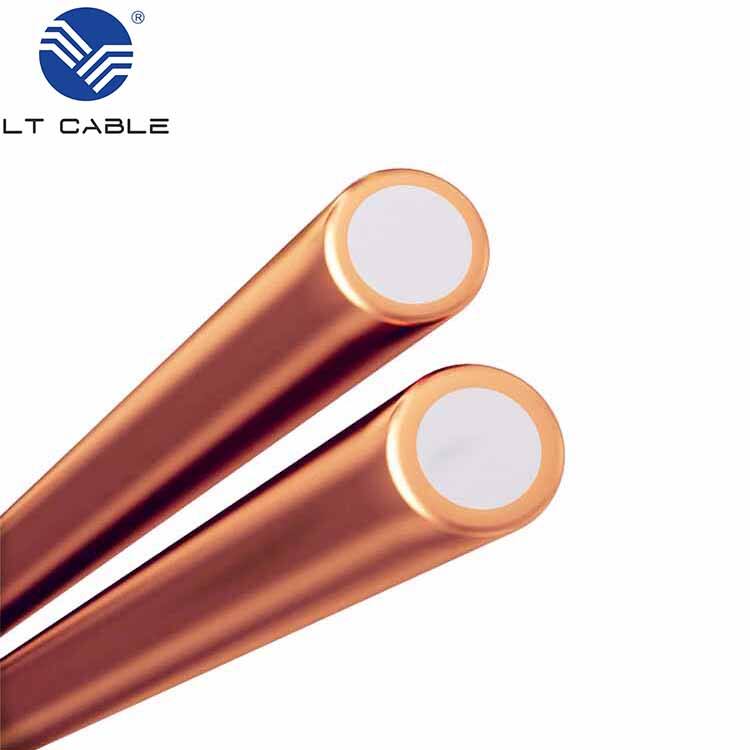
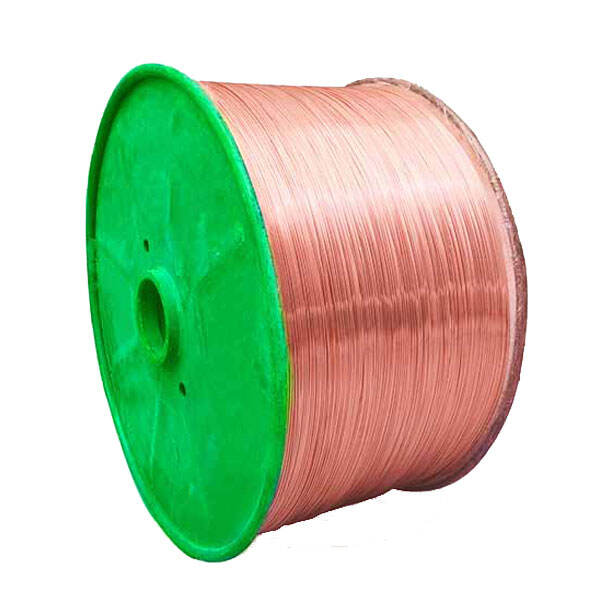
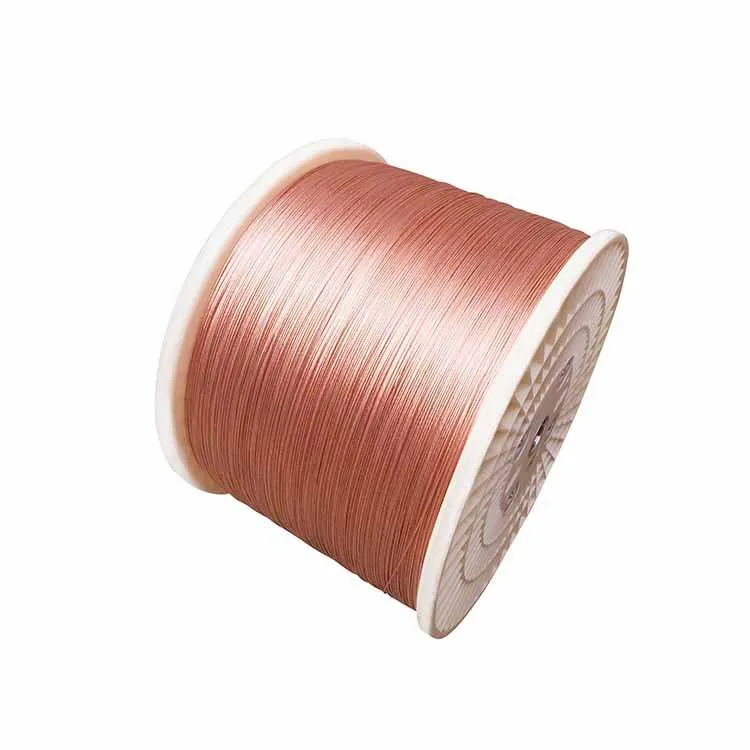
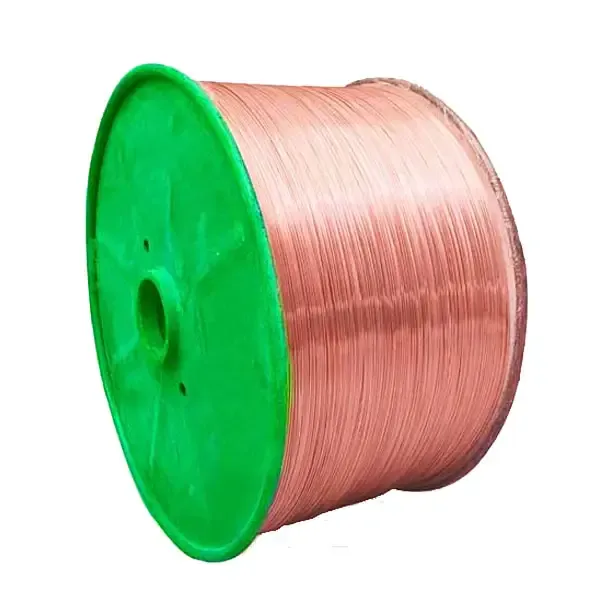
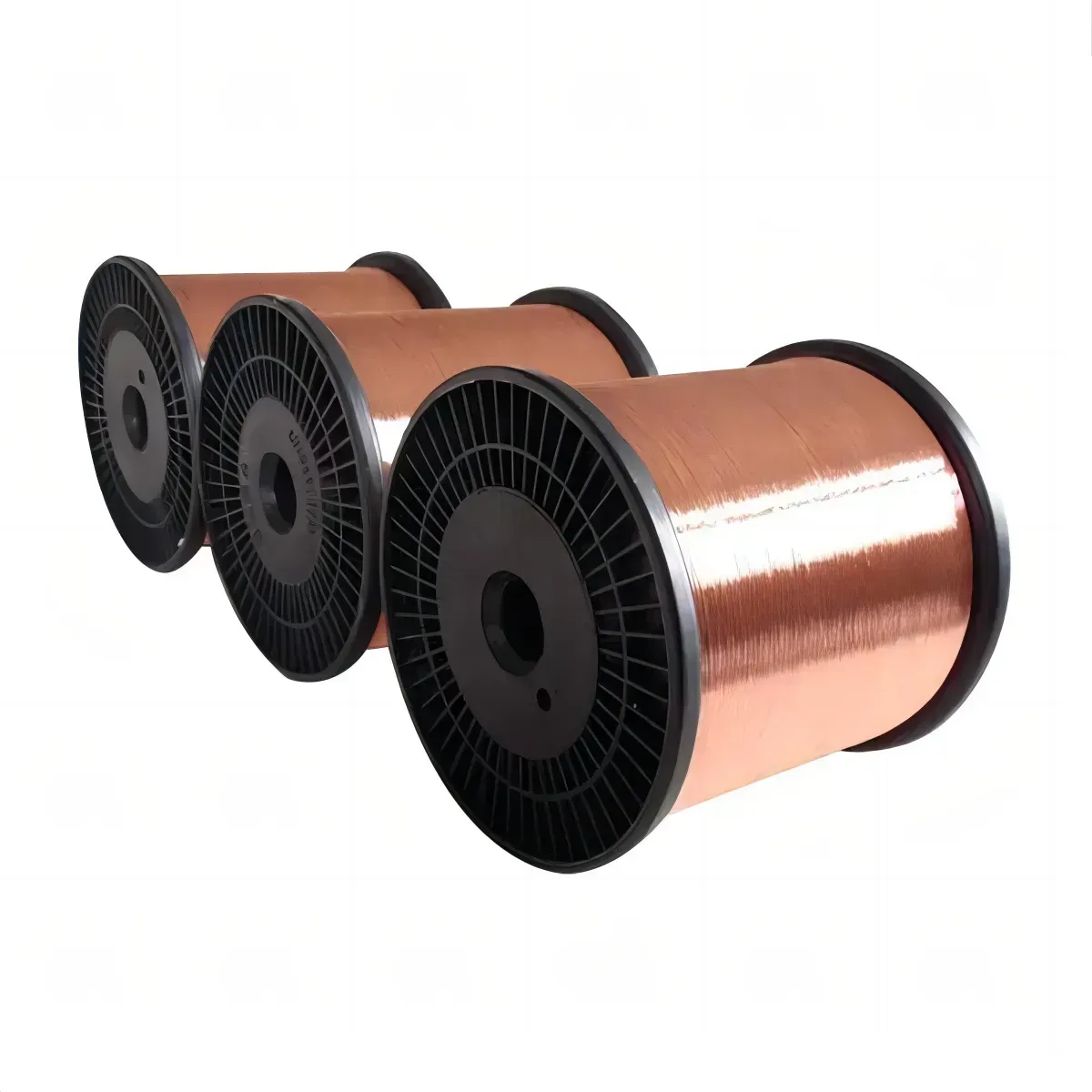
Our CCAM Wire 025mm Copper Clad Aluminum Bare Conductor is engineered to provide exceptional performance for LAN cable applications. With a unique blend of copper and aluminum, this conductor offers superior conductivity while maintaining a lightweight structure. The copper cladding enhances the wire's durability and resistance to corrosion, ensuring long-lasting performance. Our fully automated production lines guarantee consistent quality and precision in every strand. Additionally, we offer customization options to meet specific client needs, making our product versatile for various applications. Trust in Litong Cable to deliver a product that not only meets but exceeds your expectations in quality and reliability.
Get A Quote

Successful Implementation of CCAM Wire in High-Demand Environments

Enhanced Network Performance for a Major Telecom Provider

A leading telecom provider faced challenges with network reliability and speed in urban areas. By switching to our CCAM Wire 025mm Copper Clad Aluminum Bare Conductor, they experienced a significant reduction in signal loss and improved data transmission rates. The lightweight nature of the wire allowed for easier installation, and its corrosion resistance ensured longevity in harsh environments. This switch not only enhanced their service offerings but also reduced maintenance costs over time.

Cost-Effective Solution for a National ISP

A national Internet Service Provider (ISP) was looking for a cost-effective solution to upgrade their existing infrastructure. They chose our CCAM Wire for its excellent balance of performance and price. The installation of our 025mm conductors led to a notable increase in customer satisfaction due to faster internet speeds and fewer outages. The ISP reported a 30% decrease in operational costs related to cable maintenance, proving the value of investing in high-quality materials.

Streamlined Installation for a Large Corporate Client

A corporate client required a reliable and efficient LAN setup for their new headquarters. Our CCAM Wire 025mm Copper Clad Aluminum Bare Conductor was selected for its ease of handling and installation. The lightweight design allowed their technicians to complete the installation ahead of schedule, and the enhanced conductivity ensured robust network performance. The client praised the product for its reliability and performance, leading to a long-term partnership with Litong Cable.

Related products

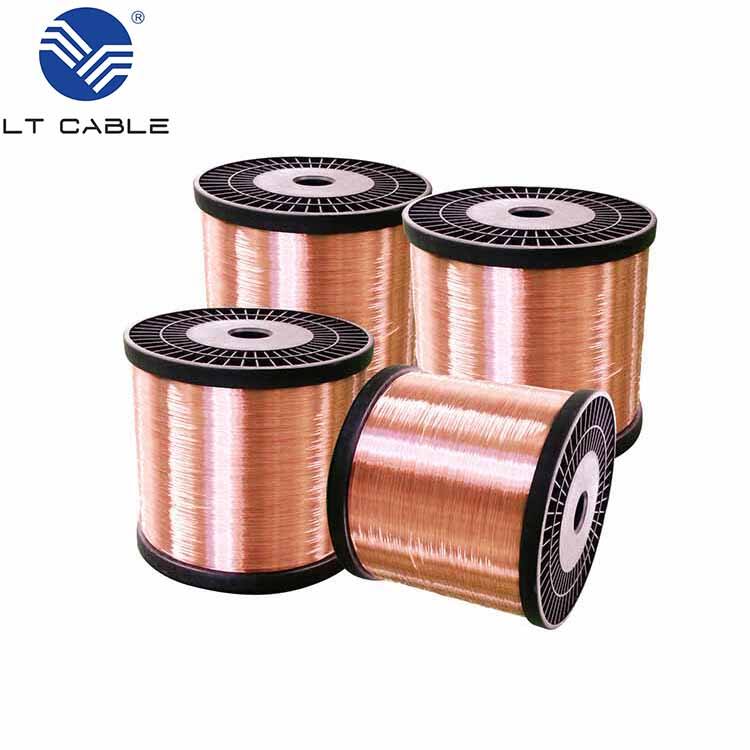
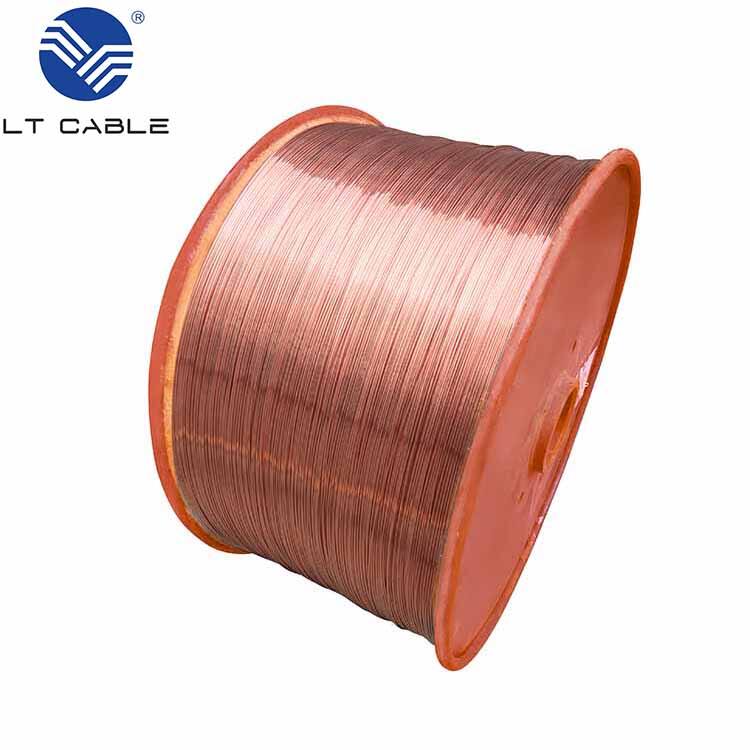
The CCAM Wire 025mm Copper Clad Aluminum Bare Conductor is specifically designed for LAN cable uses. We begin our production with high-quality raw materials. We take the care to make certain our blend of copper and aluminum is optimized throughout all of our production phases. Conductors are made to be trustworthy with the highest levels of conductivity. All production lines are fully automated to ensure the highest levels of production and to facilitate the ability to personalize our service to the needs and expectations of our customers. Litong Cable strives to exceed our customers and provide added value with every cable we manufacture.

Frequently Asked Questions about CCAM Wire 025mm Copper Clad Aluminum Bare Conductor

What are the main advantages of using CCAM wire over traditional copper wire?

CCAM wire combines the benefits of copper and aluminum, offering superior conductivity while being lighter and more cost-effective than pure copper. Its corrosion resistance enhances durability, making it ideal for LAN applications.
Yes, we offer a variety of customization options for our CCAM wire products to meet the unique needs of our clients, ensuring optimal performance for specific applications.

Related article

CCA Wire for Automotive Harness: Pros, Cons, and Standards

22

Jan

CCA Wire for Automotive Harness: Pros, Cons, and Standards

Why Automotive OEMs Are Adopting CCA Wire: Weight, Cost, and EV-Driven Demand

EV Architecture Pressures: How Lightweighting and System Cost Targets Accelerate CCA Wire Adoption

The electric vehicle industry has two big challenges on its plate right now - making cars lighter to boost battery range while keeping component costs down. Copper clad aluminum (CCA) wire helps tackle both issues at once. It cuts weight by around 40% compared to regular copper wire, yet still manages about 70% of copper's conductivity according to research from Canada's National Research Council last year. Why does this matter? Because EVs need roughly 1.5 to 2 times more wiring than traditional gasoline powered vehicles, particularly when it comes to those high voltage battery packs and fast charging infrastructure. The good news is aluminum costs less upfront, which means manufacturers can save money overall. These savings aren't just pocket change either; they free up resources for developing better battery chemistries and integrating advanced driver assistance systems. There's one catch though: thermal expansion properties differ between materials. Engineers have to pay close attention to how CCA behaves under heat changes, which is why proper termination techniques following SAE J1654 standards are so important in production environments.

Real-World Deployment Trends: Tier-1 Supplier Integration in High-Voltage Battery Harnesses (2022–2024)

More Tier 1 suppliers are turning to CCA wire for their high voltage battery harnesses on those 400V plus platforms. The reason? Localized weight reductions really boost pack level efficiency. Looking at validation data from about nine major electric vehicle platforms across North America and Europe between 2022 and 2024, we see most of the action happening in three main spots. First there's those inter cell busbar connections which account for roughly 58% of what's going on. Then comes the BMS sensor arrays and finally the DC/DC converter trunk cabling. All these setups meet ISO 6722-2 and LV 214 standards too, including those tough accelerated aging tests that prove they can last around 15 years. Sure, the crimp tools need some adjustments because of how CCA expands when heated, but manufacturers still find themselves saving approximately 18% per harness unit when switching from pure copper options.

Engineering Trade-offs of CCA Wire: Conductivity, Durability, and Termination Reliability

Electrical and Mechanical Performance vs. Pure Copper: Data on DC Resistance, Flex Life, and Thermal Cycling Stability

CCA conductors have about 55 to 60 percent more DC resistance compared to copper wires of the same gauge size. This makes them more prone to voltage drops in circuits carrying large currents such as those found in battery main feeds or BMS power rails. When it comes to mechanical properties, aluminum just isn't as flexible as copper. Standardized bend tests reveal that CCA wiring usually breaks down after around 500 flex cycles maximum, whereas copper can handle over 1,000 cycles before failing under similar conditions. Temperature fluctuations pose another problem too. The repeated heating and cooling experienced in automotive environments ranging from minus 40 degrees Celsius up to 125 degrees creates stress at the interface between copper and aluminum layers. According to testing standards like SAE USCAR-21, this kind of thermal cycling can boost electrical resistance by roughly 15 to 20 percent after just 200 cycles, which significantly impacts signal quality especially in areas subject to constant vibration.

Crimp and Solder Interface Challenges: Insights from SAE USCAR-21 and ISO/IEC 60352-2 Validation Testing

Getting termination integrity right remains a major challenge in CCA manufacturing. Tests according to SAE USCAR-21 standards have shown that aluminum tends to experience cold flow issues when subjected to crimp pressure. This problem leads to around 40% more pull-out failures if the compression force or die geometry isn't just right. The solder connections also struggle with oxidation at where copper meets aluminum. Looking at ISO/IEC 60352-2 humidity tests, we see mechanical strength drops by as much as 30% compared to regular copper solder joints. Top automotive manufacturers try to get around these problems by using nickel plated terminals and special inert gas soldering techniques. Still, nothing beats copper when it comes to lasting performance over time. Because of this, detailed micro section analysis and rigorous thermal shock testing are absolute musts for any component going into high vibration environments.

Standards Landscape for CCA Wire in Automotive Harnesses: Compliance, Gaps, and OEM Policies

Key Standards Alignment: UL 1072, ISO 6722-2, and VW 80300 Requirements for CCA Wire Qualification

For automotive grade CCA wire, meeting all sorts of overlapping standards is pretty much essential if we want safe, durable wiring that actually works properly. Take UL 1072 for instance. This one deals specifically with how well medium voltage cables resist fires. The test here requires CCA conductors to survive flame propagation tests at around 1500 volts. Then there's ISO 6722-2 which focuses on mechanical performance. We're talking about at least 5000 flex cycles before failure plus good abrasion resistance even when exposed to under hood temperatures reaching 150 degrees Celsius. Volkswagen throws another curveball with their VW 80300 standard. They demand exceptional corrosion resistance from high voltage battery harnesses, requiring them to withstand salt spray exposure for over 720 hours straight. All told, these various standards help confirm whether CCA can really work in electric vehicles where every gram counts. But manufacturers need to keep an eye on conductivity losses too. After all, most applications still require performance within 15% of what pure copper delivers as a baseline.

The OEM Divide: Why Some Automakers Restrict CCA Wire Despite IEC 60228 Class 5 Acceptance

While the IEC 60228 Class 5 standard does allow for conductors with higher resistance such as CCA, most original equipment manufacturers have drawn clear lines about where these materials can be used. Typically, they limit CCA to circuits that draw less than 20 amps and completely ban it from any system where safety is a concern. The reason behind this restriction? There are still reliability issues. Testing shows that aluminum connections tend to develop about 30 percent more contact resistance over time when subjected to temperature changes. And when it comes to vibrations, CCA crimp connections break down almost three times quicker than copper ones according to SAE USCAR-21 standards in those vehicle harnesses mounted on suspensions. These test results highlight some serious holes in current standards, especially regarding how these materials hold up against corrosion over years of service and under heavy loads. As a result, car makers base their decisions more on what actually happens in real world conditions rather than just ticking boxes on compliance paperwork.
View More
Copper Clad Steel (CCS) Wire: Strength Meets Conductivity

28

Nov

Copper Clad Steel (CCS) Wire: Strength Meets Conductivity

Copper Clad Steel Wire: A Comprehensive Overview

Electrical engineers are always on the lookout for materials that provide them with both high conductivity and decent mechanical strength. Copper Clad Steel or CCS Wire is one such composite, which is a conductor comprised of a steel core that is sheathed in copper. This translates to a wire that offers ample strength and durability thanks to the steel, with complete conductivity from copper. 

Features of CCS Wire

The way in which CCS wire is constructed has its own set of advantages when compared to standard conductors. A prime advantage is its steel core which provides enhanced tensile strength thus making it suitable for even demanding mechanical requirements while the outer layer formed from copper allows for current to flow quite effectively, hence reducing losses, and resistance. Because of this reason CCS wire can prove to be useful for overhead power lines, grounding systems, etc.

Uses of CCS Wire

No doubt that CCS wire is used in many sectors. For example, in telecommunications, it is deployed in underground cables and overhead lines since it has excellent resistance to corrosive and other environmental agents. Similarly, in the power industry, the CCS wire is appreciated because, despite putting the wire outdoors, the primary properties of electricity are not compromised. For the reason of improved safety for grounding systems by redirecting potential dangerous fault current, its application is also optimal.

How is CCS Wire Made?

CCS wire can be manufactured wire by wire in a way that guarantees the integrity of the steel core and the copper clad. The steel core having a particular diameter is first fabricated, and onto this electroplating or bonding technique coats the core with copper. This method is able to produce a strong and uniform bond between the two metals necessary for the completion of the product in the most elements of the manufacturing process.

LT CABLE’s Quality Assurance 

At LT CABLE, we proudly stand behind our motto which assures our customers of high quality CCS wire products. Our product series promises to the users that the product shall work as expected and withstand the test of time all while being manufactured as per stringent requirements of the users. Reliability in electric systems is at our core, hence we have put in place modern technologies to manufacture and comprehensive quality assessment mechanisms within our company. 

LT CABLE's Product Series Explanation 

The performance of our CCS wire product series is designed for a number of use cases and to operate in even the harshest of environments. For power transmission, telecommunications or even grounding applications, our CCS wires' specification is crafted to cater for the underlying needs of any project at hand. LT CABLE gives you the assurance that you are getting a product that combines steel's structural properties and copper's electrical conductivity with the certainty of desired results.

Every section of our products focused on wires manufactured from CCS structures maintain the level of quality and performance standards that are the highest. The development of the PVC insulated wire proceeds with a strong orientation on the customer satisfaction. For your next electrical cable project, use LT CABLE and witness the great things that our CCS wire will do for your power grid.”

d2aedb894125869d1998be495750e2d6a1f03c74900bce91bf7e9fe1cbe0f8a3.webp

View More
CCAM Wire: The Superior Choice for High-Frequency Applications

28

Nov

CCAM Wire: The Superior Choice for High-Frequency Applications

For the electrical engineers, the interest in materials with good performance at high frequencies has resulted into the formulation of CCAM wire. This Coppcor clad aluminum magnesium wire is a composite conductor which offers a balance between the light and cheap feature of aluminum and the best properties of copper in terms of conductivity and resistance to corrosion. 

The structure of the CCAM wires gives it several edges over the conventional wires. The aluminum center contributes high tensile strength making it appropriate for controlling complex mechanical loads. Infact, the outer layer is copper, which facilitates current flow and reduces energy wastage. The overall effect of these characteristics makes it possible for CCAM wire to operate effectively in high frequency environments, such as Radio Frequency (RF) antennas, which hinge on the CCAM wire because of their weight and conductivity requirements. 

CCAM wire has broad applications in various fields such as communication and aerospace. It is applied in RF antennas and other high frequency devices because of its non-degradability under harsh environmental conditions. In aerospace applications, CCAM wire is advantageous because it can survive flying conditions whilst performing electrical tasks. Moreover, its application in RF antennas improve the efficiency and quality of the intercepted signals.

The production of CCAM wire makes use of a controlled approach of ensuring that both the core of aluminum and the sheath of copper are intact. The Al core is pulled into desired sized before a copper layer is introduced by either electroplating or bonding methods. This ends up with a clean joint between the two metals that will guarantee the product is of the expected quality.

LT CABLE also values its customers by producing potential wire products of CCAM. The product series is targeted towards satisfying the elaborate specifications of the customers so that it not only works properly but also survives longer. In the end, the desired product is of utmost importance in the high frequency reliant subsystems and hence such products are manufactured using cutting edge technologies and strict QC systems.

The CCAM wire products that we manufacture are designed to function in rigorous high frequency regions. Be it for telecommunications, aerospace and defense, or other specialized fields, our CCAM wire parameters are designed specifically for the requirements of each project. With LT CABLE, you are sure to get a product that is a blend of copper and aluminum which guarantees its durability and efficiency.

Coming to the last segment of CCAM wire production, we bear in mind the high degree of discipline and defeat the elements of time and distance. From the inception of the concept to the point of handing over the project to the customer, our goal is to deliver a product that is higher than their expectations. If you are on your way looking for a trusted brand for high-frequency application, LT CABLE will do wonders with your electrical structure with the use of our CCAM wire.

cc9572807d535b926734f7e35577799a2809cba7894ca6caf891c66ac44aa916.webp

View More
China Aluminum Alloy Wire Suppliers for Large-Scale Projects

26

Jan

China Aluminum Alloy Wire Suppliers for Large-Scale Projects

Understanding Aluminum Alloy Wire

Aluminum alloy wire comes in many forms and finds its way into all sorts of applications because of how well it performs under different conditions. Manufacturers assign specific numbers to these alloys, with the 1350 and 6000 series being among the most common ones on the market today. The 1350 series works great for things like power lines since it conducts electricity so efficiently. Meanwhile, engineers often turn to the 6000 series when they need something strong enough for structural components but still lightweight enough for everyday use. We see these materials showing up everywhere from airplane parts to car frames and even reinforcing bars in buildings across the country.

Aluminum alloy wire has become increasingly popular compared to old standby materials such as copper because of several key features. The main selling point? Aluminum conducts electricity pretty well for how light it actually is. We're talking about roughly half the weight of copper for similar performance levels. That makes a big difference when shipping large volumes across long distances and definitely helps electricians work faster during installations. These wires stand up to stress too, with good tensile strength that holds up over time. Plus they resist rust and corrosion better than many alternatives, so they last longer in places like coastal regions or industrial settings where moisture is always present. Real world tests show aluminum performs surprisingly close to copper in terms of conductivity while offering much greater flexibility for complex wiring layouts. From power grids to telecommunications infrastructure, aluminum alloys are now finding their way into all sorts of new projects where weight savings matter most.

Applications of Aluminum Alloy Wire

More and more electricians and engineers are turning to aluminum alloy wire for their projects, especially when working on power grids and distribution networks. The main reason? These wires weigh less than copper while still conducting electricity pretty well, which means big savings on energy bills and less strain on supporting structures. Take a look at what's happening across the country right now many power companies have started installing aluminum alloy cables for new transmission lines, particularly where voltages aren't too high. Makes sense really, since this material offers real advantages both from a practical standpoint and economically speaking in large scale electrical infrastructure.

Aluminum alloy wire has become really important in construction work these days. What makes this material stand out is how strong it is compared to other options, plus it doesn't corrode easily when exposed to weather conditions. Many builders find it works great for structural reinforcement and setting up electrical systems that last longer. Codes in different areas have started pushing for more aluminum usage because of these benefits. Contractors now tend to go with aluminum wiring on most jobs since it helps them comply with safety regulations without breaking the bank on materials costs. Some companies report savings of around 15% just by switching from copper to aluminum in certain parts of their builds.

The automotive and aerospace sectors have started adopting aluminum alloy wire because it helps cut down on weight while improving fuel economy. Big names such as Ford and Boeing now use aluminum not just for wiring but also in various body components to boost their products' performance and green credentials. Take cars for instance aluminum makes vehicles lighter overall which means they burn less gas something consumers care about these days given all the talk around climate change. We're seeing this move toward aluminum alloys show how flexible the material really is when applied across different tough industries where performance matters most.

Major Aluminum Alloy Wire Suppliers in China

The aluminum alloy wire market sees some big names coming out of China these days, with companies like South Wire and Jiangsu Zhongtian Technology standing out among global competitors. Both firms have built strong positions in this space through their wide selection of aluminum alloy products tailored for different industrial applications. South Wire stands apart because they offer everything from solid to stranded wires that work well in both electrical systems and building projects. Over at Jiangsu Zhongtian Technology, they've really focused on making enameled wires that play a vital role in all sorts of electrical setups and equipment parts. Their specialization here gives them an edge in certain markets where those particular types of wires are needed most.

Looking at different wire suppliers involves considering multiple aspects beyond just the bottom line. Price differences exist across various wire types in the market. Stranded wires generally cost more than enameled ones because they take longer to manufacture and serve different purposes altogether. How much a supplier charges often depends on how efficiently they run their operations and whether they can handle big orders without breaking a sweat. Take South Wire for example versus Jiangsu Zhongtian Technology. Both companies stand out when buyers want options other than standard offerings. South Wire might focus more on specialized industrial applications while Jiangsu offers everything from basic solid conductors right through to those fancy coated varieties needed for electronics work. Their reach extends well beyond domestic borders too, which matters a lot for businesses needing consistent supply chains regardless of where they operate.

Benefits of Sourcing from Chinese Suppliers

Getting aluminum alloy wire from Chinese suppliers tends to save money because labor there is generally cheaper and they produce on a massive scale. The manufacturing base in China has grown quite a bit over recent years, with lots of workers available and some pretty decent tech setups across different provinces. Industry reports suggest prices from China are usually around 15 to maybe even 20 percent lower compared to what we see elsewhere globally. This price gap comes mainly from their ability to manufacture in bulk and streamline operations through various efficiency measures implemented across factories nationwide.

Most Chinese manufacturers stick to strict quality control protocols, often following international standards like ISO 9001 throughout their production processes. These certifications basically mean that factories are producing goods that meet certain minimum requirements when it comes to quality and safety across the globe. Beyond just getting certified, many actual factory floors have extra layers of testing built into daily operations. Some even run random sample tests on batches before shipping them out. For anyone looking to buy aluminum alloy wire from China, this means there's generally good reason to trust what they're getting. The products tend to hold up well under normal conditions while still keeping costs competitive compared to other regions.

Challenges in Sourcing Aluminum Alloy Wire

Bringing in aluminum alloy wire comes with its share of regulatory hurdles, mainly around tariffs and import rules. These issues really affect how much companies pay for their materials and whether they can get them when needed. Take tariffs for example - what one country charges versus another can bump up costs by as much as 15%, which makes it tough to stay competitive in pricing. And then there's the whole mess of different import requirements across borders. Sometimes shipments get held up at customs because paperwork isn't right, or because inspectors have questions. This creates all sorts of problems for supply chain managers trying to keep production lines running smoothly without unexpected delays throwing off their carefully planned inventories.

One big headache for businesses comes down to how reliable their suppliers actually are. Keeping things running smoothly gets complicated when some vendors just cant consistently hit quality marks or stick to shipping deadlines. Weve all seen it happen too many times really. Sometimes there are problems finding enough raw materials, other times factories run behind schedule for no good reason. A guy who works in procurement told me about his company last year dealing with one vendor who kept sending substandard aluminum wire batches. The whole operation basically ground to a halt while they sorted out alternatives. That kind of mess costs money and time nobody wants to spend. Which is why smart companies dont just pick any supplier they find online these days. They take extra steps upfront to check credentials and keep tabs on performance throughout the relationship.

Future Trends in Aluminum Alloy Wire Supply

New developments in making aluminum alloy wires are changing how the industry operates today. Manufacturers have been tweaking the chemical makeup of these alloys lately, which is actually making their wires work better overall. Conductivity has gone up while the wires last longer before breaking down. Take aluminum-magnesium-silicon blends for example. Companies working on these materials report they can produce wires that last much longer under stress tests compared to traditional options. We've seen several patent filings recently along with university studies backing up these claims. The real world impact? Industries like automotive manufacturing and power transmission need these improvements badly. With energy costs rising and equipment failures getting expensive, companies simply cannot afford to stick with old technologies anymore.

Aluminum alloy wire markets are looking at some serious growth over the coming years, mainly because industries such as solar power installations and EV manufacturing need more of them. Experts in the field see a big jump in how much companies will be using these special wires since they're light weight yet still conduct electricity really well, which makes them perfect for building all sorts of new tech gadgets and systems. Market numbers suggest we can expect annual growth rates above 10% for quite some time, showing just how important these materials have become not only for infrastructure projects but also for keeping up with our ever-evolving technology landscape.

View More

Customer Feedback on CCAM Wire Products

John Smith
Exceptional Performance and Reliability

The CCAM Wire 025mm Copper Clad Aluminum Bare Conductor has transformed our network performance. We have seen a significant improvement in speed and reliability since switching to Litong Cable's products. Highly recommended!

Sarah Johnson
Cost-Effective Solution for Our Needs

We were looking for a budget-friendly solution for our LAN setup, and Litong Cable's CCAM wire exceeded our expectations. The installation was smooth, and the performance is outstanding. Thank you for your excellent service!

Get a Free Quote

Our representative will contact you soon.
Email
Name
Company Name
Message
0/1000
Lightweight Design for Easy Installation

Lightweight Design for Easy Installation

Our CCAM Wire 025mm Copper Clad Aluminum Bare Conductor is designed with a lightweight structure, making it easy to handle and install. This feature significantly reduces labor costs and installation time, providing a practical advantage for contractors and technicians. The wire's flexibility allows for seamless integration into existing infrastructures, ensuring that upgrades can be completed efficiently without compromising on performance. This lightweight characteristic does not detract from its strength or durability, as the copper cladding ensures a robust and long-lasting product that can withstand various environmental conditions.
Superior Conductivity and Performance

Superior Conductivity and Performance

One of the standout features of our CCAM Wire is its exceptional conductivity, which rivals that of traditional copper conductors. The copper cladding provides excellent electrical performance, ensuring minimal signal loss and maximum efficiency in data transmission. This high level of conductivity is crucial for LAN applications, where speed and reliability are paramount. Clients can trust that our CCAM wire will deliver consistent performance, even in high-demand environments, thus enhancing overall network reliability and user satisfaction.
  • Product Consultation & Selection

    Product Consultation & Selection

    Tailored advice, perfect fit solutions.

  • Production & Supply Chain

    Production & Supply Chain

    Efficient manufacturing, seamless supply.

  • Quality Assurance & Certification

    Quality Assurance & Certification

    Rigorous testing, global certifications.

  • Post-Sales Support & Tech Help

    Post-Sales Support & Tech Help

    Prompt assistance, ongoing support.

Get a Free Quote

Our representative will contact you soon.
Name
Email
Mobile
Country/Region
Title
Message
0/1000