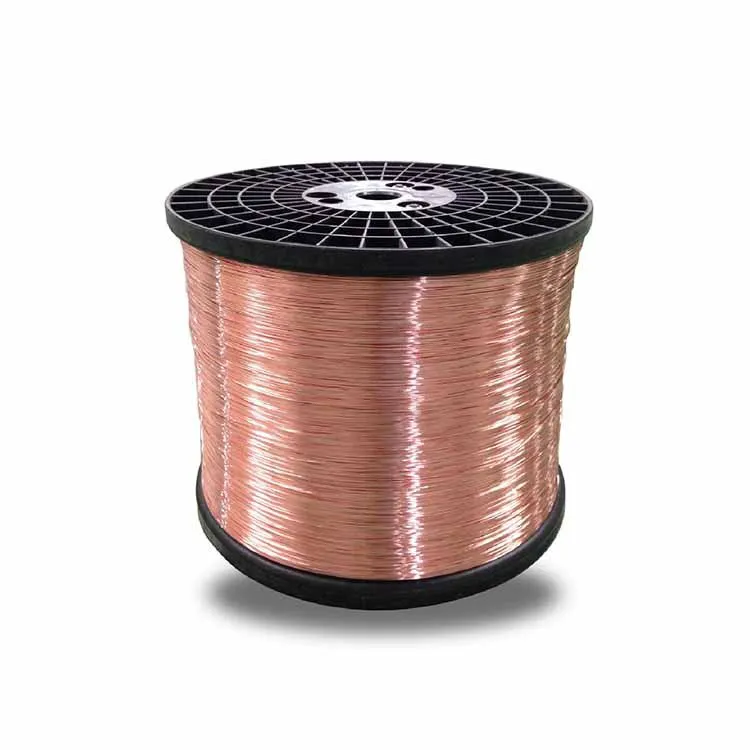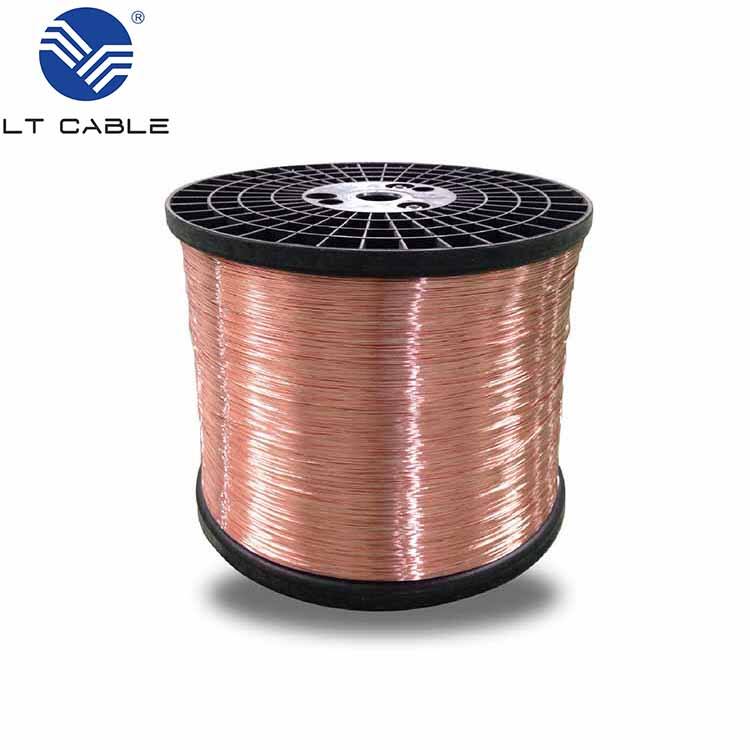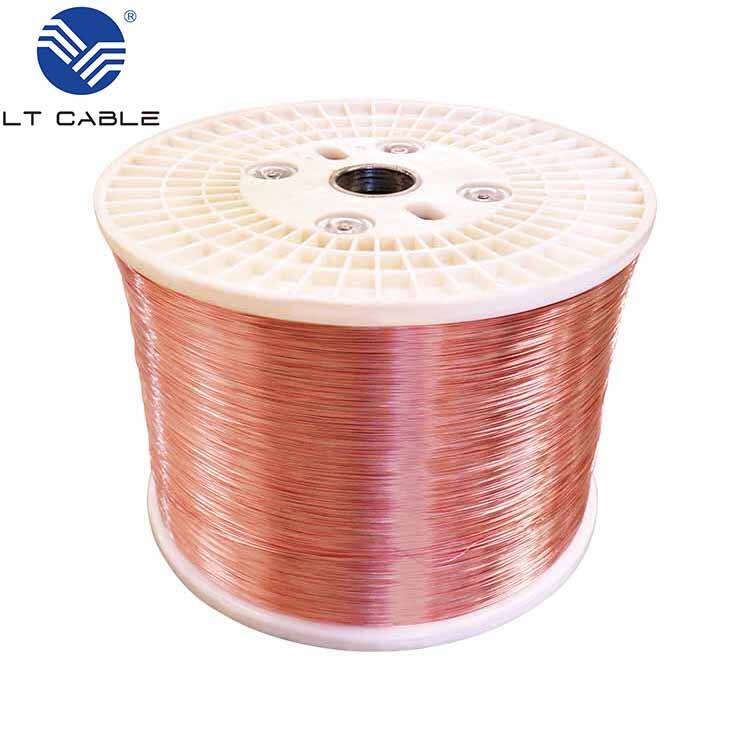
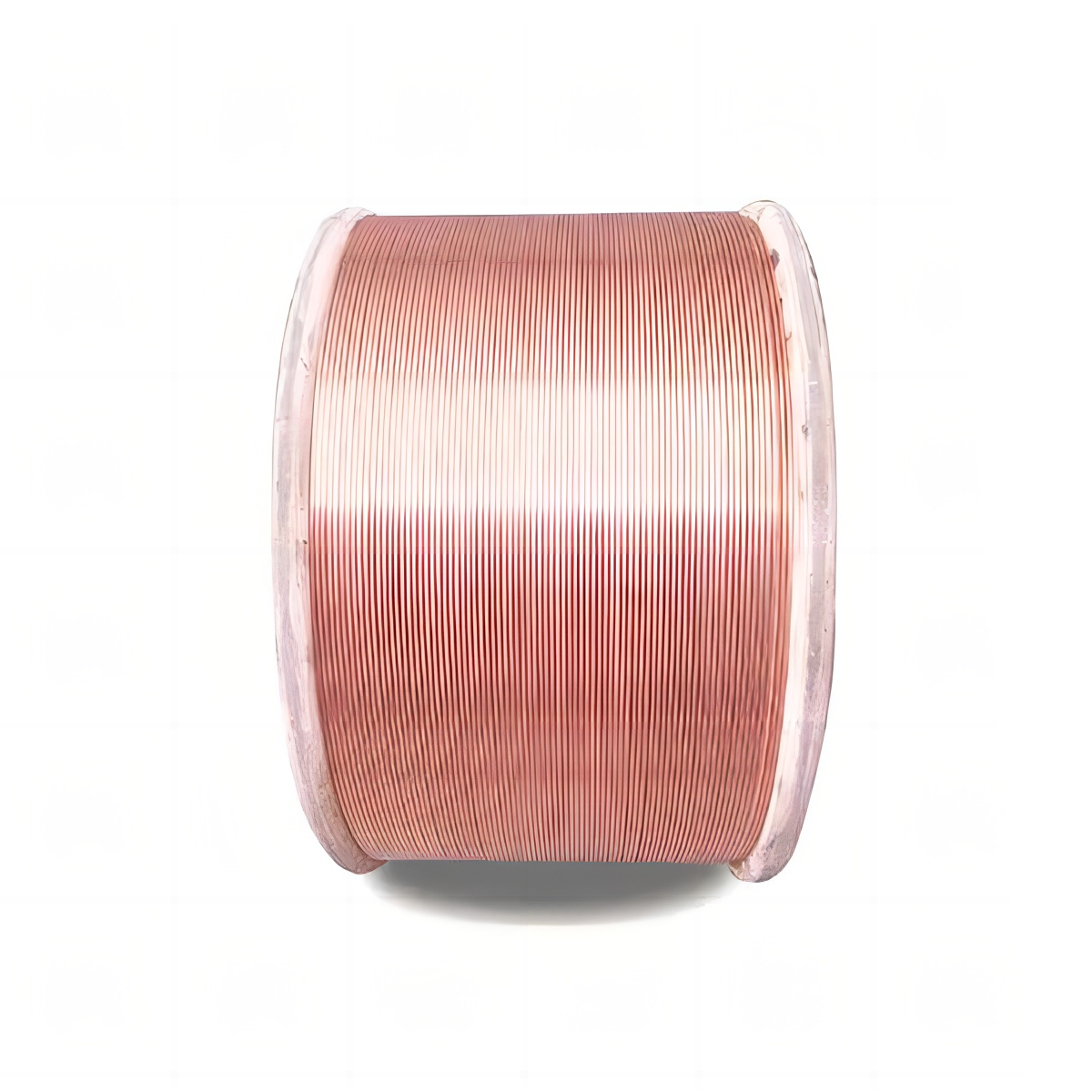
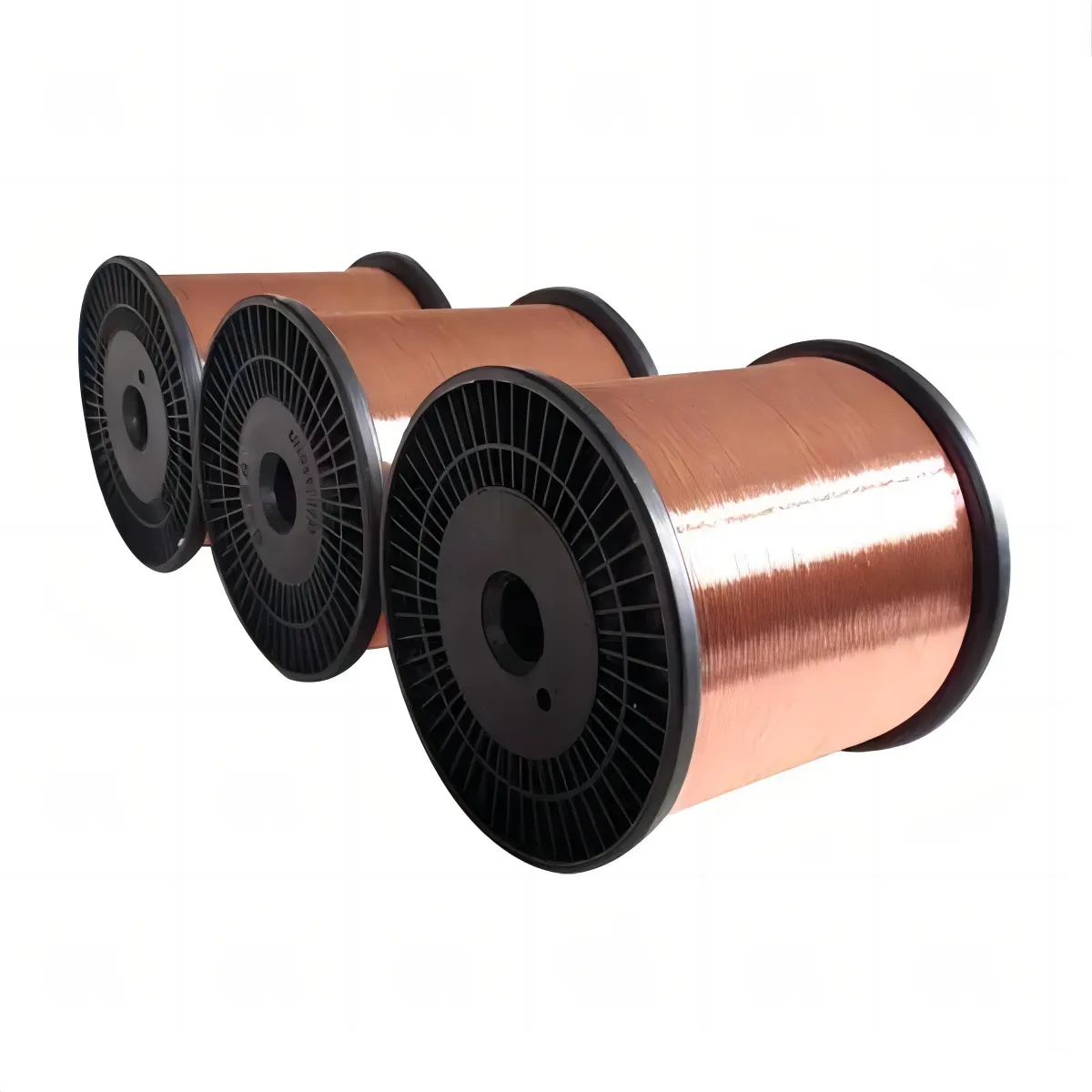
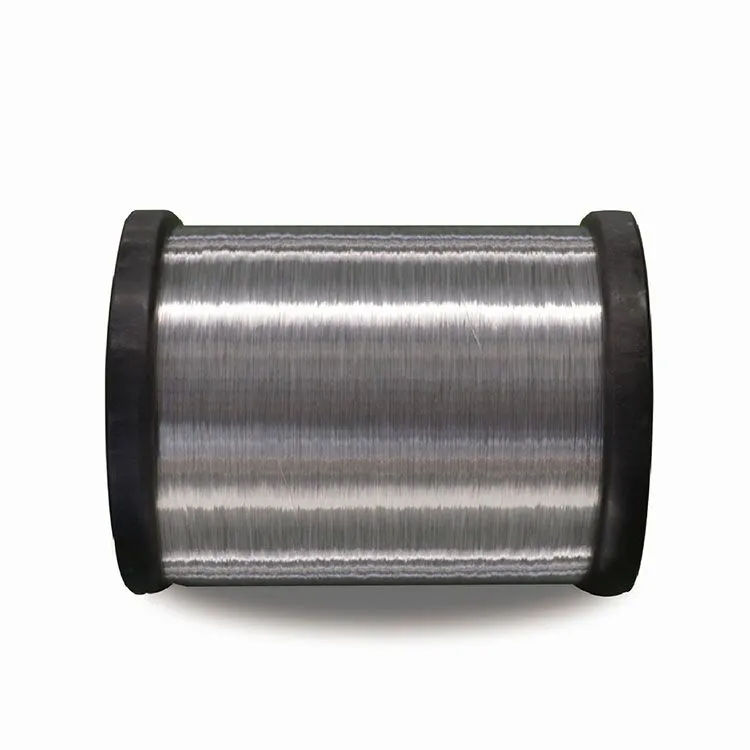
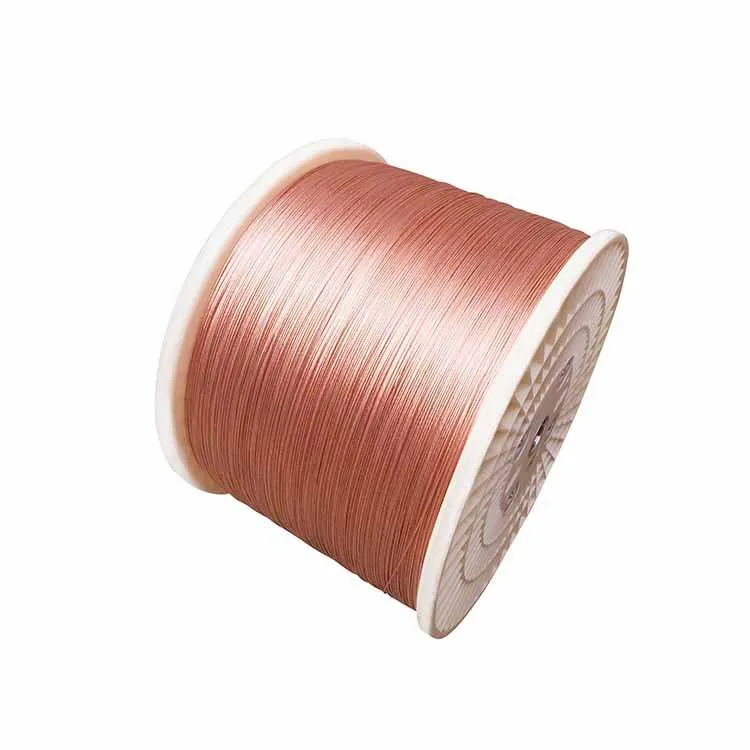
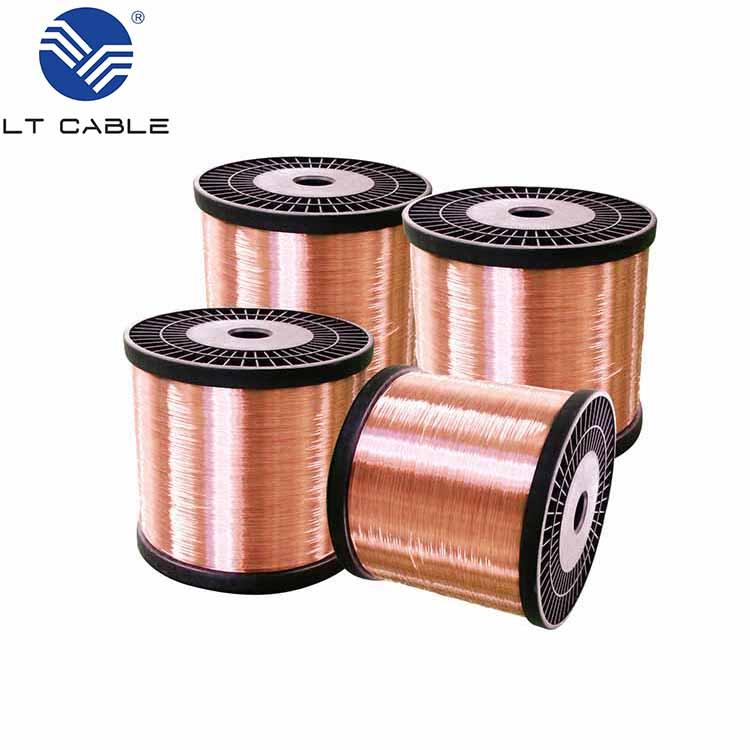
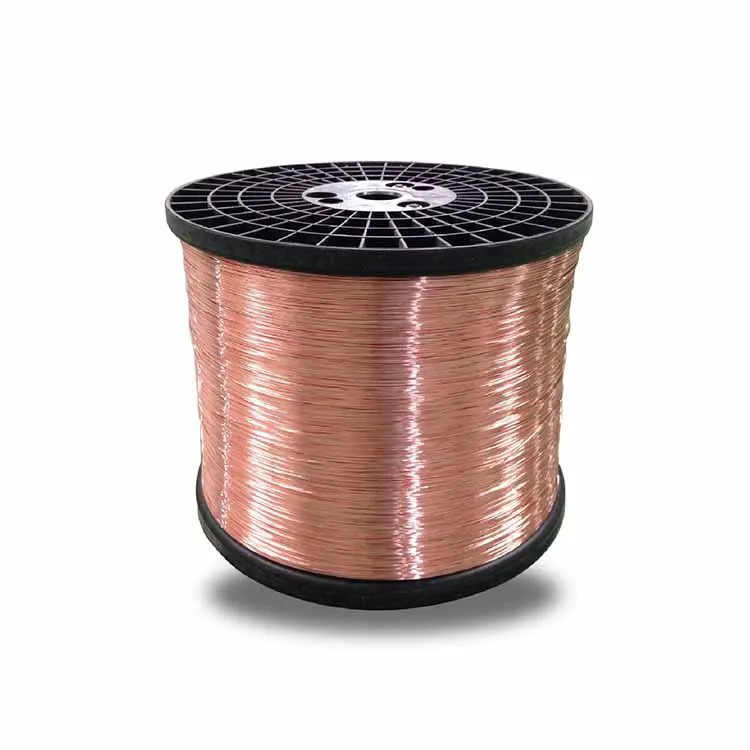
CCAM Wire: Lightweight Copper-Plated Aluminum Magnesium Wire

Get a Free Quote

Our representative will contact you soon.
Name
Email
Mobile
Country/Region
Choose the product you want
Message
0/1000
Unmatched Quality and Reliability in Copper Plated Aluminum Magnesium Wire

Unmatched Quality and Reliability in Copper Plated Aluminum Magnesium Wire

Our copper plated aluminum magnesium wire is engineered to deliver superior conductivity and durability, making it an ideal choice for various applications. The unique combination of copper and aluminum ensures reduced weight while maintaining high tensile strength. This wire is resistant to corrosion, ensuring longevity even in harsh environments. Our advanced production processes, including precise annealing and drawing, guarantee consistency and performance. With our commitment to quality and customer satisfaction, we provide customized solutions tailored to meet your specific needs, ensuring that you receive the best value for your investment.
Get A Quote

Transforming Electrical Applications with Copper Plated Aluminum Magnesium Wire

Innovative Solutions for Renewable Energy Projects

In a recent collaboration with a leading renewable energy firm, we supplied our copper plated aluminum magnesium wire for their solar panel installations. The lightweight nature of our wire facilitated easier handling and installation, while its superior conductivity maximized energy transfer efficiency. The project resulted in a 15% increase in energy output compared to previous installations using traditional wiring solutions.

Enhancing Automotive Performance with Lightweight Wiring

A major automotive manufacturer sought to reduce vehicle weight without compromising performance. By integrating our copper plated aluminum magnesium wire into their electrical systems, they achieved significant weight savings. This not only improved fuel efficiency but also enhanced overall vehicle performance. The manufacturer reported a 10% reduction in weight, leading to increased market competitiveness.

Telecommunications Advancements through Innovative Wiring Solutions

We partnered with a telecommunications company to upgrade their network infrastructure. Our copper plated aluminum magnesium wire provided the necessary bandwidth and signal integrity, resulting in faster data transmission speeds. The client noted a 20% improvement in network performance, showcasing the effectiveness of our product in high-demand environments.

Related products

The copper plated aluminum magnesium wire we sell is made from a fully automated process which ensures the same high level of accuracy and quality from every step of the process. The manufacturing process begins from the selection of raw materials, which is followed by a very precise drawing process that shapes the wire according to specifications. The wire is then subjected to an annealing process, which is a heat treatment that is carried out with the aim of improving the ductility and conductivity of the wire. This improvement makes the wire an excellent component for any engineering applications, especially those in electrical engineering, telecommunications, and the automotive industries. Our reputation for quality control and excellent customer service has made us a dominant wire manufacturing industry service provider to customers around the world.

Frequently Asked Questions about Copper Plated Aluminum Magnesium Wire

What are the key benefits of using copper plated aluminum magnesium wire?

Using copper plated aluminum magnesium wire provides several advantages, including lower weight, excellent conductivity, and resistance to corrosion. This makes it ideal for various applications, especially in environments where durability is crucial.
Our production process includes stringent quality control measures at every stage, from raw material selection to final inspection. This guarantees that our products meet the highest industry standards.

Related article

Copper-Clad Aluminum Wire: Why CCA Is Popular in Cable Industry

22

Jan

Copper-Clad Aluminum Wire: Why CCA Is Popular in Cable Industry

What Is Copper-Clad Aluminum Wire? Structure, Manufacturing, and Key Specifications

Metallurgical Design: Aluminum Core with Electroplated or Rolled Copper Cladding

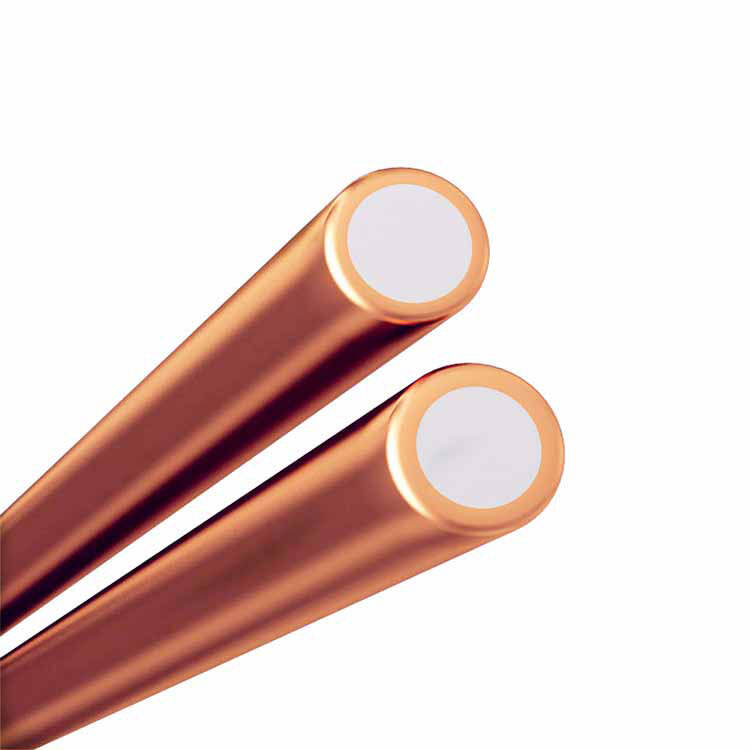
Copper clad aluminum wire, or CCA for short, basically has an aluminum core wrapped in copper through processes like electroplating or cold rolling. What makes this combo so interesting is that it takes advantage of aluminum being way lighter than regular copper wires—about 60% less heavy actually—while still getting the good conductivity properties from copper plus better protection against oxidation. When making these wires, manufacturers start with high quality aluminum rods that get treated on the surface first before applying the copper coating, which helps everything stick together properly at a molecular level. How thick the copper layer is matters a lot too. Usually around 10 to maybe 15% of the total cross section area, this thin copper shell affects how well the wire conducts electricity, resists corrosion over time, and holds up mechanically when bent or stretched. The real benefit comes from preventing those pesky oxides from forming where connections meet, something pure aluminum struggles with badly. This means signals stay clean even during high speed data transfers without degradation issues.

Cladding Thickness Standards (e.g., 10%–15% by volume) and Impact on Ampacity and Flex Life

Industry standards—including ASTM B566—specify cladding volumes between 10% and 15% to optimize cost, performance, and reliability. Thinner cladding (10%) lowers material costs but limits high-frequency efficiency due to skin effect constraints; thicker cladding (15%) improves ampacity by 8–12% and flex life by up to 30%, as confirmed by IEC 60228 comparative testing.

Cladding Thickness Ampacity Retention Flex Life (Cycles) High-Frequency Efficiency
10% by volume 85–90% 5,000–7,000 92% IACS
15% by volume 92–95% 7,000–9,000 97% IACS

When copper layers get thicker, they actually help cut down on galvanic corrosion problems at connection points, which is really important stuff if we're talking about installations in damp areas or near the coast where salt air hangs around. But there's a catch here. Once we go past that 15% mark, the whole point of using CCA starts to fade away because it loses its edge in terms of being lighter and cheaper compared to regular old solid copper. The right choice depends entirely on what exactly needs to be done. For things that stay put like buildings or permanent installations, going with around 10% copper coating works just fine most of the time. On the flip side, when dealing with moving parts such as robots or machinery that gets shifted around regularly, folks tend to bump up to 15% cladding since it stands up better to repeated stress and wear over long periods.

Why Copper-Clad Aluminum Wire Delivers Optimal Value: Cost, Weight, and Conductivity Trade-Offs

30–40% Lower Material Cost vs. Pure Copper—Validated by 2023 ICPC Benchmark Data

According to the latest ICPC Benchmark numbers from 2023, CCA cuts down on conductor material expenses by around 30 to 40 percent when compared to regular solid copper wiring. Why? Well, aluminum just costs less at the market level, and manufacturers have really tight control over how much copper gets used in the cladding process. We're talking about only 10 to 15% copper content in these conductors overall. These cost savings make a big difference for expanding infrastructure projects while still keeping those safety standards intact. The impact is especially noticeable in high volume scenarios such as running the main cables through massive data centers or setting up extensive telecom network distributions across cities.

40% Weight Reduction Enables Efficient Aerial Deployment and Reduces Structural Load in Long-Run Installations

CCA weighs about 40 percent less than copper wire of the same gauge, which makes installation much easier overall. When used for aerial applications, this lighter weight means less strain on utility poles and transmission towers something that adds up to thousands of kilograms saved across long distances. Real world testing has shown workers can save around 25% of their time because they're able to work with longer sections of cable using regular equipment instead of specialized tools. The fact that these cables are lighter during transport helps cut down on shipping expenses too. This opens up possibilities where weight matters a lot, like when installing cables on suspension bridges, inside old buildings that need preservation, or even in temporary structures for events and exhibitions.

92–97% IACS Conductivity: Leveraging Skin Effect for High-Frequency Performance in Data Cables

CCA cables hit around 92 to 97 percent IACS conductivity because they take advantage of something called the skin effect. Basically, when frequencies go above 1 MHz, electricity tends to stick to the outer layers of conductors rather than flowing through the whole thing. We see this in action across several applications like CAT6A Ethernet at 550 MHz speeds, 5G network backhauls, and connections between data centers. The copper coating carries most of the signal while the aluminum inside just gives structural strength. Tests have shown that these cables maintain less than 0.2 dB difference in signal loss over distances up to 100 meters, which is basically the same performance as regular solid copper wires. For companies dealing with massive data transfers where budget constraints matter or installation weight becomes an issue, CCA offers a smart compromise without sacrificing much on quality.

Copper-Clad Aluminum Wire in High-Growth Cable Applications

CAT6/6A Ethernet and FTTH Drop Cables: Where CCA Dominates Due to Bandwidth Efficiency and Bend Radius

CCA has become the go to conductor material for most CAT6/6A Ethernet cables and FTTH drop applications these days. Weighing in at about 40% less than alternatives, it really helps when running cables both outdoors on poles and indoors where space matters. The conductivity levels sit between 92% and 97% IACS which means these cables can handle all the way up to 550 MHz bandwidth without issues. What's particularly useful is how flexible CCA naturally is. Installers can bend these cables pretty tightly, down to four times their actual diameter, without worrying about losing signal quality. This comes in handy when working around tight corners in existing buildings or squeezing through narrow wall spaces. And let's not forget the money aspect either. According to ICPC data from 2023, there are roughly 35% savings on materials costs alone. All these factors together explain why so many professionals are turning to CCA as their standard solution for dense network installations that need to last into the future.

Professional Audio and RF Coaxial Cables: Optimizing Skin Effect Without Premium Copper Costs

In professional audio and RF coaxial cables, CCA delivers broadcast-grade performance by aligning conductor design with electromagnetic physics. With 10–15% copper cladding by volume, it provides surface conductivity identical to solid copper above 1 MHz—ensuring fidelity in microphones, studio monitors, cellular repeaters, and satellite feeds. Critical RF parameters remain uncompromised:

Performance Metric CCA Performance Cost Advantage
Signal Attenuation ∼0.5 dB/m @ 2 GHz 30–40% lower
Velocity of Propagation 85%+ Equivalent to solid copper
Flex Cycle Endurance 5,000+ cycles 25% lighter than copper

By placing copper precisely where electrons travel, CCA eliminates the need for premium-priced solid copper conductors—without sacrificing performance in live sound, wireless infrastructure, or high-reliability RF systems.

Critical Considerations: Limitations and Best Practices for Copper-Clad Aluminum Wire Use

CCA definitely has some good economic advantages and makes sense logistically, but engineers need to think carefully before implementing it. The conductivity of CCA sits around 60 to 70 percent compared to solid copper, so voltage drops and heat buildup become real issues when working with power applications beyond basic 10G Ethernet or dealing with high current circuits. Because aluminum expands more than copper (about 1.3 times as much), proper installation means using torque controlled connectors and checking connections regularly in areas where temperature changes happen often. Otherwise those connections can loosen over time. Copper and aluminum don't play nice together either. Corrosion problems at their interface are well documented, which is why electrical codes now require applying antioxidant compounds wherever they connect. This helps stop the chemical reactions that degrade connections. When installations face humidity or corrosive environments, going with industrial grade insulation like cross linked polyethylene rated for at least 90 degrees Celsius becomes absolutely necessary. Bending cables too sharply beyond eight times their diameter creates tiny fractures in the outer layer, something best avoided altogether. For critical systems such as emergency power supplies or main data center links, many installers opt for a mixed strategy these days. They run CCA through distribution paths but switch back to solid copper for final connections, balancing cost savings with system reliability. And let's not forget recycling considerations. While CCA can technically be recycled through special separation methods, proper end of life handling still needs certified e waste facilities to manage materials responsibly according to environmental regulations.
View More
Enameled Wire Solutions: Insulated and High-Performance for Electrical Coils

30

Oct

Enameled Wire Solutions: Insulated and High-Performance for Electrical Coils

In the complex world of electrical engineering, Wire is one of the primary constituent greatly determining the performance and life of electrical coils. LT CABLE is a noted supplier of quality wiring and designing solutions, which specialize in enameled wire solutions best suited for electrical coil applications. 

Enameled Wire Role in Electrical Coils

Enameled wire is a copper or aluminum wire which is also known as magnet wire with a thin layer of enamel coating that serves as an insulator. This allows for coils to be wound in a tighter arrangement resulting in more magnetic fields being concentrated thus improving the performance of electrical motors, transformers, generators and other such devices.

LT CABLEs Enameled Wire Range

Enameled wire products from LT Cable are well designed to be both functional and durable while providing exceptional efficiency. Some of the products that we offer include twisted wire, stranded wire, aluminum alloy wire, copper clad steel wire, copper clad aluminum magnesium wire and other items, each with specific uses and different characteristics.

The Benefits of Employing Enameled Wire in Electric Coils

Enameled wire presents certain advantages which make it a material of choice in the coil of electrical devices:

Increased Effectiveness

Winding enameled wire in the form of coils ensures that much of the existing space is maximally occupied leading to the increased effectiveness of the electrical equipment.

Greater Resistance to the Coils Wear and Tear

Thanks to the enamel, the wire is not subject to wear while being exposed to the environment thus increasing the life span of the coil.

Decrease in Dimensions and Mass

When enameled wire is wound tightly, this makes it possible to create lower dimensional and lighter electrical appliances, which is good for applications where space is limited.

Being Cost Efficient

Enameled wire is inexpensive to manufacture thus making it feasible to use in mass manufactured electrical devices.

The Contribution of LT CABLE in the Enameled Wire Business

LT CABLE believes in providing a quality enameled wire solution following the standards set out by the electric industry and guarantees customers their promise through strict quality assurance procedures and world accreditations.

Final Thoughts

Enameled wire is essential in the fabrication of electrical coils, LT CABLE offerings have the necessary insulation and quality which would guarantee a smooth operation of electrical devices. Businesses that take the enameled wire solutions of LT CABLE can get better efficiency, durability and cost effectiveness which will enhance their competitiveness in the market.

View More
Custom Solutions with Ccs Wire for Industrial and Electrical Companies

26

Jan

Custom Solutions with Ccs Wire for Industrial and Electrical Companies

Understanding Custom Solutions in Electrical Performance

Custom solutions in the context of electrical performance refer to tailored designs and implementations that address specific application requirements. Unlike off-the-shelf products which are designed to meet general needs, custom solutions are crafted to integrate seamlessly with unique operational environments, ensuring compatibility and optimal performance. Such solutions are particularly beneficial when standard products fall short in meeting an application's precise demands. Custom solutions significantly enhance the efficiency and reliability of electrical systems across various industries. For instance, in aerospace, bespoke solutions can accommodate the critical safety and precision requirements. In the automotive industry, these solutions enable integration with advanced technological frameworks for vehicle electrification. Similarly, within consumer electronics, custom-built electrical components ensure devices operate effectively under diverse consumer demands—not only boosting performance but also extending the lifespan and dependability of the systems involved. This adaptability makes custom solutions indispensable for industries that require high precision and flexibility in their operations.

Benefits of Custom CCS Wire Solutions

Custom CCS (Copper-Clad Steel) wire solutions offer tailored designs that specifically address unique electrical needs, ensuring optimal performance. These solutions are crafted to meet desired specifications, such as specific conductivity levels and flexibility, which are often required in intricate electrical setups. By customizing CCS wires, businesses can achieve electrical configurations that maximize efficiency and minimize energy loss, resulting in cost savings and consistent performance across various applications. One of the most notable advantages of custom CCS wire solutions is their enhanced electrical performance. These wires are designed to reduce resistance, thereby improving the current flow and minimizing power loss. Additionally, the inherent durability of CCS wires ensures a longer lifespan, making them a reliable choice for demanding environments. Whether for aerospace systems or automotive wiring, custom CCS solutions offer the resilience to withstand varying degrees of stress and thermal challenges. Furthermore, the flexibility and adaptability of custom solutions support innovation in electrical engineering. As technology evolves, so do the requirements for electrical components. Custom CCS wire solutions can be modified to meet new application needs, allowing businesses to stay at the forefront of technological advancements. This adaptability ensures that as industries progress, the wiring solutions can be adjusted accordingly, promoting continuous improvement and fostering innovation.

Custom Solutions: Solid Wire vs Stranded Wire

When considering custom wire solutions, it's essential to understand the characteristics of solid wire. Solid wire is known for its excellent conductance due to its single, continuous strand, which facilitates efficient electrical flow. Additionally, its inherent mechanical strength makes it suitable for static applications where the wire will not be frequently moved or bent. This makes solid wire ideal for use in fixed installations such as building wiring and electrical panels. On the other hand, stranded wire offers distinct advantages, particularly in terms of flexibility. Comprising multiple small strands twisted together, stranded wire is more resistant to fatigue from bending and vibration. This characteristic makes it particularly well-suited for dynamic applications where the wire needs to be frequently flexed or moved, such as in robotics or automotive wiring harnesses. Its flexibility also contributes to easier installation in tight or complex spaces. Choosing between solid and stranded wire for custom solutions depends on several factors. Consider the installation environment: solid wire is more effective in stable, static environments, whereas stranded wire excels in dynamic settings. Evaluate the need for flexibility—if regular movement or vibration is expected, stranded wire is preferable. Lastly, assess the required electrical performance; solid wire may be more efficient for higher conductance needs. By understanding these factors, you can tailor the choice of wire to the application’s specific demands.

Exploring Enameled Wire for Enhanced Performance

Enameled wire is a specialized type of wire known for its excellent insulation and electrical properties, making it a critical component in many electrical applications. The wire is coated with a thin layer of enamel, which serves as insulation against electrical shorts. This insulation helps the wire withstand high temperatures, often up to 200°C, making it suitable for a wide range of operating conditions. Additionally, enameled wire exhibits excellent dielectric properties, reducing energy loss and enhancing electrical efficiency. Enameled wire is commonly utilized in various electrical projects, particularly those involving magnets. For instance, it is frequently used in the windings of electric motors, transformers, and inductors. These components benefit from the precise and compact winding capabilities of enameled wire, which optimizes the performance of the magnetic fields they generate. This makes it a preferred choice in industries ranging from automotive to consumer electronics and industrial machinery. The benefits of enameled wire over other wire types are numerous. Due to its ability to resist heat, it offers improved durability and longevity, particularly in applications subjected to high temperatures. Its compact dielectric coating also reduces space requirements, allowing for more compact designs without compromising performance. Additionally, enameled wire's durability ensures it can withstand harsh environments, contributing to its reliability in demanding applications. These advantages make enameled wire a superior choice for enhancing performance in electrical engineering projects.

The Role of CCA Wire in Custom Electrical Solutions

Copper Clad Aluminum (CCA) wire is a specialized type of electrical conductor that effectively combines the benefits of both aluminum and copper. By coating an aluminum core with a thin layer of copper, CCA wire offers several distinct advantages. It maintains much of the conductivity of copper wire while significantly reducing weight and cost. This unique combination makes CCA wire a popular choice for various custom solutions where weight, cost, and conductivity are crucial factors. One of the main benefits of CCA wire is its cost-effectiveness. Although it is not as conductive as pure copper wire, it is considerably lighter, which makes it easier to handle and install, and costs less due to the lower amount of copper used. This makes CCA wire an attractive option for budget-conscious projects without sacrificing essential performance. Additionally, its physical properties contribute to its versatility in various applications. CCA wire is particularly valuable in industries such as telecommunications, automotive, and HVAC systems. In telecommunications, its lightweight nature helps reduce the weight of cabling over long distances, thus making installation easier and cheaper. In automotive applications, CCA wire can be used in circuits where high current carrying capacity isn't crucial but cost and weight are significant considerations. For HVAC systems, the improved flexibility and reduced weight of CCA wires assist in simpler installations while maintaining satisfactory performance levels. These diverse applications demonstrate the flexibility of CCA wire in meeting custom electrical solution requirements.

Choosing the Right Custom Wire for Your Needs

Selecting the right custom wire begins with assessing your specific electrical requirements. It's essential to consider factors such as voltage, current, and the environment where the wire will be used. For instance, high-voltage applications demand wires with specific insulation properties, while environments exposed to moisture or extreme temperatures may require special protective coatings. By understanding these needs, you can ensure the wire selected will perform safely and efficiently. Budget considerations also play a crucial role in choosing custom wire solutions. While it might be tempting to opt for cheaper options, investing in quality wires can lead to considerable long-term savings. High-quality materials and designs not only enhance performance but also reduce the frequency of replacements and repairs, ultimately lowering overall costs. Finally, do not underestimate the value of expert advice. Collaborating with suppliers and engineers can provide unique insights into the optimal wire options for your specific application. Their expertise ensures that the wire chosen will not only meet your needs but also comply with industry standards and regulations. This collaboration is key to achieving the best balance between functionality, durability, and cost-effectiveness.

Conclusion: The Future of Custom Solutions in Electrical Performance

In an era where efficiency and reliability are paramount, tailored solutions in electrical systems play an essential role in performance optimization. Leveraging custom wire solutions and technologies allows businesses to fine-tune their electrical journeys, ensuring systems not only meet their current requirements but are also adaptable for future needs. Such customization results in unparalleled efficiency improvements and system reliability. Looking ahead, technological advancements are set to further revolutionize custom solutions. Innovations in materials and design practices offer exciting possibilities for future applications. Enhanced conductive materials and eco-friendly options promise to improve performance while reducing environmental impact. As these advancements continue to unfold, the landscape of custom electrical solutions will expand, offering even greater possibilities for those ready to harness tailor-made technological opportunities.
View More
How does stranded wire support high - power transmission in factories?

22

Feb

How does stranded wire support high - power transmission in factories?

Understanding Stranded Wire in High-Power Transmission

Stranded wire plays a key role in high power transmission setups because it consists of many thin wires all twisted together. The way these wires are constructed actually improves both flexibility and how well they conduct electricity, which makes them really important for lots of different electrical work. When manufacturers twist multiple strands instead of using one solid piece, the result is much greater malleability than what solid wire can offer. This means the wire bends and moves around without snapping, something that matters a lot when installing wiring in tight spaces or areas where movement happens regularly.

Stranded wire comes with all sorts of advantages that make it stand out when flexibility matters most. Because it has lots of individual strands instead of one solid core, there's simply more surface area which means electricity flows through it better. Plus, this design makes the wire bend easily without snapping, something that becomes really important when running cables through tight spots or around corners. We've seen time and again how stranded wires hold up much better in tricky installations compared to their solid counterparts. They just work better in those awkward places where space is limited, which explains why electricians often reach for them when dealing with complicated wiring jobs.

Stranded wire shows up all over different industries, especially wherever they need to move lots of power around. We see this type of wiring everywhere from power plants down to electric motors and transformers. What makes stranded wire so popular? Well, it bends easier than solid wire and can handle wear and tear much better. For places that run on constant electricity without breaks, this kind of wire just works better. Factories rely on it because when machines are running day after day, week after week, the last thing anyone wants is a power failure caused by bad wiring. That's why most big manufacturing facilities stick with stranded wire for their critical systems.

Challenges and Considerations of Stranded Wire for High Power Transmission

Working with stranded wire for high power transmission brings some pretty specific problems because it behaves differently than solid wire when it comes to electrical resistance. The thing is, stranded wire doesn't always have consistent resistance values across different strands, which means we often see unexpected heat buildup during operation. This isn't just theoretical stuff either – actual testing shows higher resistance directly leads to wasted energy, so proper cooling becomes absolutely essential for these systems. For anyone dealing with copper stranded wire specifically, knowing exactly what kind of resistance exists per linear foot makes all the difference in designing effective installations. Electricians and engineers need this information upfront to avoid costly mistakes down the road.

Corrosion poses a real problem for stranded wire, particularly when installed in places like coastal areas or chemical processing plants where moisture and corrosive substances are everywhere. Because stranded wire consists of many individual strands rather than one solid piece, there are simply more entry points for rust and degradation to take hold. While stranded wire does bend much easier than its solid counterpart, this advantage comes at a cost. Solid wire, being just one continuous metal core, stands up better against corrosion over long periods. But don't expect to twist and turn solid wire without damaging it first. That's why engineers often pick stranded wire for installations that need regular movement, despite knowing it will eventually corrode faster in tough conditions.

Looking at whether stranded or solid wire makes more financial sense requires checking both what it costs to install and how much maintenance will be needed down the road. Stranded wire usually costs more to make because of all those tiny strands woven together, but this extra expense often gets made up over time through lower maintenance bills and better flexibility when working with it. In situations involving high power transmission, stranded options tend to save money in the long run, especially for installations that need to bend around corners or withstand rough handling without breaking apart.

Comparing Stranded vs. Solid Wire for Industrial Applications

Looking at how much electricity different types of wire can handle, solid wires typically outperform stranded ones in most industrial environments. The reason? No air spaces between conductor segments means electrons flow more freely through them. Industry pros know this because solid conductors maintain a single piece of metal from end to end, so they handle heavy electrical loads much better than those flimsy stranded alternatives where multiple thin wires are twisted together. But don't just take our word for it - actual field experience shows these differences matter when dealing with high amperage requirements. Still, installation specifics always play a role too. Flexibility requirements, temperature extremes, and mechanical stress factors all influence whether an electrician should reach for solid or stranded options during installations.

Stranded wires have a real edge when it comes to being flexible. The way they're built lets these wires snake through tight spots where other cables just won't fit, which is super important for all those complicated routes needed in factories and plants. Solid wires are basically stuck in one shape, but stranded ones bend right around corners and twist through awkward angles. That's why so many manufacturing setups go for stranded options whenever there are lots of turns or obstructions in the path. Electricians working on assembly lines or automation systems especially appreciate this feature since their jobs often involve moving equipment around and changing cable paths regularly.

Stranded wires offer many advantages but pose real problems when installed in high power settings. Getting those connections right through proper crimping and termination matters a lot for stability since all those individual strands make standard installation methods tricky at best. Another issue worth mentioning is that these wires tend to generate more heat because of increased resistance compared to solid conductors. Electricians need to factor this into their work plans from day one. For anyone working on industrial installations, dealing with stranded wire requires not just good planning but also hands-on expertise if they want optimal results without running into trouble down the road.

Advantages of Stranded Wire for High Power Transmission in Factories

Stranded wire gives way better flexibility than solid wire, making it really important for transmitting power in factory environments. Because of this extra flexibility, workers can shape and install stranded wire far easier when dealing with complicated equipment arrangements. Factories often have tight corners and awkward machine placements where solid wire just won't work. The fact that stranded wire bends so well means technicians spend less time struggling with installation and get things running faster. Most plant managers know from experience that being able to route cables around pumps, valves, and other machinery without breaking a sweat is why stranded wire stays the go to choice across manufacturing facilities nationwide.

When it comes to how well electricity flows through wiring, stranded wire actually performs better at cutting down on voltage loss over long runs. The way stranded wire is built lets current spread out more evenly and conduct electricity efficiently, so there's less power wasted compared with solid wire options. Research shows these stranded conductors manage voltage drop better because they have more surface area available for the current to travel through. This makes them especially useful in big manufacturing plants where consistent power delivery matters across wide spaces. Factory managers know from experience that maintaining stable voltage levels throughout sprawling facilities saves money and prevents equipment damage in the long run.

When it comes to safety, stranded wire really shines in those high current situations. The way these wires are built helps them get rid of heat better than solid ones do, which means less chance of things getting too hot and causing problems down the line. Most safety manuals actually point toward stranded options because they hold up much better when faced with all sorts of stresses found on factory floors or construction sites. Systems last longer this way, plus there's just fewer chances for something to go wrong electrically speaking. And let's face it, staying compliant with safety regulations becomes much easier too. That's why so many professionals stick with stranded wire whenever dealing with serious power loads.

Common Applications of Stranded Wire for High Power Transmission

Stranded wire is really important for how electricity gets distributed throughout our power grids, especially when dealing with those high voltage lines that stretch across countryside and into cities. What makes this type of wiring work so well is that it can bend without breaking while still holding up under stress, which means power travels farther with less wasted along the way. Power companies rely on these wires because they keep the current flowing smoothly even when covering large territories where straight runs aren't possible. Think about all those substations scattered around town - without good quality stranded conductors, maintaining stable service would be much harder.

For solar farms and wind turbines, stranded wire plays a really important role in getting things to work properly and stay flexible over time. The way these renewable energy setups are built means cables have to go through all sorts of awkward spaces between panels or around turbine components. That's where the extra bendiness of stranded wires becomes super useful during installation. Take Remee Wire & Cable for instance they make both copper and aluminum stranded cables coated with XLPE that stands up well against weather and wear exactly what these tough outdoor environments need. These kinds of cable improvements actually match what governments are trying to do across the country when pushing for more clean energy production. Plus, better wiring helps make sure our move toward greener power stays on track without unnecessary complications down the road.

Electric vehicle charging stations really need good quality stranded wire to work properly. With so many new EVs hitting the roads these days, the infrastructure has to keep up. Stranded wire helps out because it doesn't resist electricity as much and lasts longer than other options. This means charging points can deliver power reliably even when lots of cars are plugged in at once. The whole EV movement depends on having solid electrical connections behind the scenes, especially for those quick charge spots people love but worry about safety with. Looking around today, we see more and more businesses installing these stations, which makes sense since stranded wire is already part of most existing power grids anyway.

Choosing the Right Type of Stranded Wire for Your Current Needs

When choosing stranded wire for a project, there are several important things to think about if we want our systems to work well and last long enough. First off, we need to look at ampacity since this tells us how much electricity the wire can safely carry without overheating. Then there's the environment where the wire will be installed. Temperature extremes and moisture levels can really impact how well it performs over time. Installation specifics matter too because different jobs require different approaches. Take industrial environments for example versus home wiring projects. Industrial wires often face harsher conditions like exposure to chemicals or mechanical stress that wouldn't typically bother wires used in residential buildings. Getting these basics right from the start saves headaches down the road.

Resistance in stranded copper wire remains an important factor when looking at system efficiency. Most often, we measure this resistance in ohms per foot of wire length. Knowing what these numbers mean helps engineers pick the right wires for their applications, reducing power waste and getting better results from electrical systems. The actual measurements matter because even small differences can impact how much energy gets lost during transmission across longer distances.

Facilities looking at stranded wire options need to take a good hard look at what their actual electrical requirements are before making any decisions. Most people find it helpful to talk things over with someone who knows the field inside out or check out what other similar operations have done successfully. When picking out wires, many professionals will tell anyone willing to listen that quality matters a lot here. Don't skimp on materials just because they're cheaper upfront costs might save money initially but could end up costing way more down the road if something goes wrong. Getting the right gauge for the job is another important factor too since under sized wiring can lead to all sorts of problems when dealing with normal day to day operations.

View More

Customer Feedback on Copper Plated Aluminum Magnesium Wire

John Smith
Exceptional Quality and Service

The copper plated aluminum magnesium wire we received exceeded our expectations in terms of quality. The team was responsive and provided excellent support throughout the process.

Sarah Johnson
Reliable Partner for Our Wiring Needs

We have been using Litong Cable's products for years. Their copper plated aluminum magnesium wire has proven to be reliable and efficient, significantly improving our production processes.

Get a Free Quote

Our representative will contact you soon.
Email
Name
Company Name
Message
0/1000
Superior Conductivity and Lightweight Design

Superior Conductivity and Lightweight Design

Our copper plated aluminum magnesium wire combines the best properties of both copper and aluminum. This unique blend ensures high conductivity while significantly reducing weight, making it an ideal choice for applications where performance and efficiency are paramount. The reduced weight not only facilitates easier handling during installation but also contributes to overall energy savings in various applications.
Corrosion Resistance for Longevity

Corrosion Resistance for Longevity

One of the standout features of our copper plated aluminum magnesium wire is its exceptional resistance to corrosion. This characteristic is crucial for applications in harsh environments, as it ensures that the wire maintains its integrity and performance over time. By investing in our wire, clients can expect a longer lifespan and reduced maintenance costs, ultimately leading to greater value and reliability.
  • Product Consultation & Selection

    Product Consultation & Selection

    Tailored advice, perfect fit solutions.

  • Production & Supply Chain

    Production & Supply Chain

    Efficient manufacturing, seamless supply.

  • Quality Assurance & Certification

    Quality Assurance & Certification

    Rigorous testing, global certifications.

  • Post-Sales Support & Tech Help

    Post-Sales Support & Tech Help

    Prompt assistance, ongoing support.

Get a Free Quote

Our representative will contact you soon.
Name
Email
Mobile
Country/Region
Title
Message
0/1000