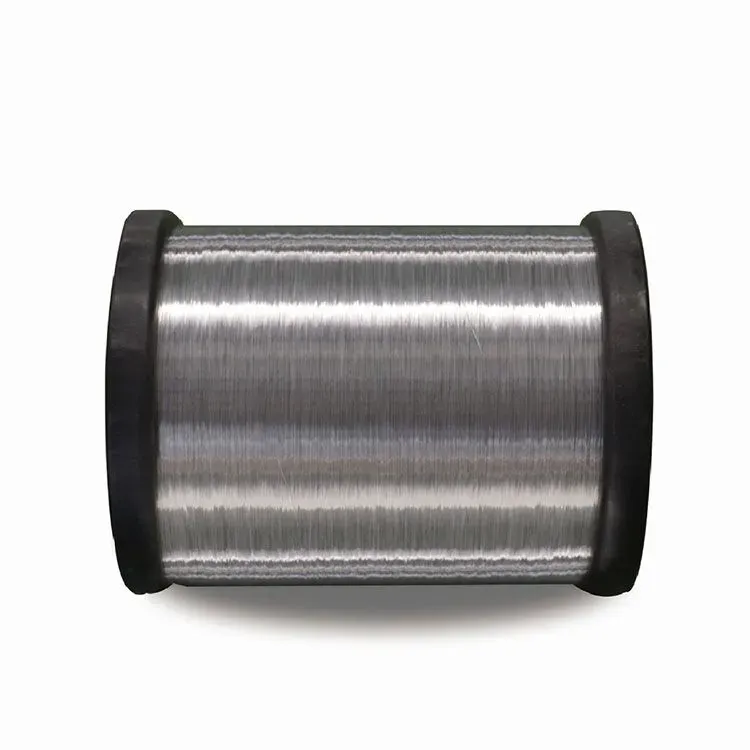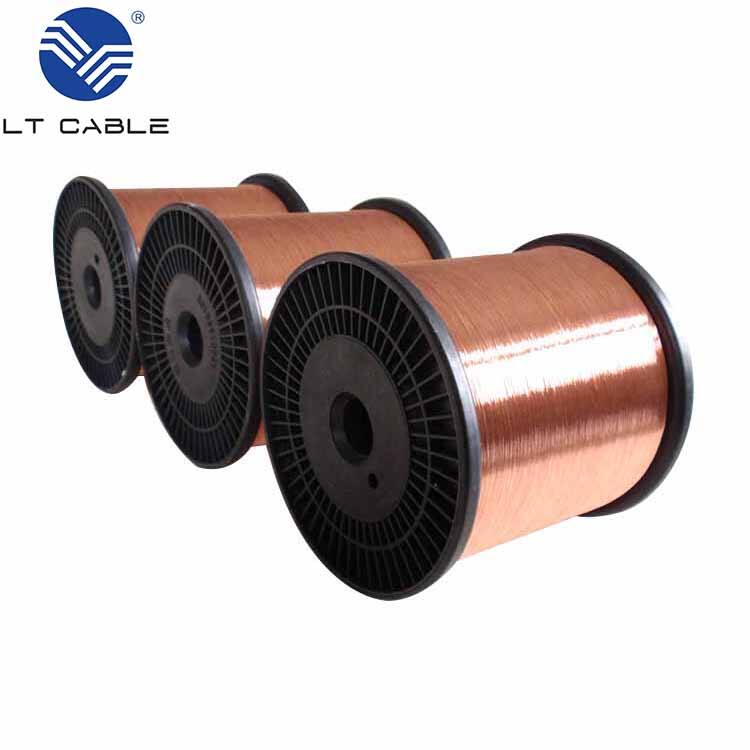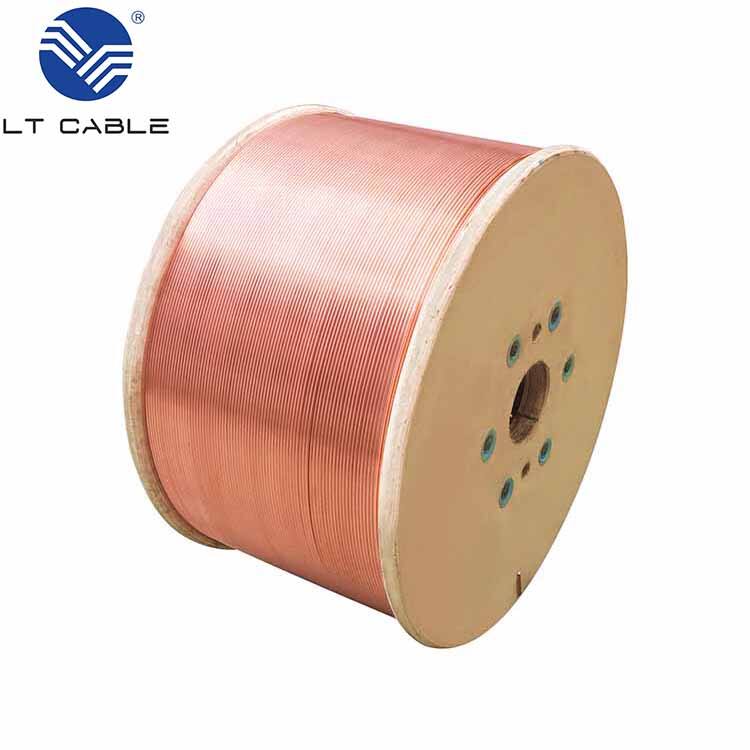
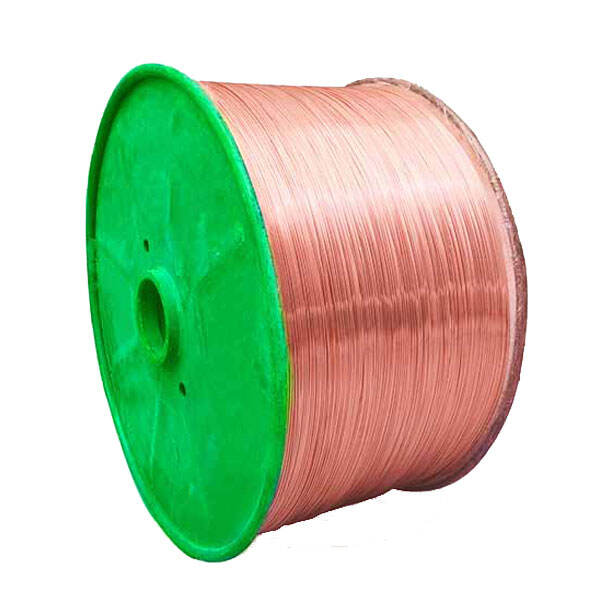
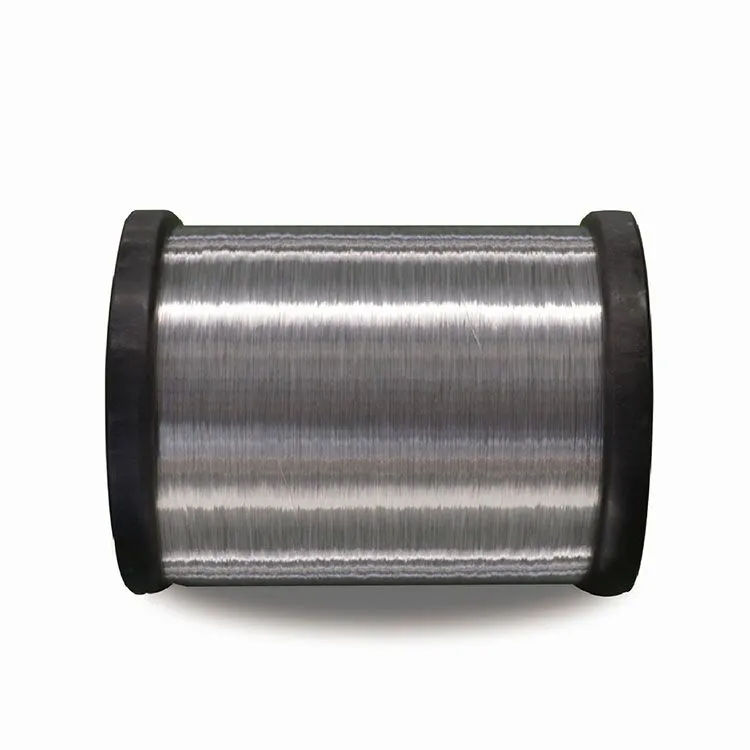
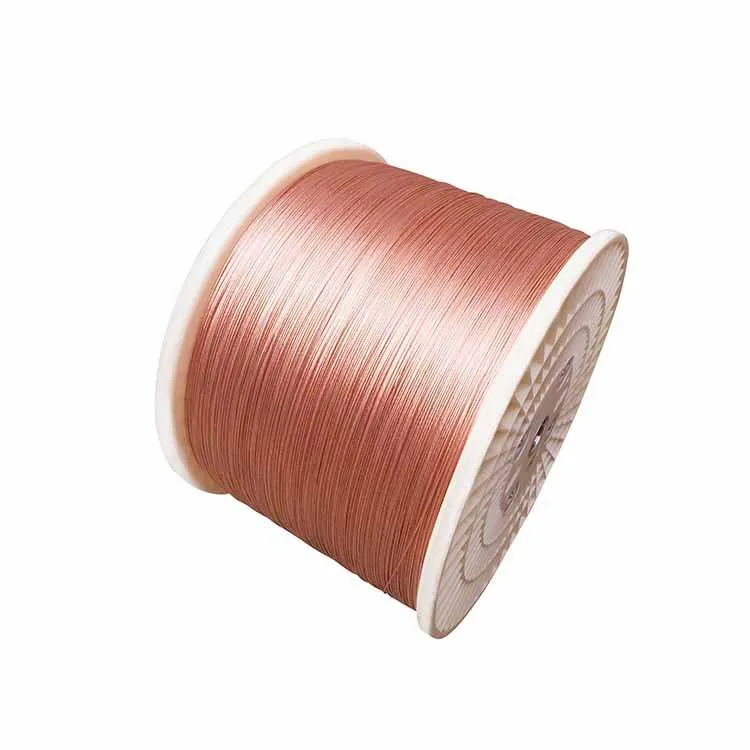
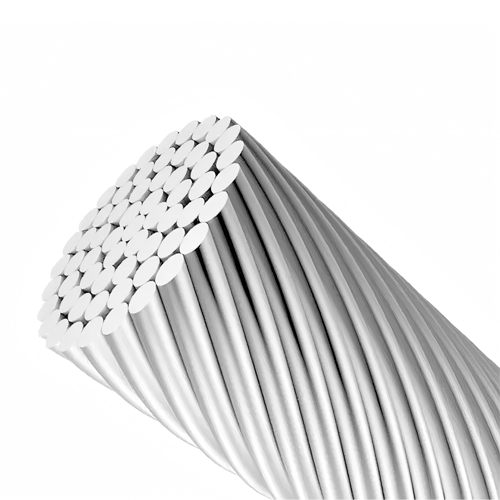
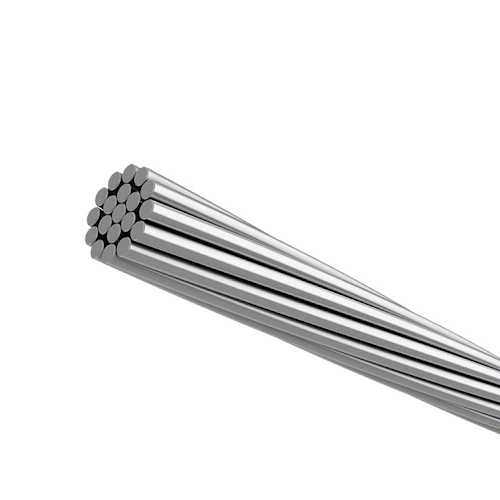
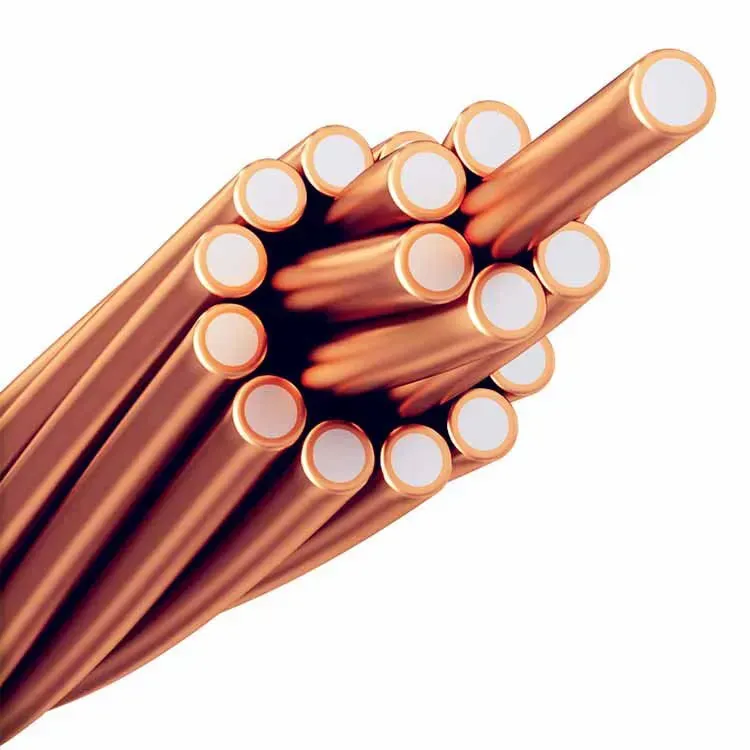
CCAM Wire: Lightweight, High-Conductivity Copper-Coated Aluminum Magnesium Wire

Get a Free Quote

Our representative will contact you soon.
Name
Email
Mobile
Country/Region
Choose the product you want
Message
0/1000
Unmatched Quality and Performance

Unmatched Quality and Performance

Copper Coated Aluminum Magnesium Wire offers superior conductivity and mechanical strength compared to traditional aluminum wire. Our advanced manufacturing processes ensure a consistent coating thickness, which enhances the wire's durability and performance in various applications. The combination of copper and aluminum provides a lightweight yet robust solution, making it ideal for electrical and electronic industries. This wire is resistant to corrosion, ensuring longevity and reliability in harsh environments, ultimately reducing maintenance costs for our clients.
Get A Quote

Case Studies

Power Distribution Solutions

In a recent project for a large utility company, we supplied Copper Coated Aluminum Magnesium Wire for their power distribution network. The wire's lightweight nature allowed for easier installation and reduced the load on supporting structures. The enhanced conductivity led to a 15% decrease in energy losses, significantly improving the efficiency of the power system. The client reported increased reliability and lower operational costs, showcasing the effectiveness of our product in real-world applications.

Telecommunications Infrastructure

We partnered with a telecommunications provider to develop a robust cabling solution using Copper Coated Aluminum Magnesium Wire. The wire's excellent conductivity and resistance to environmental factors ensured high-speed data transmission over long distances. The client experienced a 20% improvement in signal quality and a reduction in downtime, highlighting the wire's capability to meet the demanding requirements of modern communication systems.

Automotive Industry Applications

Our Copper Coated Aluminum Magnesium Wire was utilized in the production of lightweight automotive components for a leading car manufacturer. The wire's properties enabled the design of more efficient electrical systems, contributing to overall vehicle weight reduction. The client praised the wire for its reliability and performance, which played a crucial role in achieving their sustainability goals.

Related products

Copper Coated Aluminum Magnesium Wire is a one of a kind high-efficiency product. We begin our manufacturing process by selecting high-quality raw materials and follow this up with drawing and annealing processes to fine-tune the properties of our wires. These processes guarantee that our wires will pass all quality tests. We have fully automated production lines that provide consistency and reliability to our wires. Because we know our clients have differing needs, we provide customizable solutions for all of our products. No matter your industry - power distribution, telecom, or automotive - our wires will be perfect for your needs. We provide outstanding durability and conductivity at great prices. Our ultimate goal lies in establishing long-lasting relationships with our clients by providing them with great wires and great value.

FAQ

What is Copper Coated Aluminum Magnesium Wire used for?

Copper Coated Aluminum Magnesium Wire is primarily used in electrical and telecommunications applications due to its excellent conductivity and lightweight properties. It is ideal for power distribution, automotive wiring, and high-speed data transmission.
The copper coating enhances the wire's conductivity, allowing for more efficient energy transfer. It also provides resistance to corrosion, ensuring the longevity and reliability of the wire in various environments.

Related article

CCA Wire for Automotive Harness: Pros, Cons, and Standards

22

Jan

CCA Wire for Automotive Harness: Pros, Cons, and Standards

Why Automotive OEMs Are Adopting CCA Wire: Weight, Cost, and EV-Driven Demand

EV Architecture Pressures: How Lightweighting and System Cost Targets Accelerate CCA Wire Adoption

The electric vehicle industry has two big challenges on its plate right now - making cars lighter to boost battery range while keeping component costs down. Copper clad aluminum (CCA) wire helps tackle both issues at once. It cuts weight by around 40% compared to regular copper wire, yet still manages about 70% of copper's conductivity according to research from Canada's National Research Council last year. Why does this matter? Because EVs need roughly 1.5 to 2 times more wiring than traditional gasoline powered vehicles, particularly when it comes to those high voltage battery packs and fast charging infrastructure. The good news is aluminum costs less upfront, which means manufacturers can save money overall. These savings aren't just pocket change either; they free up resources for developing better battery chemistries and integrating advanced driver assistance systems. There's one catch though: thermal expansion properties differ between materials. Engineers have to pay close attention to how CCA behaves under heat changes, which is why proper termination techniques following SAE J1654 standards are so important in production environments.

Real-World Deployment Trends: Tier-1 Supplier Integration in High-Voltage Battery Harnesses (2022–2024)

More Tier 1 suppliers are turning to CCA wire for their high voltage battery harnesses on those 400V plus platforms. The reason? Localized weight reductions really boost pack level efficiency. Looking at validation data from about nine major electric vehicle platforms across North America and Europe between 2022 and 2024, we see most of the action happening in three main spots. First there's those inter cell busbar connections which account for roughly 58% of what's going on. Then comes the BMS sensor arrays and finally the DC/DC converter trunk cabling. All these setups meet ISO 6722-2 and LV 214 standards too, including those tough accelerated aging tests that prove they can last around 15 years. Sure, the crimp tools need some adjustments because of how CCA expands when heated, but manufacturers still find themselves saving approximately 18% per harness unit when switching from pure copper options.

Engineering Trade-offs of CCA Wire: Conductivity, Durability, and Termination Reliability

Electrical and Mechanical Performance vs. Pure Copper: Data on DC Resistance, Flex Life, and Thermal Cycling Stability

CCA conductors have about 55 to 60 percent more DC resistance compared to copper wires of the same gauge size. This makes them more prone to voltage drops in circuits carrying large currents such as those found in battery main feeds or BMS power rails. When it comes to mechanical properties, aluminum just isn't as flexible as copper. Standardized bend tests reveal that CCA wiring usually breaks down after around 500 flex cycles maximum, whereas copper can handle over 1,000 cycles before failing under similar conditions. Temperature fluctuations pose another problem too. The repeated heating and cooling experienced in automotive environments ranging from minus 40 degrees Celsius up to 125 degrees creates stress at the interface between copper and aluminum layers. According to testing standards like SAE USCAR-21, this kind of thermal cycling can boost electrical resistance by roughly 15 to 20 percent after just 200 cycles, which significantly impacts signal quality especially in areas subject to constant vibration.

Crimp and Solder Interface Challenges: Insights from SAE USCAR-21 and ISO/IEC 60352-2 Validation Testing

Getting termination integrity right remains a major challenge in CCA manufacturing. Tests according to SAE USCAR-21 standards have shown that aluminum tends to experience cold flow issues when subjected to crimp pressure. This problem leads to around 40% more pull-out failures if the compression force or die geometry isn't just right. The solder connections also struggle with oxidation at where copper meets aluminum. Looking at ISO/IEC 60352-2 humidity tests, we see mechanical strength drops by as much as 30% compared to regular copper solder joints. Top automotive manufacturers try to get around these problems by using nickel plated terminals and special inert gas soldering techniques. Still, nothing beats copper when it comes to lasting performance over time. Because of this, detailed micro section analysis and rigorous thermal shock testing are absolute musts for any component going into high vibration environments.

Standards Landscape for CCA Wire in Automotive Harnesses: Compliance, Gaps, and OEM Policies

Key Standards Alignment: UL 1072, ISO 6722-2, and VW 80300 Requirements for CCA Wire Qualification

For automotive grade CCA wire, meeting all sorts of overlapping standards is pretty much essential if we want safe, durable wiring that actually works properly. Take UL 1072 for instance. This one deals specifically with how well medium voltage cables resist fires. The test here requires CCA conductors to survive flame propagation tests at around 1500 volts. Then there's ISO 6722-2 which focuses on mechanical performance. We're talking about at least 5000 flex cycles before failure plus good abrasion resistance even when exposed to under hood temperatures reaching 150 degrees Celsius. Volkswagen throws another curveball with their VW 80300 standard. They demand exceptional corrosion resistance from high voltage battery harnesses, requiring them to withstand salt spray exposure for over 720 hours straight. All told, these various standards help confirm whether CCA can really work in electric vehicles where every gram counts. But manufacturers need to keep an eye on conductivity losses too. After all, most applications still require performance within 15% of what pure copper delivers as a baseline.

The OEM Divide: Why Some Automakers Restrict CCA Wire Despite IEC 60228 Class 5 Acceptance

While the IEC 60228 Class 5 standard does allow for conductors with higher resistance such as CCA, most original equipment manufacturers have drawn clear lines about where these materials can be used. Typically, they limit CCA to circuits that draw less than 20 amps and completely ban it from any system where safety is a concern. The reason behind this restriction? There are still reliability issues. Testing shows that aluminum connections tend to develop about 30 percent more contact resistance over time when subjected to temperature changes. And when it comes to vibrations, CCA crimp connections break down almost three times quicker than copper ones according to SAE USCAR-21 standards in those vehicle harnesses mounted on suspensions. These test results highlight some serious holes in current standards, especially regarding how these materials hold up against corrosion over years of service and under heavy loads. As a result, car makers base their decisions more on what actually happens in real world conditions rather than just ticking boxes on compliance paperwork.
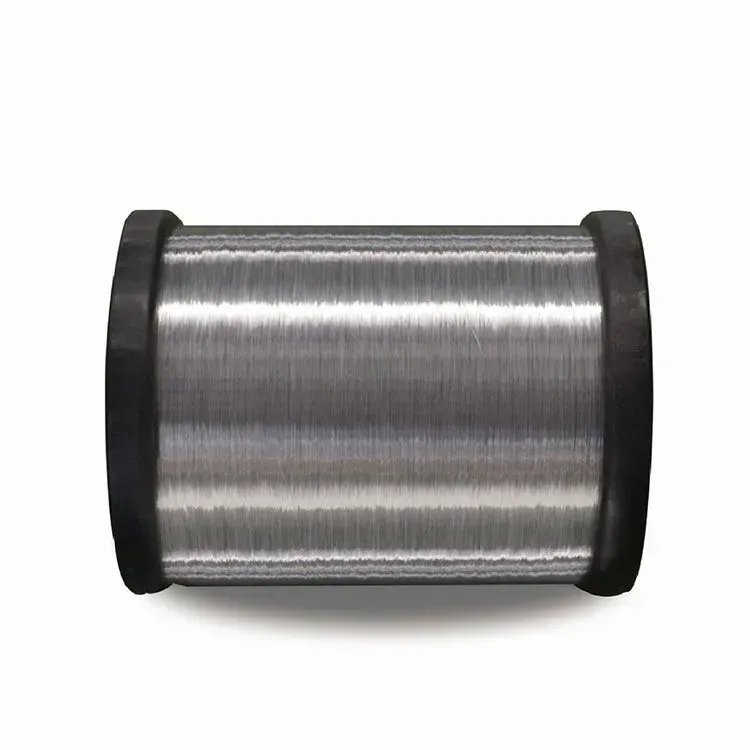
View More
Stranded Wire for Marine Applications: Navigating Rough Waters

29

Nov

Stranded Wire for Marine Applications: Navigating Rough Waters

Ship Power System: Stranded wire is vital to the ship’s power system as it interlinks different electrical equipment in order to ensure the constant distribution of electrical energy. Its anti-corrosive property guarantees that it will be able to adequately offer excellent conductivity in the sea environment for an extended period of time.

Marine Wire Drawn Steel: Marine stranded wire drawn steel is used to link underwater oceans and monitoring equipment in the deep seas to facilitate the transmission of information to the surface and assist in the scientific studies of oceans.

Offshore Wind Power Generation: stranded wire is used to connect wind mills with the off shore wind power generation systems maintaining a steady and clean energy transmission.

image(de59ac20e0).png

LT CABLE: Your Expert in Marine Stranded Wire Solutions
As a leader in the field of wires and cables, LT CABLE is well aware of the stringent requirements of the marine environment for stranded wire products. Therefore, we are committed to the research and development and production of high-quality stranded wire products to meet the diverse needs of marine applications.

High Corrosion Resistant Stranded Wire: The stranded wire can maintain good corrosion resistance after a long-period of being placed in the ocean due to its high corrosion resistance owing to the use of alloy materials and the advanced application of sorts anti corrosion techniques. 

High-strength stranded wire: Special process applies to ensure high tensile strength which weary very little as it has been tested for fatigue, but because of very rough sea condition the process is able to be applied in with high accuracy ensuring that it does not wear off easily.

Customized stranded wire solutions: LT CABLE offers an entire range of custom stranded wire service which includes designing and manufacturing of stranded wire products with certain specifications or performance according to the requirements of the customers.

LT CABLE has nowadays commanded wide recognition and trust in the marine applications substitution market owing to the excellent stranded wire products and technical power the company possesses. The company is determined to enable battered customers in the deep sea to remain on course by supplying the best stranded wires available in the market.

View More
Understanding the Benefits of Aluminum Alloy Wire in Industrial Applications

26

Jan

Understanding the Benefits of Aluminum Alloy Wire in Industrial Applications

Introduction to Aluminum Alloy Wire in Industrial Applications

Aluminum alloy wire combines aluminum with other metals to boost its performance traits. We see this stuff all over the place actually, in everything from electronic gadgets to fabric production and wiring systems throughout different industries. Why so popular? Well, it's pretty light but still strong enough to handle quite a bit of wear and tear, plus it bends without breaking easily. That combination works wonders for manufacturers needing something durable yet flexible under pressure. Take cable makers for instance they rely heavily on these alloys because they can stand up to regular use without adding unnecessary weight. Same goes for appliance builders and those working with solder joints where both strength and ease of shaping matter most.

More companies are turning to aluminum alloys these days because of better technology and what manufacturers need now. When businesses want to get things done faster without breaking the bank, aluminum becomes a smart choice instead of going with old school materials like copper or steel. These alloys work just as well but weigh less and usually cost less too, which explains why they keep showing up in cars, planes, and buildings everywhere. Looking at how many factories have swapped out traditional stuff for aluminum wires tells us something about where the industry is heading these days.

Key Advantages of Using Aluminum Alloy Wire

Aluminum alloy wire stands out for something called the strength-to-weight ratio, which basically means it's strong but doesn't weigh much. This makes all the difference when engineers need material that can take stress without adding unnecessary bulk. Take aircraft manufacturing as a case in point - every pound saved translates to better fuel economy and overall performance gains. Research indicates these wires can support considerable loads while staying significantly lighter than steel alternatives. The result? Aircraft manufacturers see real improvements in operational costs and environmental impact metrics. Similar benefits apply across other sectors where weight matters but structural integrity cannot be compromised.

One major plus point for aluminum alloys is how well they resist corrosion. This really matters when materials are used in tough conditions, think coastal areas where saltwater is everywhere or factories dealing with all sorts of chemicals day in day out. What happens naturally with aluminum is that it creates this thin oxide layer right on top of the metal surface. This layer acts like armor against rust and degradation over time. Industry data shows that aluminum holds up way better than copper does when faced with corrosive situations. For companies looking at materials for extended use across different industries, aluminum just makes more sense from both a durability standpoint and cost perspective in the long run.

Aluminum alloy wires make great sense as an alternative to copper when looking at costs. Aluminum simply costs less money than copper does, which makes it attractive for big projects where budgets matter. According to market research, switching from copper to aluminum cuts down on expenses while still maintaining good performance levels. Many industry professionals point out these financial benefits too. They mention how cheaper raw materials plus lighter weight means installation crews spend less time and money getting the job done right. Transportation costs drop off quite a bit as well since there's just not as much weight to move around.

Types of Aluminum Alloy Wire: A Comprehensive Overview

Knowing about different kinds of aluminum alloy wire matters when picking what works best for a particular job. Take enameled wire for instance it's pretty common because the coating acts as great insulation. That makes it work really well in things like motors and transformers around the shop. The coating stops those annoying electrical shorts from happening and actually helps the wire last longer, especially in places where heat gets intense. Most folks will find this stuff winding through transformer cores and motor components all over manufacturing facilities. It just holds up better under stress than other options, which explains why so many engineers specify it for their critical systems.

Aluminum alloy wire comes in two main types besides standard options: stranded and solid wire, each offering different benefits depending on what's needed. Stranded wire basically looks like several thin wires all twisted together, making it bendy and good at handling vibrations. That's why it works so well in places where movement happens a lot, think car manufacturing for instance. Solid wire tells a different story though. Made from just one thick strand, it conducts electricity better than stranded alternatives. Most commonly found in fixed positions where nobody expects the wire to move around much, like electrical systems inside buildings. When deciding between these two options, manufacturers typically weigh whether their application requires something that can flex and move around or if they need something stable that stays put once installed.

Copper clad aluminum wire combines what makes copper good at conducting electricity with aluminum's lightness, giving people the best of both worlds. Most folks see this kind of wiring in telecom systems and data lines, especially when saving space matters or when money counts. The industry specs generally point towards copper clad aluminum whenever cutting down on weight becomes important. It works as a cheaper option compared to solid copper while still holding up pretty well in terms of actual performance. Many manufacturers have switched over because it balances budget concerns against functional requirements quite nicely.

Electrical Properties of Aluminum Alloy Wire

When comparing aluminum alloy wire to traditional copper wire, there's quite a difference in how they conduct electricity. Aluminum only manages about 61% of what copper does, but here's the catch - it weighs way less. And sometimes that makes all the difference for certain jobs. Take big projects where tons of wiring needs to go up, the lighter weight really cuts down on labor costs and makes installation much simpler, particularly when running cables across vast distances. Most engineers know that aluminum needs bigger wires than copper to get the same job done right. Still, nobody argues with its advantages when weight matters most. That's why we see aluminum dominating in places like those massive overhead power lines stretching across fields and mountains. The tradeoff works out pretty well for many applications despite the conductivity gap.

When looking at how well aluminum wire works in electrical systems, it helps to compare it directly with stranded copper wire. Take resistance levels for example copper usually measures around 10.37 ohms per thousand feet, whereas aluminum tends to be higher. This means aluminum needs bigger cables to handle the same amount of electricity. But here's the thing even though aluminum isn't as efficient in terms of resistance, most people still go for it because it saves money and weighs much less. The price difference alone makes aluminum a practical choice for many projects where budget matters more than perfect performance. That explains why so many electricians and contractors opt for aluminum alloy wiring when they need something affordable and lightweight for their installations.

Industrial Applications of Aluminum Alloy Wire

Aluminum alloy wires have become popular for electrical installations because they offer several benefits when compared to standard copper wiring. Being lighter means installers can work faster and there's less strain on building structures, particularly noticeable in high rise buildings or those with large spans between supports. Cost is another factor working in favor of aluminum. They tend to be cheaper than copper while still delivering good results in most applications. What's more, aluminum stands up better against corrosion over time. Copper tends to oxidize eventually leading to reduced conductivity, whereas aluminum maintains its properties much longer in many environments.

The aerospace sector favors aluminum alloy wires because they cut down on weight without sacrificing performance. When building planes, engineers really care about lightweight materials since every pound saved translates into better fuel economy and more cargo space. Aluminum stands out thanks to its impressive conductivity relative to its weight, which is why manufacturers keep picking it for various components. Despite being lighter than alternatives, these alloys still hold up under extreme stresses during flights, ensuring both passenger safety and structural reliability throughout long hauls across the skies.

Aluminum alloy wires are showing up more and more in construction these days because they just work better than many other options. We see them all over the place really from building exteriors to stairs and even roofs, mainly because they don't rust easily and aren't too heavy. Contractors love using these wires when trying to cut down on overall building weight while also saving money on repairs later on down the road. Buildings last longer this way. As a result, most builders now consider aluminum alloy wires standard equipment for new constructions, especially whenever there are strict requirements about how structures need to perform under different conditions.

Choosing the Right Aluminum Alloy Wire for Your Project

Choosing the right aluminum alloy wire is crucial for the success and efficiency of your project. Here are key factors to consider:

  1. Electrical Requirements: Determine the current-carrying capacity required for your project. Aluminum alloy wires vary in conductivity, so selecting one that meets your project's electrical demands is essential.
  2. Environmental Conditions: Assess the environment where the wire will be used. Aluminum is prone to oxidation, so it's important to choose alloys that are treated for resistance to environmental factors.
  3. Application Type: Understand the specific applications of the wire, such as its flexibility and fatigue resistance. Different projects have different demands, from structural integrity to ease of installation.

Saving time and money starts with avoiding those common mistakes people make when picking out wires. One big mistake folks often make is ignoring things like wire gauge and capacitance ratings. What happens then? The wires tend to overheat and eventually fail completely. Take ambient temperature into account too. If someone installs wiring that isn't rated for the actual conditions it faces, the insulation might start melting after a while. And guess what? That increases fire hazards significantly. Getting familiar with all these details matters a lot. When in doubt, talking to an electrician or experienced technician makes sense. Their insights can stop expensive breakdowns down the road and keep installations running smoothly for years instead of months.

Conclusion: The Future of Aluminum Alloy Wire in Industry

With sustainability becoming such a big deal across various sectors these days, aluminum alloy wires have really caught attention because of how green they actually are. Industry stats show that switching to aluminum alloys cuts down on carbon footprints quite a bit since aluminum occurs naturally more often than most other metals and can be recycled over and over again without losing quality. What this means practically is that manufacturing facilities consume less power when working with aluminum, plus there's a noticeable drop in those harmful greenhouse gases both when producing new materials and later when recycling them. That's why we're seeing an uptick in manufacturers incorporating aluminum alloy wire into their operations lately, especially in construction and automotive fields where material choices matter a lot for overall environmental impact.

Aluminum alloy wire brings benefits that go well past just being good for the environment. The fact that it's so light combined with how well it conducts electricity makes this material really stand out when looking at new tech developments in different fields. Take cars for example automotive manufacturers are increasingly turning to aluminum alloys because they help cut down on EV weight without sacrificing performance. We're seeing similar trends in telecom where these wires enable much faster data speeds than traditional options could manage. As 5G networks roll out around the world, we'll need materials that can keep up with those bandwidth requirements. Given all these qualities, there's no doubt aluminum alloy wire will continue shaping both our tech landscape and efforts toward greener manufacturing methods going forward.

View More
Wondering how photovoltaic wire is engineered to shine in solar energy systems? Let's dig deeper.

22

Feb

Wondering how photovoltaic wire is engineered to shine in solar energy systems? Let's dig deeper.

Understanding Photovoltaic Wire

PV wire has been developed specifically for transmitting electricity from solar panels while keeping energy losses to a minimum. Standard electrical cables just aren't cut out for what PV wires need to do. These special cables can take on tough outdoor environments without breaking down. They resist things like sunlight damage, water intrusion, and temperature extremes that would ruin regular wiring over time. For anyone running a solar setup, this kind of cable isn't optional it's absolutely necessary if the system is going to work properly day after day. The right PV cables improve safety margins too because they're constructed to manage those big power surges that happen when multiple panels generate electricity at once. Most installers will tell you that investing in quality PV wiring pays off handsomely in the long run since these cables keep working reliably through heat waves, cold snaps, and everything else Mother Nature throws at them.

Engineering of Photovoltaic Wire for Solar Energy Systems

The performance and reliability of solar energy systems really depend on photovoltaic (PV) wiring. Most PV cables come in either copper or aluminum varieties, though copper generally gets the nod because it has less resistance and conducts electricity better than aluminum does. For top tier solar setups where every bit of power matters, copper remains the go to material since it cuts down on those annoying energy losses. But lately we've seen more solar installers opting for copper clad aluminum wire (CCA wire) instead. The CCA stuff gives decent conductivity at a fraction of the price, which explains why so many budget minded solar projects have started using it. This shift toward more affordable wiring options reflects what's happening across the industry as companies look for ways to cut costs without sacrificing too much performance when building out renewable energy infrastructure.

The insulation on PV wires matters a lot because it decides how well they can handle what Mother Nature throws at them. There are several options out there including PVC, PVDF, and XLPE, each offering varying degrees of protection against the elements. Take XLPE for example this stuff really stands up to heat and lasts longer than most alternatives. That's why many installers prefer it when working on projects across different climate zones or in tough conditions where wires face temperature swings day after day plus constant sun exposure. With the growth of solar power installations worldwide, picking the correct wire material paired with suitable insulation isn't just important anymore it's absolutely necessary if we want our panels to keep generating electricity safely for years to come without unexpected failures down the road.

Key Features of Photovoltaic Wire

PV wire stands out because it lasts so long, making it ideal for outdoor installations where replacement would be a hassle. Manufacturers put these cables through all sorts of stress tests they need to handle everything from scorching heatwaves to freezing winters, plus resist damage from chemicals and physical wear. This kind of toughness matters a lot when setting up solar panels since nobody wants their system failing after just a few years. The upfront cost might seem high, but most installers know that good quality wiring saves money down the road by avoiding premature replacements and maintenance headaches.

Following industry standards like UL 4703 matters a lot when talking about PV wire quality. These standards aren't just there for show either they actually guarantee those impressive voltage ratings we see, sometimes going above 600 volts. That kind of rating makes all the difference for keeping solar systems safe while they run at their best. When manufacturers stick to these tough requirements, they're basically putting up roadblocks against dangerous electrical problems that could happen otherwise. Plus, this attention to detail helps make sure solar panels work efficiently from day one. As more people turn to clean energy solutions, proper wiring becomes even more important in making sure everything runs smoothly without unexpected issues down the line.

Types of Photovoltaic Wire Explained

What makes photovoltaic wire so special? Well, it can handle much higher temperatures than regular wire and won't break down when exposed to UV rays from the sun. This matters a lot because normal wires would degrade after sitting outside for years. That's why PV wire works so well in outdoor installations where solar panels need to operate reliably day after day. Standard electrical wiring just isn't built for this kind of punishment. The manufacturers design PV wire specifically to stay intact even when baking in direct sunlight or dealing with extreme heat fluctuations common in many climates around the world.

Stranded wire stands out for its flexibility, which really matters when working in tight spots where stiff wires just won't fit. Installers appreciate this quality because it saves time and frustration during complex installations. Enameled wires take things further by adding those extra insulation layers that help prevent corrosion problems, especially important in damp locations like near water sources or underground conduits. When someone knows about these different options, they can pick what works best for their particular solar project setup while still meeting all the necessary code requirements from local authorities overseeing electrical work.

Being aware of these wire types and their applications is crucial for specialized solar installations. By aligning choices with specific requirements and adhering to industry guidelines, installers can optimize safety and performance in solar energy systems. Quality selection is essential to handle diverse installation conditions effectively.

Selecting the Right Photovoltaic Wire

Choosing the correct photovoltaic or PV wire makes all the difference when it comes to getting good results from solar panels without compromising safety. There are several things worth considering before making a purchase decision including where exactly the system will be installed, what kind of electrical load needs carrying through those wires, plus how well everything works together within the broader setup. Keep in mind that different situations call for different types of wiring materials too. For example outdoor installations require special grade PV cables built specifically to resist damage from sunlight exposure over time plus survive harsh weather extremes something standard household wiring simply isn't made for. Taking care of these details upfront pays off big time down the road by keeping things running smoothly and avoiding expensive breakdowns later on.

Looking at a stranded wire size chart helps pick the correct gauge when dealing with the amperage needs of solar panels. The right wire thickness matters because it needs to carry all that electricity safely without getting too hot, which protects both performance and lifespan of the whole system. Stranded wires bend easier than solid ones, so they work better in tight spots or awkward corners where solar equipment gets installed. Many installers find this extra flexibility makes a big difference during complicated roof mount jobs or when running cables through existing structures.

The solar industry keeps changing fast, so it makes sense to track what's happening with materials and wiring tech if we want better performance from our panels and longer lasting installations. New wires on the market now come with better insulation and stuff that conducts electricity more efficiently, which can really boost how well whole systems work together. Staying updated isn't just about having the latest gear either; it means installations stay relevant for years down the road instead of becoming obsolete when standards change or new tech comes along. Most installers know this already, but many still miss out on some pretty good improvements simply because they haven't checked what's available recently.

PV Wire Usage in Solar Installations

PV wire plays a vital role across all sorts of solar projects, whether someone has just a few panels on their roof or massive solar fields stretching for miles. What makes this wiring so good at handling everything from backyard installations to industrial parks? Well, it's built specifically to handle whatever Mother Nature throws at it. These wires can take extreme heat, cold snaps, and even lightning storms without breaking down. Plus they work safely with the high voltages needed for proper operation. When connecting panels to inverters and then feeding electricity into the main power grid, reliable PV wiring keeps things running smoothly day after day. Without quality connections throughout the system, we'd see drops in performance that nobody wants when relying on solar power for daily needs.

Installing photovoltaic wiring requires following local building regulations and electrical standards to keep things safe and legal. Make sure all those connections are properly sealed because water getting inside is a real problem that causes short circuits down the road. Don't forget about strain relief either. Without it, wires get damaged from constant movement and vibration, which eventually breaks down the whole system. Taking these steps doesn't just prolong equipment life either. Systems perform better when everything stays intact and functioning as intended without unexpected failures.

Getting the installation right means putting in good quality junction boxes and making sure everything is properly insulated. These things work together to make solar systems last longer and perform better over time. The junction boxes keep those important connection points safe from rain, dust, and other stuff that gets in there. Quality insulation does double duty too it stops electricity from leaking out and helps prevent fires. When installers take these precautions seriously, the whole system tends to stick around for years without needing constant fixes. This matters because nobody wants their solar panels going offline when they need power most. And let's face it, proper installation isn't just about avoiding problems down the road it actually makes a real difference in how much clean energy gets produced day after day.

View More

Testimonials

John Smith
Exceptional Product Quality

The Copper Coated Aluminum Magnesium Wire from Litong Cable has transformed our power distribution systems. The efficiency gains are remarkable, and the reliability is unmatched.

Sarah Johnson
Reliable Partner for Our Telecommunications Needs

Working with Litong Cable has been a game-changer for our telecom infrastructure. Their wire has improved our signal quality and reduced downtime significantly.

Get a Free Quote

Our representative will contact you soon.
Email
Name
Company Name
Message
0/1000
Lightweight Design for Versatile Applications

Lightweight Design for Versatile Applications

Our Copper Coated Aluminum Magnesium Wire is designed to be lightweight, making it easier to handle and install. This feature is particularly beneficial in industries where weight reduction is crucial, such as automotive and aerospace. The reduced weight does not compromise strength, ensuring that the wire can withstand demanding conditions.
 High Conductivity for Enhanced Efficiency

High Conductivity for Enhanced Efficiency

With superior conductivity compared to standard aluminum wire, our Copper Coated Aluminum Magnesium Wire ensures minimal energy loss during transmission. This characteristic is vital for applications requiring high efficiency, such as renewable energy systems and high-performance electrical installations.
  • Product Consultation & Selection

    Product Consultation & Selection

    Tailored advice, perfect fit solutions.

  • Production & Supply Chain

    Production & Supply Chain

    Efficient manufacturing, seamless supply.

  • Quality Assurance & Certification

    Quality Assurance & Certification

    Rigorous testing, global certifications.

  • Post-Sales Support & Tech Help

    Post-Sales Support & Tech Help

    Prompt assistance, ongoing support.

Get a Free Quote

Our representative will contact you soon.
Name
Email
Mobile
Country/Region
Title
Message
0/1000