CCAM Wire: High-Frequency Conductivity & Durability | Litong

Get a Free Quote

Our representative will contact you soon.
Name
Email
Mobile
Country/Region
Choose the product you want
Message
0/1000
The Superior Choice for Ccam Wire

The Superior Choice for Ccam Wire

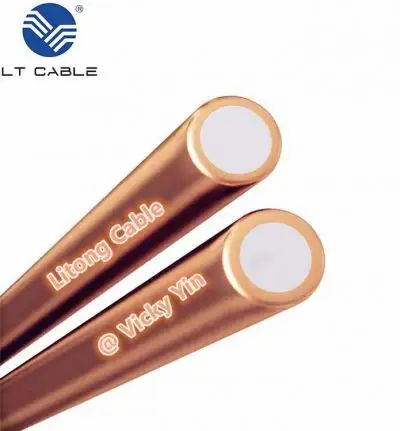
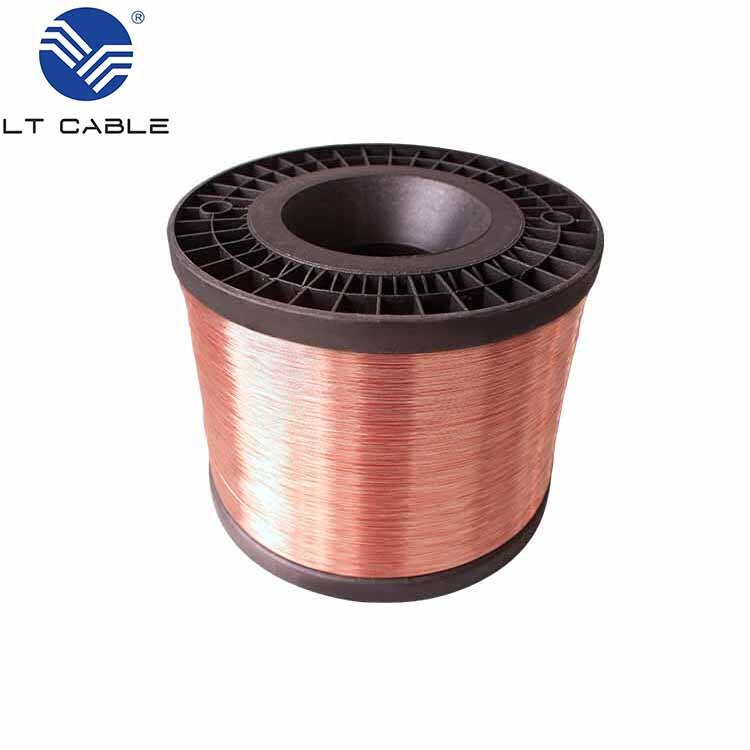
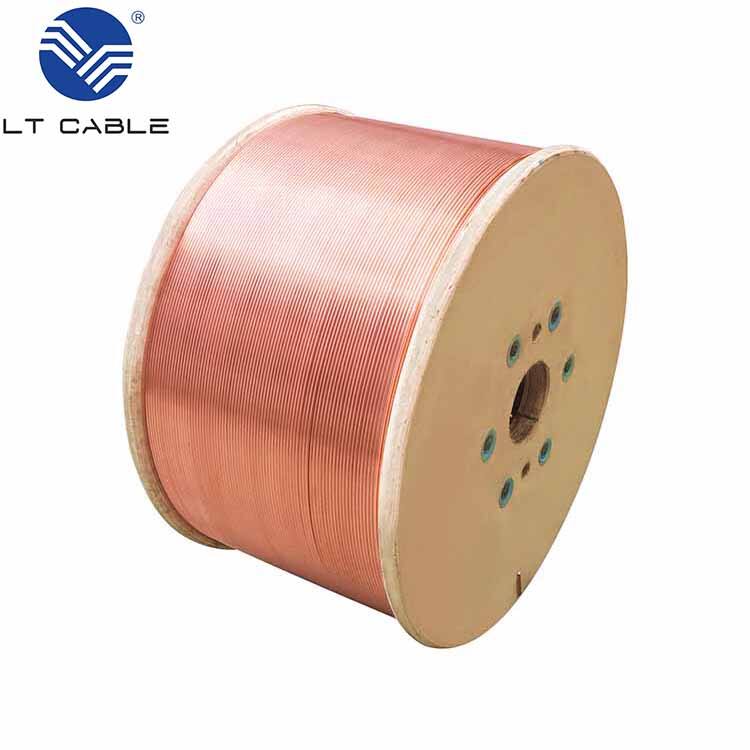
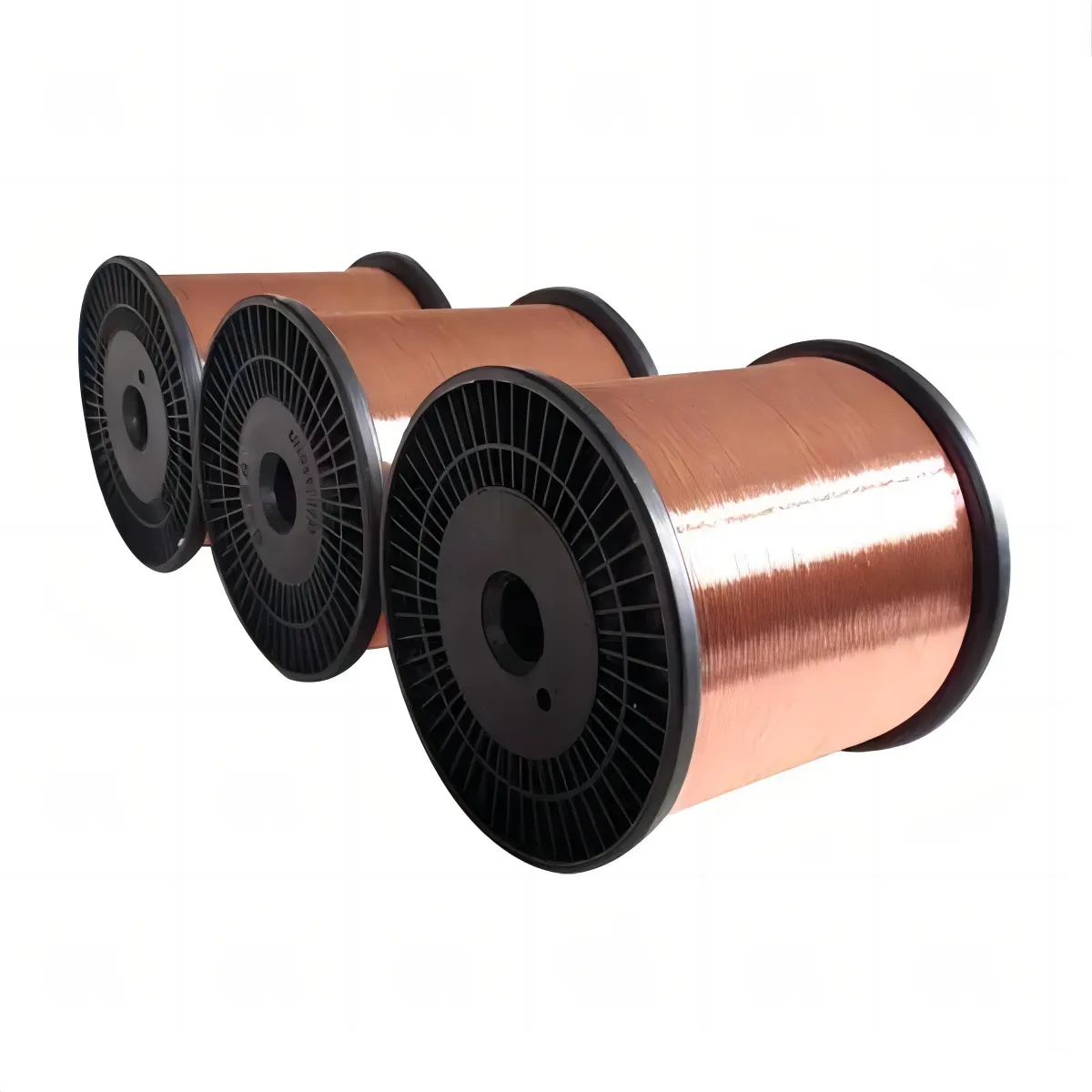
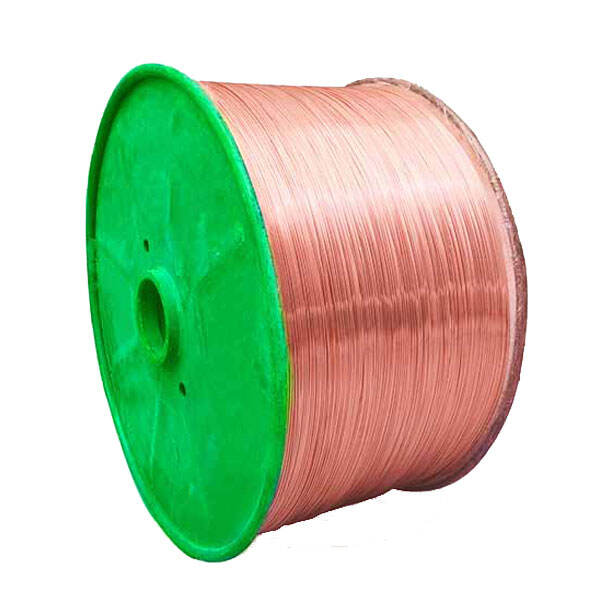
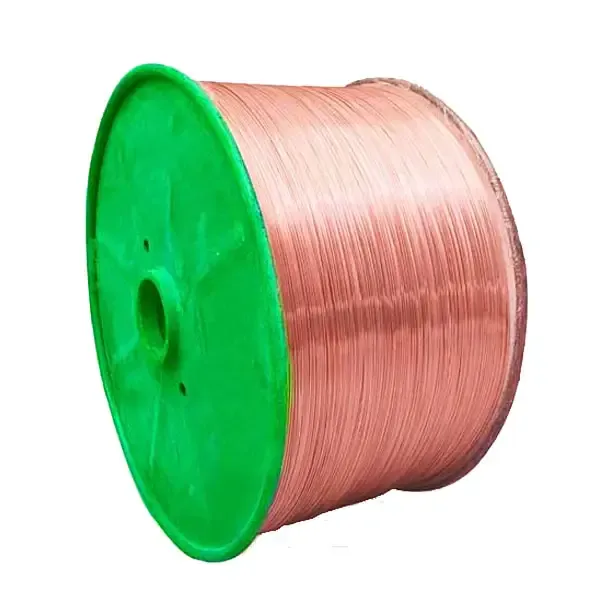
Ccam wire stands out for its exceptional conductivity and durability, making it an ideal choice for various applications in the electrical and telecommunications sectors. At Litong Cable, we prioritize quality in every facet of our production, from sourcing premium raw materials to employing fully automated production lines designed by our expert management team. Each step, including drawing wire and annealing, is meticulously controlled to ensure that our ccam wire meets the highest standards. Our commitment to customer value creation means we offer tailored solutions that cater to the specific needs of our clients, ensuring reliability and performance. With our ccam wire, you can expect not only superior quality but also enhanced efficiency and longevity in your projects.
Get A Quote

Success Stories with Ccam Wire

Transforming Telecommunications with Ccam Wire

A leading telecommunications company faced challenges with signal loss in their network infrastructure. They turned to Litong Cable for a solution. By implementing our ccam wire, which is known for its excellent conductivity and minimal signal attenuation, the company saw a significant improvement in their network performance. Our customized production allowed for the perfect specifications needed for their unique application, resulting in enhanced connectivity and customer satisfaction.

Enhancing Electrical Systems in Industrial Applications

An industrial manufacturing client required a robust wiring solution for their heavy machinery. They chose Litong Cable’s ccam wire due to its durability and resistance to environmental factors. Our team worked closely with them to deliver a customized solution that met their stringent requirements. The result was a significant reduction in maintenance costs and an increase in operational efficiency, showcasing the reliability of our ccam wire in demanding environments.

Innovative Solutions for Renewable Energy Projects

A renewable energy firm aimed to optimize their solar panel installations. They partnered with Litong Cable to utilize our ccam wire, which is lightweight and highly conductive. This choice allowed for easier installation and improved energy transfer efficiency. The project not only met but exceeded performance expectations, demonstrating how our ccam wire can contribute to sustainable energy solutions while ensuring high performance and reliability.

Related products

Litong Cable Company takes pride in the quality of their ccam wire production processes. A fully automated production process ensures each step of production from quality control of production materials to final product delivery is completed with precision. The production process begins with the acquisition of the best production materials which pass rigorous quality standards testing. Once approved, production materials go through the wire-forming, or drawing process. After the drawing process comes the fccood process to improve the wire’s concordance ductility and wire side. Our management team is involved in each process to meet the international standards and regulations to improve the wire quality. Our clients receive ccam wires of the the best quality and durability. Our international clients from different industries of telecommunications, renewable energies and industrial manufacturing to ciovers wires of the best quality, durability, and performance. Our ccam wires are of the best quality, durability, and high performance.

Frequently Asked Questions about Ccam Wire

What is ccam wire used for?

Ccam wire is primarily used in electrical and telecommunications applications due to its excellent conductivity and durability. It is ideal for use in power transmission, signal wiring, and various industrial applications where reliability is crucial.
We maintain strict quality control throughout our production process, from selecting high-quality raw materials to implementing automated production lines. Each step is monitored to ensure that our ccam wire meets or exceeds industry standards, providing our clients with reliable products.

Related article

CCA Wire for Automotive Harness: Pros, Cons, and Standards

22

Jan

CCA Wire for Automotive Harness: Pros, Cons, and Standards

Why Automotive OEMs Are Adopting CCA Wire: Weight, Cost, and EV-Driven Demand

EV Architecture Pressures: How Lightweighting and System Cost Targets Accelerate CCA Wire Adoption

The electric vehicle industry has two big challenges on its plate right now - making cars lighter to boost battery range while keeping component costs down. Copper clad aluminum (CCA) wire helps tackle both issues at once. It cuts weight by around 40% compared to regular copper wire, yet still manages about 70% of copper's conductivity according to research from Canada's National Research Council last year. Why does this matter? Because EVs need roughly 1.5 to 2 times more wiring than traditional gasoline powered vehicles, particularly when it comes to those high voltage battery packs and fast charging infrastructure. The good news is aluminum costs less upfront, which means manufacturers can save money overall. These savings aren't just pocket change either; they free up resources for developing better battery chemistries and integrating advanced driver assistance systems. There's one catch though: thermal expansion properties differ between materials. Engineers have to pay close attention to how CCA behaves under heat changes, which is why proper termination techniques following SAE J1654 standards are so important in production environments.

Real-World Deployment Trends: Tier-1 Supplier Integration in High-Voltage Battery Harnesses (2022–2024)

More Tier 1 suppliers are turning to CCA wire for their high voltage battery harnesses on those 400V plus platforms. The reason? Localized weight reductions really boost pack level efficiency. Looking at validation data from about nine major electric vehicle platforms across North America and Europe between 2022 and 2024, we see most of the action happening in three main spots. First there's those inter cell busbar connections which account for roughly 58% of what's going on. Then comes the BMS sensor arrays and finally the DC/DC converter trunk cabling. All these setups meet ISO 6722-2 and LV 214 standards too, including those tough accelerated aging tests that prove they can last around 15 years. Sure, the crimp tools need some adjustments because of how CCA expands when heated, but manufacturers still find themselves saving approximately 18% per harness unit when switching from pure copper options.

Engineering Trade-offs of CCA Wire: Conductivity, Durability, and Termination Reliability

Electrical and Mechanical Performance vs. Pure Copper: Data on DC Resistance, Flex Life, and Thermal Cycling Stability

CCA conductors have about 55 to 60 percent more DC resistance compared to copper wires of the same gauge size. This makes them more prone to voltage drops in circuits carrying large currents such as those found in battery main feeds or BMS power rails. When it comes to mechanical properties, aluminum just isn't as flexible as copper. Standardized bend tests reveal that CCA wiring usually breaks down after around 500 flex cycles maximum, whereas copper can handle over 1,000 cycles before failing under similar conditions. Temperature fluctuations pose another problem too. The repeated heating and cooling experienced in automotive environments ranging from minus 40 degrees Celsius up to 125 degrees creates stress at the interface between copper and aluminum layers. According to testing standards like SAE USCAR-21, this kind of thermal cycling can boost electrical resistance by roughly 15 to 20 percent after just 200 cycles, which significantly impacts signal quality especially in areas subject to constant vibration.

Crimp and Solder Interface Challenges: Insights from SAE USCAR-21 and ISO/IEC 60352-2 Validation Testing

Getting termination integrity right remains a major challenge in CCA manufacturing. Tests according to SAE USCAR-21 standards have shown that aluminum tends to experience cold flow issues when subjected to crimp pressure. This problem leads to around 40% more pull-out failures if the compression force or die geometry isn't just right. The solder connections also struggle with oxidation at where copper meets aluminum. Looking at ISO/IEC 60352-2 humidity tests, we see mechanical strength drops by as much as 30% compared to regular copper solder joints. Top automotive manufacturers try to get around these problems by using nickel plated terminals and special inert gas soldering techniques. Still, nothing beats copper when it comes to lasting performance over time. Because of this, detailed micro section analysis and rigorous thermal shock testing are absolute musts for any component going into high vibration environments.

Standards Landscape for CCA Wire in Automotive Harnesses: Compliance, Gaps, and OEM Policies

Key Standards Alignment: UL 1072, ISO 6722-2, and VW 80300 Requirements for CCA Wire Qualification

For automotive grade CCA wire, meeting all sorts of overlapping standards is pretty much essential if we want safe, durable wiring that actually works properly. Take UL 1072 for instance. This one deals specifically with how well medium voltage cables resist fires. The test here requires CCA conductors to survive flame propagation tests at around 1500 volts. Then there's ISO 6722-2 which focuses on mechanical performance. We're talking about at least 5000 flex cycles before failure plus good abrasion resistance even when exposed to under hood temperatures reaching 150 degrees Celsius. Volkswagen throws another curveball with their VW 80300 standard. They demand exceptional corrosion resistance from high voltage battery harnesses, requiring them to withstand salt spray exposure for over 720 hours straight. All told, these various standards help confirm whether CCA can really work in electric vehicles where every gram counts. But manufacturers need to keep an eye on conductivity losses too. After all, most applications still require performance within 15% of what pure copper delivers as a baseline.

The OEM Divide: Why Some Automakers Restrict CCA Wire Despite IEC 60228 Class 5 Acceptance

While the IEC 60228 Class 5 standard does allow for conductors with higher resistance such as CCA, most original equipment manufacturers have drawn clear lines about where these materials can be used. Typically, they limit CCA to circuits that draw less than 20 amps and completely ban it from any system where safety is a concern. The reason behind this restriction? There are still reliability issues. Testing shows that aluminum connections tend to develop about 30 percent more contact resistance over time when subjected to temperature changes. And when it comes to vibrations, CCA crimp connections break down almost three times quicker than copper ones according to SAE USCAR-21 standards in those vehicle harnesses mounted on suspensions. These test results highlight some serious holes in current standards, especially regarding how these materials hold up against corrosion over years of service and under heavy loads. As a result, car makers base their decisions more on what actually happens in real world conditions rather than just ticking boxes on compliance paperwork.
View More
Copper Clad Steel (CCS) Wire: Strength Meets Conductivity

28

Nov

Copper Clad Steel (CCS) Wire: Strength Meets Conductivity

Copper Clad Steel Wire: A Comprehensive Overview

Electrical engineers are always on the lookout for materials that provide them with both high conductivity and decent mechanical strength. Copper Clad Steel or CCS Wire is one such composite, which is a conductor comprised of a steel core that is sheathed in copper. This translates to a wire that offers ample strength and durability thanks to the steel, with complete conductivity from copper. 

Features of CCS Wire

The way in which CCS wire is constructed has its own set of advantages when compared to standard conductors. A prime advantage is its steel core which provides enhanced tensile strength thus making it suitable for even demanding mechanical requirements while the outer layer formed from copper allows for current to flow quite effectively, hence reducing losses, and resistance. Because of this reason CCS wire can prove to be useful for overhead power lines, grounding systems, etc.

Uses of CCS Wire

No doubt that CCS wire is used in many sectors. For example, in telecommunications, it is deployed in underground cables and overhead lines since it has excellent resistance to corrosive and other environmental agents. Similarly, in the power industry, the CCS wire is appreciated because, despite putting the wire outdoors, the primary properties of electricity are not compromised. For the reason of improved safety for grounding systems by redirecting potential dangerous fault current, its application is also optimal.

How is CCS Wire Made?

CCS wire can be manufactured wire by wire in a way that guarantees the integrity of the steel core and the copper clad. The steel core having a particular diameter is first fabricated, and onto this electroplating or bonding technique coats the core with copper. This method is able to produce a strong and uniform bond between the two metals necessary for the completion of the product in the most elements of the manufacturing process.

LT CABLE’s Quality Assurance 

At LT CABLE, we proudly stand behind our motto which assures our customers of high quality CCS wire products. Our product series promises to the users that the product shall work as expected and withstand the test of time all while being manufactured as per stringent requirements of the users. Reliability in electric systems is at our core, hence we have put in place modern technologies to manufacture and comprehensive quality assessment mechanisms within our company. 

LT CABLE's Product Series Explanation 

The performance of our CCS wire product series is designed for a number of use cases and to operate in even the harshest of environments. For power transmission, telecommunications or even grounding applications, our CCS wires' specification is crafted to cater for the underlying needs of any project at hand. LT CABLE gives you the assurance that you are getting a product that combines steel's structural properties and copper's electrical conductivity with the certainty of desired results.

Every section of our products focused on wires manufactured from CCS structures maintain the level of quality and performance standards that are the highest. The development of the PVC insulated wire proceeds with a strong orientation on the customer satisfaction. For your next electrical cable project, use LT CABLE and witness the great things that our CCS wire will do for your power grid.”

d2aedb894125869d1998be495750e2d6a1f03c74900bce91bf7e9fe1cbe0f8a3.webp

View More
CCA Wire: The Cost-Effective Solution for Your Wiring Needs

29

Nov

CCA Wire: The Cost-Effective Solution for Your Wiring Needs

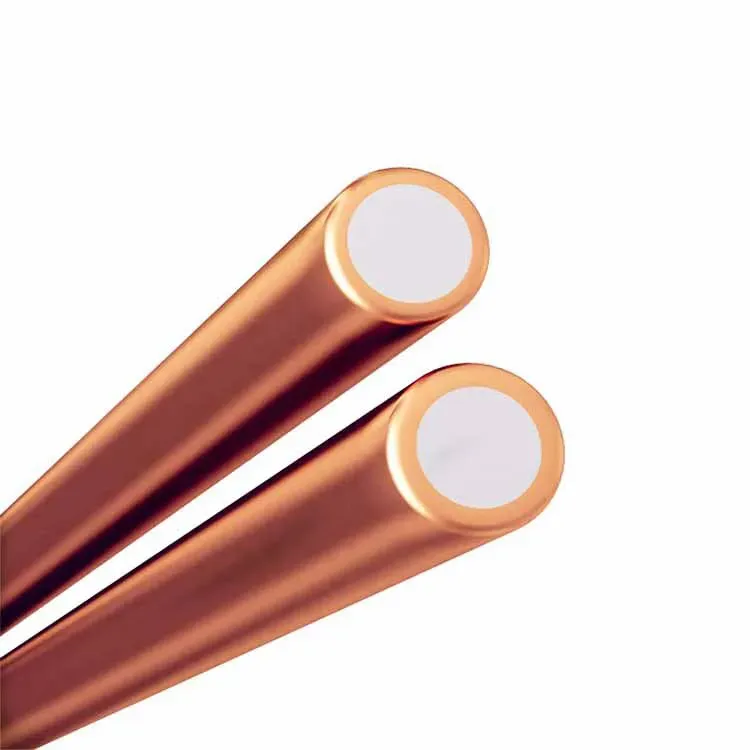
In today's fast-growing electronics and electrical industries, choosing the right wire is essential to ensure the stability and cost-effectiveness of the system. CCA (Copper Clad Aluminum) wire is gradually becoming the first choice for many businesses and individual users as a cost-effective and reliable solution. CCA wire combines the good conductivity of copper and the lightweight properties of aluminum by wrapping a copper layer on an aluminum core, thus providing an ideal balance for various wiring applications.

The biggest advantage of CCA wire is its excellent cost-effectiveness. Compared with pure copper wire, CCA wire can significantly reduce material costs while maintaining good conductivity. This makes it an ideal choice for large-scale wiring projects, home renovations, and industrial applications. In addition, since aluminum is lighter than copper, using CCA wire can reduce the overall weight, which is especially important for equipment that needs to be frequently moved or installed at high places. Not only that, CCA wire also has good corrosion resistance and a long service life, further enhancing its value as a long-term investment.

image.png

CCA wires provided by LT CABLE
As a brand focusing on high-quality wire solutions, LT CABLE is well aware of customers' needs for a balance between product performance and cost control. We provide a variety of CCA wires, including but not limited to standard CCA wires, enhanced CCA wires, etc., to meet the specific requirements of different scenarios. Our CCA wires are manufactured using advanced production processes to ensure that each product meets international standards while having excellent conductivity and durability. Whether in residential areas, commercial buildings or industrial facilities, LT CABLE's CCA wires can perform well and help users achieve efficient and safe power transmission.

In addition to CCA wires, LT CABLE has also launched a series of other high-quality wire products, such as CCAM (copper clad aluminum alloy) wires, CCS (copper clad steel) wires, and aluminum-magnesium alloy wires, etc., aiming to provide customers with a full range of wiring solutions. For example, in some special environments, wires with higher strength or better corrosion resistance may be required, and CCAM or CCS wires will become a better choice. Aluminum-magnesium alloy wires have a wide range of application prospects in aerospace and other fields due to their unique lightweight characteristics.

Regardless of the size of your project, LT CABLE can provide you with the most suitable wire solution. If you are looking for a wire option that can meet your high performance requirements while effectively controlling costs, then consider CCA wire.

View More
How does copper - clad wire achieve such outstanding conductivity?

22

Feb

How does copper - clad wire achieve such outstanding conductivity?

Understanding Copper-Clad Wire

Copper clad wire represents a special type of composite made from either aluminum or steel at its center, wrapped with a thin copper layer. The manufacturing technique for this setup goes by the name cladding welding. During production, quality copper tape gets applied around the central metal, forming what's called a solid metallurgical bond between layers. What happens next is pretty interesting actually the copper and base metal start acting like they're one material instead of separate ones. This combination gives the wire better properties overall, making it work well across different industrial applications where strength meets conductivity requirements.

Copper-clad wire combines different materials to give it some pretty special characteristics that regular copper or aluminum wires just don't have. Copper on the outside means great conductivity, something that matters a lot when we need good electrical performance from our systems. Inside, there's usually aluminum or sometimes steel, which cuts down both the weight and what it costs to produce these wires. For manufacturers looking at their bottom line but still wanting decent conductive properties, this mix hits the sweet spot. Industries like telecommunications and power transmission find copper-clad options particularly appealing because they get most of the benefits of pure copper at a fraction of the price, even if they aren't quite as perfect as solid copper conductors.

Copper clad wires work better because of their layered construction. Copper sits on the outside where it does what it does best conducting electricity really well. Inside there's something lighter, which makes the whole thing cheaper to produce and much easier to work with during installation. This setup works great when we need lots of wire running through buildings or across landscapes without dragging around heavy cables that break the bank. Think about telephone lines stretching between poles or data cables snaking through office walls. The mix of copper and other materials creates a practical solution that balances performance against budget constraints, something manufacturers have been optimizing for decades in the ever-evolving world of electrical connections.

Benefits of Copper-Clad Aluminum Wire

Copper clad aluminum wire actually stands up better than regular copper wire when it comes to strength and lasting power, which makes it work great for all sorts of different jobs around the industry. Tests have shown these wires can handle much more tension before breaking compared to standard copper options. The real advantage becomes clear in places where there's constant wear and tear on materials. These wires bend without snapping and still keep their shape even after being stretched quite a bit, something plain copper just cant match in most situations.

When looking at the bottom line, copper clad aluminum wire comes out ahead as a smart money move. These wires cost way less than solid copper options, which cuts down on material expenses big time. That makes them especially appealing for companies working with tight budgets or trying to keep overhead low. What's really nice about this cost advantage is that manufacturers can redirect those saved dollars toward other parts of their operations. Some might invest in better quality control equipment while others could upgrade their facilities. Either way, the financial flexibility opens up new possibilities without sacrificing product quality.

One major plus point for copper-clad aluminum wire is its better resistance to corrosion, something that really extends how long these wires last before needing replacement. The reason behind this protection lies in copper itself, known for standing up well against rust and other forms of degradation. That makes copper-clad options especially good for places outside or areas with high humidity levels where regular wires might start breaking down faster. Electrical systems using this type of wiring tend to stay dependable for much longer than standard alternatives. Less frequent repairs mean lower costs down the road, and overall installations just last better without constant attention from technicians.

In summary, copper-clad aluminum wire is beneficial for its enhanced strength and durability, cost-effectiveness, and superior corrosion resistance. These properties make it an excellent choice for various applications, particularly where budgetary constraints and environmental factors play a significant role.

Applications of Copper-Clad Wire

Copper clad wire plays a big role in telecom networks these days. The copper layer actually boosts how well electricity flows through the wire, something that keeps signals strong during transmission. Because of this property, many companies go with copper clad when making coax cables for things like high speed internet connections and TV service delivery systems. Another benefit worth mentioning is that these wires help cut down on signal interference problems, so people get better reception quality overall without those annoying dropouts or fuzzy pictures.

Copper clad wire works great for electrical wiring in homes and businesses alike. It weighs less than regular copper cable and costs quite a bit less too, which means better energy efficiency overall. Electricians love working with it when they need to run wires through tight spaces or around complicated building layouts since it bends so easily. The lighter weight really helps during installations, especially up high where carrying heavy materials gets old fast. Contractors often choose copper clad wire for these reasons when budget is a concern but performance still needs to be good enough for most applications.

Copper clad wire plays a really important role when building antennas these days, especially since modern tech demands lighter materials without sacrificing signal quality. Take copper clad aluminum as an example. It weighs much less than solid copper but still conducts electricity pretty well. That's why many companies install aerial antennas using this material. The towers don't have to support as much weight, which saves money on structural requirements. Plus, signals travel through these wires just fine. For folks working on communication systems or setting up broadcast equipment, copper clad options offer both weight savings and good performance characteristics that make them stand out from other materials available in the market today.

Technical Comparisons

Knowing the difference between regular copper wire and copper-clad options matters a lot for anyone buying materials or working on electrical projects. Copper itself has amazing conductivity because it doesn't resist electricity much, usually measuring around 1.678 ohms per meter when things are at normal room temps. On the other hand, those copper-clad aluminum wires (we call them CCA) actually have a bit more resistance since they're made with an aluminum center wrapped in a thin copper coating. What makes these interesting though is that despite this small tradeoff in conductivity, they cost less money and weigh significantly less than pure copper alternatives. For many applications where budget constraints exist but performance still needs to be decent, CCA provides a good middle ground between getting the job done right and keeping expenses under control.

When deciding between stranded and solid wire setups, application requirements usually dictate which type works best. Stranded wire consists of many small strands twisted together, making it great for situations where movement happens regularly. Because of this flexibility, stranded wires don't break as easily during repeated bending motions, though they do have marginally higher resistance per foot than their solid counterparts. Solid wire has just one thick conductor inside, offering stronger construction with less resistance. These characteristics make solid wire better suited for fixed installations where long term stability matters most. Understanding these differences helps electricians pick the right kind of wire depending on what the job actually demands.

Market Trends in Wire Solutions

The wire production field is undergoing major changes right now, especially when it comes to making copper-clad wires. New tech developments have improved how these wires perform without breaking the bank on manufacturing expenses. Take the latest cladding methods for example they deliver better electrical properties but require far less actual copper than traditional approaches, which cuts down on material costs quite a bit. The shift toward these methods matters a lot because manufacturers across various sectors are constantly looking for ways to save money without compromising quality. Many companies in electronics and construction are already adopting these newer techniques as part of their broader efforts to cut costs and reduce environmental impact over time.

The future looks bright for copper-clad materials as demand seems set to rise because they offer both good value and solid performance. Recent market studies show companies are moving toward greener approaches that save money while still getting the job done right. This makes sense when we look at what industries around the world need these days. Manufacturers aren't standing still either. They keep finding new ways to work with copper clad products, which means we can expect continued expansion in this area. New rules from regulators plus growing concern about protecting our environment are giving an extra push to adoption rates across many sectors.

View More

Customer Feedback on Ccam Wire

John Smith
Exceptional Performance in Telecommunications

We switched to Litong Cable's ccam wire for our telecommunications projects, and the difference has been remarkable. The signal quality improved significantly, and our clients are happier than ever!

Sarah Johnson
Reliable Partner for Industrial Solutions

Litong Cable has been our go-to supplier for ccam wire for years. Their products are reliable, and their customer service is top-notch. We highly recommend them for any industrial application.

Get a Free Quote

Our representative will contact you soon.
Email
Name
Company Name
Message
0/1000
Unmatched Quality Control

Unmatched Quality Control

At Litong Cable, we take pride in our rigorous quality control processes. Each stage of our ccam wire production is monitored with precision, ensuring that our products consistently meet the highest standards. This commitment to quality not only enhances the performance of our ccam wire but also instills confidence in our clients. By choosing our ccam wire, you are investing in a product that is designed to deliver exceptional reliability and longevity, making it a smart choice for any application.
Customizable Solutions for Diverse Needs

Customizable Solutions for Diverse Needs

Understanding that each client has unique requirements, Litong Cable offers customizable ccam wire solutions. Our expert team collaborates with clients to develop specifications that align with their project needs. Whether it's adjusting wire diameter, length, or conductivity, we ensure that our ccam wire meets the specific demands of your application, providing you with tailored solutions that enhance performance and efficiency.
  • Product Consultation & Selection

    Product Consultation & Selection

    Tailored advice, perfect fit solutions.

  • Production & Supply Chain

    Production & Supply Chain

    Efficient manufacturing, seamless supply.

  • Quality Assurance & Certification

    Quality Assurance & Certification

    Rigorous testing, global certifications.

  • Post-Sales Support & Tech Help

    Post-Sales Support & Tech Help

    Prompt assistance, ongoing support.

Get a Free Quote

Our representative will contact you soon.
Name
Email
Mobile
Country/Region
Title
Message
0/1000