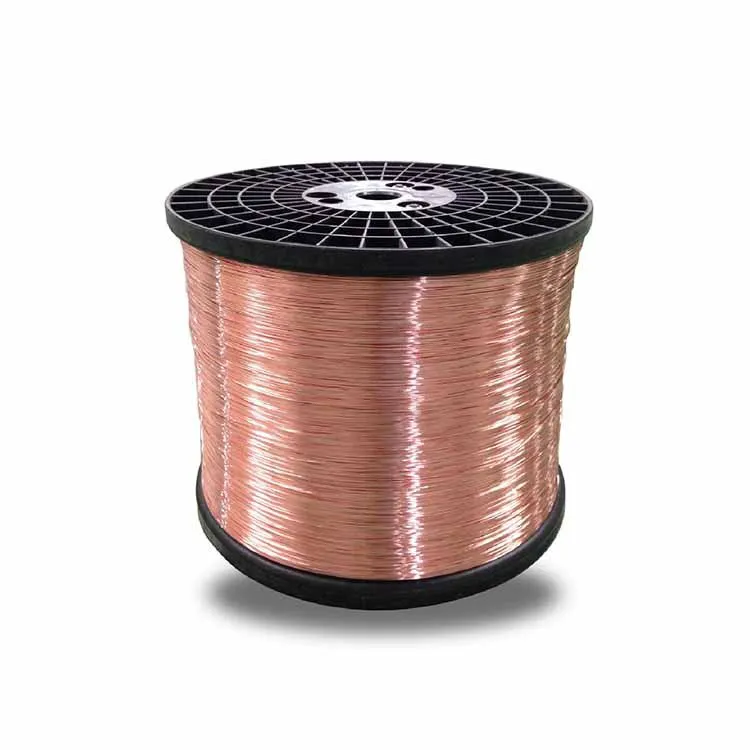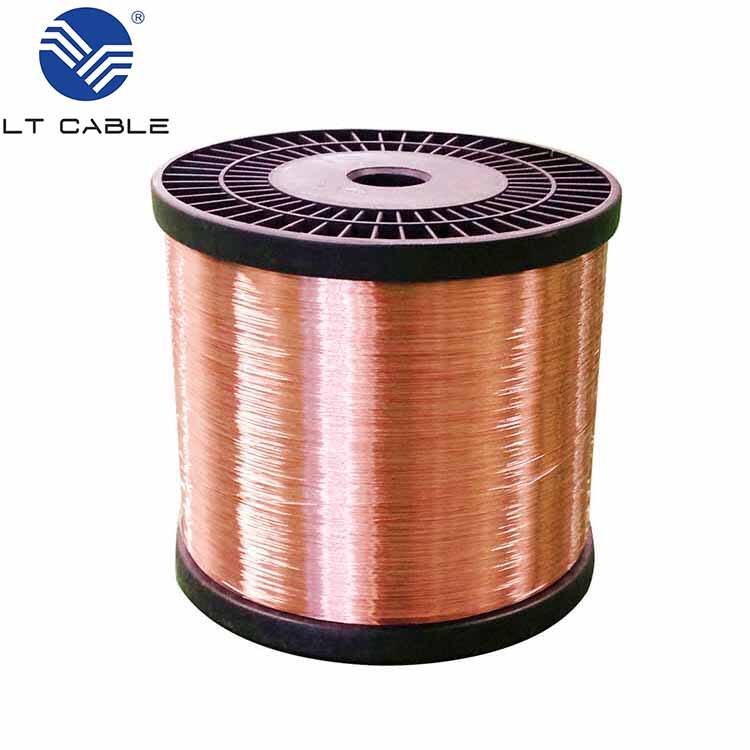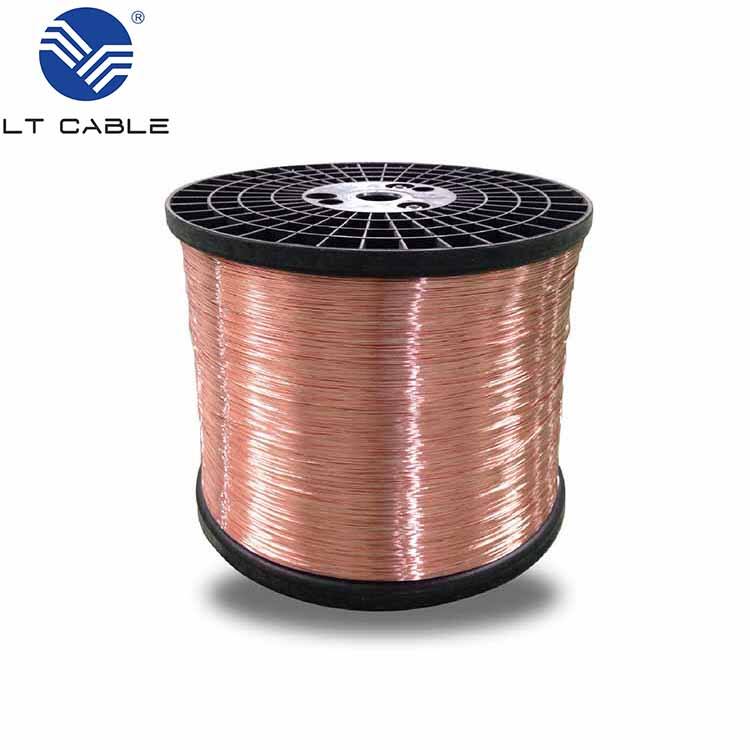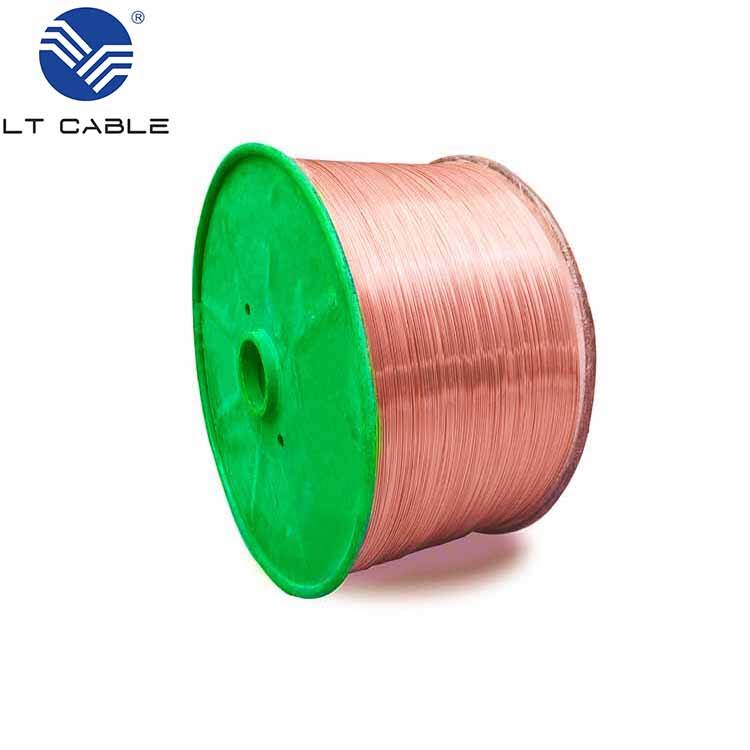
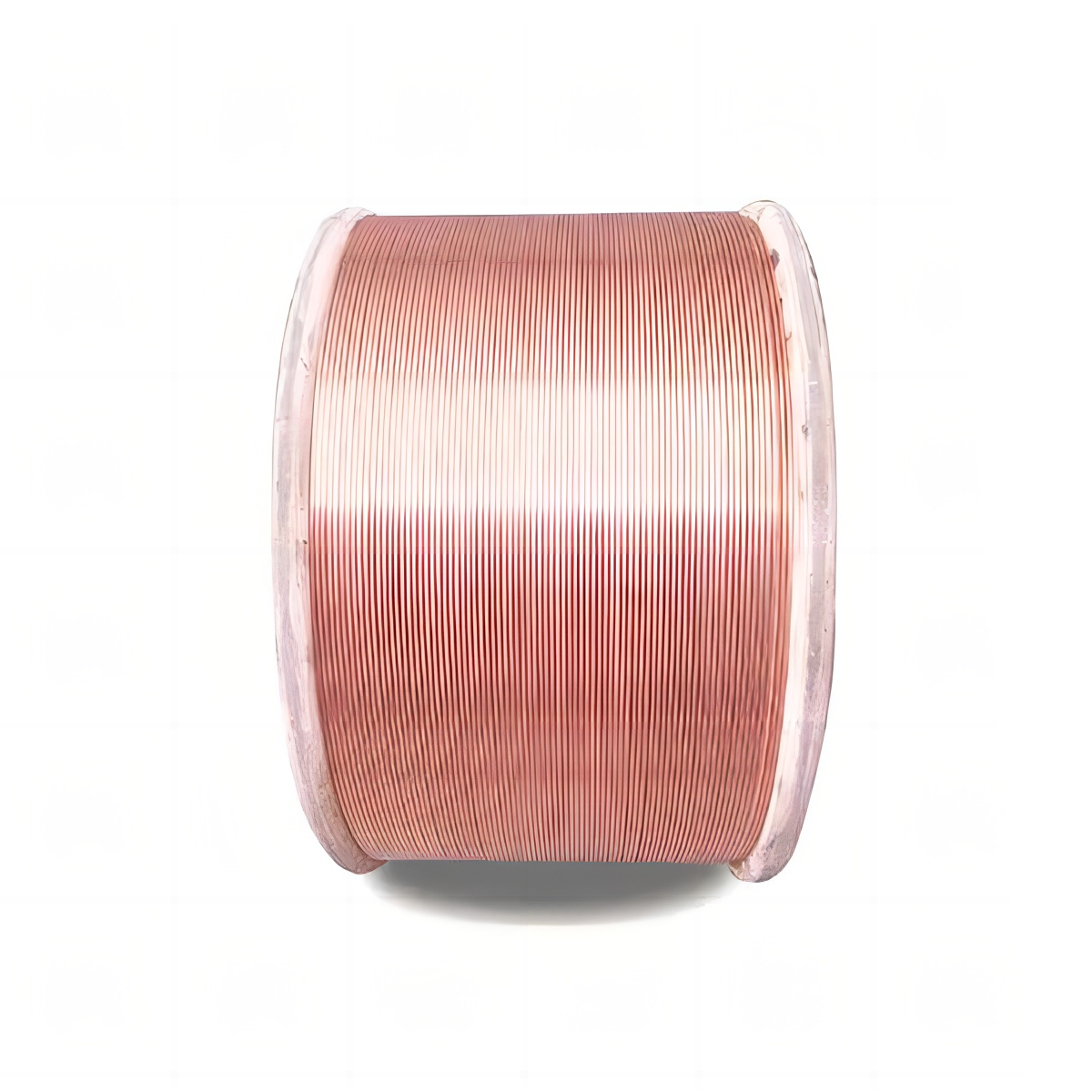
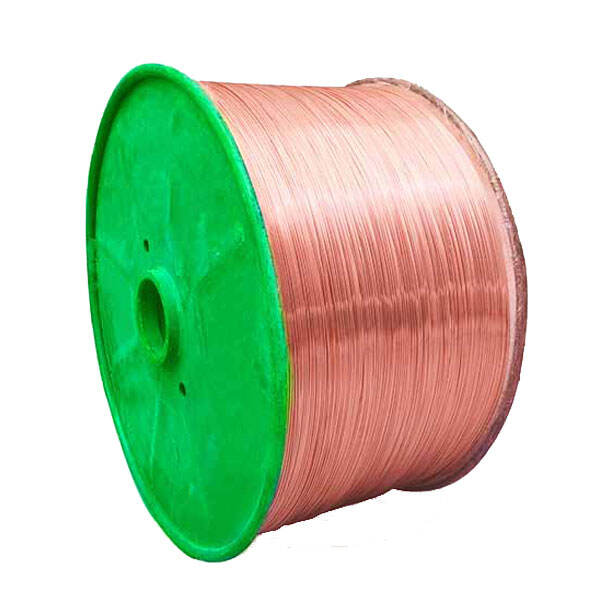
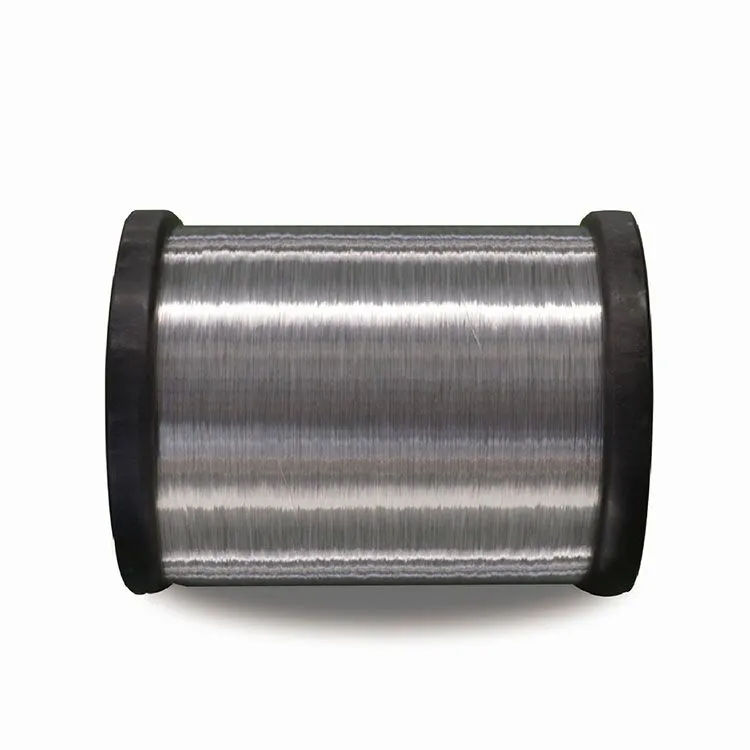
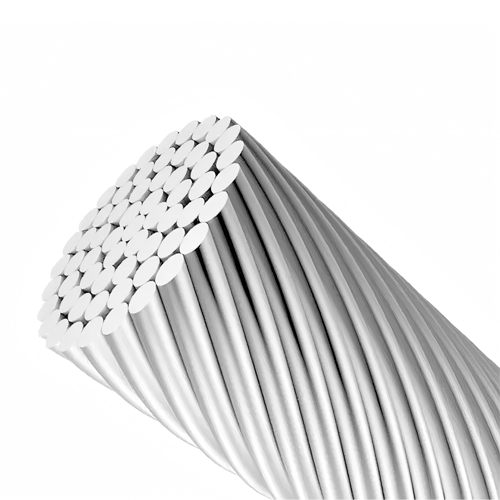
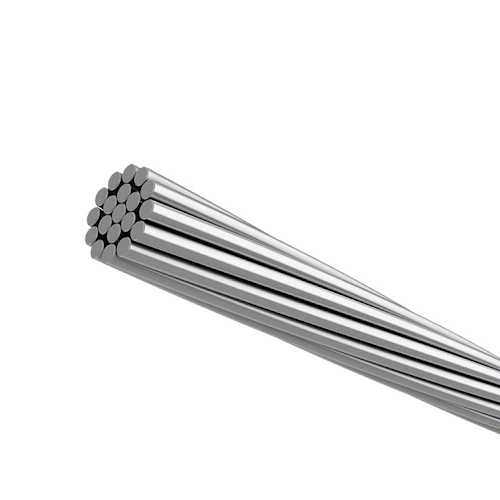
CCAM Wire for Braiding: Lightweight, High-Conductivity Solution

Get a Free Quote

Our representative will contact you soon.
Name
Email
Mobile
Country/Region
Choose the product you want
Message
0/1000
The Superior Choice for CCAM Wire in Braiding Applications

The Superior Choice for CCAM Wire in Braiding Applications

At Litong Cable, we pride ourselves on our commitment to quality, which is essential for the durability and performance of our CCAM wire for braiding. Our fully automated production lines ensure precision from the raw material stage through drawing, annealing, and final processing. This meticulous approach not only guarantees the integrity of our products but also meets the diverse needs of our clients. Our CCAM wire is designed to withstand high temperatures and mechanical stress, making it ideal for various applications, including automotive and electronics. With our focus on customer value creation, we offer tailored solutions that enhance the performance of your projects.
Get A Quote

Case Studies

Successful Implementation of CCAM Wire in Automotive Industry

A leading automotive manufacturer approached us with the need for high-performance wiring solutions for their latest vehicle model. They required a lightweight yet durable wire that could withstand extreme conditions. We provided our CCAM wire for braiding, which not only met their specifications but exceeded their expectations in terms of performance and reliability. The wire's excellent conductivity and resistance to corrosion played a crucial role in enhancing the vehicle's overall efficiency, leading to a successful launch and positive feedback from end-users.

CCAM Wire Enhancing Electronics Performance

An electronics company specializing in high-tech devices sought a reliable solution for their internal wiring needs. Our CCAM wire for braiding was selected for its superior electrical properties and flexibility. The client reported a significant improvement in device performance, with reduced signal loss and increased lifespan of their products. Our team worked closely with them to ensure the wire was perfectly suited to their manufacturing processes, demonstrating our commitment to customer satisfaction and technical support.

Custom CCAM Wire Solutions for Industrial Applications

A large industrial client required a custom solution for their unique braiding requirements. They needed a CCAM wire that could handle high tensile strength while maintaining flexibility. We collaborated with their engineering team to develop a specialized product that not only met but exceeded their expectations. The tailored CCAM wire enhanced their production efficiency and reduced downtime, showcasing our ability to provide innovative solutions that cater to specific industry needs.

Related products

The CCAM source wire developed by Litong Cable for braiding is second to none, as our wire is produced using the most sophisticated technologies in the industry. Our production process initiates by choosing the best available raw materials, after which the wire is drawn using state of the art technologies which adhere to the most strict controlled processes. Each step in the drawing process, including annealing, is monitored to ensure that the wire possesses the best and most consistent attributes that the industry can offer. The wire is drawn to the finest specifications. The automotive, electronics, and industrial wire braiding industries, as well as several others, are served by our CCAM wire which has a unique combination of attributes: it is lightweight, highly flexible, and is durable and corrosion resistant. To best serve the needs of our customers, we offer a wide array of CCAM options-jumping braids. Our extensive research and development programs ensure that our customers receive the finest and most advanced options available. Our support team is committed to ensuring that our customers receive the finest products to serve their needs, and we take pride in our commitment to customer service.

Frequently Asked Questions About CCAM Wire for Braiding

What is CCAM wire and how is it used in braiding?

CCAM wire, or Copper-Clad Aluminum Wire, is a type of wire that combines the conductivity of copper with the lightweight properties of aluminum. It is widely used in braiding applications due to its excellent electrical performance and flexibility, making it ideal for various industries, including automotive and electronics.
CCAM wire offers several advantages over traditional copper wire, including reduced weight, lower cost, and improved resistance to corrosion. These properties make CCAM wire a more efficient and economical choice for many applications, particularly in sectors where weight reduction is critical.

Related article

CCA Wire for Automotive Harness: Pros, Cons, and Standards

22

Jan

CCA Wire for Automotive Harness: Pros, Cons, and Standards

Why Automotive OEMs Are Adopting CCA Wire: Weight, Cost, and EV-Driven Demand

EV Architecture Pressures: How Lightweighting and System Cost Targets Accelerate CCA Wire Adoption

The electric vehicle industry has two big challenges on its plate right now - making cars lighter to boost battery range while keeping component costs down. Copper clad aluminum (CCA) wire helps tackle both issues at once. It cuts weight by around 40% compared to regular copper wire, yet still manages about 70% of copper's conductivity according to research from Canada's National Research Council last year. Why does this matter? Because EVs need roughly 1.5 to 2 times more wiring than traditional gasoline powered vehicles, particularly when it comes to those high voltage battery packs and fast charging infrastructure. The good news is aluminum costs less upfront, which means manufacturers can save money overall. These savings aren't just pocket change either; they free up resources for developing better battery chemistries and integrating advanced driver assistance systems. There's one catch though: thermal expansion properties differ between materials. Engineers have to pay close attention to how CCA behaves under heat changes, which is why proper termination techniques following SAE J1654 standards are so important in production environments.

Real-World Deployment Trends: Tier-1 Supplier Integration in High-Voltage Battery Harnesses (2022–2024)

More Tier 1 suppliers are turning to CCA wire for their high voltage battery harnesses on those 400V plus platforms. The reason? Localized weight reductions really boost pack level efficiency. Looking at validation data from about nine major electric vehicle platforms across North America and Europe between 2022 and 2024, we see most of the action happening in three main spots. First there's those inter cell busbar connections which account for roughly 58% of what's going on. Then comes the BMS sensor arrays and finally the DC/DC converter trunk cabling. All these setups meet ISO 6722-2 and LV 214 standards too, including those tough accelerated aging tests that prove they can last around 15 years. Sure, the crimp tools need some adjustments because of how CCA expands when heated, but manufacturers still find themselves saving approximately 18% per harness unit when switching from pure copper options.

Engineering Trade-offs of CCA Wire: Conductivity, Durability, and Termination Reliability

Electrical and Mechanical Performance vs. Pure Copper: Data on DC Resistance, Flex Life, and Thermal Cycling Stability

CCA conductors have about 55 to 60 percent more DC resistance compared to copper wires of the same gauge size. This makes them more prone to voltage drops in circuits carrying large currents such as those found in battery main feeds or BMS power rails. When it comes to mechanical properties, aluminum just isn't as flexible as copper. Standardized bend tests reveal that CCA wiring usually breaks down after around 500 flex cycles maximum, whereas copper can handle over 1,000 cycles before failing under similar conditions. Temperature fluctuations pose another problem too. The repeated heating and cooling experienced in automotive environments ranging from minus 40 degrees Celsius up to 125 degrees creates stress at the interface between copper and aluminum layers. According to testing standards like SAE USCAR-21, this kind of thermal cycling can boost electrical resistance by roughly 15 to 20 percent after just 200 cycles, which significantly impacts signal quality especially in areas subject to constant vibration.

Crimp and Solder Interface Challenges: Insights from SAE USCAR-21 and ISO/IEC 60352-2 Validation Testing

Getting termination integrity right remains a major challenge in CCA manufacturing. Tests according to SAE USCAR-21 standards have shown that aluminum tends to experience cold flow issues when subjected to crimp pressure. This problem leads to around 40% more pull-out failures if the compression force or die geometry isn't just right. The solder connections also struggle with oxidation at where copper meets aluminum. Looking at ISO/IEC 60352-2 humidity tests, we see mechanical strength drops by as much as 30% compared to regular copper solder joints. Top automotive manufacturers try to get around these problems by using nickel plated terminals and special inert gas soldering techniques. Still, nothing beats copper when it comes to lasting performance over time. Because of this, detailed micro section analysis and rigorous thermal shock testing are absolute musts for any component going into high vibration environments.

Standards Landscape for CCA Wire in Automotive Harnesses: Compliance, Gaps, and OEM Policies

Key Standards Alignment: UL 1072, ISO 6722-2, and VW 80300 Requirements for CCA Wire Qualification

For automotive grade CCA wire, meeting all sorts of overlapping standards is pretty much essential if we want safe, durable wiring that actually works properly. Take UL 1072 for instance. This one deals specifically with how well medium voltage cables resist fires. The test here requires CCA conductors to survive flame propagation tests at around 1500 volts. Then there's ISO 6722-2 which focuses on mechanical performance. We're talking about at least 5000 flex cycles before failure plus good abrasion resistance even when exposed to under hood temperatures reaching 150 degrees Celsius. Volkswagen throws another curveball with their VW 80300 standard. They demand exceptional corrosion resistance from high voltage battery harnesses, requiring them to withstand salt spray exposure for over 720 hours straight. All told, these various standards help confirm whether CCA can really work in electric vehicles where every gram counts. But manufacturers need to keep an eye on conductivity losses too. After all, most applications still require performance within 15% of what pure copper delivers as a baseline.

The OEM Divide: Why Some Automakers Restrict CCA Wire Despite IEC 60228 Class 5 Acceptance

While the IEC 60228 Class 5 standard does allow for conductors with higher resistance such as CCA, most original equipment manufacturers have drawn clear lines about where these materials can be used. Typically, they limit CCA to circuits that draw less than 20 amps and completely ban it from any system where safety is a concern. The reason behind this restriction? There are still reliability issues. Testing shows that aluminum connections tend to develop about 30 percent more contact resistance over time when subjected to temperature changes. And when it comes to vibrations, CCA crimp connections break down almost three times quicker than copper ones according to SAE USCAR-21 standards in those vehicle harnesses mounted on suspensions. These test results highlight some serious holes in current standards, especially regarding how these materials hold up against corrosion over years of service and under heavy loads. As a result, car makers base their decisions more on what actually happens in real world conditions rather than just ticking boxes on compliance paperwork.
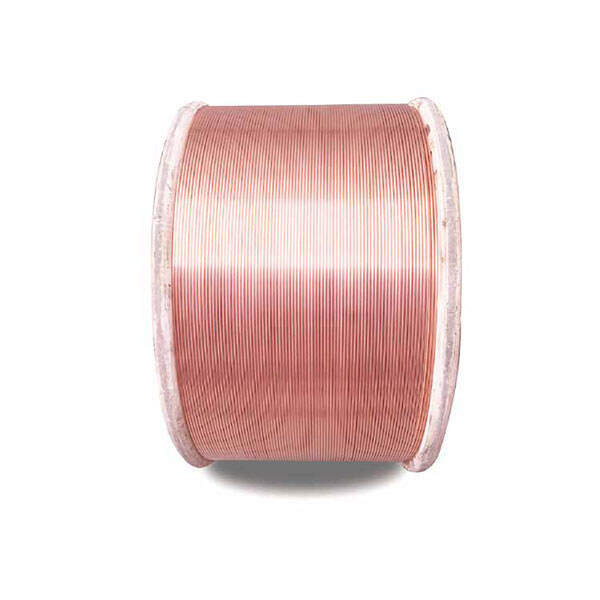
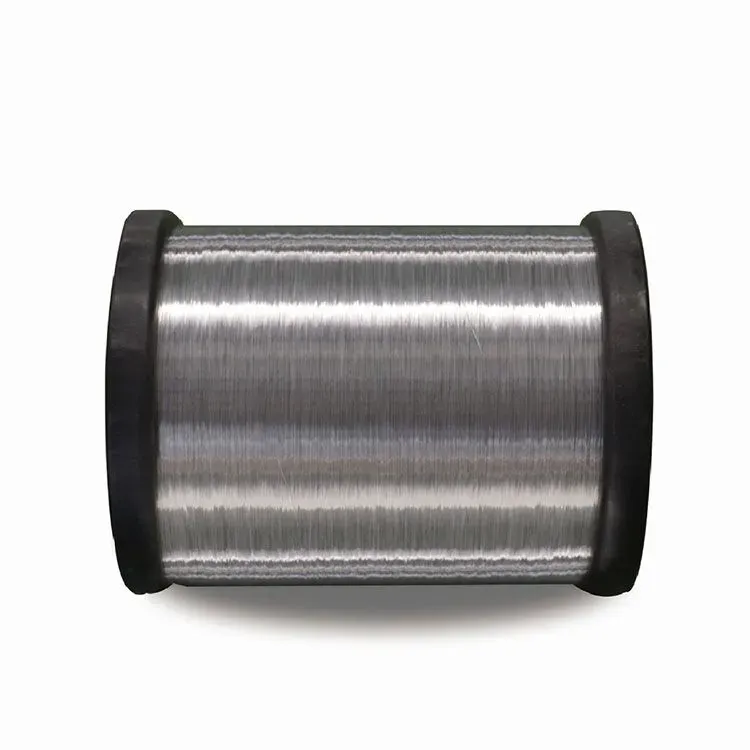
View More
CCS Wire: Copper-Clad Steel for Enhanced Durability and Performance

30

Oct

CCS Wire: Copper-Clad Steel for Enhanced Durability and Performance

Electricity engineering is filled with engineers who are constantly looking for new materials which will be strong and have performance capabilities at the same time. As a manufacturer of wiring products LT CABLE presents the CCS (Copper Clad Steel) wire, which fit both of these criteria. 

2.jpg

Strength and Protective Properties

The CCS wire has a steel layer in the centre as a core which has a lot of strength and makes the wire exceptionally durable from within. On the outside the wire is coated in copper, which helps to further improve the conductivity of the wires while making the material withstand corrosion. All of these features make CCS wire able to survive hostile conditions and for a long time as well making it a strong candidate for outdoor use and places with high humidity and even chemicals.

Electrical Conductivity

CCS wire has been manufactured with the intention of providing high durability wire but the electrical transmitting abilities is still not compromised. The copper covering makes it possible for the wire to transmit a lot of electric currents so the wire can be used in many different situations that require a lot of power. Such areas include telecommunications, grounding systems and even fence and antenna construction.

Versatile Applications

The versatility of the CCS wire is yet another reason why it is so popular. Its use is widespread in cases when both strength and its energy conductivity is vital. Its application area is broad – apart from the industry, it is much in demand on infrastructure including power and communication networks.

Conclusion

LT CABLE's CCS wire performs greatly on areas of enhanced durability and performance therefore able to satisfy electricity projects that require tough and efficient load wires. As the demand for strong and long lasting wiring solutions keeps expanding, CCS wire remains practical and ideal for meeting the requirements of electrical systems in modern age.

View More
Wondering how photovoltaic wire is engineered to shine in solar energy systems? Let's dig deeper.

22

Feb

Wondering how photovoltaic wire is engineered to shine in solar energy systems? Let's dig deeper.

Understanding Photovoltaic Wire

PV wire has been developed specifically for transmitting electricity from solar panels while keeping energy losses to a minimum. Standard electrical cables just aren't cut out for what PV wires need to do. These special cables can take on tough outdoor environments without breaking down. They resist things like sunlight damage, water intrusion, and temperature extremes that would ruin regular wiring over time. For anyone running a solar setup, this kind of cable isn't optional it's absolutely necessary if the system is going to work properly day after day. The right PV cables improve safety margins too because they're constructed to manage those big power surges that happen when multiple panels generate electricity at once. Most installers will tell you that investing in quality PV wiring pays off handsomely in the long run since these cables keep working reliably through heat waves, cold snaps, and everything else Mother Nature throws at them.

Engineering of Photovoltaic Wire for Solar Energy Systems

The performance and reliability of solar energy systems really depend on photovoltaic (PV) wiring. Most PV cables come in either copper or aluminum varieties, though copper generally gets the nod because it has less resistance and conducts electricity better than aluminum does. For top tier solar setups where every bit of power matters, copper remains the go to material since it cuts down on those annoying energy losses. But lately we've seen more solar installers opting for copper clad aluminum wire (CCA wire) instead. The CCA stuff gives decent conductivity at a fraction of the price, which explains why so many budget minded solar projects have started using it. This shift toward more affordable wiring options reflects what's happening across the industry as companies look for ways to cut costs without sacrificing too much performance when building out renewable energy infrastructure.

The insulation on PV wires matters a lot because it decides how well they can handle what Mother Nature throws at them. There are several options out there including PVC, PVDF, and XLPE, each offering varying degrees of protection against the elements. Take XLPE for example this stuff really stands up to heat and lasts longer than most alternatives. That's why many installers prefer it when working on projects across different climate zones or in tough conditions where wires face temperature swings day after day plus constant sun exposure. With the growth of solar power installations worldwide, picking the correct wire material paired with suitable insulation isn't just important anymore it's absolutely necessary if we want our panels to keep generating electricity safely for years to come without unexpected failures down the road.

Key Features of Photovoltaic Wire

PV wire stands out because it lasts so long, making it ideal for outdoor installations where replacement would be a hassle. Manufacturers put these cables through all sorts of stress tests they need to handle everything from scorching heatwaves to freezing winters, plus resist damage from chemicals and physical wear. This kind of toughness matters a lot when setting up solar panels since nobody wants their system failing after just a few years. The upfront cost might seem high, but most installers know that good quality wiring saves money down the road by avoiding premature replacements and maintenance headaches.

Following industry standards like UL 4703 matters a lot when talking about PV wire quality. These standards aren't just there for show either they actually guarantee those impressive voltage ratings we see, sometimes going above 600 volts. That kind of rating makes all the difference for keeping solar systems safe while they run at their best. When manufacturers stick to these tough requirements, they're basically putting up roadblocks against dangerous electrical problems that could happen otherwise. Plus, this attention to detail helps make sure solar panels work efficiently from day one. As more people turn to clean energy solutions, proper wiring becomes even more important in making sure everything runs smoothly without unexpected issues down the line.

Types of Photovoltaic Wire Explained

What makes photovoltaic wire so special? Well, it can handle much higher temperatures than regular wire and won't break down when exposed to UV rays from the sun. This matters a lot because normal wires would degrade after sitting outside for years. That's why PV wire works so well in outdoor installations where solar panels need to operate reliably day after day. Standard electrical wiring just isn't built for this kind of punishment. The manufacturers design PV wire specifically to stay intact even when baking in direct sunlight or dealing with extreme heat fluctuations common in many climates around the world.

Stranded wire stands out for its flexibility, which really matters when working in tight spots where stiff wires just won't fit. Installers appreciate this quality because it saves time and frustration during complex installations. Enameled wires take things further by adding those extra insulation layers that help prevent corrosion problems, especially important in damp locations like near water sources or underground conduits. When someone knows about these different options, they can pick what works best for their particular solar project setup while still meeting all the necessary code requirements from local authorities overseeing electrical work.

Being aware of these wire types and their applications is crucial for specialized solar installations. By aligning choices with specific requirements and adhering to industry guidelines, installers can optimize safety and performance in solar energy systems. Quality selection is essential to handle diverse installation conditions effectively.

Selecting the Right Photovoltaic Wire

Choosing the correct photovoltaic or PV wire makes all the difference when it comes to getting good results from solar panels without compromising safety. There are several things worth considering before making a purchase decision including where exactly the system will be installed, what kind of electrical load needs carrying through those wires, plus how well everything works together within the broader setup. Keep in mind that different situations call for different types of wiring materials too. For example outdoor installations require special grade PV cables built specifically to resist damage from sunlight exposure over time plus survive harsh weather extremes something standard household wiring simply isn't made for. Taking care of these details upfront pays off big time down the road by keeping things running smoothly and avoiding expensive breakdowns later on.

Looking at a stranded wire size chart helps pick the correct gauge when dealing with the amperage needs of solar panels. The right wire thickness matters because it needs to carry all that electricity safely without getting too hot, which protects both performance and lifespan of the whole system. Stranded wires bend easier than solid ones, so they work better in tight spots or awkward corners where solar equipment gets installed. Many installers find this extra flexibility makes a big difference during complicated roof mount jobs or when running cables through existing structures.

The solar industry keeps changing fast, so it makes sense to track what's happening with materials and wiring tech if we want better performance from our panels and longer lasting installations. New wires on the market now come with better insulation and stuff that conducts electricity more efficiently, which can really boost how well whole systems work together. Staying updated isn't just about having the latest gear either; it means installations stay relevant for years down the road instead of becoming obsolete when standards change or new tech comes along. Most installers know this already, but many still miss out on some pretty good improvements simply because they haven't checked what's available recently.

PV Wire Usage in Solar Installations

PV wire plays a vital role across all sorts of solar projects, whether someone has just a few panels on their roof or massive solar fields stretching for miles. What makes this wiring so good at handling everything from backyard installations to industrial parks? Well, it's built specifically to handle whatever Mother Nature throws at it. These wires can take extreme heat, cold snaps, and even lightning storms without breaking down. Plus they work safely with the high voltages needed for proper operation. When connecting panels to inverters and then feeding electricity into the main power grid, reliable PV wiring keeps things running smoothly day after day. Without quality connections throughout the system, we'd see drops in performance that nobody wants when relying on solar power for daily needs.

Installing photovoltaic wiring requires following local building regulations and electrical standards to keep things safe and legal. Make sure all those connections are properly sealed because water getting inside is a real problem that causes short circuits down the road. Don't forget about strain relief either. Without it, wires get damaged from constant movement and vibration, which eventually breaks down the whole system. Taking these steps doesn't just prolong equipment life either. Systems perform better when everything stays intact and functioning as intended without unexpected failures.

Getting the installation right means putting in good quality junction boxes and making sure everything is properly insulated. These things work together to make solar systems last longer and perform better over time. The junction boxes keep those important connection points safe from rain, dust, and other stuff that gets in there. Quality insulation does double duty too it stops electricity from leaking out and helps prevent fires. When installers take these precautions seriously, the whole system tends to stick around for years without needing constant fixes. This matters because nobody wants their solar panels going offline when they need power most. And let's face it, proper installation isn't just about avoiding problems down the road it actually makes a real difference in how much clean energy gets produced day after day.

View More
How does stranded wire support high - power transmission in factories?

22

Feb

How does stranded wire support high - power transmission in factories?

Understanding Stranded Wire in High-Power Transmission

Stranded wire plays a key role in high power transmission setups because it consists of many thin wires all twisted together. The way these wires are constructed actually improves both flexibility and how well they conduct electricity, which makes them really important for lots of different electrical work. When manufacturers twist multiple strands instead of using one solid piece, the result is much greater malleability than what solid wire can offer. This means the wire bends and moves around without snapping, something that matters a lot when installing wiring in tight spaces or areas where movement happens regularly.

Stranded wire comes with all sorts of advantages that make it stand out when flexibility matters most. Because it has lots of individual strands instead of one solid core, there's simply more surface area which means electricity flows through it better. Plus, this design makes the wire bend easily without snapping, something that becomes really important when running cables through tight spots or around corners. We've seen time and again how stranded wires hold up much better in tricky installations compared to their solid counterparts. They just work better in those awkward places where space is limited, which explains why electricians often reach for them when dealing with complicated wiring jobs.

Stranded wire shows up all over different industries, especially wherever they need to move lots of power around. We see this type of wiring everywhere from power plants down to electric motors and transformers. What makes stranded wire so popular? Well, it bends easier than solid wire and can handle wear and tear much better. For places that run on constant electricity without breaks, this kind of wire just works better. Factories rely on it because when machines are running day after day, week after week, the last thing anyone wants is a power failure caused by bad wiring. That's why most big manufacturing facilities stick with stranded wire for their critical systems.

Challenges and Considerations of Stranded Wire for High Power Transmission

Working with stranded wire for high power transmission brings some pretty specific problems because it behaves differently than solid wire when it comes to electrical resistance. The thing is, stranded wire doesn't always have consistent resistance values across different strands, which means we often see unexpected heat buildup during operation. This isn't just theoretical stuff either – actual testing shows higher resistance directly leads to wasted energy, so proper cooling becomes absolutely essential for these systems. For anyone dealing with copper stranded wire specifically, knowing exactly what kind of resistance exists per linear foot makes all the difference in designing effective installations. Electricians and engineers need this information upfront to avoid costly mistakes down the road.

Corrosion poses a real problem for stranded wire, particularly when installed in places like coastal areas or chemical processing plants where moisture and corrosive substances are everywhere. Because stranded wire consists of many individual strands rather than one solid piece, there are simply more entry points for rust and degradation to take hold. While stranded wire does bend much easier than its solid counterpart, this advantage comes at a cost. Solid wire, being just one continuous metal core, stands up better against corrosion over long periods. But don't expect to twist and turn solid wire without damaging it first. That's why engineers often pick stranded wire for installations that need regular movement, despite knowing it will eventually corrode faster in tough conditions.

Looking at whether stranded or solid wire makes more financial sense requires checking both what it costs to install and how much maintenance will be needed down the road. Stranded wire usually costs more to make because of all those tiny strands woven together, but this extra expense often gets made up over time through lower maintenance bills and better flexibility when working with it. In situations involving high power transmission, stranded options tend to save money in the long run, especially for installations that need to bend around corners or withstand rough handling without breaking apart.

Comparing Stranded vs. Solid Wire for Industrial Applications

Looking at how much electricity different types of wire can handle, solid wires typically outperform stranded ones in most industrial environments. The reason? No air spaces between conductor segments means electrons flow more freely through them. Industry pros know this because solid conductors maintain a single piece of metal from end to end, so they handle heavy electrical loads much better than those flimsy stranded alternatives where multiple thin wires are twisted together. But don't just take our word for it - actual field experience shows these differences matter when dealing with high amperage requirements. Still, installation specifics always play a role too. Flexibility requirements, temperature extremes, and mechanical stress factors all influence whether an electrician should reach for solid or stranded options during installations.

Stranded wires have a real edge when it comes to being flexible. The way they're built lets these wires snake through tight spots where other cables just won't fit, which is super important for all those complicated routes needed in factories and plants. Solid wires are basically stuck in one shape, but stranded ones bend right around corners and twist through awkward angles. That's why so many manufacturing setups go for stranded options whenever there are lots of turns or obstructions in the path. Electricians working on assembly lines or automation systems especially appreciate this feature since their jobs often involve moving equipment around and changing cable paths regularly.

Stranded wires offer many advantages but pose real problems when installed in high power settings. Getting those connections right through proper crimping and termination matters a lot for stability since all those individual strands make standard installation methods tricky at best. Another issue worth mentioning is that these wires tend to generate more heat because of increased resistance compared to solid conductors. Electricians need to factor this into their work plans from day one. For anyone working on industrial installations, dealing with stranded wire requires not just good planning but also hands-on expertise if they want optimal results without running into trouble down the road.

Advantages of Stranded Wire for High Power Transmission in Factories

Stranded wire gives way better flexibility than solid wire, making it really important for transmitting power in factory environments. Because of this extra flexibility, workers can shape and install stranded wire far easier when dealing with complicated equipment arrangements. Factories often have tight corners and awkward machine placements where solid wire just won't work. The fact that stranded wire bends so well means technicians spend less time struggling with installation and get things running faster. Most plant managers know from experience that being able to route cables around pumps, valves, and other machinery without breaking a sweat is why stranded wire stays the go to choice across manufacturing facilities nationwide.

When it comes to how well electricity flows through wiring, stranded wire actually performs better at cutting down on voltage loss over long runs. The way stranded wire is built lets current spread out more evenly and conduct electricity efficiently, so there's less power wasted compared with solid wire options. Research shows these stranded conductors manage voltage drop better because they have more surface area available for the current to travel through. This makes them especially useful in big manufacturing plants where consistent power delivery matters across wide spaces. Factory managers know from experience that maintaining stable voltage levels throughout sprawling facilities saves money and prevents equipment damage in the long run.

When it comes to safety, stranded wire really shines in those high current situations. The way these wires are built helps them get rid of heat better than solid ones do, which means less chance of things getting too hot and causing problems down the line. Most safety manuals actually point toward stranded options because they hold up much better when faced with all sorts of stresses found on factory floors or construction sites. Systems last longer this way, plus there's just fewer chances for something to go wrong electrically speaking. And let's face it, staying compliant with safety regulations becomes much easier too. That's why so many professionals stick with stranded wire whenever dealing with serious power loads.

Common Applications of Stranded Wire for High Power Transmission

Stranded wire is really important for how electricity gets distributed throughout our power grids, especially when dealing with those high voltage lines that stretch across countryside and into cities. What makes this type of wiring work so well is that it can bend without breaking while still holding up under stress, which means power travels farther with less wasted along the way. Power companies rely on these wires because they keep the current flowing smoothly even when covering large territories where straight runs aren't possible. Think about all those substations scattered around town - without good quality stranded conductors, maintaining stable service would be much harder.

For solar farms and wind turbines, stranded wire plays a really important role in getting things to work properly and stay flexible over time. The way these renewable energy setups are built means cables have to go through all sorts of awkward spaces between panels or around turbine components. That's where the extra bendiness of stranded wires becomes super useful during installation. Take Remee Wire & Cable for instance they make both copper and aluminum stranded cables coated with XLPE that stands up well against weather and wear exactly what these tough outdoor environments need. These kinds of cable improvements actually match what governments are trying to do across the country when pushing for more clean energy production. Plus, better wiring helps make sure our move toward greener power stays on track without unnecessary complications down the road.

Electric vehicle charging stations really need good quality stranded wire to work properly. With so many new EVs hitting the roads these days, the infrastructure has to keep up. Stranded wire helps out because it doesn't resist electricity as much and lasts longer than other options. This means charging points can deliver power reliably even when lots of cars are plugged in at once. The whole EV movement depends on having solid electrical connections behind the scenes, especially for those quick charge spots people love but worry about safety with. Looking around today, we see more and more businesses installing these stations, which makes sense since stranded wire is already part of most existing power grids anyway.

Choosing the Right Type of Stranded Wire for Your Current Needs

When choosing stranded wire for a project, there are several important things to think about if we want our systems to work well and last long enough. First off, we need to look at ampacity since this tells us how much electricity the wire can safely carry without overheating. Then there's the environment where the wire will be installed. Temperature extremes and moisture levels can really impact how well it performs over time. Installation specifics matter too because different jobs require different approaches. Take industrial environments for example versus home wiring projects. Industrial wires often face harsher conditions like exposure to chemicals or mechanical stress that wouldn't typically bother wires used in residential buildings. Getting these basics right from the start saves headaches down the road.

Resistance in stranded copper wire remains an important factor when looking at system efficiency. Most often, we measure this resistance in ohms per foot of wire length. Knowing what these numbers mean helps engineers pick the right wires for their applications, reducing power waste and getting better results from electrical systems. The actual measurements matter because even small differences can impact how much energy gets lost during transmission across longer distances.

Facilities looking at stranded wire options need to take a good hard look at what their actual electrical requirements are before making any decisions. Most people find it helpful to talk things over with someone who knows the field inside out or check out what other similar operations have done successfully. When picking out wires, many professionals will tell anyone willing to listen that quality matters a lot here. Don't skimp on materials just because they're cheaper upfront costs might save money initially but could end up costing way more down the road if something goes wrong. Getting the right gauge for the job is another important factor too since under sized wiring can lead to all sorts of problems when dealing with normal day to day operations.

View More

Client Testimonials on Our CCAM Wire

John Smith
Exceptional Quality and Performance

The CCAM wire we sourced from Litong Cable has significantly improved our product's performance. The lightweight nature and durability have made a noticeable difference in our manufacturing process. Highly recommend!

Sarah Lee
Customized Solutions that Deliver

We approached Litong Cable for a customized CCAM wire solution, and they exceeded our expectations. The wire's performance has been outstanding, and their support throughout the process was invaluable.

Get a Free Quote

Our representative will contact you soon.
Email
Name
Company Name
Message
0/1000
Superior Conductivity and Performance

Superior Conductivity and Performance

Our CCAM wire for braiding is engineered to provide exceptional conductivity, ensuring that your applications run efficiently. This superior performance is achieved through our advanced manufacturing processes, which maintain the integrity of the wire. Clients have reported significant improvements in device efficiency and longevity when using our CCAM wire, making it a smart choice for any project.
Lightweight Design for Enhanced Flexibility

Lightweight Design for Enhanced Flexibility

One of the standout features of our CCAM wire is its lightweight design, which offers enhanced flexibility without compromising strength. This characteristic is particularly beneficial in applications where weight is a critical factor, such as in automotive and aerospace industries. Our clients appreciate the ease of handling and installation that our CCAM wire provides, leading to improved overall productivity.
  • Product Consultation & Selection

    Product Consultation & Selection

    Tailored advice, perfect fit solutions.

  • Production & Supply Chain

    Production & Supply Chain

    Efficient manufacturing, seamless supply.

  • Quality Assurance & Certification

    Quality Assurance & Certification

    Rigorous testing, global certifications.

  • Post-Sales Support & Tech Help

    Post-Sales Support & Tech Help

    Prompt assistance, ongoing support.

Get a Free Quote

Our representative will contact you soon.
Name
Email
Mobile
Country/Region
Title
Message
0/1000