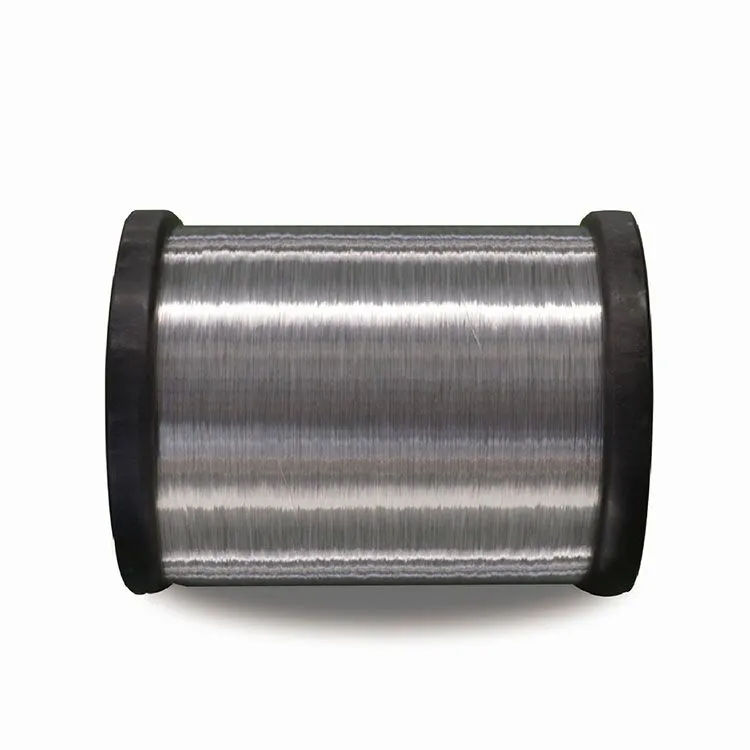
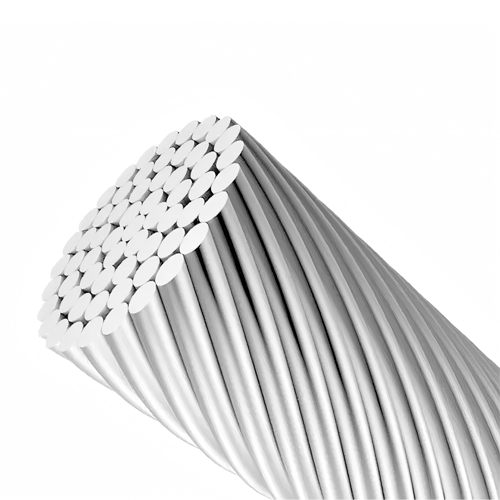
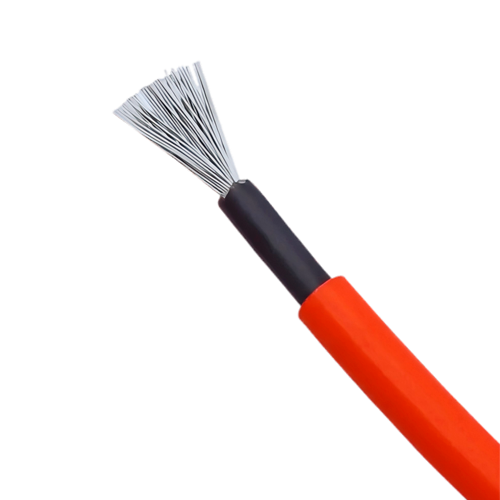
Top Photovoltaic Aluminum Alloy Wire Manufacturer | Litong Cable

Get a Free Quote

Our representative will contact you soon.
Name
Email
Mobile
Country/Region
Choose the product you want
Message
0/1000
Unmatched Quality and Reliability in Photovoltaic Aluminum Alloy Wire Manufacturing

Unmatched Quality and Reliability in Photovoltaic Aluminum Alloy Wire Manufacturing

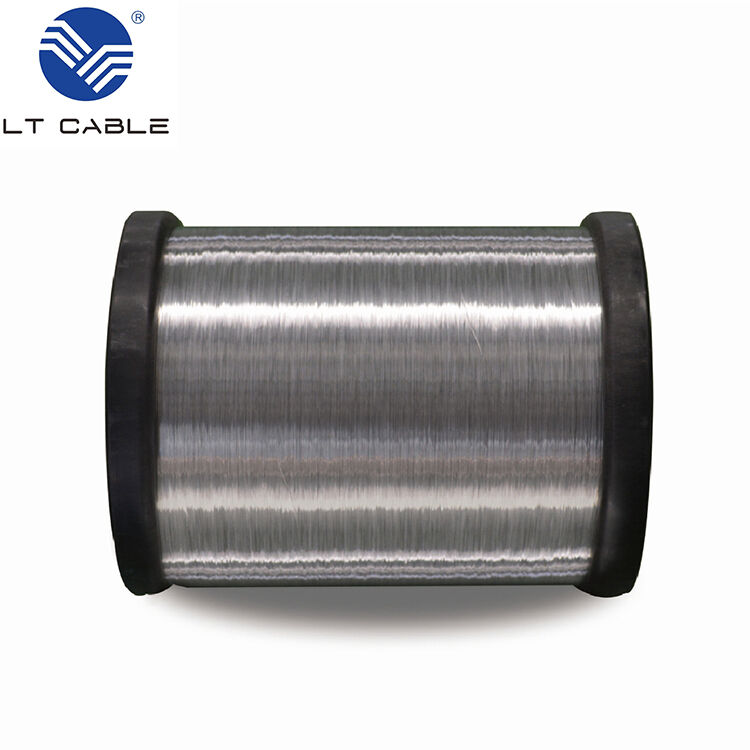
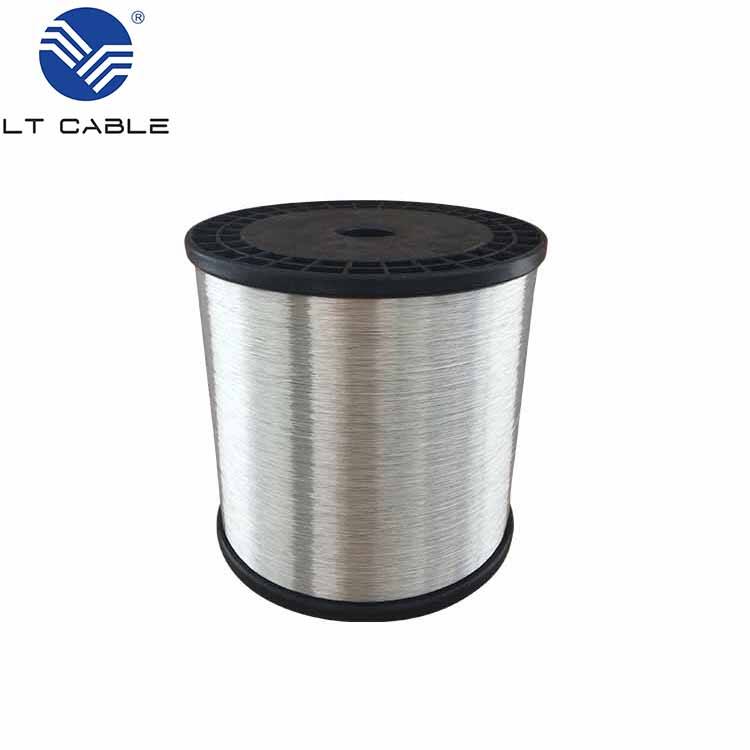
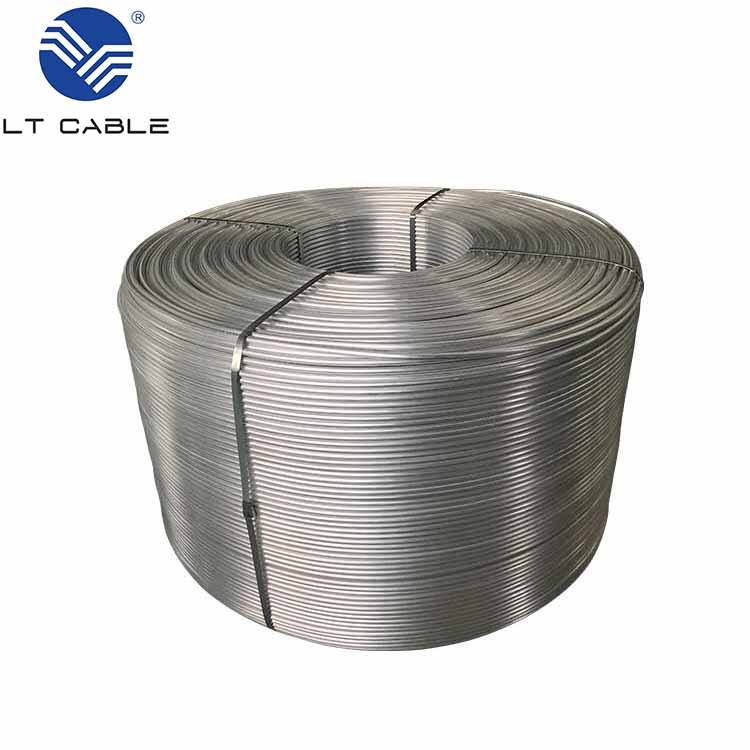
As a leading photovoltaic aluminum alloy wire manufacturer, we pride ourselves on delivering products that meet the highest standards of quality and reliability. Our fully automated production lines are designed to ensure precision at every stage, from raw material production to wire drawing and annealing. This meticulous attention to detail allows us to offer customized solutions that cater to the unique needs of our clients. Our commitment to quality not only ensures the longevity and efficiency of our products but also solidifies our reputation as a trusted partner in the renewable energy sector.
Get A Quote

192

Case Study 1

In a recent project, we partnered with a large solar farm in California, providing them with our high-quality photovoltaic aluminum alloy wire. The installation resulted in a significant increase in energy efficiency, with a 15% boost in overall performance due to the superior conductivity of our wire. The client reported reduced maintenance costs and increased output, leading to a higher return on investment.

Case Study 2

A European renewable energy company approached us for a customized solution for their solar panel installation. By utilizing our photovoltaic aluminum alloy wire, they achieved a remarkable reduction in energy losses during transmission. Our wire’s lightweight properties also facilitated easier handling and installation, ultimately speeding up their project timeline and enhancing their operational efficiency.

Case Study 3

We collaborated with a manufacturer of solar modules in Asia, who required a reliable supplier for their photovoltaic aluminum alloy wire. Our dedication to quality ensured that they received a consistent product that met their stringent specifications. The partnership not only improved their production process but also enhanced the overall quality of their solar panels, leading to increased customer satisfaction and market competitiveness.

Related products

Litong Cable focuses on producing aluminum alloy wire for photovoltaics, an essential element of solar systems for cable manufacturers. To ensure top notch quality, we utilize cutting edge technology along with strict quality control at every step from raw material selection to the final stages of the production. Our production lines, which are fully automated, are designed by the management team for optimal efficiency. In the renewable energy sector, we understand that the most important factor is the reliability of the products. This is why we offer fully customizable products in case large solar farms or smaller manufacturers require any. Creating value for the customer, solving any technical problems that may arise, and fostering a long term relationship based on high standards and sustainability is what Litong Cable is all about.

Frequently Asked Questions About Our Photovoltaic Aluminum Alloy Wire

What are the benefits of using photovoltaic aluminum alloy wire?

Photovoltaic aluminum alloy wire offers several advantages, including excellent conductivity, lightweight properties, and resistance to corrosion. These features enhance the efficiency and longevity of solar energy systems, making them a preferred choice for solar panel manufacturers.
We implement rigorous quality control measures throughout our production process. Our automated lines are designed to monitor each stage, from raw material selection to final product testing, ensuring that our photovoltaic aluminum alloy wire meets the highest standards.

Related article

With the continuous development of the new energy industry, the future of photovoltaic wire looks bright. But how?

26

May

With the continuous development of the new energy industry, the future of photovoltaic wire looks bright. But how?

Key Innovations in Photovoltaic Wire Technology

Advancements in Enameled Wire for Solar Applications

Enameled wire is really important for solar tech because it has great insulation and conducts electricity well. The good insulation helps solar panels work better by reducing how much energy gets lost during operation while boosting the amount of power they can generate. Looking at recent research, improvements in insulation tech have cut down on energy losses quite a bit actually around 15% less loss according to some reports. We've also seen progress where the enamel coating on these wires can be made thinner without sacrificing strength. Thinner coatings mean installers get their job done faster when setting up solar systems. All these changes make solar panels more efficient overall and open up possibilities for smaller, more adaptable designs in the field of solar technology.

Stranded Wire vs. Solid Wire: Optimizing Conductivity

When deciding between stranded versus solid wire for solar installations, the choice really comes down to what the job actually requires. Most people find that stranded wire works better because it bends easier and conducts electricity more efficiently than solid wire does, so it makes sense for places where wires need to move around a lot during installation. Tech experts point out that this extra flexibility makes installation much smoother overall while putting less strain on the materials, which means solar systems tend to last longer without problems. We've seen plenty of real world examples where installers had trouble getting solid wire into tight spaces, whereas stranded wire just worked better from day one in those complicated solar array configurations. The bottom line is that when wires can bend instead of break, installation goes faster and there's less wear and tear on everything involved, saving money in the long run even if stranded wire costs a bit more upfront.

Copper Clad Aluminum (CCA) Wire: Cost-Efficiency in Solar Systems

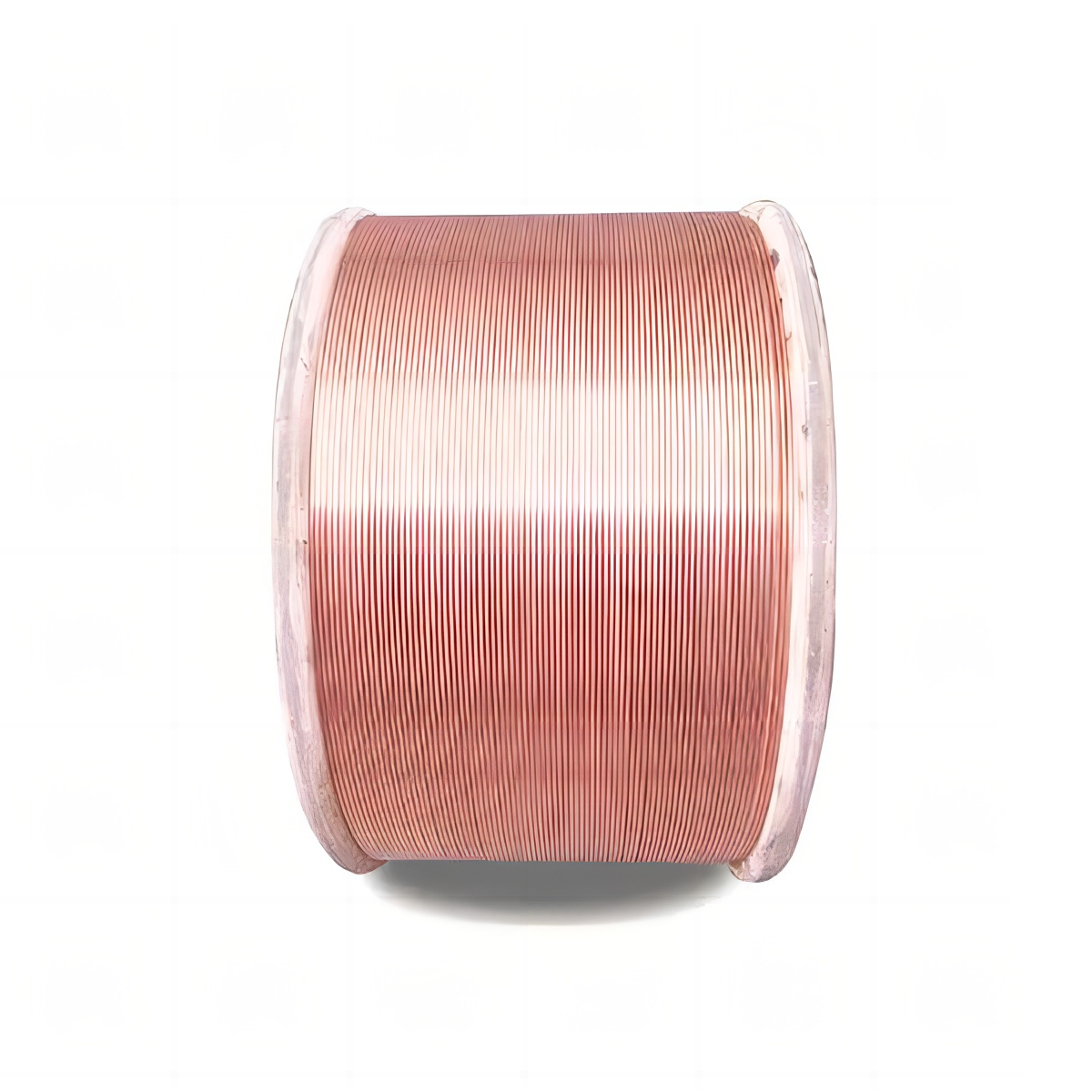
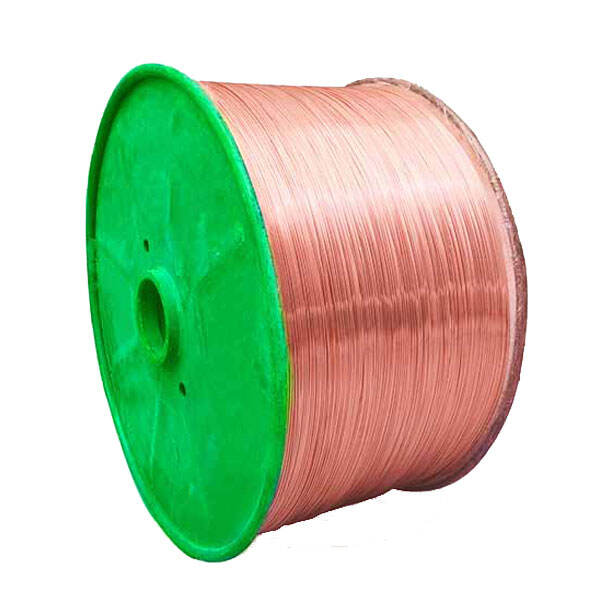
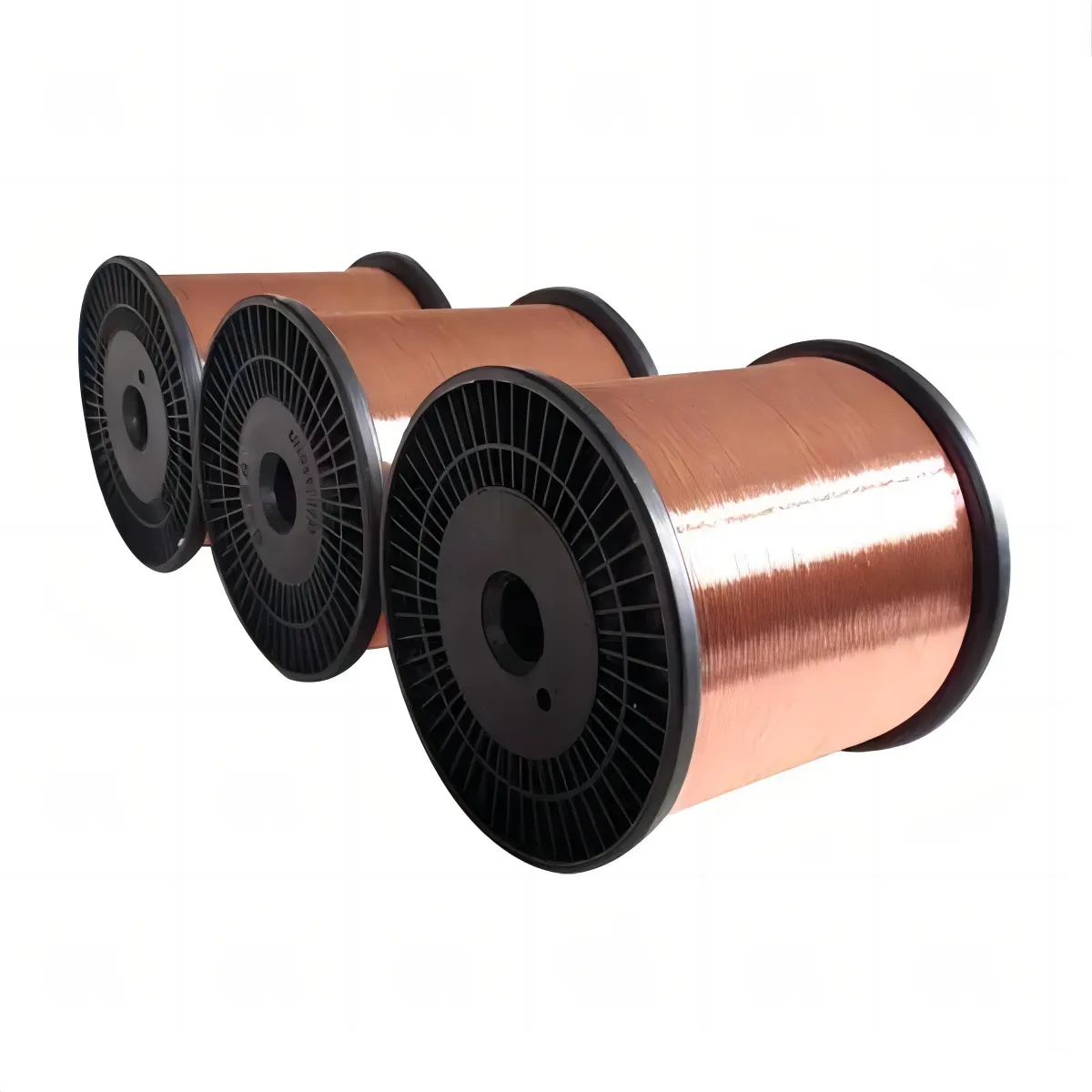
Copper Clad Aluminum or CCA wire offers a good money saving option compared to regular copper in solar setups while still performing well enough. What happens here is simple really. The wire combines aluminum which is light weight with copper known for conducting electricity so well. Material costs drop quite a bit when using CCA wires sometimes around 30 percent cheaper depending on market conditions. We've seen plenty of solar installations where people switched to CCA and didn't notice any difference in how things worked. Electric current flows through just fine and heat transfer remains similar to what would happen with pure copper wires. For those watching their budgets closely on solar projects, this can make all the difference. Plus there's something else worth mentioning about CCA wires. Their basic characteristics actually work better for big solar farms too. They help cut down expenses without hurting efficiency, which means companies can install more panels for the same price tag. And let's face it, saving money while being kinder to the environment sounds like a win win situation for most businesses these days.

Material Trends Shaping Photovoltaic Wire Development

Durability Enhancements for Extreme Weather Resistance

Material science has made some pretty big strides lately when it comes to making photovoltaic wires stand up better against bad weather in solar setups. Companies working on this stuff are really pushing to make wires tough enough to handle whatever Mother Nature throws at them, so solar panels last longer even when installed in places with crazy weather patterns. Some studies indicate that these new materials might actually double the life expectancy of wires in super harsh climates, which obviously makes solar systems more dependable over time. Plus, these upgraded wires aren't just durable they're also easier to work with during installation, meaning fewer headaches down the road when it comes to repairs and replacements. All this adds up to real money saved for businesses and homeowners alike who want their solar investments to pay off long term.

Integration of Lightweight Aluminum Alloy Components

When we look at photovoltaic systems, incorporating lightweight aluminum alloy parts brings some pretty good advantages. The main thing? Systems become much lighter overall, which makes transporting them across job sites far easier. Compared to older materials such as copper, these aluminum options weigh less on both the wallet and the workload during installation while boosting how well the whole system performs. Industry insiders are talking about a significant shift here too many forecasts suggest around 30 percent growth in aluminum alloy usage within solar installations throughout this coming decade. What does all this mean practically? Installers can get their work done faster since there's less bulk to move around, shipping expenses drop considerably, and ultimately, the solar panels themselves operate more efficiently. Given all these factors, it seems clear why more companies are turning toward aluminum solutions for their next big projects.

Emerging Coatings to Mitigate UV Degradation

New coating tech is changing how we protect those photovoltaic wires from getting damaged by UV light, which helps keep solar panels working well for much longer. The main goal here is to stop UV rays from messing with the wires, since this kind of damage actually makes them conduct electricity worse over time. Some recent tests show these new coatings cut down on UV damage by about half or even more, meaning those wires last significantly longer than before. Take a look at actual solar farms around the country, and what do we see? Cables that should have been worn out after years of sun exposure are still holding up great, keeping their performance levels stable. This means whole solar systems stay functional longer without needing expensive replacements.

Challenges in Photovoltaic Wire Implementation

Grid Congestion and Energy Transmission Limitations

The problem of grid congestion along with limitations in transmitting energy poses real headaches when it comes to deploying photovoltaic wires effectively. With so many renewable energy sources getting connected to our aging electrical networks, traffic jams on the power lines have become something we just can't ignore anymore. According to recent Energy Information Administration data, solar installations and battery storage facilities make up a large chunk of all new power generation capacity right now as they help meet rising demand for electricity. But here's the catch: our current electrical infrastructure simply wasn't built to handle this kind of load efficiently from renewables. That's why engineers are working on improving PV wire technology through better materials like advanced enameled wiring options or copper clad aluminum alternatives (known as CCA wire). These innovations promise smoother energy distribution while helping alleviate those pesky grid bottlenecks that plague modern energy systems.

Thermal Management in High-Capacity Systems

Keeping things cool is really important for getting good performance out of those big solar panel setups. As these systems push their limits, heat control becomes something operators need to watch closely if they want their panels to keep working right over time. Some research coming out lately shows just how bad overheating can be for wires inside these systems, causing all sorts of problems down the road. Take stranded wire for instance it spreads heat around better compared to solid wire types, so keeping its temperature in check actually makes a noticeable difference in how well the whole system runs. Many installers now turn to newer materials and special coatings when building these systems because they last longer and work better under tough conditions. These improvements help maintain both the lifespan and effectiveness of large scale photovoltaic installations across different environments.

Balancing Cost and Performance in Emerging Markets

The balance between price and performance remains tricky for photovoltaic wires in developing economies. Solar power is spreading fast across many countries, creating real pressure to keep costs down while still getting good results from installations. Prices for these wires have come way down over the past few years according to industry reports, but unpredictable fuel costs and intense competition among suppliers continue to complicate purchasing decisions. When companies in emerging markets decide whether to go with solid conductors or stranded ones, it directly affects how much money they spend and how well their systems actually work. Many manufacturers are now turning to alternatives like aluminum based alloys which offer decent value for money without sacrificing too much in terms of quality. This approach helps bridge the gap between budget constraints and technical requirements in places where resources remain limited.

Future Outlook for Photovoltaic Wire Applications

Smart Grid Compatibility and IoT Integration

Photovoltaic wire tech has really taken off because these wires work so well with smart grids. As smart grid systems continue expanding across the country, photovoltaic wires are becoming essential for keeping power distribution reliable while making the whole system run better. When we connect these wires to IoT devices, suddenly we can monitor and check on solar panels in real time. That means technicians know when something might break down before it actually happens, cutting way back on those annoying power outages. Take a look at what's happening in Austin with the Pecan Street Project they're testing all sorts of solar innovations alongside their smart grid setup. What makes this stuff exciting isn't just about saving money on electricity bills either. These advancements point toward an entirely different kind of energy landscape where sustainability isn't just a buzzword anymore.

Role in Utility-Scale Solar Farm Expansion

Photovoltaic wires form a vital part of large scale solar farms, acting as key components affecting how well energy gets transmitted and converted. The growth we're seeing in utility scale solar power has been nothing short of impressive. Industry data shows that by 2023, worldwide solar installations had crossed the 760 gigawatt mark. This kind of growth points to an important need for better photovoltaic wire tech that works harder to convert sunlight into electricity while standing up to tough weather conditions over time. When solar farm operators invest in these wire improvements, they actually help their operations grow without running into bottlenecks when demand increases. Better wires mean more reliable performance from each panel array, which ultimately helps integrate solar power more smoothly into our ever growing renewable energy landscape across different regions and climates.

Sustainability Trends in Wire Recycling and Production

The push for greener alternatives has really accelerated recycling programs and eco-conscious manufacturing methods for photovoltaic wiring materials. Solar installers need these green practices because they cut down on waste when panels reach end-of-life. The International Renewable Energy Agency released findings last year predicting that photovoltaic module recycling rates will jump around 40 percent by 2030, which marks a real turning point in how we think about solar panel disposal. Alongside better recycling options, manufacturers have started using copper clad aluminum wire (CCA) instead of pure copper in many applications. This alternative conducts electricity almost as well while requiring fewer resources during production. What's happening in the industry shows genuine dedication to sustainability principles. Photovoltaic systems now last longer overall, and this approach definitely supports broader climate protection targets set by governments worldwide.
View More
The potential future innovations of a wire product are both exciting and full of possibilities.

14

Jul

The potential future innovations of a wire product are both exciting and full of possibilities.

Emerging Materials in Wire Manufacturing

Copper Clad Aluminum (CCA) Wire Advancements

Copper Clad Aluminum or CCA wire is gaining popularity because it's light weight and conducts electricity pretty well, which makes it a go to option across many different fields. Manufacturers have been improving how they make these wires lately, so now they last longer and work better even when put through tough conditions that would break regular wires. A lot of people working in the field are starting to recommend CCA wire more often, especially for things like electrical systems and electronic devices since the improvements really show there. Looking at market numbers, we see construction companies and car makers using more CCA wire than before. The construction business alone saw around 20 percent more CCA wire being used last year compared to previous years, mainly because builders need materials that aren't heavy but still get the job done efficiently. Most industry analysts believe this shift toward CCA will keep picking up speed as countries around the world invest in building new roads, bridges and other infrastructure projects.

Enameled Wire Applications in Modern Electronics

Enameled wires play a really important part in today's electronics, especially when it comes to things like motors and transformers because they offer great insulation. We've seen some pretty big improvements lately in how well these wires handle heat and perform overall, which makes them perfect for demanding applications. Take electric vehicles for instance - many manufacturers now rely on enameled wires in their motor designs since the wires can stand up to higher temperatures without breaking down over time. Looking at the bigger picture, companies using enameled wire in their products tend to save energy in the long run while also getting better performance from their devices. This trend is showing up across various industries, with engineers increasingly choosing materials that not only work better but also help cut down on power usage and waste generation during product lifecycles.

Stranded vs Solid Wire: Breakthroughs in Flexibility

When it comes to choosing between stranded and solid wire, mechanical flexibility and what works best for different applications matters a lot. Stranded wires get their reputation from being flexible, but recent tech advances have made them perform even better in tight spots. Installers find these wires much easier to work with when dealing with cramped or complicated spaces. Most electricians will tell anyone who asks that stranded wires beat solid ones in situations where there's regular movement or bending required. On the flip side, solid wires remain popular because they hold their shape well and stay stable over time, especially in installations that don't need much movement at all. According to recent market analysis, companies switching to stranded options report up to 30% improvement in installation speed for projects involving frequent adjustments. For factory managers and plant engineers trying to decide which wire type suits their operations, looking at actual usage conditions makes all the difference in picking the right solution.

Smart and Connected Wire Technologies

IoT-Enabled Wiring Systems for Industrial Automation

Wiring systems connected to the Internet of Things are changing how factories operate, mainly because they let managers keep tabs on everything happening in real time. The sensors built right into these wires help get things done faster and with better accuracy across the board. Take manufacturing facilities for instance, where smart wires cut down on equipment breakdowns, speed up work processes, and generally make day-to-day running smoother. One big car maker saw their production numbers jump by around 30% once they started using this tech throughout their assembly lines. And it's not just one company either. Many businesses that have made the switch to IoT wiring report noticeable improvements. Industry data shows some firms actually improved their overall performance metrics by as much as 40% after rolling out these new systems. Makes sense when you think about it really, since having constant visibility into operations just opens up so many opportunities for optimization.

High-Speed Data Transfer Cables for 5G Infrastructure

The rollout of 5G networks simply wouldn't work without those high speed data transfer cables running behind the scenes. These special cables handle massive amounts of information at lightning fast speeds, cutting down lag time while keeping up with all the extra bandwidth needed for next generation connectivity. Manufacturers have been making big strides lately too, developing new materials and better construction methods that actually make these cables faster and more dependable than ever before. Cities across the country are already seeing results from installing this tech in their fiber optic networks, proving just how essential these components really are. Most folks in the telecom business agree we'll keep needing more of these cables as 5G expands everywhere. Market research suggests the cable industry could see something like 35% growth each year going forward, which makes sense when looking at how quickly businesses and consumers are jumping on board with 5G services.

Self-Monitoring Wire Harnesses with Embedded Sensors

The latest self monitoring wire harness tech is changing the game when it comes to predictive maintenance work. These systems have tiny sensors built right into them that pick up on things like wear patterns, stress points, and other warning signs before they become big problems. What makes this so valuable is that the sensors keep checking the wiring condition all the time, which means technicians get alerts way ahead of any actual breakdown happening. One factory reported cutting their maintenance budget down by around 25% after switching to these smart harnesses. For industries where equipment downtime simply isn't an option, these monitoring systems have become absolutely essential. Companies are seeing real money savings because they catch small issues before they escalate into expensive repairs. The ability to spot trouble spots early definitely gives manufacturers a competitive edge in keeping their machinery running smoothly for longer periods.

Sustainability in Wire Production

Recyclable Halogen-Free Cable Compounds

The wire manufacturing sector has long struggled with environmental issues because many traditional materials contain dangerous halogens. Things are changing though, as more companies turn to recyclable, halogen-free cable compounds across the industry. These new materials keep up with performance expectations while cutting down on environmental impact. Research shows that businesses switching to these cables see real benefits beyond just going green. They actually reduce harmful emissions and get better fire protection too. Take flame retardants in particular - these materials make buildings and factories much safer places to work. The market for these eco options is exploding fast. Recent industry reports suggest around 30% of all cable production in Europe and North America now uses sustainable alternatives, and this number keeps climbing every year.

Energy-Efficient Manufacturing of Enameled Wires

Manufacturing enameled wires in an energy efficient manner makes a big difference both for the environment and bottom line costs. The process generally focuses on streamlining operations so less power gets used while getting more done with available resources. Take companies at the forefront of this movement they're investing in things like induction heating systems and smart quality checks that automatically flag issues during production runs. What these technological upgrades actually do is cut down on how much electricity goes into making each batch of wire, which means fewer greenhouse gases released and money saved on utility bills too. Real world data from factories implementing these methods shows around 15 to 20 percent less energy consumed overall. That kind of savings isn't just good for profits it's becoming essential as regulators tighten emission standards and customers demand greener products from manufacturers across the wire industry.

Circular Economy Models for Stranded Wire Recycling

Circular economy principles are now playing a major role in making wire production more sustainable, particularly when dealing with stranded wire. The basic idea revolves around keeping materials in circulation instead of letting them become waste, which cuts down on both trash and environmental harm. New methods have emerged recently that allow recyclers to pull valuable components out of old stranded wires, making the whole process much greener than traditional approaches. We're seeing more collaboration happening between wire makers and recycling plants too, as they work together to keep materials flowing through the system. From a business standpoint, going circular makes good sense financially while also helping the planet. Companies that switch to this model typically save money on raw materials and send far less stuff to landfills. Industry data shows some firms cutting their production waste by around 40%, though results can vary depending on the specifics of each operation. These numbers are encouraging enough for many wire producers to consider making similar changes.

Advances in Manufacturing Processes

AI-Driven Quality Control for CCA Wire Production

The introduction of AI tech is changing how quality control works for Copper Clad Aluminum (CCA) wires. Factories using AI see fewer defects and much better consistency in what they produce. These smart systems actually learn from data to spot problems during wire making, cutting down on wasted materials and speeding things up overall. Many businesses who switched to AI talk about better products coming off the line plus quicker turnaround times. A big name manufacturer told us their story where after putting AI into operation, defects dropped around 30% and production got noticeably faster too. All these improvements show just how important AI has become for updating traditional methods in CCA wire manufacturing today.

3D Printing Applications in Custom Wire Harness Design

3D printing plays a big role in creating custom wire harnesses that fit exactly what different applications need. The tech lets manufacturers prototype quickly and produce at lower costs, which works really well when only small batches are needed. Companies can cut down on waiting time thanks to 3D printing, so they respond faster to what customers want with made-to-order solutions. Take the automotive and aerospace sectors for instance they've started using this tech extensively, resulting in all sorts of new designs and much better customization options. Market reports suggest we'll see a lot more growth in how 3D printing gets used for wire harnesses going forward, showing that businesses across many fields are getting serious about adopting these kinds of advanced manufacturing methods to get more flexible and efficient designs.

Robotic Automation in Stranded Wire Assembly Lines

Stranded wire assembly lines are seeing major changes thanks to robotic automation, which brings better precision and speeds things up considerably. Companies save money on labor while cranking out products at much higher rates than before, giving them an advantage over competitors who haven't made the switch yet. Take XYZ Manufacturing for instance they installed robots last year that cut down on manual tasks during assembly, resulting in production cycles that run about 30% faster now with almost no mistakes slipping through. Industry reports point to rising numbers across the board when it comes to automation adoption rates in recent years. What we're witnessing isn't just another tech fad but rather a fundamental shift toward smarter manufacturing practices where quality control remains top priority even as output levels climb steadily month after month.

View More
Struggling with cable management? A specific product can be your savior. Here's how.

14

Jul

Struggling with cable management? A specific product can be your savior. Here's how.

The Critical Role of Cable Management in Modern Workspaces

Safety Hazards: Reducing Trips and Electrical Risks

When cables aren't managed properly around offices and factories, it creates real safety problems on the job site. We've all seen those messy cords strewn across floors near desks or equipment areas, waiting to trip someone up and possibly cause injury. The National Safety Council actually reports that tripping over cables accounts for quite a few workplace accidents each year, which makes good cable organization essential for any business concerned about employee well being. There's another angle too: when cables get damaged from being dragged around or not routed correctly, they can malfunction electrically and in worst case scenarios might even start fires. Groups such as OSHA definitely stress how important it is to keep cables neatly arranged and make sure nothing gets overloaded, because preventing these issues isn't just about compliance but also about protecting people who work there day after day.

Productivity Impacts of Cable Clutter

All those tangled cables around the office really do hurt productivity, pulling workers away from what they need to be doing. Research points out that when desks and work areas get too messy, people just don't work as well or feel good about their jobs because their minds keep drifting off track. Take a look at companies that clean up their spaces - some reports suggest staff there actually get things done 20% faster according to various productivity consultants. Getting control of all those cords isn't just about looks either. When everything's neat and tidy under desks or behind monitors, folks stay focused longer without constantly tripping over wires or hunting for the right plug. It makes such a difference when someone doesn't have to pause every five minutes to untangle something before continuing with their actual work.

Aesthetic Value and Professional Appearance

When cables are properly managed, workspaces look better and come across as more professional overall. Companies spending time to organize all those wires tend to project a tidier image that really matters when clients walk through the door. Take RGB Networks for instance they completely changed how their office looked after getting serious about cable organization, which boosted their reputation in the industry too. These days, most design trends push for clean spaces without unnecessary visual distractions, making good cable management even more important than before. Beyond just looking nice, having everything organized shows attention to detail that customers notice and appreciate, especially during meetings or presentations where first impressions count.

Essential Cable Management Solutions for Every Setup

Cable Trays and Raceways for Structured Routing

Cable trays and raceways make managing power and data cables much easier by keeping things organized and reducing all that messy congestion. When installed properly, these systems let cables run neatly through spaces while cutting down on dangerous tangles and knots. Most people find them pretty simple to install too, which means getting to cables for repairs or upgrades doesn't take forever. Plus, they follow standard safety regulations so there's no guesswork involved. Offices, server rooms, and educational institutions especially benefit from these systems since they often deal with hundreds of cables at once. Beyond just looking better, proper cable management actually creates safer working conditions and gives any space a far more professional appearance overall.

Reusable Clips and Velcro Ties for Flexible Organization

Clips that can be reused and those sticky Velcro straps make life so much easier when dealing with all those wires in places where things keep changing around. Most people find these pretty straightforward to handle since they just snap on and off as needed for different arrangements. The price point is another big plus, which means offices don't have to spend a fortune while individuals can still get decent options without breaking the bank. Since there's no need for drilling holes or installing anything permanently, rearranging everything becomes quick work whenever new gear gets added or old stuff gets moved out. Anyone who has ever struggled with tangled cords knows what a difference these little gadgets can make in keeping work areas looking neat instead of resembling an electronics graveyard.

Sleeves and Concealment Boxes for Visual Cleanliness

Cable sleeves and those little box things really make workspaces look cleaner than they otherwise would. Most stores carry them in all sorts of colors and materials these days, from plastic to fabric covers that actually match office decor sometimes. When we bundle wires together and tuck away those ugly power strips, the whole room just feels less chaotic. Cleaner spaces tend to impress visitors when they walk in, plus nobody wants to trip over loose cords anyway. A few bucks spent on cable management goes a long way toward making an office feel organized and put together.

Understanding Wire Types: Stranded vs Solid for Different Applications

Knowing the difference between stranded and solid wire makes all the difference when picking out the right kind for different jobs. Stranded wire basically consists of several thin wires twisted together, which gives it more flexibility. That's why it works so well for things that move around or need to bend often, like cables in machinery or appliances. Solid wire on the other hand has just one thick strand running through it, making it much stronger but less flexible. These types are better for permanent setups where movement isn't required. Getting this wrong can cause problems down the road, from broken connections to wasted energy. Take cars for example they rely heavily on stranded wire throughout their electrical systems. Meanwhile most building wiring uses solid conductors because they stay put once installed. The bottom line is matching wire type to application keeps everything working smoothly across countless environments.

Implementing Effective Cable Routing Strategies

Planning Optimal Cable Pathways

Good cable routing starts with careful planning of where cables should go to get the best performance without causing interference problems. First things first, someone needs to look at how the space is laid out, figure out where all the cables are coming from and going to, then map out paths that keep everything organized. Safety groups like the National Electrical Code have rules about how to install and route cables properly. Following these guidelines helps put cables in places that reduce dangers and makes them easier to reach when something needs fixing or upgrading down the road. The right placement saves headaches later on when technicians need access to those wires.

Segregation Techniques for Power and Data Cables

Keeping power cables separate from data cables matters a lot for avoiding electromagnetic interference problems that can mess with system performance. Electrical codes actually specify certain minimum distances between these different types of wiring to cut down on unwanted cross talk between them. The separation becomes really important in places like data centers or big office buildings where so many cables are crammed together in tight spaces. When wires get too close, signals start interfering with each other and network speeds drop off noticeably. We've seen this happen plenty of times during installations where someone didn't follow proper cable management practices from the beginning.

Future-Proofing with Modular Systems

Workspaces can stay ahead of the curve when equipped with modular cable management solutions designed for changing tech demands. The real advantage comes from how these systems let businesses adjust their setup quickly without tearing out cables or rewiring everything from scratch. Take Google's offices as an example they've been using this approach for years now. Tech companies and internet service providers especially benefit since their needs shift constantly as new equipment gets rolled out. What matters most is avoiding those costly shutdowns during upgrades while keeping operations running smoothly day after day. And over time, this kind of forward thinking pays off big time both in terms of money saved on maintenance and staying competitive in fast moving markets.

Copper Clad Aluminum vs Traditional Copper Solutions

Copper clad aluminum (CCA) wire serves as an affordable option compared to standard copper when managing cables, especially where certain performance needs matter most. Regular copper still beats out CCA in terms of conducting electricity and lasting longer overall. But there are plenty of situations where CCA works just fine, cutting down on what something costs while still getting the job done properly. The right choice between these materials really depends on what exactly needs to be accomplished. For instance, CCA tends to shine in applications that need something lightweight and bendable rather than super strong conductors. Many electricians find it particularly useful for running wires through tight spaces or when budget constraints are tight but basic connectivity remains essential.

Copper Wiring

Understanding the nuances of these wire types ensures effective utilization in suitable circumstances, augmenting overall workspace efficiency and wire management success.

Home Office Cable Management Challenges and Solutions

Space-Saving Techniques for Compact Setups

When dealing with cables in small home office spaces, getting creative with storage is essential if we want things to stay organized but still work properly. Start off by putting those cable trays and raceways under the desk area so all those wires don't just hang around everywhere creating mess. Management boxes come in handy too since they let us hide those bulky power strips yet still reach them when needed. Looking at furniture options makes sense as well. Desks that already have those built in channels or cabinets for wires save tons of room. And dont forget about those little helpers like cable clips and sleeves which really make a difference in grouping everything together neatly. A tidy setup means better workflow and less frustration trying to find what connector goes where.

Under-Desk Management for Standing Workstations

Getting those cables organized underneath a standing desk takes some thinking ahead if we want to avoid messy knots and keep things stable. Most folks find that mounting cable trays or mesh baskets below their desks works pretty well since the cables stay put when adjusting desk heights. For smaller bundles, adhesive clips stick just about anywhere, while Velcro straps are great for grouping together several wires at once. When shopping around, look for specialized under-desk solutions made specifically for adjustable workstations. These products usually offer better flexibility as the desk moves up and down throughout the day, though sometimes they need a little tweaking to fit exactly right.

Concealing Adapters and Power Strips

Hiding those power strips and adapters makes a big difference in how nice a workspace looks while keeping things safe too. Cable management boxes work great for tucking away power strips so they don't take up space on desks. Just stick them somewhere out of sight with clips or adhesive mounts so nobody bumps into them and knocks everything over. Run cables through plastic channels or metal conduits that match whatever surface they're going across. Some folks swear by color coded Velcro straps or labeled tags to know which cord goes where when reaching for their phone charger or laptop adapter. Makes life easier in the long run. And remember to check those cords every now and then for fraying or damage. A small tear can lead to bigger problems down the road if ignored.

Safety and Maintenance Protocols for Long-Term Efficiency

Preventing Overheating in Enameled Wiring

Keeping enameled wiring from getting too hot matters a lot for electrical safety and preventing dangerous situations. These wires get their name because they're coated with enamel that acts as insulation, which works great when handled properly. But if things go wrong, the wires can overheat and potentially start electrical fires. Checking these wires on a regular basis makes sense since they show signs of wear or damage over time. A good rule of thumb? Don't overload circuits because too much current flowing through them raises temperature fast. Also worth mentioning is making sure there's enough space around the wires so heat can escape naturally. Looking at what actually happens in practice shows most electrical fires come down to overheating issues, which just goes to show why taking care of this stuff before problems happen really pays off in the long run.

Routine Inspection Best Practices

Checking cable management systems regularly isn't just good practice—it's absolutely necessary if we want to keep things safe and running smoothly long term. When someone takes a look at those cables now and then, they might spot small problems early on, like wires that are starting to fray or connections that have come loose somehow. Most experts suggest doing quick monthly looks around plus getting professionals in twice a year for proper assessments. What should these inspections focus on? Look out for any kind of wear and tear, rust spots, or actual physical damage to the cables themselves. Setting up a proper schedule for these checks makes all the difference in keeping cables in good shape. Not only does this cut down on potential hazards, but it also means the whole system lasts much longer without constant replacements.

Handling Wear in Stranded vs Solid Cables

When dealing with wear on different cable types, it really helps to know what makes stranded and solid cables tick. Stranded wires are super flexible which means they don't snap easily under stress, though they do have their weaknesses like getting untwisted or frayed over time. Solid cables tell a different story altogether. They're tougher on breaks but just can't handle as much current flow compared to their stranded counterparts. For checking how worn out cables get, look closely at any signs of damage to the outer layer or weird bends in the structure. Early detection matters a lot when deciding whether to replace something. Going with quality cables upfront saves headaches down the road. Fixing problems usually involves either splicing together broken sections or redoing the ends properly so connections stay strong and last longer. Keep an eye on things regularly too because catching small issues before they become big ones keeps everything running smoothly without unexpected downtime.

Future Trends in Cable Management Technology

IoT-Enabled Smart Cable Systems

Smart cables connected to the Internet of Things are changing how people handle their electrical systems in real ways. Compared to old school methods, these new tech solutions bring better monitoring options and let companies catch problems before they happen through predictive maintenance. Take for example when these systems constantly watch how cables perform day to day. They spot issues early on which makes everything safer and runs smoother in the long run. As more businesses adopt this technology, we're seeing changes everywhere from manufacturing floors to residential buildings where homeowners want smarter control over their power usage. What stands out most is that these improvements don't just save money; they actually push forward what's possible in different sectors of industry right now.

Eco-Friendly Materials for Sustainable Solutions

Cable management companies are seeing a big move toward greener materials these days because people care more about what happens to the environment after they throw things away. We're talking about stuff like cables made from plant-based plastics or old plastic bottles turned into new products through recycling processes. What's pushing this change? Simple really most customers now want their office supplies to match their values when it comes to sustainability. The good news is that switching to these environmentally friendly alternatives actually cuts down on landfill waste while saving energy during production too. Looking at recent market research, sales of sustainable cable products have jumped by around 35% last year alone, showing this isn't just a passing fad but something here to stay for manufacturers who want to keep up with changing customer expectations.

Innovations in CCA Wire Implementation

Copper clad aluminum wire, or CCA for short, has been getting some pretty interesting upgrades lately that are expanding where we can actually use it. The main improvements revolve around better conductivity and how well it stands up against rust and wear, which makes this stuff a real budget friendly option compared to regular copper wiring. What's really cool is that these upgrades don't sacrifice quality at all, so engineers can spec it out for demanding jobs without worrying about reliability issues. From a financial standpoint, switching to CCA saves money because aluminum is cheaper than copper, plus the whole thing weighs less. This matters a lot in sectors like telecommunications and automotive manufacturing where both wallet impact and performance count heavily in decision making processes.

Modular Track Systems for Industrial Applications

Modular track systems have become quite popular across various industrial settings because they offer both flexibility and scalability. What makes these systems stand out is how straightforward it becomes to make changes or expand them when needed something that matters a lot for businesses dealing with fast paced growth and shifting demands. When companies implement modular tracks, they typically see better organization throughout their facilities, find maintenance tasks much simpler, and save money since installation takes less time overall. Looking ahead, most experts believe manufacturers will keep working on making these modular solutions even more scalable so they can handle increasingly complicated situations in different types of factories and warehouses. This ongoing development helps ensure industries stay efficient while adapting quickly to whatever challenges come next.

View More
With the continuous progress of technology, the next big thing for a wire product is just around the corner.

14

Jul

With the continuous progress of technology, the next big thing for a wire product is just around the corner.

Sustainable Material Innovations in Wire Technology

Eco-Friendly Insulation and Coating Materials

Wire makers across the globe are moving away from conventional insulation materials toward greener alternatives because sustainability has become a business imperative these days. Many companies now incorporate bio based polymers along with recycled plastics into their wiring products to shrink their carbon footprint. Research shows that using recycled plastic for wire coatings makes a big difference environmentally speaking since it cuts down on what ends up in landfills and also reduces reliance on fossil fuels. Take bio based polymers for example they can slash energy use during production by around forty percent when compared to older materials according to findings published in The Journal of Cleaner Production. While trying to stay competitive in terms of product quality, manufacturers have been developing new ways to enhance properties like heat resistance and water protection without affecting how well the wires perform overall.

Lightweight Composite Conductors for Energy Efficiency

Lightweight composite conductors are becoming really important for boosting energy efficiency in many different fields. Most of these conductors combine modern materials such as fiber reinforcement with aluminum cores, which makes them perform better than old fashioned copper wires. The combination works well because they conduct electricity efficiently but weigh much less. This means there's less sagging between poles and we need fewer materials when installing new lines. According to what industry experts have found, switching to these lighter conductors in power transmission lines can cut down on energy loss by around 40 percent. That kind of improvement is making a big difference in how we manage our electrical grids today. More companies are moving away from standard copper wiring solutions toward these newer composite alternatives simply because they offer better sustainability along with lower costs in the long run.

Copper Clad Aluminum (CCA) Performance Breakthroughs

Copper Clad Aluminum or CCA is becoming quite popular these days as an affordable option compared to solid copper wires, particularly in the wire manufacturing sector where finding the right mix between price and performance matters a lot. The main reason companies are turning to CCA is because they cut down on material expenses without sacrificing the conductivity needed for most applications. Over recent years, there have been some real improvements in how well these wires conduct electricity and how light they actually are, which makes them pretty appealing for manufacturers looking for something both efficient and not too heavy. When we compare the numbers, CCA wires actually perform similarly to regular copper ones but weigh much less, so they work great in situations where lighter materials are important like in automated machines and robotic systems. And let's not forget about the green angle either. Research from last year showed that switching to CCA cuts down on carbon emissions related to mining and processing copper. This kind of environmental impact analysis really shows why CCA stands out as a smart choice for companies wanting to adopt greener production methods without breaking the bank.

Next-Gen Enameled Wire for High-Temperature Applications

The development of enameled wire tech has really stepped up to handle those tough high temp situations that many industrial sectors face daily. We've seen some pretty cool improvements lately in how these wires are insulated, letting them take much hotter environments while still working just fine. Manufacturers are now using special new coatings on their wires so they don't break down when things get hot inside machines or engines. Take a look at what's happening in places like aircraft factories and car assembly lines where heat is a constant problem. These facilities are switching over to enameled wires because they just work better in those punishing conditions. The real benefit? Machines run more reliably and there's less risk of failures that could cause accidents. Safety engineers love this stuff since it keeps performing consistently even when everything around it is heating up. And as more companies try to build products that last longer and perform better under stress, enameled wires keep becoming the go-to choice for all sorts of high temperature applications across different fields.

Solid Wire vs Stranded Wire: Comparative Advancements

When it comes to wiring solutions, solid and stranded varieties serve very different purposes depending on what they need to do. Solid wire, basically just one big piece of metal inside, works best when things stay put forever, like running through walls or under floors in buildings that won't be touched again for decades. Stranded wire tells a different story though. Made up of lots of tiny strands all twisted together, it bends easily and doesn't break when pulled around corners during installation. That's why mechanics love it in cars and manufacturers rely on it for gadgets we carry around daily. The market hasn't stood still either. Manufacturers have started putting better coatings on solid wires so they last longer without cracking, while makers of stranded options have tweaked how those individual strands are made to conduct electricity better and bend without snapping. Looking at actual test results from field studies shows these improvements matter a lot. Solid wires handle high voltage jobs better over time, whereas stranded ones make sense anywhere movement happens regularly. From solar panel arrays stretching across fields to fiber optic cables snaking through city streets, picking the right kind of wire isn't just about specs on paper anymore it's about making sure whatever gets powered stays working properly for years to come.

AI-Driven Production Systems for Precision Wiring

Bringing AI systems into wire manufacturing is changing how things get done across the board, making production both more precise and better quality overall. What these systems do basically is they use machine learning algorithms that keep getting smarter as they process more data, which means quality control becomes much more accurate over time. Take for instance some AI production lines where the system actually inspects wires during manufacturing and spots problems that would otherwise go unnoticed, cutting down on defective products. Looking at real world examples from different manufacturers shows something interesting too. Companies that have adopted AI report seeing fewer mistakes in their manufacturing processes while also producing more units per hour. This makes sense when we think about it because AI doesn't tire or make human errors, so it just keeps improving day after day in factories around the world.

Robotics in Stranded Wire Assembly Processes

The use of robotics in stranded wire assembly is changing how things get done on factory floors across the industry. Specialized machines now handle multiple steps in the production line, cutting down on hands-on work and making the whole process go faster than ever before. Industry data shows that when companies implement robotic solutions for wire assembly, they typically see around a 25-30% boost in output speed plus much better accuracy in their finished products. Of course there are downsides too. Integrating these systems can be complicated and expensive, not to mention concerns about what happens to workers whose jobs might disappear. Manufacturers need to think carefully about these issues as they move toward automation, finding ways to balance technological advancement with practical considerations for their workforce and bottom line.

Enhanced Data Transmission Capabilities

Good quality wiring is really important if we want faster data transfer speeds, something that matters a lot in our current digital world. New tech developments have brought us things like CAT8 cables which can handle much higher data rates compared to what was possible before. The telecom sector and data centers benefit most from these improvements. We've seen actual results in these industries with better performance metrics across the board. Materials matter too. Copper clad aluminum wires combined with smart design choices help meet all those connectivity needs while keeping things running fast and efficient. Many companies are now switching to these advanced options simply because they work better in practice.

E-Mobility and EV Wiring Innovations

The rise of e-mobility and electric vehicles is changing how we think about wiring tech. Manufacturers are now focused on creating wiring systems that work better for EVs, mainly because they need to handle different stresses while keeping vehicle weight down. Take copper clad aluminum wire for example. This material weighs less than regular copper but still conducts electricity well enough to boost overall efficiency. Market data shows strong interest in these kinds of innovations as the EV market keeps expanding. According to the International Energy Agency numbers from 2020, there were already around 10 million electric cars on roads worldwide. That kind of adoption rate means wiring technology needs to keep pace with what drivers actually want from their vehicles today.

Miniaturization Strategies for Compact Electronics

The push toward smaller electronics has really transformed how we think about wire technology these days. As gadgets get tinier, manufacturers need wiring solutions that take up less room without sacrificing what they can do. Precision enameled wire construction has become a game changer here, letting engineers pack more functionality into smaller spaces while still keeping performance intact. Take smartphones for instance – they've shrunk dramatically over the years but somehow manage to handle way more tasks than before. The Consumer Tech Association reports around 15% annual growth in compact electronics markets, though some experts argue this might slow down as components reach their physical limits. Still, there's no denying that smarter, smaller wiring continues to shape our tech landscape economically and practically.

This section on high-performance applications and connectivity demonstrates the pivotal role of advanced wire technologies in enhancing data transmission, enabling efficient e-mobility, and promoting miniaturization. Each innovation serves a unique purpose but collectively drives the industry forward by meeting modern demands with precision and efficacy.

View More

Customer Testimonials on Our Photovoltaic Aluminum Alloy Wire

John Smith
Exceptional Quality and Service!

We have been using Litong Cable's photovoltaic aluminum alloy wire for our solar installations, and the quality has been outstanding. Their team is responsive and knowledgeable, making the entire process smooth. Highly recommend!

Maria Garcia
Reliable Partner for Our Projects!

Litong Cable has consistently delivered high-quality aluminum alloy wire for our projects. Their commitment to customer service and product excellence has made them a trusted partner in our supply chain.

Get a Free Quote

Our representative will contact you soon.
Email
Name
Company Name
Message
0/1000
Advanced Production Technology

Advanced Production Technology

Our state-of-the-art production technology sets us apart in the photovoltaic aluminum alloy wire manufacturing industry. We utilize fully automated lines that ensure precision and consistency in every wire produced. This advanced technology minimizes human error and maximizes efficiency, allowing us to meet large-scale demands without compromising quality.
Customer-Centric Approach

Customer-Centric Approach

At Litong Cable, we prioritize our customers' needs. Our customer-centric approach means that we take the time to understand the specific requirements of each client. We offer customized solutions that address their unique challenges, ensuring that our photovoltaic aluminum alloy wire not only meets but exceeds their expectations.
  • Product Consultation & Selection

    Product Consultation & Selection

    Tailored advice, perfect fit solutions.

  • Production & Supply Chain

    Production & Supply Chain

    Efficient manufacturing, seamless supply.

  • Quality Assurance & Certification

    Quality Assurance & Certification

    Rigorous testing, global certifications.

  • Post-Sales Support & Tech Help

    Post-Sales Support & Tech Help

    Prompt assistance, ongoing support.

Get a Free Quote

Our representative will contact you soon.
Name
Email
Mobile
Country/Region
Title
Message
0/1000